







Question: You have been tasked with designing the ordering software for a standalone ticketing kiosk. The system consists of a dedicated console such as the
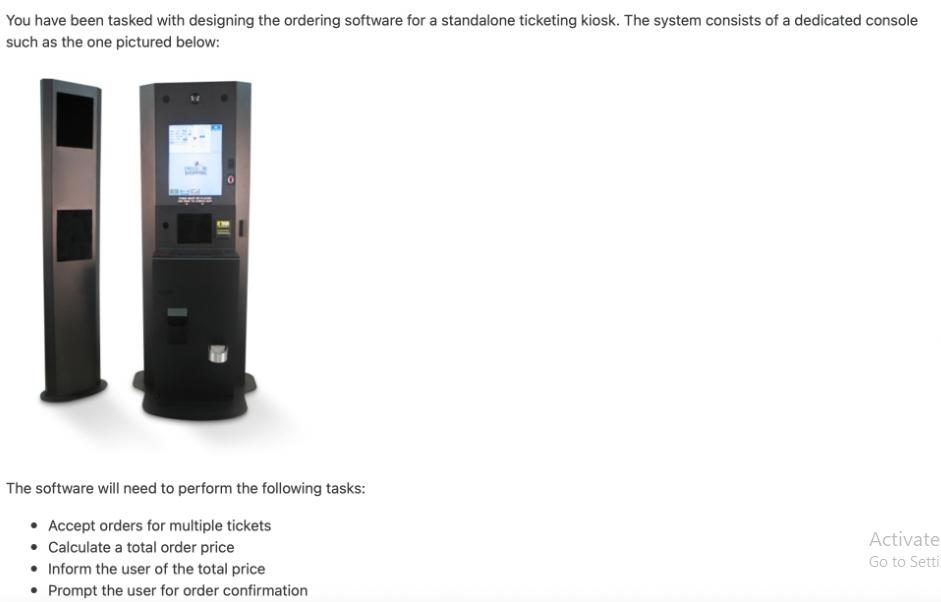
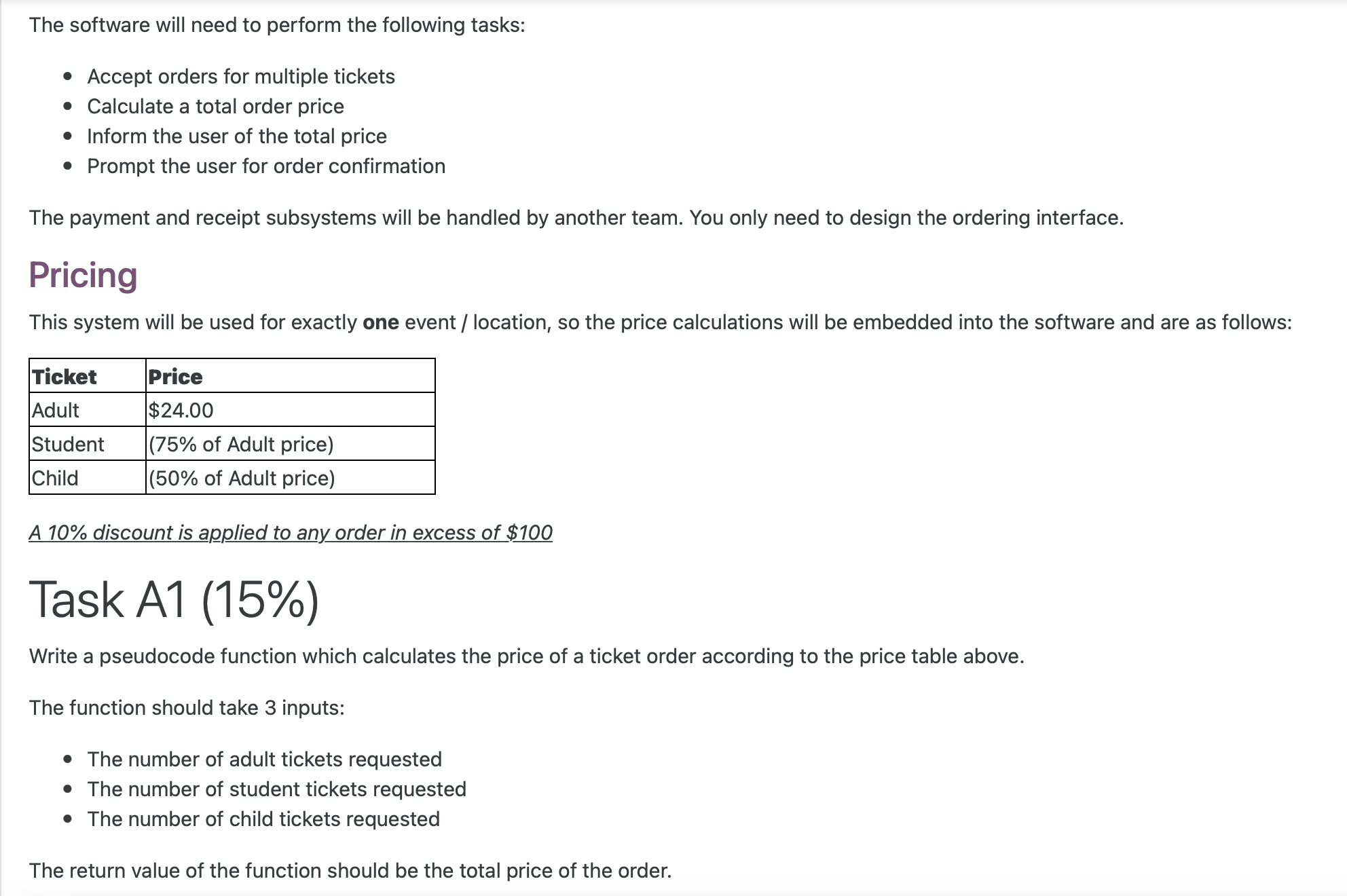
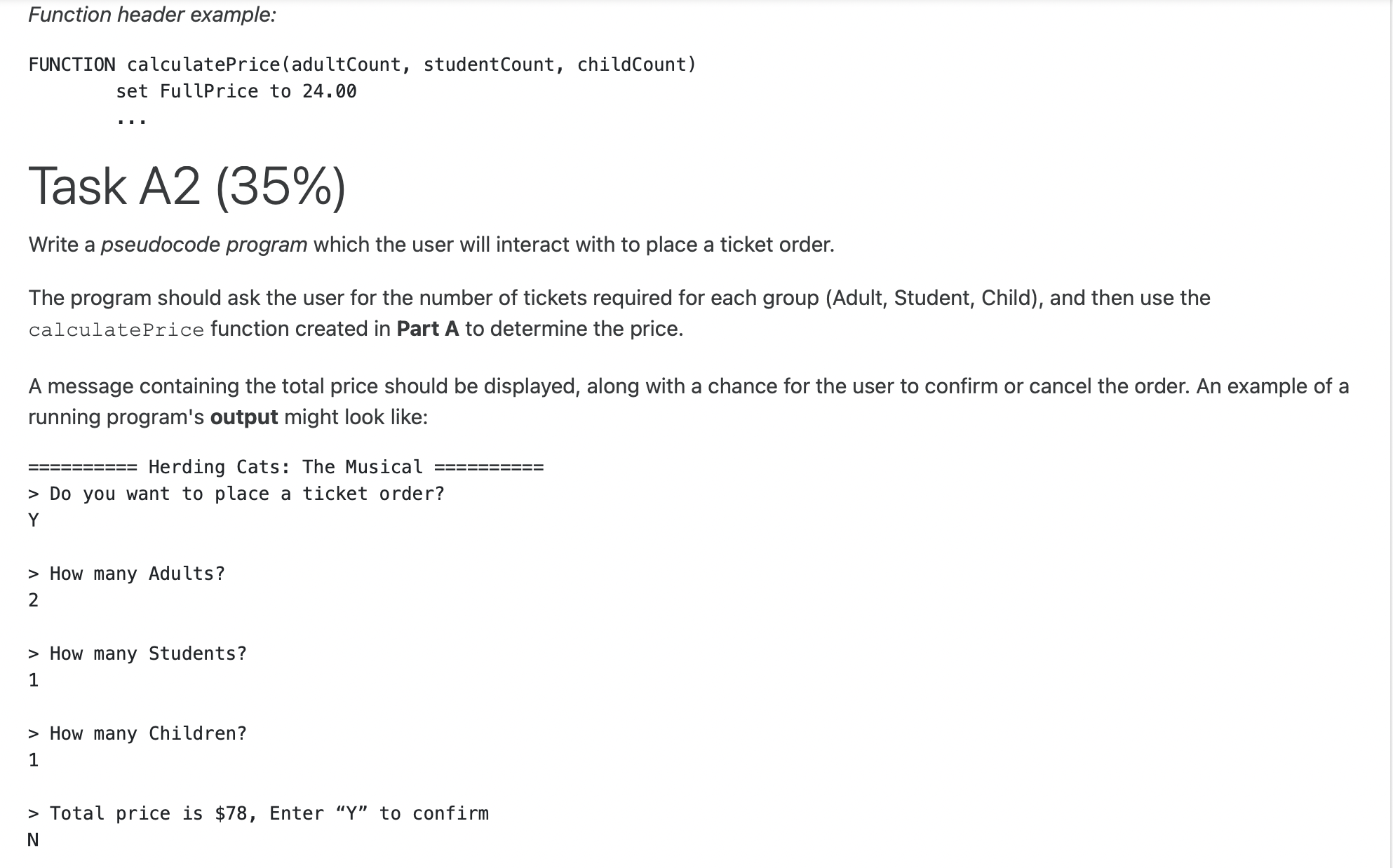
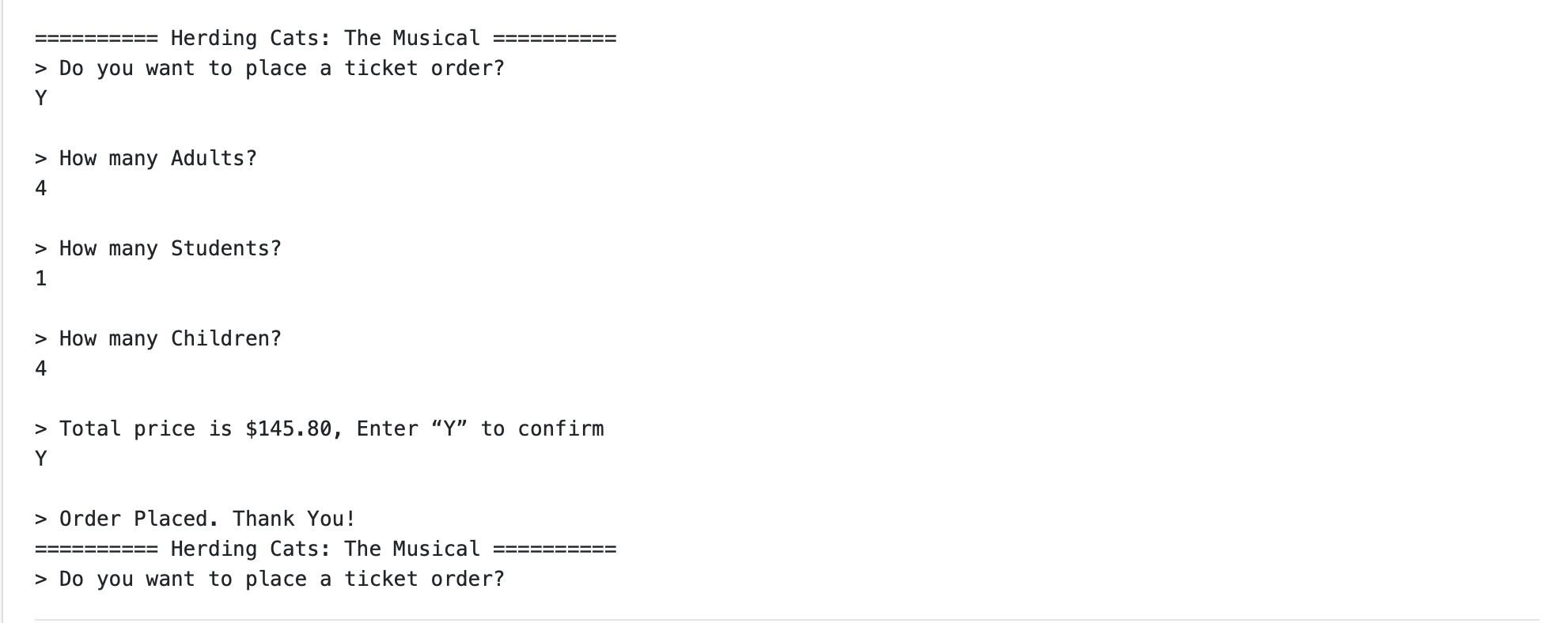
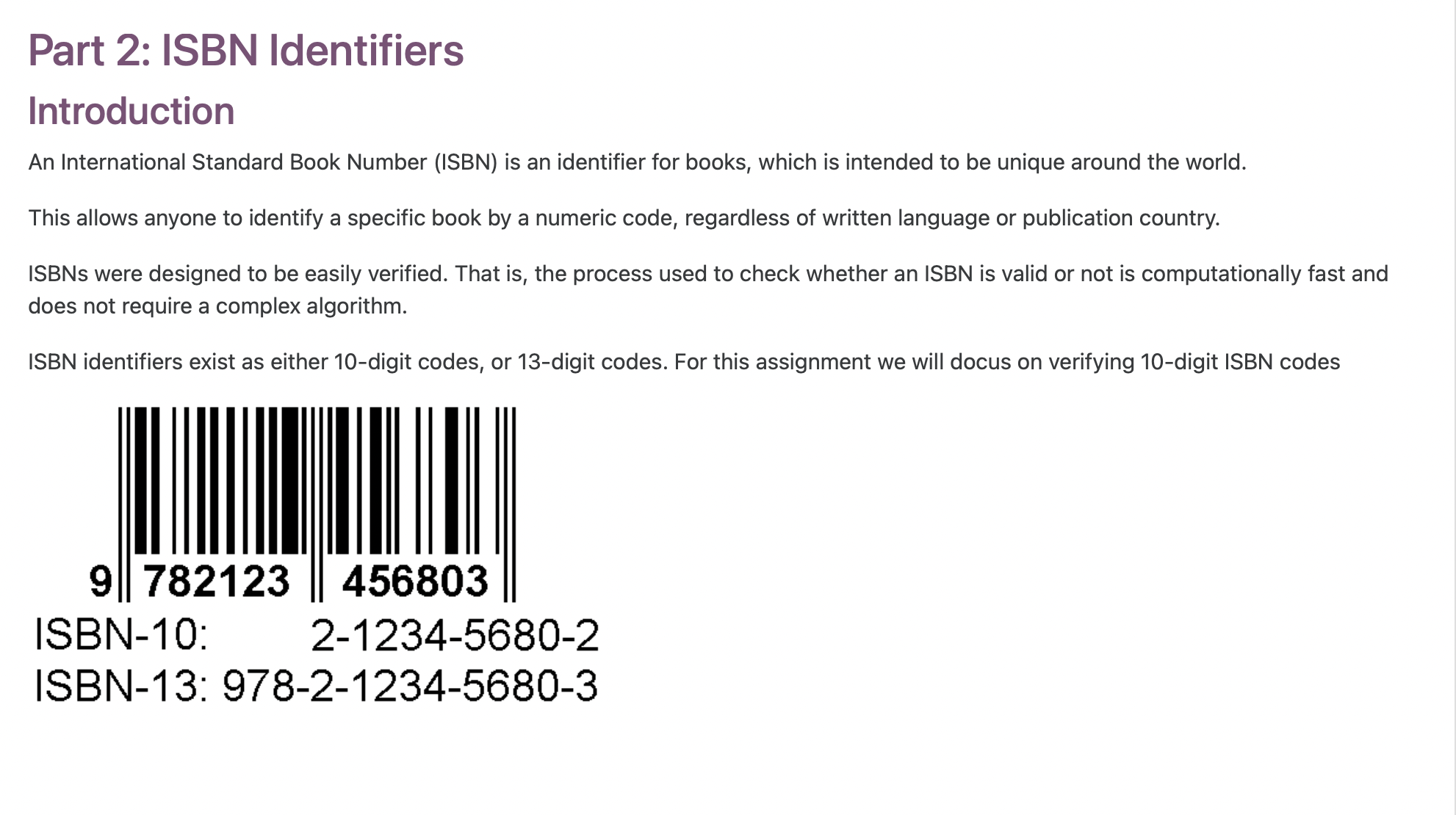
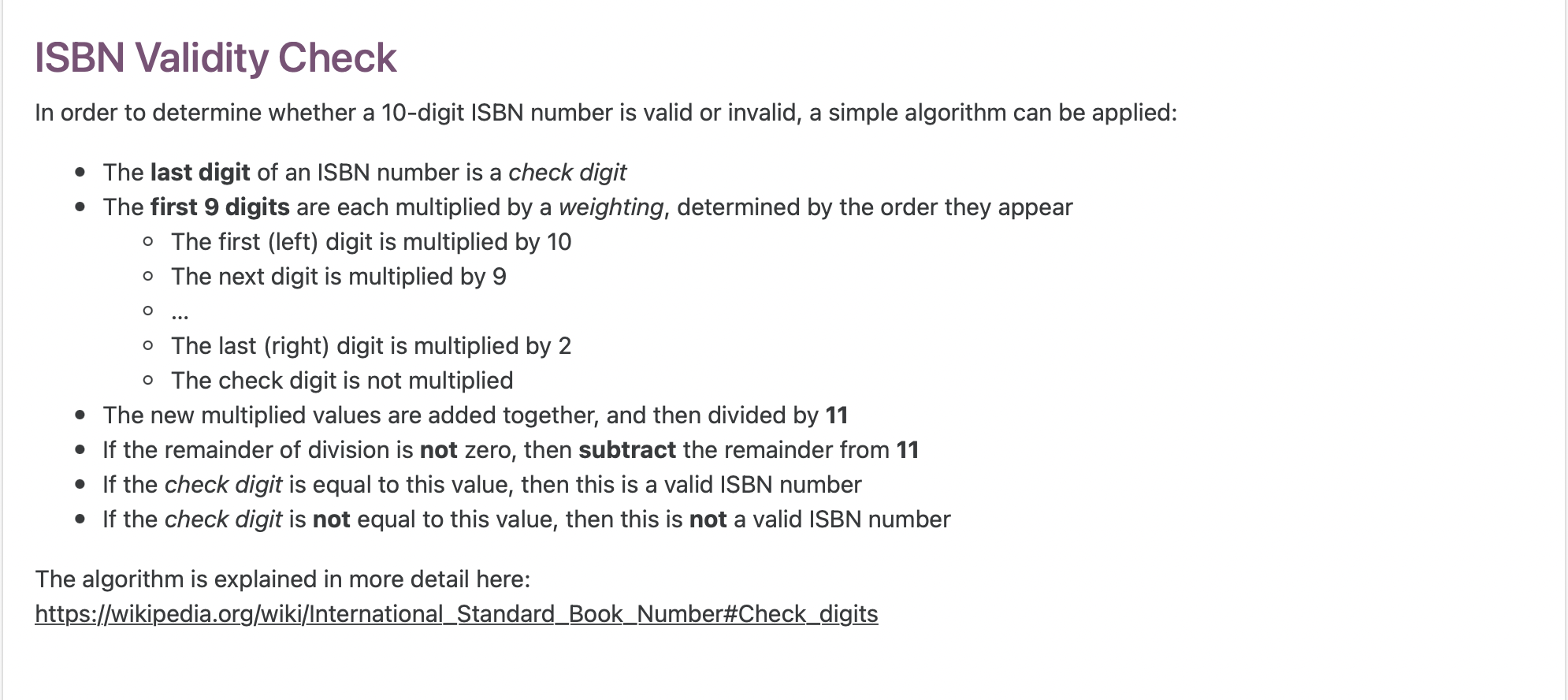
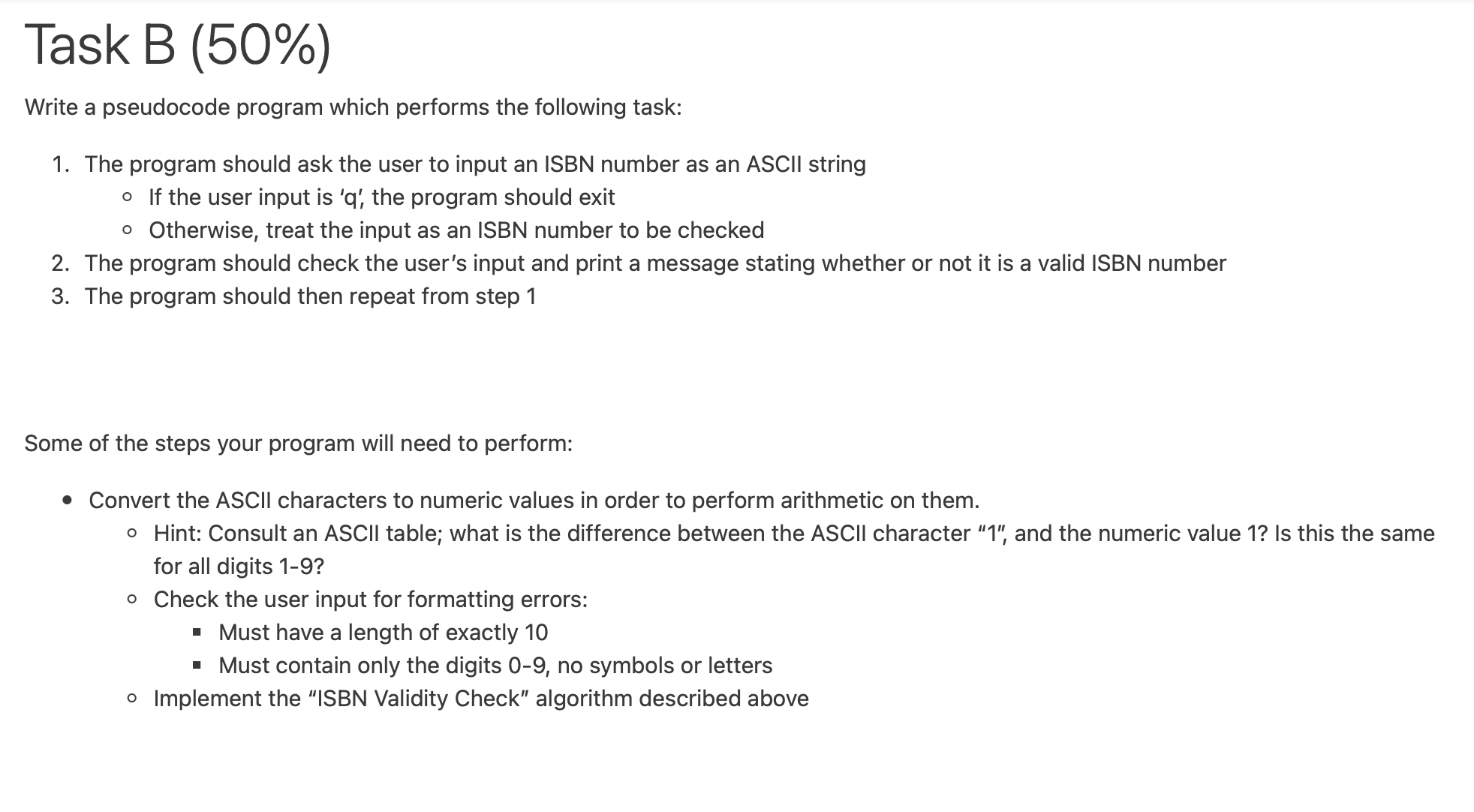
You have been tasked with designing the ordering software for a standalone ticketing kiosk. The system consists of a dedicated console such as the one pictured below: BRINGE spesya 0 The software will need to perform the following tasks: Accept orders for multiple tickets Calculate a total order price Inform the user of the total price Prompt the user for order confirmation Activate Go to Setti The software will need to perform the following tasks: Accept orders for multiple tickets Calculate a total order price Inform the user of the total price Prompt the user for order confirmation The payment and receipt subsystems will be handled by another team. You only need to design the ordering interface. Pricing This system will be used for exactly one event / location, so the price calculations will be embedded into the software and are as follows: Ticket Adult Student Child Price $24.00 (75% of Adult price) (50% of Adult price) A 10% discount is applied to any order in excess of $100 Task A1 (15%) Write a pseudocode function which calculates the price of a ticket order according to the price table above. The function should take 3 inputs: The number of adult tickets requested The number of student tickets requested The number of child tickets requested The return value of the function should be the total price of the order. Function header example: FUNCTION calculatePrice (adultCount, student Count, childCount) set FullPrice to 24.00 Task A2 (35%) Write a pseudocode program which the user will interact with to place a ticket order. The program should ask the user for the number of tickets required for each group (Adult, Student, Child), and then use the calculate Price function created in Part A to determine the price. A message containing the total price should be displayed, along with a chance for the user to confirm or cancel the order. An example of a running program's output might look like: Herding Cats: The Musical > Do you want to place a ticket order? Y > How many Adults? 2 > How many Students? 1 > How many Children? 1 > Total price is $78, Enter "Y" to confirm N Herding Cats: The Musical > Do you want to place a ticket order? Y > How many Adults? 4 > How many Students? 1 > How many Children? 4 > Total price is $145.80, Enter "Y" to confirm Y > Order Placed. Thank You! Herding Cats: The Musical > Do you want to place a ticket order? Part 2: ISBN Identifiers Introduction An International Standard Book Number (ISBN) is an identifier for books, which is intended to be unique around the world. This allows anyone to identify a specific book by a numeric code, regardless of written language or publication country. ISBNs were designed to be easily verified. That is, the process used to check whether an ISBN is valid or not is computationally fast and does not require a complex algorithm. ISBN identifiers exist as either 10-digit codes, or 13-digit codes. For this assignment we will docus on verifying 10-digit ISBN codes 9|782123 456803 ISBN-10: 2-1234-5680-2 ISBN-13: 978-2-1234-5680-3 ISBN Validity Check In order to determine whether a 10-digit ISBN number is valid or invalid, a simple algorithm can be applied: The last digit of an ISBN number is a check digit The first 9 digits are each multiplied by a weighting, determined by the order they appear o The first (left) digit is multiplied by 10 o The next digit is multiplied by 9 O The last (right) digit is multiplied by 2 o The check digit is not multiplied The new multiplied values are added together, and then divided by 11 If the remainder of division is not zero, then subtract the remainder from 11 If the check digit is equal to this value, then this is a valid ISBN number If the check digit is not equal to this value, then this is not a valid ISBN number The algorithm is explained in more detail here: https://wikipedia.org/wiki/International_Standard_Book_Number#Check_digits Task B (50%) Write a pseudocode program which performs the following task: 1. The program should ask the user to input an ISBN number as an ASCII string o If the user input is 'q', the program should exit o Otherwise, treat the input as an ISBN number to be checked 2. The program should check the user's input and print a message stating whether or not it is a valid ISBN number 3. The program should then repeat from step 1 Some of the steps your program will need to perform: Convert the ASCII characters to numeric values in order to perform arithmetic on them. o Hint: Consult an ASCII table; what is the difference between the ASCII character "1", and the numeric value 1? Is this the same for all digits 1-9? o Check the user input for formatting errors: Must have a length of exactly 10 Must contain only the digits 0-9, no symbols or letters o Implement the "ISBN Validity Check" algorithm described above
Step by Step Solution
3.40 Rating (162 Votes )
There are 3 Steps involved in it
here is the code for task one FUNCTION calculatePrice adultCount studentCount childCount SET FullPrice to 2400 SET studentPrice to FullPrice 075 SET c... View full answer

Get step-by-step solutions from verified subject matter experts
 Study Help