



Question: It's been 2 months since you took a position as an assistant financial analyst at Caledonia Products. Although your boss has been pleased with your
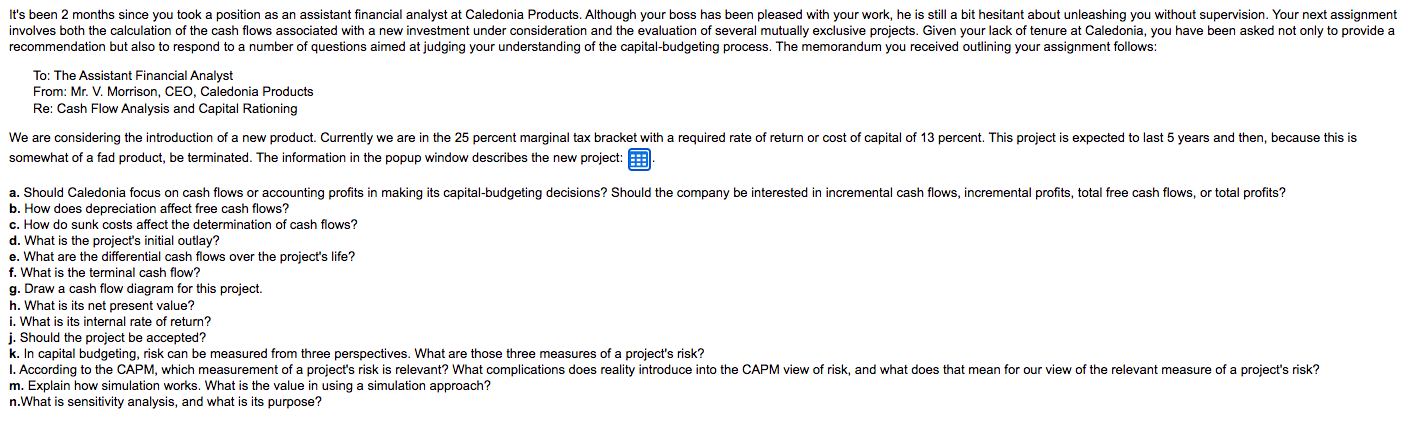
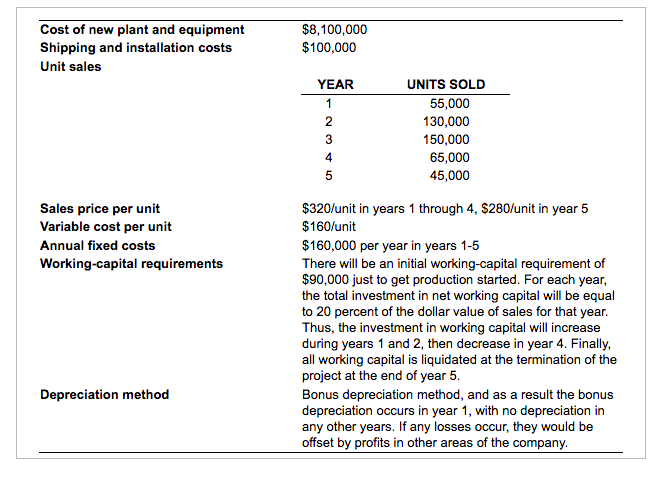
It's been 2 months since you took a position as an assistant financial analyst at Caledonia Products. Although your boss has been pleased with your work, he is still a bit hesitant about unleashing you without supervision. Your next assignment involves both the calculation of the cash flows associated with a new investment under consideration and the evaluation of several mutually exclusive projects. Given your lack of tenure at Caledonia, you have been asked not only to provide a recommendation but also to respond to a number of questions aimed at judging your understanding of the capital-budgeting process. The memorandum you received outlining your assignment follows: To: The Assistant Financial Analyst From: Mr. V. Morrison, CEO, Caledonia Products Re: Cash Flow Analysis and Capital Rationing We are considering the introduction of a new product. Currently we are in the 25 percent marginal tax bracket with a required rate of return or cost of capital of 13 percent. This project is expected to last 5 years and then, because this is somewhat of a fad product, be terminated. The information in the popup window describes the new project: 2 a. Should Caledonia focus on cash flows or accounting profits in making its capital-budgeting decisions? Should the company be interested in incremental cash flows, incremental profits, total free cash flows, or total profits? b. How does depreciation affect free cash flows? c. How do sunk costs affect the determination of cash flows? d. What is the project's initial outlay? e. What are the differential cash flows over the project's life? f. What is the terminal cash flow? g. Draw a cash flow diagram for this project. h. What is its net present value h ? at is its internal rate of return? . the project be accepted? k. In capital budgeting, risk can be measured from three perspectives. What are those three measures of a project's risk? 1. According to the CAPM, which measurement of a project's risk is relevant? What complications does reality introduce into the CAPM view of risk, and what does that mean for our view of the relevant measure of a project's risk? m. Explain how simulation works. What is the value in using a simulation approach? n.What is sensitivity analysis, and what is its purpose? i. What is its j. Should Cost of new plant and equipment Shipping and installation costs Unit sales $8,100,000 $100,000 YEAR 1 2 3 UNITS SOLD 55,000 130,000 150,000 65,000 45,000 4 5 Sales price per unit Variable cost per unit Annual fixed costs Working-capital requirements $320/unit in years 1 through 4, $280/unit in year 5 $160/unit $160,000 per year in years 1-5 There will be an initial working-capital requirement of $90,000 just to get production started. For each year, the total investment in net working capital will be equal to 20 percent of the dollar value of sales for that year. Thus, the investment in working capital will increase during years 1 and 2, then decrease in year 4. Finally, all working capital is liquidated at the termination of the project at the end of year 5. Bonus depreciation method, and as a result the bonus depreciation occurs in year 1, with no depreciation in any other years. If any losses occur, they would be offset by profits in other areas of the company. Depreciation method It's been 2 months since you took a position as an assistant financial analyst at Caledonia Products. Although your boss has been pleased with your work, he is still a bit hesitant about unleashing you without supervision. Your next assignment involves both the calculation of the cash flows associated with a new investment under consideration and the evaluation of several mutually exclusive projects. Given your lack of tenure at Caledonia, you have been asked not only to provide a recommendation but also to respond to a number of questions aimed at judging your understanding of the capital-budgeting process. The memorandum you received outlining your assignment follows: To: The Assistant Financial Analyst From: Mr. V. Morrison, CEO, Caledonia Products Re: Cash Flow Analysis and Capital Rationing We are considering the introduction of a new product. Currently we are in the 25 percent marginal tax bracket with a required rate of return or cost of capital of 13 percent. This project is expected to last 5 years and then, because this is somewhat of a fad product, be terminated. The information in the popup window describes the new project: 2 a. Should Caledonia focus on cash flows or accounting profits in making its capital-budgeting decisions? Should the company be interested in incremental cash flows, incremental profits, total free cash flows, or total profits? b. How does depreciation affect free cash flows? c. How do sunk costs affect the determination of cash flows? d. What is the project's initial outlay? e. What are the differential cash flows over the project's life? f. What is the terminal cash flow? g. Draw a cash flow diagram for this project. h. What is its net present value h ? at is its internal rate of return? . the project be accepted? k. In capital budgeting, risk can be measured from three perspectives. What are those three measures of a project's risk? 1. According to the CAPM, which measurement of a project's risk is relevant? What complications does reality introduce into the CAPM view of risk, and what does that mean for our view of the relevant measure of a project's risk? m. Explain how simulation works. What is the value in using a simulation approach? n.What is sensitivity analysis, and what is its purpose? i. What is its j. Should Cost of new plant and equipment Shipping and installation costs Unit sales $8,100,000 $100,000 YEAR 1 2 3 UNITS SOLD 55,000 130,000 150,000 65,000 45,000 4 5 Sales price per unit Variable cost per unit Annual fixed costs Working-capital requirements $320/unit in years 1 through 4, $280/unit in year 5 $160/unit $160,000 per year in years 1-5 There will be an initial working-capital requirement of $90,000 just to get production started. For each year, the total investment in net working capital will be equal to 20 percent of the dollar value of sales for that year. Thus, the investment in working capital will increase during years 1 and 2, then decrease in year 4. Finally, all working capital is liquidated at the termination of the project at the end of year 5. Bonus depreciation method, and as a result the bonus depreciation occurs in year 1, with no depreciation in any other years. If any losses occur, they would be offset by profits in other areas of the company. Depreciation method
Step by Step Solution
There are 3 Steps involved in it

Get step-by-step solutions from verified subject matter experts