







Question: Java Programming 3-3: Recursion Practice Activities Lesson Obiectives: Create linear recursive methods Create non-linear recursive methods Compare the pros and cons of recursion Vocabulary: Identify
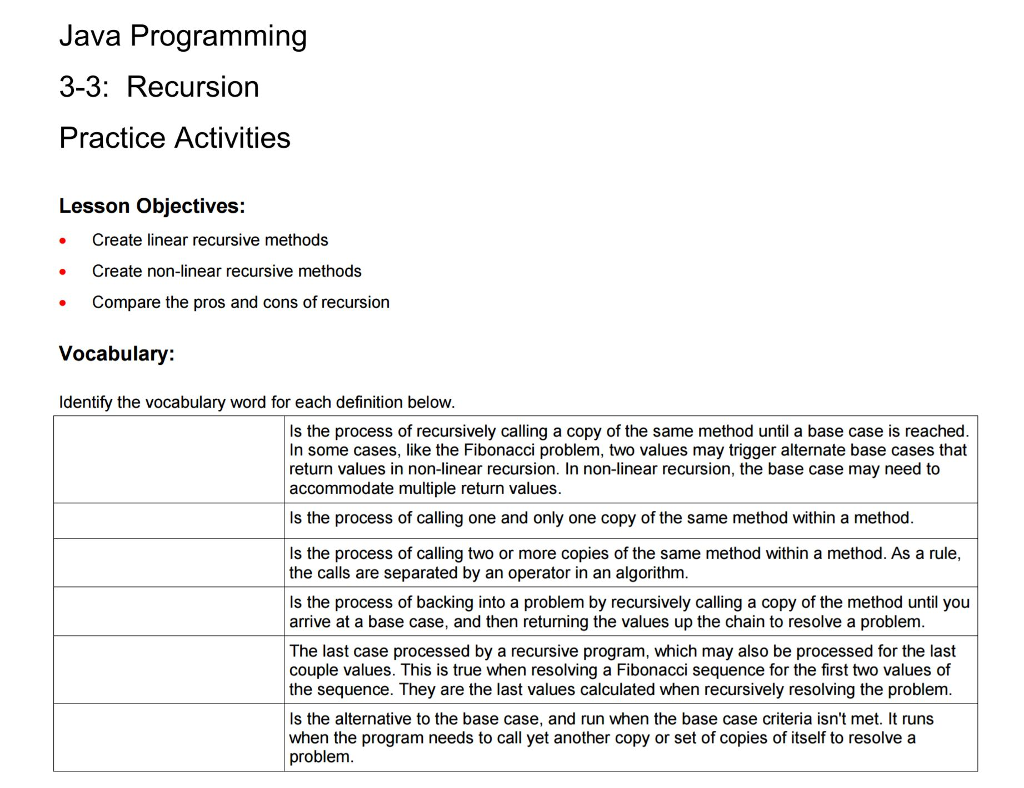
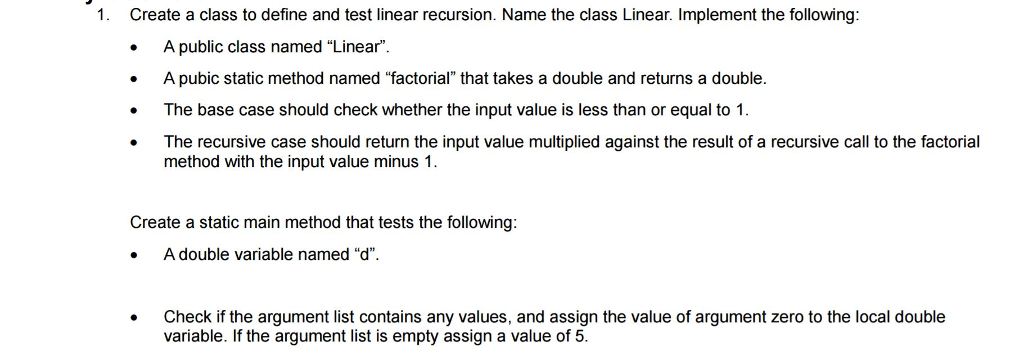
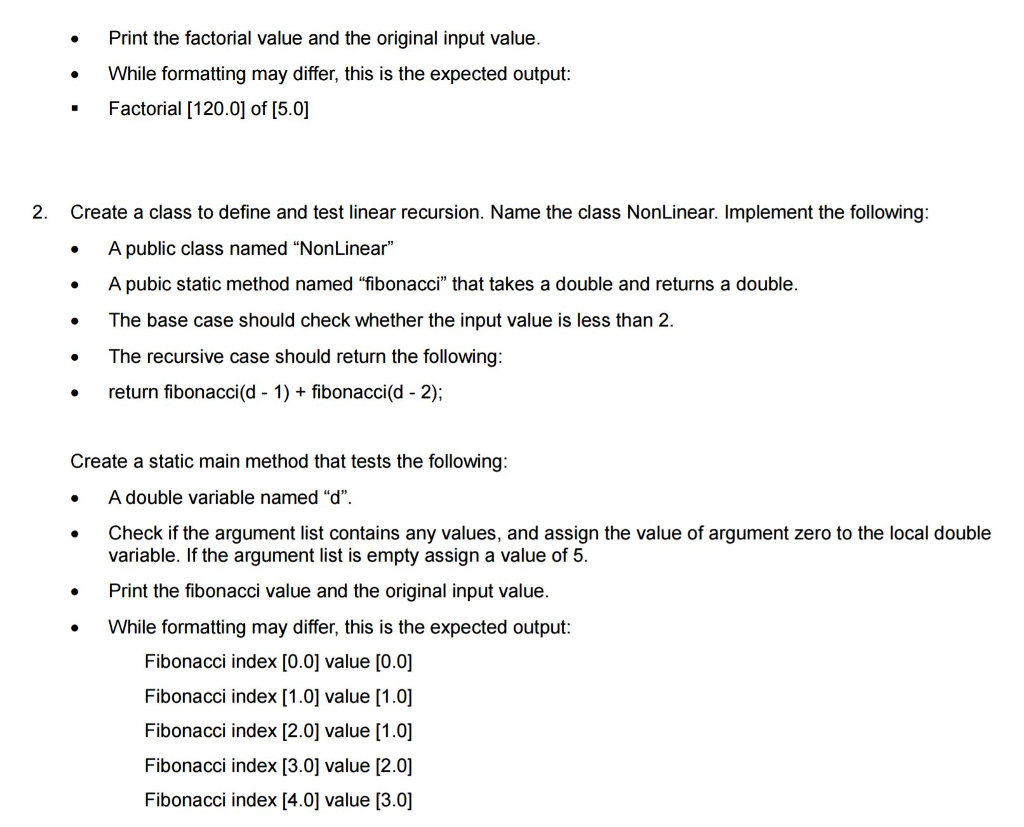
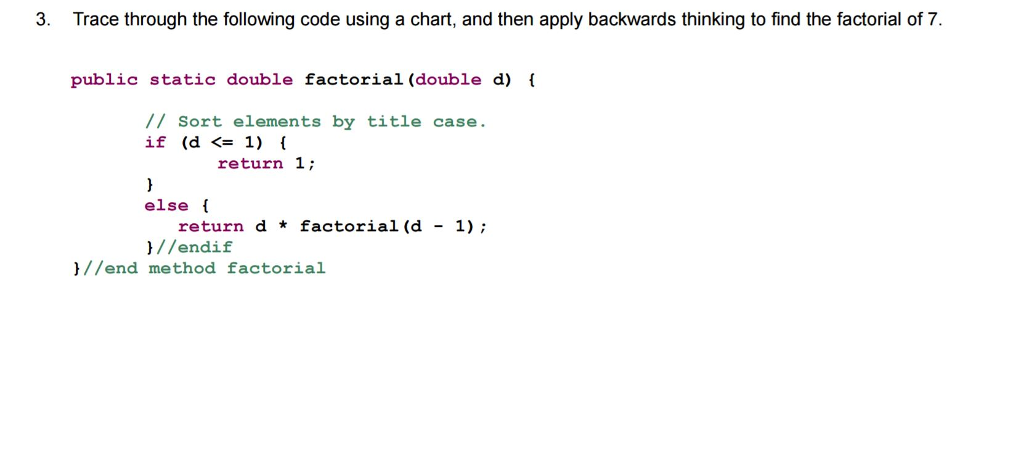
Java Programming 3-3: Recursion Practice Activities Lesson Obiectives: Create linear recursive methods Create non-linear recursive methods Compare the pros and cons of recursion Vocabulary: Identify the vocabulary word for each definition below Is the process of recursively calling a copy of the same method until a base case is reached In some cases, like the Fibonacci problem, two values may trigger alternate base cases that return values in non-linear recursion. In non-linear recursion, the base case may need to accommodate multiple return values Is the process of calling one and only one copy of the same method within a method Is the process of calling two or more copies of the same method within a method. As a rule, the calls are separated by an operator in an algorithm Is the process of backing into a problem by recursively calling a copy of the method until you arrive at a base case, and then returning the values up the chain to resolve a problem The last case processed by a recursive program, which may also be processed for the last couple values. This is true when resolving a Fibonacci sequence for the first two values of the sequence. They are the last values calculated when recursively resolving the problenm Is the alternative to the base case, and run when the base case criteria isn't met. It runs when the program needs to call yet another copy or set of copies of itself to resolve a
Step by Step Solution
There are 3 Steps involved in it

Get step-by-step solutions from verified subject matter experts
 Study Help