







Question: Koala Fun Case Study is attached. Please help answer questions QUESTION: WHAT WOULD YOU RECOMMEND THAT OWEN AND TESSA DO TO IMPROVE THEIR COMPANY? CASE
Koala Fun Case Study is attached. Please help answer questions
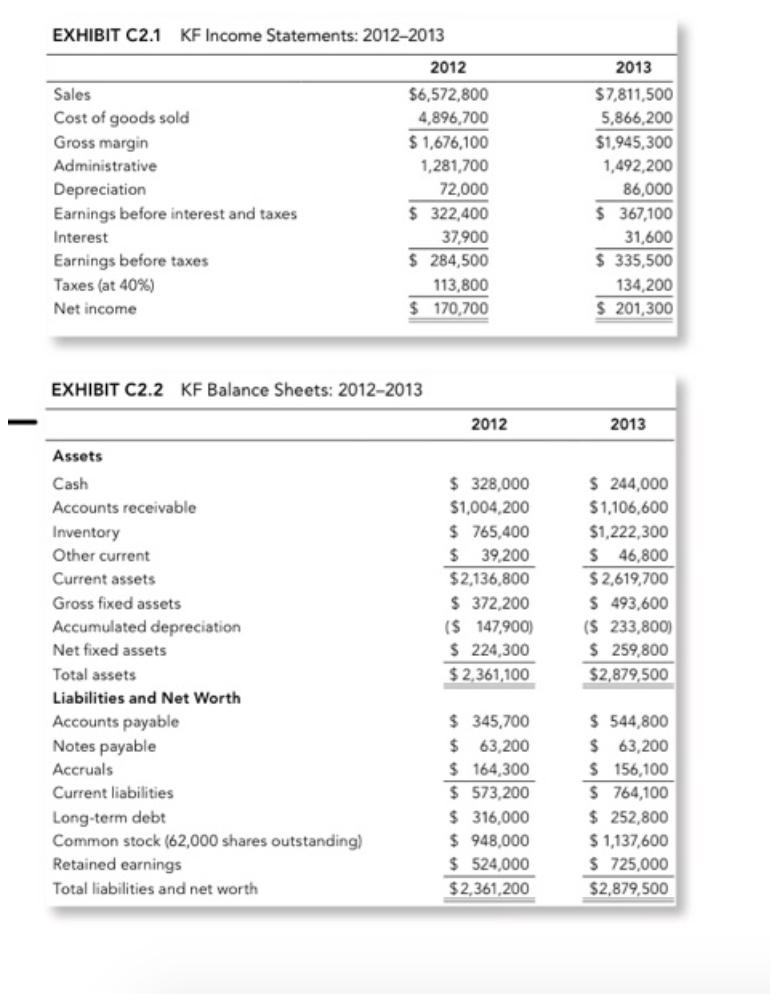
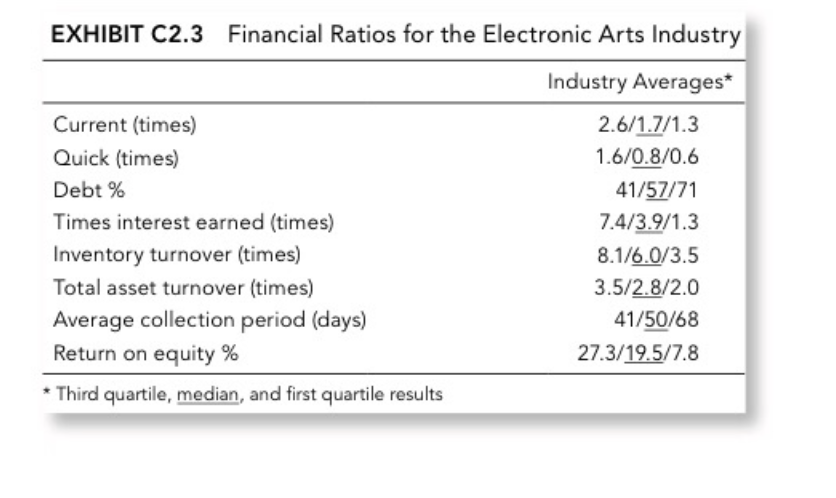
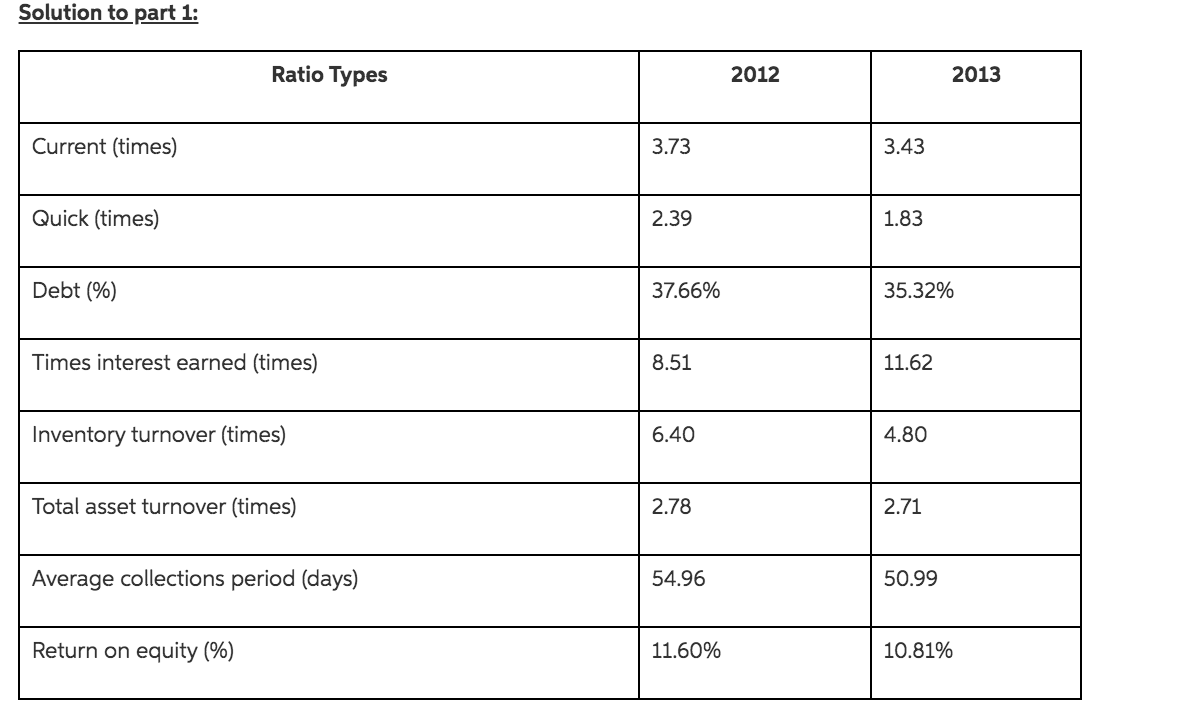
QUESTION: WHAT WOULD YOU RECOMMEND THAT OWEN AND TESSA DO TO IMPROVE THEIR COMPANY?
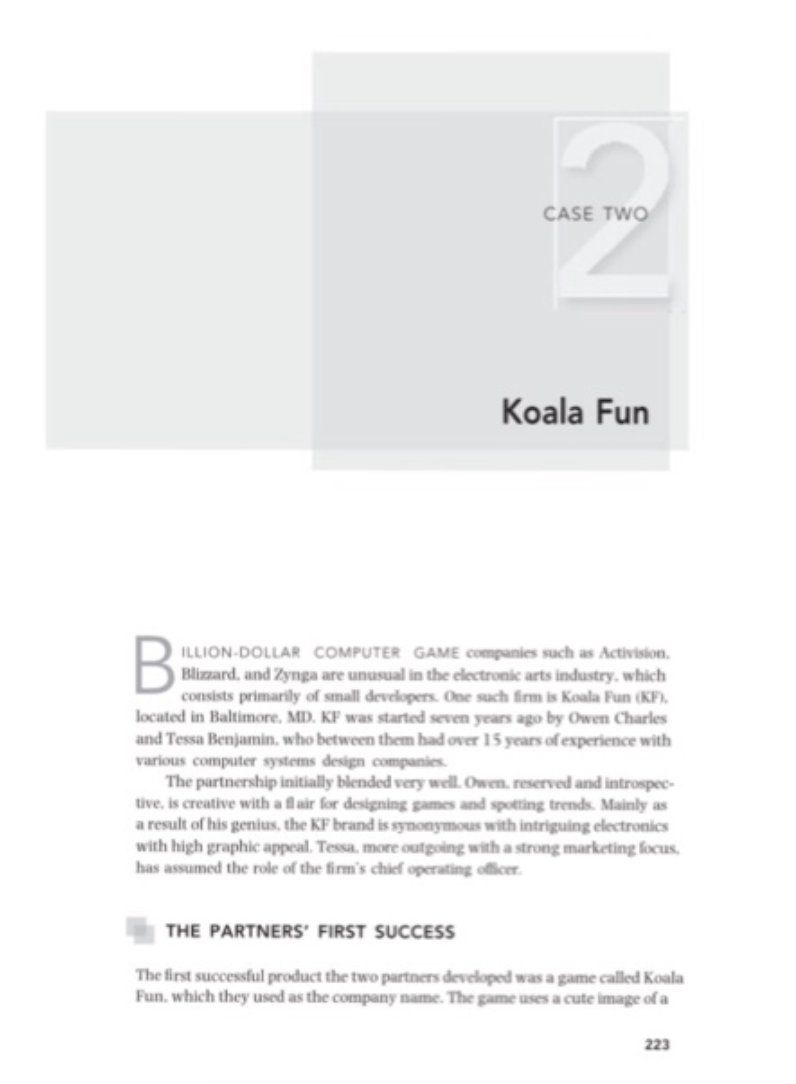
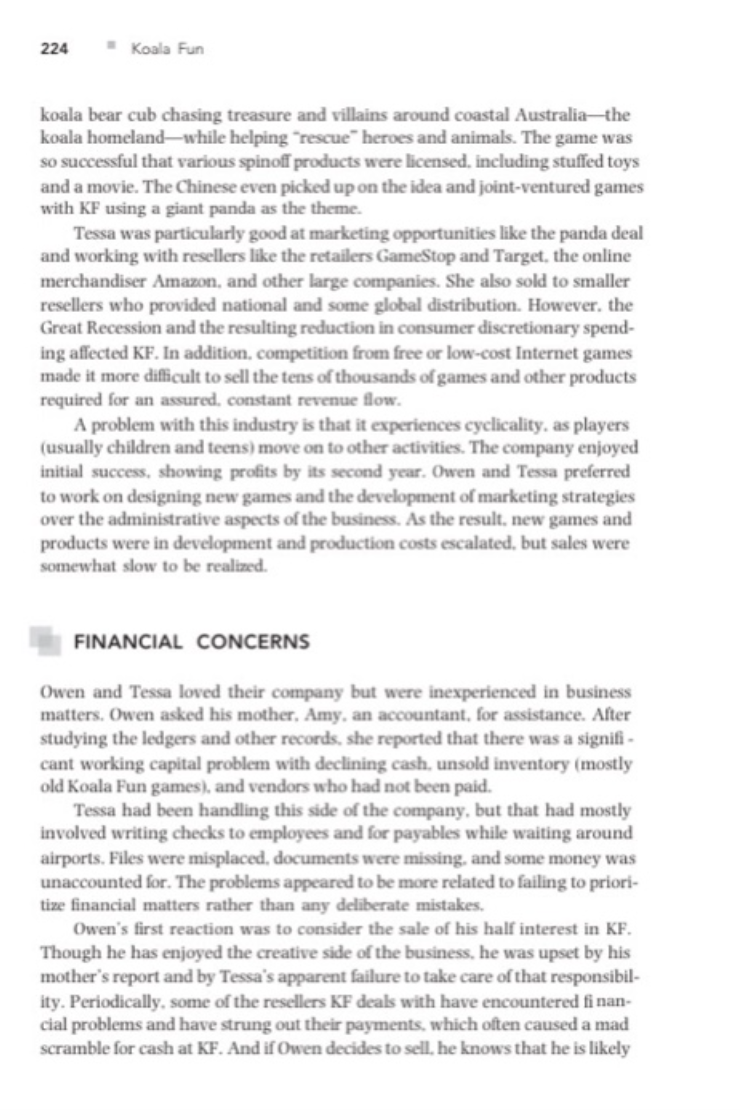
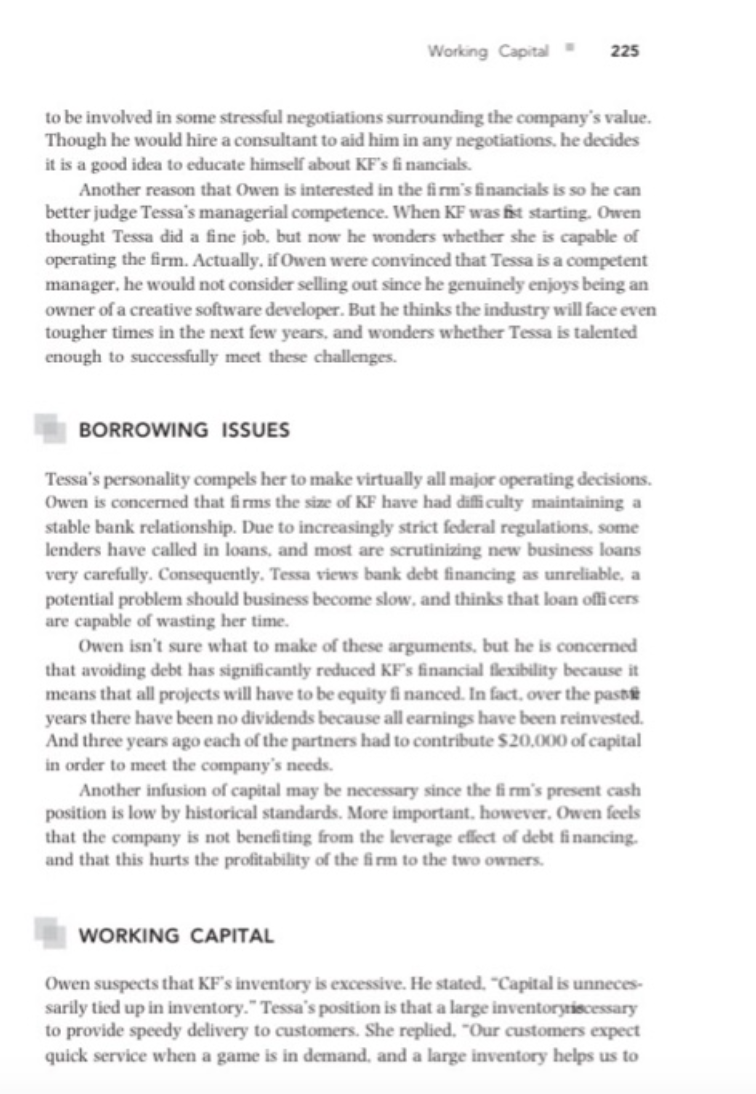
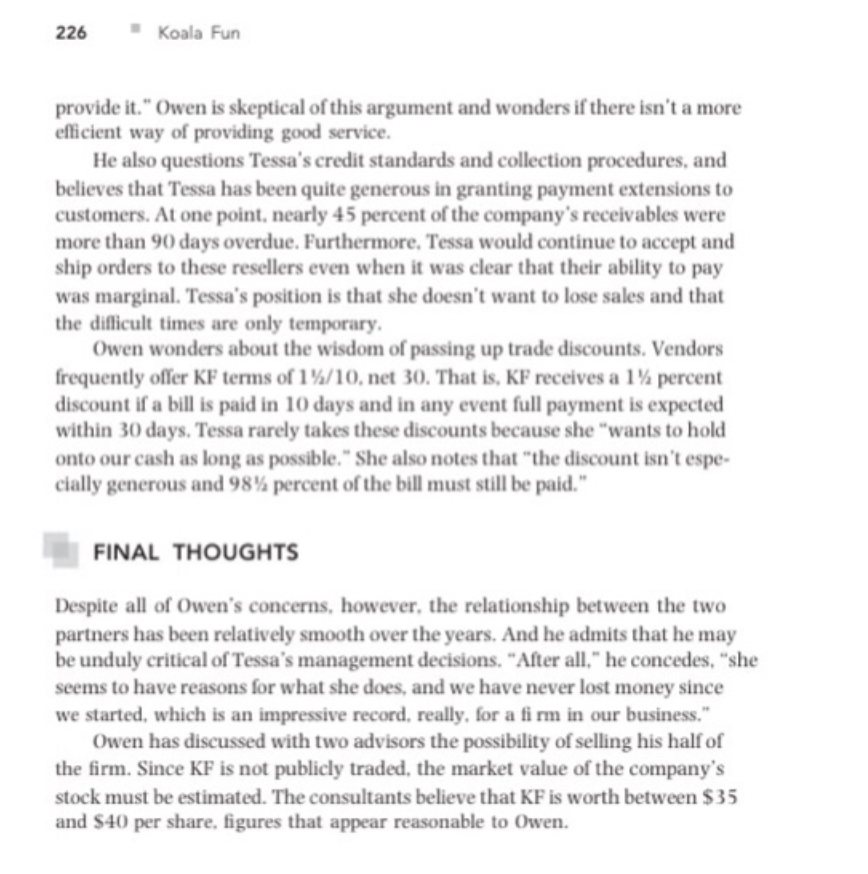
CASE TWO Koala Fun B ILLION DOLLAR COMPUTER GAME companies such as Activision. Blizzard, and Zynga are unusual in the electronic arts industry, which consists primarily of small developers. One such firm is Koala Pun K. located in Baltimore, MD.KF was started seven years ago by Owen Charles and Tessa Benjamin, who between them had over 15 years of experience with various computer systems design companies The partnership initially blended very well. Owen, reserved and introspec tive is creative with a flair for designing games and spotting trends. Mainly as a result of his genius, the KF brand is synonymous with intriguing electronics with high graphic appeal. Tessa, more outgoing with a strong marketing focus. has assumed the role of the firm's chief operating oficer THE PARTNERS' FIRST SUCCESS The first successful product the two partners developed was a game called Koala Fun, which they used as the company name. The game uses a cute image of a 223 224 Koala Fun koala bear cub chasing treasure and villains around coastal Australia-the koala homeland-while helping rescue heroes and animals. The game was so successful that various spinoff products were licensed, including stuffed toys and a movie. The Chinese even picked up on the idea and joint-ventured games with KF using a giant panda as the theme. Tessa was particularly good at marketing opportunities like the panda deal and working with resellers like the retailers GameStop and Target, the online merchandiser Amazon, and other large companies. She also sold to smaller resellers who provided national and some global distribution. However, the Great Recession and the resulting reduction in consumer discretionary spend- ing affected KF. In addition, competition from free or low-cost Internet games made it more difficult to sell the tens of thousands of games and other products required for an assured constant revenue flow. A problem with this industry is that it experiences cyclicality, as players (usually children and teens) move on to other activities. The company enjoyed initial success, showing profits by its second year. Owen and Tessa preferred to work on designing new games and the development of marketing strategies over the administrative aspects of the business. As the result, new games and products were in development and production costs escalated, but sales were somewhat slow to be realized. FINANCIAL CONCERNS Owen and Tessa loved their company but were inexperienced in business matters. Owen asked his mother, Amy, an accountant, for assistance. After studying the ledgers and other records, she reported that there was a signifi- cant working capital problem with declining cash, unsold inventory (mostly old Koala Fun games), and vendors who had not been paid. Tessa had been handling this side of the company, but that had mostly involved writing checks to employees and for payables while waiting around airports, Files were misplaced, documents were missing, and some money was unaccounted for. The problems appeared to be more related to failing to priori- tize financial matters rather than any deliberate mistakes. Owen's first reaction was to consider the sale of his half interest in KF. Though he has enjoyed the creative side of the business, he was upset by his mother's report and by Tessa's apparent failure to take care of that responsibil- ity. Periodically, some of the resellers KF deals with have encountered finan- cial problems and have strung out their payments, which often caused a mad scramble for cash at KF. And if Owen decides to sell, he knows that he is likely Working Capital 225 to be involved in some stressful negotiations surrounding the company's value. Though he would hire a consultant to aid him in any negotiations, he decides it is a good idea to educate himself about KF's financials. Another reason that Owen is interested in the firm's financials is so he can better judge Tessa's managerial competence. When KF was fist starting. Owen thought Tessa did a fine job, but now he wonders whether she is capable of operating the firm. Actually, if Owen were convinced that Tessa is a competent manager, he would not consider selling out since he genuinely enjoys being an owner of a creative software developer. But he thinks the industry will face even tougher times in the next few years, and wonders whether Tessa is talented enough to successfully meet these challenges. BORROWING ISSUES Tessa's personality compels her to make virtually all major operating decisions. Owen is concerned that firms the size of KF have had difficulty maintaining a stable bank relationship. Due to increasingly strict federal regulations, some lenders have called in loans, and most are scrutinizing new business loans very carefully. Consequently. Tessa views bank debt financing as unreliable, a potential problem should business become slow, and thinks that loan officers are capable of wasting her time. Owen isn't sure what to make of these arguments, but he is concerned that avoiding debt has significantly reduced KF's financial flexibility because it means that all projects will have to be equity financed. In fact, over the past years there have been no dividends because all earnings have been reinvested, And three years ago each of the partners had to contribute $20,000 of capital in order to meet the company's needs. Another infusion of capital may be necessary since the firm's present cash position is low by historical standards. More important, however, Owen feels that the company is not benefiting from the leverage effect of debt financing. and that this hurts the profitability of the firm to the two owners. WORKING CAPITAL Owen suspects that KF's inventory is excessive. He stated. "Capital is unneces- sarily tied up in inventory." Tessa's position is that a large inventoryriscessary to provide speedy delivery to customers. She replied, "Our customers expect quick service when a game is in demand, and a large inventory helps us to 226 Koala Fun provide it." Owen is skeptical of this argument and wonders if there isn't a more efficient way of providing good service. He also questions Tessa's credit standards and collection procedures, and believes that Tessa has been quite generous in granting payment extensions to customers. At one point, nearly 45 percent of the company's receivables were more than 90 days overdue. Furthermore, Tessa would continue to accept and ship orders to these resellers even when it was clear that their ability to pay was marginal. Tessa's position is that she doesn't want to lose sales and that the difficult times are only temporary. Owen wonders about the wisdom of passing up trade discounts. Vendors frequently offer KF terms of 1%/10, net 30. That is, KF receives a 1 percent discount if a bill is paid in 10 days and in any event full payment is expected within 30 days. Tessa rarely takes these discounts because she wants to hold onto our cash as long as possible." She also notes that the discount isn't espe- cially generous and 98% percent of the bill must still be paid." FINAL THOUGHTS Despite all of Owen's concerns, however, the relationship between the two partners has been relatively smooth over the years. And he admits that he may be unduly critical of Tessa's management decisions. "After all," he concedes, "she seems to have reasons for what she does, and we have never lost money since we started, which is an impressive record, really, for a firm in our business." Owen has discussed with two advisors the possibility of selling his half of the firm. Since KF is not publicly traded, the market value of the company's stock must be estimated. The consultants believe that KF is worth between $35 and $40 per share, figures that appear reasonable to Owen. EXHIBIT C2.1 KF Income Statements: 2012-2013 2012 Sales $6,572,800 Cost of goods sold 4,896,700 Gross margin $ 1,676,100 Administrative 1,281,700 Depreciation 72,000 Earnings before interest and taxes $ 322,400 Interest 37,900 Earnings before taxes $ 284,500 Taxes (at 40%) 113,800 Net income $ 170,700 2013 $7,811,500 5,866,200 $1,945,300 1,492,200 86,000 $ 367,100 31,600 $ 335,500 134,200 $ 201,300 EXHIBIT C2.2 KF Balance Sheets: 2012-2013 2012 2013 Assets Cash Accounts receivable Inventory Other current Current assets Gross fixed assets Accumulated depreciation Net fixed assets Total assets Liabilities and Net Worth Accounts payable Notes payable Accruals Current liabilities Long-term debt Common stock (62,000 shares outstanding) Retained earnings Total liabilities and net worth $ 328,000 $1,004,200 $ 765,400 $ 39,200 $2,136,800 $ 372,200 ($ 147,900) $ 224,300 $ 2,361,100 $ 244,000 $1,106,600 $1,222,300 $ 46,800 $ 2,619,700 $493,600 ($ 233,800) $ 259,800 $2,879,500 $ 345,700 $ 63,200 $ 164,300 $ 573,200 $ 316,000 $948,000 $ 524,000 $2,361,200 $ 544,800 $ 63,200 $ 156,100 $ 764,100 $ 252,800 $ 1,137,600 $ 725,000 $2,879,500 EXHIBIT C2.3 Financial Ratios for the Electronic Arts Industry Industry Averages* Current times) 2.6/1.7/1.3 Quick (times) 1.6/0.8/0.6 Debt % 41/57/71 Times interest earned (times) 7.4/3.9/1.3 Inventory turnover (times) 8.1/6.0/3.5 Total asset turnover (times) 3.5/2.8/2.0 Average collection period (days) 41/50/68 Return on equity % 27.3/19.5/7.8 * Third quartile, median, and first quartile results Solution to part 1: Ratio Types 2012 2013 Current times) 3.73 3.43 Quick (times) 2.39 1.83 Debt (%) 37.66% 35.32% Times interest earned (times) 8.51 11.62 Inventory turnover (times) 6.40 4.80 Total asset turnover (times) 2.78 2.71 Average collections period (days) 54.96 50.99 Return on equity (%) 11.60% 10.81% CASE TWO Koala Fun B ILLION DOLLAR COMPUTER GAME companies such as Activision. Blizzard, and Zynga are unusual in the electronic arts industry, which consists primarily of small developers. One such firm is Koala Pun K. located in Baltimore, MD.KF was started seven years ago by Owen Charles and Tessa Benjamin, who between them had over 15 years of experience with various computer systems design companies The partnership initially blended very well. Owen, reserved and introspec tive is creative with a flair for designing games and spotting trends. Mainly as a result of his genius, the KF brand is synonymous with intriguing electronics with high graphic appeal. Tessa, more outgoing with a strong marketing focus. has assumed the role of the firm's chief operating oficer THE PARTNERS' FIRST SUCCESS The first successful product the two partners developed was a game called Koala Fun, which they used as the company name. The game uses a cute image of a 223 224 Koala Fun koala bear cub chasing treasure and villains around coastal Australia-the koala homeland-while helping rescue heroes and animals. The game was so successful that various spinoff products were licensed, including stuffed toys and a movie. The Chinese even picked up on the idea and joint-ventured games with KF using a giant panda as the theme. Tessa was particularly good at marketing opportunities like the panda deal and working with resellers like the retailers GameStop and Target, the online merchandiser Amazon, and other large companies. She also sold to smaller resellers who provided national and some global distribution. However, the Great Recession and the resulting reduction in consumer discretionary spend- ing affected KF. In addition, competition from free or low-cost Internet games made it more difficult to sell the tens of thousands of games and other products required for an assured constant revenue flow. A problem with this industry is that it experiences cyclicality, as players (usually children and teens) move on to other activities. The company enjoyed initial success, showing profits by its second year. Owen and Tessa preferred to work on designing new games and the development of marketing strategies over the administrative aspects of the business. As the result, new games and products were in development and production costs escalated, but sales were somewhat slow to be realized. FINANCIAL CONCERNS Owen and Tessa loved their company but were inexperienced in business matters. Owen asked his mother, Amy, an accountant, for assistance. After studying the ledgers and other records, she reported that there was a signifi- cant working capital problem with declining cash, unsold inventory (mostly old Koala Fun games), and vendors who had not been paid. Tessa had been handling this side of the company, but that had mostly involved writing checks to employees and for payables while waiting around airports, Files were misplaced, documents were missing, and some money was unaccounted for. The problems appeared to be more related to failing to priori- tize financial matters rather than any deliberate mistakes. Owen's first reaction was to consider the sale of his half interest in KF. Though he has enjoyed the creative side of the business, he was upset by his mother's report and by Tessa's apparent failure to take care of that responsibil- ity. Periodically, some of the resellers KF deals with have encountered finan- cial problems and have strung out their payments, which often caused a mad scramble for cash at KF. And if Owen decides to sell, he knows that he is likely Working Capital 225 to be involved in some stressful negotiations surrounding the company's value. Though he would hire a consultant to aid him in any negotiations, he decides it is a good idea to educate himself about KF's financials. Another reason that Owen is interested in the firm's financials is so he can better judge Tessa's managerial competence. When KF was fist starting. Owen thought Tessa did a fine job, but now he wonders whether she is capable of operating the firm. Actually, if Owen were convinced that Tessa is a competent manager, he would not consider selling out since he genuinely enjoys being an owner of a creative software developer. But he thinks the industry will face even tougher times in the next few years, and wonders whether Tessa is talented enough to successfully meet these challenges. BORROWING ISSUES Tessa's personality compels her to make virtually all major operating decisions. Owen is concerned that firms the size of KF have had difficulty maintaining a stable bank relationship. Due to increasingly strict federal regulations, some lenders have called in loans, and most are scrutinizing new business loans very carefully. Consequently. Tessa views bank debt financing as unreliable, a potential problem should business become slow, and thinks that loan officers are capable of wasting her time. Owen isn't sure what to make of these arguments, but he is concerned that avoiding debt has significantly reduced KF's financial flexibility because it means that all projects will have to be equity financed. In fact, over the past years there have been no dividends because all earnings have been reinvested, And three years ago each of the partners had to contribute $20,000 of capital in order to meet the company's needs. Another infusion of capital may be necessary since the firm's present cash position is low by historical standards. More important, however, Owen feels that the company is not benefiting from the leverage effect of debt financing. and that this hurts the profitability of the firm to the two owners. WORKING CAPITAL Owen suspects that KF's inventory is excessive. He stated. "Capital is unneces- sarily tied up in inventory." Tessa's position is that a large inventoryriscessary to provide speedy delivery to customers. She replied, "Our customers expect quick service when a game is in demand, and a large inventory helps us to 226 Koala Fun provide it." Owen is skeptical of this argument and wonders if there isn't a more efficient way of providing good service. He also questions Tessa's credit standards and collection procedures, and believes that Tessa has been quite generous in granting payment extensions to customers. At one point, nearly 45 percent of the company's receivables were more than 90 days overdue. Furthermore, Tessa would continue to accept and ship orders to these resellers even when it was clear that their ability to pay was marginal. Tessa's position is that she doesn't want to lose sales and that the difficult times are only temporary. Owen wonders about the wisdom of passing up trade discounts. Vendors frequently offer KF terms of 1%/10, net 30. That is, KF receives a 1 percent discount if a bill is paid in 10 days and in any event full payment is expected within 30 days. Tessa rarely takes these discounts because she wants to hold onto our cash as long as possible." She also notes that the discount isn't espe- cially generous and 98% percent of the bill must still be paid." FINAL THOUGHTS Despite all of Owen's concerns, however, the relationship between the two partners has been relatively smooth over the years. And he admits that he may be unduly critical of Tessa's management decisions. "After all," he concedes, "she seems to have reasons for what she does, and we have never lost money since we started, which is an impressive record, really, for a firm in our business." Owen has discussed with two advisors the possibility of selling his half of the firm. Since KF is not publicly traded, the market value of the company's stock must be estimated. The consultants believe that KF is worth between $35 and $40 per share, figures that appear reasonable to Owen. EXHIBIT C2.1 KF Income Statements: 2012-2013 2012 Sales $6,572,800 Cost of goods sold 4,896,700 Gross margin $ 1,676,100 Administrative 1,281,700 Depreciation 72,000 Earnings before interest and taxes $ 322,400 Interest 37,900 Earnings before taxes $ 284,500 Taxes (at 40%) 113,800 Net income $ 170,700 2013 $7,811,500 5,866,200 $1,945,300 1,492,200 86,000 $ 367,100 31,600 $ 335,500 134,200 $ 201,300 EXHIBIT C2.2 KF Balance Sheets: 2012-2013 2012 2013 Assets Cash Accounts receivable Inventory Other current Current assets Gross fixed assets Accumulated depreciation Net fixed assets Total assets Liabilities and Net Worth Accounts payable Notes payable Accruals Current liabilities Long-term debt Common stock (62,000 shares outstanding) Retained earnings Total liabilities and net worth $ 328,000 $1,004,200 $ 765,400 $ 39,200 $2,136,800 $ 372,200 ($ 147,900) $ 224,300 $ 2,361,100 $ 244,000 $1,106,600 $1,222,300 $ 46,800 $ 2,619,700 $493,600 ($ 233,800) $ 259,800 $2,879,500 $ 345,700 $ 63,200 $ 164,300 $ 573,200 $ 316,000 $948,000 $ 524,000 $2,361,200 $ 544,800 $ 63,200 $ 156,100 $ 764,100 $ 252,800 $ 1,137,600 $ 725,000 $2,879,500 EXHIBIT C2.3 Financial Ratios for the Electronic Arts Industry Industry Averages* Current times) 2.6/1.7/1.3 Quick (times) 1.6/0.8/0.6 Debt % 41/57/71 Times interest earned (times) 7.4/3.9/1.3 Inventory turnover (times) 8.1/6.0/3.5 Total asset turnover (times) 3.5/2.8/2.0 Average collection period (days) 41/50/68 Return on equity % 27.3/19.5/7.8 * Third quartile, median, and first quartile results Solution to part 1: Ratio Types 2012 2013 Current times) 3.73 3.43 Quick (times) 2.39 1.83 Debt (%) 37.66% 35.32% Times interest earned (times) 8.51 11.62 Inventory turnover (times) 6.40 4.80 Total asset turnover (times) 2.78 2.71 Average collections period (days) 54.96 50.99 Return on equity (%) 11.60% 10.81%
Step by Step Solution
There are 3 Steps involved in it

Get step-by-step solutions from verified subject matter experts
 Study Help