Question: **Need detailed and long explanations** Building and delivering a video presentation that details the solution to the healthcare issue that serves as student's topic. In
**Need detailed and long explanations**
Building and delivering a video presentation that details the solution to the healthcare issue that serves as student's topic.
In your presentation, these should state:
Exhibiting comprehensive research and understanding by referencing important points and insights from the perspectives of inquiry written work.
Presenting your issue and your argument for your solution
This assignment needs to be done based on my final inquiry written work.
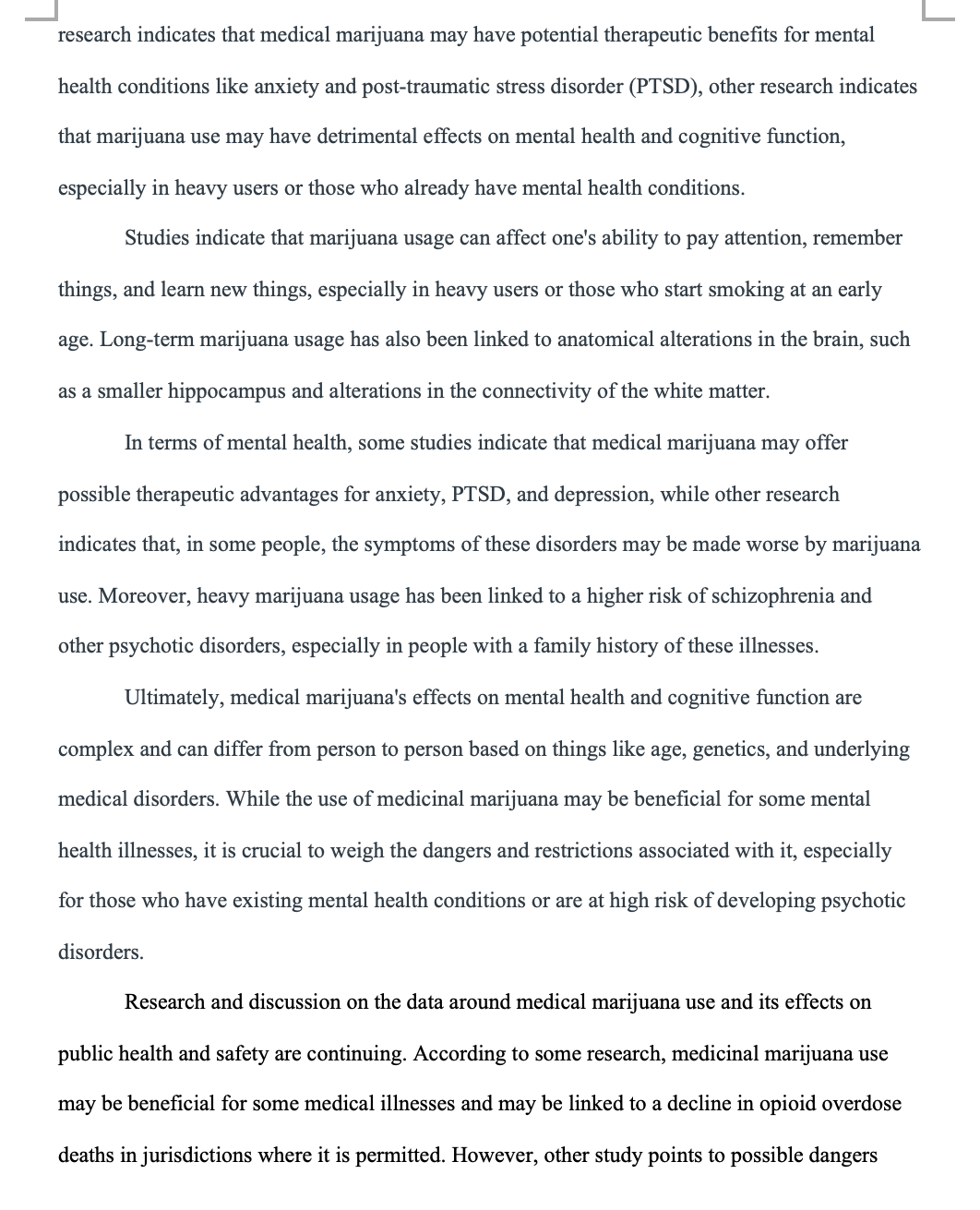
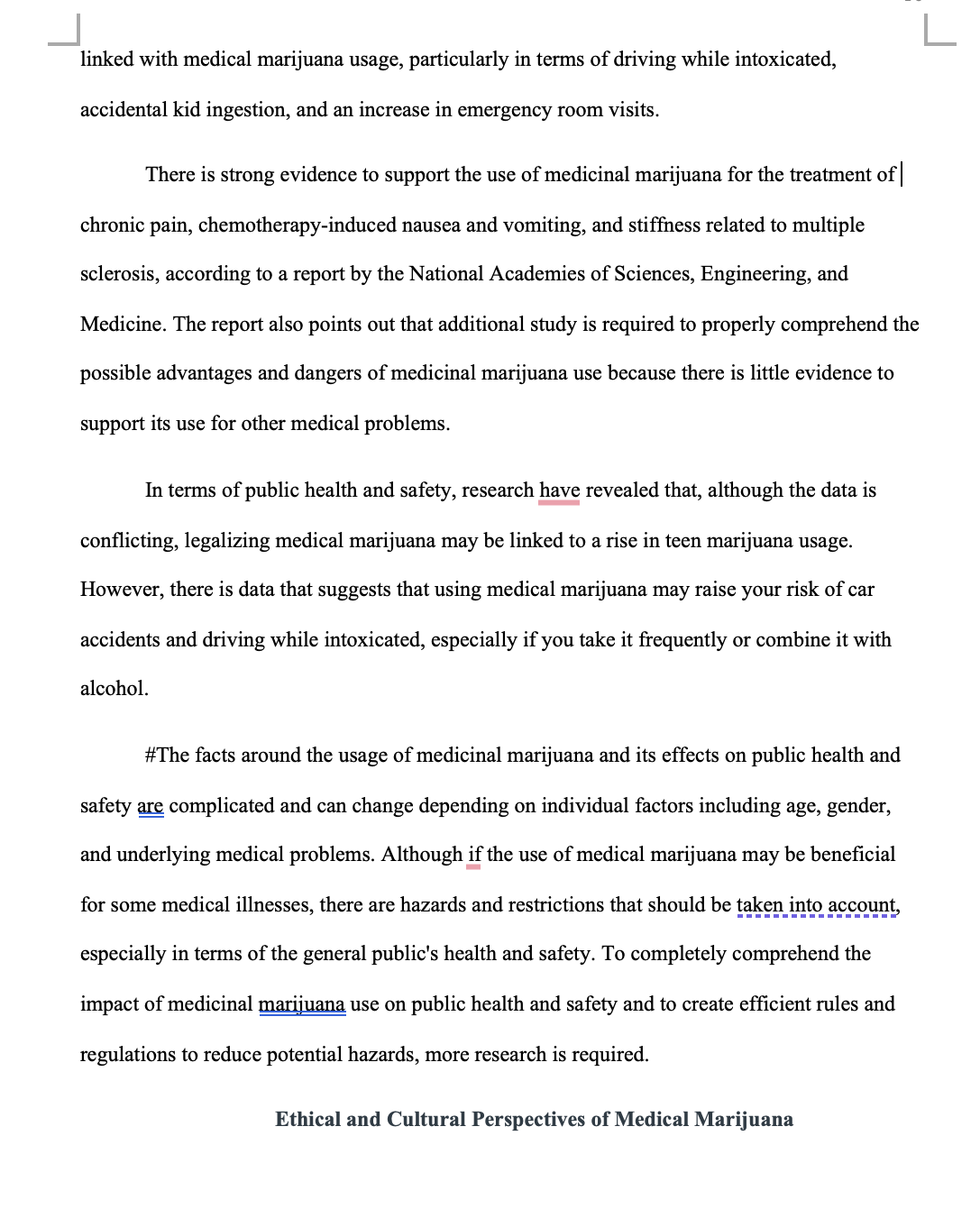
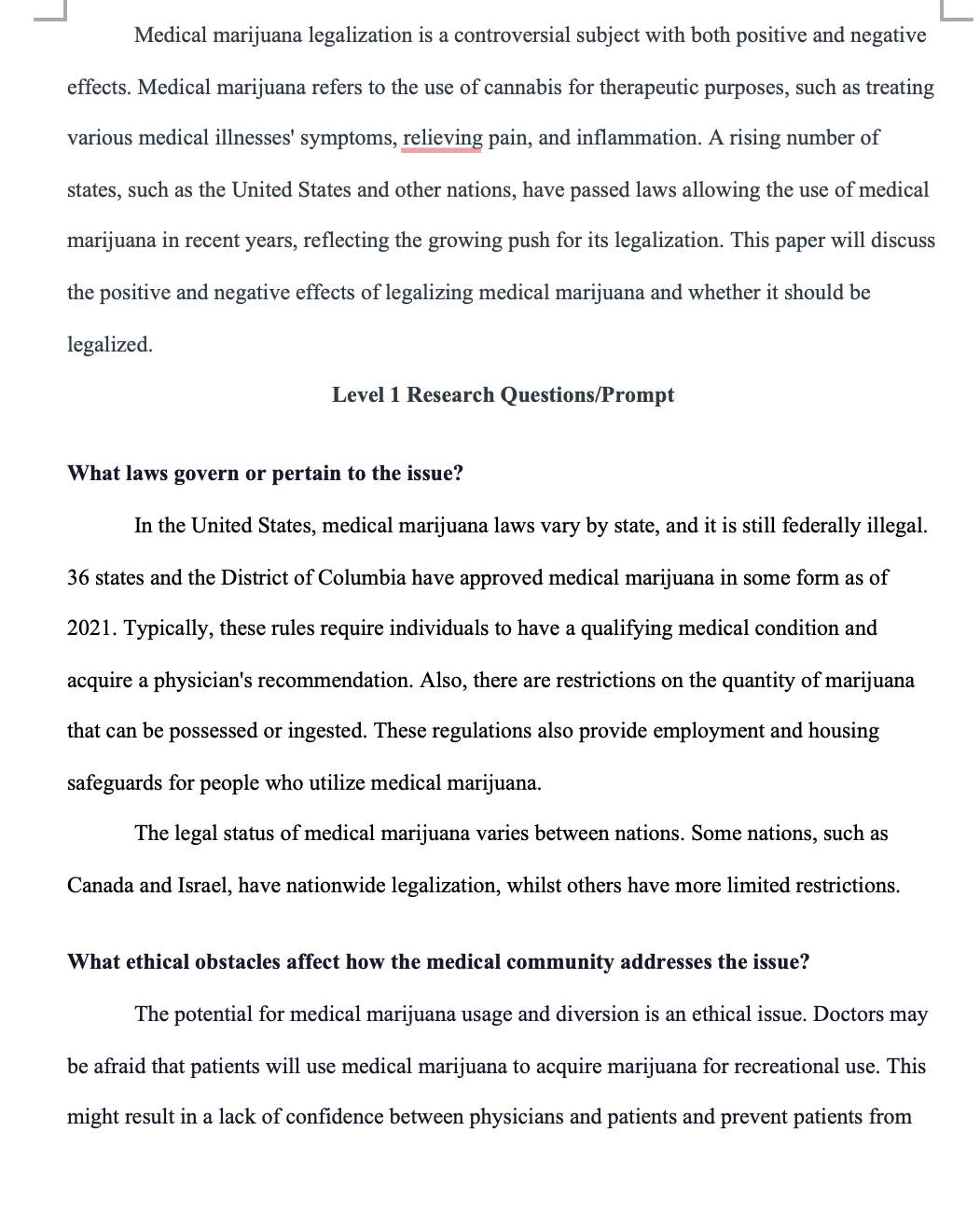
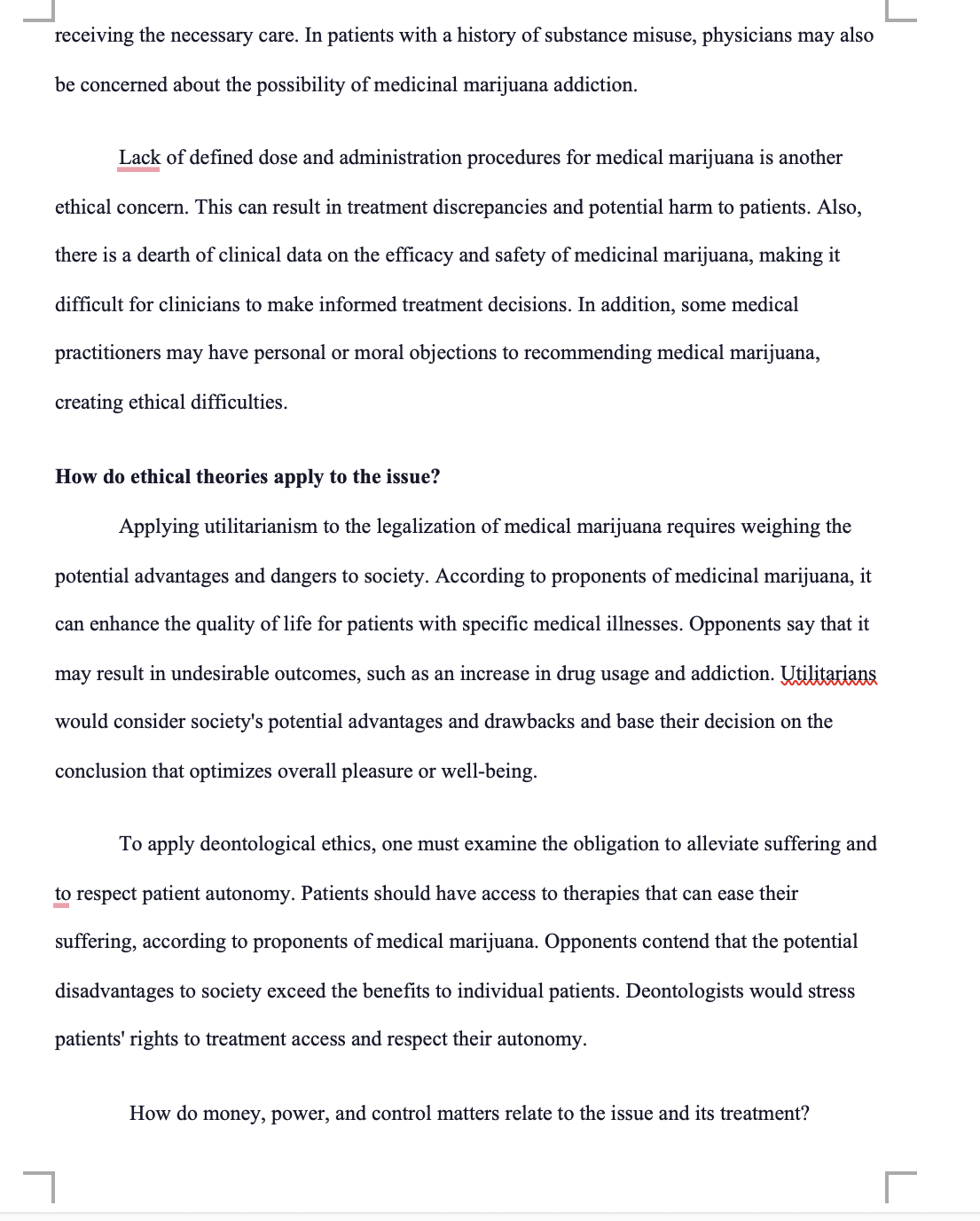
Attached are images of my final inquiry written work for reference.
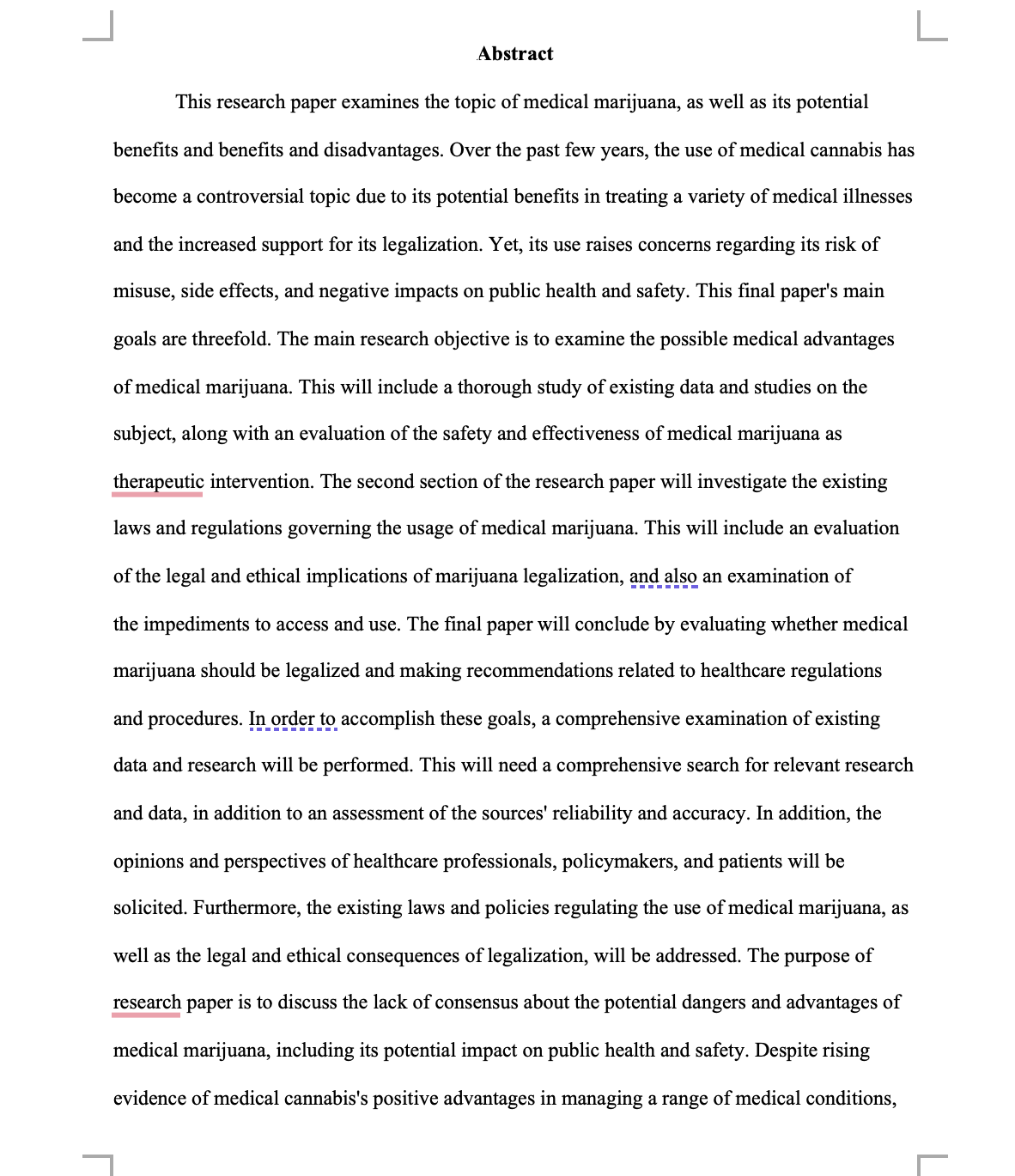
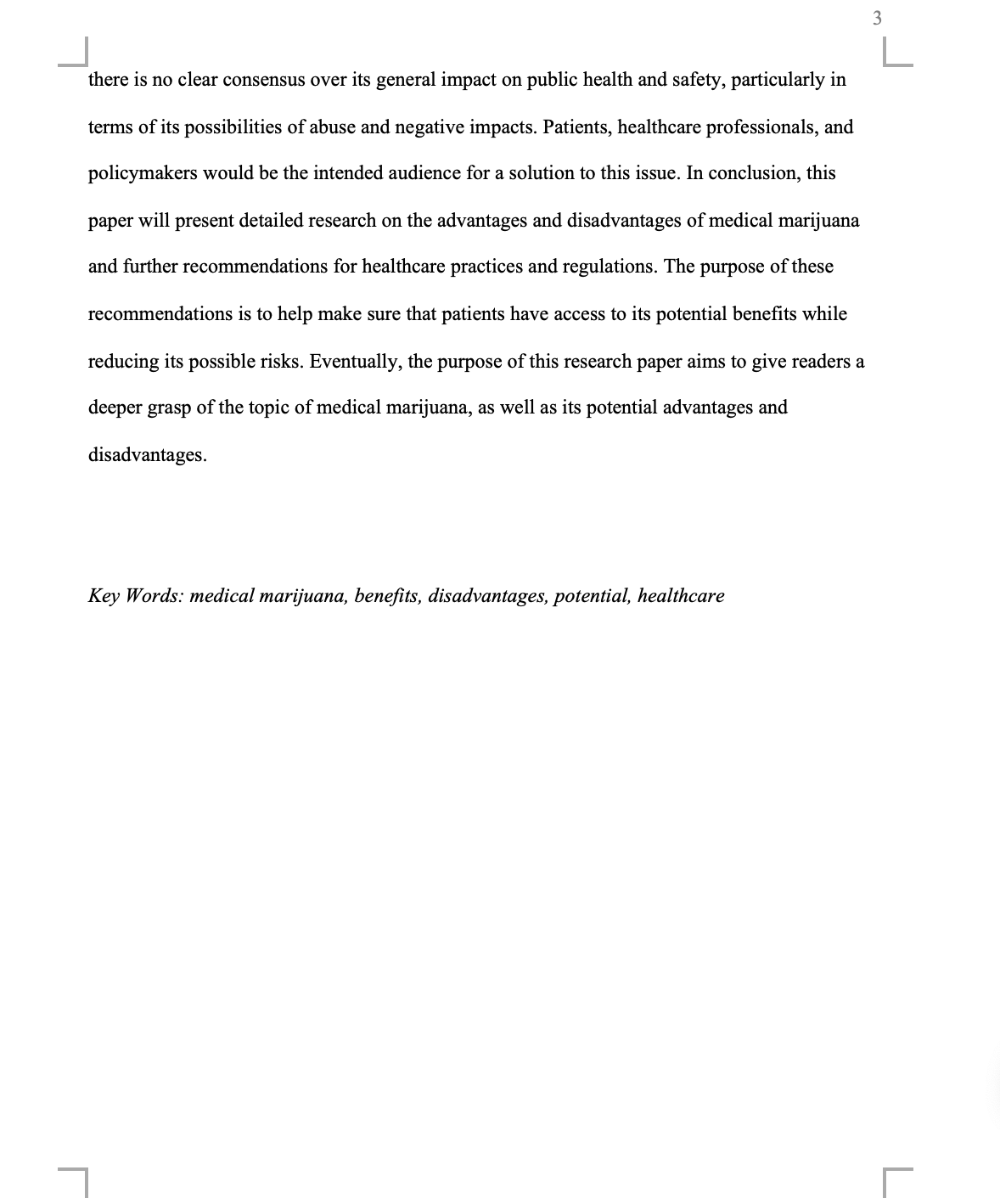
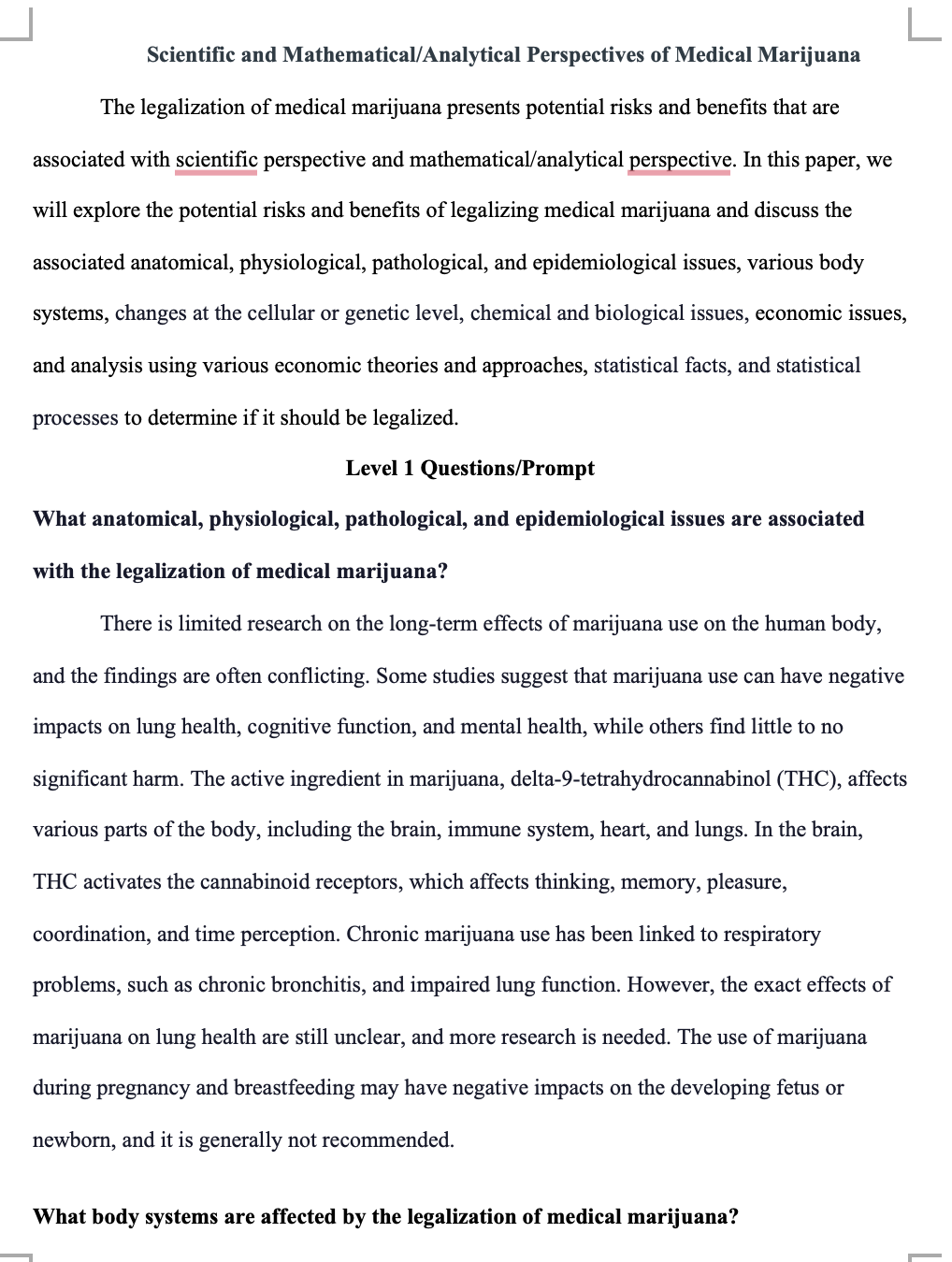
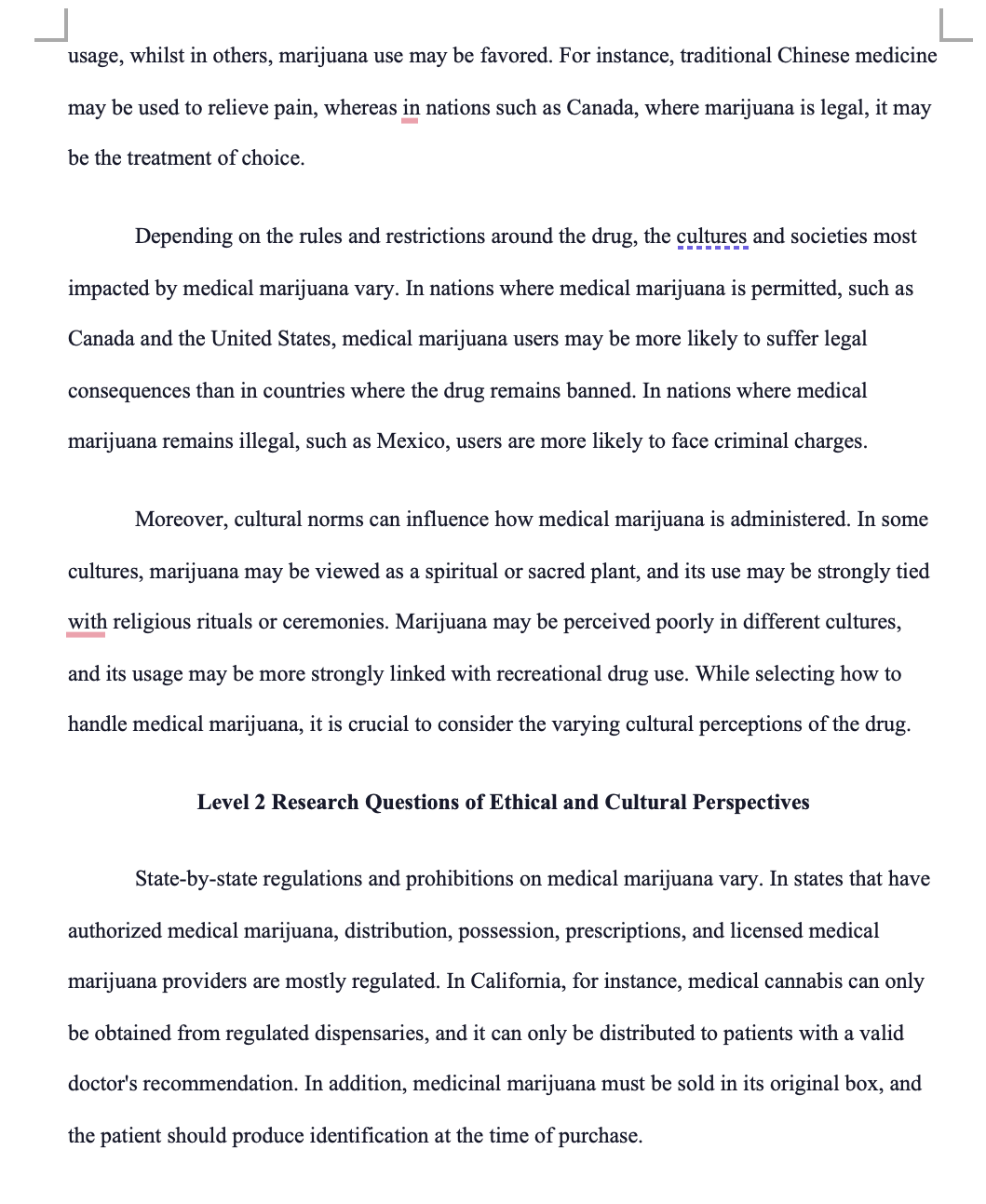
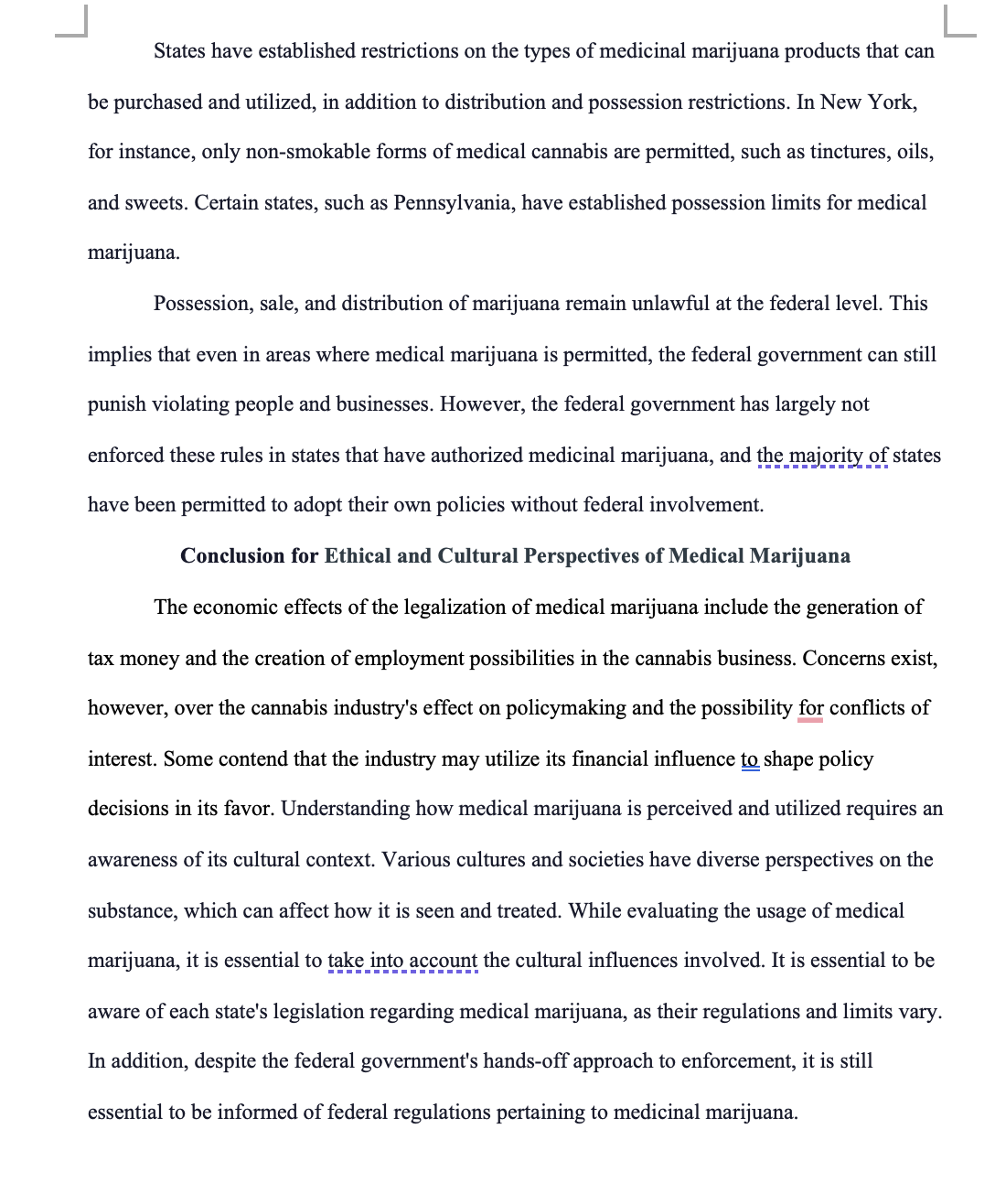
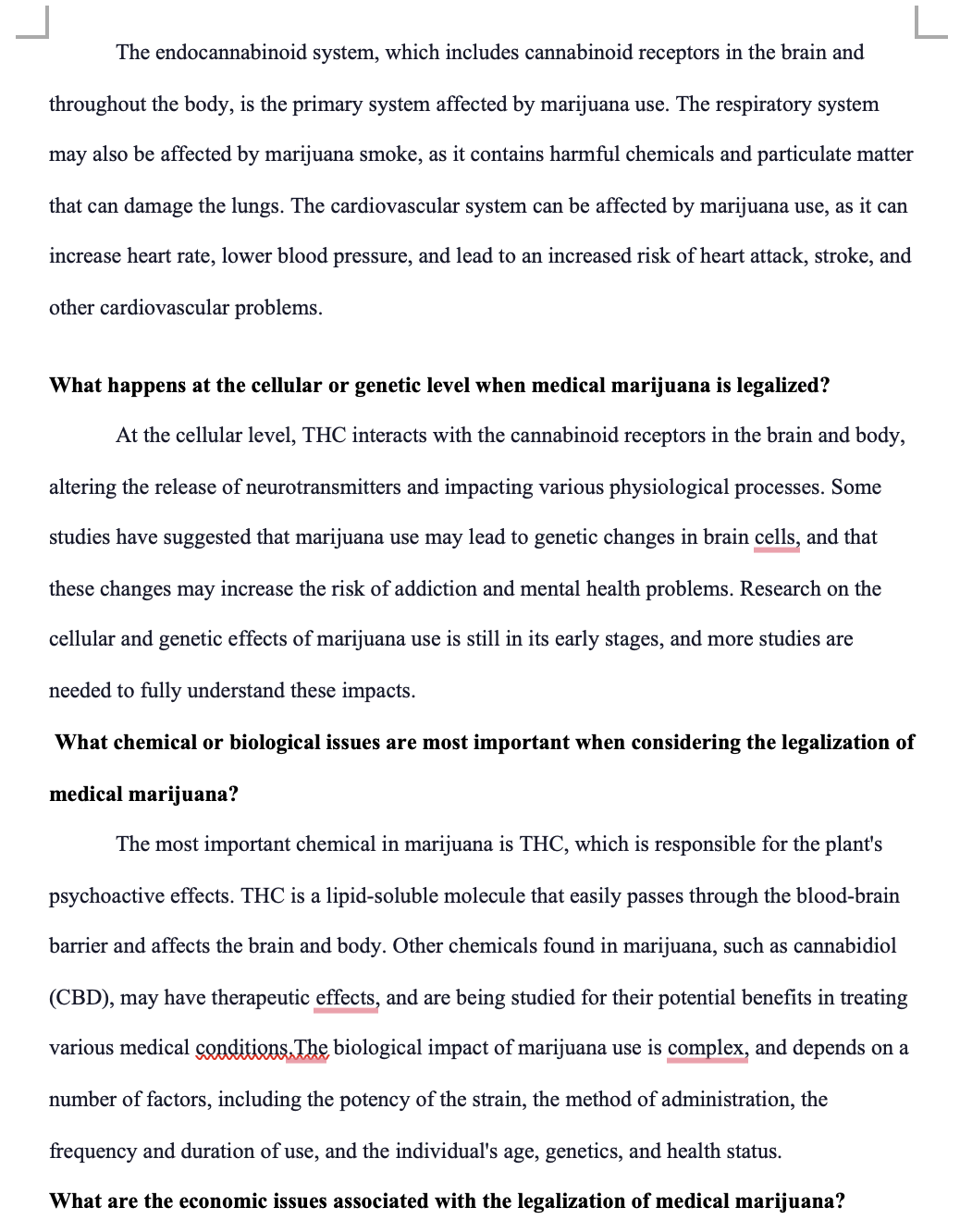
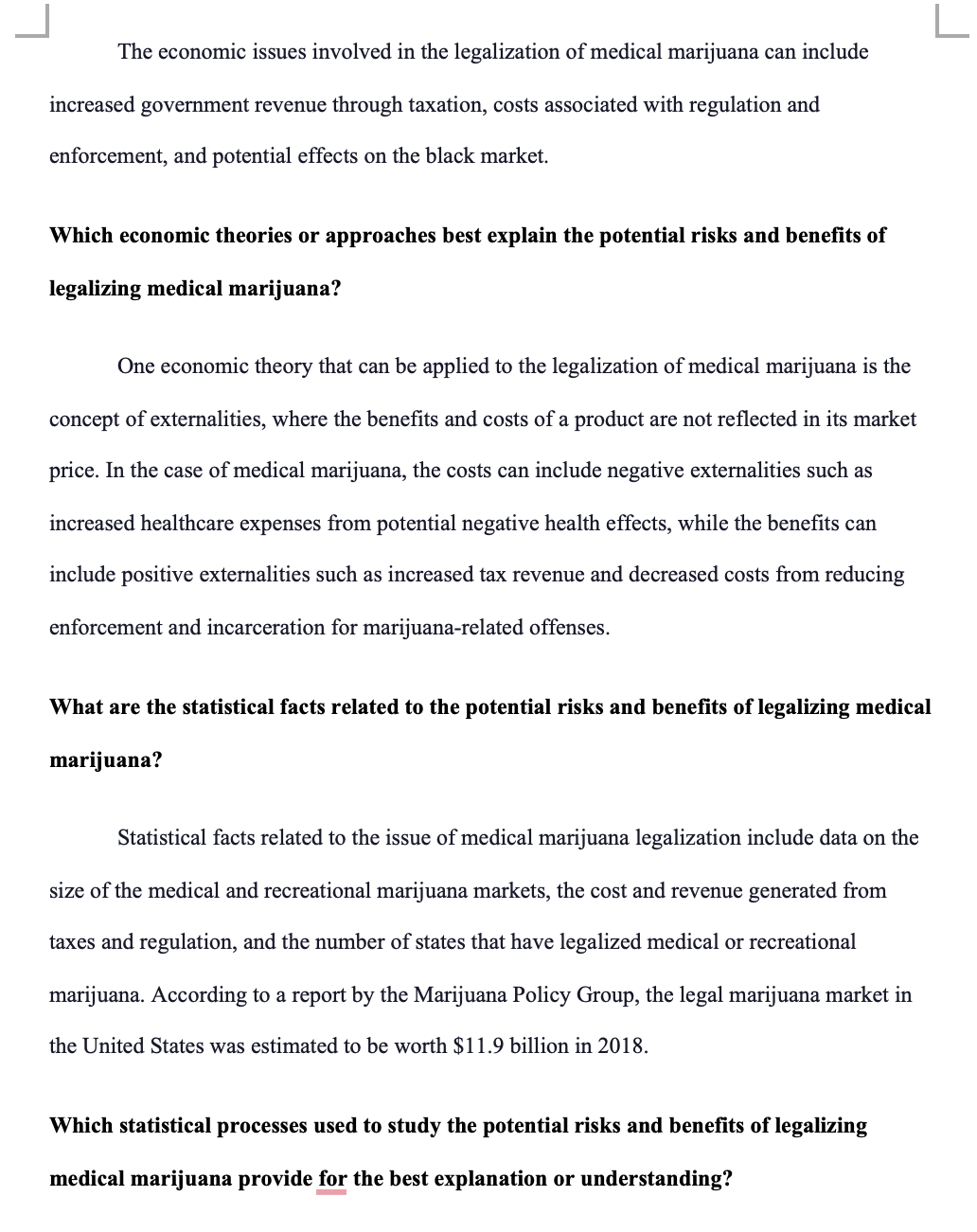
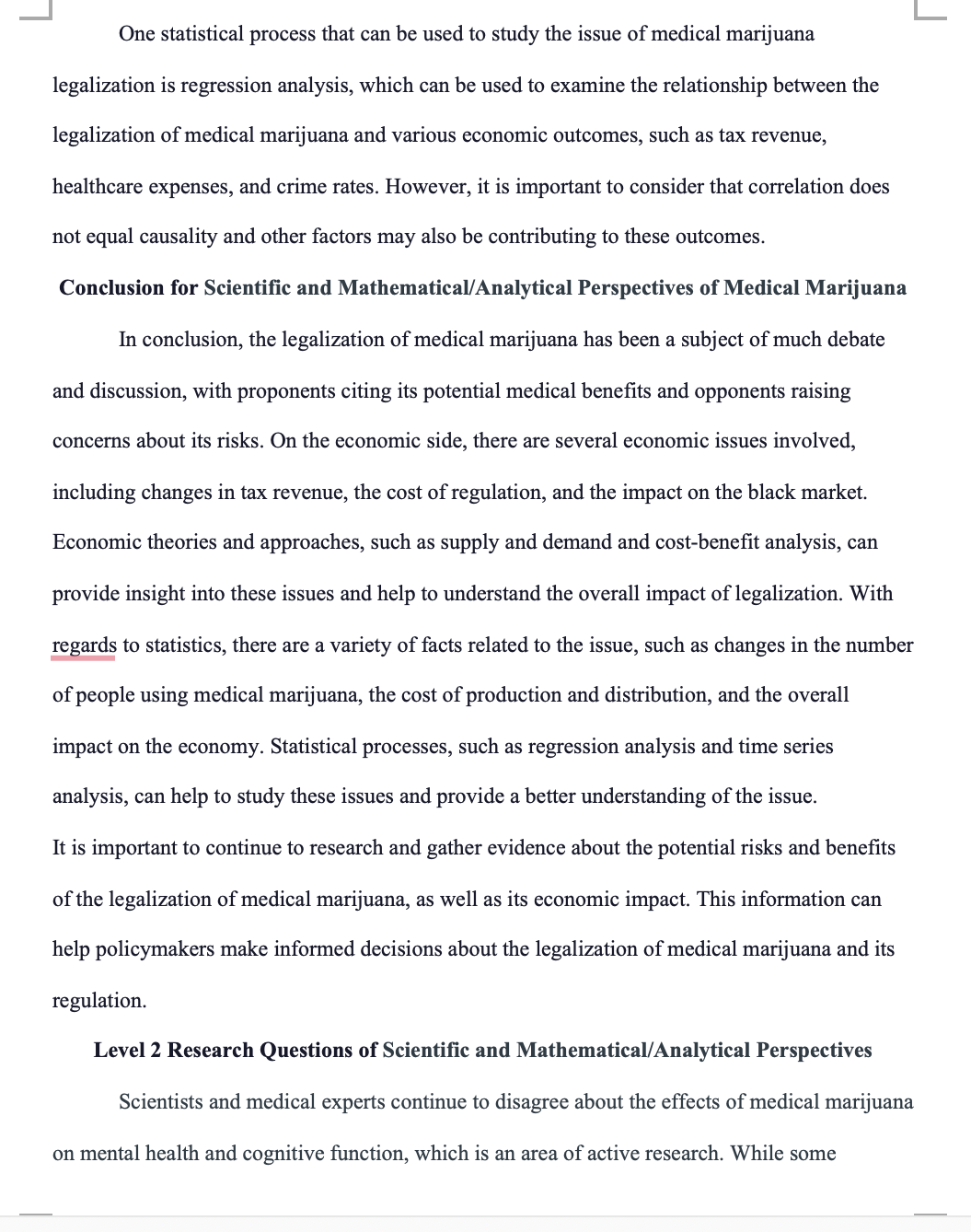
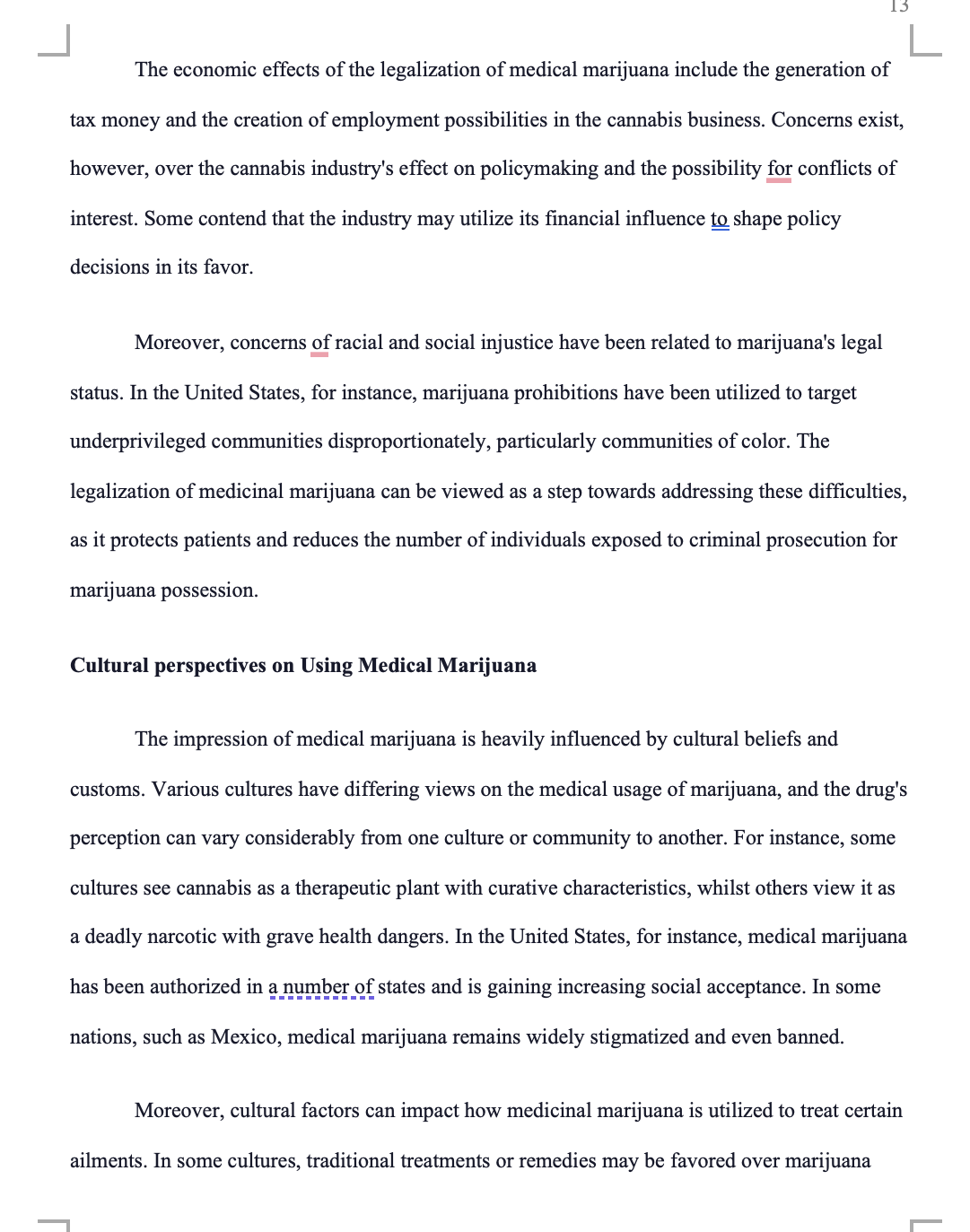
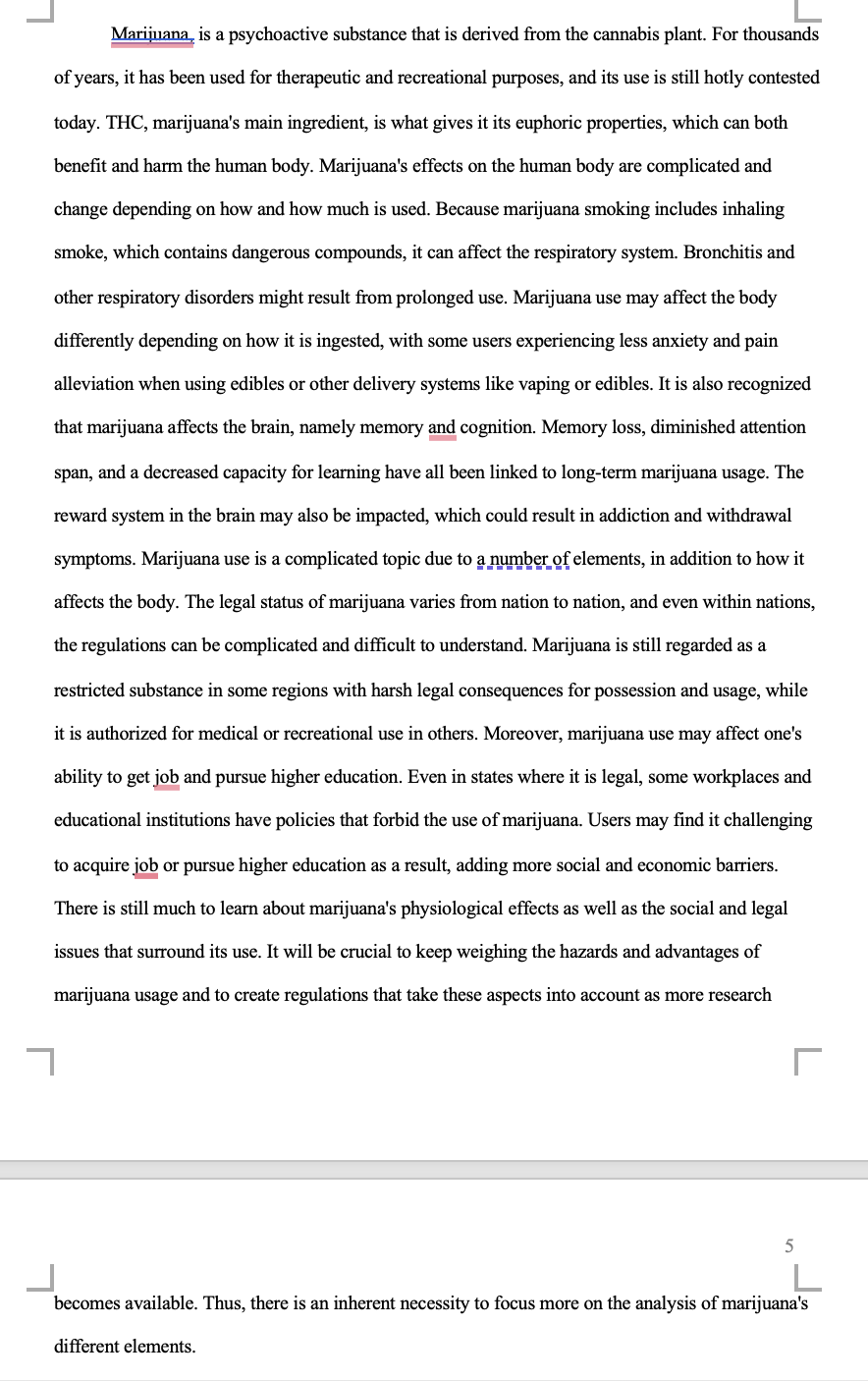
Abstract This research paper examines the topic of medical marijuana, as well as its potential benefits and benefits and disadvantages. Over the past few years, the use of medical cannabis has become a controversial topic due to its potential benefits in treating a variety of medical illnesses and the increased support for its legalization. Yet, its use raises concerns regarding its risk of misuse, side effects, and negative impacts on public health and safety. This final paper's main goals are threefold. The main research objective is to examine the possible medical advantages of medical marijuana. This will include a thorough study of existing data and studies on the subject, along with an evaluation of the safety and effectiveness of medical marijuana as therapeutic intervention. The second section of the research paper will investigate the existing laws and regulations governing the usage of medical marijuana. This will include an evaluation of the legal and ethical implications of marijuana legalization, and also an examination of the impediments to access and use. The final paper will conclude by evaluating whether medical marijuana should be legalized and making recommendations related to healthcare regulations and procedures. In order to accomplish these goals, a comprehensive examination of existing data and research will be performed. This will need a comprehensive search for relevant research and data, in addition to an assessment of the sources' reliability and accuracy. In addition, the opinions and perspectives of healthcare professionals, policymakers, and patients will be solicited. Furthermore, the existing laws and policies regulating the use of medical marijuana, as well as the legal and ethical consequences of legalization, will be addressed. The purpose of research paper is to discuss the lack of consensus about the potential dangers and advantages of medical marijuana, including its potential impact on public health and safety. Despite rising evidence of medical cannabis's positive advantages in managing a range of medical conditions,Lu there is no clear consensus over its general impact on public health and safety, particularly in terms of its possibilities of abuse and negative impacts. Patients, healthcare professionals, and policymakers would be the intended audience for a solution to this issue. In conclusion, this paper will present detailed research on the advantages and disadvantages of medical marijuana and further recommendations for healthcare practices and regulations. The purpose of these recommendations is to help make sure that patients have access to its potential benets while reducing its possible risks. Eventually, the purpose of this research paper aims to give readers a deeper grasp of the topic of medical marijuana, as well as its potential advantages and disadvantages. Key Words: medical marijuana, benets, disadvantages, potential, healthcare Scientific and Mathematical/Analytical Perspectives of Medical Marijuana The legalization of medical marijuana presents potential risks and benefits that are associated with scientific perspective and mathematical/analytical perspective. In this paper, we will explore the potential risks and benefits of legalizing medical marijuana and discuss the associated anatomical, physiological, pathological, and epidemiological issues, various body systems, changes at the cellular or genetic level, chemical and biological issues, economic issues, and analysis using various economic theories and approaches, statistical facts, and statistical processes to determine if it should be legalized. Level 1 Questions/Prompt What anatomical, physiological, pathological, and epidemiological issues are associated with the legalization of medical marijuana? There is limited research on the long-term effects of marijuana use on the human body, and the findings are often conflicting. Some studies suggest that marijuana use can have negative impacts on lung health, cognitive function, and mental health, while others find little to no significant harm. The active ingredient in marijuana, delta-9-tetrahydrocannabinol (THC), affects various parts of the body, including the brain, immune system, heart, and lungs. In the brain, THC activates the cannabinoid receptors, which affects thinking, memory, pleasure, coordination, and time perception. Chronic marijuana use has been linked to respiratory problems, such as chronic bronchitis, and impaired lung function. However, the exact effects of marijuana on lung health are still unclear, and more research is needed. The use of marijuana during pregnancy and breastfeeding may have negative impacts on the developing fetus or newborn, and it is generally not recommended. What body systems are affected by the legalization of medical marijuana?usage, whilst in others, marijuana use may be favored. For instance, traditional Chinese medicine may be used to relieve pain, whereas in nations such as Canada, where marijuana is legal, it may be the treatment of choice. Depending on the rules and restrictions around the drug, the cultures and societies most impacted by medical marijuana vary. In nations where medical marijuana is permitted, such as Canada and the United States, medical marijuana users may be more likely to suffer legal consequences than in countries where the drug remains banned. In nations where medical marijuana remains illegal, such as Mexico, users are more likely to face criminal charges. Moreover, cultural norms can inuence how medical marijuana is administered. In some cultures, marijuana may be viewed as a spiritual or sacred plant, and its use may be strongly tied with religious rituals or ceremonies. Marijuana may be perceived poorly in different cultures, and its usage may be more strongly linked with recreational drug use. While selecting how to handle medical marijuana, it is crucial to consider the varying cultural perceptions of the drug. Level 2 Research Questions of Ethical and Cultural Perspectives State-by-state regulations and prohibitions on medical marijuana vary. In states that have authorized medical marijuana, distribution, possession, prescriptions, and licensed medical marijuana providers are mostly regulated. In Califomia, for instance, medical cannabis can only be obtained from regulated dispensaries, and it can only be distributed to patients with a valid doctor's recommendation. In addition, medicinal marijuana must be sold in its original box, and the patient should produce identication at the time of purchase. States have established restrictions on the types of medicinal marijuana products that can be purchased and utilized, in addition to distribution and possession restrictions. In New York, for instance, only non-smokable forms of medical cannabis are permitted, such as tinctures, oils, and sweets. Certain states, such as Pennsylvania, have established possession limits for medical marijuana. Possession, sale, and distribution of marijuana remain unlawful at the federal level. This implies that even in areas where medical marijuana is permitted, the federal government can still punish violating people and businesses. However, the federal government has largely not enforced these rules in states that have authorized medicinal marijuana, and the majority of states have been permitted to adopt their own policies without federal involvement. Conclusion for Ethical and Cultural Perspectives of Medical Marijuana The economic effects of the legalization of medical marijuana include the generation of tax money and the creation of employment possibilities in the cannabis business. Concerns exist, however, over the cannabis industry's effect on policymaking and the possibility for conflicts of interest. Some contend that the industry may utilize its financial influence to shape policy decisions in its favor. Understanding how medical marijuana is perceived and utilized requires an awareness of its cultural context. Various cultures and societies have diverse perspectives on the substance, which can affect how it is seen and treated. While evaluating the usage of medical marijuana, it is essential to take into account the cultural influences involved. It is essential to be aware of each state's legislation regarding medical marijuana, as their regulations and limits vary. In addition, despite the federal government's hands-off approach to enforcement, it is still essential to be informed of federal regulations pertaining to medicinal marijuana.The endocannabinoid system, which includes cannabinoid receptors in the brain and throughout the body, is the primary system affected by marijuana use. The respiratory system may also be affected by marijuana smoke, as it contains harmll chemicals and particulate matter that can damage the lungs. The cardiovascular system can be affected by marijuana use, as it can increase heart rate, lower blood pressure, and lead to an increased risk of heart attack, stroke, and other cardiovascular problems. What happens at the cellular or genetic level when medical marijuana is legalized? At the cellular level, THC interacts with the cannabinoid receptors in the brain and body, altering the release of neurotransmitters and impacting various physiological processes. Some studies have suggested that marijuana use may lead to genetic changes in brain cells, and that these changes may increase the risk of addiction and mental health problems. Research on the cellular and genetic effects of marijuana use is still in its early stages, and more studies are needed to fully understand these impacts. What chemical or biological issues are most important when considering the legalization of medical marijuana? The most important chemical in marijuana is THC, which is responsible for the plant's psychoactive effects. THC is a lipid-soluble molecule that easily passes through the blood-brain barrier and affects the brain and body. Other chemicals found in marijuana, such as cannabidiol (CBD), may have therapeutic effects, and are being studied for their potential benets in treating various medical W biological impact of marijuana use is complex, and depends on a number of factors, including the potency of the strain, the method of administration, the frequency and duration of use, and the individual's age, genetics, and health status. What are the economic issues associated with the legalization of medical marijuana? The economic issues involved in the legalization of medical marijuana can include increased government revenue through taxation, costs associated with regulation and enforcement, and potential effects on the black market. Which economic theories or approaches best explain the potential risks and benefits of legalizing medical marijuana? One economic theory that can be applied to the legalization of medical marijuana is the concept of externalities, where the benets and costs of a product are not reected in its market price. In the case of medical marijuana, the costs can include negative externalities such as increased healthcare expenses from potential negative health effects, while the benets can include positive externalities such as increased tax revenue and decreased costs from reducing enforcement and incarceration for marijuana-related offenses. What are the statistical facts related to the potential risks and benets of legalizing medical marijuana? Statistical facts related to the issue of medical marijuana legalization include data on the size of the medical and recreational marijuana markets, the cost and revenue generated from taxes and regulation, and the number of states that have legalized medical or recreational marijuana. According to a report by the Marijuana Policy Group, the legal marijuana market in the United States was estimated to be worth $11.9 billion in 2018. Which statistical processes used to study the potential risks and benefits of legalizing medical marijuana provide for the best explanation or understanding? One statistical process that can be used to study the issue of medical marijuana legalization is regression analysis, which can be used to examine the relationship between the legalization of medical marijuana and various economic outcomes, such as tax revenue, healthcare expenses, and crime rates. However, it is important to consider that correlation does not equal causality and other factors may also be contributing to these outcomes. Conclusion for Scientic and Mathematical/Analytical Perspectives of Medical Marijuana In conclusion, the legalization of medical marijuana has been a subject of much debate and discussion, with proponents citing its potential medical benets and opponents raising concerns about its risks. On the economic side, there are several economic issues involved, including changes in tax revenue, the cost of regulation, and the impact on the black market. Economic theories and approaches, such as supply and demand and cost-benefit analysis, can provide insight into these issues and help to understand the overall impact of legalization. With regards to statistics, there are a variety of facts related to the issue, such as changes in the number of people using medical marijuana, the cost of production and distribution, and the overall impact on the economy. Statistical processes, such as regression analysis and time series analysis, can help to study these issues and provide a better understanding of the issue. It is important to continue to research and gather evidence about the potential risks and benets of the legalization of medical marijuana, as well as its economic impact. This information can help policymakers make informed decisions about the legalization of medical marijuana and its regulation. Level 2 Research Questions of Scientic and MathematicalfAnalytical Perspectives Scientists and medical experts continue to disagree about the effects of medical marijuana on mental health and cognitive function, which is an area of active research. While some research indicates that medical marijuana may have potential therapeutic benets for mental health conditions like anxiety and post-traumatic stress disorder (PTSD), other research indicates that marijuana use may have detrimental effects on mental health and cognitive function, especially in heavy users or those who already have mental health conditions. Studies indicate that marijuana usage can affect one's ability to pay attention, remember things, and learn new things, especially in heavy users or those who start smoking at an early age. Long-term marijuana usage has also been linked to anatomical alterations in the brain, such as a smaller hippocampus and alterations in the connectivity of the white matter. In terms of mental health, some studies indicate that medical marijuana may offer possible therapeutic advantages for anxiety, PTSD, and depression, while other research indicates that, in some people, the symptoms of these disorders may be made worse by marijuana use. Moreover, heavy marijuana usage has been linked to a higher risk of schizophrenia and other psychotic disorders, especially in people with a family history of these illnesses. Ultimately, medical marijuana's effects on mental health and cognitive inction are complex and can differ from person to person based on things like age, genetics, and underlying medical disorders. While the use of medicinal marijuana may be beneficial for some mental health illnesses, it is crucial to weigh the dangers and restrictions associated with it, especially for those who have existing mental health conditions or are at high risk of developing psychotic disorders. Research and discussion on the data around medical marijuana use and its effects on public health and safety are continuing. According to some research, medicinal marijuana use may be benecial for some medical illnesses and may be linked to a decline in opioid overdose deaths in jurisdictions where it is permitted. However, other study points to possible dangers linked with medical marijuana usage, particularly in terms of driving while intoxicated, accidental kid ingestion, and an increase in emergency room visits. There is strong evidence to support the use of medicinal marijuana for the treatment of I chronic pain, chemotherapy-induced nausea and vomiting, and stiffness related to multiple sclerosis, according to a report by the National Academies of Sciences, Engineering, and Medicine. The report also points out that additional study is required to properly comprehend the possible advantages and dangers of medicinal marijuana use because there is little evidence to support its use for other medical problems. In terms of public health and safety, research have revealed that, although the data is conicting, legalizing medical marijuana may be linked to a rise in teen marijuana usage. However, there is data that suggests that using medical marijuana may raise your risk of car accidents and driving while intoxicated, especially if you take it frequently or combine it with alcohol. #The facts around the usage of medicinal marijuana and its effects on public health and safety @ complicated and can change depending on individual factors including age, gender, and underlying medical problems. Although if the use of medical marijuana may be benecial for some medical illnesses, there are hazards and restrictions that should be talgenjjlt 1992an especially in terms of the general public's health and safety. To completely comprehend the impact of medicinal w use on public health and safety and to create efcient rules and regulations to reduce potential hazards, more research is required. Ethical and Cultural Perspectives of Medical Marijuana Medical marijuana legalization is a controversial subject with both positive and negative effects. Medical marijuana refers to the use of cannabis for therapeutic purposes, such as treating various medical illnesses' symptoms, relieving pain, and inammation. A rising number of states, such as the United States and other nations, have passed laws allowing the use of medical marijuana in recent years, reecting the growing push for its legalization. This paper will discuss the positive and negative effects of legalizing medical marijuana and whether it should be legalized. Level 1 Research QuestionsfPrompt What laws govern or pertain to the issue? In the United States, medical marijuana laws vary by state, and it is still federally illegal. 36 states and the District of Columbia have approved medical marijuana in some form as of 2021. Typically, these rules require individuals to have a qualifying medical condition and acquire a physician's recommendation. Also, there are restrictions on the quantity of marijuana that can be possessed or ingested. These regulations also provide employment and housing safeguards for people who utilize medical marijuana. The legal status of medical marijuana varies between nations. Some nations, such as Canada and Israel, have nationwide legalization, whilst others have more limited restrictions. What ethical obstacles affect how the medical community addresses the issue? The potential for medical marijuana usage and diversion is an ethical issue. Doctors may be afraid that patients will use medical marijuana to acquire marijuana for recreational use. This might result in a lack of condence between physicians and patients and prevent patients from receiving the necessary care. In patients with a history of substance misuse, physicians may also be concerned about the possibility of medicinal marijuana addiction. Lack of defined dose and administration procedures for medical marijuana is another ethical concern. This can result in treatment discrepancies and potential harm to patients. Also, there is a dearth of clinical data on the efficacy and safety of medicinal marijuana, making it difficult for clinicians to make informed treatment decisions. In addition, some medical practitioners may have personal or moral objections to recommending medical marijuana, creating ethical difficulties. How do ethical theories apply to the issue? Applying utilitarianism to the legalization of medical marijuana requires weighing the potential advantages and dangers to society. According to proponents of medicinal marijuana, it can enhance the quality of life for patients with specific medical illnesses. Opponents say that it may result in undesirable outcomes, such as an increase in drug usage and addiction. Utilitarians would consider society's potential advantages and drawbacks and base their decision on the conclusion that optimizes overall pleasure or well-being. To apply deontological ethics, one must examine the obligation to alleviate suffering and to respect patient autonomy. Patients should have access to therapies that can ease their suffering, according to proponents of medical marijuana. Opponents contend that the potential disadvantages to society exceed the benefits to individual patients. Deontologists would stress patients' rights to treatment access and respect their autonomy. How do money, power, and control matters relate to the issue and its treatment? 71.5 The economic effects of the legalization of medical marijuana include the generation of tax money and the creation of employment possibilities in the cannabis business. Concerns exist, however, over the cannabis industry's effect on policymaking and the possibility for conicts of interest. Some contend that the industry may utilize its nancial inuence Lg shape policy decisions in its favor. Moreover, concerns of racial and social injustice have been related to marijuana's legal status. In the United States, for instance, marijuana prohibitions have been utilized to target underprivileged communities disproportionately, particularly communities of color. The legalization of medicinal marijuana can be viewed as a step towards addressing these difculties, as it protects patients and reduces the number of individuals exposed to criminal prosecution for marijuana possession. Cultural perspectives on Using Medical Marijuana The impression of medical marijuana is heavily inuenced by cultural beliefs and customs. Various cultures have differing views on the medical usage of marijuana, and the drug's perception can vary considerably from one culture or community to another. For instance, some cultures see cannabis as a therapeutic plant with curative characteristics, whilst others view it as a deadly narcotic with grave health dangers. In the United States, for instance, medical marijuana has been authorized in anumberf states and is gaining increasing social acceptance. In some nations, such as Mexico, medical marijuana remains widely stigmatized and even banned. Moreover, cultural factors can impact how medicinal marijuana is utilized to treat certain ailments. In some cultures, traditional treatments or remedies may be favored over marijuana Minionmat is a psychoactive substance that is derived from the cannabis plant. For thousands of years, it has been used for therapeutic and recreational purposes, and its use is still hotly contested today. THC, marijuana's main ingredient, is what gives it its euphoric properties, which can both benet and harm the human body. Marijuana's effects on the human body are complicated and change depending on how and how much is used. Because marijuana smoking includes inhaling smoke, which contains dangerous compounds, it can affect the respiratory system. Bronchitis and other respiratory disorders might result from prolonged use. Marijuana use may affect the body differently depending on how it is ingested, with some users experiencing less anxiety and pain alleviation when using edibles or other delivery systems like vapirrg or edibles. It is also recognized that marijuana aects the brain, narnely memory and cognition. Memory loss, diminished attention span, and a decreased capacity for learning have all been linked to long-term marijuana usage. The reward system in the brain may also be impacted, which could result in addiction and withdrawal symptoms. Marijuana use is a complicated topic due to a_n_u_rr_1ber_c_)f_' elements, in addition to how it affects the body. The legal status of marijuana varies from nation to nation, and even within nations, the regulations can be complicated and difcult to understand. Marijuana is still regarded as a restricted substance in some regions with harsh legal consequences for possession and usage, while it is authorized for medical or recreational use in others. Moreover, marijuana use may affect one's ability to get job and pursue higher education. Even in states where it is legal, some workplaces and educational institutions have policies that forbid the use of marijuana. Users may nd it challenging to acquire job or pursue higher education as a result, adding more social and economic barriers. There is still much to learn about marijuana's physiological effects as well as the social and legal issues that surround its use. It will be crucial to keep weighing the hazards and advantages of marijuana usage and to create regulations that take these aspects into account as more research U1 becomes available. Thus, there is an inherent necessity to focus more on the analysis of marijuana's different elements
Step by Step Solution
There are 3 Steps involved in it
1 Expert Approved Answer
Step: 1 Unlock
Question Has Been Solved by an Expert!
Get step-by-step solutions from verified subject matter experts
Step: 2 Unlock
Step: 3 Unlock
Students Have Also Explored These Related Mathematics Questions!









 Study Help