







Question: need help solving problem with explanation. this can be done manually Problem Set 8.1: Critical Values Criterion: Explain changes in critical value based on calculations.
need help solving problem with explanation. this can be done manually
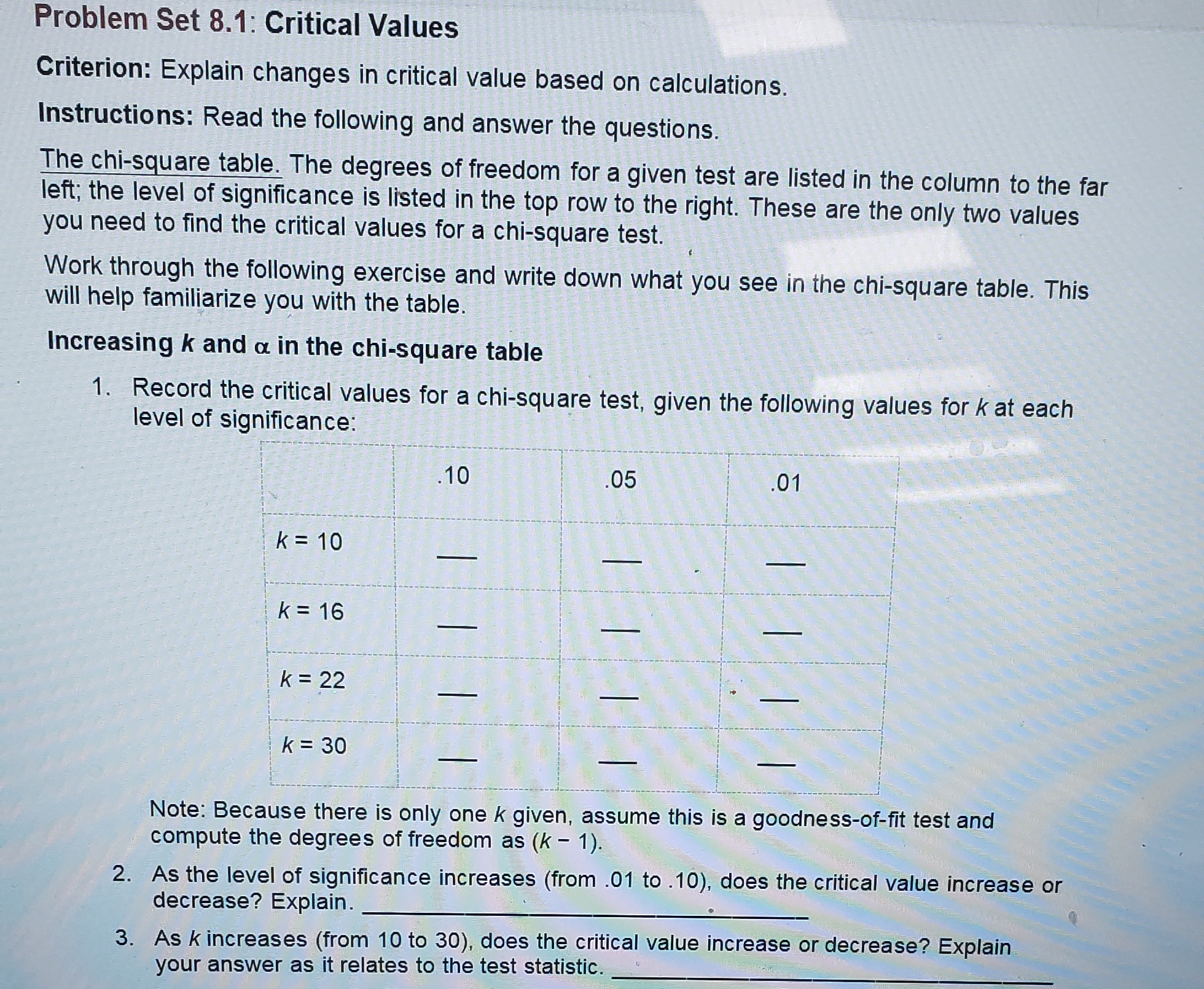
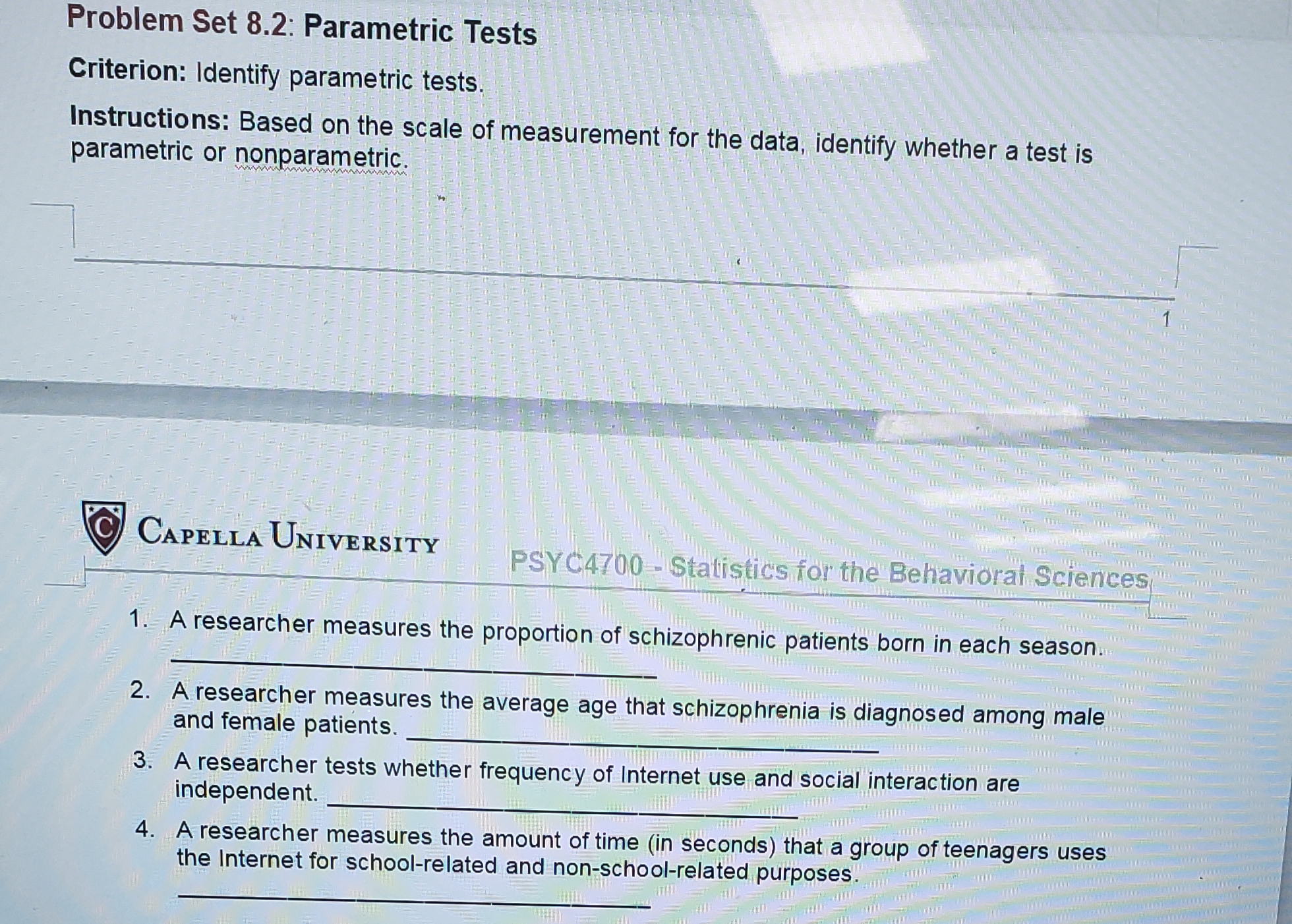
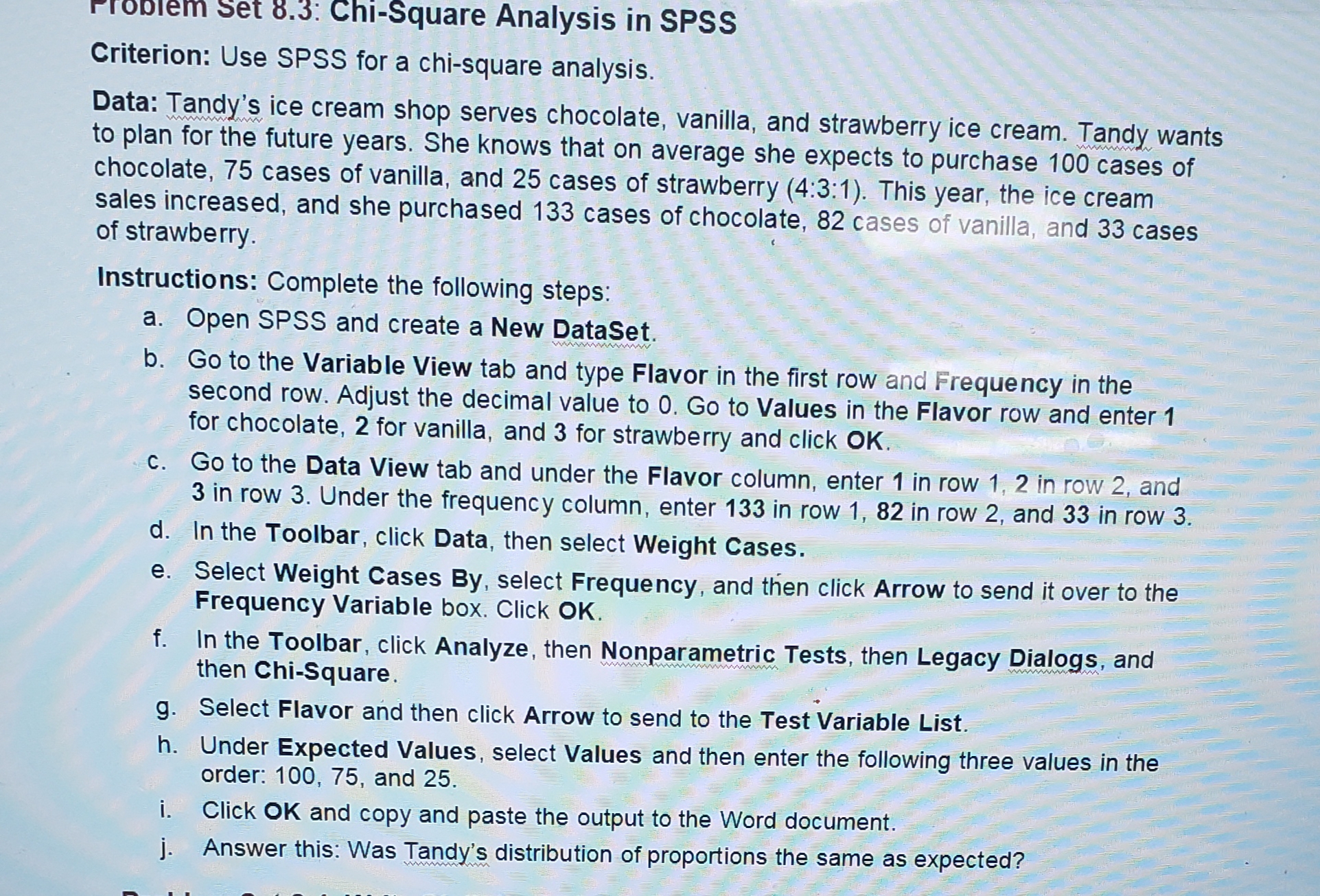
Problem Set 8.1: Critical Values Criterion: Explain changes in critical value based on calculations. Instructions: Read the following and answer the questions. The chi-square table. The degrees of freedom for a given test are listed in the column to the far left; the level of significance is listed in the top row to the right. These are the only two values you need to find the critical values for a chi-square test. Work through the following exercise and write down what you see in the chi-square table. This will help familiarize you with the table. Increasing k and a in the chi-square table 1. Record the critical values for a chi-square test, given the following values for k at each level of significance: 10 05 01 K = 10 - K = 16 k = 22 K = 30 Note: Because there is only one k given, assume this is a goodness-of-fit test and compute the degrees of freedom as (k - 1). 2. As the level of significance increases (from .01 to .10), does the critical value increase or decrease? Explain. 3. As k increases (from 10 to 30), does the critical value increase or decrease? Explain your answer as it relates to the test statistic. _Problem Set 8.2: Parametric Tests Criterion: Identify parametric tests. Instructions: Based on the scale of measurement for the data, identify whether a test is parametric or nonparametric. CAPELLA UNIVERSITY PSYC4700 - Statistics for the Behavioral Sciences 1. A researcher measures the proportion of schizophrenic patients born in each season. 2. A researcher measures the average age that schizophrenia is diagnosed among male and female patients. 3. A researcher tests whether frequency of Internet use and social interaction are independent. 4. A researcher measures the amount of time (in seconds) that a group of teenagers uses the Internet for school-related and non-school-related purposes.Problem Set 8.3: Chi-Square Analysis in SPSS Criterion: Use SPSS for a chi-square analysis. Data: Tandy's ice cream shop serves chocolate, vanilla, and strawberry ice cream. Tandy wants to plan for the future years. She knows that on average she expects to purchase 100 cases of chocolate, 75 cases of vanilla, and 25 cases of strawberry (4:3:1). This year, the ice cream sales increased, and she purchased 133 cases of chocolate, 82 cases of vanilla, and 33 cases of strawberry. Instructions: Complete the following steps: a. Open SPSS and create a New DataSet. b. Go to the Variable View tab and type Flavor in the first row and Frequency in the second row. Adjust the decimal value to 0. Go to Values in the Flavor row and enter 1 for chocolate, 2 for vanilla, and 3 for strawberry and click OK. c. Go to the Data View tab and under the Flavor column, enter 1 in row 1, 2 in row 2, and 3 in row 3. Under the frequency column, enter 133 in row 1, 82 in row 2, and 33 in row 3. d. In the Toolbar, click Data, then select Weight Cases. e. Select Weight Cases By, select Frequency, and then click Arrow to send it over to the Frequency Variable box. Click OK. f. In the Toolbar, click Analyze, then Nonparametric Tests, then Legacy Dialogs, and then Chi-Square g. Select Flavor and then click Arrow to send to the Test Variable List. h. Under Expected Values, select Values and then enter the following three values in the order: 100, 75, and 25. i. Click OK and copy and paste the output to the Word document. j. Answer this: Was Tandy's distribution of proportions the same as expected
Step by Step Solution
There are 3 Steps involved in it

Get step-by-step solutions from verified subject matter experts
 Study Help