Question: PLEASE ANSWER THE 4 FOLLOWING QUESTIONS: Required Information Problem Solving Application Case- Opioids: Pain Relief, Grief, and Purdue Purdue Pharms, a large pharmaceutical company known
PLEASE ANSWER THE 4 FOLLOWING QUESTIONS:
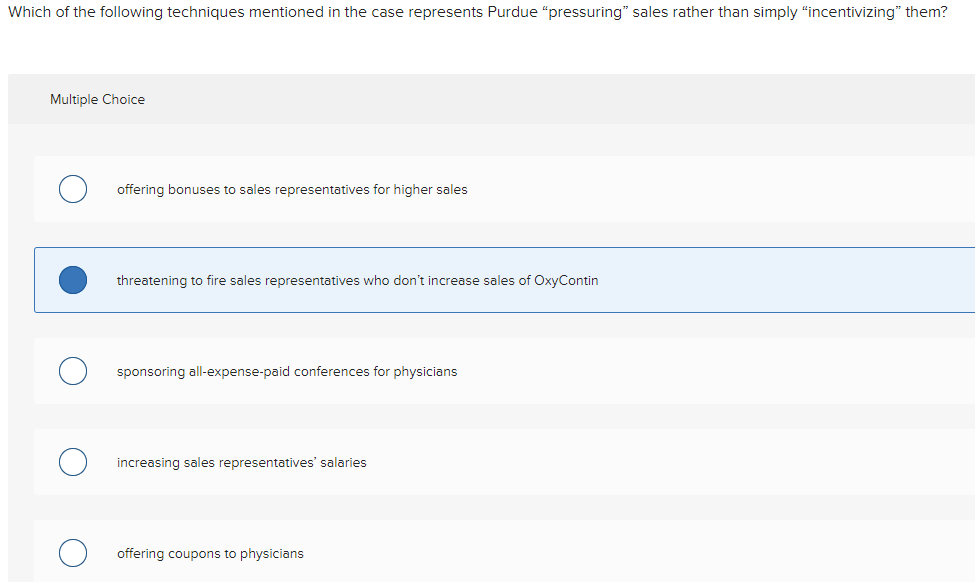
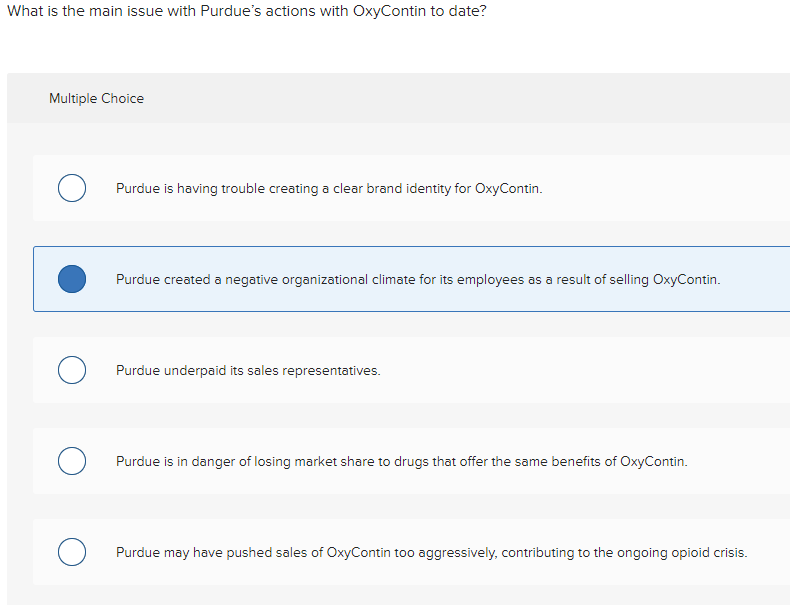
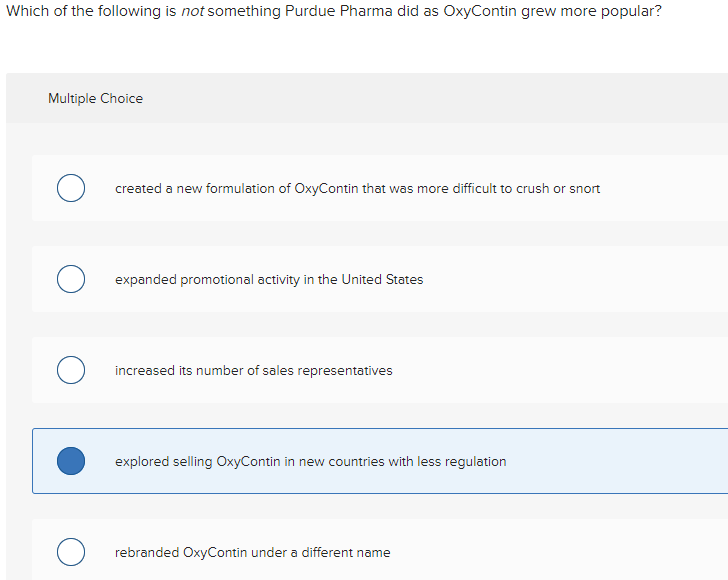
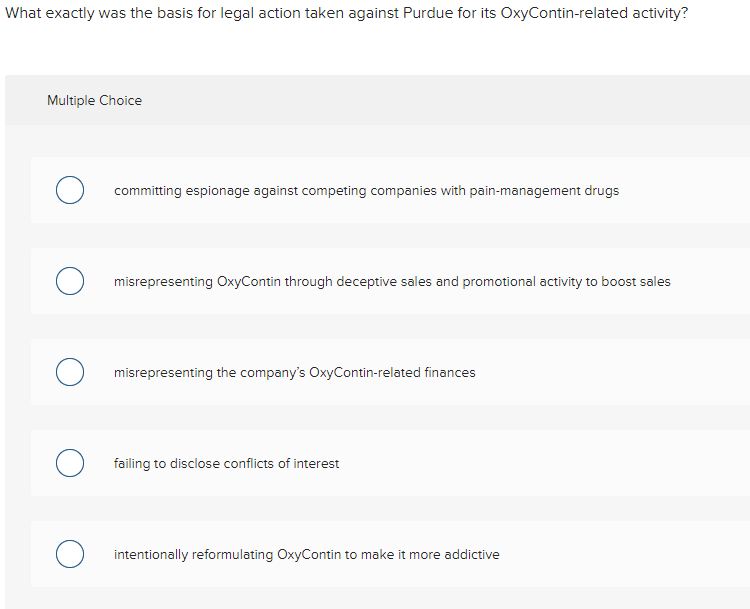
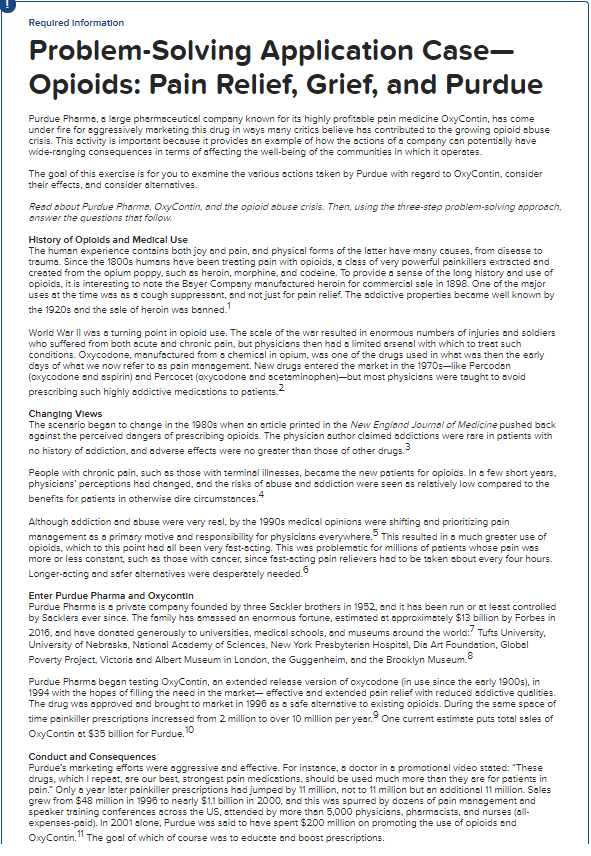
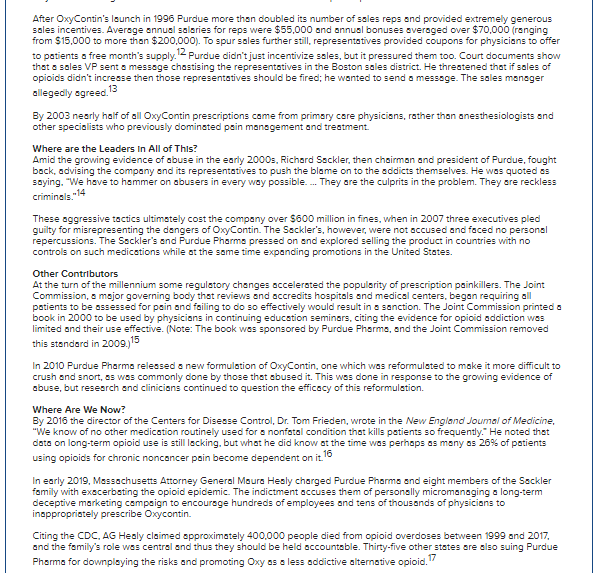
Required Information Problem Solving Application Case- Opioids: Pain Relief, Grief, and Purdue Purdue Pharms, a large pharmaceutical company known for its highly profitable pain medicine OxyContin, has come under fire for aggressively marketing this drug in ways many critics believe has contributed to the growing opioid abuse crisis. This activity is important because it provides an example of how the actions of company cen potentially have wide-ranging consequences in terms of affecting the well-being of the communities in which it operates. The goal of this exercise is for you to examine the various actions taken by Purdue with regard to OxyContin, consider their effects, and consider alternatives. Read about Purdue Pharmo. OxyContin, and the opioid abuse crisis. Then, using the three-step problem-solving approach, answer the questions that follow. History of Oplolds and Medical Use The human experience contains both joy and pain, and physical forms of the latter have many causes, from disease to trauma. Since the 1800s humans have been treating pain with opioids, a class of very powerful painkillers extracted and created from the opium poppy, such as heroin, morphine, and codeine. To provide a sense of the long history and use of opioids, it is interesting to note the Bayer Company manufactured heroin for commercial sale in 1898. One of the major uses at the time we as a cough suppressant, and not just for pain relief. The addictive properties became well known by the 1920s and the sale of heroin was banned." World War Il wes a turning point in opioid use. The scale of the wor resulted in enormous numbers of injuries and soldiers who suffered from both acute and chronic pain, but physicians then had a limited arsenal with which to treat such conditions. Oxycodone, manufactured from a chemical in opium, was one of the drugs used in what was then the early days of what we now refer to as pain management. New drugs entered the market in the 1970slike Percoden (oxycodone and aspirin) and Percocet (oxycodone and eceteminophen)but most physicians were taught to avoid prescribing such highly addictive medications to patients 2 Changing Views The scenario began to change in the 1980s when an article printed in the New England Journal of Medicine pushed back against the perceived dangers of prescribing opioids. The physician author claimed addictions were rere in patients with no history of addiction, and adverse effects were no greater than those of other drugs 3 People with chronic pain, such as those with terminal illnesses, became the new patients for opioids. In a few short years, physicians' perceptions hed changed, and the risks of abuse and addiction were seen os relatively low compared to the benefits for patients in otherwise dire circumstances.4 Although addiction and abuse were very real, by the 1990s medical opinions were shifting and prioritizing poin management as a primary motive and responsibility for physicians everywhere. This resulted in a much greater use of opioids, which to this point had all been very fast-acting. This was problematic for millions of patients whose pain was more or less constent such as those with cancer, since fest-scting pain relievers hed to be taken about every four hours. Longer-acting and safer alternatives were desperstely needed. Enter Purdue Pharma and Oxycontin Purdue Pharma is a private company founded by three Sockler brothers in 1952, and it has been run or at least controlled by Sacklers ever since. The family hos smessed an enormous fortune, estimated at approximately $13 billion by Forbes in 2016, and have donated generously to universities, medical schools, and museums around the world: Tufts University, University of Nebraska, National Academy of Sciences, New York Presbyterian Hospital, Dis Art Foundation, Global Poverty Project, Victoris and Albert Museum in London, the Guggenheim, and the Brooklyn Museum Purdue Pharme began testing OxyContin, an extended release version of oxycodone (in use since the early 1900s), in 1994 with the hopes of filling the need in the market-effective and extended pain relief with reduced addictive qualities. The drug was approved and brought to market in 1996 as a safe alternative to existing opioids. During the same space of time painkiller prescriptions incressed from 2 million to over 10 million per year. One current estimete puts total sales of OxyContin at $35 billion for Purdue 10 Conduct and Consequences Purdue's marketing efforts were aggressive and effective. For instance, a doctor in a promotional video stated: "These drugs, which I repeat, are our best strongest pain medications, should be used much more than they are for patients in pain. Only a year later painkiller prescriptions had jumped by 11 million, not to 11 million but an additional 11 million Sales grew from $48 million in 1996 to nearly $1.1 billion in 2000, and this wes spurred by dozens of pain management and speaker training conferences across the US, attended by more than 5,000 physicians, pharmacists, and nurses (all- expenses-paid). In 2001 alone, Purdue was said to have spent $200 million on promoting the use of opioids and OxyContin." The goal of which of course was to educate and boost prescriptions. After OxyContin's launch in 1996 Purdue more then doubled its number of sales reps and provided extremely generous sales incentives. Average annual salaries for reps were $55,000 and annual bonuses averaged over $70,000 (ranging from $15,000 to more than $200,000). To spursales further still, representatives provided coupons for physicians to offer to patients a free month's supply: 12 Purdue didn't just incentivize ssles, but it pressured them too. Court documents show that a sales VP sent a message chastising the representatives in the Boston sales district. He threatened that if sales of opioids didn't increase then those representatives should be fired; he wanted to send a message. The sales manager allegedly sgreed 13 By 2003 nearly half of all OxyContin prescriptions came from primary care physicians, rather than anesthesiologists and other specialists who previously dominated pain management and treatment. Where are the Leaders In All of this? Amid the growing evidence of abuse in the early 2000s, Richard Seckler, then chairman and president of Purdue, fought back, advising the company and its representatives to push the blame on to the addicts themselves. He was quoted as saying, "We have to hammer on abusers in every way possible. ... They are the culprits in the problem. They are reckless criminals.-14 These aggressive tactics ultimately cost the company over $600 million in fines, when in 2007 three executives pled guilty for misrepresenting the dangers of OxyContin. The Seckler's, however, were not sccused and faced no personal repercussions. The Sockler's and Purdue Pharme pressed on and explored selling the product in countries with no controls on such medications while at the same time expanding promotions in the United States. Other Contributors At the turn of the millennium some regulatory changes accelerated the popularity of prescription painkillers. The Joint Commission, a major governing body that reviews and accredits hospitals and medical centers, began requiring all patients to be assessed for pain and failing to do so effectively would result in a sanction. The Joint Commission printed a book in 2000 to be used by physicians in continuing education seminars, citing the evidence for opioid addiction was limited and their use effective. (Note: The book was sponsored by Purdue Pharme, and the Joint Commission removed this standard in 2009.15 In 2010 Purdue Pharma released a new formulation of OxyContin, one which was reformulated to make it more difficult to crush and snort, es was commonly done by those that abused it. This wes done in response to the growing evidence of abuse, but research and clinicions continued to question the efficacy of this reformulation. Where Are We Now? By 2016 the director of the Centers for Disease Control, Dr. Tom Frieden, wrote in the New England Joumal of Medicine, "We know of no other medication routinely used for a nonfotal condition that kills patients so frequently." He noted that date on long-term opioid use is still lecking, but what he did know at the time was perhaps as many as 26% of patients 16 using opioids for chronic noncancer pain become dependent on it. In early 2019, Messachusetts Attorney General Mours Hedly charged Purdue Phorms and eight members of the Seckler family with exacerbating the opioid epidemic. The indictment accuses them of personally micromanaging a long-term deceptive marketing campaign to encourage hundreds of employees and tens of thousands of physicians to inappropriately prescribe Oxycontin. Citing the CDC, AG Healy claimed approximately 400,000 people died from opioid overdoses between 1999 and 2017, and the family's role wes central and thus they should be held accountable. Thirty-five other states are also suing Purdue Pharma for downplaying the risks and promoting Oxy as a less addictive alternative opioid. Which of the following techniques mentioned in the case represents Purdue "pressuring" sales rather than simply "incentivizing" them? Multiple Choice offering bonuses to sales representatives for higher sales threatening to fire sales representatives who don't increase sales of OxyContin sponsoring all-expense-paid conferences for physicians increasing sales representatives' salaries offering coupons to physicians What is the main issue with Purdue's actions with OxyContin to date? Multiple Choice Purdue is having trouble creating a clear brand identity for OxyContin. Purdue created a negative organizational climate for its employees as a result of selling OxyContin. Purdue underpaid its sales representatives. Purdue is in danger of losing market share to drugs that offer the same benefits of OxyContin. Purdue may have pushed sales of OxyContin too aggressively, contributing to the ongoing opioid crisis. Which of the following is not something Purdue Pharma did as OxyContin grew more popular? Multiple Choice created a new formulation of OxyContin that was more difficult to crush or snort expanded promotional activity in the United States increased its number of sales representatives explored selling OxyContin in new countries with less regulation rebranded OxyContin under a different name What exactly was the basis for legal action taken against Purdue for its OxyContin-related activity? Multiple Choice 0 committing espionage against competing companies with pain-management drugs misrepresenting OxyContin through deceptive sales and promotional activity to boost sales O misrepresenting the company's OxyContin-related finances failing to disclose conflicts of interest O intentionally reformulating OxyContin to make it more addictive









 Study Help