







Question: Please help in Java! One common way for a compiler for a high-level language to generate machine language instructions to evaluate arithmetic or boolean expressions,
Please help in Java!
One common way for a compiler for a high-level language to generate machine language instructions to evaluate arithmetic or boolean expressions, involves a conversion of the expression from infix to postfix.
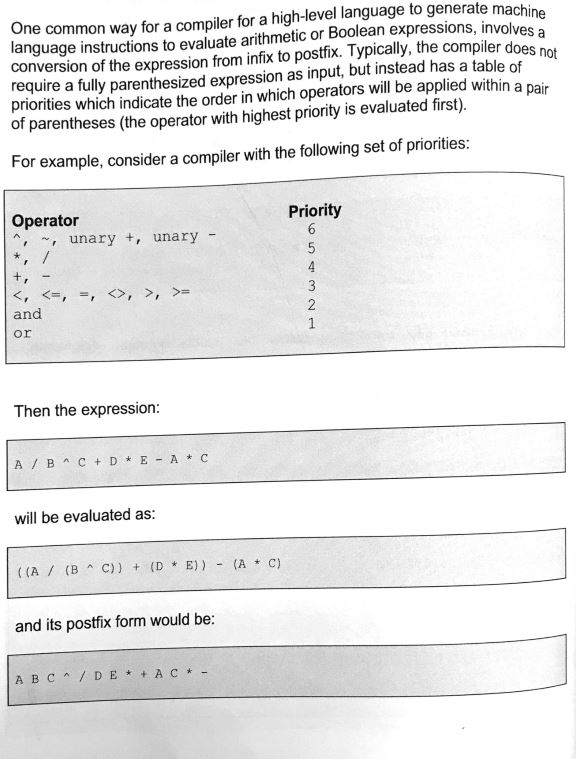
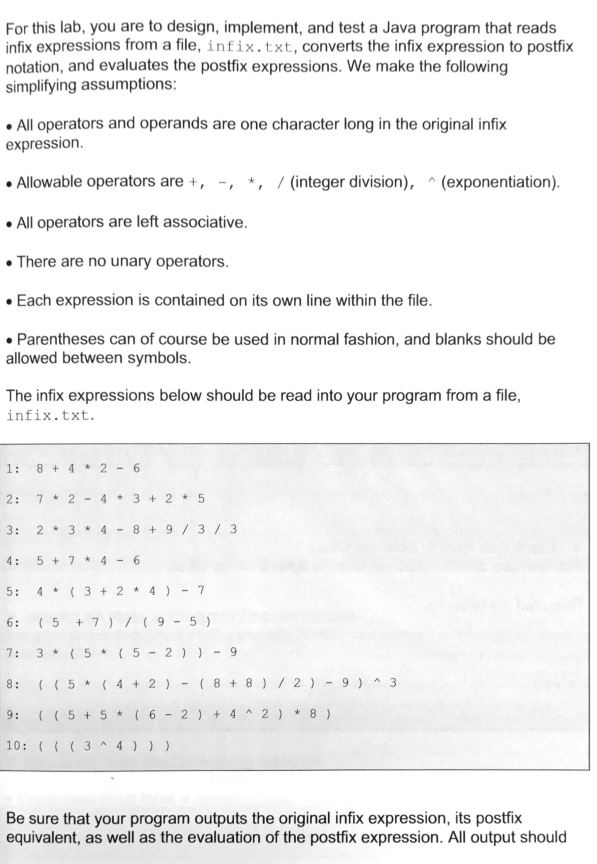
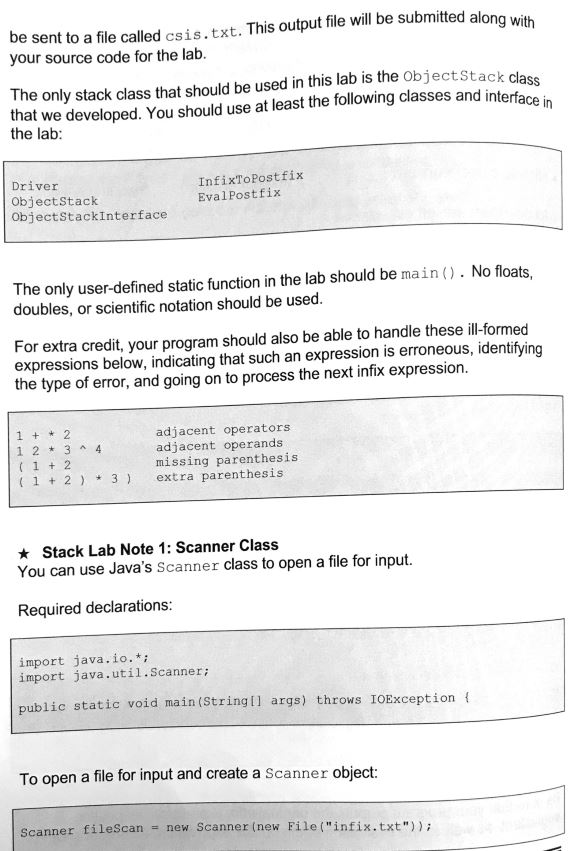
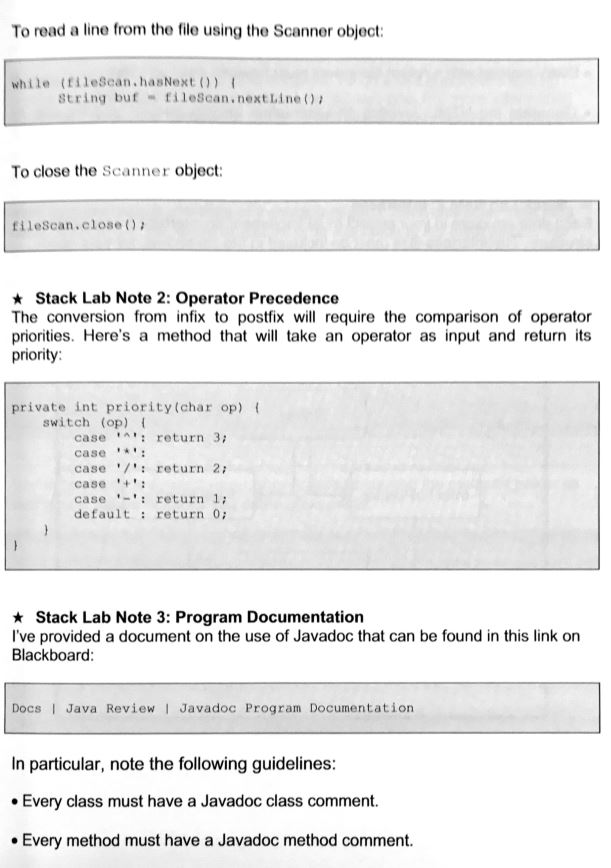
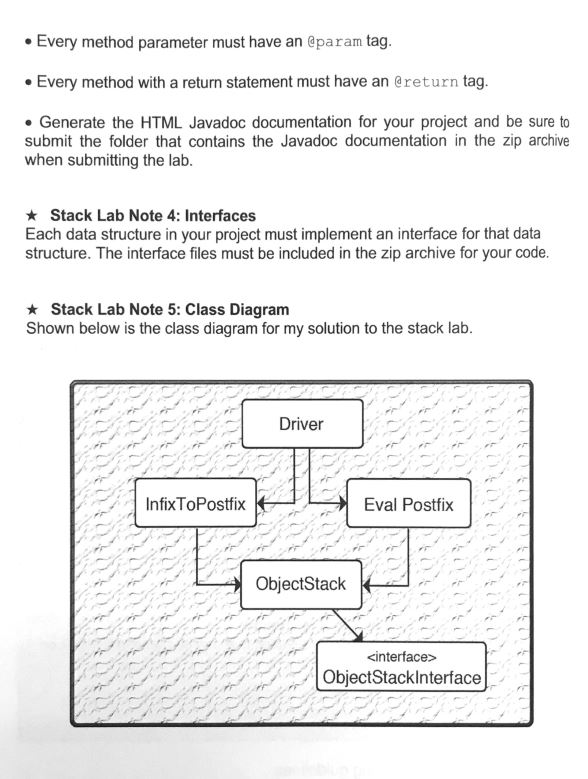
One common way for a compiler for a high-level language to generate machine language instructions to evaluate arithmetic or Boolean expressions, involves a conversion of the expression from infix to postfix. Typically, the compiler does no require a fully parenthesized expression as input, but instead has a table of priorities which indicate the order in which operators will be applied within a pair of parentheses (the operator with highest priority is evaluated first). For example, consider a compiler with the following set of priorities: Operator Priority unary, unary and or Then the expression: will be evaluated as: A (B C)) (DE)) (A C) and its postfix form would be
Step by Step Solution
There are 3 Steps involved in it

Get step-by-step solutions from verified subject matter experts
 Study Help