Question: Please help me edit my essay please E E IEV Normal No Spacing Heading 1 Title EAC297 General Instructions for Essay Assignments Please read carefully:
Please help me edit my essay please
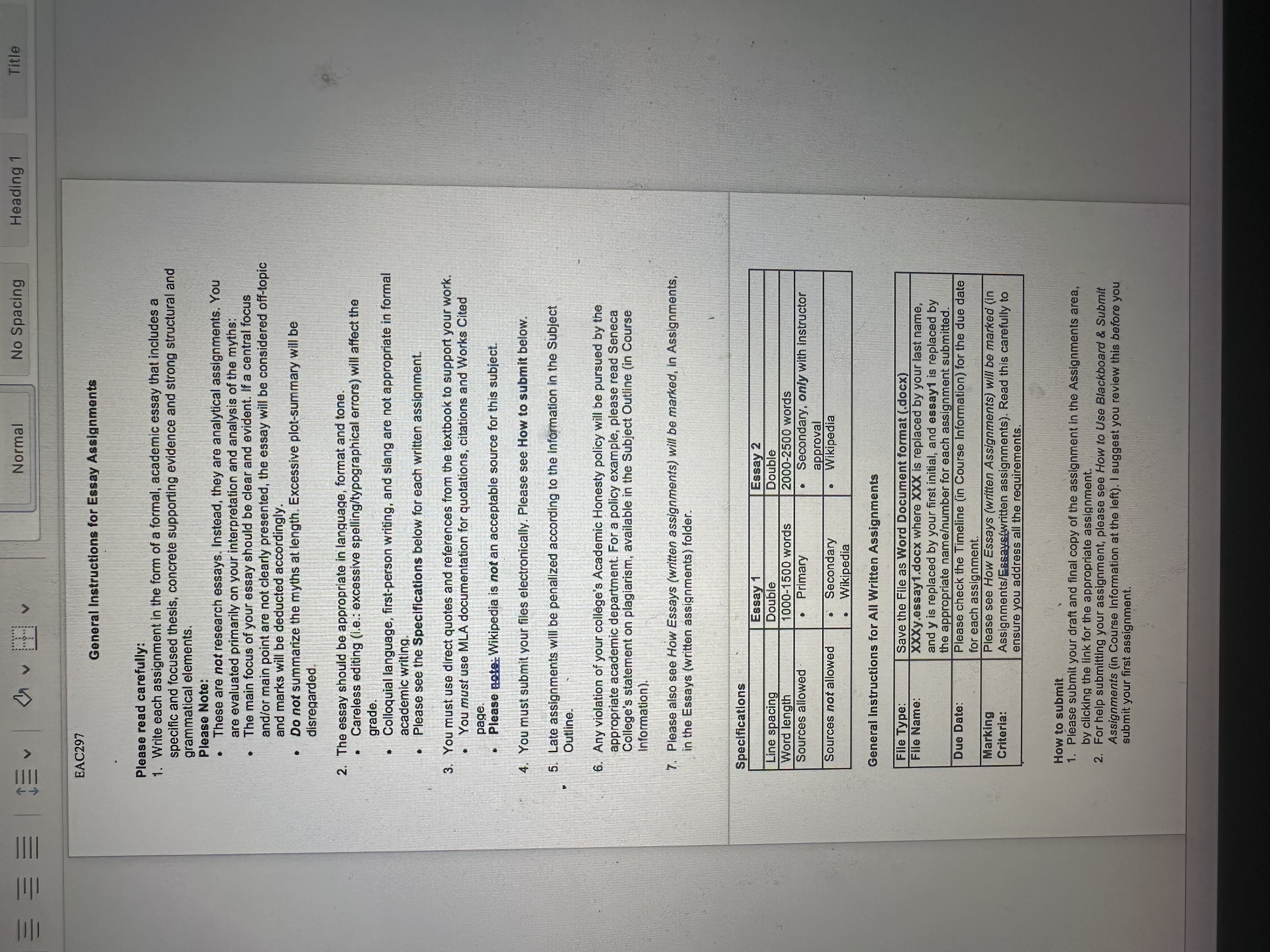
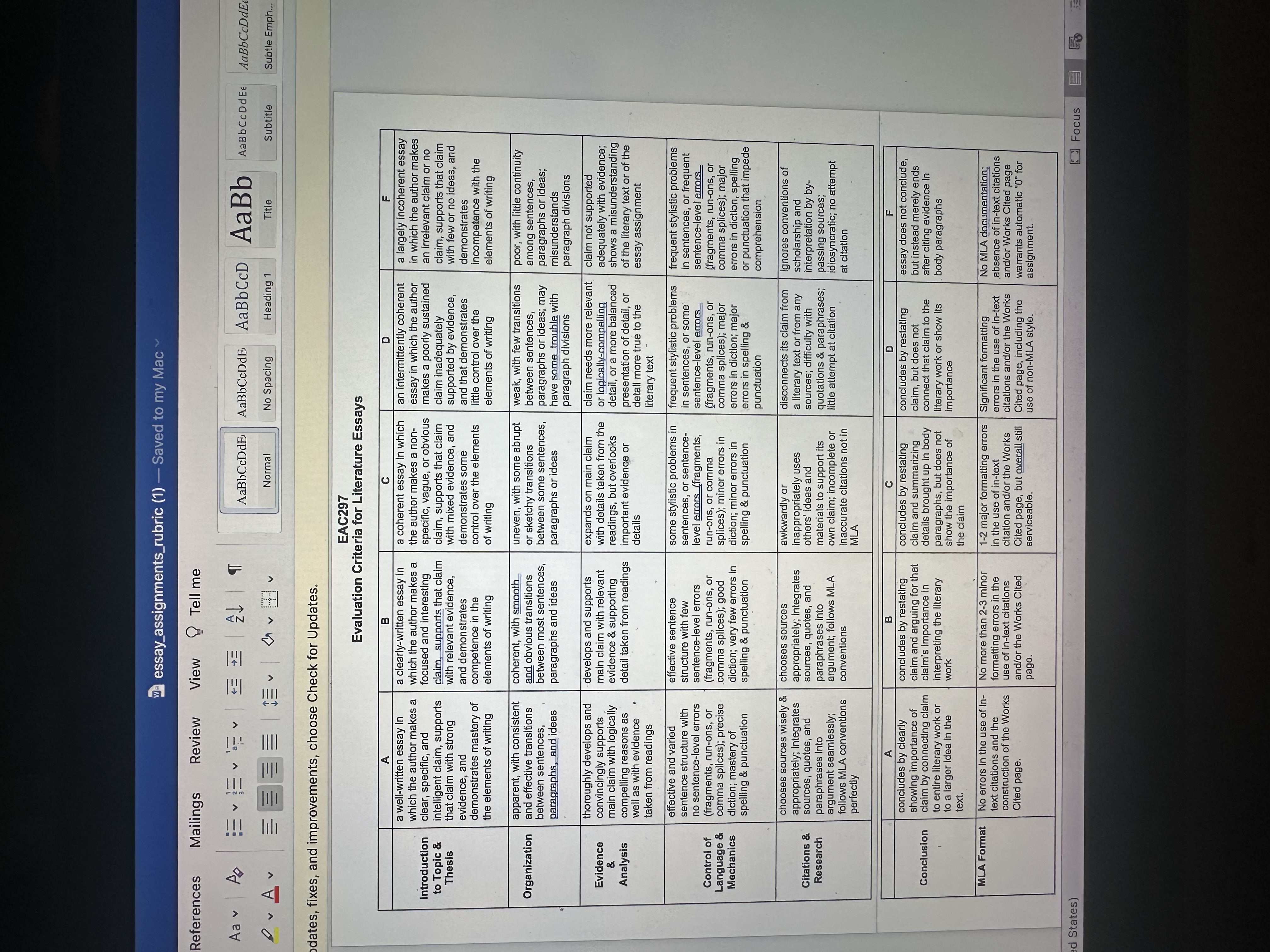
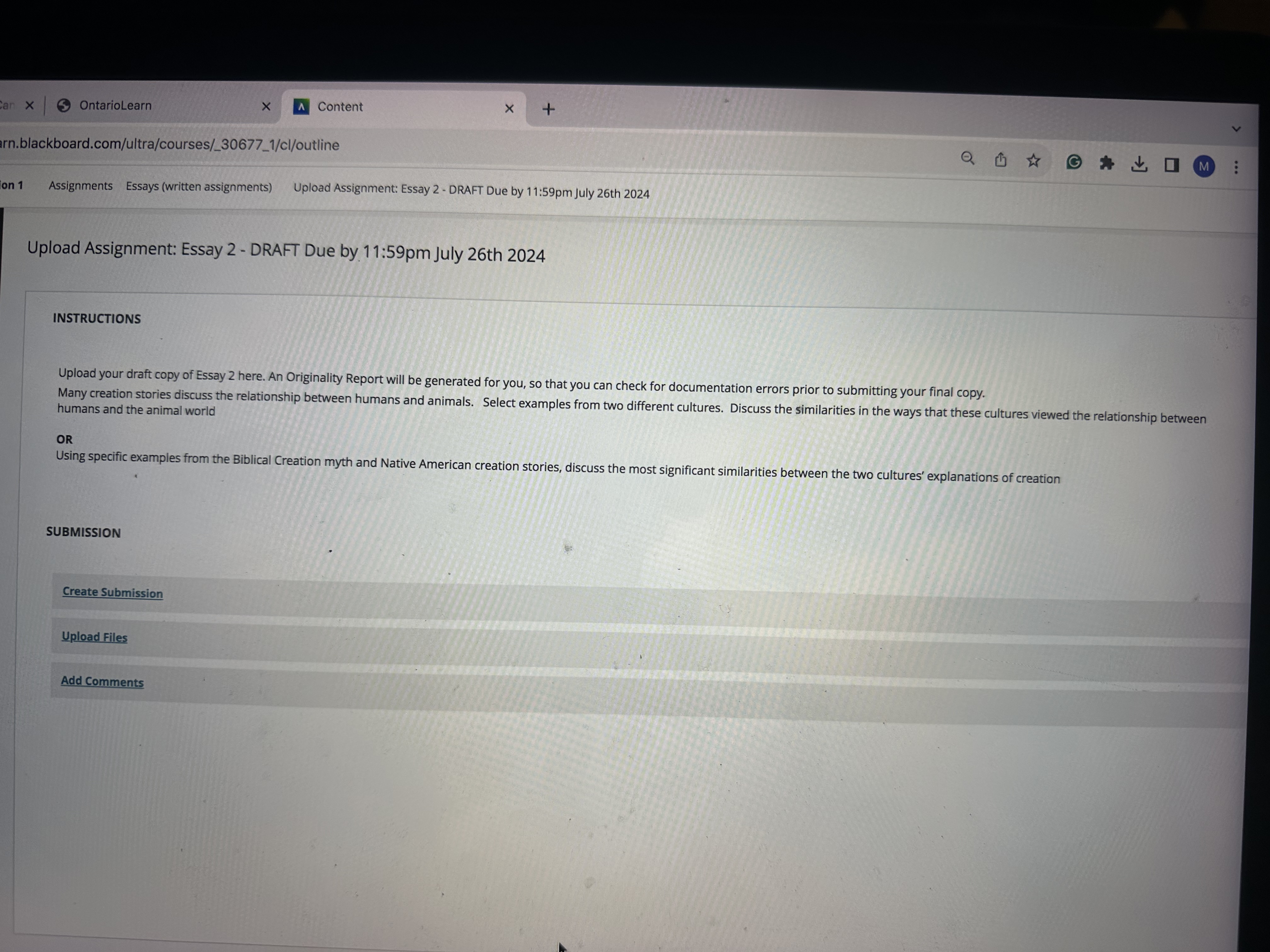
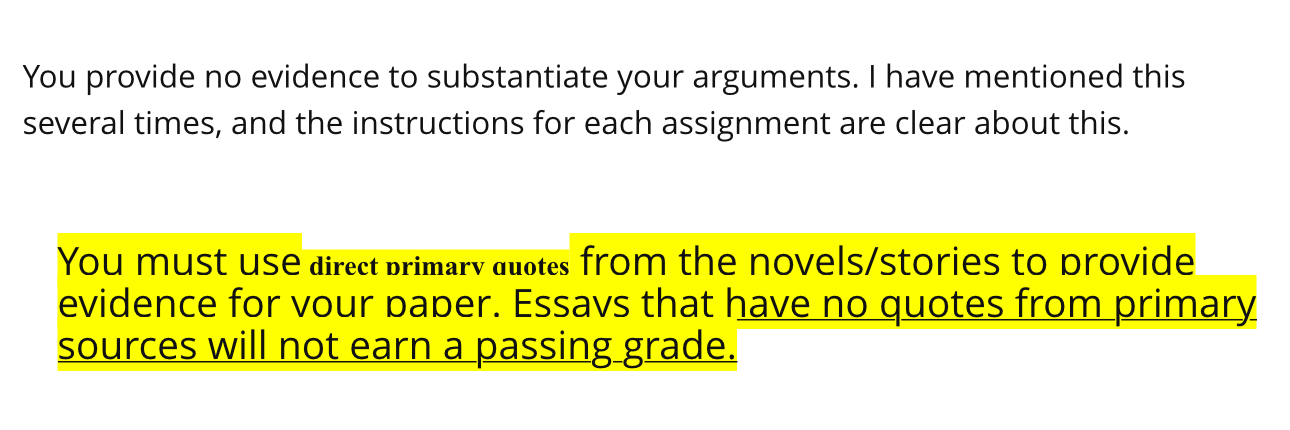
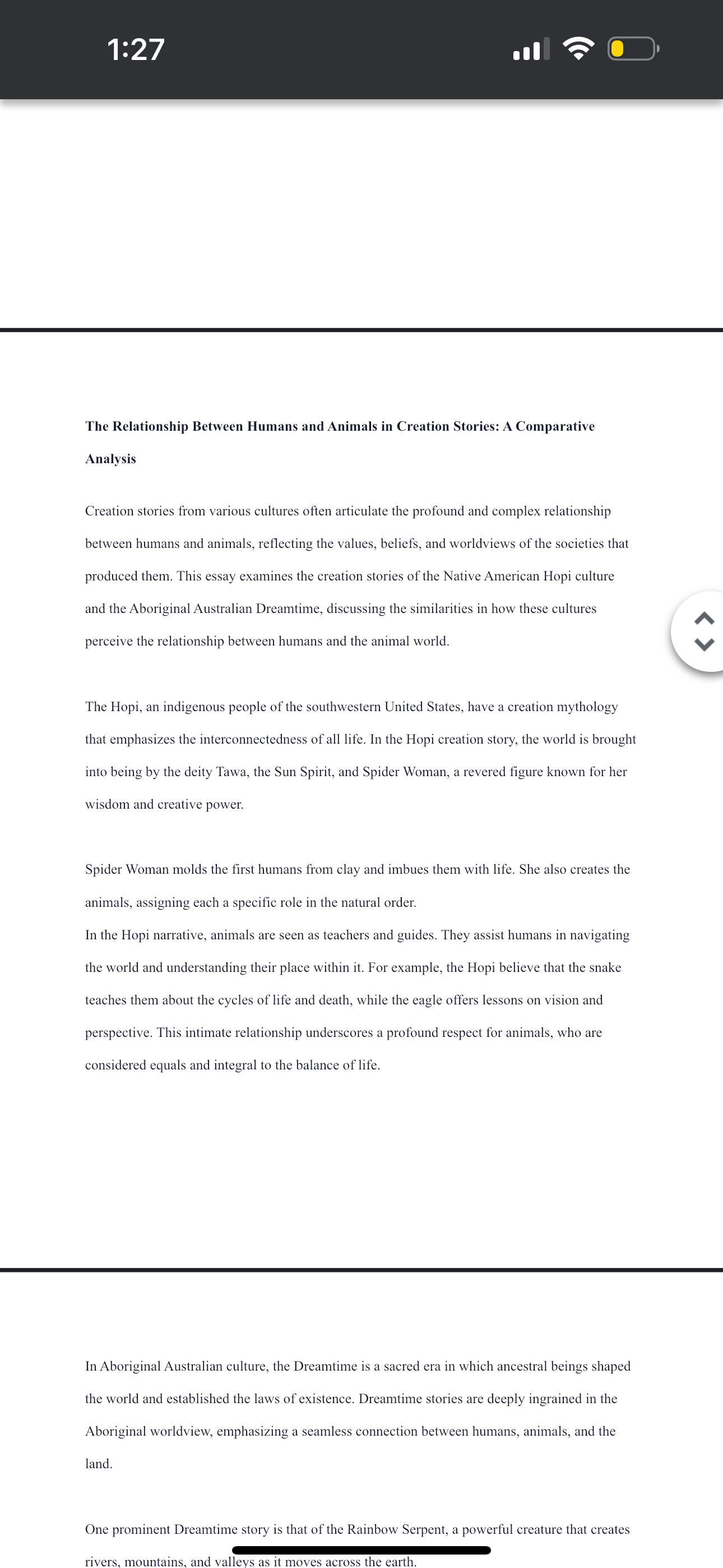
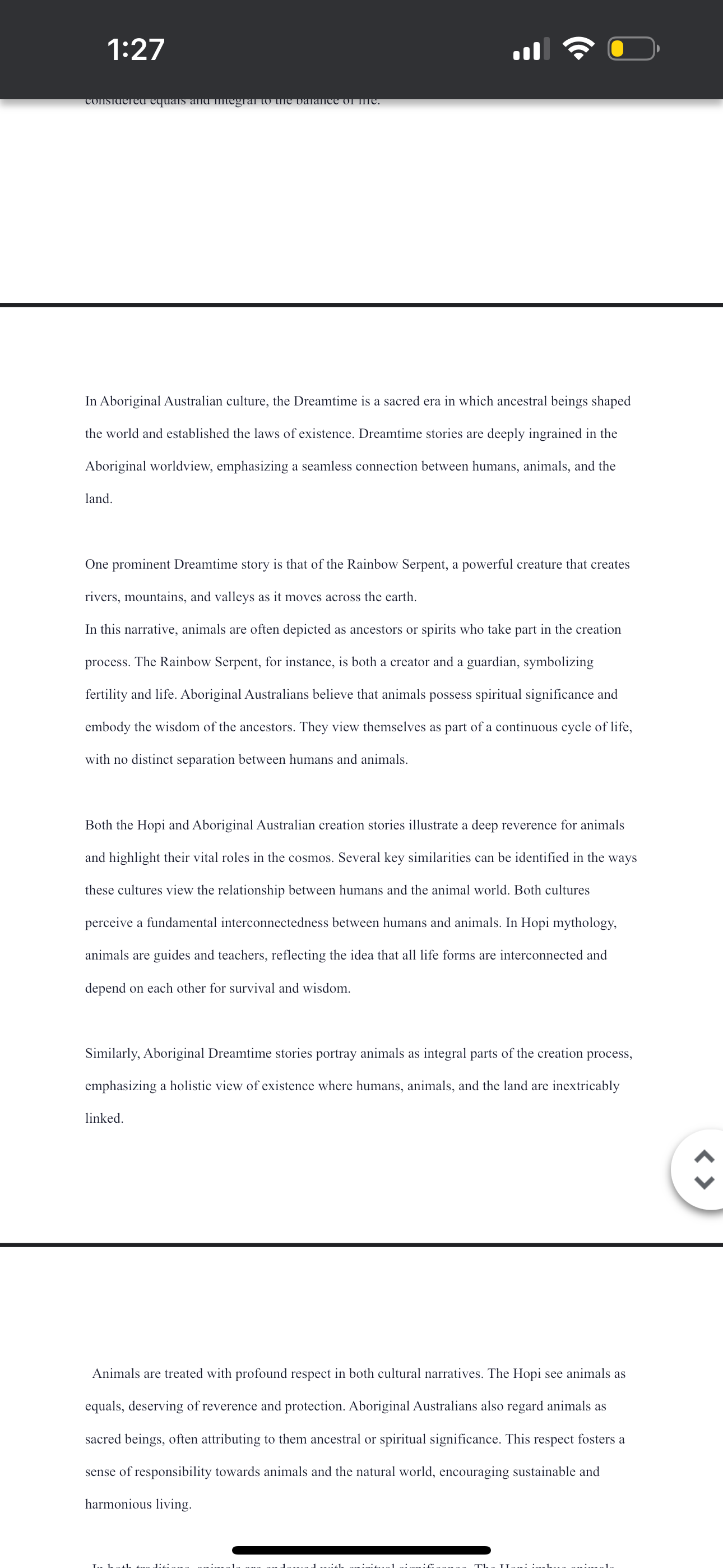
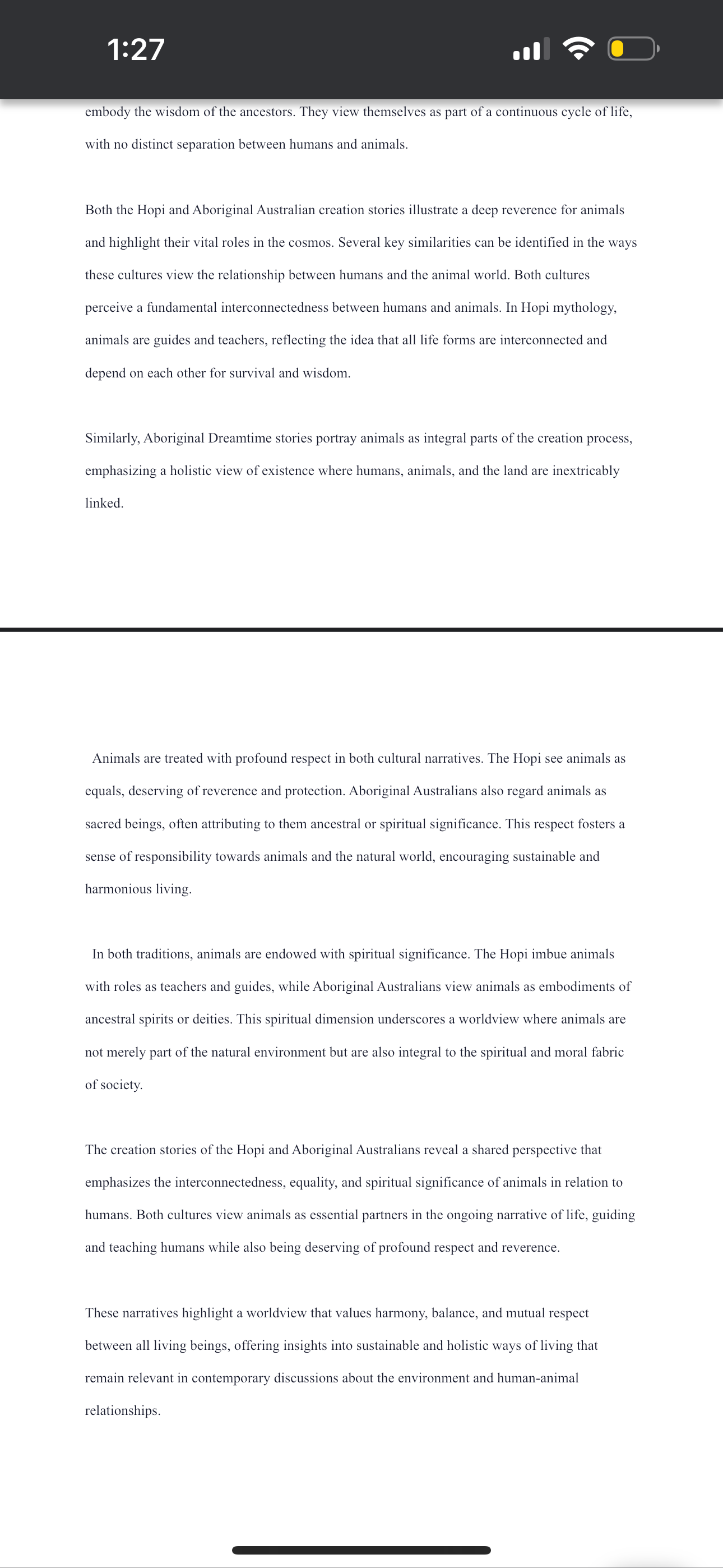
E E IEV Normal No Spacing Heading 1 Title EAC297 General Instructions for Essay Assignments Please read carefully: Write each assignment in the form of a formal, academic essay that includes a specific and focused thesis, concrete supporting evidence and strong structural and grammatical elements. Please Note: These are not research essays. Instead, they are analytical assignments. You are evaluated primarily on your interpretation and analysis of the myths: The main focus of your essay should be clear and evident. If a central focus and/or main point are not clearly presented, the essay will be considered off-topic and marks will be deducted accordingly. Do not summarize the myths at length. Excessive plot-summary will be disregarded. 2. The essay should be appropriate in language, format and tone. Careless editing (i.e.: excessive spelling/typographical errors) will affect the grade. Colloquial language, first-person writing, and slang are not appropriate in formal academic writing. Please see the Specifications below for each written assignment. 3. You must use direct quotes and references from the textbook to support your work. You must use MLA documentation for quotations, citations and Works Cited page. Please note: Wikipedia is not an acceptable source for this subject. You must submit your files electronically. Please see How to submit below. 5. Late assignments will be penalized according to the information in the Subject Outline- 6. Any violation of your college's Academic Honesty policy will be pursued by the appropriate academic department. For a policy example, please read Seneca College's statement on plagiarism, available in the Subject Outline (in Course Information). 7. Please also see How Essays (written assignments) will be marked, in Assignments, in the Essays (written assignments) folder. Specifications Essay 1 Essay 2 Line spacing Double Double Word length 1000-1500 words 2000-2500 words Sources allowed Primary Secondary, only with instructor approval Sources not allowed Secondary Wikipedia Wikipedia General Instructions for All Written Assignments File Type: Save the File as Word Document format (.docx) File Name: XXXy.essay1.docx where XXX is replaced by your last name, and y is replaced by your first initial, and essay1 is replaced by the appropriate nameumber for each assignment submitted. Due Date: Please check the Timeline (in Course Information) for the due date for each assignment. Marking Please see How Essays (written Assignments) will be marked (in Criteria: Assignments/Essays(written assignments). Read this carefully to ensure you address all the requirements. How to submit 1. Please submit your draft and final copy of the assignment in the Assignments area, by clicking the link for the appropriate assignment. 2. For help submitting your assignment, please see How to Use Blackboard & Submit Assignments (in Course Information at the left). I suggest you review this before you submit your first assignment.wa essay assignments_rubric (1) - Saved to my Mac References Mailings Review View ? Tell me Aa Ap EVENby AaBbCcDdE AaBbCcDdE AaBbCCD AaBb AaBbCcDdEE |AaBbCcDdE DV Av Normal No Spacing Heading 1 Title Subtitle Subtle Emph dates, fixes, and improvements, choose Check for Updates. EAC297 Evaluation Criteria for Literature Essays C a well-written essay in a clearly-written essay in a coherent essay in which | an intermittently coherent a largely incohe which the author makes a | which the author makes a the author makes a non- essay in which the author in which the author makes Introduction clear, specific, and focused and interesting specific, vague, or obvious makes a poorly sustained an irrelevant claim or no to Topic & intelligent claim, supports claim, supports that claim claim, supports that claim claim inadequately claim, supports that claim Thesis that claim with strong with relevant evidence, with mixed evidence, and supported by evidence with few or no ideas, and evidence, and and demonstrates demonstrates some and that demonstrates demonstrates demonstrates mastery of competence in th control over the elements little control over the incompetence with the the elements of writing elements of writing of writing elements of writing elements of writing apparent, with consistent coherent, with smooth uneven, with some abrupt weak, with few transitions poor, with little continuity Organization and effective transitions and obvious transitions or sketchy transitions between sentences, among sentences, between sentences, between most sentences, between some sentences, paragraphs or ideas; may paragraphs or ideas; paragraphs, and ideas paragraphs and ideas paragraphs or ideas have some trouble with misunderstands paragraph divisions paragraph divisions thoroughly develops and develops and supports Expands on main claim claim needs more relevant claim not supported Evidence convincingly supports main claim with relevant with details taken from the or logically-compelling adequately with evidence; & main claim with logically evidence & supporting readings, but overlooks detail, or a more balanced shows a misunderstanding Analysis compelling reasons as detail taken from readings Important evidence or presentation of detail, or of the literary text or of the well as with evidence details detail more true to the essay assignment taken from readings iterary text effective and varied effective sentence some stylistic problems in frequent stylistic problems frequent stylistic problems sentence structure with structure with few sentences, or sentence - n sentences, or some sentences, or frequent no sentence-level errors sentence-level errors level errors_(fragments, sentence-level errors sentence-level errors Control of (fragments, run-ons, or (fragments, run-ons, run-ons, or comma (fragments, run-ons, of (fragments, run-ons, o Language & comma splices); precise -comma splices); good splices); minor errors in comma splices); major comma splices); major Mechanics diction; mastery of diction; very few errors in diction; minor errors in errors in diction; major errors in diction, spelling spelling & punctuation spelling & punctuation spelling & punctuation errors in spelling & or punctuation that impede punctuation comprehension chooses sources wisely & | chooses sources awkwardly or disconnects its claim from ignores conventions of appropriately; Integrates appropriately; integrates inappropriately uses a literary text or from any scholarship and Citations & sources, quotes, and sources, quotes, and others' ideas and sources; difficulty with nterpretation by by- Research paraphrases Into paraphrases into materials to support its quotations & paraphrases; passing sources; argument seamlessly; argument; follows MLA own claim; incomplete or little attempt at citation idiosyncratic; no attempt follows MLA conventions conventions Inaccurate citations not in at citation perfectly MLA B D Concludes by clearly concludes by restating concludes by restating concludes by restating essay does not conclude, showing importance of claim and arguing for that claim and summarizing claim, but does not but instead merely ends Conclusion claim by connecting claim claim's importance in details brought up in body connect that claim to the after citing evidence in to entire literary work o interpreting the literary paragraphs, but does not literary work or show its body paragraphs to a larger idea in the work show the importance of importance text. the claim MLA Format No errors in the use of In- No more than 2-3 minor 1-2 major formatting errors | Significant formatting No MLA documentation text citations and the ormatting errors in the in the use of in-text errors in the use of in-text absence of in-text citations construction of the Works use of In-text citations itation and/or the Works citations and/or the Works and/or Works Cited page Cited page. and/or the Works Cited Cited page, but overall still Cited page, including the warrants automatic "0" for page. serviceable. use of non-MLA style. assignment. d States) Focusx A Content + Car x OntarioLearn X rn.blackboard.com/ultra/courses/_30677_1/cl/outline Q L X C A LIM : on 1 Assignments Essays (written assignments) Upload Assignment: Essay 2 - DRAFT Due by 11:59pm July 26th 2024 Upload Assignment: Essay 2 - DRAFT Due by 11:59pm July 26th 2024 INSTRUCTIONS Upload your draft copy of Essay 2 here. An Originality Report will be generated for you, so that you can check for documentation errors prior to submitting your final copy. Many creation stories discuss the relationship between humans and animals. Select examples from two different cultures. Discuss the similarities in the ways that these cultures viewed the relationship between humans and the animal world OR Using specific examples from the Biblical Creation myth and Native American creation stories, discuss the most significant similarities between the two cultures' explanations of creation SUBMISSION Create Submission Upload Files Add CommentsYou provide no evidence to substantiate your arguments. I have mentioned this several times, and the instructions for each assignment are clear about this. You must use direct primary quotes from the novels/stories to provide evidence for vour paper. Essays that have no quotes from primary sources will not earn a passing grade.The Relationship Between Humans and Animals in Creation Stories: A Comparative Analysis Creation stories from various cultures often articulate the profound and complex relationship between humans and animals, reflecting the values, beliefs, and worldviews of the societies that produced them. This essay examines the creation stories of the Native American Hopi culture and the Aboriginal Australian Dreamtime, discussing the similarities in how these cultures perceive the relationship between humans and the animal world. The Hopi, an indigenous people of the southwestern United States, have a creation mythology that emphasizes the interconnectedness of all life. In the Hopi creation story, the world is brought into being by the deity Tawa, the Sun Spirit, and Spider Woman, a revered figure known for her wisdom and creative power. Spider Woman molds the first humans from clay and imbues them with life. She also creates the animals, assigning each a specific role in the natural order. In the Hopi narrative, animals are seen as teachers and guides. They assist humans in navigating the world and understanding their place within it. For example, the Hopi believe that the snake teaches them about the cycles of life and death, while the eagle offers lessons on vision and perspective. This intimate relationship underscores a profound respect for animals, who are considered equals and integral to the balance of life. In Aboriginal Australian culture, the Dreamtime is a sacred era in which ancestral beings shaped the world and established the laws of existence. Dreamtime stories are deeply ingrained in the Aboriginal worldview, emphasizing a seamless connection between humans, animals, and the land. One prominent Dreamtime story is that of the Rainbow Serpent, a powerful creature that creates D rivers, mountains, and valleys as it moves across the earth. In Aboriginal Australian culture, the Dreamtime is a sacred era in which ancestral beings shaped the world and established the laws of existence. Dreamtime stories are deeply ingrained in the Aboriginal worldview, emphasizing a seamless connection between humans, animals, and the land. One prominent Dreamtime story is that of the Rainbow Serpent, a powerful creature that creates rivers, mountains, and valleys as it moves across the earth. In this narrative, animals often depicted as ancestors or spirits who take part in the creation process. The Rainbow Serpent, for instance, is both a creator and a guardian, symbolizing fertility and life. Aboriginal Australians believe that animals possess spiritual significance and embody the wisdom of the ancestors. They view themselves as part of a continuous cycle of life, with no distinct separation between humans and animals. Both the Hopi and Aboriginal Australian creation stories illustrate a deep reverence for animals and highlight their vital roles in the cosmos. Several key similarities can be identified in the ways these cultures view the relationship between humans and the animal world. Both cultures perceive a fundamental interconnectedness between humans and animals. In Hopi mythology, animals are guides and teachers, reflecting the idea that all life forms are interconnected and depend on each other for survival and wisdom. Similarly, Aboriginal Dreamtime stories portray animals as integral parts of the creation process, emphasizing a holistic view of e> istence where humans, animals, and the land are inextricably linked. Animals are treated with profound respect in both cultural narratives. The Hopi see animals as equals, deserving of reverence and protection. Aboriginal Australians also regard animals as sacred beings, often attributing to them ancestral or spiritual significance. This respect fosters a sense of responsibility towards animals and the natural world, encouraging sustainable and harmonious living. embody the wisdom of the ancestors. They view themselves as part of a continuous cycle of life, with no distinct separation between humans and animals. Both the Hopi and Aboriginal Australian creation stories illustrate a deep reverence for animals and highlight their vital roles in the cosmos. Several key similarities can be identified in the ways these cultures view the relationship between humans and the animal world. Both cultures perceive a fundamental interconnectedness between humans and animals. In Hopi mythology, animals are guides and teachers, reflecting the idea that all life forms are interconnected and depend on each other for survival and wisdom. Similarly, Aboriginal Dreamtime stories portray animals as integral parts of the creation proc emphasizing a holistic view of existence where humans, animals, and the land are inextricably linked. Animals are treated with profound respect in both cultural narratives. The Hopi see animals as equals, deserving of reverence and protection. Aboriginal Australians also regard animals as sacred beings, often attributing to them ancestral or spiritual significance. This respect fosters a sense of responsibility towards animals and the natural world, encouraging sustainable and harmonious living. In both traditions, animals are endowed with spiritual significance. The Hopi imbue animals with roles as teachers and guides, while Aboriginal Australians view animals as embodiments of ancestral spirits or deities. This spiritual dimension underscores a worldview where animals are not merely part of the natural environment but are also integral to the spiritual and moral fabric of society. The creation stories of the Hopi and Aboriginal Australians reveal a shared perspective that emphasizes the interconnectedness, equality, and spiritual significance of animals in relation to humans. Both cultures view animals as essential partners in the ongoing narrative of life, guiding and teaching humans while also being deserving of profound respect and reverence. These narratives highlight a worldview that values harmony, balance, and mutual respect between all living beings, offering insights into sustainable and holistic ways of living that remain relevant in contemporary discussions about the environment and human-animal relationships
Step by Step Solution
There are 3 Steps involved in it
1 Expert Approved Answer
Step: 1 Unlock
Question Has Been Solved by an Expert!
Get step-by-step solutions from verified subject matter experts
Step: 2 Unlock
Step: 3 Unlock
Students Have Also Explored These Related Business Writing Questions!









 Study Help