Question: Please help me in the third section 5 STEP CASE METHODOLOGY 1. PROBLEM STATEMENT 2. SITUATION ANALYSIS 3. IDENTIFICATION & EVALUATION OF ALTERNATIVES 4. RECOMMENDATION
Please help me in the third section 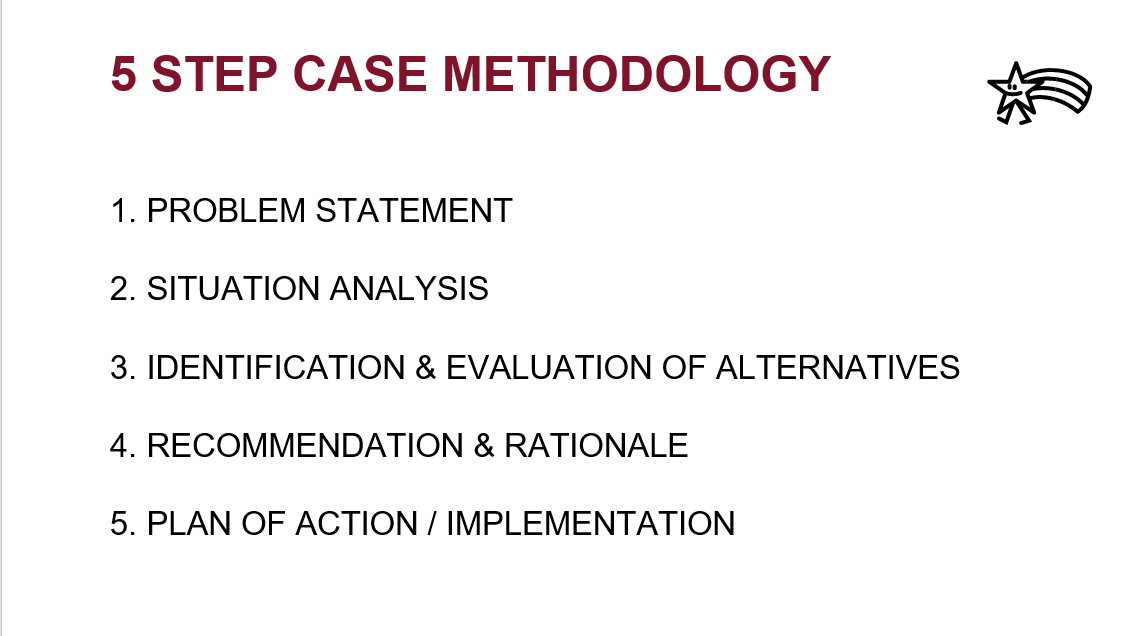
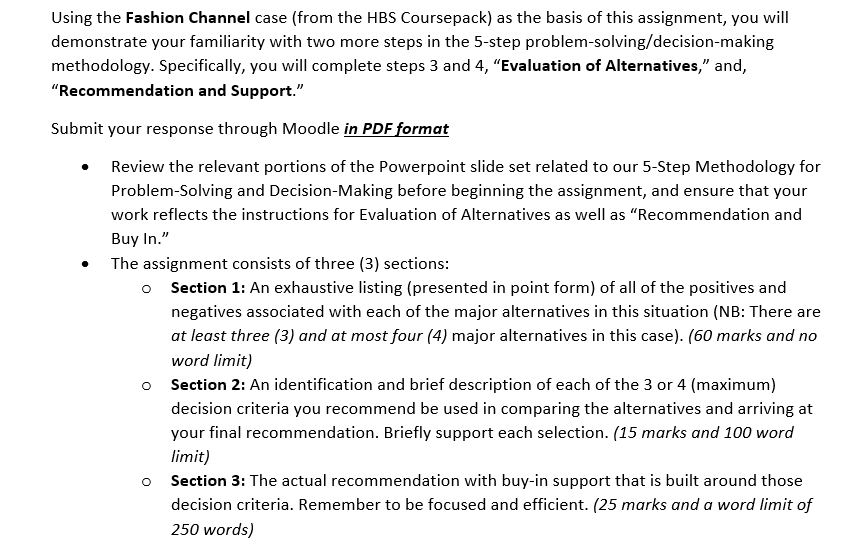
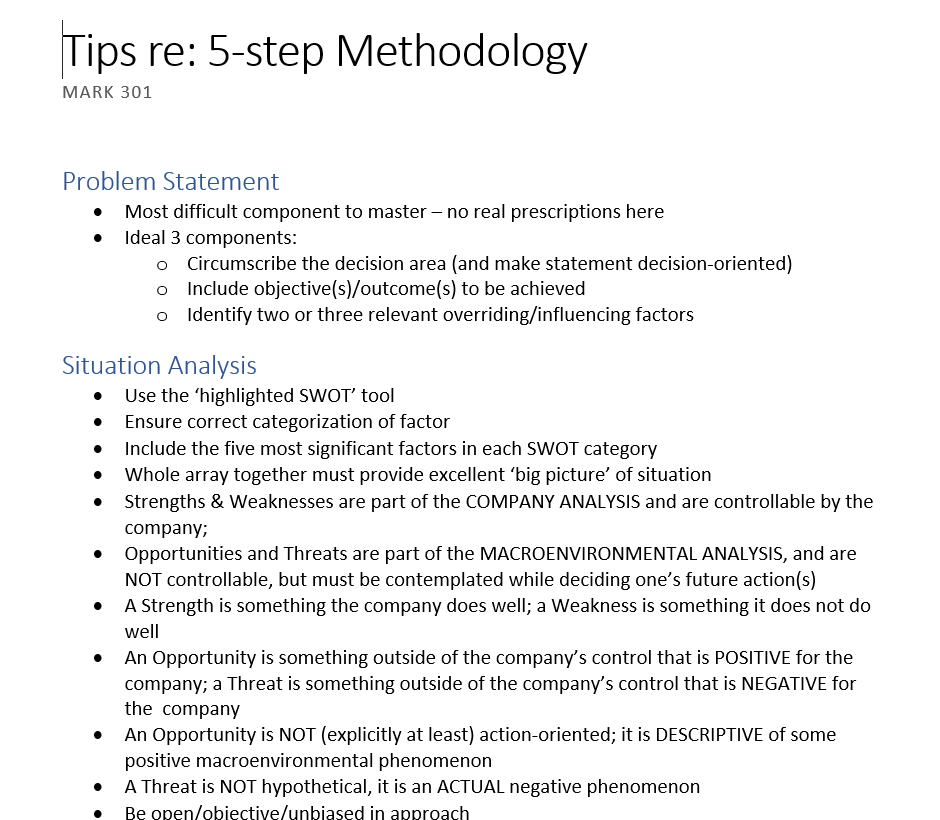
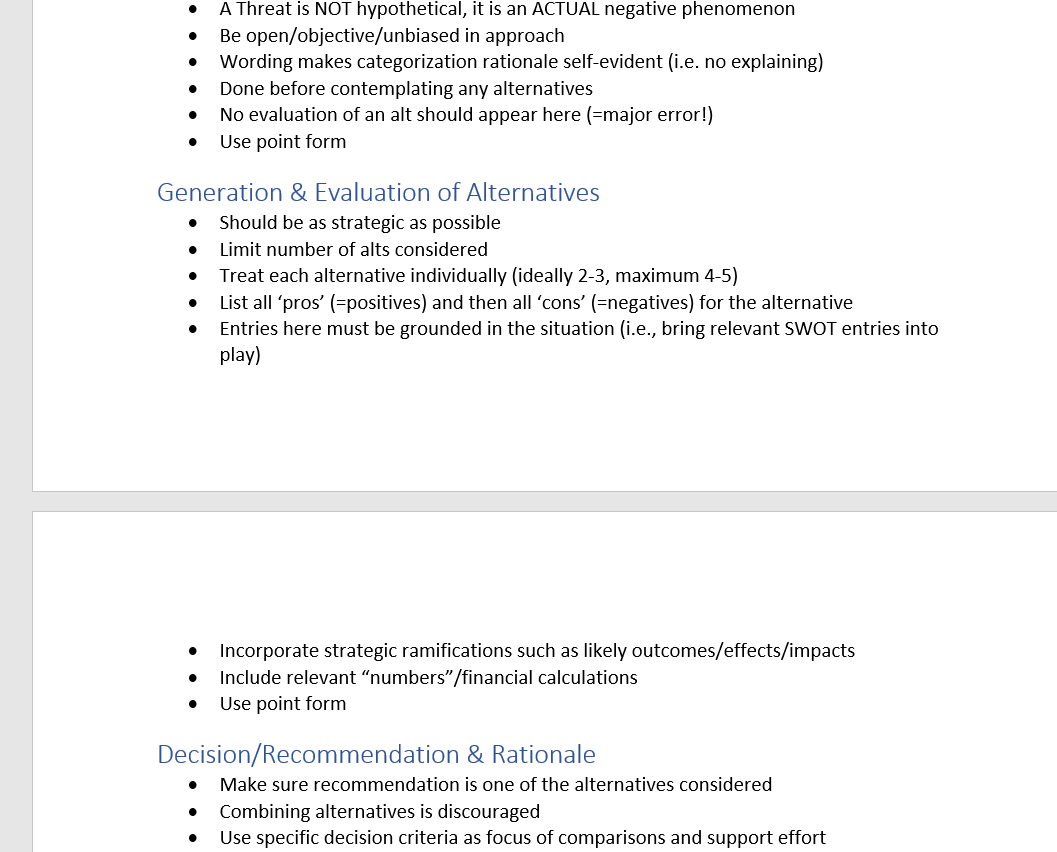
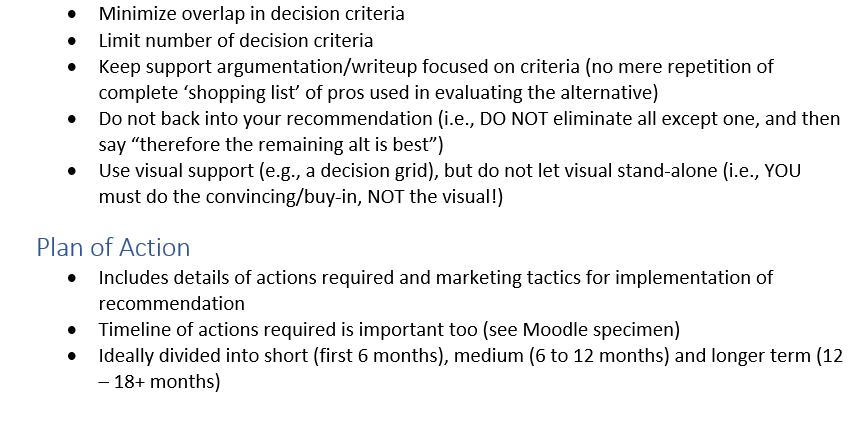
5 STEP CASE METHODOLOGY 1. PROBLEM STATEMENT 2. SITUATION ANALYSIS 3. IDENTIFICATION \& EVALUATION OF ALTERNATIVES 4. RECOMMENDATION \& RATIONALE 5. PLAN OF ACTION / IMPLEMENTATION Using the Fashion Channel case (from the HBS Coursepack) as the basis of this assignment, you will demonstrate your familiarity with two more steps in the 5-step problem-solving/decision-making methodology. Specifically, you will complete steps 3 and 4, "Evaluation of Alternatives," and, "Recommendation and Support." Submit your response through Moodle in PDF format - Review the relevant portions of the Powerpoint slide set related to our 5-Step Methodology for Problem-Solving and Decision-Making before beginning the assignment, and ensure that your work reflects the instructions for Evaluation of Alternatives as well as "Recommendation and Buy In." - The assignment consists of three (3) sections: - Section 1: An exhaustive listing (presented in point form) of all of the positives and negatives associated with each of the major alternatives in this situation (NB: There are at least three (3) and at most four (4) major alternatives in this case). (60 marks and no word limit) - Section 2: An identification and brief description of each of the 3 or 4 (maximum) decision criteria you recommend be used in comparing the alternatives and arriving at your final recommendation. Briefly support each selection. (15 marks and 100 word limit) - Section 3: The actual recommendation with buy-in support that is built around those decision criteria. Remember to be focused and efficient. 25 marks and a word limit of 250 words) Tips re: 5-step Methodology MARK 301 Problem Statement - Most difficult component to master - no real prescriptions here - Ideal 3 components: Circumscribe the decision area (and make statement decision-oriented) Include objective(s)/outcome(s) to be achieved Identify two or three relevant overriding/influencing factors Situation Analysis - Use the 'highlighted SWOT' tool - Ensure correct categorization of factor - Include the five most significant factors in each SWOT category - Whole array together must provide excellent 'big picture' of situation - Strengths \& Weaknesses are part of the COMPANY ANALYSIS and are controllable by the company; - Opportunities and Threats are part of the MACROENVIRONMENTAL ANALYSIS, and are NOT controllable, but must be contemplated while deciding one's future action(s) - A Strength is something the company does well; a Weakness is something it does not do well - An Opportunity is something outside of the company's control that is POSITIVE for the company; a Threat is something outside of the company's control that is NEGATIVE for the company - An Opportunity is NOT (explicitly at least) action-oriented; it is DESCRIPTIVE of some positive macroenvironmental phenomenon - A Threat is NOT hypothetical, it is an ACTUAL negative phenomenon - Be open/obiective/unbiased in aporoach - A Threat is NOT hypothetical, it is an ACTUAL negative phenomenon - Be open/objective/unbiased in approach - Wording makes categorization rationale self-evident (i.e. no explaining) - Done before contemplating any alternatives - No evaluation of an alt should appear here (=major error!) - Use point form Generation \& Evaluation of Alternatives - Should be as strategic as possible - Limit number of alts considered - Treat each alternative individually (ideally 2-3, maximum 4-5) - List all 'pros' (=positives) and then all 'cons' (=negatives) for the alternative - Entries here must be grounded in the situation (i.e., bring relevant SWOT entries into play) - Incorporate strategic ramifications such as likely outcomes/effects/impacts - Include relevant "numbers"/financial calculations - Use point form Decision/Recommendation \& Rationale - Make sure recommendation is one of the alternatives considered - Combining alternatives is discouraged - Use specific decision criteria as focus of comparisons and support effort - Minimize overlap in decision criteria - Limit number of decision criteria - Keep support argumentation/writeup focused on criteria (no mere repetition of complete 'shopping list' of pros used in evaluating the alternative) - Do not back into your recommendation (i.e., DO NOT eliminate all except one, and then say "therefore the remaining alt is best") - Use visual support (e.g., a decision grid), but do not let visual stand-alone (i.e., YOU must do the convincing/buy-in, NOT the visual!) Plan of Action - Includes details of actions required and marketing tactics for implementation of recommendation - Timeline of actions required is important too (see Moodle specimen) - Ideally divided into short (first 6 months), medium (6 to 12 months) and longer term (12 18+ months)









 Study Help