







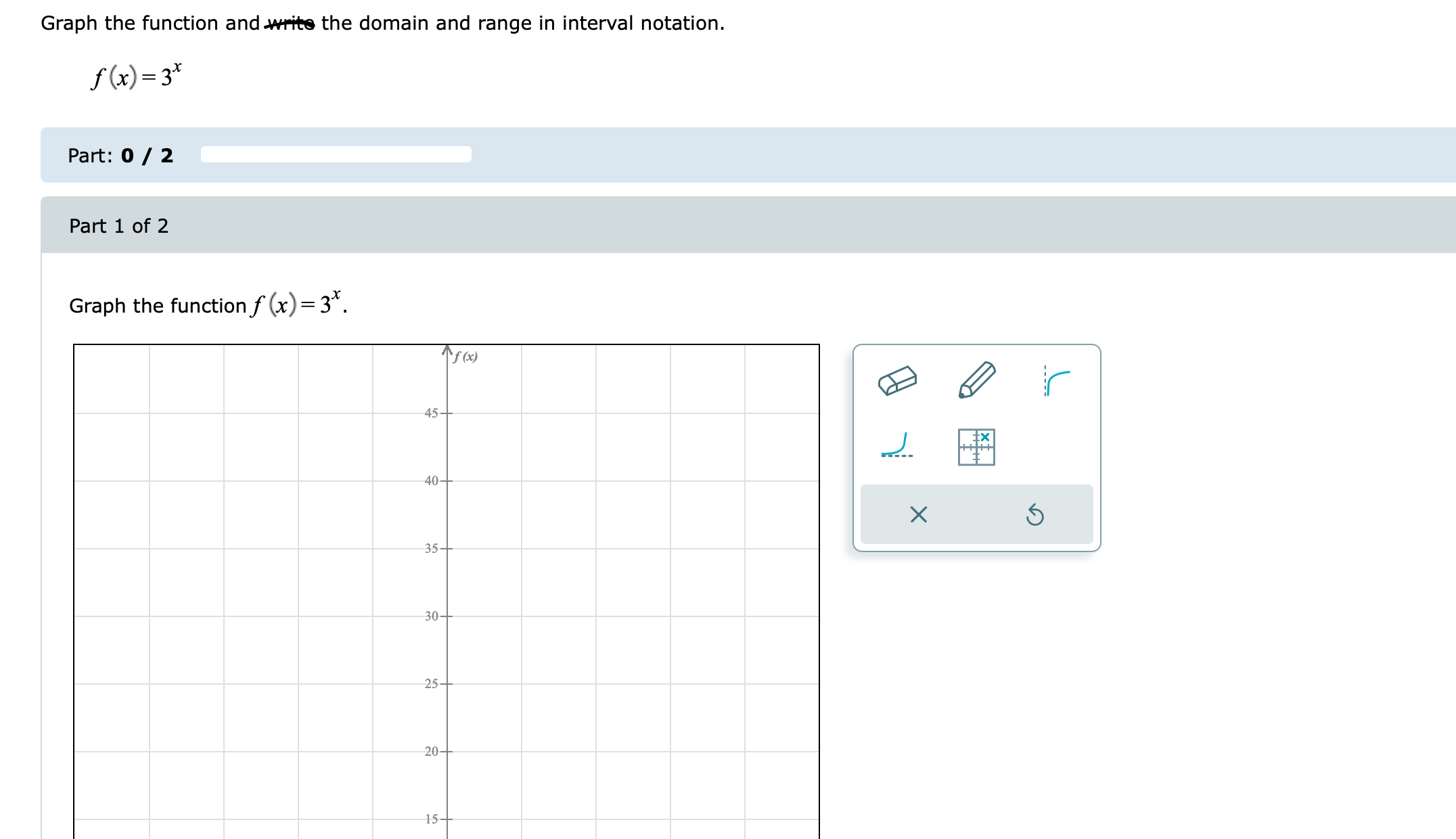
Question: please help would greatly appreciate it #1 Graph the function and write the domain and range in interval notation. f (x) =3* Part: 0 /


please help would greatly appreciate it
#1
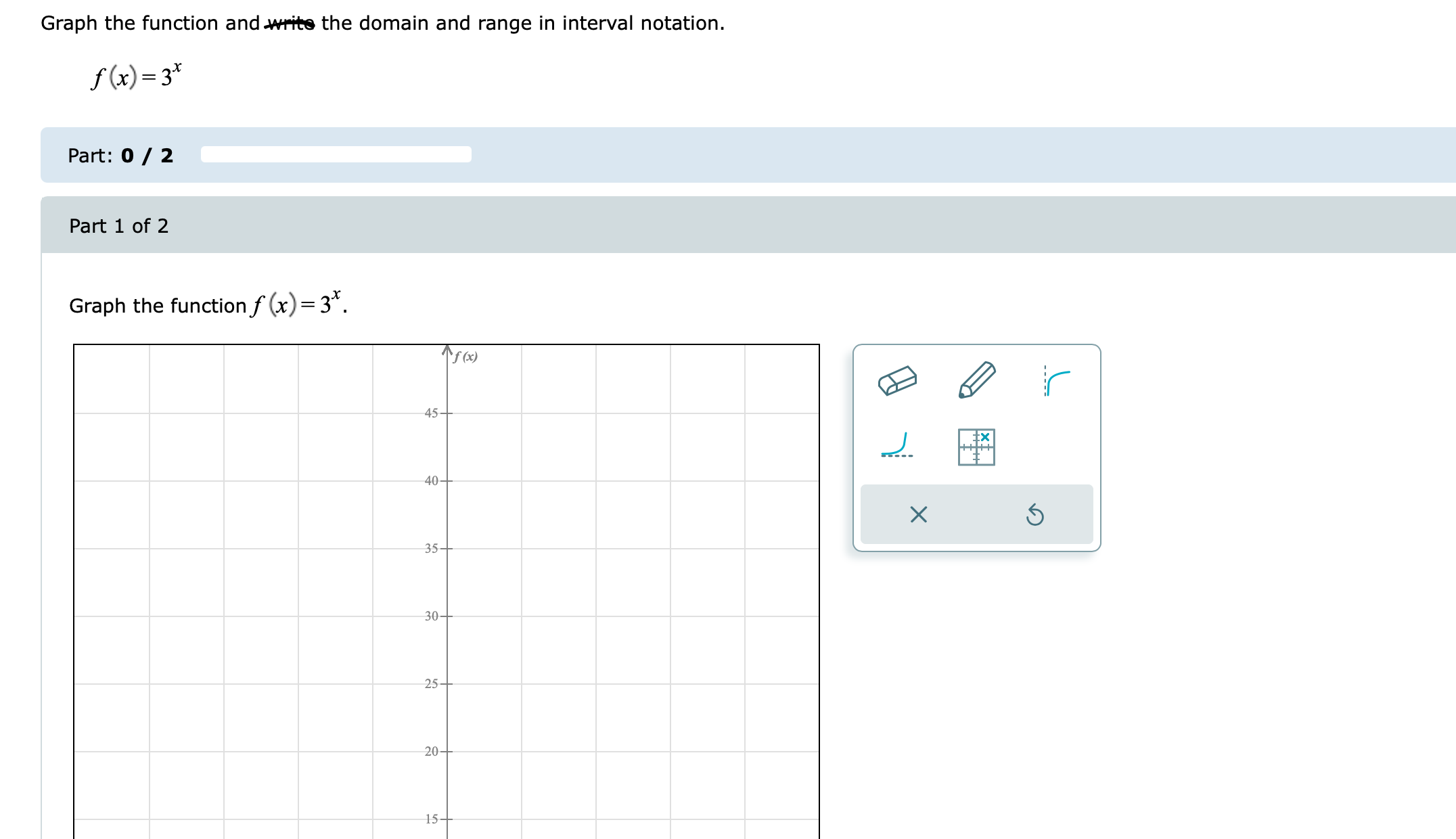
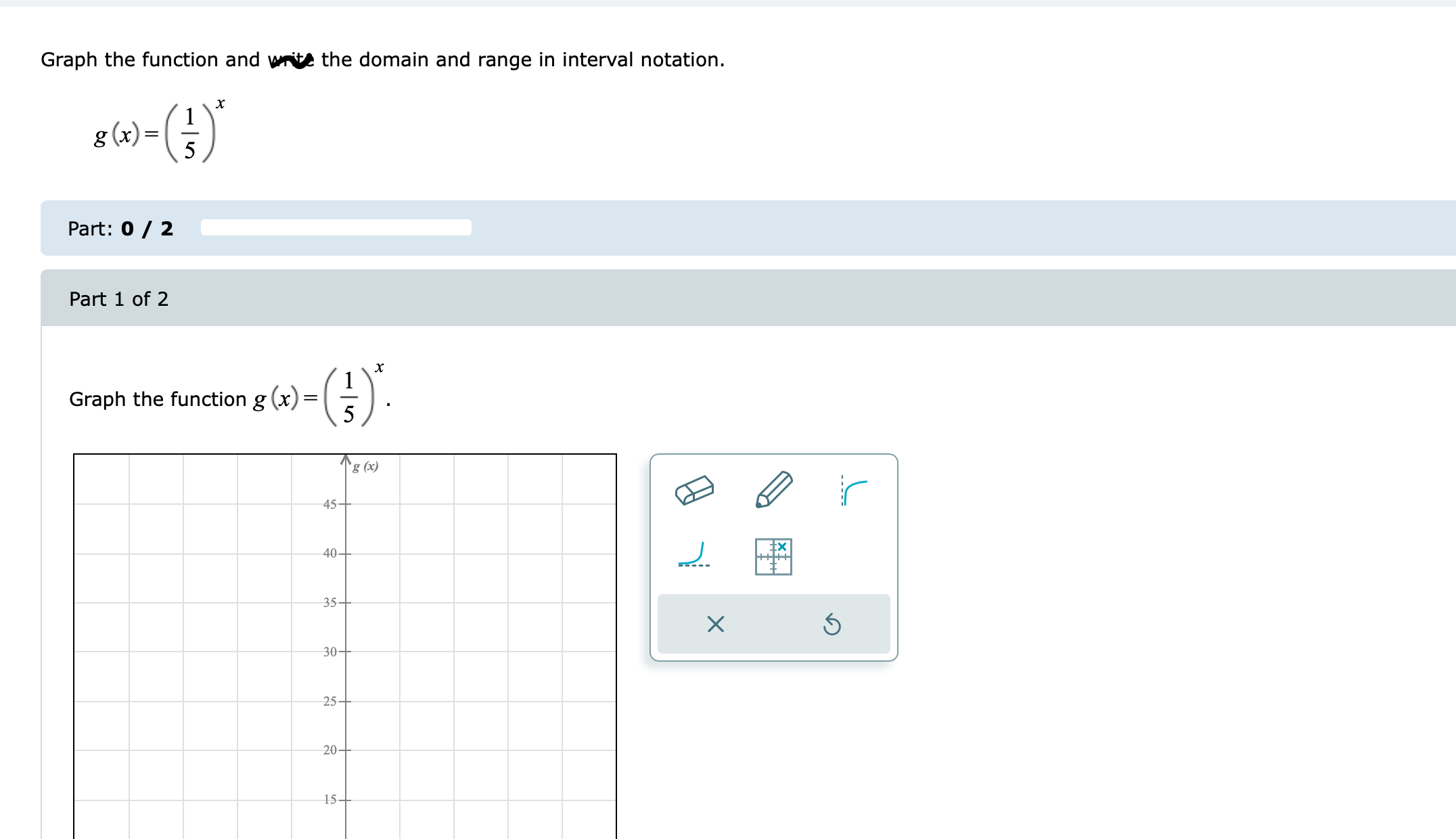
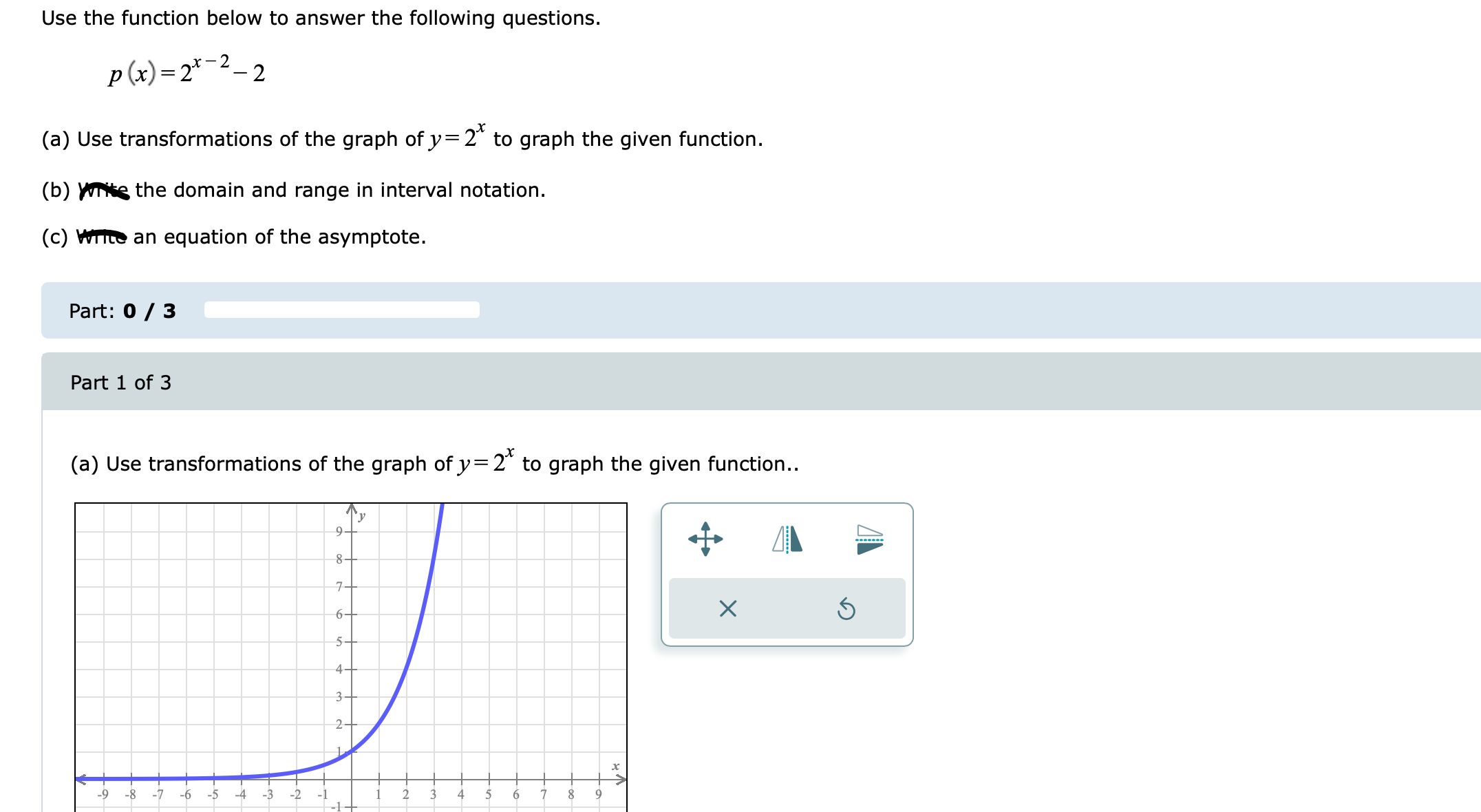
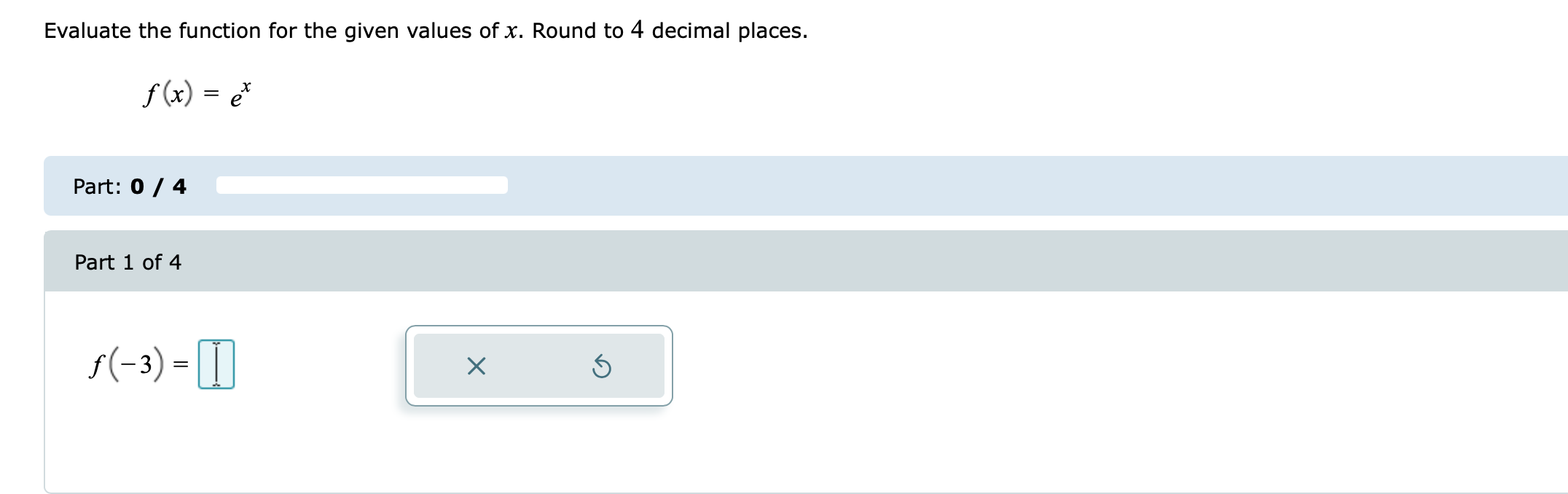
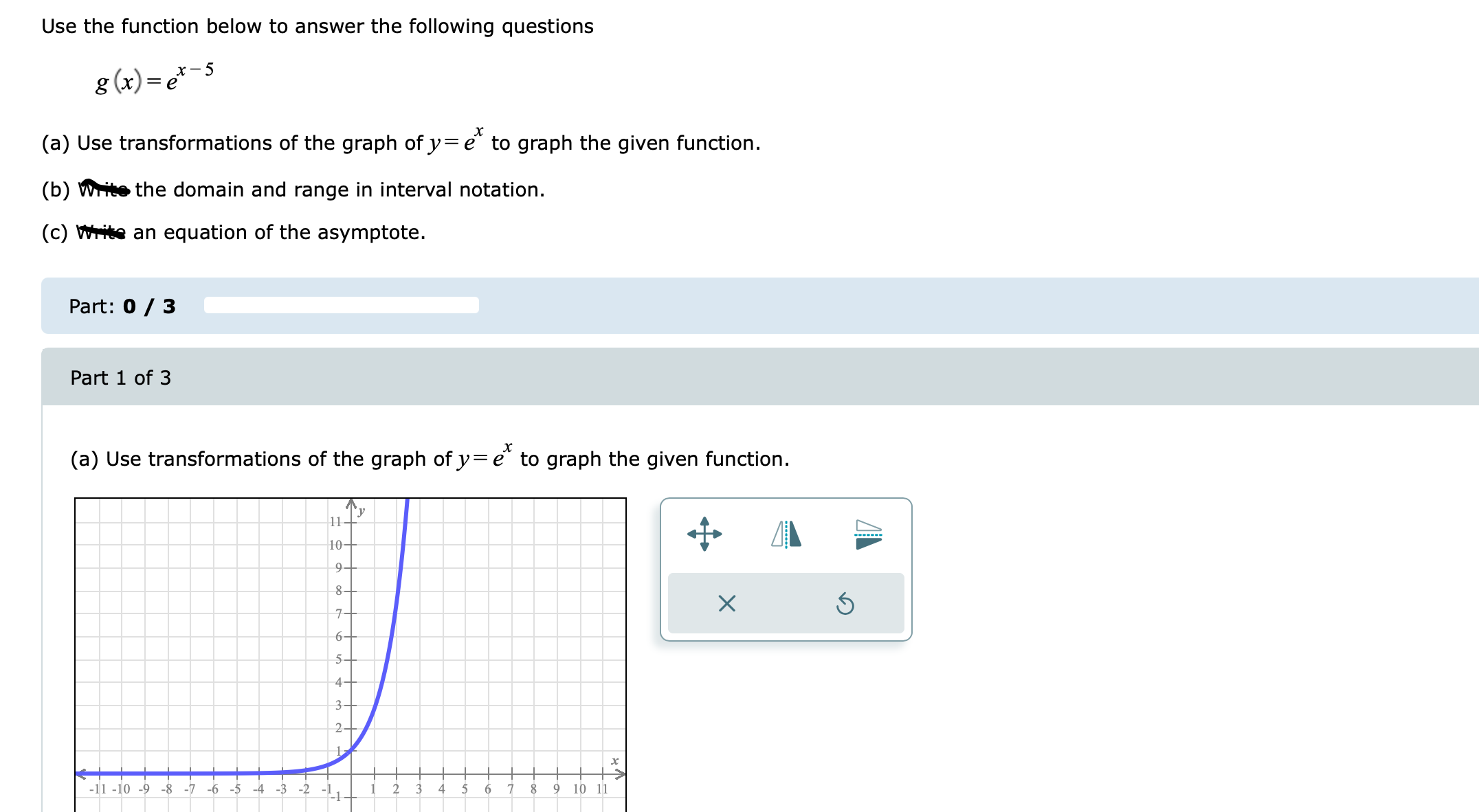
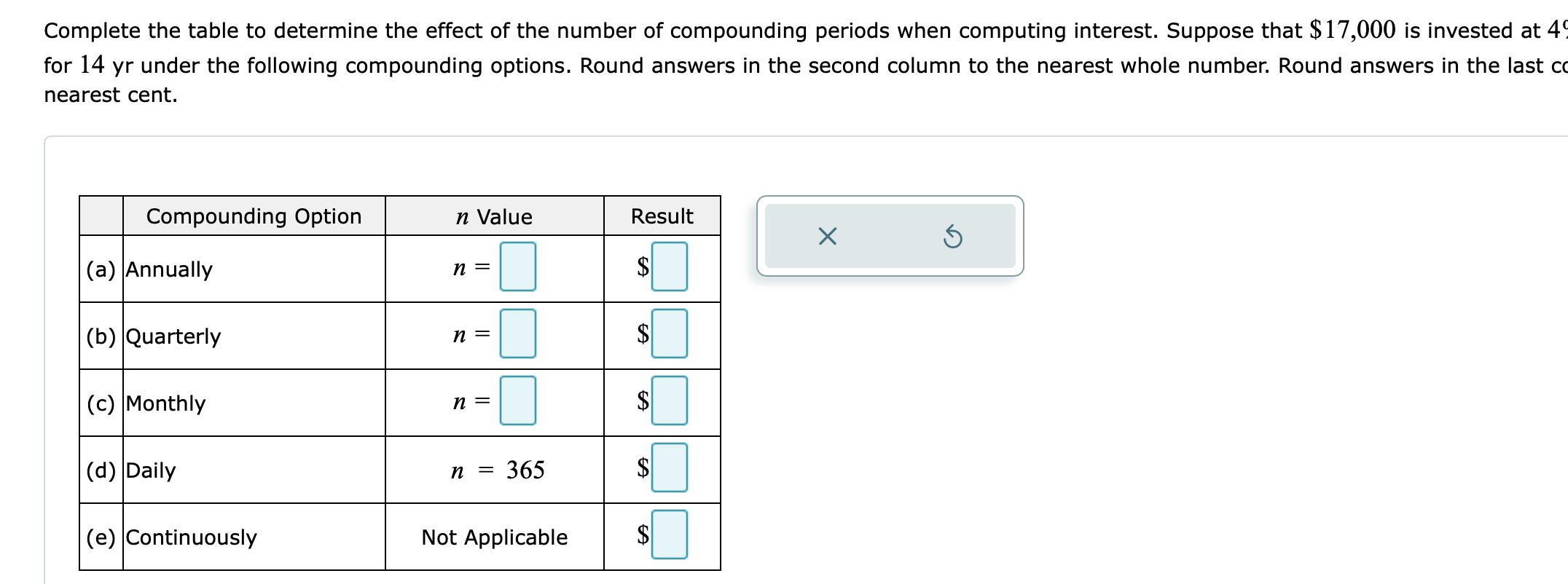


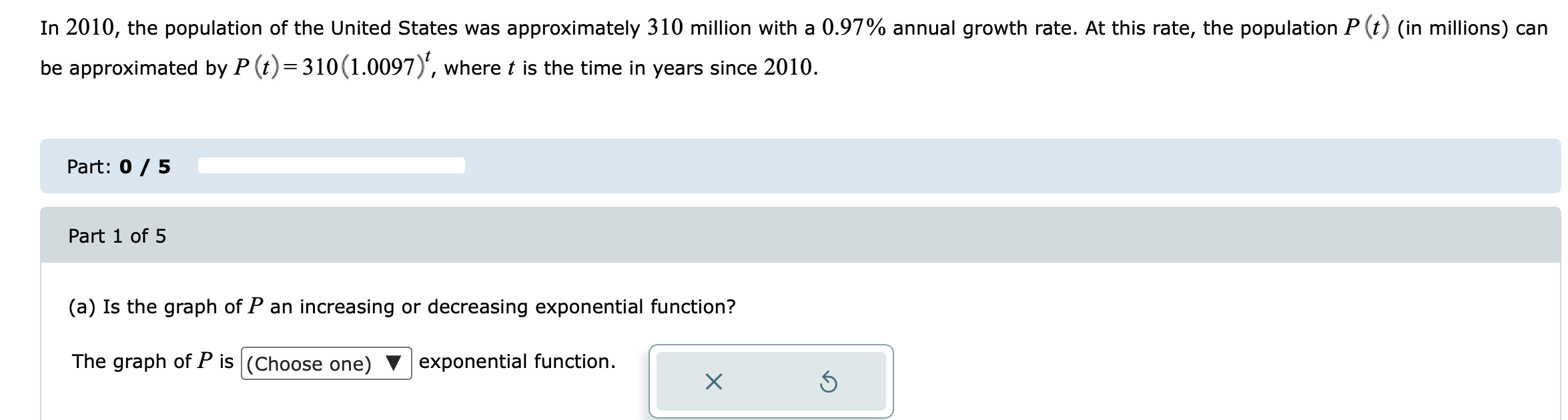
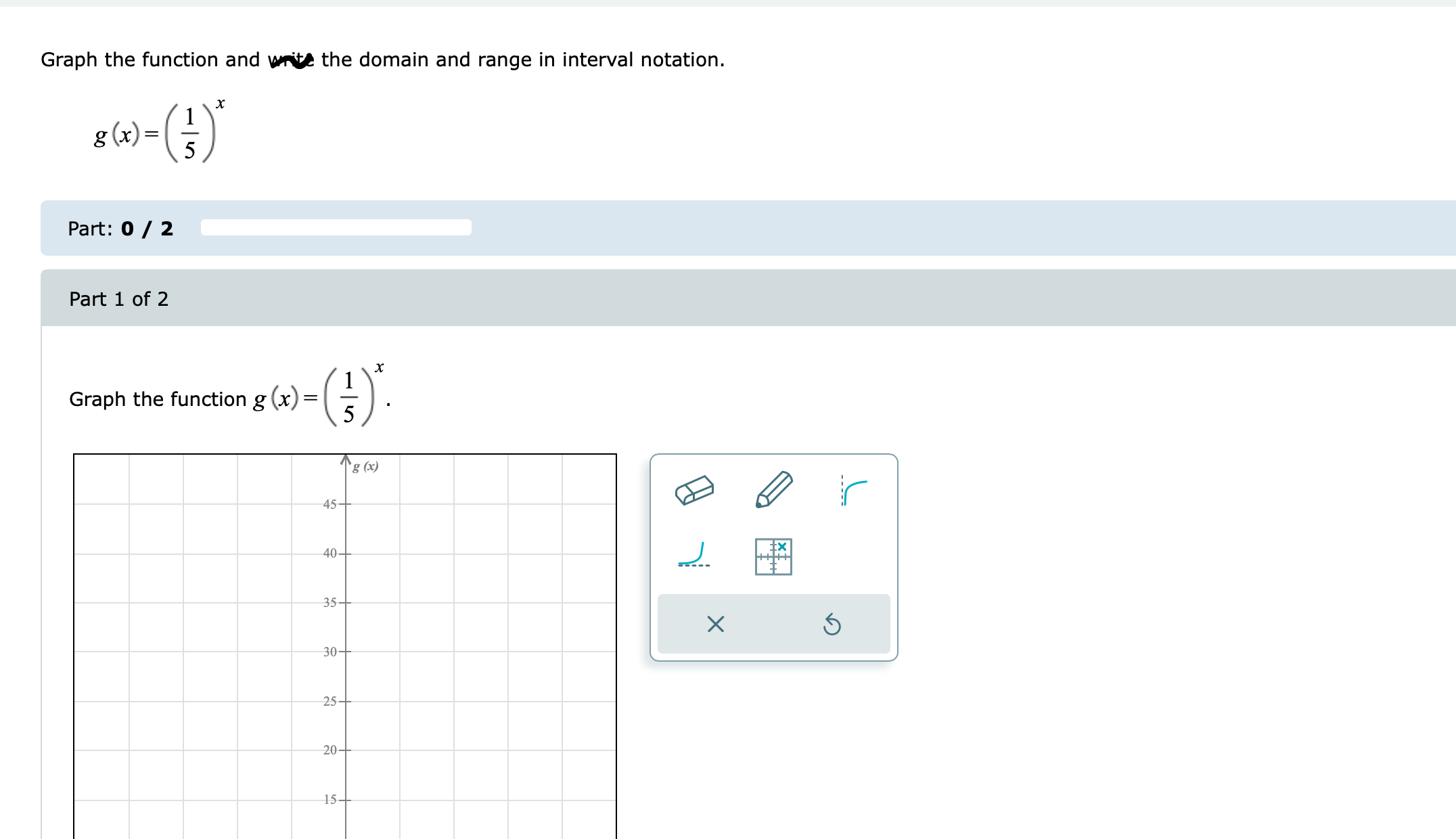
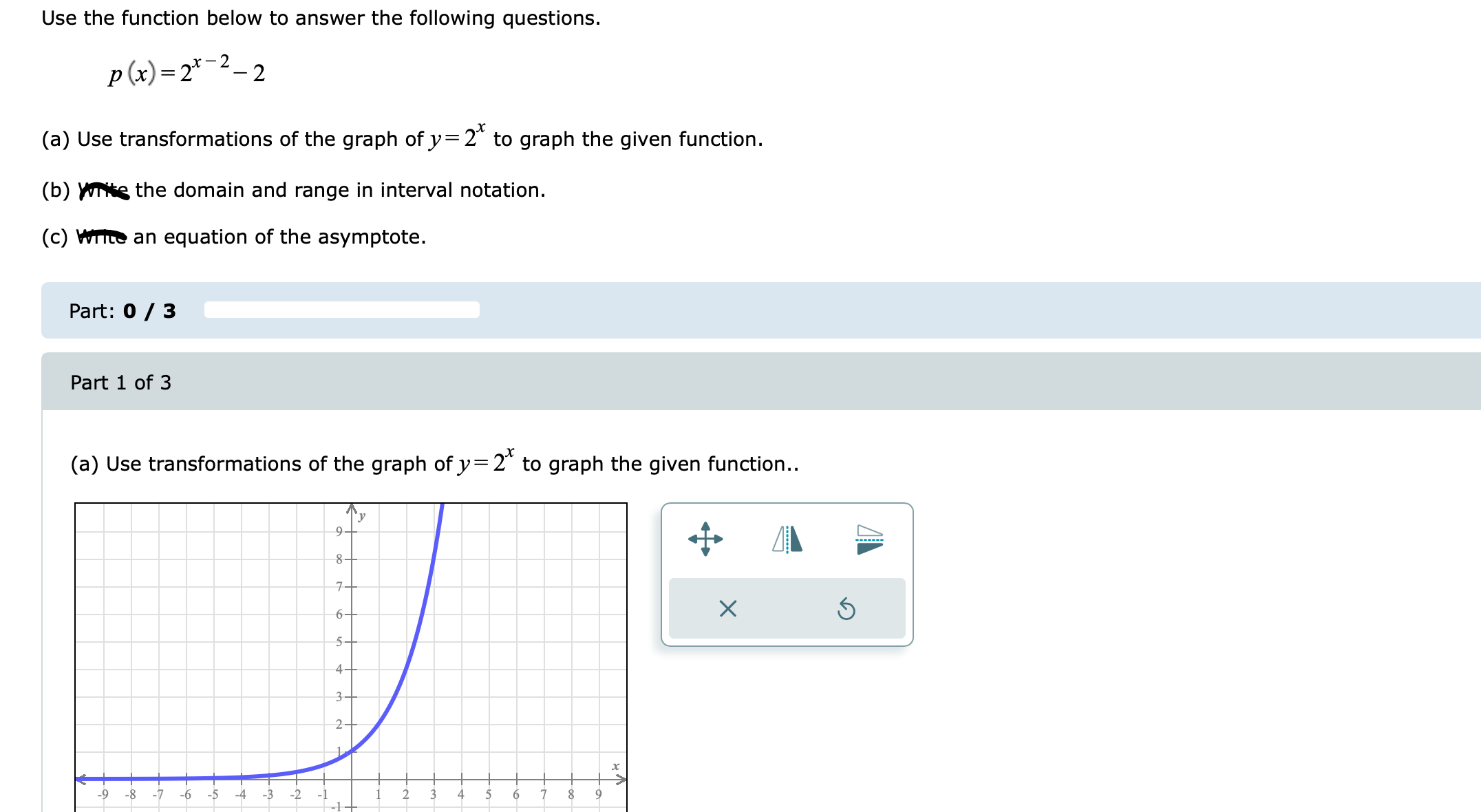
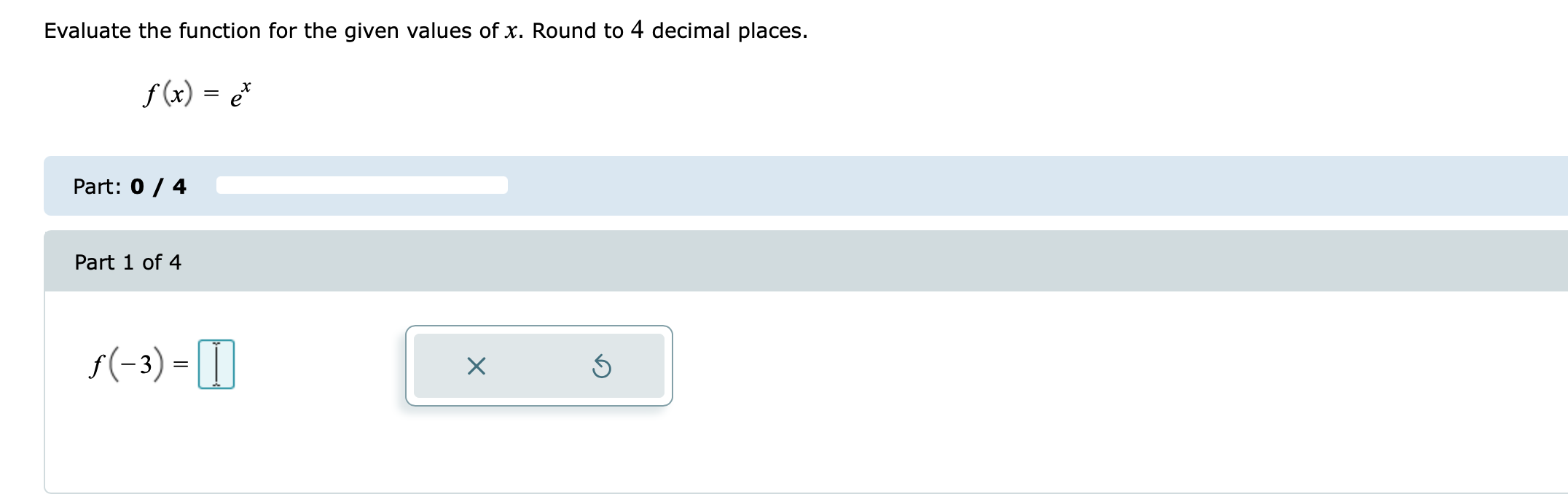
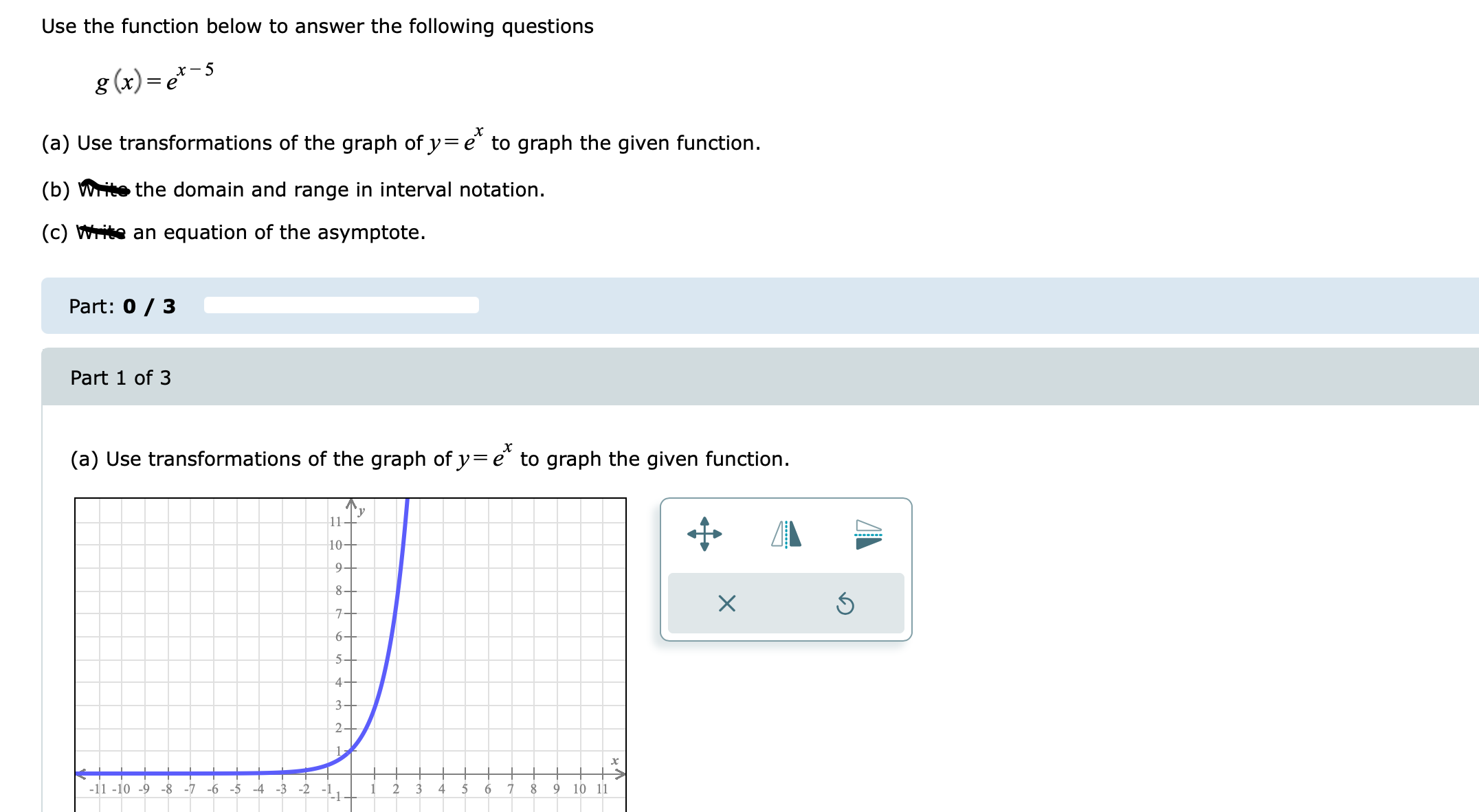
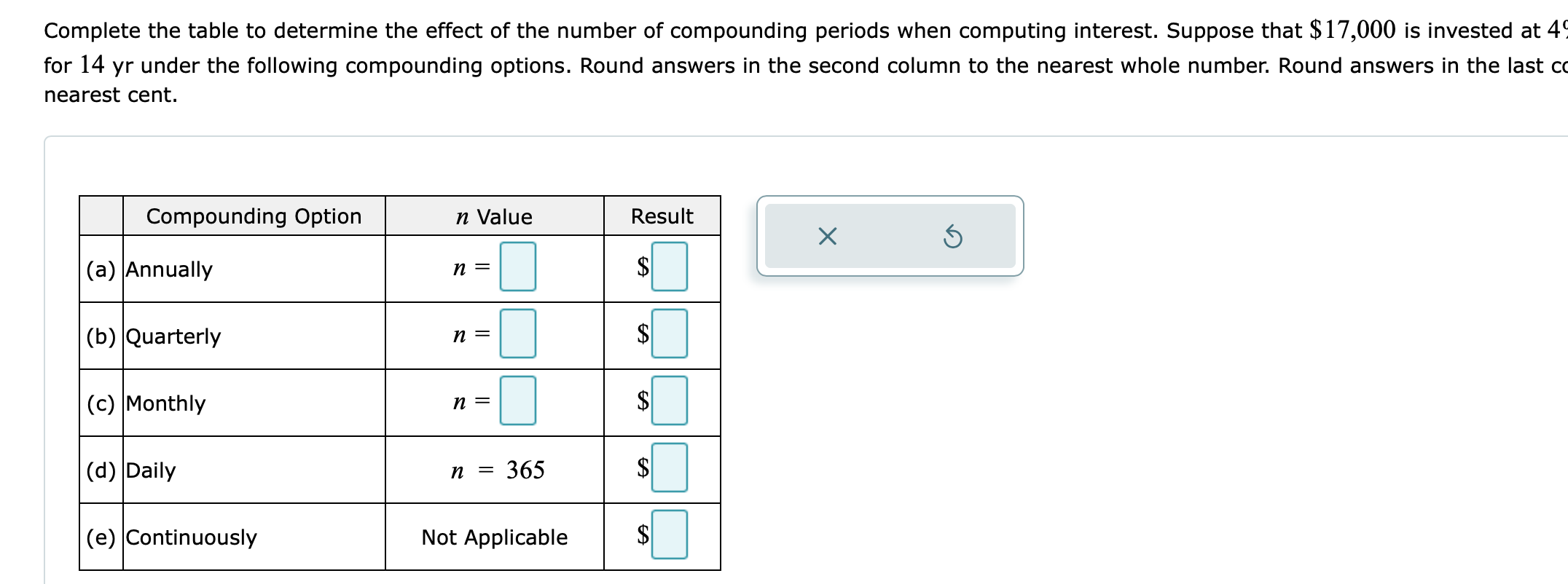
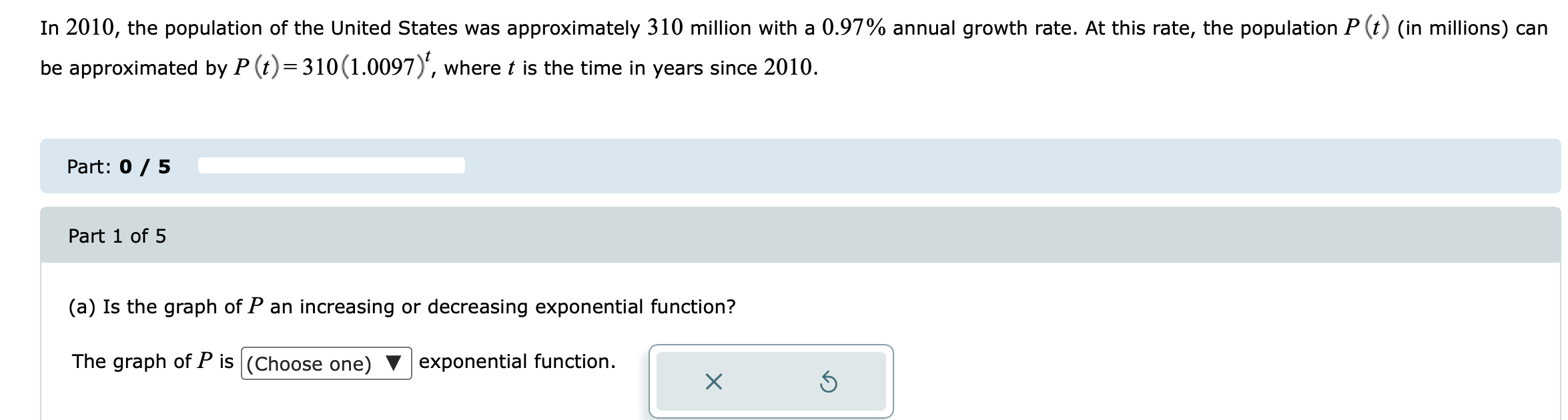
Graph the function and write the domain and range in interval notation. f (x) =3* Part: 0 / 2 Part 1 of 2 Graph the function f (x) = 3*. If ( x ) 45- HTH 40- X 5 35-+ 30- 25-+ 20- 15+Graph the function and write the domain and range in interval notation. 1 g ( x) = Part: 0 / 2 Part 1 of 2 Graph the function g (x) = UI / N Ng ( x) 45- ir 40- 35+ X 30-+ 25- 20- 15-Use the function below to answer the following questions. X'Z p(x)= -2 (a) Use transformations of the graph of = 2x to graph the given function. y (b) Whitethe domain and range in interval notation. (c) Write an equation of the asymptote. Part: 0 / 3 Part 1 of3 (a) Use transformations of the graph of = 2x to graph the given function.. y Evaluate the function for the given values of x. Round to 4 decimal places. f ( x) =ex Part: 0 / 4 Part 1 of 4 f (-3) =1 XUse the function below to answer the following questions x 7 5 g (x) = e (a) Use transformations of the graph of = ex to graph the given function. y (b) Mothe domain and range in interval notation. (c) Write an equation of the asymptote. Part: 0/3 Part 1 of3 a Use transformations of the graph of = ex to graph the given function. y I I I 711710 79 78 77 70 75 ,4 73 72 717 l 2 L44. 4:__ u __ .. 4.- x__ c__ 3.- Complete the table to determine the effect of the number of compounding periods when computing interest. Suppose that $17,000 is invested at 4C. for 14 yr under the following compounding options. Round answers in the second column to the nearest whole number. Round answers in the last cc nearest cent. Compounding Option n Value Result X 53 (a) Annually n = |_' $'_' (b) Quarterly 71 = |:' $':' (c) Monthly 71 = |:' $':' (d) Daily 71 = 365 $':l (e) Continuously Not Applicable $':, Penelope needs to borrow $8000. She can borrow the money at 4.5% simple interest for 5 yr or she can borrow at 3% with interest compounded 0 for 5 yr. (a) How much total interest would Penelope pay at 4.5% simple interest? (b) How much total interest would Penelope pay at 3% interest compounded continuously? (c) Which option results in less total interest? Jerome wants to invest $29,000 as part of his retirement plan. He can invest the money at 5.5% simple interest for 20 yr, or he can invest at 3.1 % compounded continuously for 20 yr. Which investment plan results in more total interest? 3.1% interest compounded continuously 5.5 % simple interest In 2010, the population of the United States was approximately 310 million with a 0.97% annual growth rate. At this rate, the population P (t) (in millions) can be approximated by P (t) = 310(1.0097), where t is the time in years since 2010. Part: 0 / 5 Part 1 of 5 (a) Is the graph of P an increasing or decreasing exponential function? The graph of P is (Choose one) V exponential function. X
Step by Step Solution
There are 3 Steps involved in it

Get step-by-step solutions from verified subject matter experts
 Study Help