







Question: Please indicate whether the statements given below are true (T) or false (F) e accounting equation should be in balance only at the end of
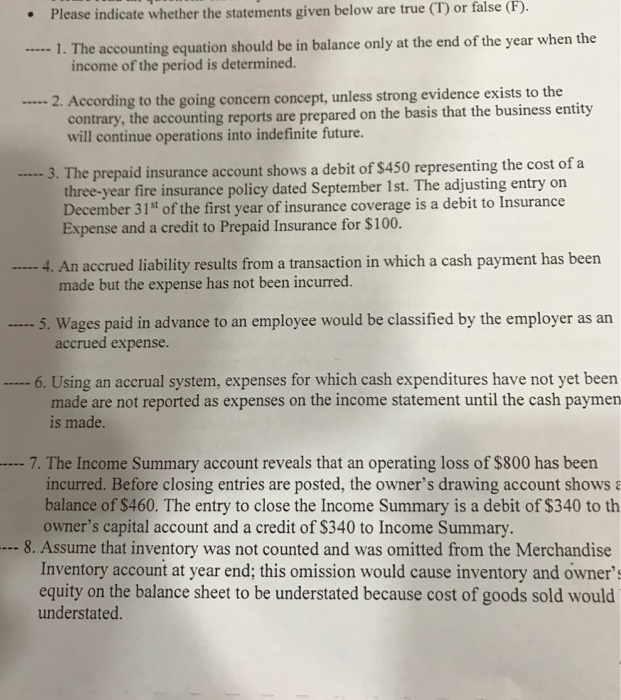
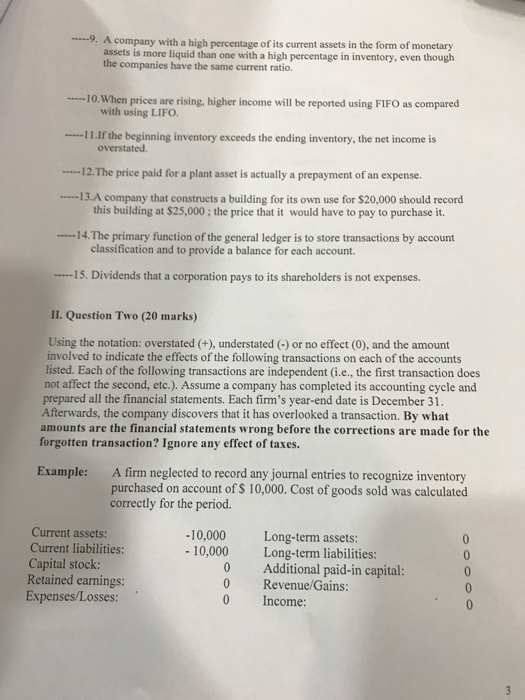
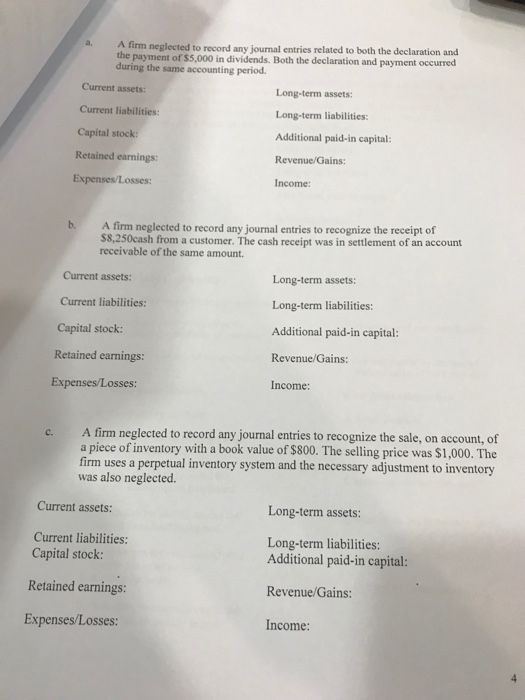
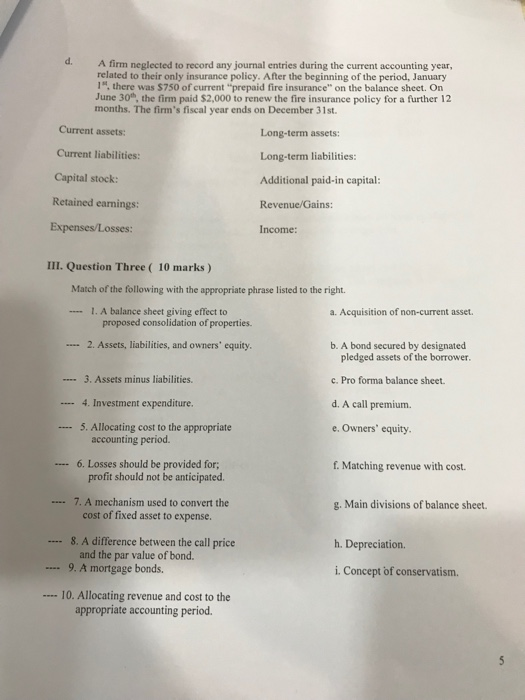
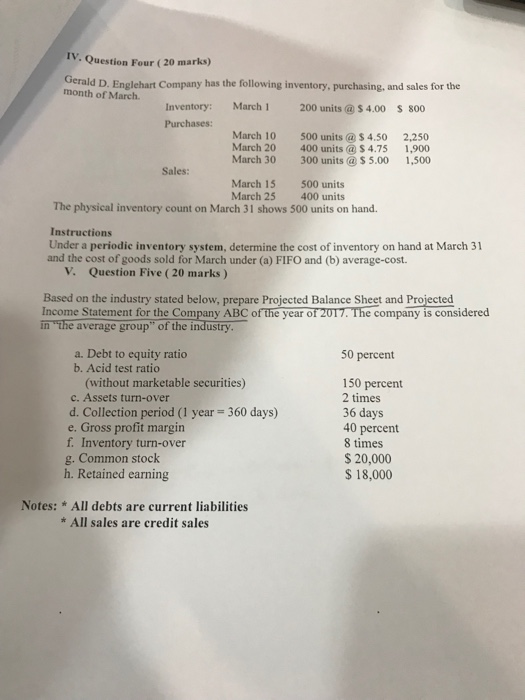
Please indicate whether the statements given below are true (T) or false (F) e accounting equation should be in balance only at the end of the year when the income of the period is determined 1. Th 2. According to the going concern concept, unless strong evidence exists to the ntrary, the accounting reports are prepared on the basis that the business entity will continue operations into indefinite future. co 3. The prepaid insurance account shows a debit of $450 representing the cost of a three-year fire insurance policy dated September 1st. The adjusting entry on December 31st of the first year of insurance coverage is a debit to Insurance Expense and a credit to Prepaid Insurance for $100. 4. An accrued liability results from a transaction in which a cash payment has been Wages paid in advance to an employee would be classified by the employer as an accrued expense Using an accrual system, expenses for which cash expenditures have not yet been made are not reported as expenses on the income statement until the cash paymen is made. 7. The Income Summary account reveals that an operating loss of $800 has been incurred. Before closing entries are posted, the owner's drawing account shows balance of $460. The entry to close the Income Summary is a debit of $340 to th owner's capital account and a credit of $340 to Income Summary 8. Assume that inventory was not counted and was omitted from the Merchandise Inventory account at year end; this omission would cause inventory and owner's equity on the balance sheet to be understated because cost of goods sold would understated. 9.A company with a high percentage of its current assets in the form of monetary assets is more liquid than one with a high percentage in inventory, even though the companies have the same current ratio. 10. When prices are rising, higher income will be reported using FIFO as compared with using LIFO 11.If the beginning inventory exceeds the ending inventory, the net income is overstated 12.The price paid for a plant asset is actually a prepayment of an expense. 13.A company that constructs a building for its own use for $20,000 should record this building at $25,000; the price that it would have to pay to purchase it. 14.The primary function of the general ledger is to store transactions by account classification and to provide a balance for each account. 15. Dividends that a corporation pays to its shareholders is not expenses. II. Question Two (20 marks) Using the notation: overstated (+), understated (-) or no effect (0), and the amount involved to indicate the effects of the following transactions on each of the accounts listed. Each of the following transactions are independent (i.e., the first transaction does not affect the second, etc.). Assume a company has completed its accounting cycle and prepared all the financial statements. Each firm's year-end date is December 31 Afterwards, the company discovers that it has overlooked a transaction. By what amounts are the financial statements wrong before the corrections are made for the forgotten transaction? Ignore any effect of taxes. Example: A firm neglected to record any journal entries to recognize inventory purchased on account of S 10,000. Cost of goods sold was calculated correctly for the period. Current assets: Current liabilities: Capital stock: Retained earnings: Expenses/Losses: 10,000 Long-term assets: 10,000 Long-term liabilities: 0 Additional paid-in capital: 0 Revenue/Gains: 0 Income: a. A firm neglected to record any journal entries related to both the declaration and payment of $5,000 in dividends. Both the declaration and payment occurred the during the same accounting period Current assets: Current liabilities: Capital stock Retained earnings: Long-term assets: Long-term liabilities: Additional paid-in capital: Revenue/Gains: Income: b. A firm neglected to record any journal entries to recognize the receipt of $8,250cash from a customer. The cash receipt was in settlement of an account receivable of the same amount. Current assets: Current liabilities: Capital stock: Retained earnings: Expenses/Losses: Long-term assets: Long-term liabilities Additional paid-in capital: Revenue/Gains Income: c. A firm neglected to record any journal entries to recognize the sale, on account, of a piece of inventory with a book value of $800. The selling price was $1,000. The firm uses a perpetual inventory system and the necessary adjustment to inventory was also neglected. Current assets: Long-term assets: Current liabilities: Long-term liabilities: Capital stock: Retained earnings: Expenses/Losses: Additional paid-in capital: Revenue/Gains: Income: d. A firm neglected to record any journal entries during the current accounting year, related to their only insurance policy. After the beginning of the period, January 1h, there was $750 of current "prepaid fire insurance" on the balance sheet. On June 30th, the firm paid $2,000 to renew the fire insurance policy for a further 12 months. The firm's fiscal year ends on December 31st. Current assets: Current liabilities: Capital stock: Retained earnings: Expenses/Losses: Long-term assets: Long-term liabilities Additional paid-in capital: Revenue/Gains Income: III. Question Three(10 marks) Match of the following with the appropriate phrase listed to the right. 1. A balance sheet giving effect to a. Acquisition of non-current asset. proposed consolidation of properties 2. Assets, liabilities, and owners' equity. b. A bond secured by designated pledged assets of the borrower. c. Pro forma balance sheet d. A call premium. e. Owners' equity . 3. Assets minus liabilities. 4. Investment expenditure. 5. Allocating cost to the appropriate 6. Losses should be provided for 7. A mechanism used to convert the accounting period f. Matching revenue with cost profit should not be anticipated g. Main divisions of balance sheet. cost of fixed asset to expense. 8. A difference between the call price h. Depreciation. and the par value of bond. 9. A mortgage bonds. i. Concept of conservatism. 10. Allocating revenue and cost to the appropriate accounting period. TV. Question Four (20 marks) Gerald D. E month of March. noald o elar mpany has the folwing inventory, purchasing and sales for the Inventory:March Purchases: 200 units @$4.00 S s00 March 10 500 units @$ 4.50 2,250 March 20 400 units @ $4.75,900 March 30 300 units @$ 5.00 1,500 Sales: March 15 March 25 500 units 400 units The physical inventory count on March 31 shows 500 units on hand. Instructions Under a periodic inventory system, determine the cost of inventory on hand at March 31 and the cost of goods sold for March under (a) FIFO and (b) average-cost. V. Question Five (20 marks) Based on the industry stated below, prepare Projected Balance Sheet and Projected Income Statement for the Company ABC of the year of 2017. The company is considered in "the average group of the industry a. Debt to equity ratio b. Acid test ratio 50 percent (without marketable securities) c. Assets turn-over d. Collection period (1 year 360 days) e. Gross profit margin f. Inventory turn-over g. Common stock h. Retained earning 150 percent 2 times 36 days 40 percent 8 times $ 20,000 $ 18,000 Notes: All debts are current liabilities * All sales are credit sales
Step by Step Solution
There are 3 Steps involved in it

Get step-by-step solutions from verified subject matter experts
 Study Help