







Question: Pre-mixed concrete is an important input for the construction industry. Concrete cannot be stored or transported over long distances as it begins to set after
Pre-mixed concrete is an important input for the construction industry. Concrete cannot be stored or transported over long distances as it begins to set after only a few hours. For this reason, only the three local firms?Aggregate Inc., Big Industries and ConCorp?are in a position to compete in the market. Moreover, the capital and regulatory requirements for constructing a new concrete plant are substantial, creating an effective barrier to entry. Pre-mixed concrete is regarded as a homogeneous good by the construction industry. Inverse demand in the market has been estimated to be,
P = 600 ? Q /50,
where P represents the price of a cubic metre of concrete in dollars, and Q is the total number of cubic metres of concrete supplied into the market on a given day. At present the three firms appear have identical production costs, with each firm facing fixed costs of $400,000 per day and a marginal cost of $180 per cubic metre. Big Industries and ConCorp estimate that the proposed merger would reduce their marginal cost to $120 per cubic metre, while the merged firm is expected to face fixed costs of $1,000,000 per day.
When completing the industry analysis you should assume that firms are engaged in Cournot Competition. Steps 1 to 4 apply to the market in the absence of a merger.
Step 1: Using the information provided in the scenario, derive a profit function for a typical firm in the industry. Use QA to denote the quantity produced by this firm, and X to denote the combined production of the remaining two firms. (6 marks)
Step 2: Derive the best-response function for the typical firm. (5 marks)
Step 3: Find the equilibrium quantity for the typical firm, the equilibrium market quantity, and the equilibrium market price. (7 marks)
Step 4: Find the equilibrium profit for the typical firm and the equilibrium consumer surplus. (6 marks) When writing your brief you should assume that steps 3 and 4 describe the existing equilibrium in the market. Now suppose that the merger takes place and that the merged firm achieves the expected efficiencies. (Note that Aggregate Inc.'s costs are not be affected by the merger.)
Step 5: Find the new equilibrium quantities and price for the market. Use QA to denote the quantity produced by Aggregate Inc., and QB to denote the quantity produced by the merged firm, BigCon. (18 marks)
Step 6: Find the new equilibrium firm profits and consumer surplus. (8 marks) When writing your brief steps 5 and 6 represent your assessment of the likely market conditions if the merger is permitted to proceed.
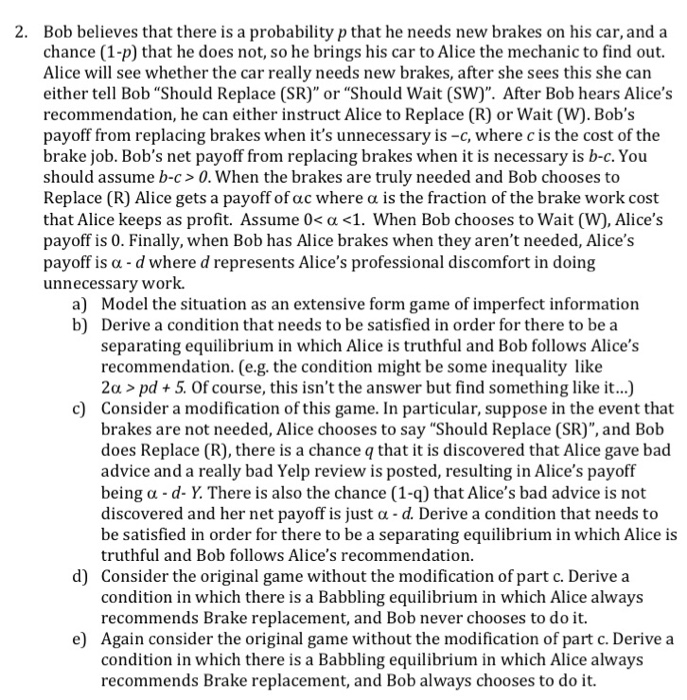
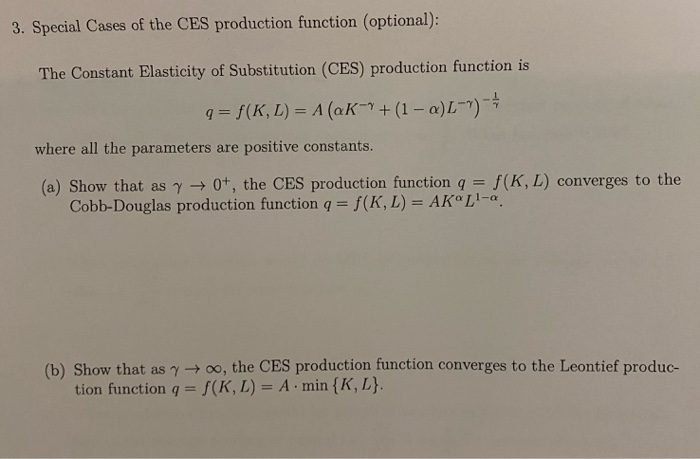
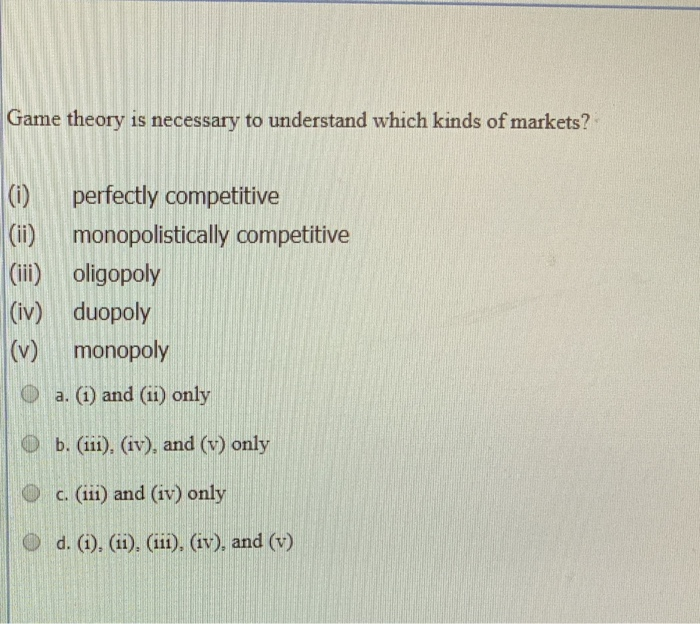
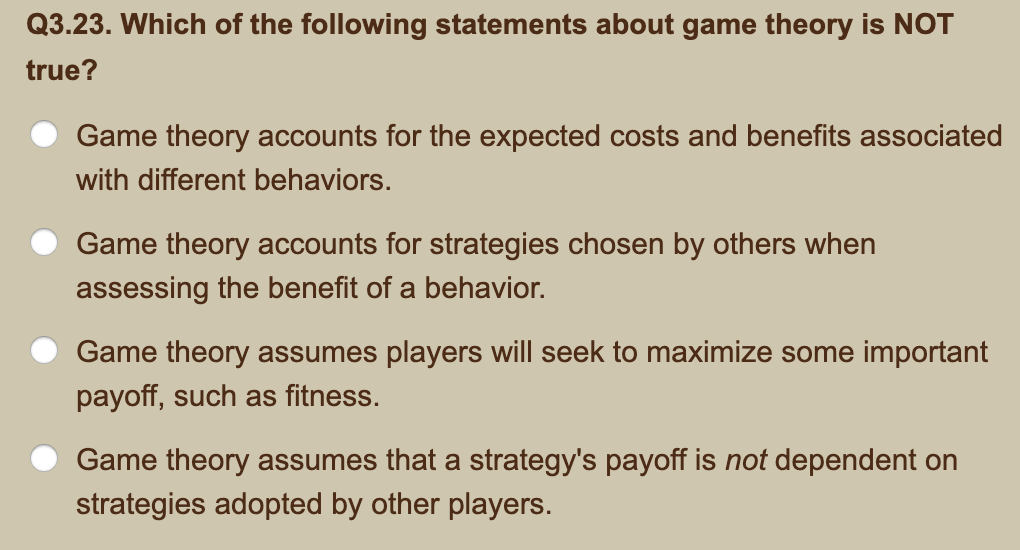
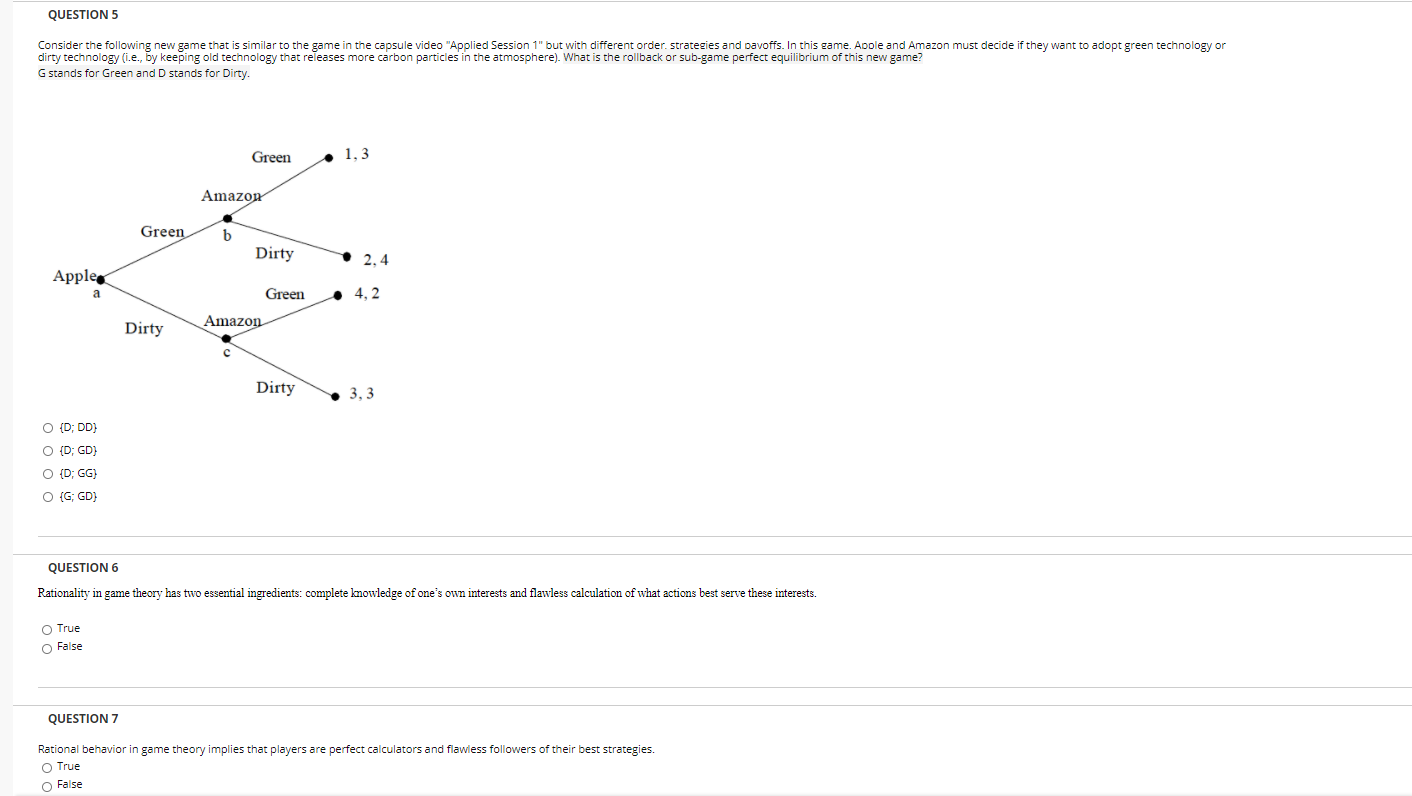
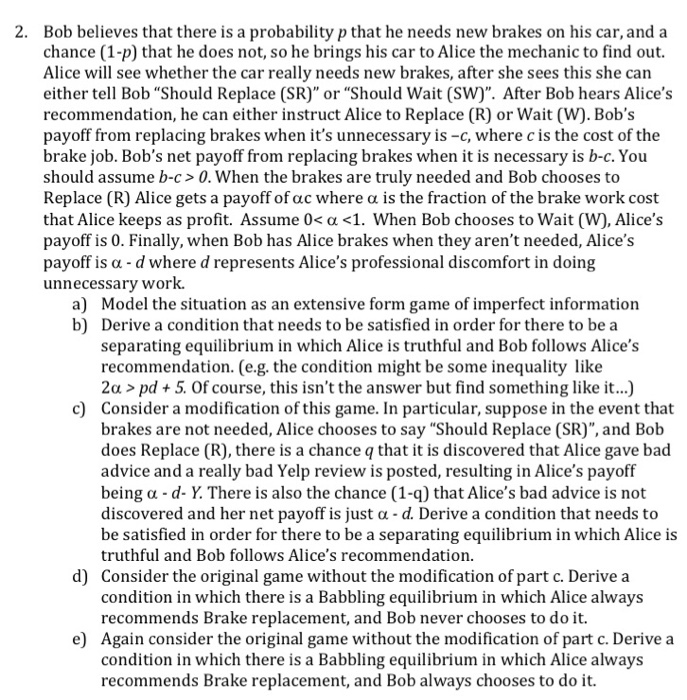
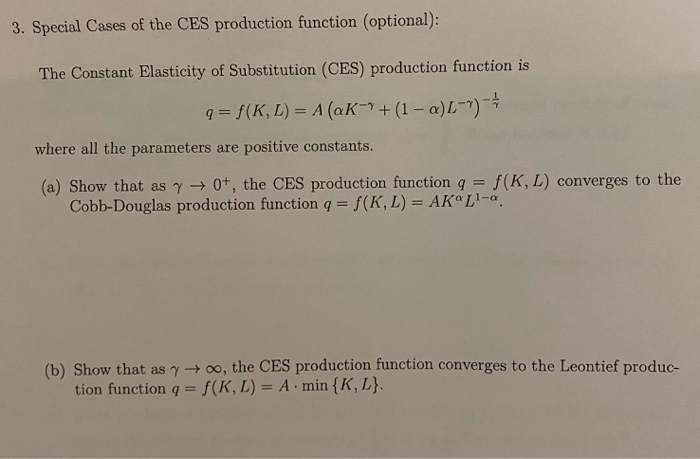
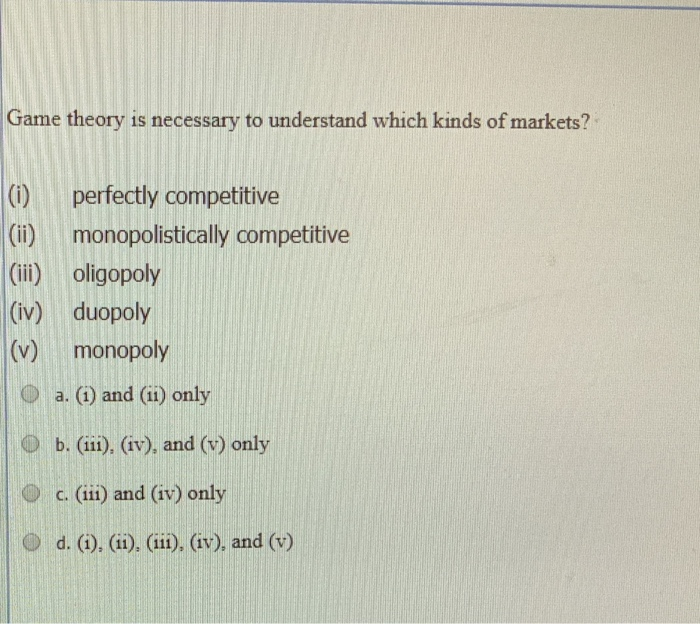
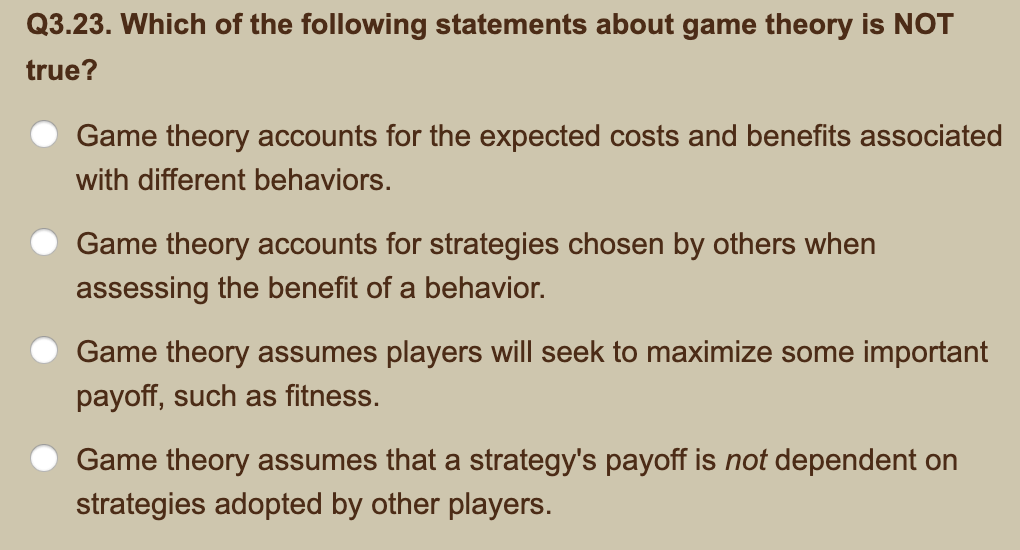
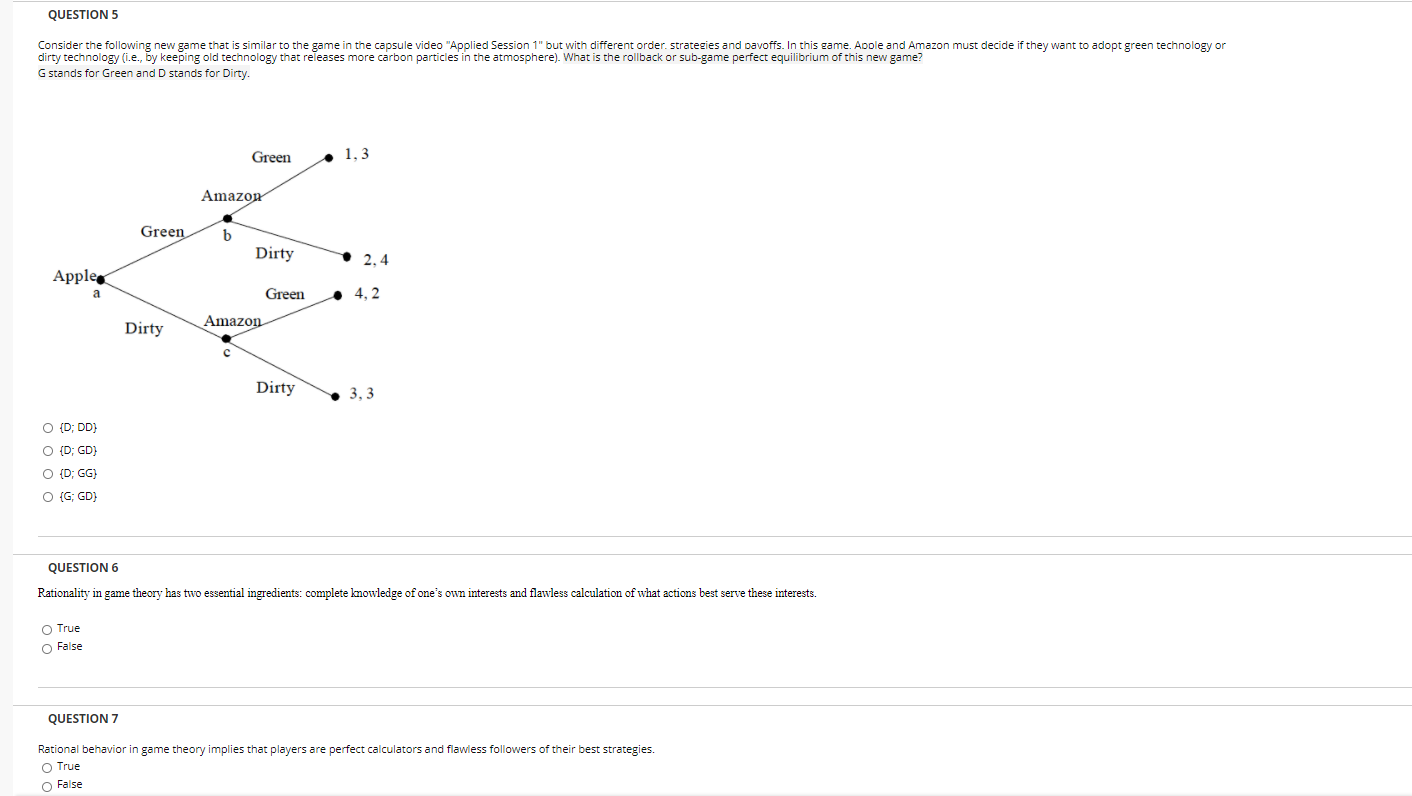
2. Bob believes that there is a probability p that he needs new brakes on his car. and a chance [l-p} that he does not. so he brings his car to Alice the mechanic to find out. Alice will see whether the car really needs new brakes. after she sees this she can either tell Bob "Should Replace [551]" or "Should Wait (5%\". After Bob hears Alice's recommendation. he can either instruct Alice to Replace [R] or Wait [W]. Bob's payoff from replacing brakes when it's unnecessary is -c. where c is the cost of the brake job. Bob's net payoff from replacing brakes when it is necessary is b-c. You should assume b-ce . 1When the brakes are truly needed and Bob chooses to Replace {R} Alice gets a payoffof etc where o is the fraction of the brake work cost that Alice keeps as prot. Assume He or. :1. When Bob chooses to Wait {W}. Alice's payoff is i}. Finally. when Bob has Alice brakes when they aren't needed. Alice's payoff is on - d where o' represents Alice's professional discomfort in doing unnecessary work. 3] bl Cl Ii] Model the situation as an extensive form game of imperfect information Derive a condition that needs to be satised in order for there to be a separating equilibrium in which Alice is truthful and Bob follows Alice's recommendation. [e.g. the condition might be some inequality like 2o. e pd + 5. chourse. this isn't the answer but nd something like it...) Consider a modication of this game. In particular. suppose in the event that brakes are not needed. Alice chooses to say "Should Replace [SR]\". and Bob does Replace [R]. there is a chance :3 that it is discovered that Alice gave bad advice and a really bad Yelp review is posted. resulting in Alice's payoff being ct - d- l'. There is also the chance [l-q] that Alice's bad advice is not discovered and her net payoff is just a - d. Derive a condition that needs to be satised in order for there to be a separating equilibrium in which Alice is truthful and Bob follows Alice's recommendation. Consider the original game without the modication of part c. Derive a condition in which there is a Babbling equilibrium in which Alice always recommends Brake replacement. and Bob never chooses to do it. Again consider the original game without the modication of part c. Derive a condition in which there is a Babbling equilibrium in which Alice always recommends Brake replacement. and Bob always chooses to do it. 3. Special Cases of the CES production function (optional): The Constant Elasticity of Substitution (CES) production function is q = f (K, L) = A (ak + (1 -0) 1-7)-7 where all the parameters are positive constants. (a) Show that as y - 0+, the CES production function q = f(K, L) converges to the Cobb-Douglas production function q = f(K, L) = AKOLI-a. (b) Show that as y - co, the CES production function converges to the Leontief produc- tion function q = f(K, L) = A . min { K, L}.Game theory is necessary to understand which kinds of markets? 3 perfectly competitive monopolistically competitive 3 oligopoly iv) duopoly (v) monopoly O a. (i) and (ii) only b. (iii), (iv), and (v) only O c. (iii) and (iv) only O d. (1). (ii), (iii). (iv), and (v)Q3.23. Which of the following statements about game theory is NOT true? Game theory accounts for the expected costs and benefits associated with different behaviors. Game theory accounts for strategies chosen by others when assessing the benefit of a behavior. Game theory assumes players will seek to maximize some important payoff, such as fitness. Game theory assumes that a strategy's payoff is not dependent on strategies adopted by other players.QUESTION 5 Consider the following new game that is similar to the game in the capsule video "Applied Session 1" but with different order. strategies and payoffs. In this game. Apole and Amazon must decide if they want to adopt green technology or dirty technology (i.e., by keeping old technology that releases more carbon particles in the atmosphere). What is the rollback or sub-game perfect equilibrium of this new game? G stands for Green and D stands for Dirty. Green 1, 3 Amazon Green b Dirty 2.4 Apple a Green 4. 2 Dirty Amazon Dirty 3,3 O {D; DD} O {D; GD} O {D; GG) O {G; GD} QUESTION 6 Rationality in game theory has two essential ingredients: complete knowledge of one's own interests and flawless calculation of what actions best serve these interests. O True O False QUESTION 7 Rational behavior in game theory implies that players are perfect calculators and flawless followers of their best strategies. O True O False
Step by Step Solution
There are 3 Steps involved in it

Get step-by-step solutions from verified subject matter experts
 Study Help