



Question: Problem 11-21A (Algo) Manufacturing cost flow for multiple accounting cycles LO 11-1, 11-2, 11-3 The following events apply to Franklin Manufacturing Company. Assume that all
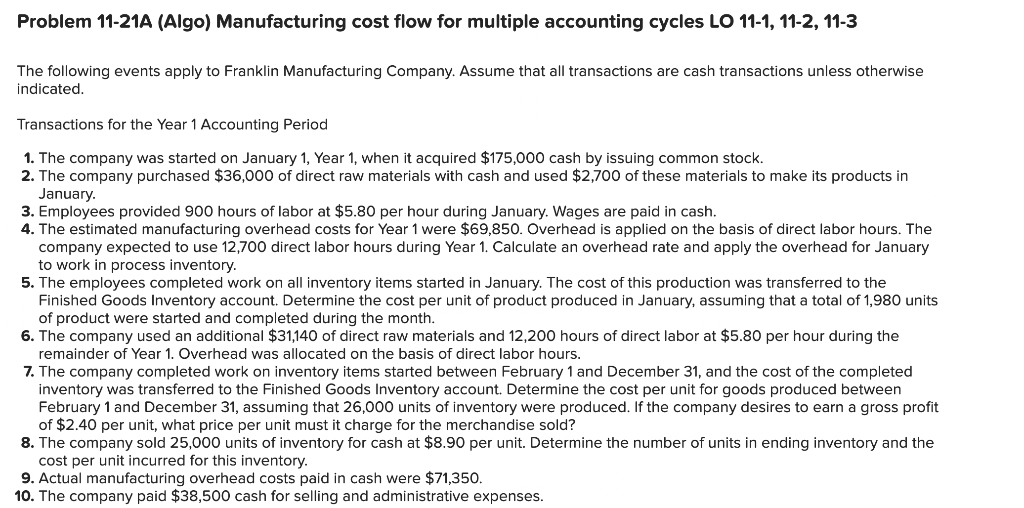
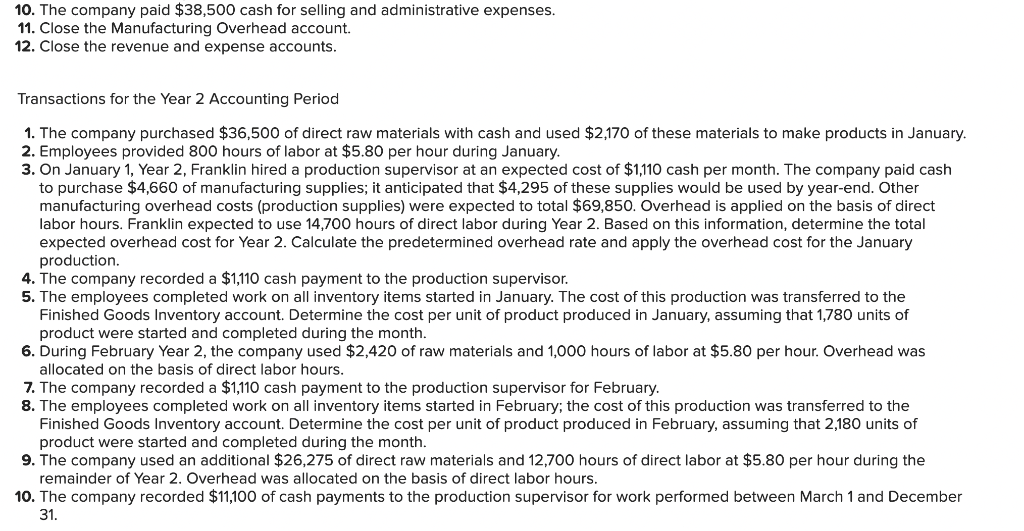
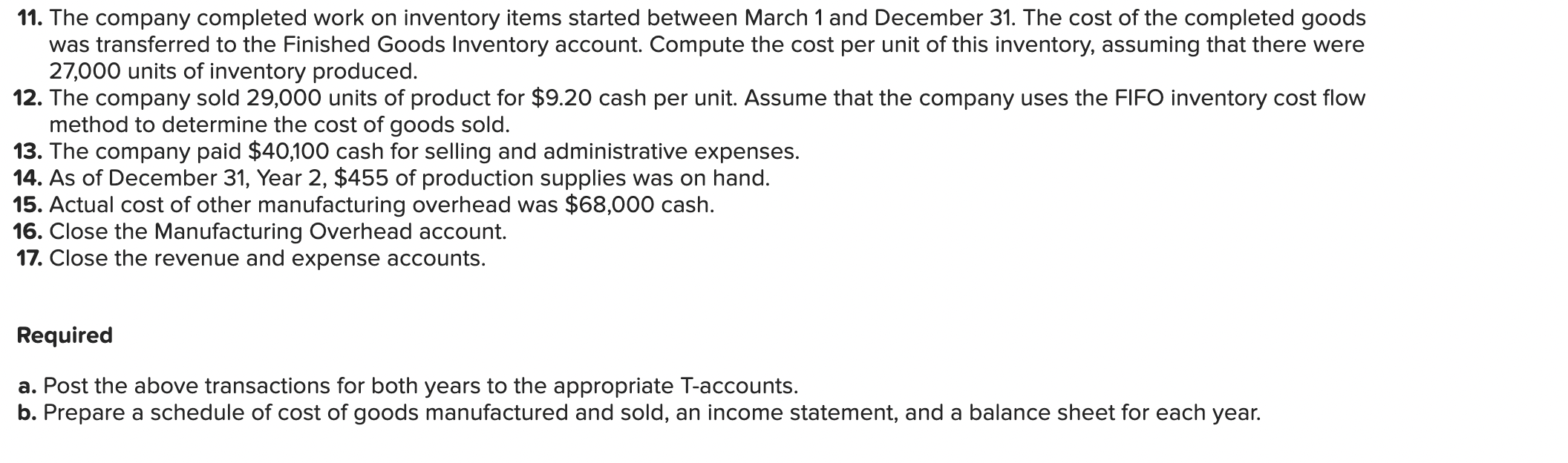
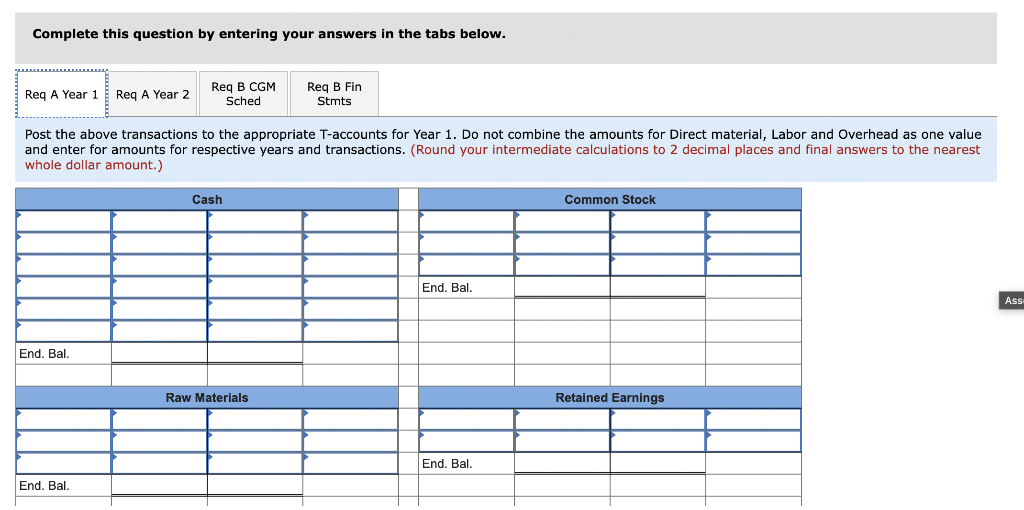
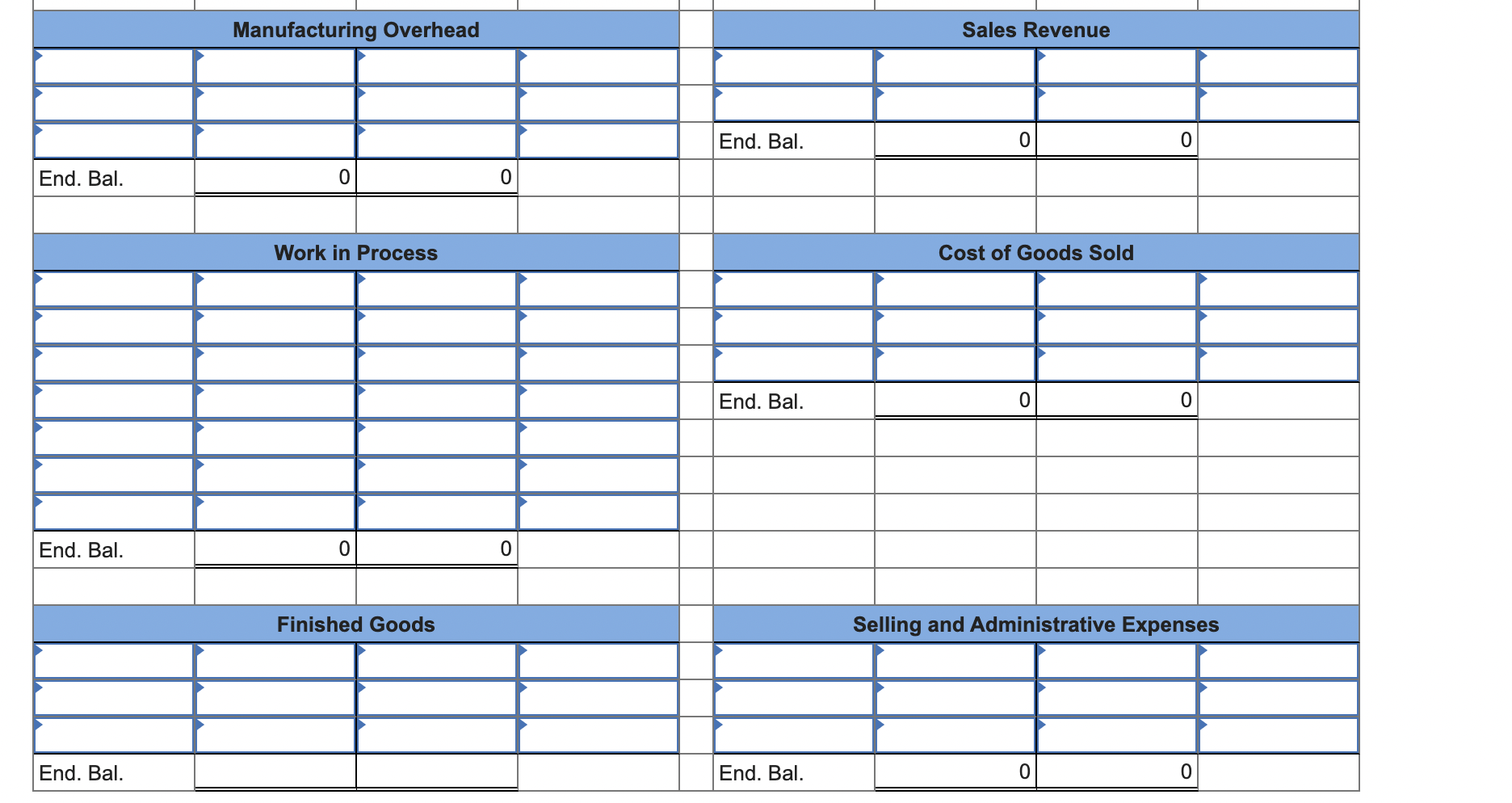
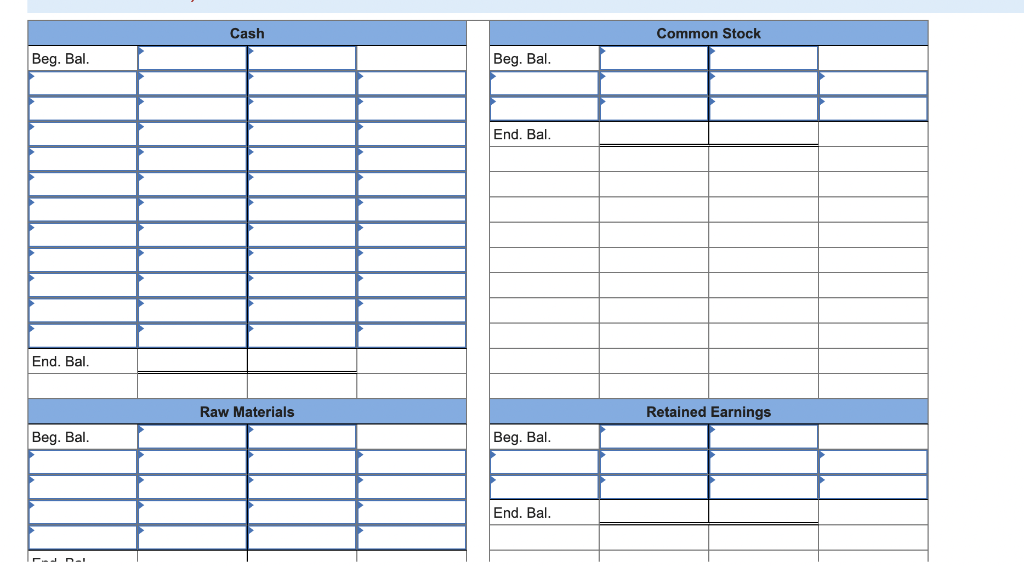
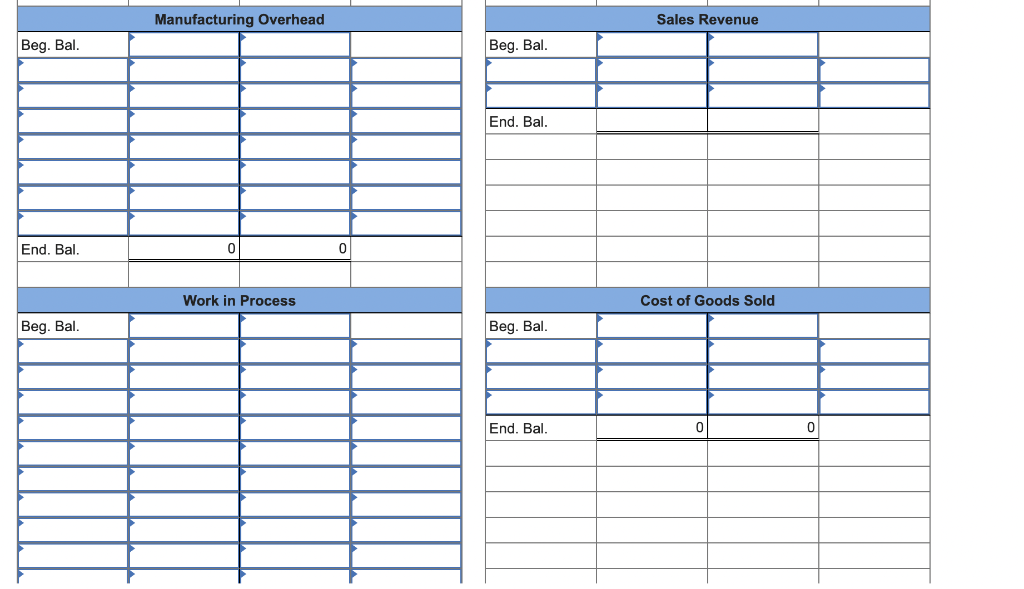
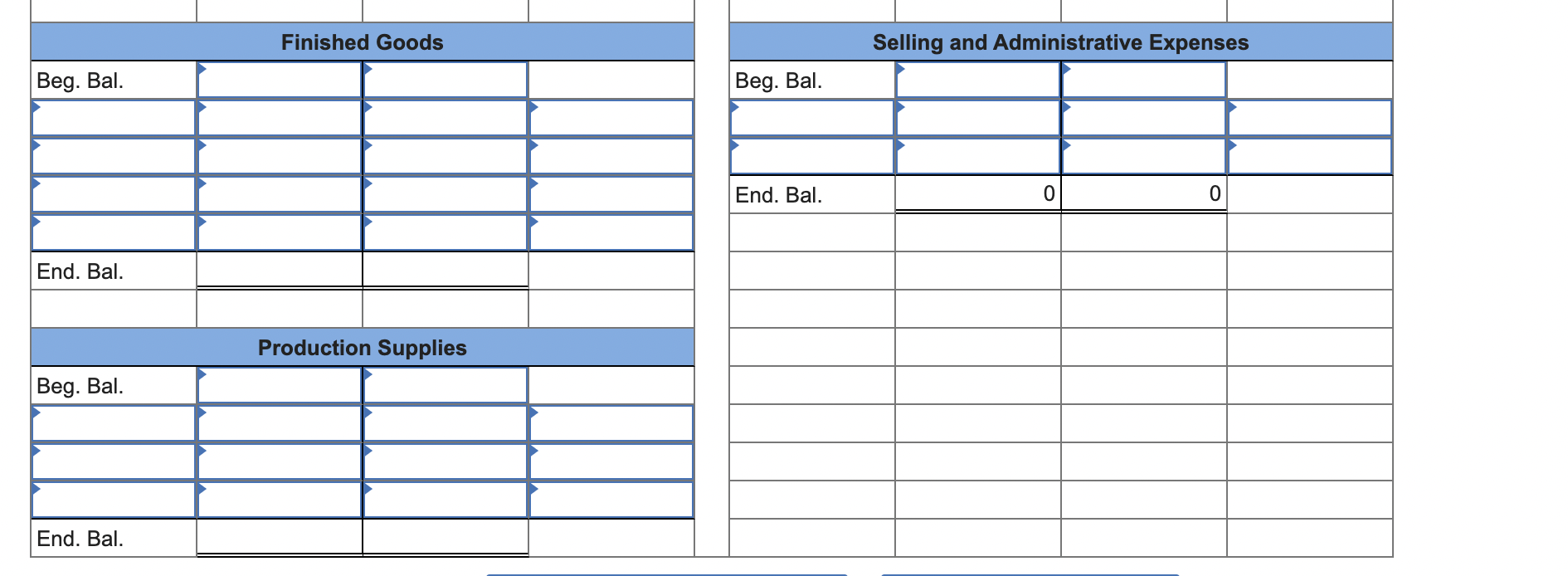
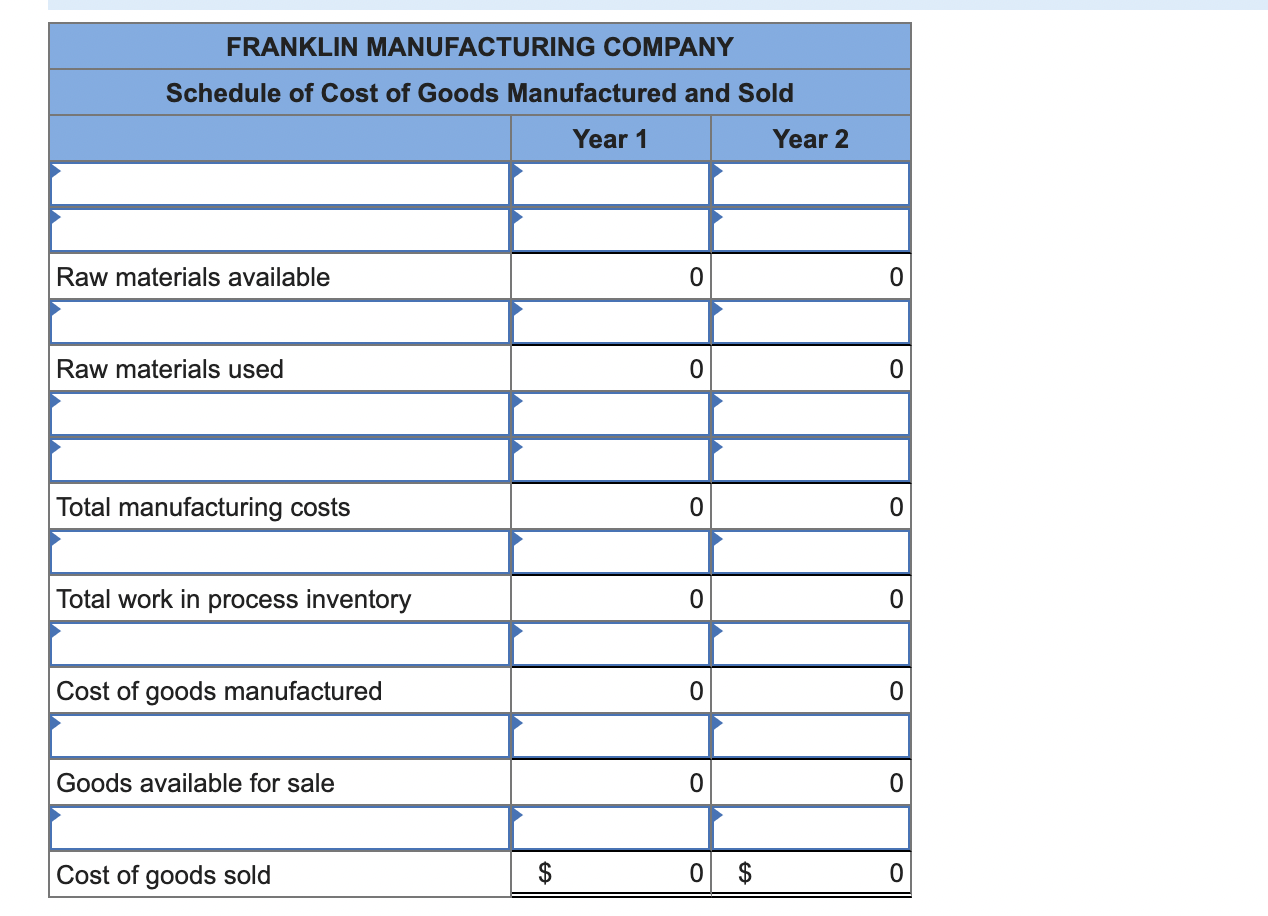
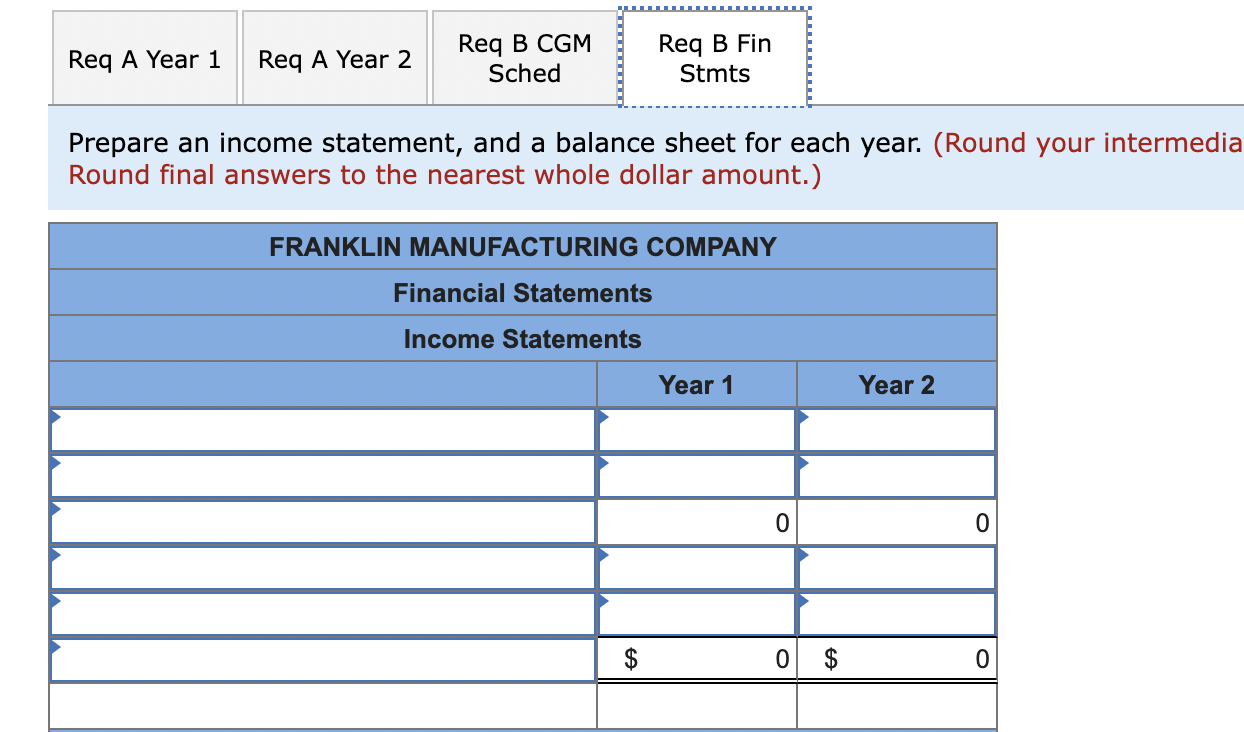
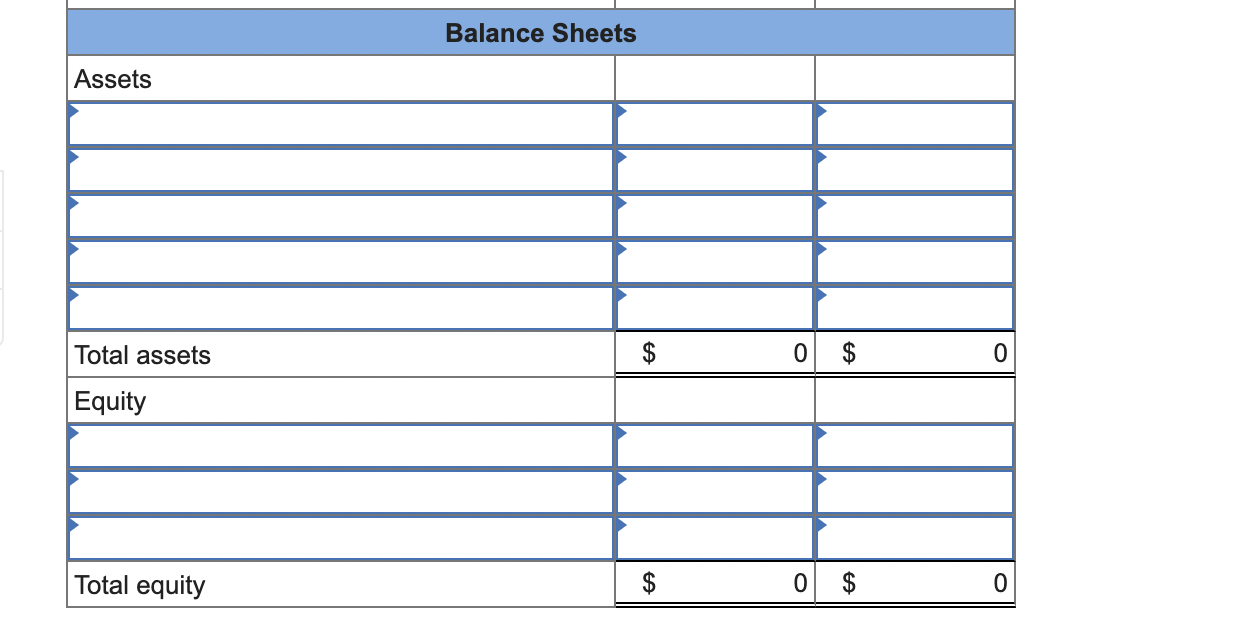
Problem 11-21A (Algo) Manufacturing cost flow for multiple accounting cycles LO 11-1, 11-2, 11-3 The following events apply to Franklin Manufacturing Company. Assume that all transactions are cash transactions unless otherwise indicated. Transactions for the Year 1 Accounting Period 1. The company was started on January 1, Year 1, when it acquired $175,000 cash by issuing common stock. 2. The company purchased $36,000 of direct raw materials with cash and used $2,700 of these materials to make its products in January 3. Employees provided 900 hours of labor at $5.80 per hour during January. Wages are paid in cash. 4. The estimated manufacturing overhead costs for Year 1 were $69,850. Overhead is applied on the basis of direct labor hours. The company expected to use 12,700 direct labor hours during Year 1. Calculate an overhead rate and apply the overhead for January to work in process inventory. 5. The employees completed work on all inventory items started in January. The cost of this production was transferred to the Finished Goods Inventory account. Determine the cost per unit of product produced in January, assuming that a total of 1,980 units of product were started and completed during the month. 6. The company used an additional $31,140 of direct raw materials and 12,200 hours of direct labor at $5.80 per hour during the remainder of Year 1. Overhead was allocated on the basis of direct labor hours. 7. The company completed work on inventory items started between February 1 and December 31, and the cost of the completed inventory was transferred to the Finished Goods Inventory account. Determine the cost per unit for goods produced between February 1 and December 31, assuming that 26,000 units of inventory were produced. If the company desires to earn a gross profit of $2.40 per unit, what price per unit must it charge for the merchandise sold? 8. The company sold 25,000 units of inventory for cash at $8.90 per unit. Determine the number of units in ending inventory and the cost per unit incurred for this inventory. 9. Actual manufacturing overhead costs paid in cash were $71,350. 10. The company paid $38,500 cash for selling and administrative expenses. 10. The company paid $38,500 cash for selling and administrative expenses. 11. Close the Manufacturing Overhead account. 12. Close the revenue and expense accounts. Transactions for the Year 2 Accounting Period 1. The company purchased $36,500 of direct raw materials with cash and used $2,170 of these materials to make products in January. 2. Employees provided 800 hours of labor at $5.80 per hour during January 3. On January 1, Year 2, Franklin hired a production supervisor at an expected cost of $1,110 cash per month. The company paid cash to purchase $4,660 of manufacturing supplies; it anticipated that $4,295 of these supplies would be used by year-end. Other manufacturing overhead costs (production supplies) were expected to total $69,850. Overhead is applied on the basis of direct labor hours. Franklin expected to use 14,700 hours of direct labor during Year 2. Based on this information, determine the total expected overhead cost for Year 2. Calculate the predetermined overhead rate and apply the overhead cost for the January production. 4. The company recorded a $1,110 cash payment to the production supervisor. 5. The employees completed work on all inventory items started in January. The cost of this production was transferred to the Finished Goods Inventory account. Determine the cost per unit of product produced in January, assuming that 1,780 units of product were started and completed during the month. 6. During February Year 2, the company used $2,420 of raw materials and 1,000 hours of labor at $5.80 per hour. Overhead was allocated on the basis of direct labor hours. 7. The company recorded a $1,110 cash payment to the production supervisor for February. 8. The employees completed work on all inventory items started in February, the cost of this production was transferred to the Finished Goods Inventory account. Determine the cost per unit of product produced in February, assuming that 2,180 units of product were started and completed during the month. 9. The company used an additional $26,275 of direct raw materials and 12,700 hours of direct labor at $5.80 per hour during the remainder of Year 2. Overhead was allocated on the basis of direct labor hours. 10. The company recorded $11,100 of cash payments to the production supervisor for work performed between March 1 and December 31. 11. The company completed work on inventory items started between March 1 and December 31. The cost of the completed goods was transferred to the Finished Goods Inventory account. Compute the cost per unit of this inventory, assuming that there were 27,000 units of inventory produced. 12. The company sold 29,000 units of product for $9.20 cash per unit. Assume that the company uses the FIFO inventory cost flow method to determine the cost of goods sold. 13. The company paid $40,100 cash for selling and administrative expenses. 14. As of December 31, Year 2, $455 of production supplies was on hand. 15. Actual cost of other manufacturing overhead was $68,000 cash. 16. Close the Manufacturing Overhead account. 17. Close the revenue and expense accounts. Required a. Post the above transactions for both years to the appropriate T-accounts. b. Prepare a schedule of cost of goods manufactured and sold, an income statement, and a balance sheet for each year. Complete this question by entering your answers in the tabs below. Req A Year 1 Req A Year 2 Req B CGM Sched Req B Fin Stmts Post the above transactions to the appropriate T-accounts for Year 1. Do not combine the amounts for Direct material, Labor and Overhead as one value and enter for amounts for respective years and transactions. (Round your intermediate calculations to 2 decimal places and final answers to the nearest whole dollar amount.) Cash Common Stock End. Bal. Ass End. Bal. Raw Materials Retained Earnings End. Bal. End. Bal. Manufacturing Overhead Sales Revenue End. Bal. 0 0 End. Bal. 0 0 Work in Process Cost of Goods Sold End. Bal. 0 0 End. Bal. 0 0 Finished Goods Selling and Administrative Expenses End. Bal. End. Bal. 0 0 Cash Common Stock Beg. Bal. Beg. Bal. End. Bal. End. Bal. Raw Materials Retained Earnings Beg. Bal. Beg. Bal. End. Bal. Ini Manufacturing Overhead Sales Revenue Beg. Bal. Beg. Bal. End. Bal. End. Bal. 0 Work in Process Cost of Goods Sold Beg. Bal. Beg. Bal. End. Bal. 0 0 Finished Goods Selling and Administrative Expenses Beg. Bal. Beg. Bal. End. Bal. 0 0 End. Bal. Production Supplies Beg. Bal. End. Bal. FRANKLIN MANUFACTURING COMPANY Schedule of Cost of Goods Manufactured and Sold Year 1 Year 2 Raw materials available 0 0 Raw materials used 0 0 Total manufacturing costs 0 0 Total work in process inventory 0 0 Cost of goods manufactured 0 0 Goods available for sale 0 O 0 Cost of goods sold $ FA 0 $ 0 Req A Year 1 Req A Year 2 Req B CGM Sched Req B Fin Stmts Prepare an income statement, and a balance sheet for each year. (Round your intermedia Round final answers to the nearest whole dollar amount.) FRANKLIN MANUFACTURING COMPANY Financial Statements Income Statements Year 1 Year 2 0 0 $ 0 $ 0 Balance Sheets Assets Total assets 0 0 Equity Total equity $ 0 $ 0 Problem 11-21A (Algo) Manufacturing cost flow for multiple accounting cycles LO 11-1, 11-2, 11-3 The following events apply to Franklin Manufacturing Company. Assume that all transactions are cash transactions unless otherwise indicated. Transactions for the Year 1 Accounting Period 1. The company was started on January 1, Year 1, when it acquired $175,000 cash by issuing common stock. 2. The company purchased $36,000 of direct raw materials with cash and used $2,700 of these materials to make its products in January 3. Employees provided 900 hours of labor at $5.80 per hour during January. Wages are paid in cash. 4. The estimated manufacturing overhead costs for Year 1 were $69,850. Overhead is applied on the basis of direct labor hours. The company expected to use 12,700 direct labor hours during Year 1. Calculate an overhead rate and apply the overhead for January to work in process inventory. 5. The employees completed work on all inventory items started in January. The cost of this production was transferred to the Finished Goods Inventory account. Determine the cost per unit of product produced in January, assuming that a total of 1,980 units of product were started and completed during the month. 6. The company used an additional $31,140 of direct raw materials and 12,200 hours of direct labor at $5.80 per hour during the remainder of Year 1. Overhead was allocated on the basis of direct labor hours. 7. The company completed work on inventory items started between February 1 and December 31, and the cost of the completed inventory was transferred to the Finished Goods Inventory account. Determine the cost per unit for goods produced between February 1 and December 31, assuming that 26,000 units of inventory were produced. If the company desires to earn a gross profit of $2.40 per unit, what price per unit must it charge for the merchandise sold? 8. The company sold 25,000 units of inventory for cash at $8.90 per unit. Determine the number of units in ending inventory and the cost per unit incurred for this inventory. 9. Actual manufacturing overhead costs paid in cash were $71,350. 10. The company paid $38,500 cash for selling and administrative expenses. 10. The company paid $38,500 cash for selling and administrative expenses. 11. Close the Manufacturing Overhead account. 12. Close the revenue and expense accounts. Transactions for the Year 2 Accounting Period 1. The company purchased $36,500 of direct raw materials with cash and used $2,170 of these materials to make products in January. 2. Employees provided 800 hours of labor at $5.80 per hour during January 3. On January 1, Year 2, Franklin hired a production supervisor at an expected cost of $1,110 cash per month. The company paid cash to purchase $4,660 of manufacturing supplies; it anticipated that $4,295 of these supplies would be used by year-end. Other manufacturing overhead costs (production supplies) were expected to total $69,850. Overhead is applied on the basis of direct labor hours. Franklin expected to use 14,700 hours of direct labor during Year 2. Based on this information, determine the total expected overhead cost for Year 2. Calculate the predetermined overhead rate and apply the overhead cost for the January production. 4. The company recorded a $1,110 cash payment to the production supervisor. 5. The employees completed work on all inventory items started in January. The cost of this production was transferred to the Finished Goods Inventory account. Determine the cost per unit of product produced in January, assuming that 1,780 units of product were started and completed during the month. 6. During February Year 2, the company used $2,420 of raw materials and 1,000 hours of labor at $5.80 per hour. Overhead was allocated on the basis of direct labor hours. 7. The company recorded a $1,110 cash payment to the production supervisor for February. 8. The employees completed work on all inventory items started in February, the cost of this production was transferred to the Finished Goods Inventory account. Determine the cost per unit of product produced in February, assuming that 2,180 units of product were started and completed during the month. 9. The company used an additional $26,275 of direct raw materials and 12,700 hours of direct labor at $5.80 per hour during the remainder of Year 2. Overhead was allocated on the basis of direct labor hours. 10. The company recorded $11,100 of cash payments to the production supervisor for work performed between March 1 and December 31. 11. The company completed work on inventory items started between March 1 and December 31. The cost of the completed goods was transferred to the Finished Goods Inventory account. Compute the cost per unit of this inventory, assuming that there were 27,000 units of inventory produced. 12. The company sold 29,000 units of product for $9.20 cash per unit. Assume that the company uses the FIFO inventory cost flow method to determine the cost of goods sold. 13. The company paid $40,100 cash for selling and administrative expenses. 14. As of December 31, Year 2, $455 of production supplies was on hand. 15. Actual cost of other manufacturing overhead was $68,000 cash. 16. Close the Manufacturing Overhead account. 17. Close the revenue and expense accounts. Required a. Post the above transactions for both years to the appropriate T-accounts. b. Prepare a schedule of cost of goods manufactured and sold, an income statement, and a balance sheet for each year. Complete this question by entering your answers in the tabs below. Req A Year 1 Req A Year 2 Req B CGM Sched Req B Fin Stmts Post the above transactions to the appropriate T-accounts for Year 1. Do not combine the amounts for Direct material, Labor and Overhead as one value and enter for amounts for respective years and transactions. (Round your intermediate calculations to 2 decimal places and final answers to the nearest whole dollar amount.) Cash Common Stock End. Bal. Ass End. Bal. Raw Materials Retained Earnings End. Bal. End. Bal. Manufacturing Overhead Sales Revenue End. Bal. 0 0 End. Bal. 0 0 Work in Process Cost of Goods Sold End. Bal. 0 0 End. Bal. 0 0 Finished Goods Selling and Administrative Expenses End. Bal. End. Bal. 0 0 Cash Common Stock Beg. Bal. Beg. Bal. End. Bal. End. Bal. Raw Materials Retained Earnings Beg. Bal. Beg. Bal. End. Bal. Ini Manufacturing Overhead Sales Revenue Beg. Bal. Beg. Bal. End. Bal. End. Bal. 0 Work in Process Cost of Goods Sold Beg. Bal. Beg. Bal. End. Bal. 0 0 Finished Goods Selling and Administrative Expenses Beg. Bal. Beg. Bal. End. Bal. 0 0 End. Bal. Production Supplies Beg. Bal. End. Bal. FRANKLIN MANUFACTURING COMPANY Schedule of Cost of Goods Manufactured and Sold Year 1 Year 2 Raw materials available 0 0 Raw materials used 0 0 Total manufacturing costs 0 0 Total work in process inventory 0 0 Cost of goods manufactured 0 0 Goods available for sale 0 O 0 Cost of goods sold $ FA 0 $ 0 Req A Year 1 Req A Year 2 Req B CGM Sched Req B Fin Stmts Prepare an income statement, and a balance sheet for each year. (Round your intermedia Round final answers to the nearest whole dollar amount.) FRANKLIN MANUFACTURING COMPANY Financial Statements Income Statements Year 1 Year 2 0 0 $ 0 $ 0 Balance Sheets Assets Total assets 0 0 Equity Total equity $ 0 $ 0
Step by Step Solution
There are 3 Steps involved in it

Get step-by-step solutions from verified subject matter experts