







Question: Q.4) A queue is observed over 1000 time intervals where the size of the queue after each time stop is given. Construct a simple model
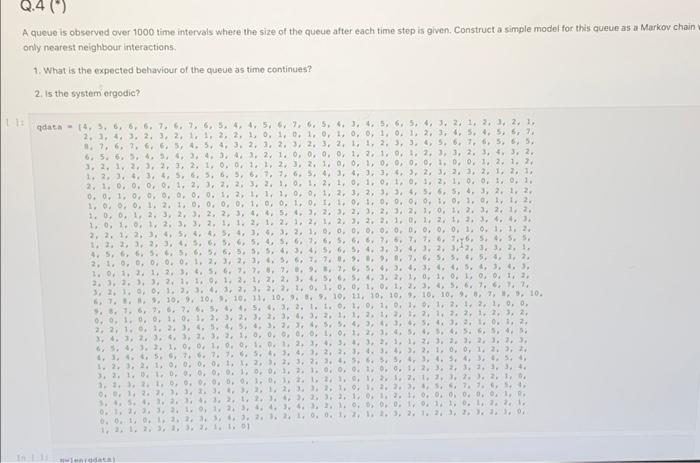
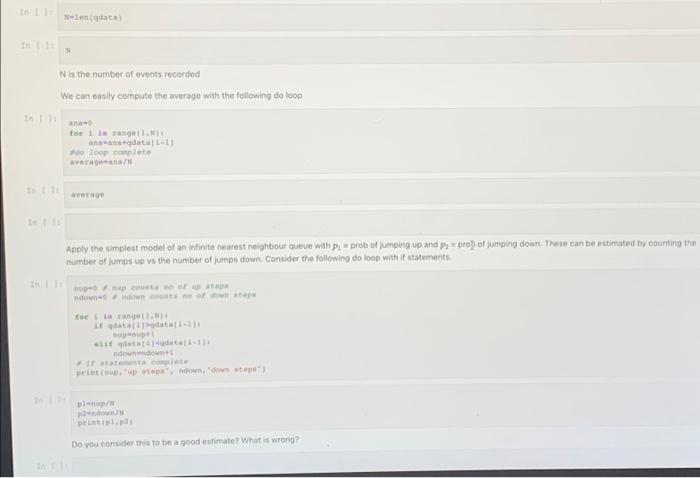
Q.4) A queue is observed over 1000 time intervals where the size of the queue after each time stop is given. Construct a simple model for this quelle as a Markov chain only nearest neighbour interactions. 1. What is the expected behaviour of the queue as timo continues? 2. Is the system ergodic? 'OTECTICUT data - 14, 5, 6, 5, 6, 7, 6, 7, 6, 5. 4. 4, 5, 6, 7, 6, 5, 4, 3, 4, 5, 6, 5, 4, 3, 2, 1, 2, 3, 2, 1) 2. 3. 4. ). 2. 3, 2, 1, 1, 2, 2, 1, 0, 1, 0, 1, 0, 1, 0, 0, 1, 0.1, 2, 3, 4, 5, 4, 5, 6, 1.7, 6, 7, 6, 54. 5. 4. 3. 2. 1. 2. 3. 2.3.2.1.1, 2, 3, 3, 4, 5, 6, 7, 6, 5, 6, 5, 6. 5. 6.5, 5, 4, 3. 4.3. 4.3. 2 1.0, 0.0.0, 1. 2. 10. 1. 2.), 3, 2, 3, 4, 3, 2. 3.2.1, 2, 3, 2, 3, 2, 1, 0, 0.1.1, 2). 2. 1.0, 0.1, 0.0 0.0.1.0.0.1, 2.1.2 1, 2, 3, 4, 3, 4, 5, 6, 5, 6, 5, 6, 7, 165, 4, 3, 4, 5, 3, 4, 5, 2, 3, 2, 3, 2, 1, 2, 1, 2. 1.0.0.0.0.1.2.1.2.2.) 2.1. 0. 1. 2. 10. 1.0.1.0, 1.2, 1.0.0.0, 1. 0.0 1.0.0.0.0.0.0. 1. 2. 1. 1. 1.0.0. 1. 2. 3. 2.). 3. 4. 5. 6. 5.4., 2. 1. 2. 1.0.0, 0. 1. 2. 1.0, 0, 0, 0.1, 0, 0, 1, 0, 1, 1.0, 1.0.0.0.0.0.1.0.1 1.2 1. 0. 01. 2. 3. 2.), 2, 2, 3, 4, 5, 4.). 2. ), 2.), 2, 3, 2, 1.0, 1. 2. 3. 2. 1. 2. 1.0, 1.0, 1, 2, 3, 3, 2, 1, 1, 2, 1.2: 1. 2. 1. 2. 3. 2. 2.1, 0. 1. 2. 1. 2. 3. 4. 4.). 2. 2. 1. 2. 3. 4. 5. 6. 4. 5. 4.) 3.2.1.0.0.0.0.0.0.0.0.0.0.1.0.1.1.2 1.2.2.2.2.3.4.5.6.5.6 5. 4. 5. 6. 7. 6. 5. 5. 6. 7. 15. 7. 7. 6. 7.6.5, 4.5, 5, 4, 5, 6, 65, 6, 5, 6, 5.5, 5, , 5, 4, 3, 4, 5, 6, 5, 4.1, 3, 4, 3, 2, 3.2.3, 3, 2, 1. 2, 1.0, 0, 0, 0, 0, 1, 2,22,2.5, 57.7.0....0. 7. 6. 5. 3. 4. 5. 41, 2 1. 01. 2. 1. 2. 3. . 5. 6. 7.7.8. 7. 8. 9... 6, 5.1.3.4.3.5.) ..). 2.1.2.). ), 2:1 1.9. 1. 2. 1. 2. 2. 4. 5. 6. 5. 4.). 2, 1.0, 1.0.1.0.0.1.3 3.2.1, 0, 0, 1, 2, 3, 4, 3, 2, 3, 2, , 1.0, 1.0, 0, 1, 0, 1, 23, 4, 5, 6, 7, 6, 7. 7 1.3.1. 10. 10. 10. 11. 10. ... 10, 11, 10, 10, 10, 10.9, 8, 7, 10, $.3. 1. 6, , S. 26. 5.4.4.5.3.2.1.1.0.0, 1.0, 1.0, 1.2, 1.2.1.0.0. 0.0.1.0.0.1. 01. 2. 3. 2. 3. 2. 3. 4.3.2.1.1.2.1.2.1.2.1.1.2.1.2.). 2 2.2.1. 01. 2. 3. 4. 5.4 5.3.2.2., 3........... 3.1. 0.1.2 2.3.2.3.4.2.3.3.1.0.0.0.0.0.1. 01. 2. 3. 4. 5. 6. 4. 5. 6. 5. 4.) 3. 4.3.), 1.0, 0. 1.0.0.1.0.1, 2, 3, 4, 3, , 3, 2, 1. 1. 2. 3. 3.), 2.), ). 4.) 4. 5. 6. 76. 7.7.8.9.6.1.4), 2, 2.3.3.4. ). 2. 1.0.0.1.2. >, 1.2. ), 2. 1.0.0.0.0.1.1.2.), 7. 3. 2. 3. 4. 5. 6.3.5, 4, 3, 4, 3, 4, 5, 3.2.1., 1.0, 0, 0, 0, 0, 0, 0, 1). O, 0, 0.1, 0. 1. 2. 3. 2. 3. 3.3.3.4 1.1.1.1.,0,0,0,0,1,0,1,1,1,2,1,3,1,3,3,.) ... 0.3 1.2.2.). 1. 2. 3. 4.3.2.1.2.3.2.1, 1.2, 2., 5, 6, 7, 1... 3.5. . . . . . . . 12)..), ).3.1.0.1.1.0.0, 0, 0, 0, 0, 1, 0.1.2.3, 1.0, 1.33...), ), 1.0, 0, 0, 1.0, 1.0.1.3.2.1. 0.0.1.1.2.2.3.4.3.2.1.1.0.0, 12, 13, 2, 1 ..... 11. 2. 3.1, 3.1.01 " " SS SS OOOTEEEEEE en data Nis the number of events recorded We can easily compute the average with the following de loop for range(11) anandata13 Ado loop complete average AVAT Apply the simplest model of an infinite nearest neighbour queue with pi prob of jumping up and Pros of jumping down. These can be estimated try counting the number of Jump up vs the number of jumps down. Consider the following do loop with it statements pop ndowne down on tape for many Ltda data ndonos state complete pritiup down, dost /N pando prip: Do you consider this to be a good estimate? What is wrong? Q.4) A queue is observed over 1000 time intervals where the size of the queue after each time stop is given. Construct a simple model for this quelle as a Markov chain only nearest neighbour interactions. 1. What is the expected behaviour of the queue as timo continues? 2. Is the system ergodic? 'OTECTICUT data - 14, 5, 6, 5, 6, 7, 6, 7, 6, 5. 4. 4, 5, 6, 7, 6, 5, 4, 3, 4, 5, 6, 5, 4, 3, 2, 1, 2, 3, 2, 1) 2. 3. 4. ). 2. 3, 2, 1, 1, 2, 2, 1, 0, 1, 0, 1, 0, 1, 0, 0, 1, 0.1, 2, 3, 4, 5, 4, 5, 6, 1.7, 6, 7, 6, 54. 5. 4. 3. 2. 1. 2. 3. 2.3.2.1.1, 2, 3, 3, 4, 5, 6, 7, 6, 5, 6, 5, 6. 5. 6.5, 5, 4, 3. 4.3. 4.3. 2 1.0, 0.0.0, 1. 2. 10. 1. 2.), 3, 2, 3, 4, 3, 2. 3.2.1, 2, 3, 2, 3, 2, 1, 0, 0.1.1, 2). 2. 1.0, 0.1, 0.0 0.0.1.0.0.1, 2.1.2 1, 2, 3, 4, 3, 4, 5, 6, 5, 6, 5, 6, 7, 165, 4, 3, 4, 5, 3, 4, 5, 2, 3, 2, 3, 2, 1, 2, 1, 2. 1.0.0.0.0.1.2.1.2.2.) 2.1. 0. 1. 2. 10. 1.0.1.0, 1.2, 1.0.0.0, 1. 0.0 1.0.0.0.0.0.0. 1. 2. 1. 1. 1.0.0. 1. 2. 3. 2.). 3. 4. 5. 6. 5.4., 2. 1. 2. 1.0.0, 0. 1. 2. 1.0, 0, 0, 0.1, 0, 0, 1, 0, 1, 1.0, 1.0.0.0.0.0.1.0.1 1.2 1. 0. 01. 2. 3. 2.), 2, 2, 3, 4, 5, 4.). 2. ), 2.), 2, 3, 2, 1.0, 1. 2. 3. 2. 1. 2. 1.0, 1.0, 1, 2, 3, 3, 2, 1, 1, 2, 1.2: 1. 2. 1. 2. 3. 2. 2.1, 0. 1. 2. 1. 2. 3. 4. 4.). 2. 2. 1. 2. 3. 4. 5. 6. 4. 5. 4.) 3.2.1.0.0.0.0.0.0.0.0.0.0.1.0.1.1.2 1.2.2.2.2.3.4.5.6.5.6 5. 4. 5. 6. 7. 6. 5. 5. 6. 7. 15. 7. 7. 6. 7.6.5, 4.5, 5, 4, 5, 6, 65, 6, 5, 6, 5.5, 5, , 5, 4, 3, 4, 5, 6, 5, 4.1, 3, 4, 3, 2, 3.2.3, 3, 2, 1. 2, 1.0, 0, 0, 0, 0, 1, 2,22,2.5, 57.7.0....0. 7. 6. 5. 3. 4. 5. 41, 2 1. 01. 2. 1. 2. 3. . 5. 6. 7.7.8. 7. 8. 9... 6, 5.1.3.4.3.5.) ..). 2.1.2.). ), 2:1 1.9. 1. 2. 1. 2. 2. 4. 5. 6. 5. 4.). 2, 1.0, 1.0.1.0.0.1.3 3.2.1, 0, 0, 1, 2, 3, 4, 3, 2, 3, 2, , 1.0, 1.0, 0, 1, 0, 1, 23, 4, 5, 6, 7, 6, 7. 7 1.3.1. 10. 10. 10. 11. 10. ... 10, 11, 10, 10, 10, 10.9, 8, 7, 10, $.3. 1. 6, , S. 26. 5.4.4.5.3.2.1.1.0.0, 1.0, 1.0, 1.2, 1.2.1.0.0. 0.0.1.0.0.1. 01. 2. 3. 2. 3. 2. 3. 4.3.2.1.1.2.1.2.1.2.1.1.2.1.2.). 2 2.2.1. 01. 2. 3. 4. 5.4 5.3.2.2., 3........... 3.1. 0.1.2 2.3.2.3.4.2.3.3.1.0.0.0.0.0.1. 01. 2. 3. 4. 5. 6. 4. 5. 6. 5. 4.) 3. 4.3.), 1.0, 0. 1.0.0.1.0.1, 2, 3, 4, 3, , 3, 2, 1. 1. 2. 3. 3.), 2.), ). 4.) 4. 5. 6. 76. 7.7.8.9.6.1.4), 2, 2.3.3.4. ). 2. 1.0.0.1.2. >, 1.2. ), 2. 1.0.0.0.0.1.1.2.), 7. 3. 2. 3. 4. 5. 6.3.5, 4, 3, 4, 3, 4, 5, 3.2.1., 1.0, 0, 0, 0, 0, 0, 0, 1). O, 0, 0.1, 0. 1. 2. 3. 2. 3. 3.3.3.4 1.1.1.1.,0,0,0,0,1,0,1,1,1,2,1,3,1,3,3,.) ... 0.3 1.2.2.). 1. 2. 3. 4.3.2.1.2.3.2.1, 1.2, 2., 5, 6, 7, 1... 3.5. . . . . . . . 12)..), ).3.1.0.1.1.0.0, 0, 0, 0, 0, 1, 0.1.2.3, 1.0, 1.33...), ), 1.0, 0, 0, 1.0, 1.0.1.3.2.1. 0.0.1.1.2.2.3.4.3.2.1.1.0.0, 12, 13, 2, 1 ..... 11. 2. 3.1, 3.1.01 " " SS SS OOOTEEEEEE en data Nis the number of events recorded We can easily compute the average with the following de loop for range(11) anandata13 Ado loop complete average AVAT Apply the simplest model of an infinite nearest neighbour queue with pi prob of jumping up and Pros of jumping down. These can be estimated try counting the number of Jump up vs the number of jumps down. Consider the following do loop with it statements pop ndowne down on tape for many Ltda data ndonos state complete pritiup down, dost /N pando prip: Do you consider this to be a good estimate? What is wrong
Step by Step Solution
There are 3 Steps involved in it

Get step-by-step solutions from verified subject matter experts
 Study Help