







Question: Quantitative Methods&Business Research Methodology Study the article below and answer the following questions. The surprising origin of the 'quiet quitting' trend sweeping multiple countries By
Quantitative Methods&Business Research Methodology
Study the article below and answer the following questions.
The surprising origin of the 'quiet quitting' trend sweeping multiple countries
By Ally Foster August 2, 2022
Workers all over the world are jumping on a new "quiet quitting" trend to fight back against their demanding jobs. But the origin of the movement will probably come as a surprise to many. Quiet quitting is essentially a rejection of the idea that work has to take over your life and that you, as an employee, should be going above and beyond in your role. Instead, people are now reverting to only performing the duties outlined in their job description and politely declining to take on any more responsibilities outside of that or work longer hours than necessary.
Now, it appears the concept has its origins in China.
The Asian nation is known for its strict work ethic, with the country's culture of hard work and diligence a point of pride.
So it may shock many that the concept of "quiet quitting" is actually derived from a movement that began sweeping through China last year known as "lying flat" or tang ping.
A new wave of young workers are rebelling against the concept of long, arduous work hours in China, with the "lying flat" concept gaining extreme popularity throughout 2021.
The trend jump-started in April 2021 when an online post about the concept went viral, with the author poking holes in the old mindset that work must be your life.
The movement gained so much attention that the CCP-run newspaper, the Guangming Daily, published commentary pushing back against it.
"The creative contribution of our youth is indispensable to achieving the goal of high-quality development," China University of Labour Relations official Wang Xingyu was quoted as saying.
"Attending to those 'lying flat,' and giving them the will to struggle, is a prime necessity for our country as it faces the task of transitioning development."
Another CCP mouthpiece, Nanfang Daily, ran four pages of commentary over why the "lying flat" trend was harmful, calling it "shameful" and "unjust".
In fact, the ruling party became so worked up about the trend that President Xi Jinping issued an explicit warning to young citizens.
"A happy life is achieved through struggle, and common prosperity depends on hard work and wisdom," he wrote in a CCP journal in October last year. "It is necessary to prevent the solidification of social strata, smooth the upward flow channels, create opportunities for more people to become rich, form a development environment where everyone participates, and avoid 'involution' and 'lying flat'." Despite this, many young Chinese people have stuck with the trend, with one person telling the BBC he won't be stopping anytime soon. The man, named only as Jeff, told the outlet work became his life after taking a job as a highly paid app developer in Beijing, leaving him unable to have any kind of meaningful social life outside of work. When Covid-19 hit, Jeff finally found time to reassess his priorities, taking leave for travel and eventually quitting his job andfinding a new, less-demanding role.
"All my hobbies that I discovered during my 'lying down' time - skiing, rock climbing - I'll be able to keep doing them all. I have time to do what I love. I'm very satisfied," he told the outlet. "I'm continuing to get rid of the negative energy in my life. I think 2022 will be an upgrade on 2021, but I still don't want to do nothing. I will continue to 'lie flat'. I enjoy this state."
Australians are embracing the 'quiet quitting' trend
A recent viral TikTok about the movement sparked a lively discussion on a Brisbane Reddit thread, where many users explained they have adopted this method with a lot of success. "I stepped down from a management position to a lower one with less hours to study," one user said. "Went from putting in 110 per cent into everything I did to the absolute bare minimum required to keep me happy and employed." Another user, a nurse, said they had definitely "dialled down" their time spent at work after having to take time off due to burnout and family issues. "Since I've been back, I only work two to three shifts a week. I do what my job needs me to do," they wrote. "My work ethic is still strong but I no longer put my hand up for every other shift and I say no to some that are asked of me.

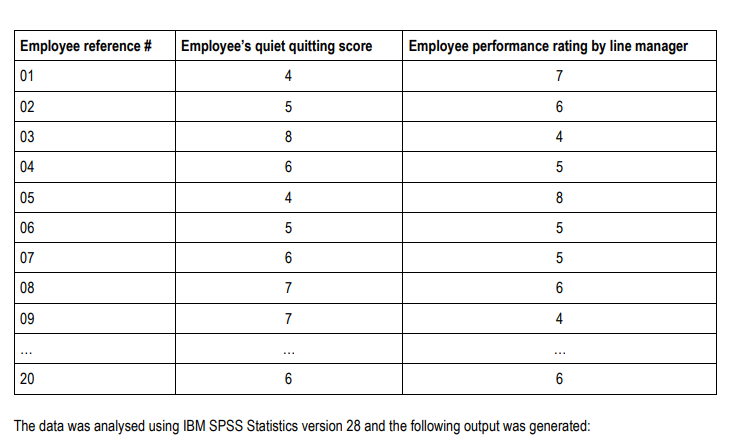
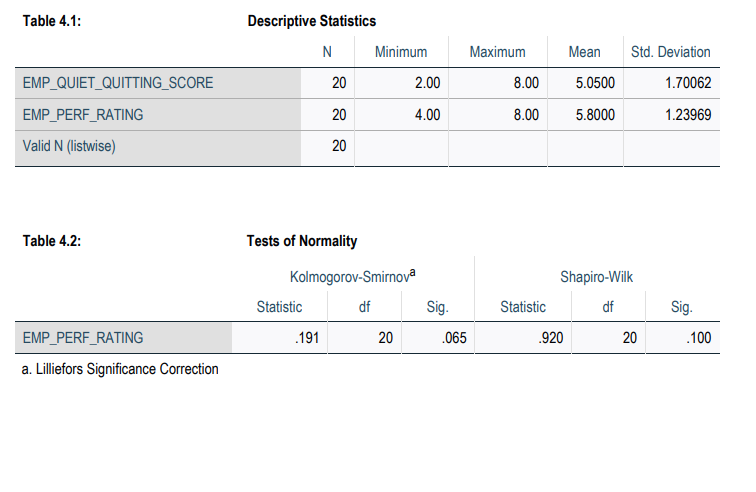
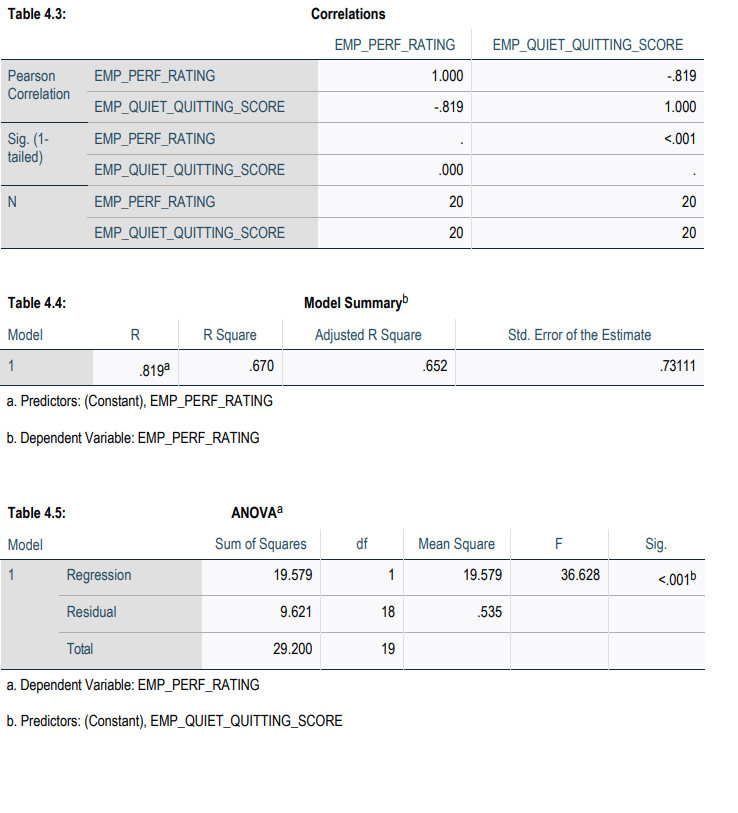
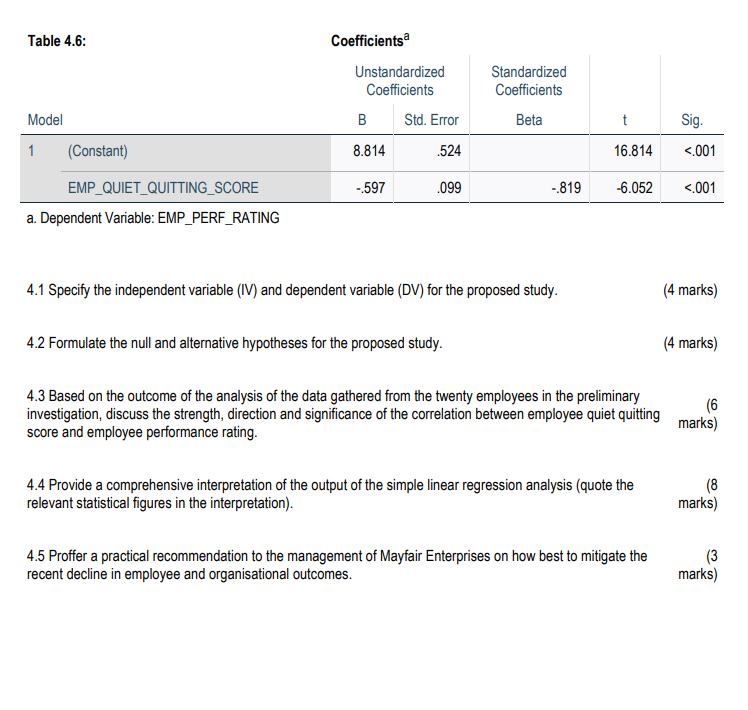
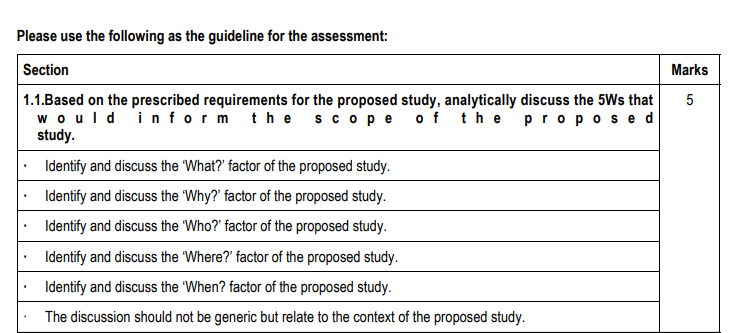
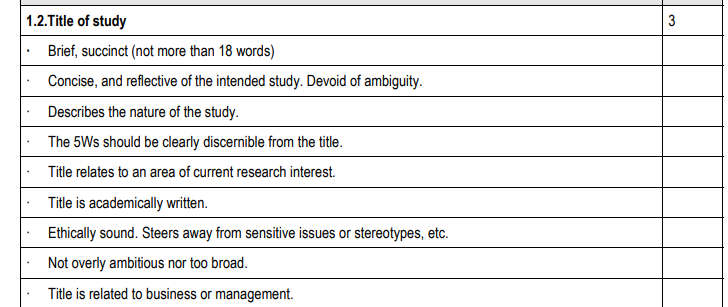
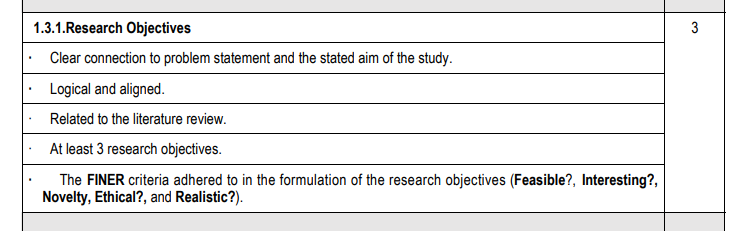
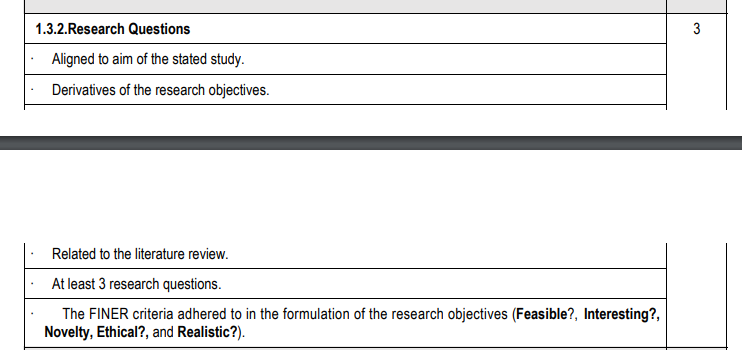
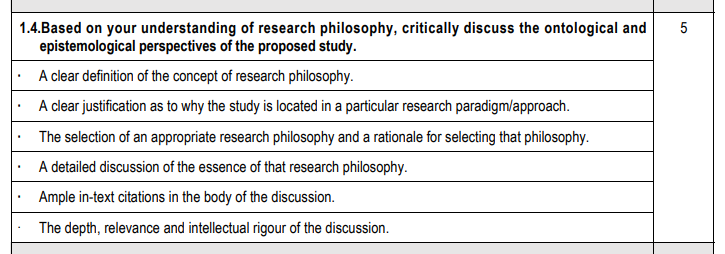
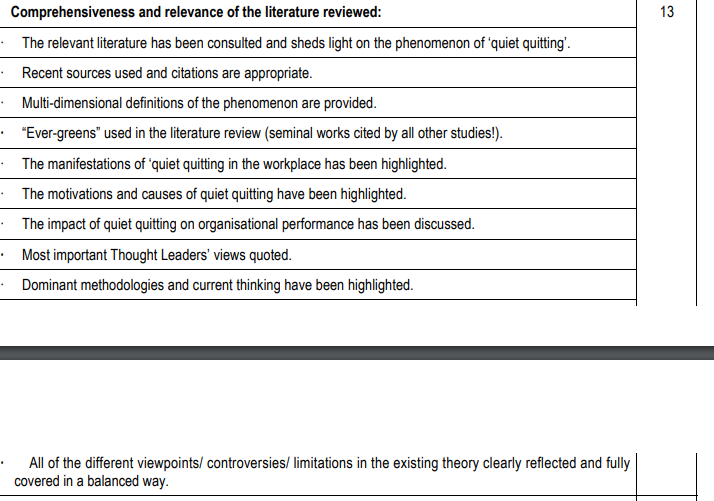
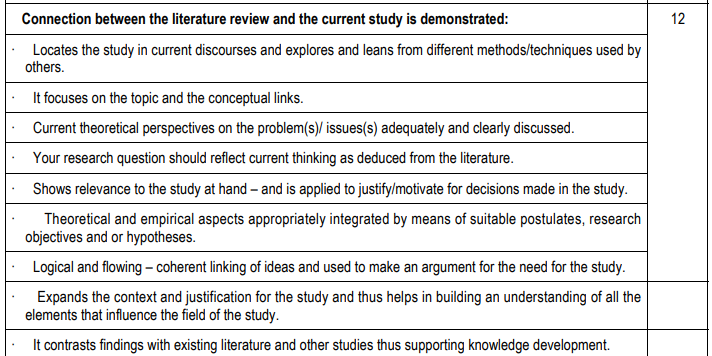
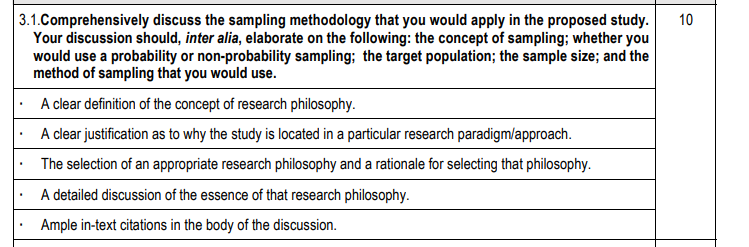
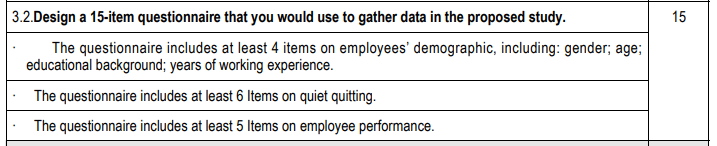
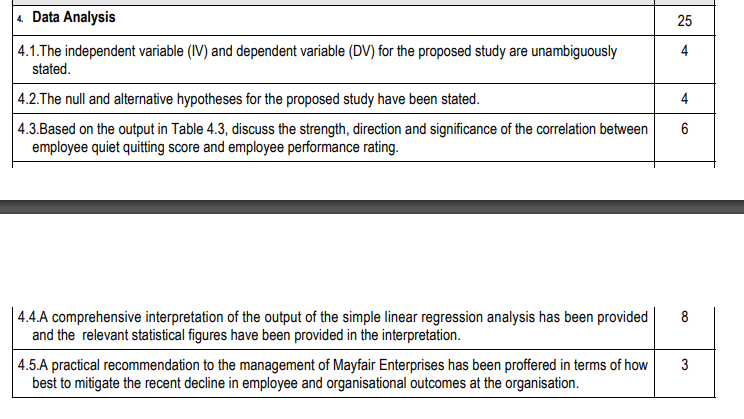
Work is NOT your life 'Quiet quitting" has its origins in China. TikTok / @zkchillinEmployee reference # Employee's quiet quitting score Employee performance rating by line manager 01 4 7 02 6 03 04 05 06 5 5 07 08 6 09 4 20 6 6 The data was analysed using IBM SPSS Statistics version 28 and the following output was generated:Table 4.1: Descriptive Statistics N Minimum Maximum Mean Std. Deviation EMP_QUIET_QUITTING_SCORE 20 2.00 8.00 5.0500 1.70062 EMP PERF RATING 20 4.00 8.00 5.8000 1.23969 Valid N (listwise) 20 Table 4.2: Tests of Normality Kolmogorov-Smirnova Shapiro-Wilk Statistic df Sig. Statistic df Sig. EMP_PERF RATING .191 20 065 .920 20 100 a. Lilliefors Significance CorrectionTable 4.3: Correlations EMP_PERF_RATING EMP_QUIET_QUITTING_SCORE Pearson EMP_PERF_RATING 1.000 ..819 Correlation EMP_QUIET_QUITTING_SCORE -.819 1.000 Sig. (1- EMP_PERF_RATING <.001 tailed emp_quiet_quitting_score n emp_perf_rating table model summaryb r square adjusted std. error of the estimate .652 .73111 a. predictors: b. dependent variable: anova sum squares df mean f sig. regression residual total emp_quiet_quitting_scoretable coefficients unstandardized standardized b beta t .597 specify independent variable and for proposed study. marks formulate null alternative hypotheses based on outcome analysis data gathered from twenty employees in preliminary investigation discuss strength direction significance correlation between employee quiet quitting score performance rating. provide a comprehensive interpretation output simple linear relevant statistical figures proffer practical recommendation to management mayfair enterprises how best mitigate recent decline organisational outcomes. use following as guideline assessment: section prescribed requirements study analytically that would inform scope identify factor discussion should not be generic but relate context study.1.2. title brief succinct more than words concise reflective intended devoid ambiguity describes nature clearly discernible title. relates an area current research interest. is academically written. ethically sound. steers away sensitive issues or stereotypes etc. overly ambitious nor too broad. related business management.1.3.1.research objectives clear connection problem statement stated aim logical aligned. literature review. at least objectives. finer criteria adhered formulation interesting novelty ethical realistic questions aligned derivatives questions. your understanding philosophy critically ontological epistemological perspectives definition concept philosophy. justification why located particular paradigm selection appropriate rationale selecting detailed essence ample in-text citations body discussion. depth relevance intellectual rigour discussion.comprehensiveness reviewed: has been consulted sheds light phenomenon sources used are appropriate. multi-dimensional definitions provided. review works cited by all other studies manifestations workplace highlighted. motivations causes have impact discussed. most important thought leaders views quoted. dominant methodologies thinking different viewpoints controversies limitations existing theory reflected fully covered balanced way.connection demonstrated: locates discourses explores leans methods others. it focuses topic conceptual links. theoretical adequately question reflect deduced literature. shows hand applied justify decisions made empirical aspects appropriately integrated means suitable postulates hypotheses. flowing coherent linking ideas make argument need expands thus helps building elements influence field contrasts findings with supporting knowledge development.3.1.comprehensively sampling methodology you apply inter alia elaborate following: whether probability non-probability target population sample size method use. discussion.3.2.design questionnaire gather includes items demographic including: gender age educational background years working experience. quitting. performance. unambiguously stated. provided interpretation. proffered terms outcomes organisation>
Step by Step Solution
There are 3 Steps involved in it

Get step-by-step solutions from verified subject matter experts
 Study Help