



Question: In a chemical reaction, the numbers that precede the molecules describe the number of molecules needed for the reaction to take place. For instance,
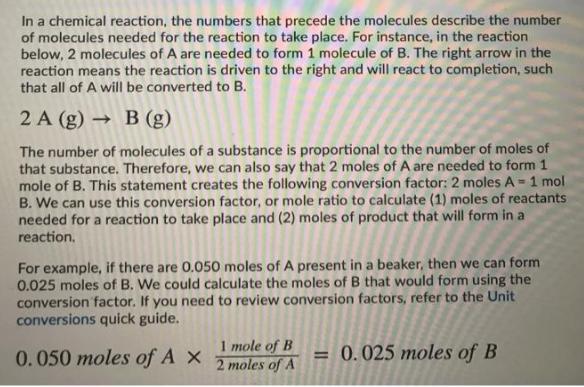
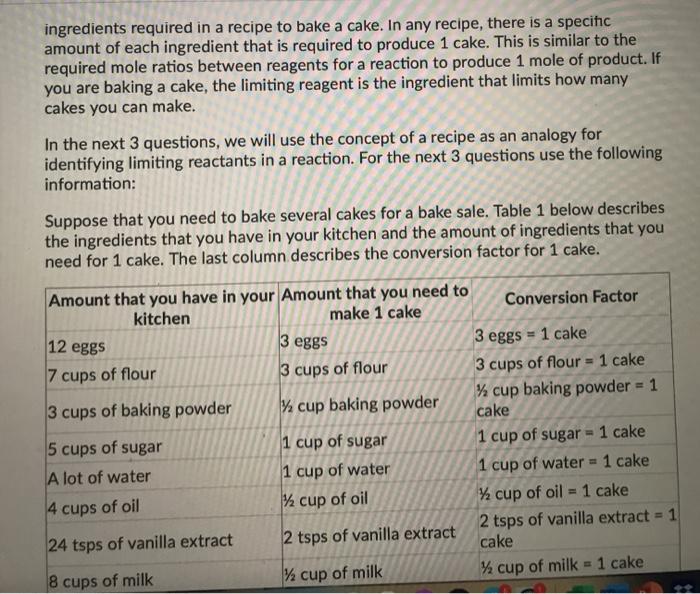
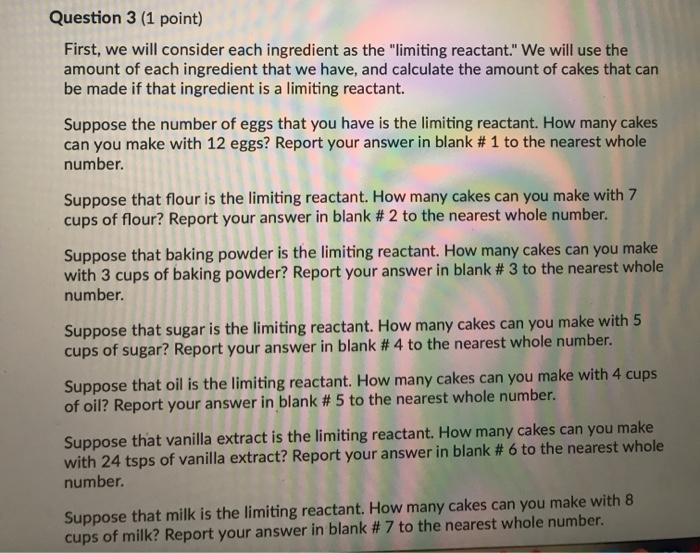
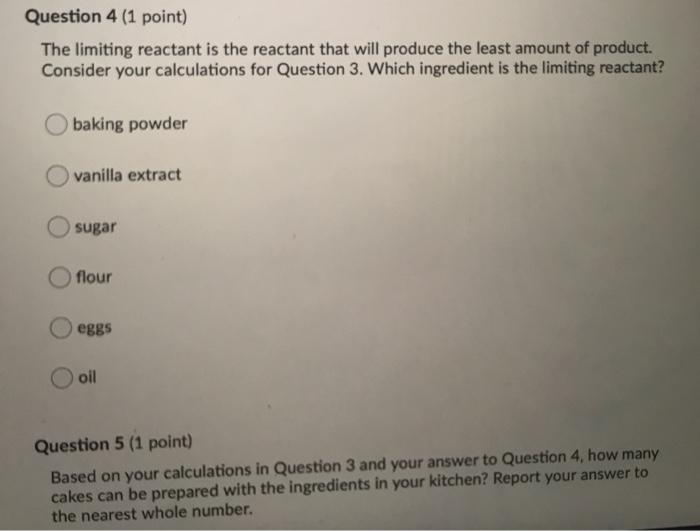
In a chemical reaction, the numbers that precede the molecules describe the number of molecules needed for the reaction to take place. For instance, in the reaction below, 2 molecules of A are needed to form 1 molecule of B. The right arrow in the reaction means the reaction is driven to the right and will react to completion, such that all of A will be converted to B. 2 A (g) B (g) The number of molecules of a substance is proportional to the number of moles of that substance. Therefore, we can also say that 2 moles of A are needed to form 1 mole of B. This statement creates the following conversion factor: 2 moles A - 1 mol B. We can use this conversion factor, or mole ratio to calculate (1) moles of reactants needed for a reaction to take place and (2) moles of product that will form in a reaction. For example, if there are 0.050 moles of A present in a beaker, then we can form 0.025 moles of B. We could calculate the moles of B that would form using the conversion factor. If you need to review conversion factors, refer to the Unit conversions quick guide. 0.050 moles of Ax 1 mole of B 2 moles of A = 0.025 moles of B ingredients required in a recipe to bake a cake. In any recipe, there is a specific amount of each ingredient that is required to produce 1 cake. This is similar to the required mole ratios between reagents for a reaction to produce 1 mole of product. If you are baking a cake, the limiting reagent is the ingredient that limits how many cakes you can make.. In the next 3 questions, we will use the concept of a recipe as an analogy for identifying limiting reactants in a reaction. For the next 3 questions use the following information: Suppose that you need to bake several cakes for a bake sale. Table 1 below describes the ingredients that you have in your kitchen and the amount of ingredients that you need for 1 cake. The last column describes the conversion factor for 1 cake. Amount that you have in your Amount that you need to kitchen make 1 cake 12 eggs 7 cups of flour 3 cups of baking powder 5 cups of sugar A lot of water 4 cups of oil 24 tsps of vanilla extract 8 cups of milk 3 eggs 3 cups of flour cup baking powder 1 cup of sugar 1 cup of water cup of oil 2 tsps of vanilla extract cup of milk Conversion Factor 3 eggs = 1 cake 3 cups of flour 1 cake cup baking powder = 1 cake 1 cup of sugar = 1 cake 1 cup of water = 1 cake cup of oil = 1 cake 2 tsps of vanilla extract = 1 cake cup of milk = 1 cake Question 3 (1 point) First, we will consider each ingredient as the "limiting reactant." We will use the amount of each ingredient that we have, and calculate the amount of cakes that can be made if that ingredient is a limiting reactant. Suppose the number of eggs that you have is the limiting reactant. How many cakes can you make with 12 eggs? Report your answer in blank # 1 to the nearest whole number. Suppose that flour is the limiting reactant. How many cakes can you make with 7 cups of flour? Report your answer in blank # 2 to the nearest whole number. Suppose that baking powder is the limiting reactant. How many cakes can you make with 3 cups of baking powder? Report your answer in blank # 3 to the nearest whole number. Suppose that sugar is the limiting reactant. How many cakes can you make with 5 cups of sugar? Report your answer in blank # 4 to the nearest whole number. Suppose that oil is the limiting reactant. How many cakes can you make with 4 cups of oil? Report your answer in blank # 5 to the nearest whole number. Suppose that vanilla extract is the limiting reactant. How many cakes can you make with 24 tsps of vanilla extract? Report your answer in blank # 6 to the nearest whole number. Suppose that milk is the limiting reactant. How many cakes can you make with 8 cups of milk? Report your answer in blank # 7 to the nearest whole number. Question 4 (1 point) The limiting reactant is the reactant that will produce the least amount of product. Consider your calculations for Question 3. Which ingredient is the limiting reactant? baking powder vanilla extract sugar flour eggs oil Question 5 (1 point) Based on your calculations in Question 3 and your answer to Question 4, how many cakes can be prepared with the ingredients in your kitchen? Report your answer to the nearest whole number.
Step by Step Solution
3.48 Rating (158 Votes )
There are 3 Steps involved in it
A limiting reagent is defined as the reactant which is completely consumed during the reaction In ot... View full answer

Get step-by-step solutions from verified subject matter experts