


Question: Question Two The X group is a well-established manufacturing group that operates a number of companies using similar production and inventory holding policies. All of
Question Two The X group is a well-establishedQuestion Two The X group is a well-established

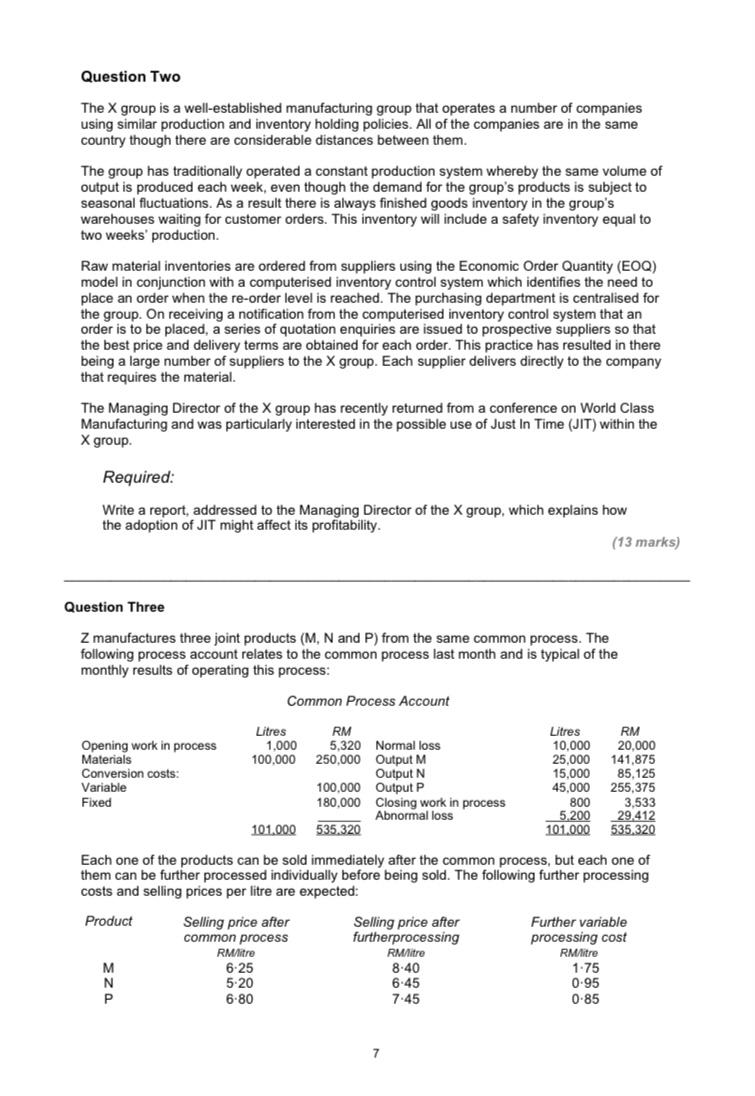
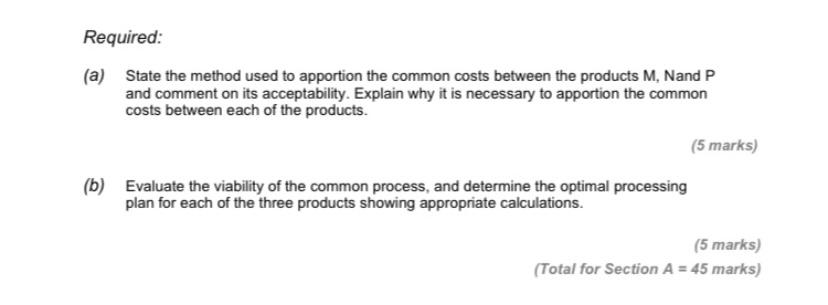
Question Two The X group is a well-established manufacturing group that operates a number of companies using similar production and inventory holding policies. All of the companies are in the same country though there are considerable distances between them. The group has traditionally operated a constant production system whereby the same volume of output is produced each week, even though the demand for the group's products is subject to seasonal fluctuations. As a result there is always finished goods inventory in the group's warehouses waiting for customer orders. This inventory will include a safety inventory equal to two weeks' production. Raw material inventories are ordered from suppliers using the Economic Order Quantity (EOQ) model in conjunction with a computerised inventory control system which identifies the need to place an order when the re-order level is reached. The purchasing department is centralised for the group. On receiving a notification from the computerised inventory control system that an order is to be placed. series of quotation enquiries are issued to prospective suppliers so that the best price and delivery terms are obtained for each order. This practice has resulted in there being a large number of suppliers to the X group. Each supplier delivers directly to the company that requires the material. The Managing Director of the X group has recently returned from a conference on World Class Manufacturing and was particularly interested in the possible use of Just In Time (JIT) within the X group. Required: Write a report, addressed to the Managing Director of the X group, which explains how the adoption of JIT might affect its profitability. (13 marks) Question Three Z manufactures three joint products (M, N and P) from the same common process. The following process account relates to the common process last month and is typical of the monthly results of operating this process: Common Process Account Litres 1,000 100,000 Opening work in process Materials Conversion costs: Variable Fixed RM 5,320 Normal loss 250,000 Output M Output 100,000 Output P 180,000 Closing work in process Abnormal loss 535.320 RM 20.000 141.875 85,125 Litres 10.000 25,000 15,000 45,000 800 5.200 101.000 255.375 3,533 29412 535.320 101.000 Each one of the products can be sold immediately after the common process, but each one of them can be further processed individually before being sold. The following further processing costs and selling prices per litre are expected: Product Selling price after common process RM litre 6.25 5-20 6-80 Selling price after furtherprocessing RM litre 8-40 6.45 7.45 Further variable processing cost RM litre 1.75 0.95 0.85 M N P 7 Required: (a) State the method used to apportion the common costs between the products M, Nand P and comment on its acceptability. Explain why it is necessary to apportion the common costs between each of the products. (5 marks) (b) Evaluate the viability of the common process, and determine the optimal processing plan for each of the three products showing appropriate calculations. (5 marks) (Total for Section A = 45 marks)

Step by Step Solution

There are 3 Steps involved in it

1 Expert Approved Answer
Step: 1 Unlock blur-text-image

Question Has Been Solved by an Expert!

Get step-by-step solutions from verified subject matter experts

Step: 2 Unlock
Step: 3 Unlock

Students Have Also Explored These Related General Management Questions!