







Question: Read the articles given below on module 9 now read the articles given below on module 10 Now answer these questions based on both modules
Read the articles given below on module 9

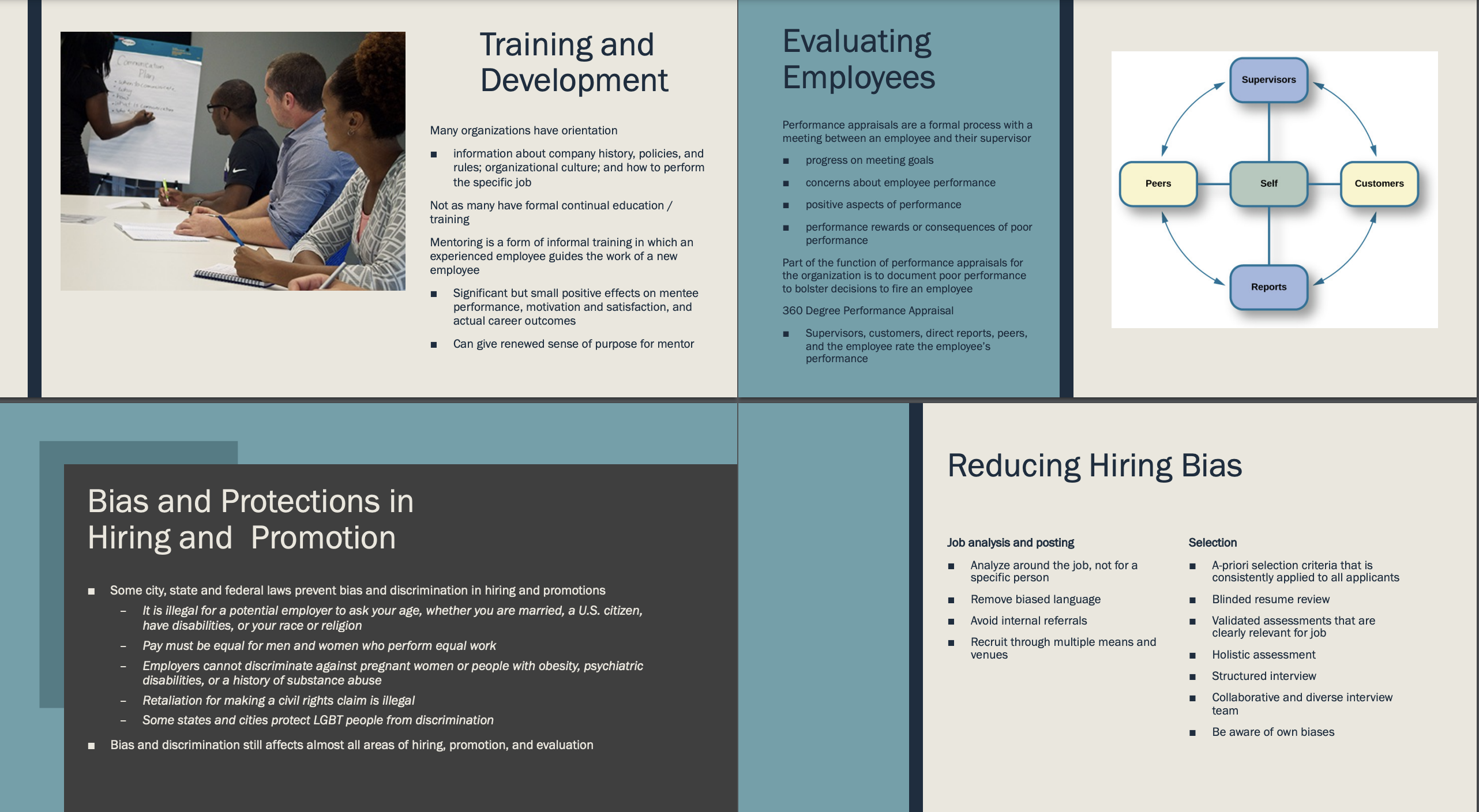

Now answer these questions based on both modules slideshow pictures and the links readings
- Describe how the things you learned in module 10 connect to what learned in module 9. You could make multiple connections between the modules.
- Describe how the things learned in module 10 connected to a recent event or experience in life or to a recent event that was covered in the news. You could make multiple connections.
- What was the high point for you during reading module 10, and why? For example, what was the favorite or most interesting thing you learned, or was there a part of the module that you really enjoyed?
- What questions would you have after going through module 10? What topics would you like to learn more about? List questions
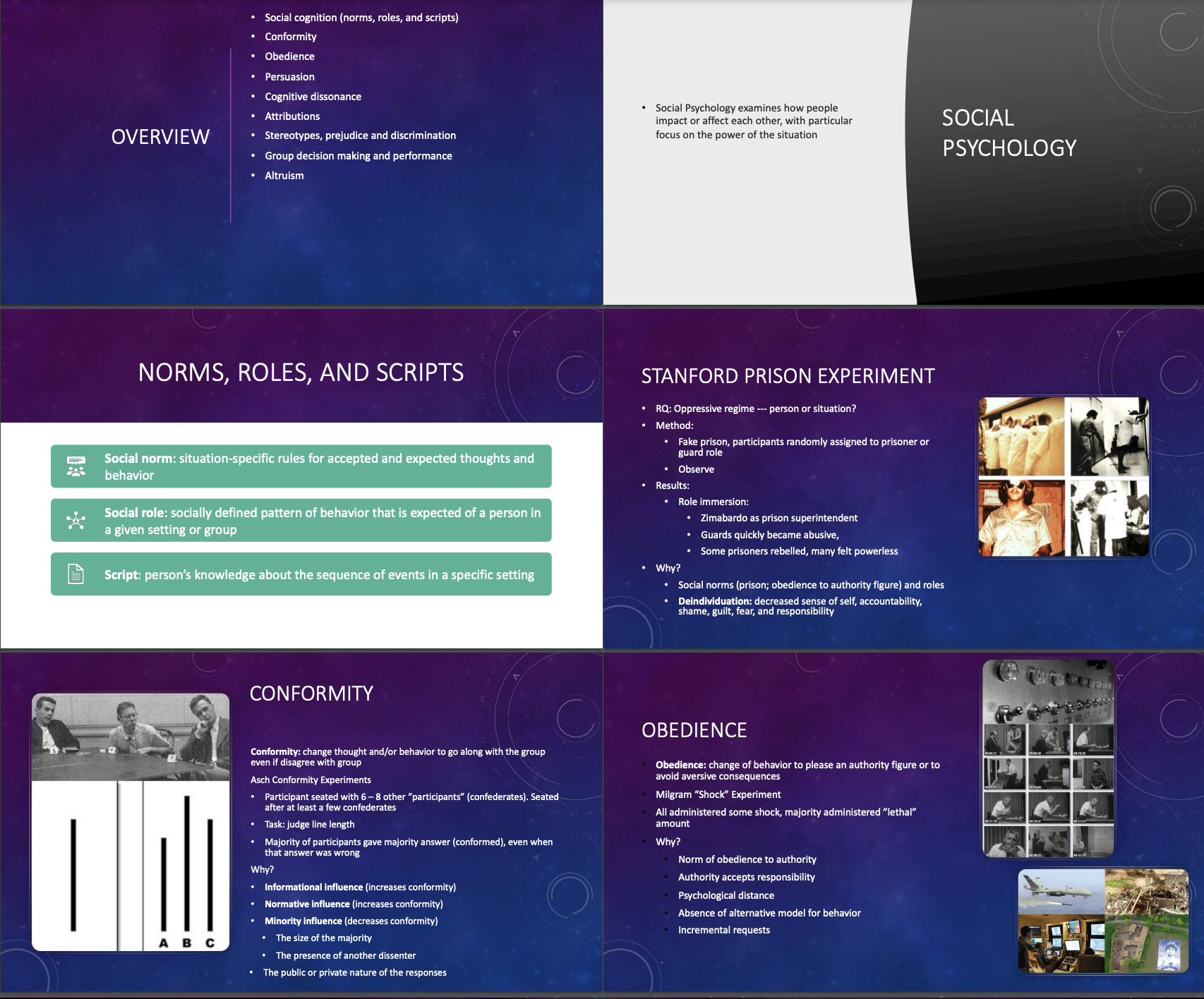
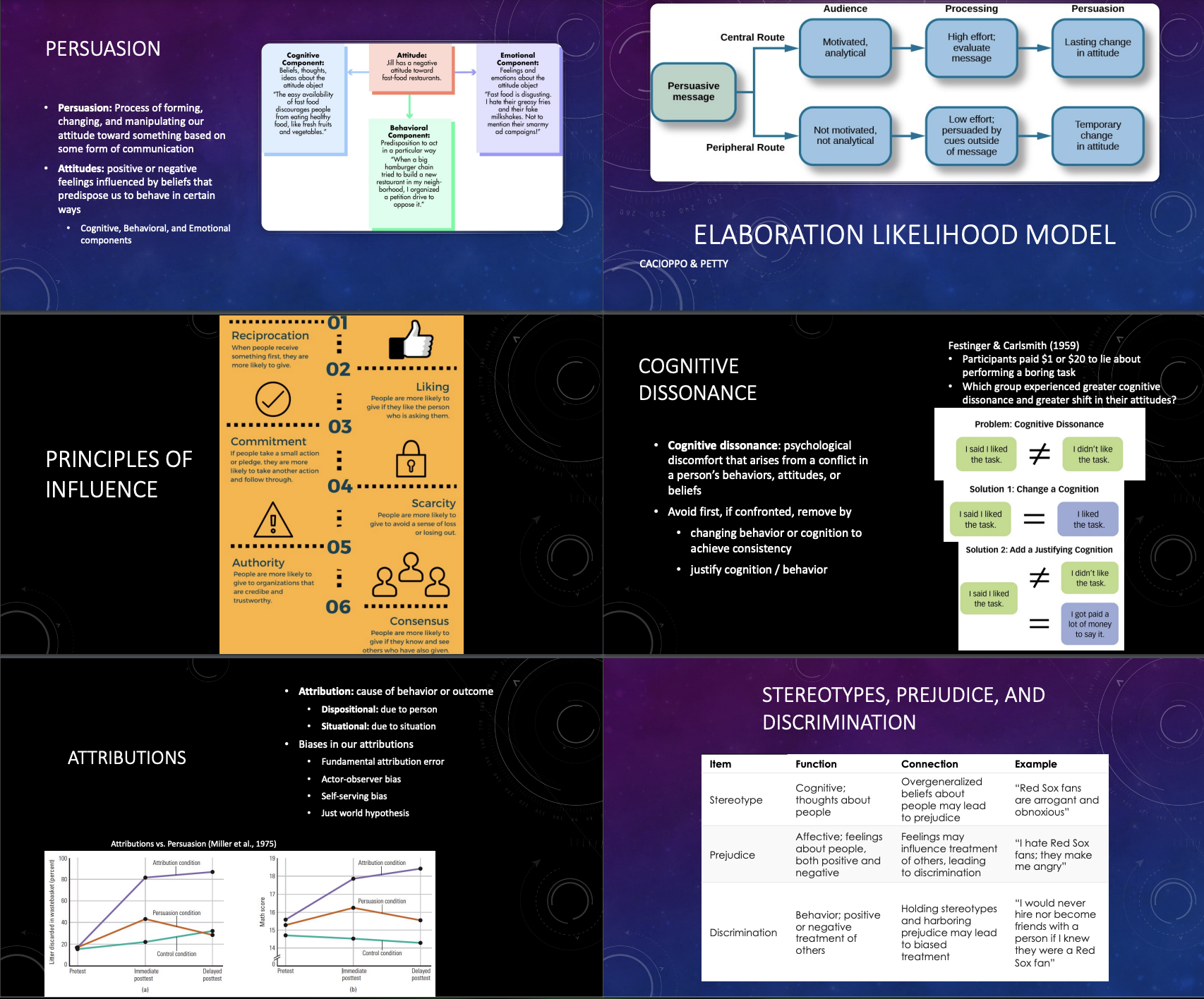
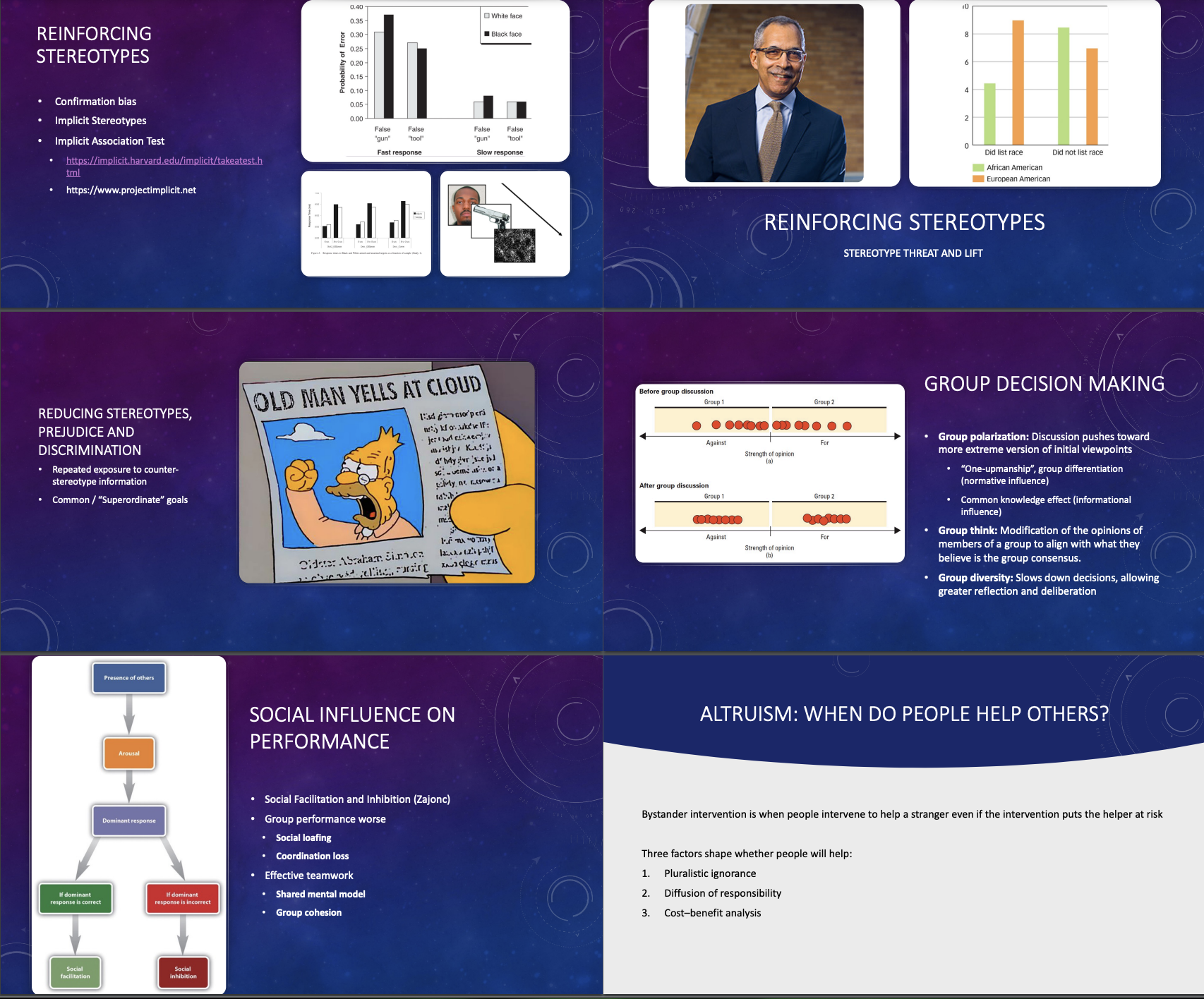
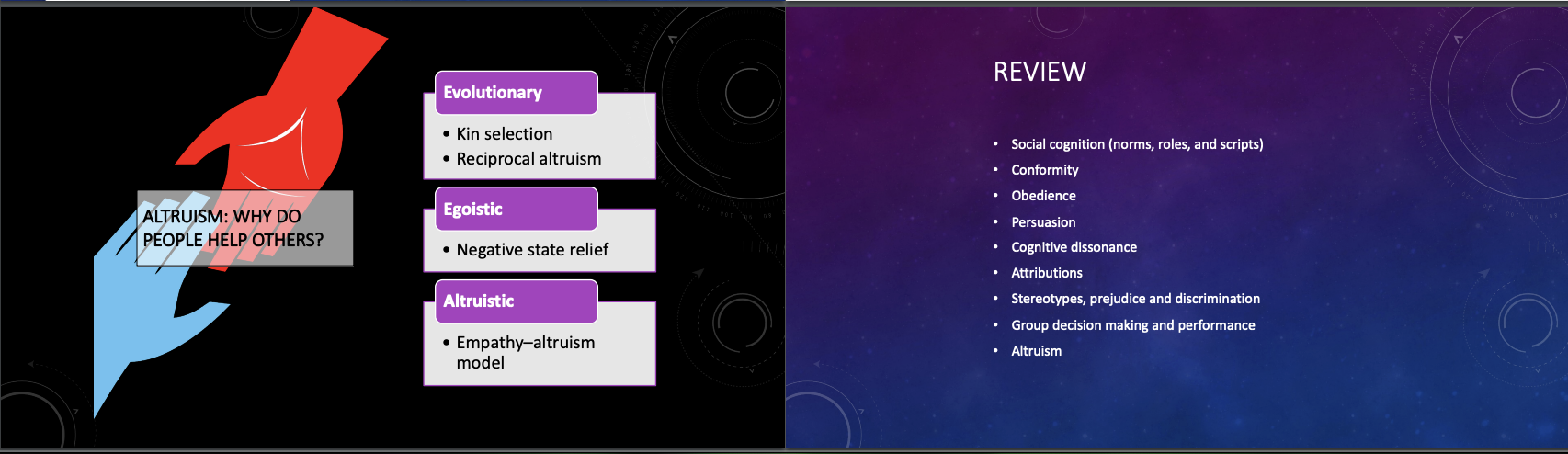
OVERVIEW Social cognition (norms, roles, and scripts) Conformity Obedience Persuasion Cognitive dissonance Attributions Stereotypes, prejudice and discrimination Group decision making and performance Altruism Social Psychology examines how people impact or affect each other, with particular focus on the power of the situation SOCIAL PSYCHOLOGY NORMS, ROLES, AND SCRIPTS Social norm: situation-specific rules for accepted and expected thoughts and behavior Social role: socially defined pattern of behavior that is expected of a person in a given setting or group STANFORD PRISON EXPERIMENT RQ: Oppressive regime --- person or situation? Method: Fake prison, participants randomly assigned to prisoner or guard role Observe Results: Why? Script: person's knowledge about the sequence of events in a specific setting Role immersion: Zimabardo as prison superintendent Guards quickly became abusive, Some prisoners rebelled, many felt powerless Social norms (prison; obedience to authority figure) and roles Deindividuation: decreased sense of self, accountability, shame, guilt, fear, and responsibility CONFORMITY A B Conformity: change thought and/or behavior to go along with the group even if disagree with group Asch Conformity Experiments Participant seated with 6-8 other "participants" (confederates). Seated after at least a few confederates Task: judge line length Majority of participants gave majority answer (conformed), even when that answer was wrong Why? Informational influence (increases conformity) Normative influence (increases conformity) Minority influence (decreases conformity) The size of the majority The presence of another dissenter The public or private nature of the responses OBEDIENCE Obedience: change of behavior to please an authority figure or to avoid aversive consequences Milgram "Shock" Experiment All administered some shock, majority administered "lethal" amount Why? Norm of obedience to authority Authority accepts responsibility Psychological distance Absence of alternative model for behavior Incremental requests
Step by Step Solution
There are 3 Steps involved in it
1 Describe how the things you learned in Module 10 connect to what you learned in Module 9 You could make multiple connections between the modules The concepts learned from Module 10 on industrial and ... View full answer

Get step-by-step solutions from verified subject matter experts
 Study Help