Question: READ THE CASE STUDY THEN ANSWER THESE QUESTIONS.............. . 1. (a) What are the consequences of poorly managed apps? (b) What two risks are posed
 READ THE CASE STUDY THEN ANSWER THESE QUESTIONS............... 1. (a) What are the consequences of poorly managed apps? (b) What two risks are posed by data chaos? Explain why.
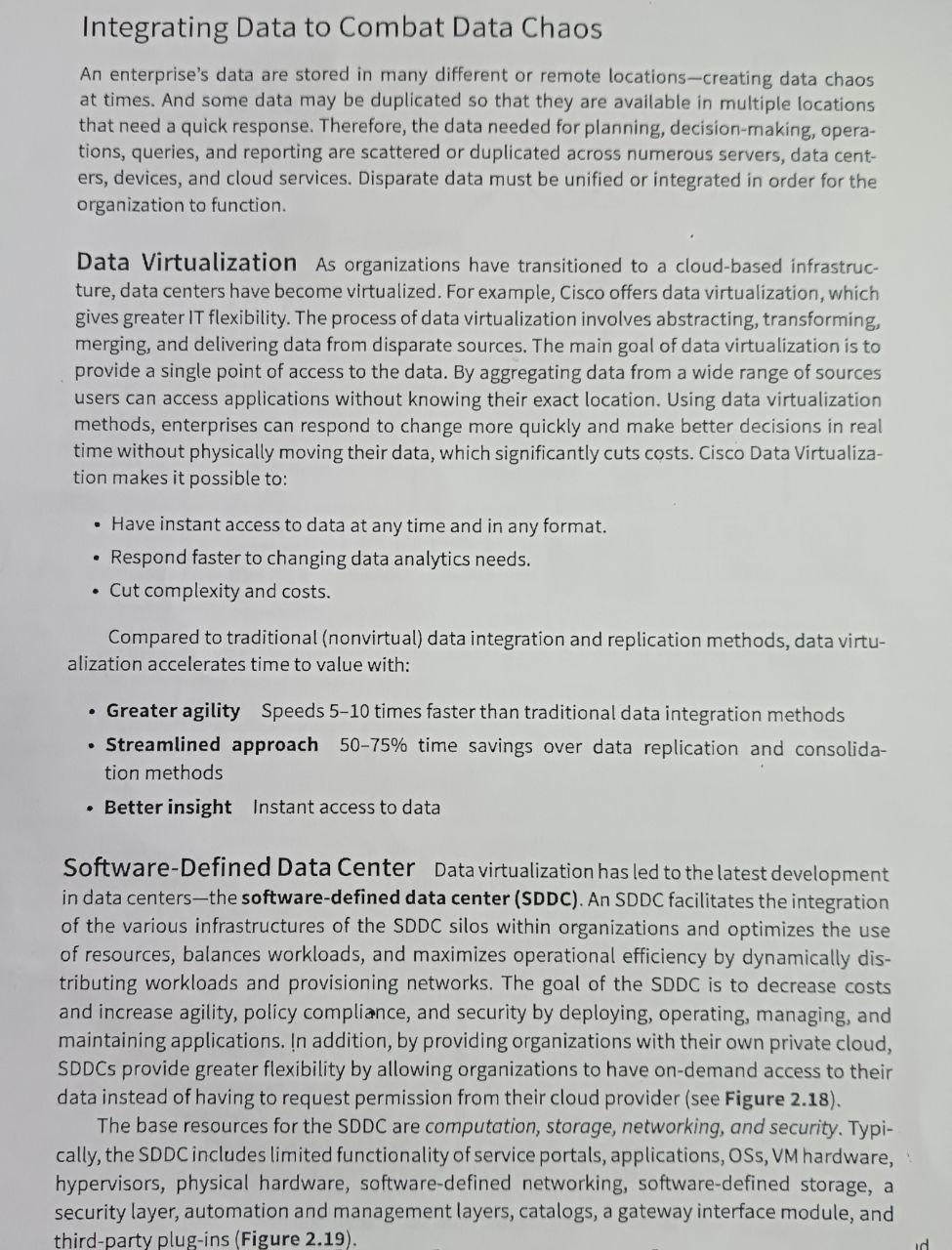
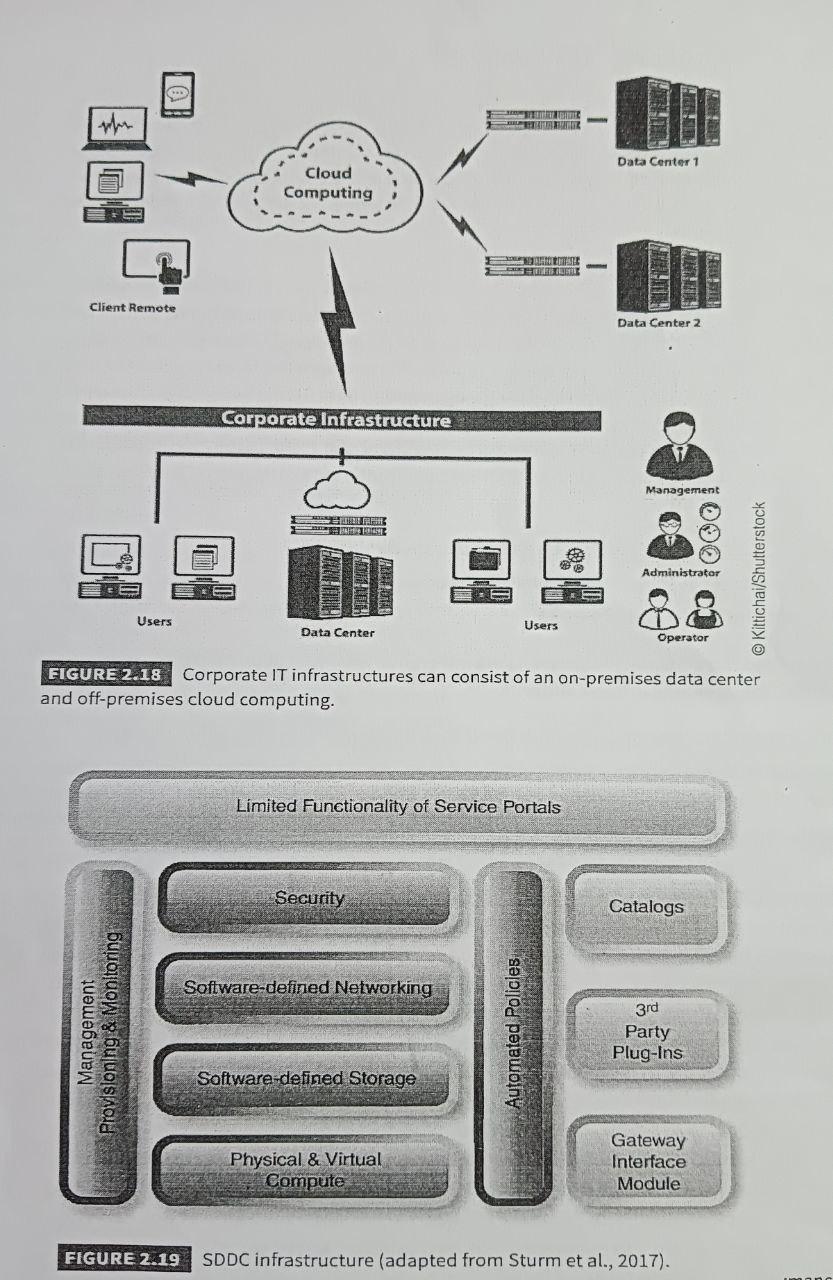
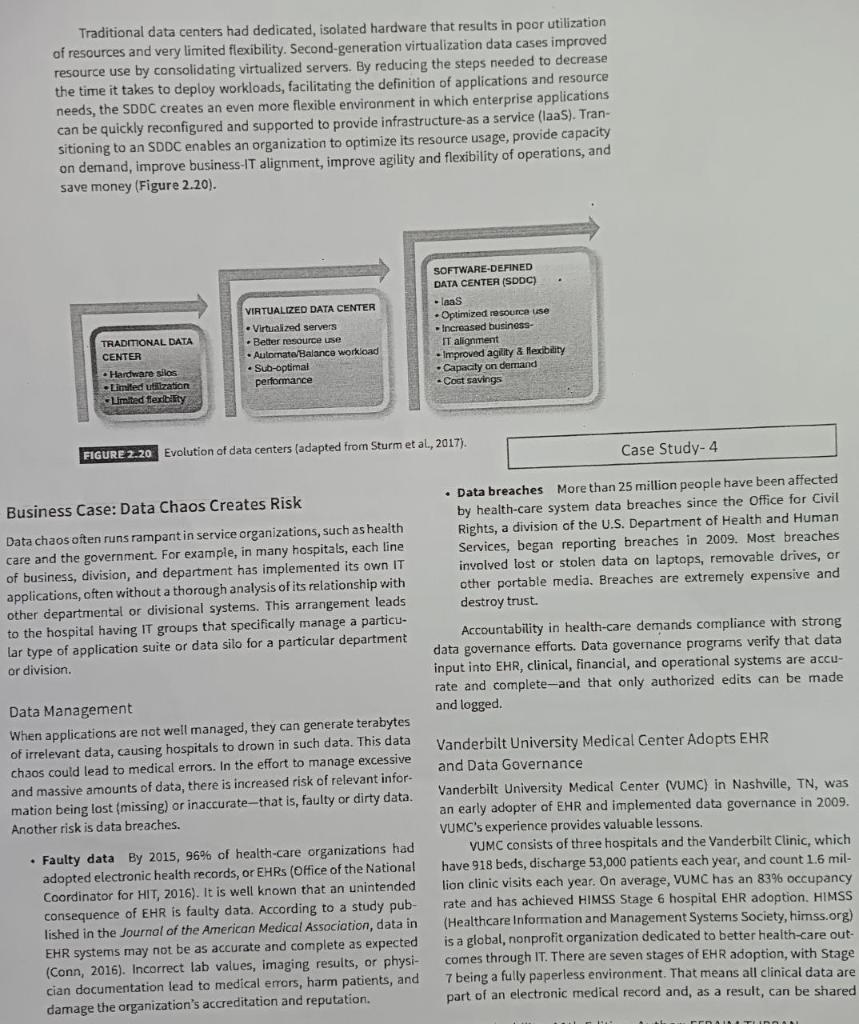
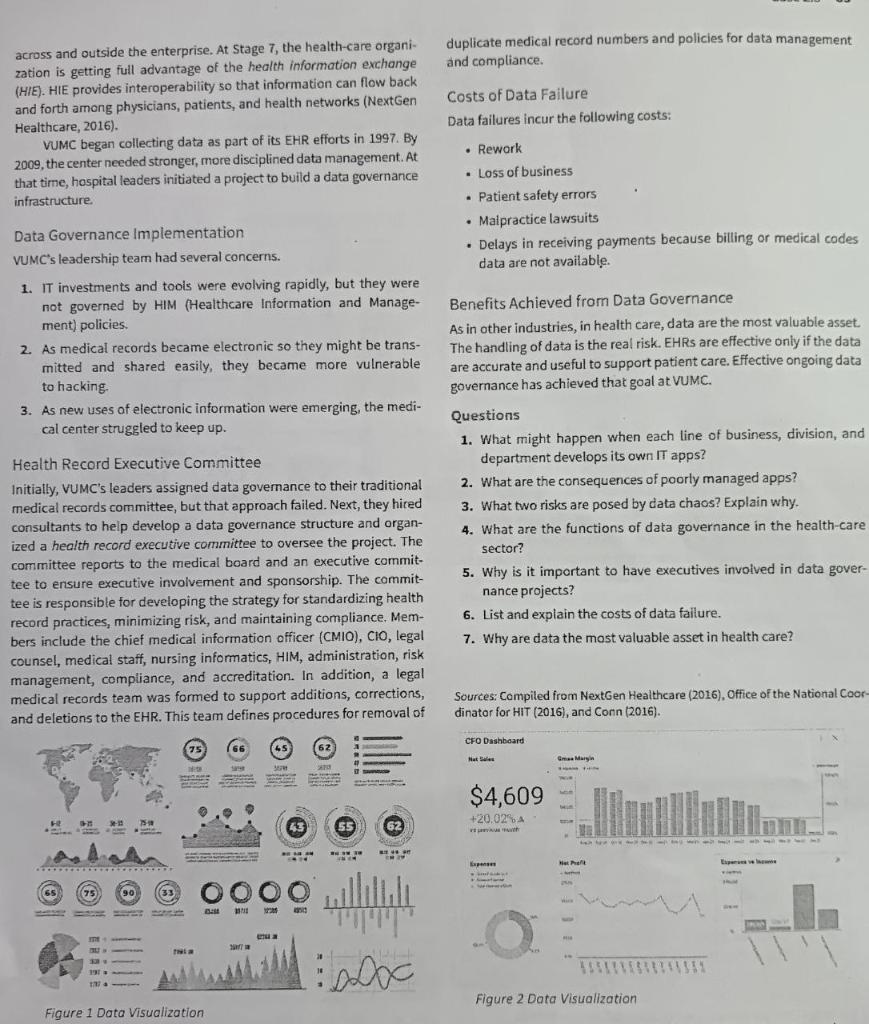
Integrating Data to Combat Data Chaos An enterprise's data are stored in many different or remote locations-creating data chaos at times. And some data may be duplicated so that they are available in multiple locations that need a quick response. Therefore, the data needed for planning, decision-making, operations, queries, and reporting are scattered or duplicated across numerous servers, data centers, devices, and cloud services. Disparate data must be unified or integrated in order for the organization to function. Data Virtualization As organizations have transitioned to a cloud-based infrastructure, data centers have become virtualized. For example, Cisco offers data virtualization, which gives greater IT flexibility. The process of data virtualization involves abstracting, transforming, merging, and delivering data from disparate sources. The main goal of data virtualization is to provide a single point of access to the data. By aggregating data from a wide range of sources users can access applications without knowing their exact location. Using data virtualization methods, enterprises can respond to change more quickly and make better decisions in real time without physically moving their data, which significantly cuts costs. Cisco Data Virtualization makes it possible to: - Have instant access to data at any time and in any format. - Respond faster to changing data analytics needs. - Cut complexity and costs. Compared to traditional (nonvirtual) data integration and replication methods, data virtualization accelerates time to value with: - Greater agility Speeds 5-10 times faster than traditional data integration methods - Streamlined approach 50-75\% time savings over data replication and consolidation methods - Better insight Instant access to data Software-Defined Data Center Data virtualization has led to the latest development in data centers - the software-defined data center (SDDC). An SDDC facilitates the integration of the various infrastructures of the SDDC silos within organizations and optimizes the use of resources, balances workloads, and maximizes operational efficiency by dynamically distributing workloads and provisioning networks. The goal of the SDDC is to decrease costs and increase agility, policy compliance, and security by deploying, operating, managing, and maintaining applications. In addition, by providing organizations with their own private cloud, SDDCs provide greater flexibility by allowing organizations to have on-demand access to their data instead of having to request permission from their cloud provider (see Figure 2.18 ). The base resources for the SDDC are computation, storage, networking, and security. Typically, the SDDC includes limited functionality of service portals, applications, OSs, VM hardware, hypervisors, physical hardware, software-defined networking, software-defined storage, a security layer, automation and management layers, catalogs, a gateway interface module, and third-party plug-ins (Figure 2.19). FIURE 2.18 Corporate IT infrastructures can consist of an on-premises data center and off-premises cloud computing. SDDC infrastructure (adapted from Sturm et al., 2017). Traditional data centers had dedicated, isolated hardware that results in poor utilization of resources and very limited flexibility. Second-generation virtualization data cases improved resource use by consolidating virtualized servers. By reducing the steps needed to decrease the time it takes to deploy workloads, facilitating the definition of applications and resource needs, the SDDC creates an even more flexible environment in which enterprise applications can be quickly reconfigured and supported to provide infrastructure-as a service (laaS). Transitioning to an SDDC enables an organization to optimize its resource usage, provide capacity on demand, improve business-IT alignment, improve agility and flexibility of operations, and save money (Figure 2.20). across and outside the enterprise. At Stage 7 , the health-care organi- duplicate medical record numbers and policies for data management zation is getting full advantage of the health information exchange and compliance. 1. IT investments and toois were evolving rapidly, but they were not governed by HIM (Healthcare Information and Manage- Benefits Achieved from Data Governance 3. As new uses of electronic information were emerging, the medi- Questions cal center struggled to keep up. 1. What might happen when each line of business, division, and Health Record Executive Committee department develops its own IT apps? Initially, VUMC's leaders assigned data governance to their traditional 2. What are the consequences of poorly managed apps? medical records committee, but that approach failed. Next, they hired 3. What two risks are posed by data chaos? Explain why. consultants to help develop a data governance structure and organ- 4. What are the functions of data governance in the health-care ized a health record executive committee to oversee the project. The sector? committee reports to the medical board and an executive commit- 5. Why is it important to have executives involved in data govertee to ensure executive involvement and sponsorship. The commitnance projects? tee is responsible for developing the strategy for standardizing health 6. List and explain the costs of data failure. record practices, minimizing risk, and maintaining compliance, Mem- 7. Why are data the most valuable asset in health care? counsel, medical staff, nursing infomatics, HIM, administration, risk management, compliance, and accreditation. In addition, a legal medical records team was formed to support additions, corrections, Sources: Compiled from NextGen Healthcare (2016), Office of the National Coorand deletions to the EHR. This team defines procedures for removal of dinator for HIT (2016), and Conn (2016). Figure 1 Data Visualization









 Study Help