







Question: Really needs help with my project. please show workings. can contain viruses. Unless you need to edit, it's Assignments must be legible and well-organized. Students
Really needs help with my project. please show workings.
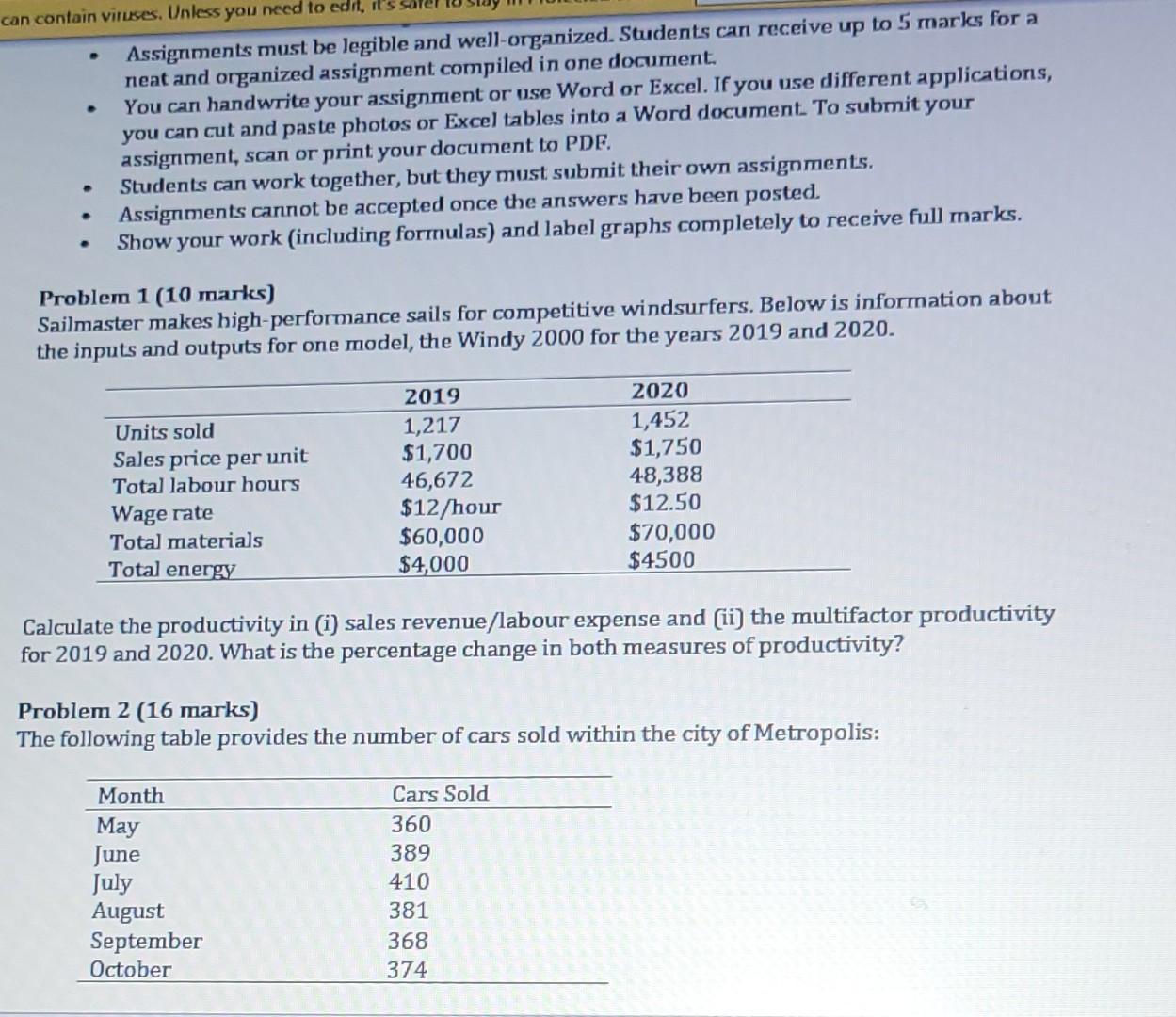
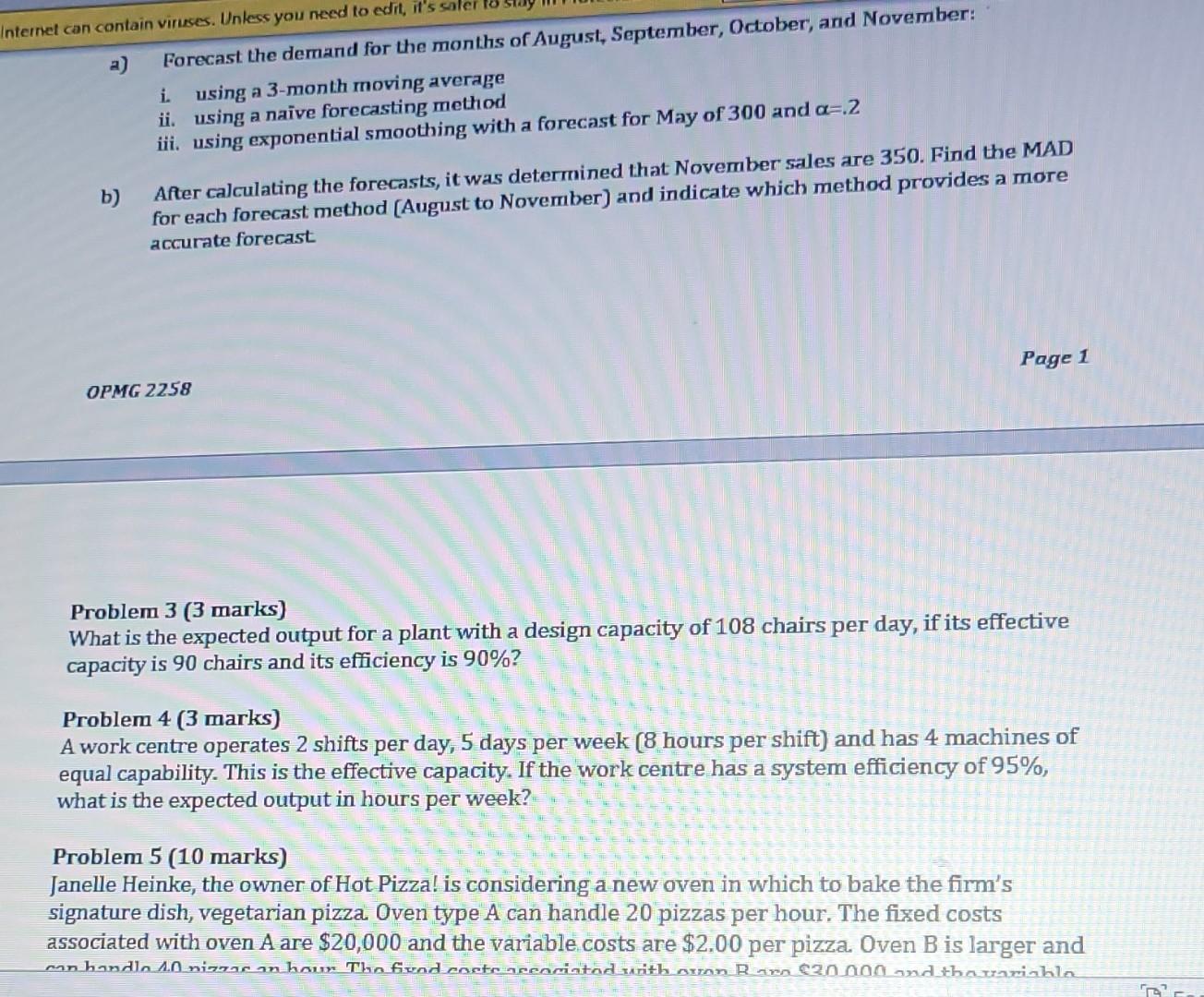
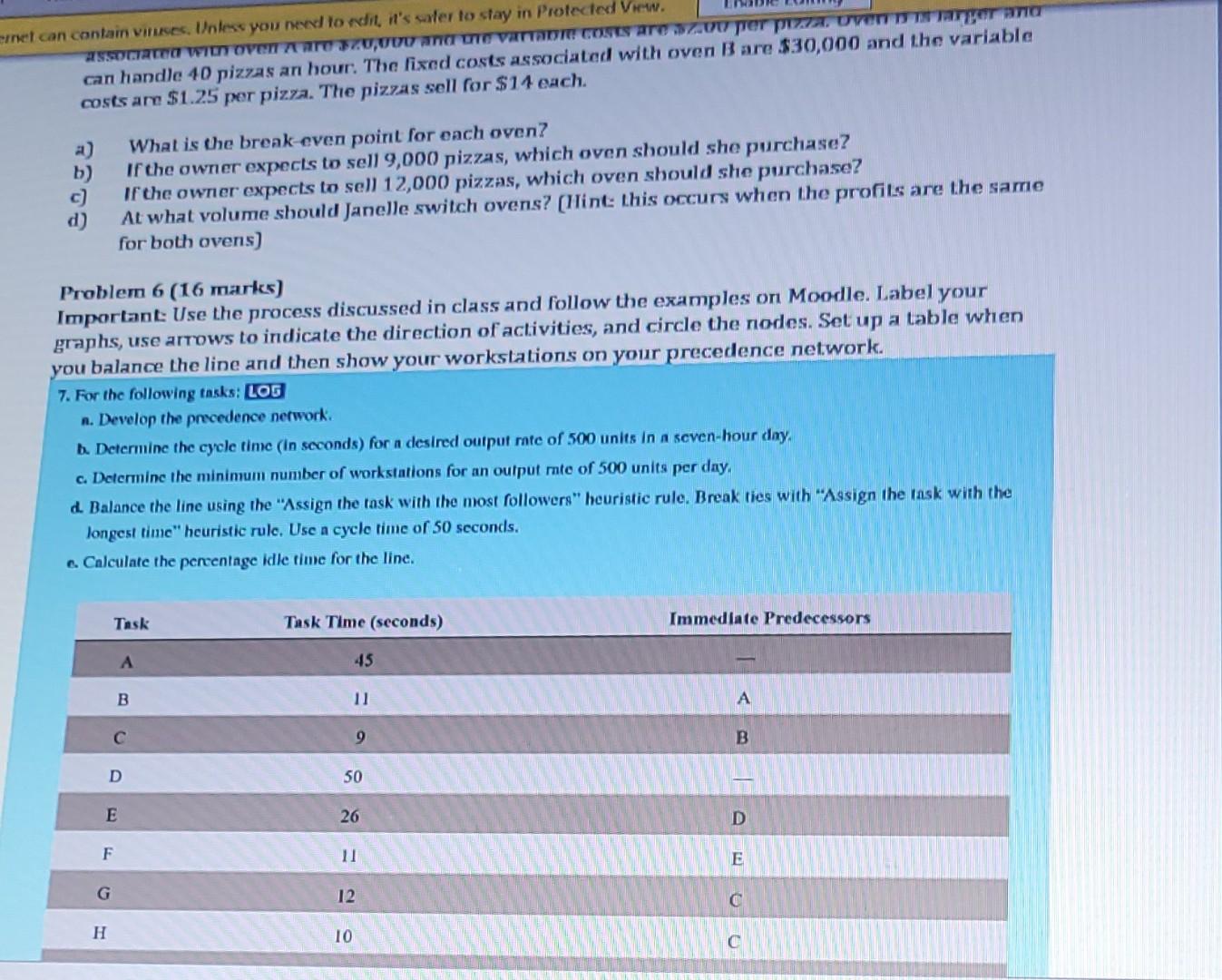
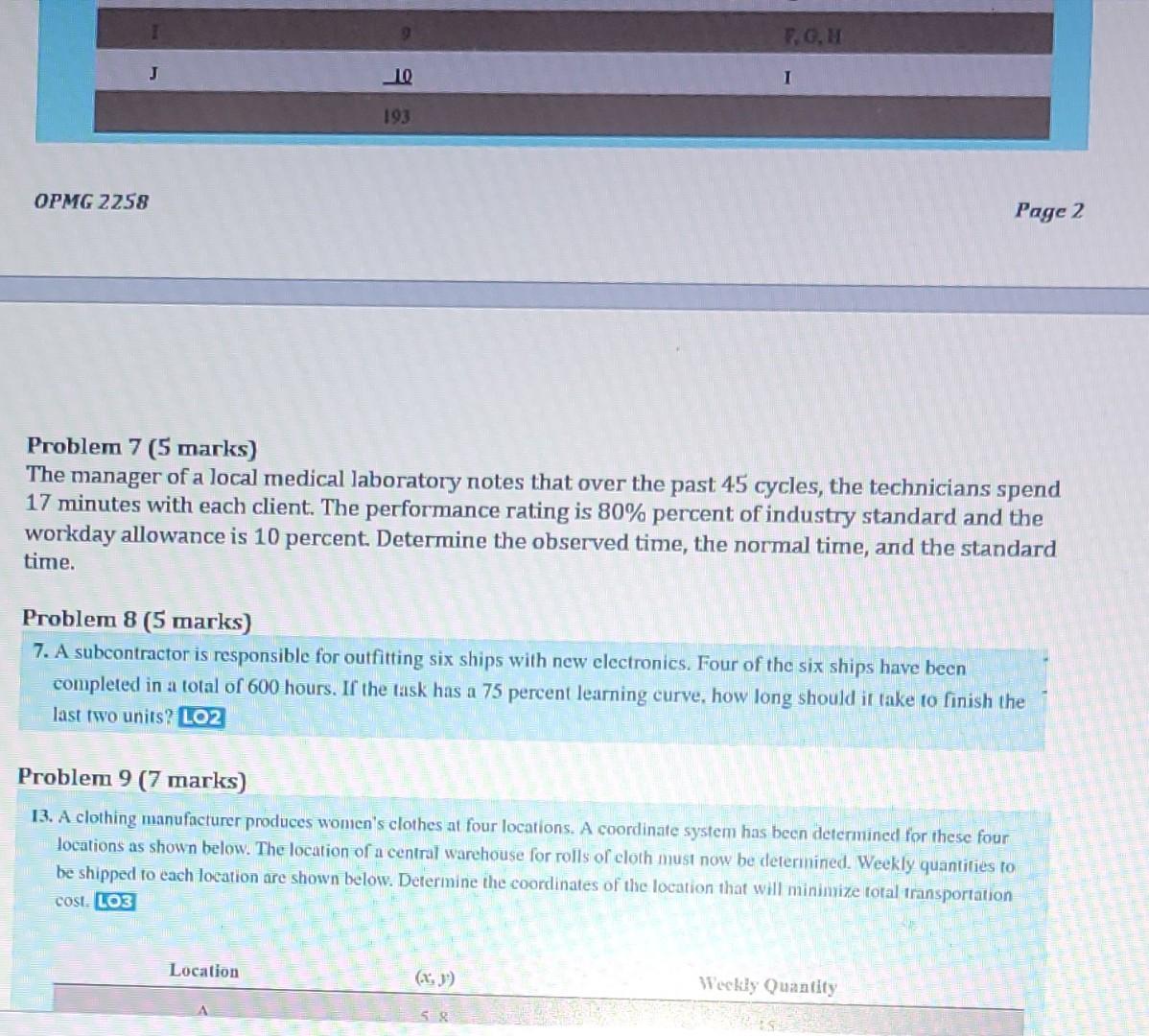
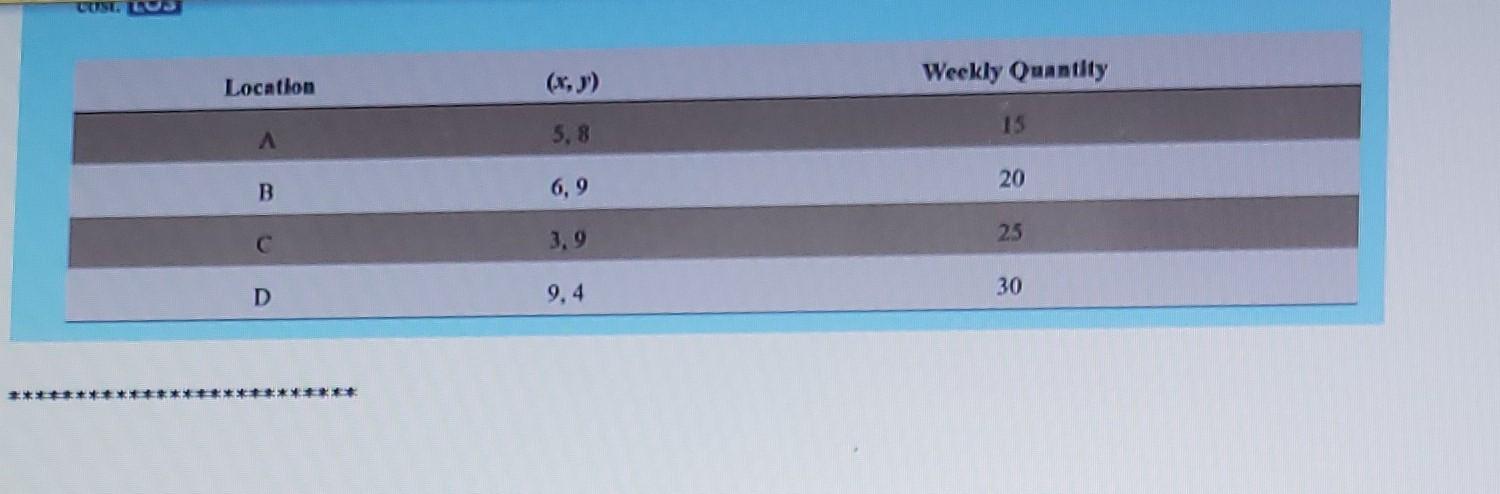
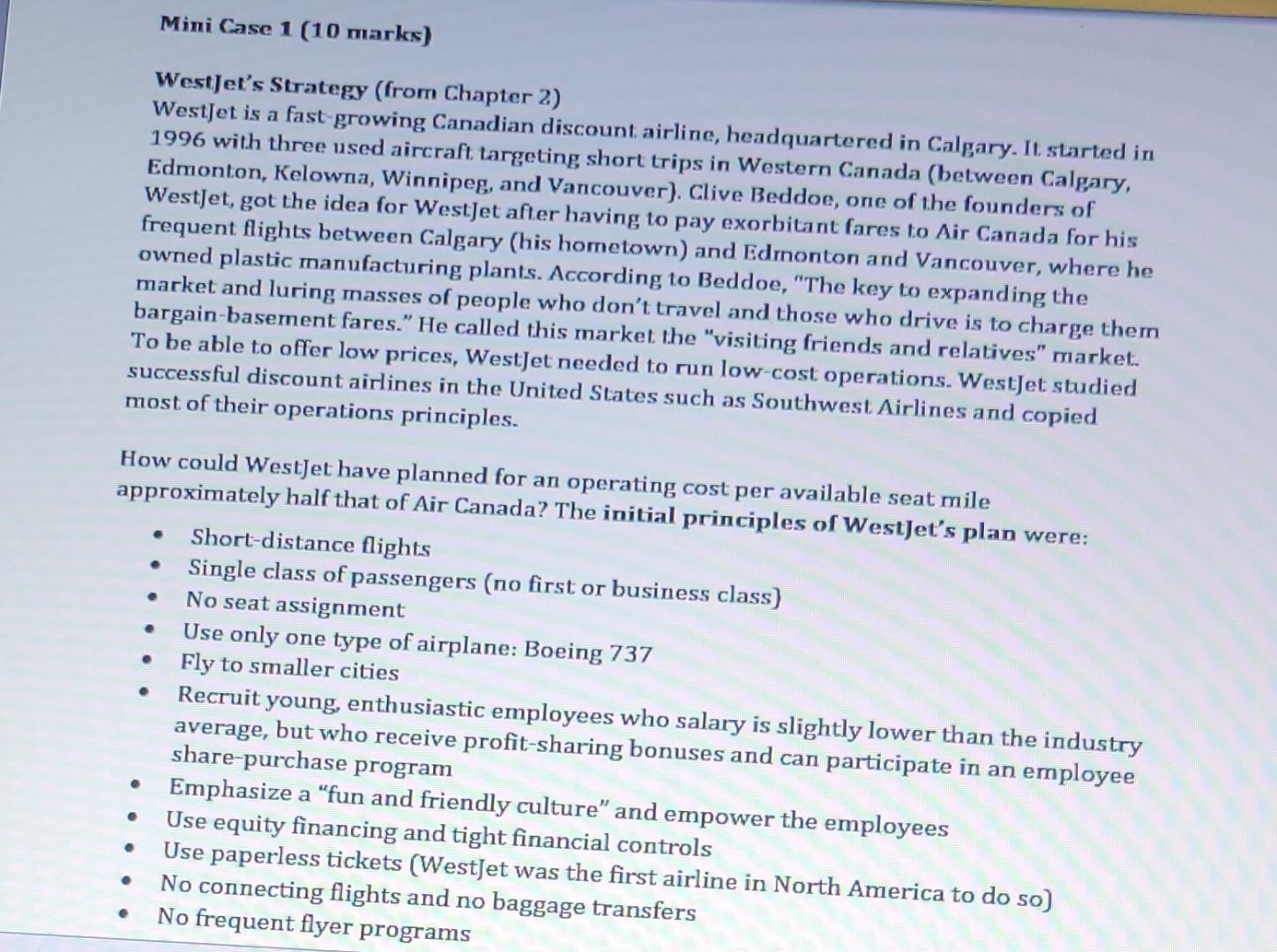
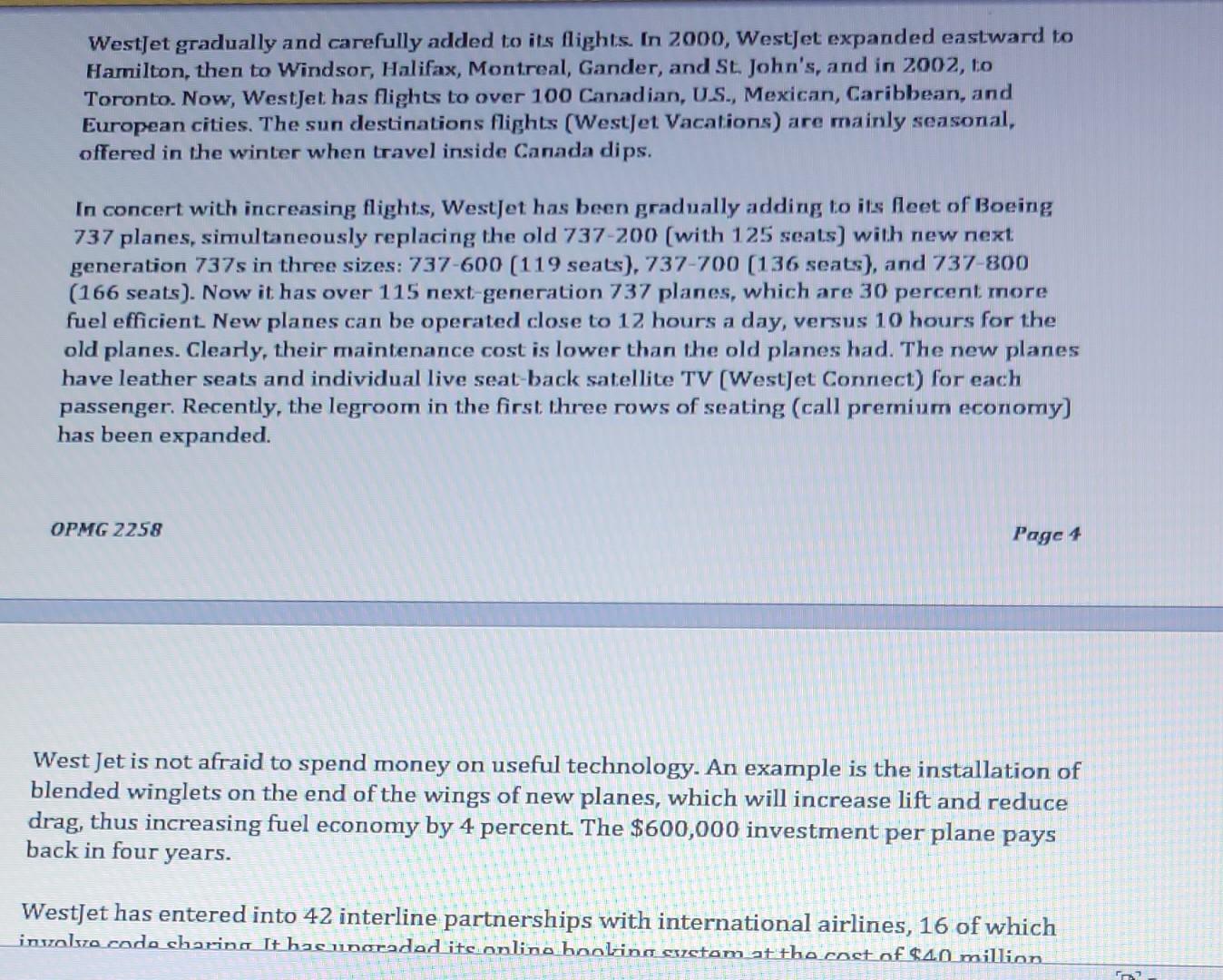
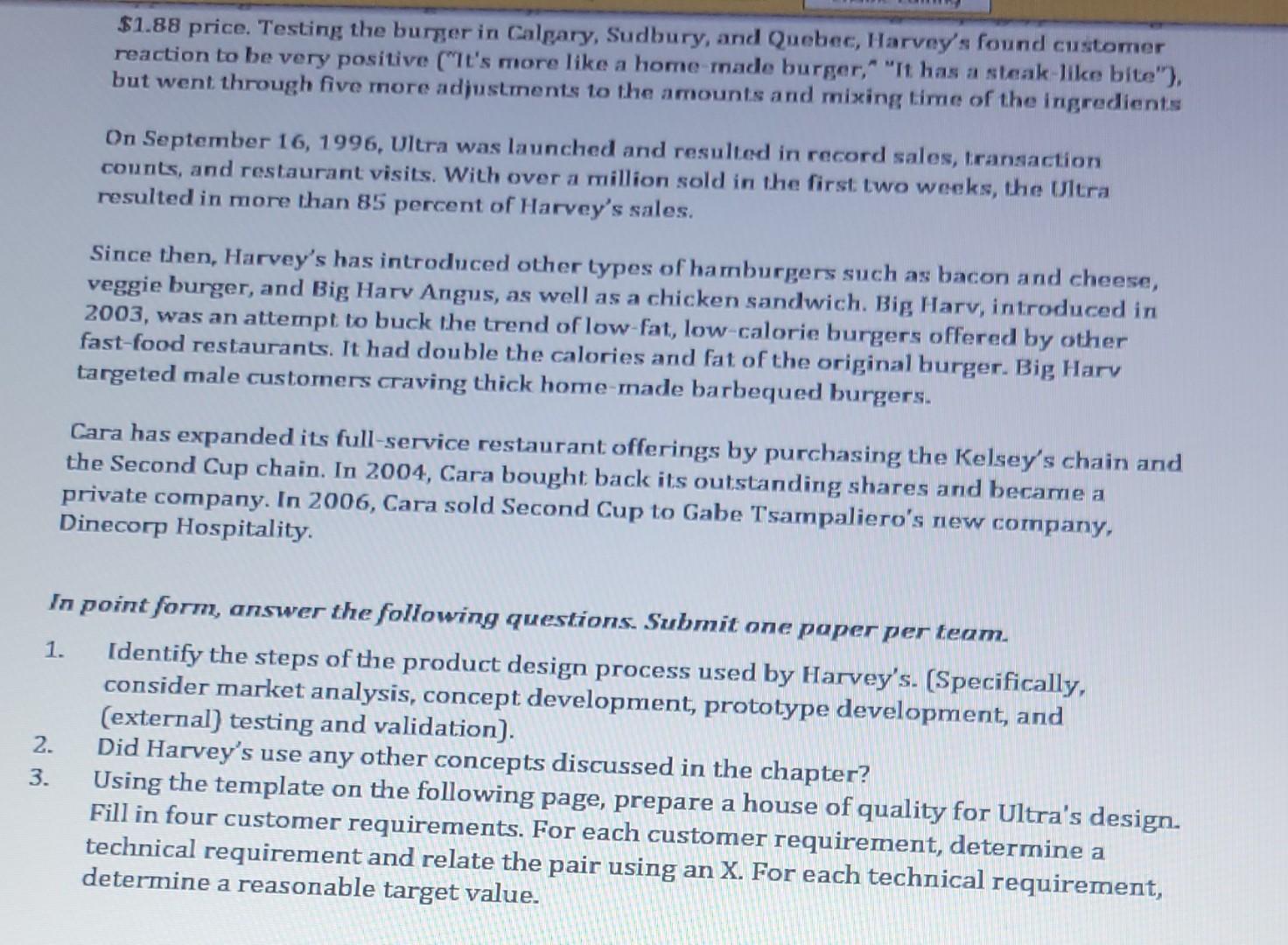
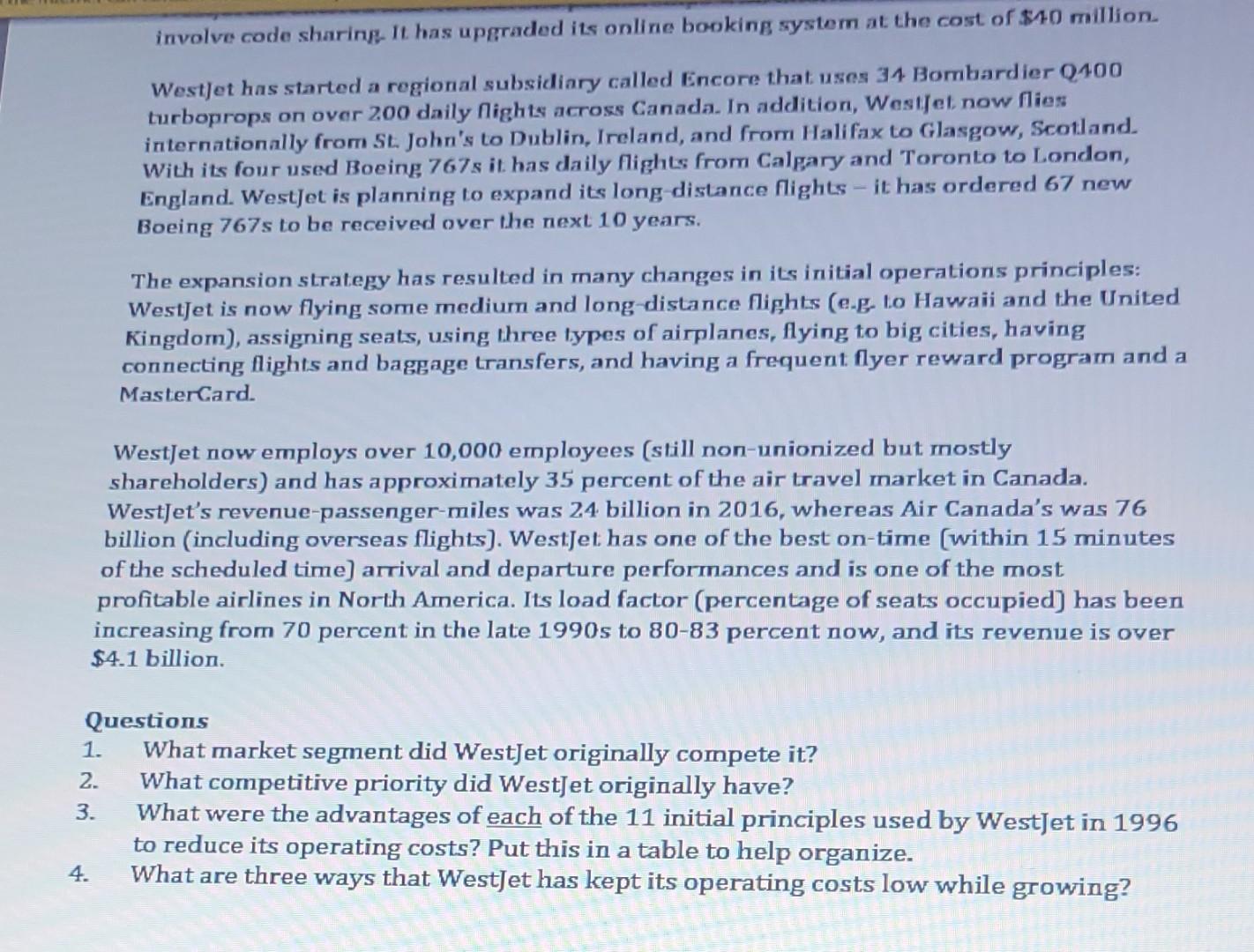
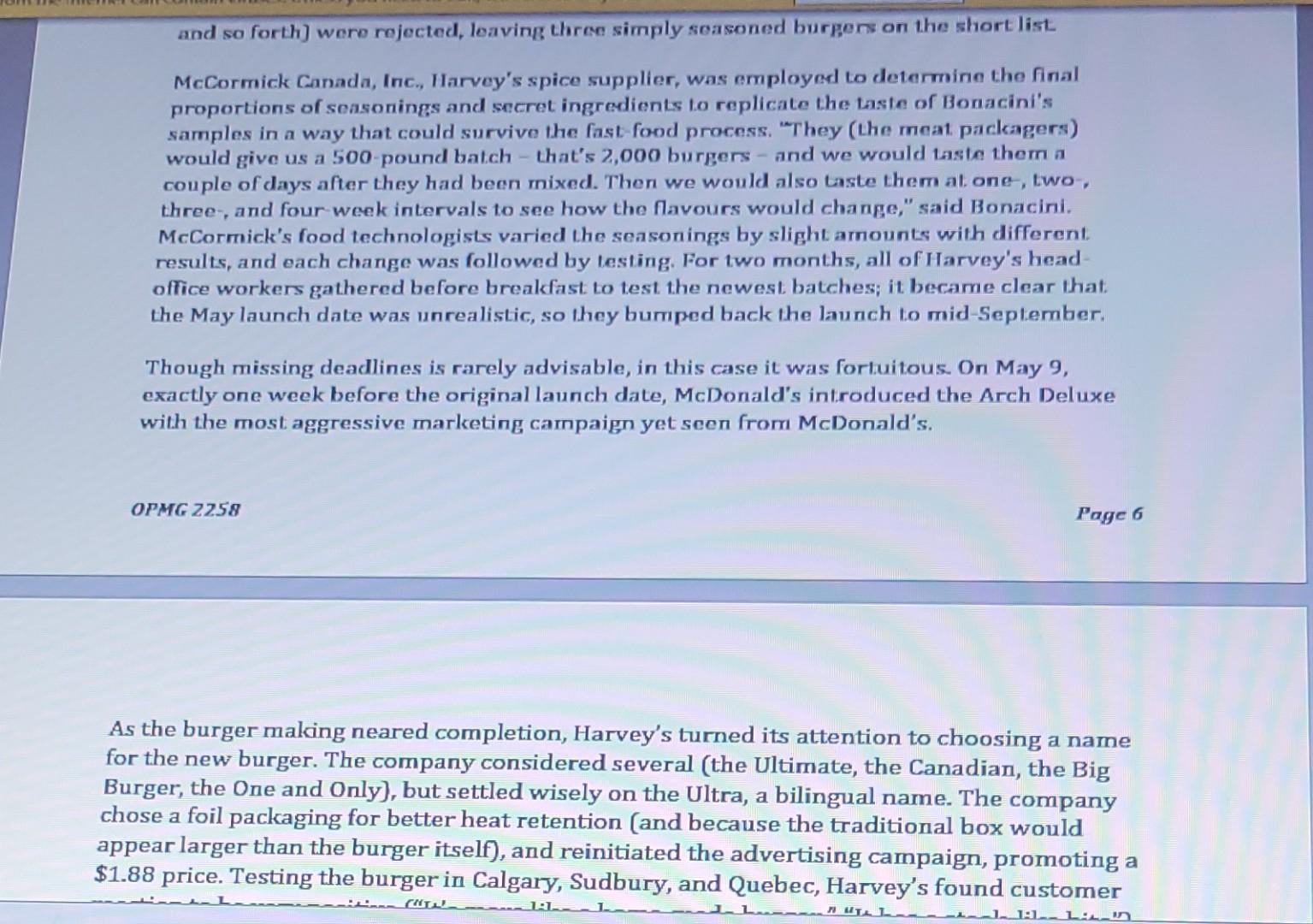
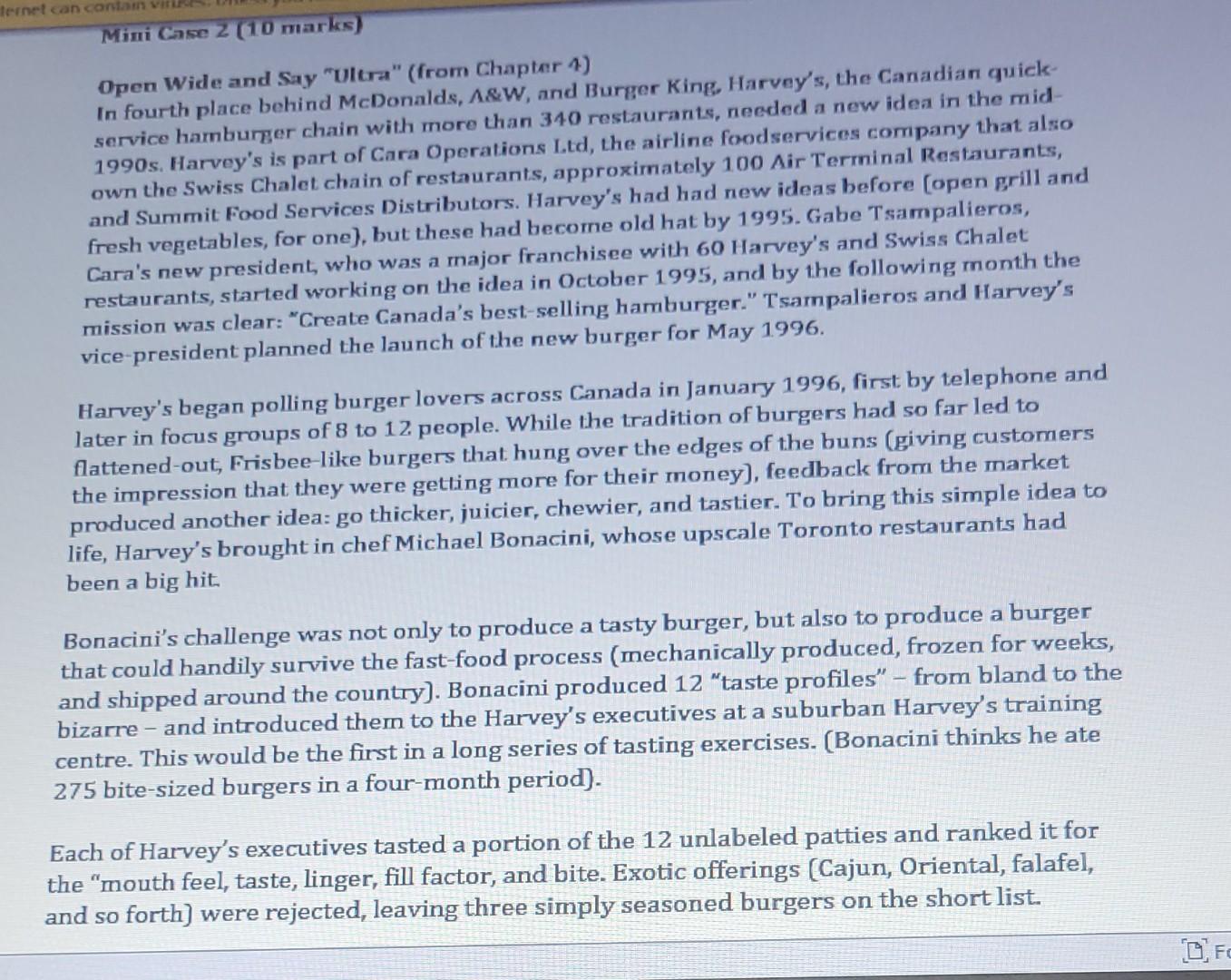
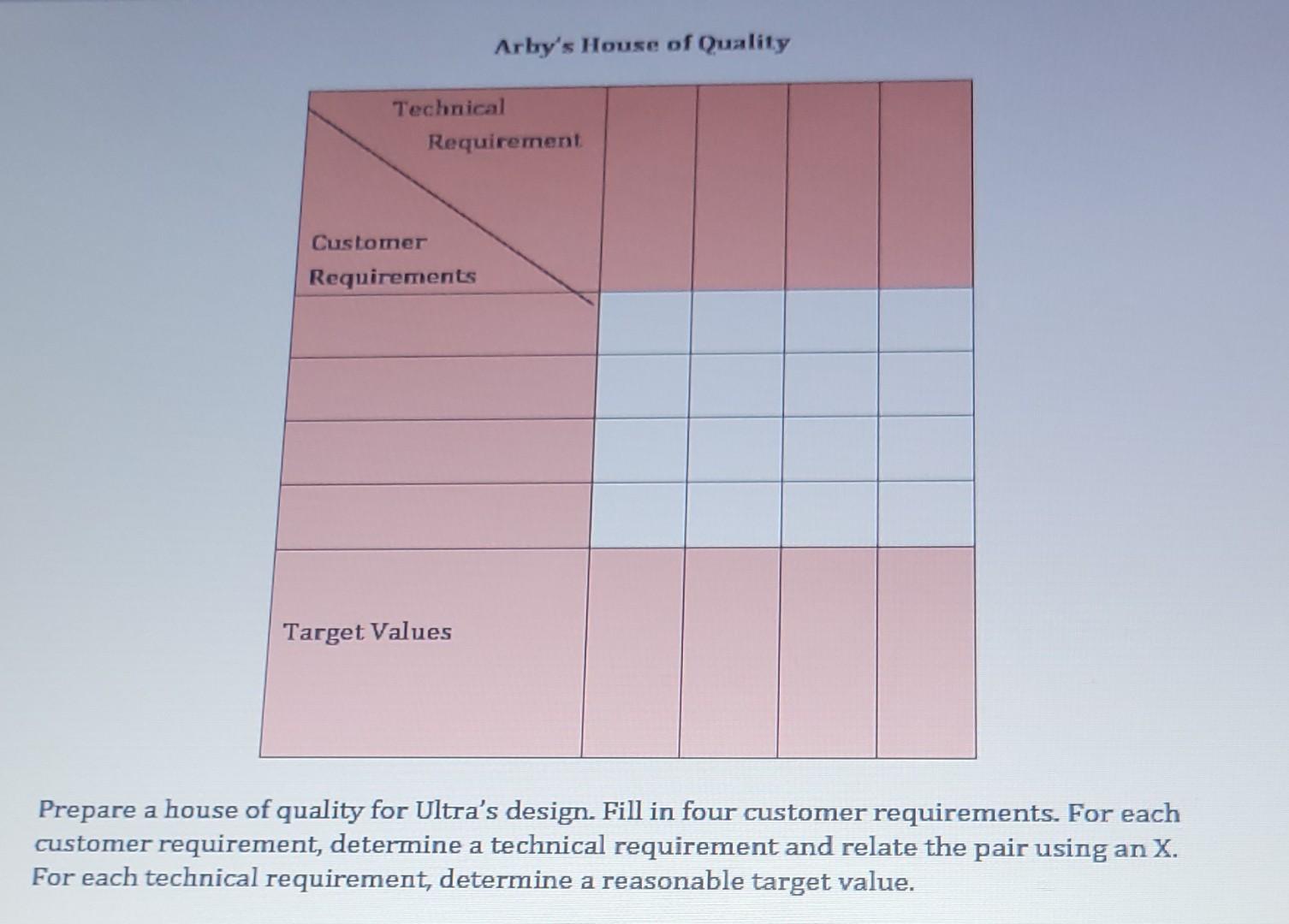
can contain viruses. Unless you need to edit, it's Assignments must be legible and well-organized. Students can receive up to 5 marks for a neat and organized assignment compiled in one document. You can handwrite your assignment or use Word or Excel. If you use different applications, you can cut and paste photos or Excel tables into a Word document. To submit your assignment, scan or print your document to PDF. . Students can work together, but they must submit their own assignments. . Assignments cannot be accepted once the answers have been posted. . Show your work (including formulas) and label graphs completely to receive full marks. Problem 1 (10 marks) Sailmaster makes high-performance sails for competitive windsurfers. Below is information about the inputs and outputs for one model, the Windy 2000 for the years 2019 and 2020. 2019 2020 Units sold 1,217 1,452 Sales price per unit $1,700 $1,750 Total labour hours 46,672 48,388 Wage rate $12/hour $12.50 Total materials $60,000 $70,000 Total energy $4,000 $4500 Calculate the productivity in (i) sales revenue/labour expense and (ii) the multifactor productivity for 2019 and 2020. What is the percentage change in both measures of productivity? Problem 2 (16 marks) The following table provides the number of cars sold within the city of Metropolis: Month Cars Sold May 360 June 389 T 410 July August September October 381 368 374 Internet can contain viruses. Unless you need to edit, it's saler a) Forecast the demand for the months of August, September, October, and November: i. using a 3-month moving average ii. using a naive forecasting method iii. using exponential smoothing with a forecast for May of 300 and a=.2 b) After calculating the forecasts, it was determined that November sales are 350. Find the MAD for each forecast method (August to November) and indicate which method provides a more accurate forecast OPMG 2258 Page 1 Problem 3 (3 marks) What is the expected output for a plant with a design capacity of 108 chairs per day, if its effective capacity is 90 chairs and its efficiency is 90%? Problem 4 (3 marks) A work centre operates 2 shifts per day, 5 days per week (8 hours per shift) and has 4 machines of equal capability. This is the effective capacity. If the work centre has a system efficiency of 95%, what is the expected output in hours per week? Problem 5 (10 marks) Janelle Heinke, the owner of Hot Pizza! is considering a new oven in which to bake the firm's signature dish, vegetarian pizza. Oven type A can handle 20 pizzas per hour. The fixed costs associated with oven A are $20,000 and the variable costs are $2.00 per pizza. Oven B is larger and can handla 40 pizzac an hour The fixed costs accociated with oron Rar 30.000 and the variabla ernet can contain viruses. Unless you need to edit, it's safer to stay in Protected View. associated with oven A are $20,000 and the variable costs are $2.00 per pizza. Oven 11 larger and can handle 40 pizzas an hour. The fixed costs associated with oven B are $30,000 and the variable costs are $1.25 per pizza. The pizzas sell for $14 each. 1) What is the break-even point for each oven? b) If the owner expects to sell 9,000 pizzas, which oven should she purchase? c] If the owner expects to sell 12,000 pizzas, which oven should she purchase? d) At what volume should Janelle switch ovens? (Hint: this occurs when the profits are the same for both ovens] Problem 6 (16 marks] Important: Use the process discussed in class and follow the examples on Moodle. Label your graphs, use arrows to indicate the direction of activities, and circle the nodes. Set up a table when you balance the line and then show your workstations on your precedence network. 7. For the following tasks: LOS n. Develop the precedence network. b. Determine the cycle time (in seconds) for a desired output rate of 500 units in a seven-hour day. c. Determine the minimum number of workstations for an output rate of 500 units per day. d. Balance the line using the "Assign the task with the most followers" heuristic rule. Break ties with "Assign the task with the longest time" heuristic rule. Use a cycle time of 50 seconds. e. Calculate the percentage idle time for the line. Task Task Time (seconds) Immediate Predecessors A 45 11 A 9 B C D E F G H 50 26 11 12 10 B D E C C F. G. H J 10 193 OPMG 2258 Page 2 Problem 7 (5 marks) The manager of a local medical laboratory notes that over the past 45 cycles, the technicians spend 17 minutes with each client. The performance rating is 80% percent of industry standard and the workday allowance is 10 percent. Determine the observed time, the normal time, and the standard time. Problem 8 (5 marks) 7. A subcontractor is responsible for outfitting six ships with new electronics. Four of the six ships have been completed in a total of 600 hours. If the task has a 75 percent learning curve, how long should it take to finish the last two units? LO2 Problem 9 (7 marks) 13. A clothing manufacturer produces women's clothes at four locations. A coordinate system has been determined for these four locations as shown below. The location of a central warehouse for rolls of cloth must now be determined. Weekly quantities to be shipped to each location are shown below. Determine the coordinates of the location that will minimize total transportation cost. LO3 Location (x, y) Weekly Quantity 58 COST. LOS Location A B C D 5,8 6,9 3,9 9,4 Weekly Quantity 15 20 25 30 Mini Case 1 (10 marks) WestJet's Strategy (from Chapter 2) WestJet is a fast-growing Canadian discount airline, headquartered in Calgary. It started in 1996 with three used aircraft targeting short trips in Western Canada (between Calgary, Edmonton, Kelowna, Winnipeg, and Vancouver). Clive Beddoe, one of the founders of WestJet, got the idea for WestJet after having to pay exorbitant fares to Air Canada for his frequent flights between Calgary (his hometown) and Edmonton and Vancouver, where he owned plastic manufacturing plants. According to Beddoe, "The key to expanding the market and luring masses of people who don't travel and those who drive is to charge them bargain-basement fares." He called this market the "visiting friends and relatives" market. To be able to offer low prices, WestJet needed to run low-cost operations. WestJet studied successful discount airlines in the United States such as Southwest Airlines and copied most of their operations principles. How could WestJet have planned for an operating cost per available seat mile approximately half that of Air Canada? The initial principles of WestJet's plan were: Short-distance flights Single class of passengers (no first or business class} No seat assignment Use only one type of airplane: Boeing 737 Fly to smaller cities Recruit young, enthusiastic employees who salary is slightly lower than the industry average, but who receive profit-sharing bonuses and can participate in an employee share-purchase program Emphasize a "fun and friendly culture" and empower the employees Use equity financing and tight financial controls Use paperless tickets (WestJet was the first airline in North America to do so) No connecting flights and no baggage transfers No frequent flyer programs WestJet gradually and carefully added to its flights. In 2000, WestJet expanded eastward to Hamilton, then to Windsor, Halifax, Montreal, Gander, and St. John's, and in 2002, to Toronto. Now, WestJet has flights to over 100 Canadian, U.S., Mexican, Caribbean, and European cities. The sun destinations flights (WestJet Vacations) are mainly seasonal, offered in the winter when travel inside Canada dips. In concert with increasing flights, WestJet has been gradually adding to its fleet of Boeing 737 planes, simultaneously replacing the old 737-200 (with 125 seats) with new next generation 737s in three sizes: 737-600 [119 seats), 737-700 [136 seats), and 737-800 (166 seats). Now it has over 115 next-generation 737 planes, which are 30 percent more fuel efficient. New planes can be operated close to 12 hours a day, versus 10 hours for the old planes. Clearly, their maintenance cost is lower than the old planes had. The new planes have leather seats and individual live seat-back satellite TV (WestJet Connect) for each passenger. Recently, the legroom in the first three rows of seating (call premium economy] has been expanded. OPMG 2258 Page 4 West Jet is not afraid to spend money on useful technology. An example is the installation of blended winglets on the end of the wings of new planes, which will increase lift and reduce drag, thus increasing fuel economy by 4 percent. The $600,000 investment per plane pays back in four years. WestJet has entered into 42 interline partnerships with international airlines, 16 of which involve code sharing It has ungradad its online booking system at the cost of $40 million 2 $1.88 price. Testing the burger in Calgary, Sudbury, and Quebec, Harvey's found customer reaction to be very positive ("It's more like a home-made burger," "It has a steak-like bite"), but went through five more adjustments to the amounts and mixing time of the ingredients On September 16, 1996, Ultra was launched and resulted in record sales, transaction counts, and restaurant visits. With over a million sold in the first two weeks, the Ultra resulted in more than 85 percent of Harvey's sales. Since then, Harvey's has introduced other types of hamburgers such as bacon and cheese, veggie burger, and Big Harv Angus, as well as a chicken sandwich. Big Harv, introduced in 2003, was an attempt to buck the trend of low-fat, low-calorie burgers offered by other fast-food restaurants. It had double the calories and fat of the original burger. Big Harv targeted male customers craving thick home-made barbequed burgers. Cara has expanded its full-service restaurant offerings by purchasing the Kelsey's chain and the Second Cup chain. In 2004, Cara bought back its outstanding shares and became a private company. In 2006, Cara sold Second Cup to Gabe Tsampaliero's new company, Dinecorp Hospitality. In point form, answer the following questions. Submit one paper per team. 1. Identify the steps of the product design process used by Harvey's. (Specifically, consider market analysis, concept development, prototype development, and (external) testing and validation). 2. Did Harvey's use any other concepts discussed in the chapter? 3. Using the template on the following page, prepare a house of quality for Ultra's design. Fill in four customer requirements. For each customer requirement, determine a technical requirement and relate the pair using an X. For each technical requirement, determine a reasonable target value. involve code sharing. It has upgraded its online booking system at the cost of $40 million. WestJet has started a regional subsidiary called Encore that uses 34 Bombardier Q400 turboprops on over 200 daily flights across Canada. In addition, WestJet now flies internationally from St. John's to Dublin, Ireland, and from Halifax to Glasgow, Scotland. With its four used Boeing 767s it has daily flights from Calgary and Toronto to London, England. WestJet is planning to expand its long distance flights - it has ordered 67 new Boeing 767s to be received over the next 10 years. The expansion strategy has resulted in many changes in its initial operations principles: WestJet is now flying some medium and long distance flights (e.g. to Hawaii and the United Kingdom), assigning seats, using three types of airplanes, flying to big cities, having connecting flights and baggage transfers, and having a frequent flyer reward program and a MasterCard. WestJet now employs over 10,000 employees (still non-unionized but mostly shareholders) and has approximately 35 percent of the air travel market in Canada. WestJet's revenue-passenger-miles was 24 billion in 2016, whereas Air Canada's was 76 billion (including overseas flights). WestJet has one of the best on-time (within 15 minutes of the scheduled time) arrival and departure performances and is one of the most profitable airlines in North America. Its load factor (percentage of seats occupied] has been increasing from 70 percent in the late 1990s to 80-83 percent now, and its revenue is over $4.1 billion. Questions 1. What market segment did WestJet originally compete it? What competitive priority did WestJet originally have? 2. 3. What were the advantages of each of the 11 initial principles used by WestJet in 1996 to reduce its operating costs? Put this in a table to help organize. 4. What are three ways that WestJet has kept its operating costs low while growing? and so forth] were rejected, leaving three simply seasoned burgers on the short list. McCormick Canada, Inc., Harvey's spice supplier, was employed to determine the final proportions of seasonings and secret ingredients to replicate the taste of Bonacini's samples in a way that could survive the fast-food process. "They (the meat packagers) would give us a 500-pound batch - that's 2,000 burgers and we would taste them a couple of days after they had been mixed. Then we would also taste them at one, two-, three-, and four week intervals to see how the flavours would change," said Bonacini. McCormick's food technologists varied the seasonings by slight amounts with different. results, and each change was followed by testing. For two months, all of Harvey's head- office workers gathered before breakfast to test the newest batches; it became clear that. the May launch date was unrealistic, so they bumped back the launch to mid-September. Though missing deadlines is rarely advisable, in this case it was fortuitous. On May 9, exactly one week before the original launch date, McDonald's introduced the Arch Deluxe with the most aggressive marketing campaign yet seen from McDonald's. OPMG 2258 Page 6 As the burger making neared completion, Harvey's turned its attention to choosing a name for the new burger. The company considered several (the Ultimate, the Canadian, the Big Burger, the One and Only), but settled wisely on the Ultra, a bilingual name. The company chose a foil packaging for better heat retention (and because the traditional box would appear larger than the burger itself), and reinitiated the advertising campaign, promoting a $1.88 price. Testing the burger in Calgary, Sudbury, and Quebec, Harvey's found customer (NTA 1:1 L AUTA L 11:11:5 ternet can contain viri Mini Case 2 (10 marks) Open Wide and Say "Ultra" (from Chapter 4) In fourth place behind McDonalds, A&W, and Burger King, Harvey's, the Canadian quick- service hamburger chain with more than 340 restaurants, needed a new idea in the mid- 1990s. Harvey's is part of Cara Operations Ltd, the airline foodservices company that also own the Swiss Chalet chain of restaurants, approximately 100 Air Terminal Restaurants, and Summit Food Services Distributors. Harvey's had had new ideas before [open grill and fresh vegetables, for one), but these had become old hat by 1995. Gabe Tsampalieros, Cara's new president, who was a major franchisee with 60 Harvey's and Swiss Chalet restaurants, started working on the idea in October 1995, and by the following month the mission was clear: "Create Canada's best-selling hamburger." Tsampalieros and Harvey's vice-president planned the launch of the new burger for May 1996. Harvey's began polling burger lovers across Canada in January 1996, first by telephone and later in focus groups of 8 to 12 people. While the tradition of burgers had so far led to flattened-out, Frisbee-like burgers that hung over the edges of the buns (giving customers the impression that they were getting more for their money], feedback from the market produced another idea: go thicker, juicier, chewier, and tastier. To bring this simple idea to life, Harvey's brought in chef Michael Bonacini, whose upscale Toronto restaurants had been a big hit. Bonacini's challenge was not only to produce a tasty burger, but also to produce a burger that could handily survive the fast-food process (mechanically produced, frozen for weeks, and shipped around the country]. Bonacini produced 12 "taste profiles" - from bland to the bizarre - and introduced them to the Harvey's executives at a suburban Harvey's training centre. This would be the first in a long series of tasting exercises. (Bonacini thinks he ate 275 bite-sized burgers in a four-month period). Each of Harvey's executives tasted a portion of the 12 unlabeled patties and ranked it for the "mouth feel, taste, linger, fill factor, and bite. Exotic offerings (Cajun, Oriental, falafel, and so forth) were rejected, leaving three simply seasoned burgers on the short list. DFC Arby's House of Quality Technical Requirement Customer Requirements Target Values Prepare a house of quality for Ultra's design. Fill in four customer requirements. For each customer requirement, determine a technical requirement and relate the pair using an X. For each technical requirement, determine a reasonable target valueStep by Step Solution
There are 3 Steps involved in it
1 Expert Approved Answer
Step: 1 Unlock

Question Has Been Solved by an Expert!
Get step-by-step solutions from verified subject matter experts
Step: 2 Unlock
Step: 3 Unlock
 Study Help