







Question: Really need your help in breaking each part down Where I'm able to understand the concept, Please I need your lead on this. Thank you




Really need your help in breaking each part down Where I'm able to understand the concept, Please I need your lead on this. Thank you for your help
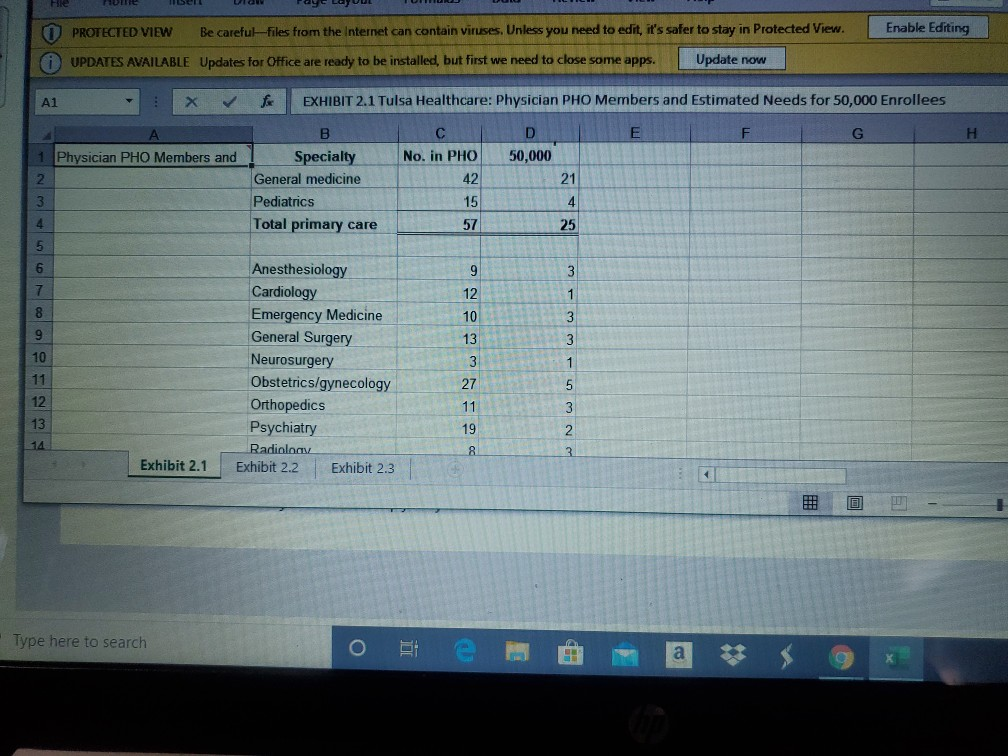
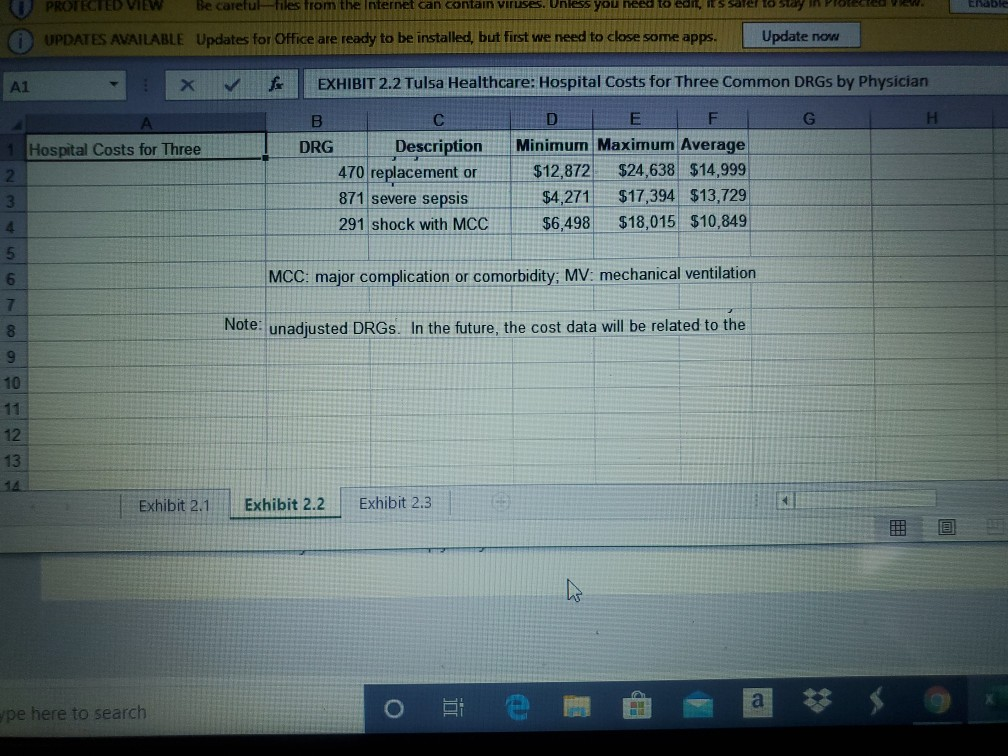
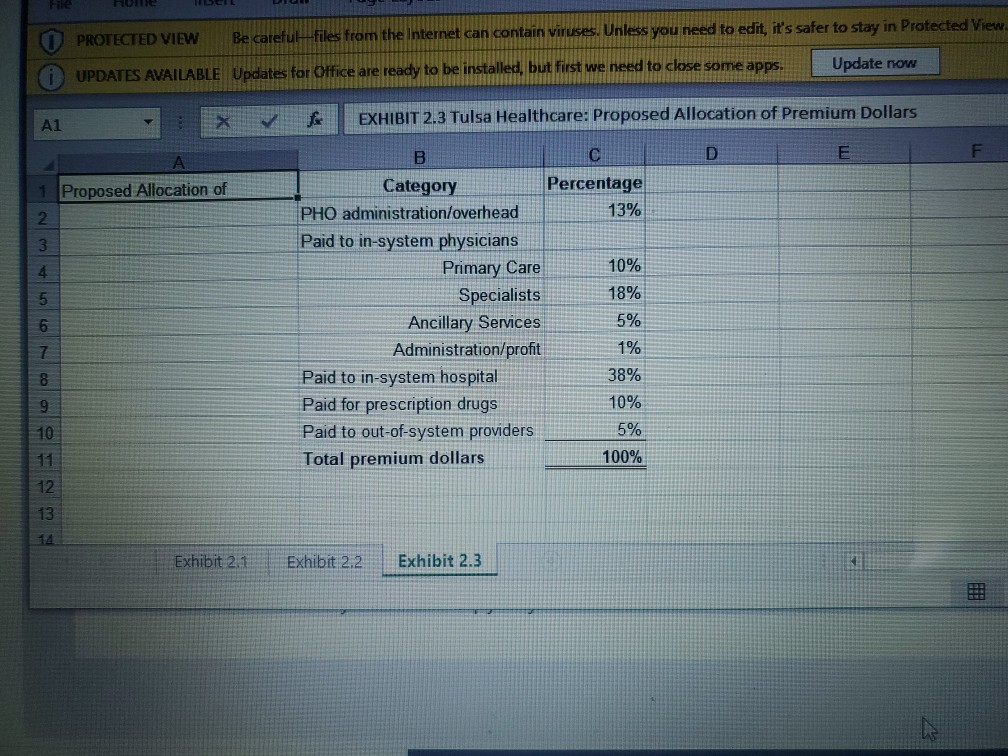
Tulsa Memorial Hospital is a community hospital in Tulsa, Oklahoma Recently, the hospital and its allikated physicians formed Tulsa Memorial Healthcare (TMH), a physician hospital organization (PHO). TMH is dose lo signing its first contract to provide exdusive local healthcare services to enrollees in Sooner Care (the Plan), the local Blue Cross Blue Shield of Oklahoma HMO. For the past several years, the Plan has contracted with a different Tulsa PHO, but financial difficulties at that organization have prompted the Plan to consider TMH as an alterative. In the proposed contract, TMH will assume full risk for patient utilization. In fact, the proposal calls for TMH to receive a fixed premium of $200 per member per month from the Plan, which it then can allocate to each provider component in any way it deems best using any reimbursement method it chooses. TMH's executive director, Dr. Randy Wilson, a cardiologist and recent graduate of the University of Oklahoma Nonresident Program in Administrative Medicine, is evaluating the Plan's proposal. To help do this, Dr. Wilson hired a consulting firm that specializes in PHO contracting. The first task of the consulting firm was to review TMH's current medical panel and estimate the number of physicians, by specialty, required to support the Plan's patent population of 50,000, assuming aggressive utilization management. The results in exhibit 3.1 show that TMH's medical panel currently consists of 249 physicians, whereas the number of physicians required to support the Plan's patient population is only 61. Note, however, that TMH physicians serve patients other than those in the Plan. Thus, the total number of physicians required to treat all of TMH's patients far exceeds the 61 shown in the right column of exhibit 3.1 C Focus a The second task of the consulting firm was to analyze IMH phys pattems. Clearly, utilization, and hence, cost is driven by TMH-'s physicians and that variation in practice patterns. Results of the analysis show significant variation in practice patterns, both in the physicians' offices and in the hospital. For example, exhibit 3.2 contains summary data on hospital costs by physician for three common diagnosis related groups (DRGs). Consider DRG 470 (major joint replacement). The physician with the lowest hospital costs averaged $12,872 in costs per patient, the highest-cost physician averaged $24,638, and the average cost for all physicians was $14,999. The consulting firm commented that reducing this variation is important because TMH is at full risk for patient utilization The third task of the consulting firm was to recommend an appropriate allocation of the premium dollars to each category of provider. Specifically, the contract calls for TMH to receive $200 per member per month, for a total annual revenue of$200 x 50,000 members x 12 months = 120 million. To reduce potential conflicts about how to divide the 120 million among providers, the consulting firm proposed a "status quo" allocation that would maintain the current revenue distribution percentages shown exhibit 3.3. The final task of the consulting firm was to recommend provider reimbursement methodologies that create appropriate incentives. In the contract, TMH assumes full risk for patient utilization, so the consulting firm recommended that all component providers be capitated to align cost minimization incentives throughout TMH. Furthermore, capitation of all providers would eliminate the need for risk pools, a risk-sharing arrangement that TMH has never used. In addition to the consulting firm's report, Dr. Wilson decided to ask TMH's new operations committee for a short report on the current line of thinking among TMH's major DF o a W hospital achieved an operating margin of about 3 percent. However, hospital managers are concerned about its profitability if the Plan's proposal is accepted. The managers believe that controlling costs under the fullrisk contract would require extraordinary efforts and that the most effective way to control costs is to create a subpanel of physicians to participate in the capitation contract. When asked how the subpanel should be chosen, the operations committee recommended choosing the physicians who would do the best job of containing hospital costs Primary Care Physicians Many of the primary care physicians are dissatisfied. On average, primary care physicians receive only about 60 percent of charges and are concerned about being penalized by accepting utilization risk for the Plan's enrollees. Primary care physicians know that they are paid less and believe that they have to work much harder than do the specialists. Furthermore, primary care physicians believe that the specialists supplement their own incomes by overusing in-office tests and procedures. Some primary care physicians are even talking about dropping out of TMH to form their own contracting group, taking away the entire capitation payment from I the Plan and contracting themselves for specialist and hospital services, Specialist Care Physicians The specialists believe that the primary care physicians refer too many patients to them. The specialists do not mind the referrals as long as their reimbursement is based on charges because, on average, they receive 90 percent of charges. However, if they are capitated, the specialists want the primary care physicians to handle more of the minor patient problems themselves. Also, whenever the subject of subpanels is raised, many of the specialists become incensed. "After all, they say, "the whole idee behind the PHO is to protect the specialists." Both sets of physicians-primary care and specialist-agree that the hospital is hopelessly inefficient. Said one specialist. "No matter how much revenue the hospital receives, it still seems to barely make a profit. 1101 words Type here to search O a Assignment Instructions To respond to the Plan's proposal, Dr. Wilson and TMI's executive crimete must decide whether to accept the recommendations of the consulting firm. You have been wred to advise Dr. Wilson and the executive committee regarding these challenges. Because you report will serve as the basis of TMH's implementation plan if it accepts SoonerCare's contract the report must address the concerns raised by the physicians and the hospital. Furthermore, the report must include specific recommendations on how to implement these changes. Focus a 2 11:25 AM 7/12/20 Enable Editing O PROTECTED VIEW Be careful--files from the Internet can contain viruses. Unless you need to edit, it's safer to stay in Protected View. UPDATES AVAILABLE Updates for Office are ready to be installed, but first we need to close some apps. Update now A1 EXHIBIT 2.1 Tulsa Healthcare: Physician PHO Members and Estimated Needs for 50,000 Enrollees B D E F G H 50,000 A 1 Physician PHO Members and 2 3 4 21 Specialty General medicine Pediatrics Total primary care No. in PHO 42 15 57 4 25 5 6 9 3 7 12 1 8 10 3 9 13 3 10 Anesthesiology Cardiology Emergency Medicine General Surgery Neurosurgery Obstetrics/gynecology Orthopedics Psychiatry Radiology Exhibit 2.2 Exhibit 2.3 1 11 5 3 27 11 19 12 13 3 2 8 3 Exhibit 2.1 Type here to search o SH a PROTECTED VIEW Be careful files from the Internet can contain viruses. Unless you need to edim, is safer to stay in procese Chab UPDATES AVAILABLE Updates for Office are ready to be installed, but first we need to close some apps. Update now A1 X EXHIBIT 2.2 Tulsa Healthcare: Hospital Costs for Three Common DRGs by Physician G H 1 Hospital Costs for Three 2 3 4 5 B DRG Description 470 replacement or 871 severe sepsis 291 shock with MCC D E F Minimum Maximum Average $12,872 $24,638 $14,999 $4,271 $17,394 $13,729 $6,498 $18,015 $10,849 6 MCC: major complication or comorbidity; MV: mechanical ventilation 7 8 Note: unadjusted DRGs. In the future, the cost data will be related to the 9 10 12 13 Exhibit 2.1 Exhibit 2.2 Exhibit 2.3 a O pe here to search no O PROTECTED VIEW Be careful files from the Internet can contain viruses. Unless you need to edit, it's safer to stay in Protected View i UPDATES AVAILABLE Updates for Office are ready to be installed, but first we need to close some apps. Update now A1 f EXHIBIT 2.3 Tulsa Healthcare: Proposed Allocation of Premium Dollars D F 1 Proposed Allocation of 2 3 4 5 B C Category Percentage PHO administration/overhead 13% Paid to in-system physicians Primary Care 10% Specialists 18% Ancillary Services 5% Administration/profit 1% Paid to in-system hospital 38% Paid for prescription drugs 10% Paid to out-of-system providers 5% Total premium dollars 100% 6 7 8 9 10 11 12 13 14 Exhibit 2.1 Exhibit 2.2 Exhibit 2.3Step by Step Solution
There are 3 Steps involved in it
1 Expert Approved Answer
Step: 1 Unlock

Question Has Been Solved by an Expert!
Get step-by-step solutions from verified subject matter experts
Step: 2 Unlock
Step: 3 Unlock
 Study Help