







Question: Required information Case 11-55 Comprehensive Variance Analysis Used to Explain Operational Results: Review of Chapters 10 and 11; Activity-Based Costing; Sales Variances {Appendix Eli iLD11-4,
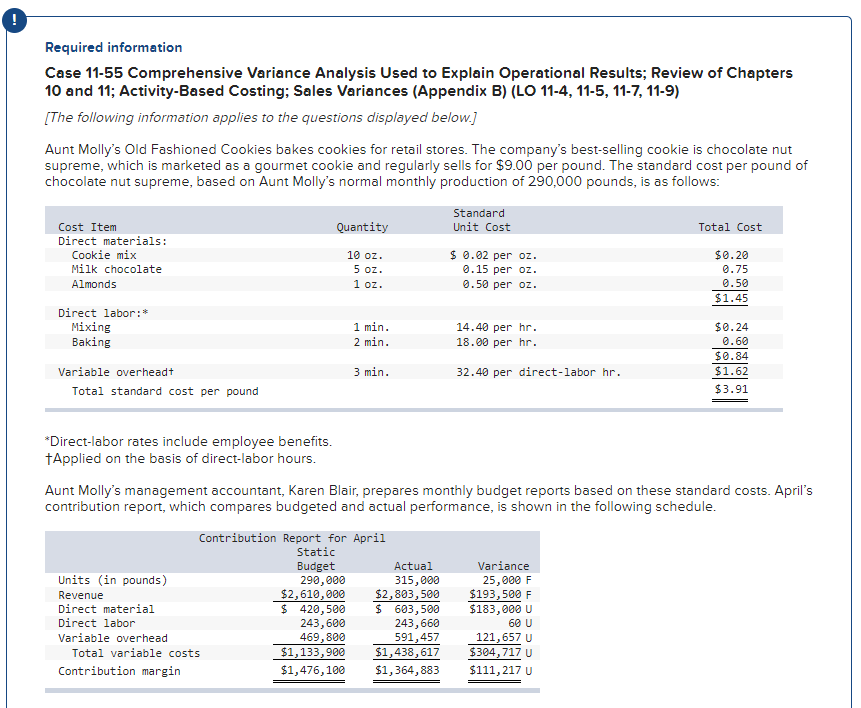
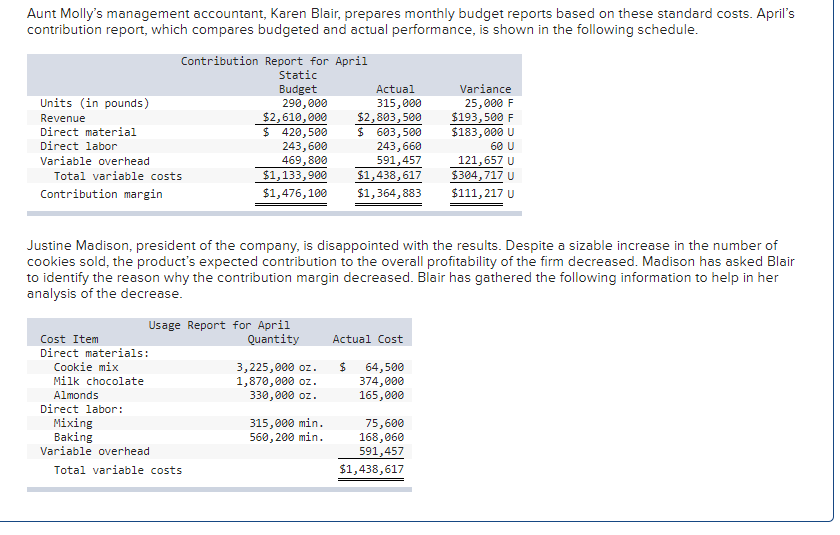
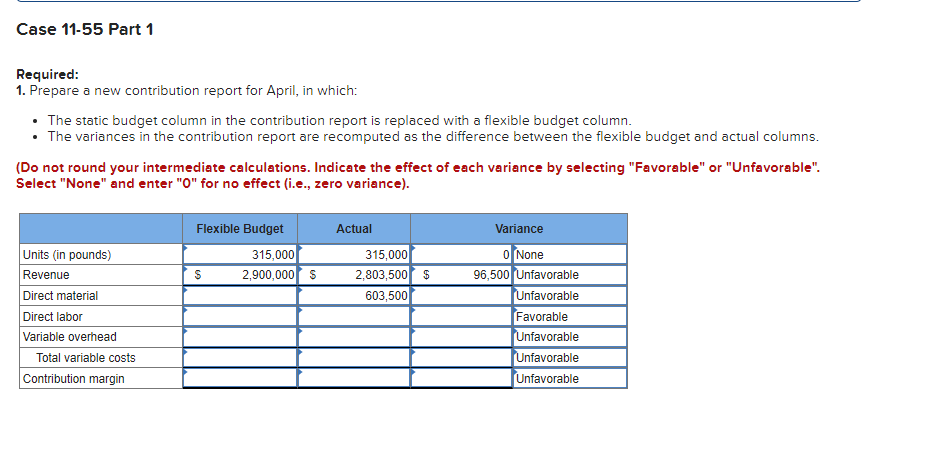
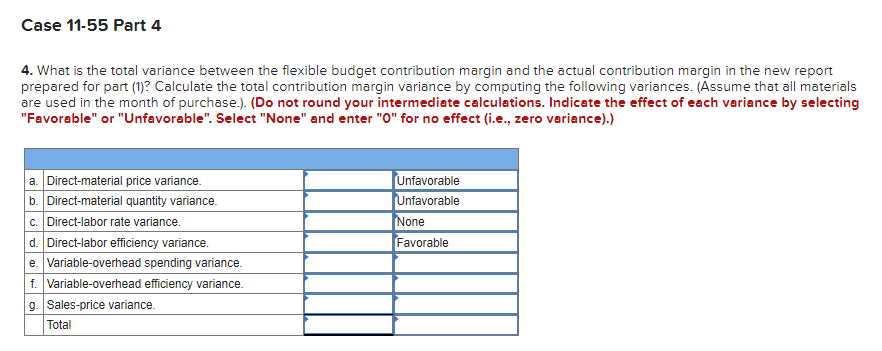
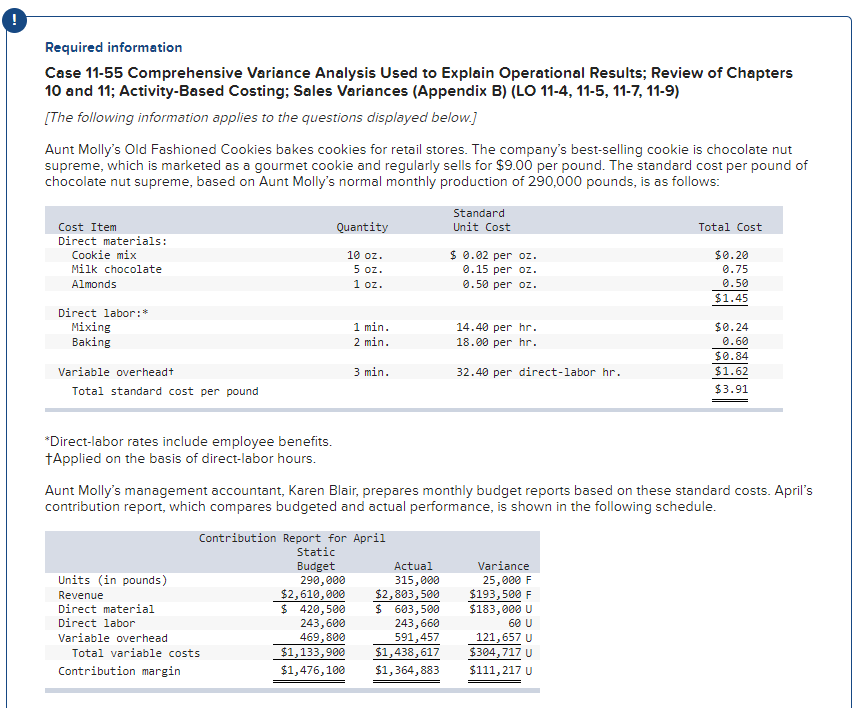
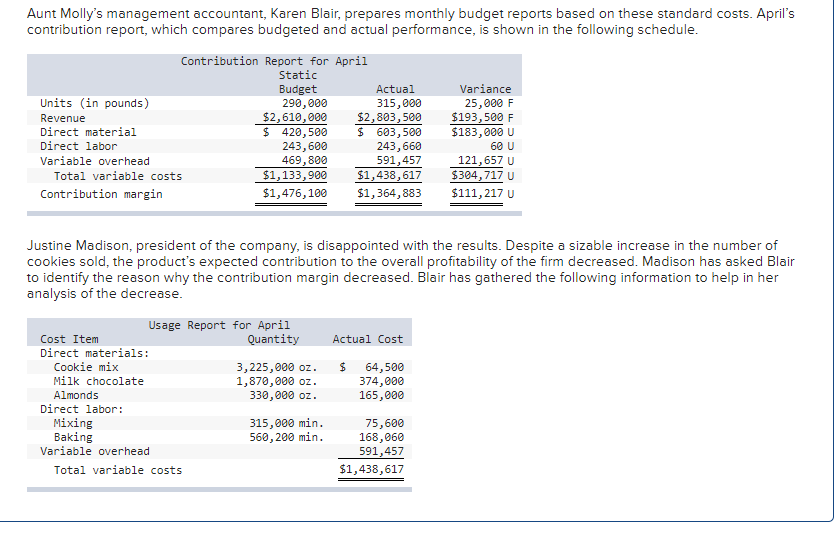
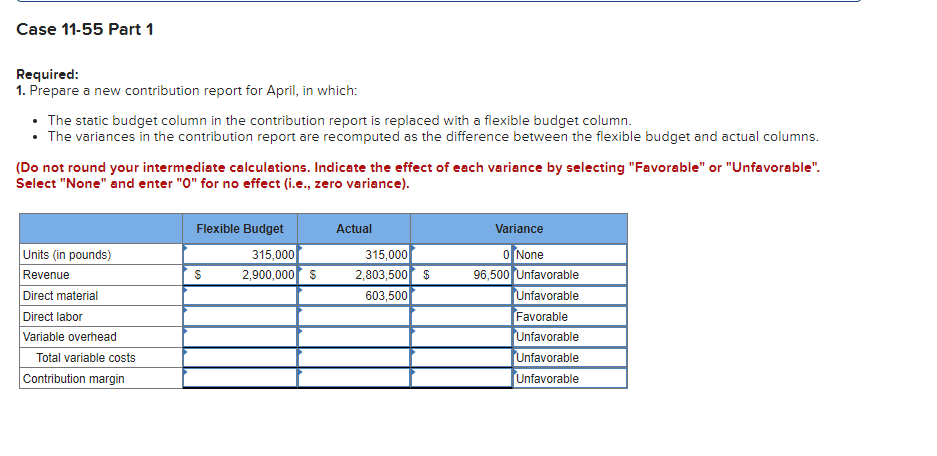
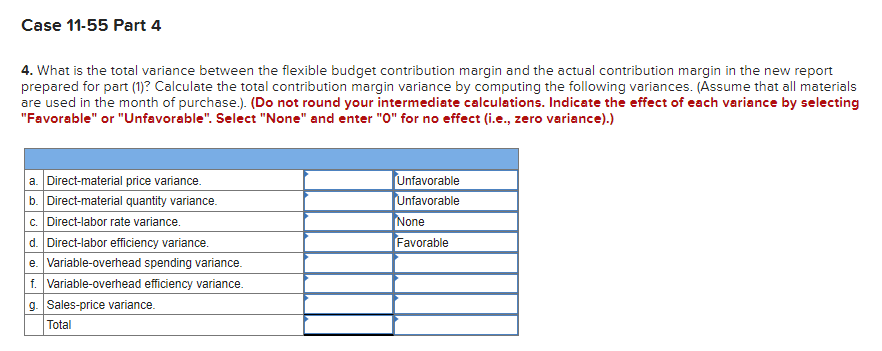
Required information Case 11-55 Comprehensive Variance Analysis Used to Explain Operational Results: Review of Chapters 10 and 11; Activity-Based Costing; Sales Variances {Appendix Eli iLD11-4, 11-5, 11-11113} {The fori'owirrg information applies to the questions o'r'spr'ayed ."3-er'or-t-t,T Aunt Molly's Old Fashioned Cookies bakes cookies for retail stores. The company's best-selling cookie is chocolate nut supreme, which is marketed as a gourmet cookie and regularly sells for $9.00 per pound. The standard cost per pound of chocolate nut supreme. based on Aunt Molly's normal monthly production of 290,066 pounds. is as follows: Standard Cost Item Quantit}r Unit Cost Total Cost Direct materials: Cookie mix 16 oz. 5 6.62 per oz. $6.26 i'lilk chocolate 5 oz. 6.15 per oz. 6.?5 Almonds '1 oz. 6.58 per oz. 6.56 51.4-5- Direct labor:* Mixing 1 min. 14.48 per hr. 56.24 Baking 2 min. 18.68 per hr. 9-66 56.84 Variable overheadt 3 min. 32.48 per direct-labor hr. $1.62 Total standard cost per pound 53-91 \"Direct-labor rates include employee benefits. TApplied on the basis of directlabor hours. Aunt Molly's management accountant, Karen Blair, prepares monthly.r budget reports based on these standard costs. April's contribution report, which compares budgeted and actual performance, is shown in the following schedule. Contribution Report -For April Static Budget Actual Variance Units (in pounds) 298,686 315,868 25,686 F Revenue $2,618,686 $2,333,593 $193,586 F Direct material 5- 426, 586 5 I563, 568 $133,686 U Direct labor 24-3, 686 24-3, 666 66 U Variable overhead 489,886 591,45? 121,65? U Total variable costs $1,133,999 \"1433:5173 $394.\"? U Contribution margin 61,4?6, 186 $1, 354-, 38-3 $111, 21? Li Aunt Molly's management accountant, Karen Blair. prepares monthly.r budget reports based on these standard costs. April's contribution report, which compares budgeted and actual performance, is shown in the following schedule. Contribution Report For hpril Static Budget Actual Variance Units (in pounds) 298,888 315,9sa 25,888 F Revenue $2,618,888 $2,383,588 $183,588 F Direct material $ 428,588 3 883,588 $133,888 U Direct labor 243,688 243,668 68 U Variable overhead 489,888 591,45? 121,65? u Total variable costs $1,133,988 $11,433,151? $38431? U Contribution margin $1,4?E,188 51,364,883 5111,21? u Justine Madison, president of the company, is disappointed with the results. Despite a sizable increase in the number of cookies sold. the product's expected contribution to the overall profitability,r of the firm decreased. Madison has asked Blair to identify the reason why the contribution margin decreased. Blair has gathered the following information to help in her analysis of the decrease. Usage Report for April Cost Item Quantity Actual Cost Direct materials: Cookie mix 3,225,888 oz. 5 64,588 Milk chocolate 1,8?8,888 oz. 3?4,888 Almonds 338,888 oz. 165,888 Direct labor: Mixing 315,888 min. t5,soa Baking 588,288 min. 188,868 Variable overhead 591,45? Total variable costs 51,438,81? Case 11-55 Part 1 Required: 1. Prepare a new contribution report for April, in Iwhich: - The static budget column in the contribution report is replaced with a exible budget column. - The variances in the contribution repon are recomputed as the difference between the exible budget and actual columns. {Do not round your intermediate calculations. Indicate the effect ofeach variance by selecting \"Favorable" or "Unfavorable". Select "None\" and enter "0" for no effect {i.e., zero variance}. Units (in pounds} .M r _ _ Revenue Direct material Direct labor Variable overhead Total variable costs Contribution margin Case 11-55 Part 4 4. What is the total variance between the flexible budget contribution margin and the actual contribution margin in the new report prepared for part (1)? Calculate the total contribution margin variance by computing the following variances. (Assume that all materials are used in the month of purchase.). (Do not round your intermediate calculations. Indicate the effect of each variance by selecting "Favorable" or "Unfavorable". Select "None" and enter "0" for no effect (i.e., zero variance).) a. Direct-material price variance. Unfavorable b. Direct-material quantity variance. Unfavorable C. Direct-labor rate variance. None d. Direct-labor efficiency variance. Favorable e. Variable-overhead spending variance. f. Variable-overhead efficiency variance. g. Sales-price variance. Total
Step by Step Solution
There are 3 Steps involved in it

Get step-by-step solutions from verified subject matter experts
 Study Help