







Question: Research Topic: Is the usage of quantum computing technology potentially dangerous for the cybersecurity industry's present encryption techniques inself-driving cars? Update your research design to
Research Topic: Is the usage of quantum computing technology potentially dangerous for the cybersecurity industry's present encryption techniques inself-driving cars?
Update your research design to address your research strategy, researcher interference, study setting, and time horizon in your proposal as discussed in the lecture.
LECTURE SHEET:
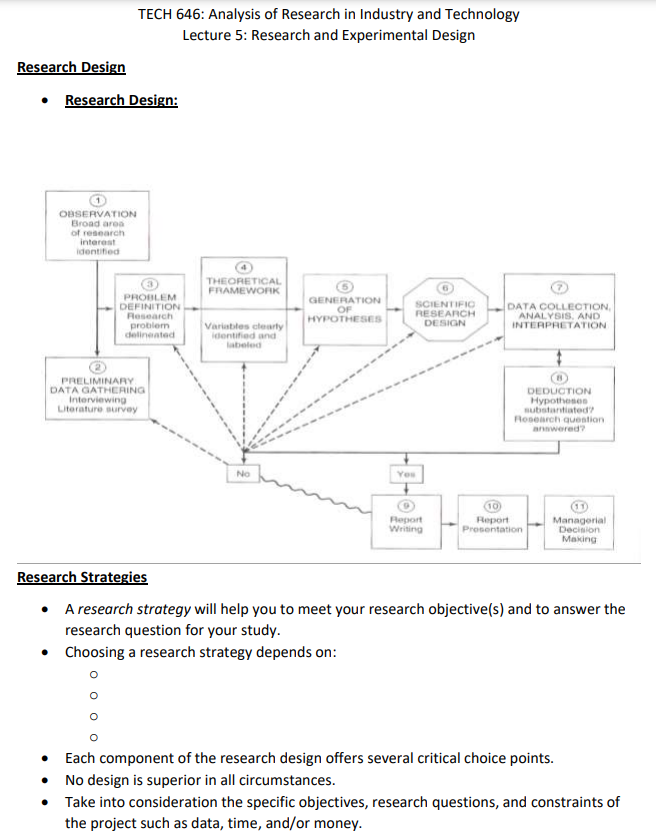
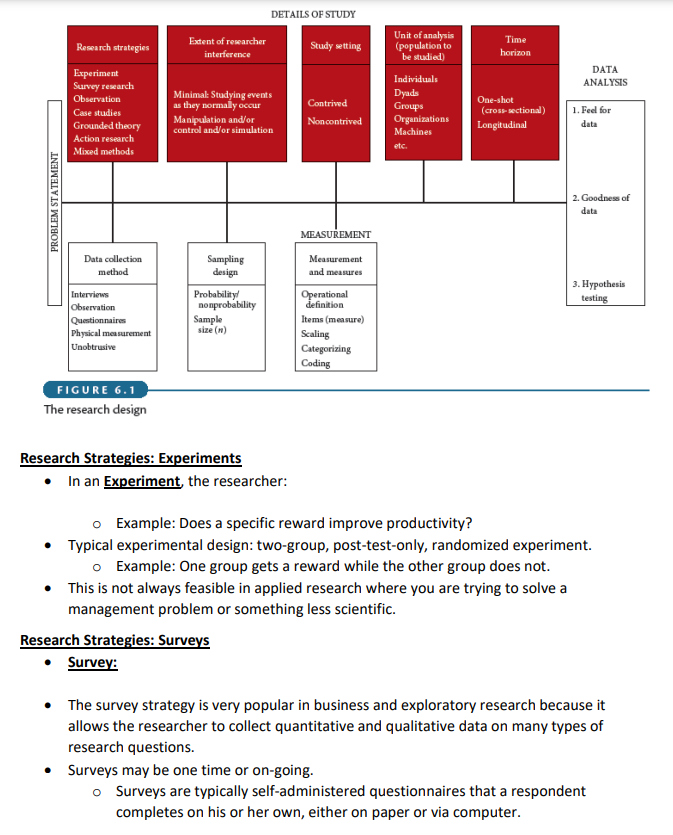
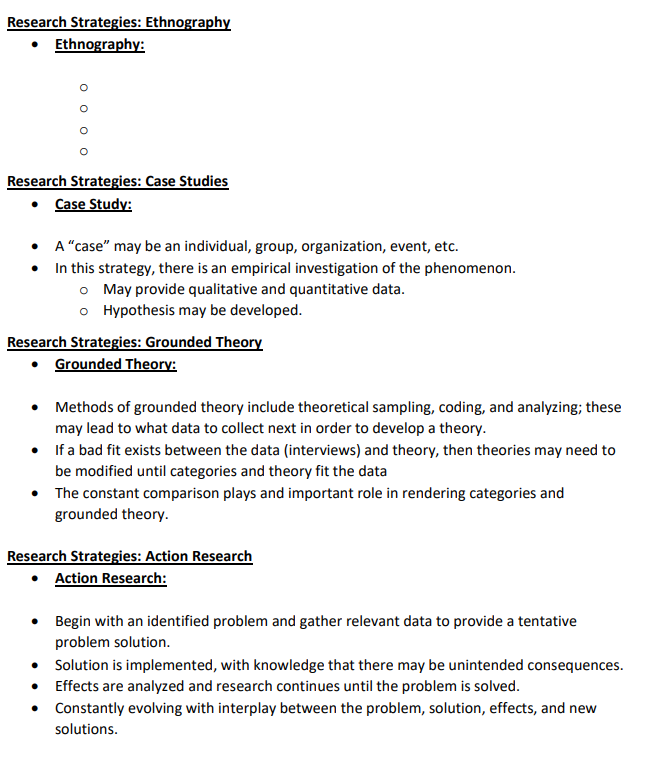
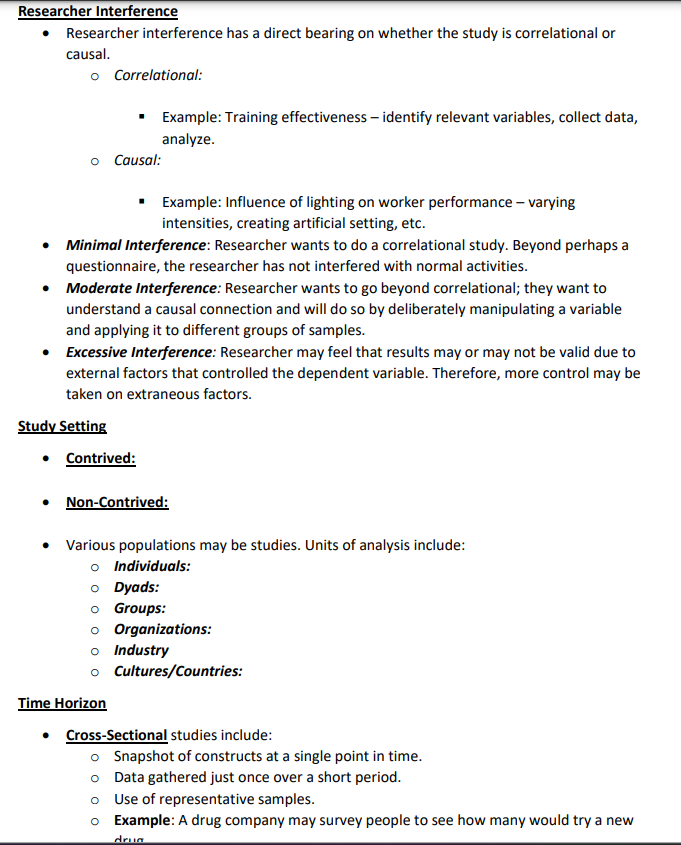
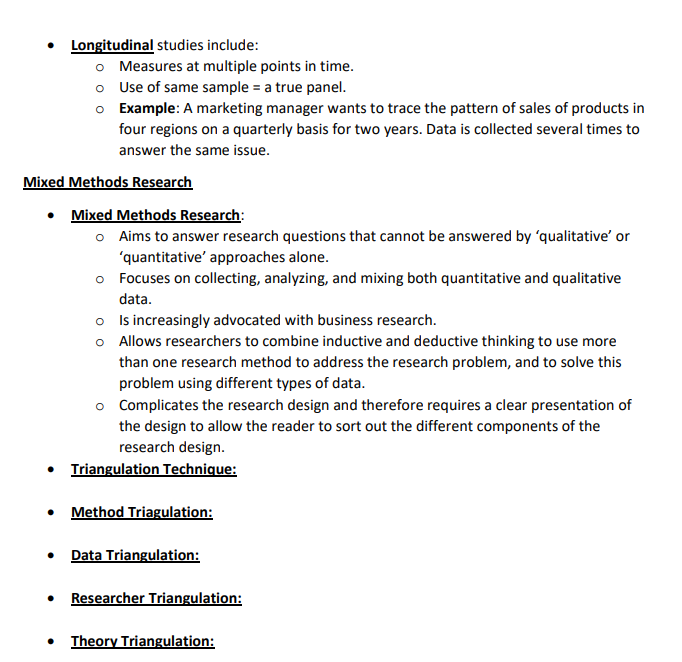
Research Strategies: Case Studies - Case Study: - A "case" may be an individual, group, organization, event, etc. - In this strategy, there is an empirical investigation of the phenomenon. May provide qualitative and quantitative data. Hypothesis may be developed. Research Strategies: Grounded Theory - Grounded Theory: - Methods of grounded theory include theoretical sampling, coding, and analyzing; these may lead to what data to collect next in order to develop a theory. - If a bad fit exists between the data (interviews) and theory, then theories may need to be modified until categories and theory fit the data - The constant comparison plays and important role in rendering categories and grounded theory. Research Strategies: Action Research - Action Research: - Begin with an identified problem and gather relevant data to provide a tentative problem solution. - Solution is implemented, with knowledge that there may be unintended consequences. - Effects are analyzed and research continues until the problem is solved. - Constantly evolving with interplay between the problem, solution, effects, and new solutions. - Longitudinal studies include: Measures at multiple points in time. Use of same sample = a true panel. Example: A marketing manager wants to trace the pattern of sales of products in four regions on a quarterly basis for two years. Data is collected several times to answer the same issue. Mixed Methods Research - Mixed Methods Research: Aims to answer research questions that cannot be answered by 'qualitative' or 'quantitative' approaches alone. - Focuses on collecting, analyzing, and mixing both quantitative and qualitative data. Is increasingly advocated with business research. Allows researchers to combine inductive and deductive thinking to use more than one research method to address the research problem, and to solve this problem using different types of data. - Complicates the research design and therefore requires a clear presentation of the design to allow the reader to sort out the different components of the research design. - Triangulation Technique: - Method Triagulation: - Data Triangulation: Research Strategies: Experiments - In an Experiment, the researcher: Example: Does a specific reward improve productivity? - Typical experimental design: two-group, post-test-only, randomized experiment. - Example: One group gets a reward while the other group does not. - This is not always feasible in applied research where you are trying to solve a management problem or something less scientific. Research Strategies: Surveys - Survey: - The survey strategy is very popular in business and exploratory research because it allows the researcher to collect quantitative and qualitative data on many types of research questions. - Surveys may be one time or on-going. - Surveys are typically self-administered questionnaires that a respondent completes on his or her own, either on paper or via computer. TECH 646: Analysis of Research in Industry and Technology Lecture 5: Research and Experimental Design Research Design - Research Design: - A research strategy will help you to meet your research objective(s) and to answer the research question for your study. - Choosing a research strategy depends on: - Each component of the research design offers several critical choice points. - No design is superior in all circumstances. - Take into consideration the specific objectives, research questions, and constraints of the project such as data, time, and/or money. Researcher Interference - Researcher interference has a direct bearing on whether the study is correlational or causal. Correlational: - Example: Training effectiveness - identify relevant variables, collect data, analyze. - Causal: - Example: Influence of lighting on worker performance - varying intensities, creating artificial setting, etc. - Minimal Interference: Researcher wants to do a correlational study. Beyond perhaps a questionnaire, the researcher has not interfered with normal activities. - Moderate Interference: Researcher wants to go beyond correlational; they want to understand a causal connection and will do so by deliberately manipulating a variable and applying it to different groups of samples. - Excessive Interference: Researcher may feel that results may or may not be valid due to external factors that controlled the dependent variable. Therefore, more control may be taken on extraneous factors. Study Setting - Contrived: - Non-Contrived: - Various populations may be studies. Units of analysis include: Individuals: Dyads: Groups: Organizations: Industry Cultures/Countries: Time Horizon - Cross-Sectional studies include: Snapshot of constructs at a single point in time. Data gathered just once over a short period. Use of representative samples. Example: A drug company may survey people to see how many would try a new drua
Step by Step Solution
There are 3 Steps involved in it

Get step-by-step solutions from verified subject matter experts
 Study Help