



Question: SAMPLE FORMAT OF A SIMILAR IVEY CASE ANALYSIS. PLEASE SOLVE THE QUESTION ON THE BASIS OF THE FORMAT PLEASE DO THE ASSIGNMENT AS PER THE
SAMPLE FORMAT OF A SIMILAR IVEY CASE ANALYSIS. PLEASE SOLVE THE QUESTION ON THE BASIS OF THE FORMAT
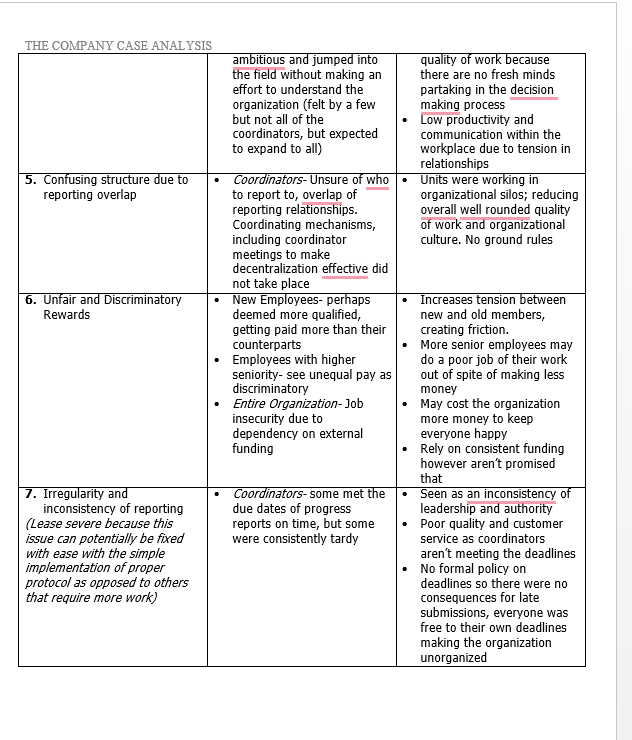
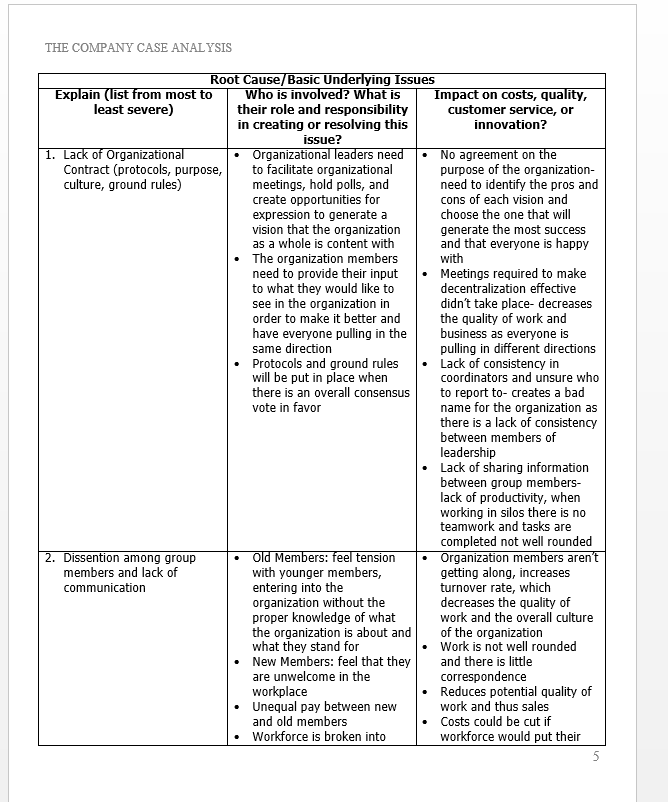
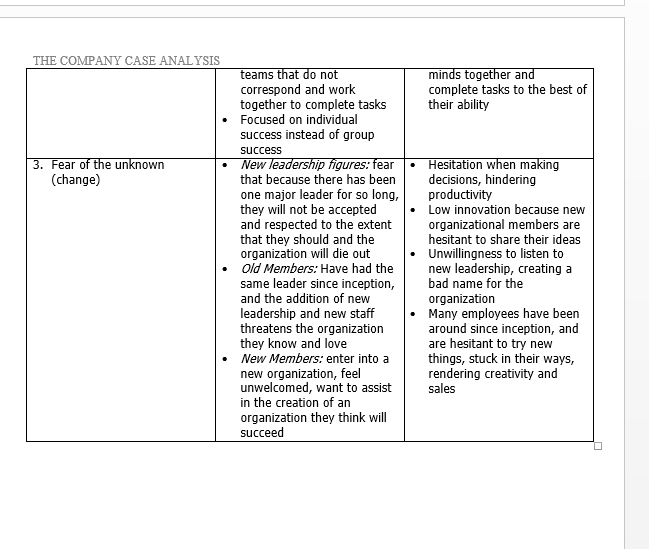
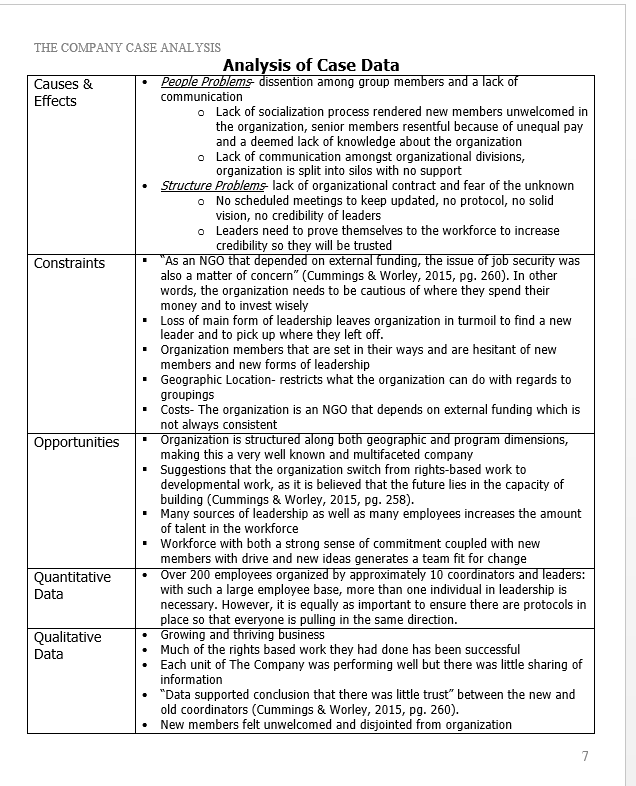
PLEASE DO THE ASSIGNMENT AS PER THE SAMPLE GIVEN
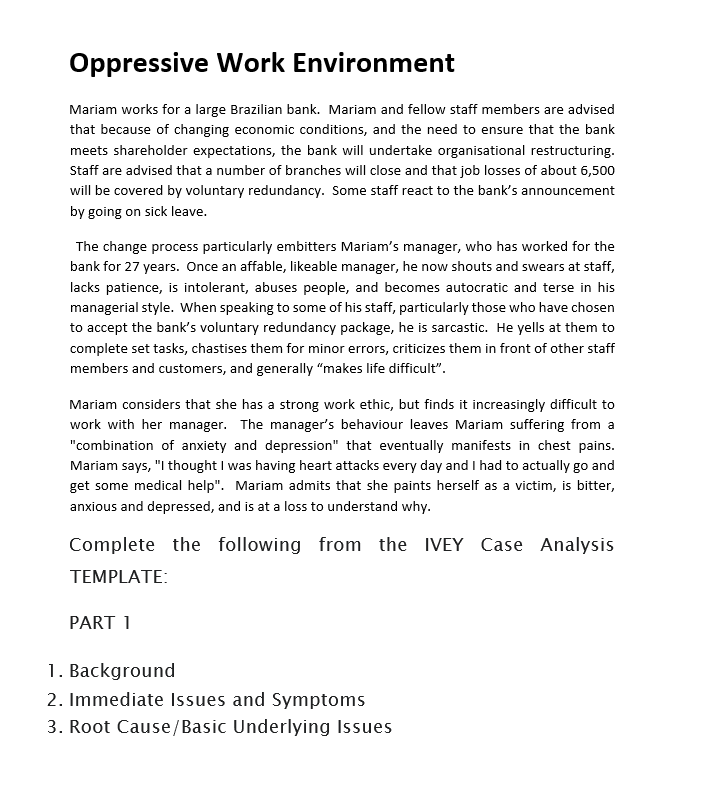
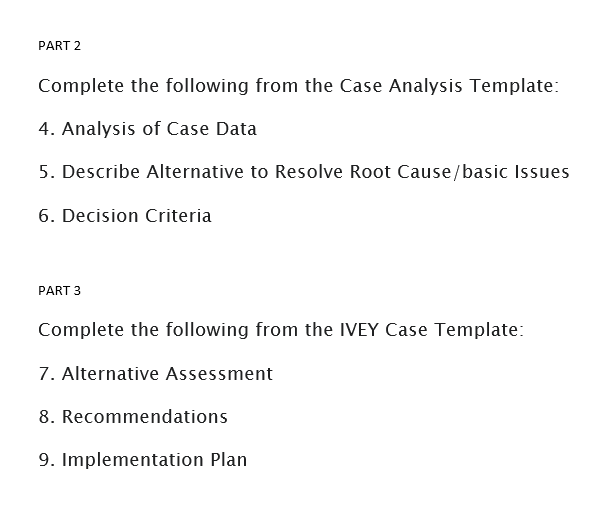
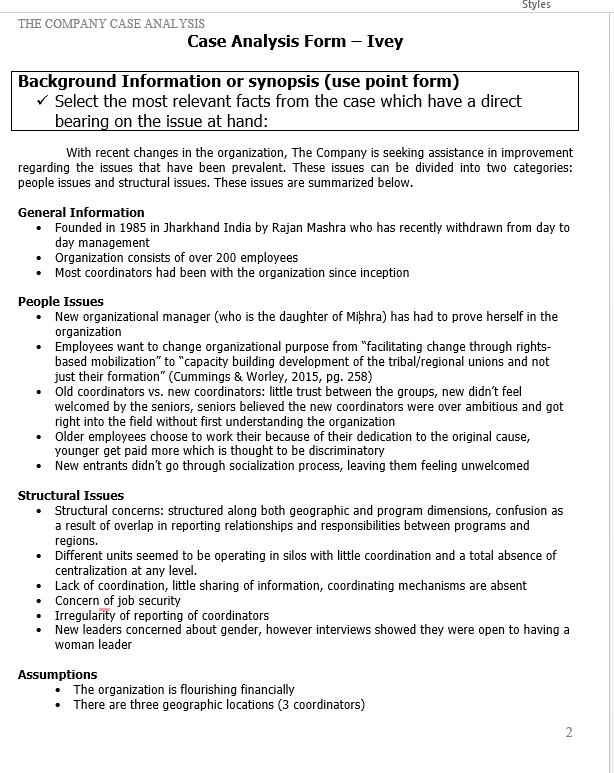
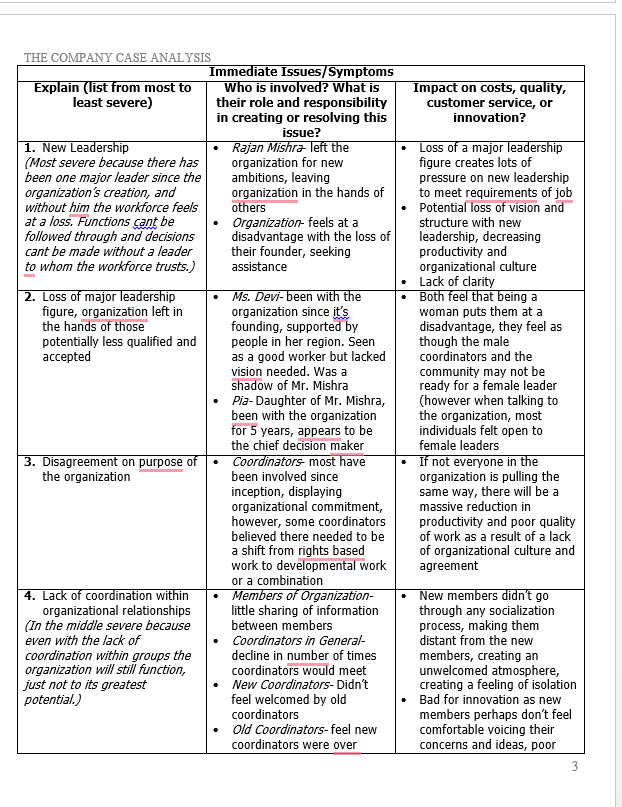
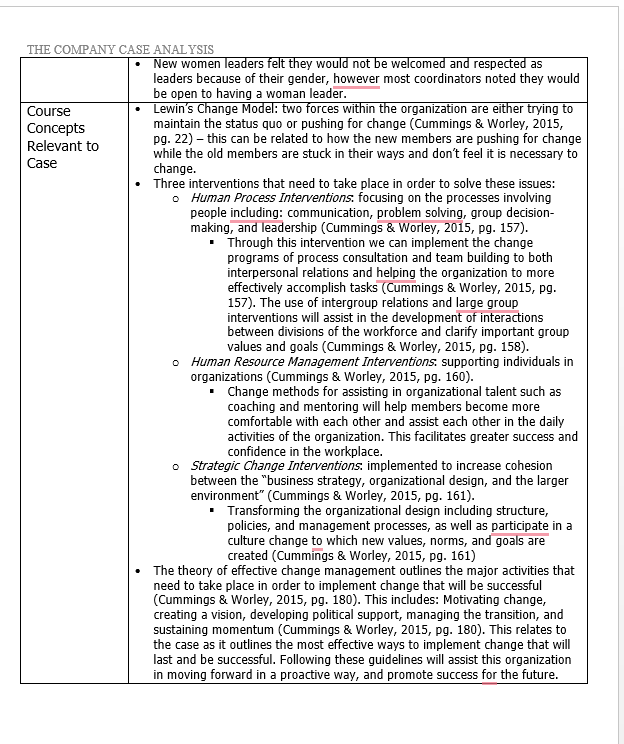
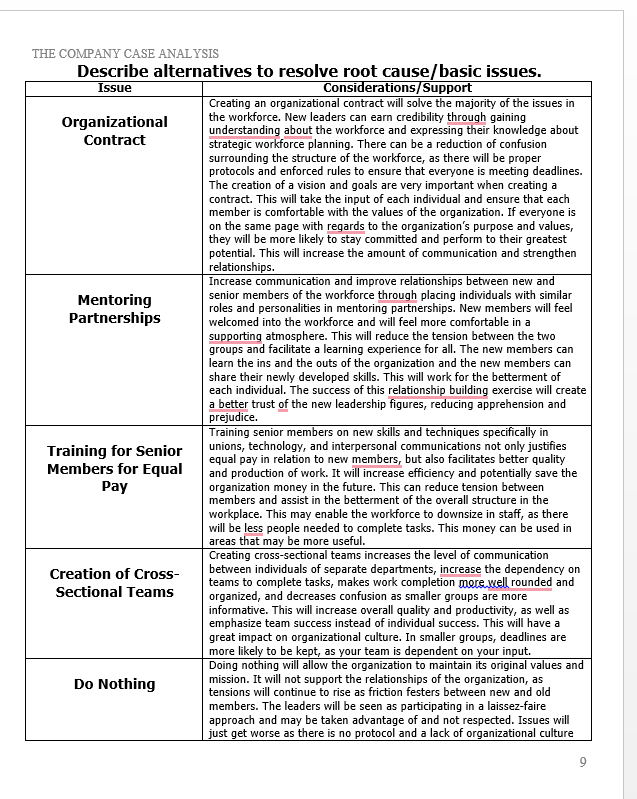
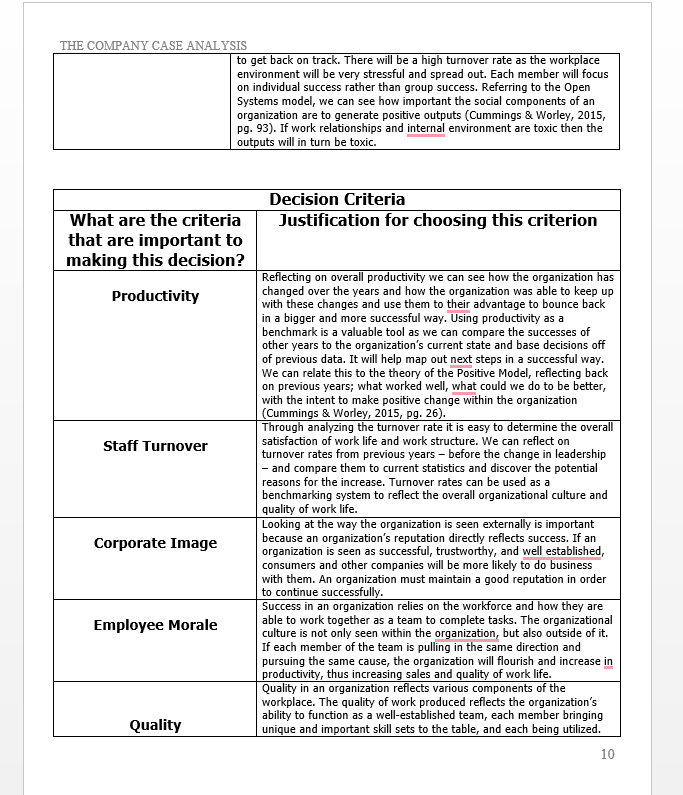
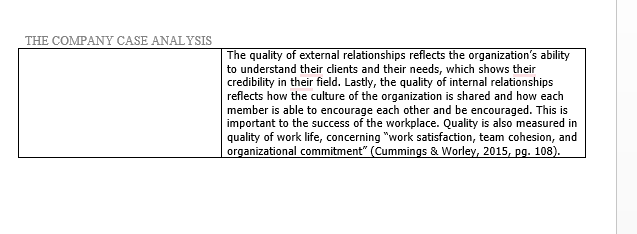
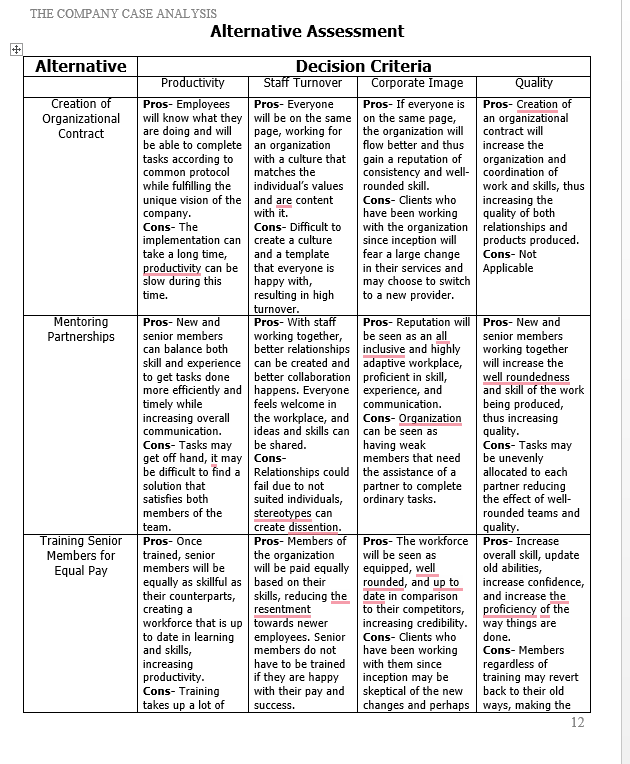
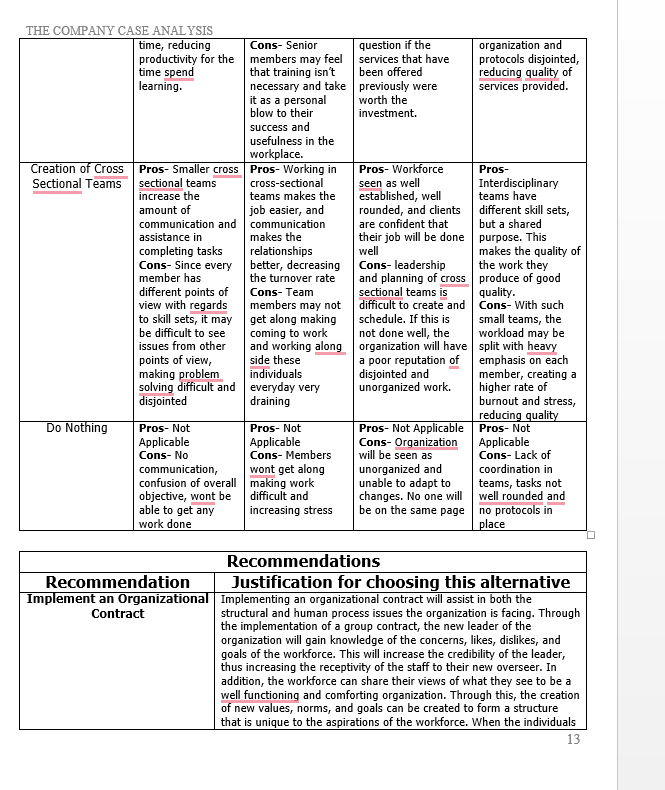
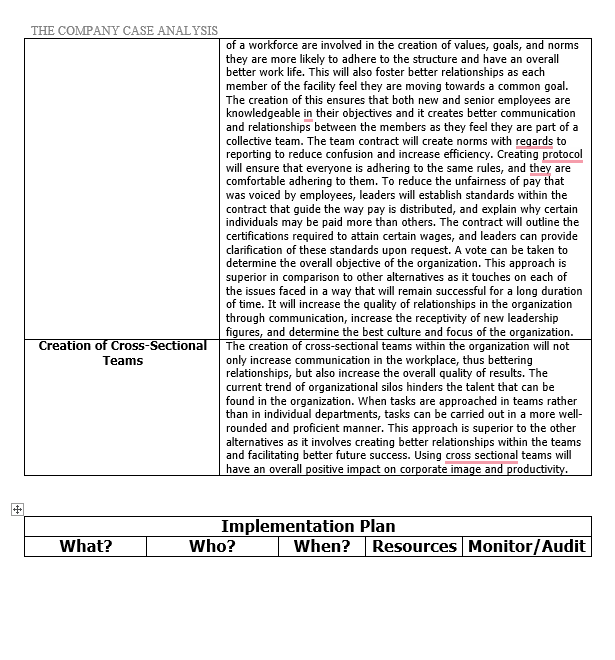
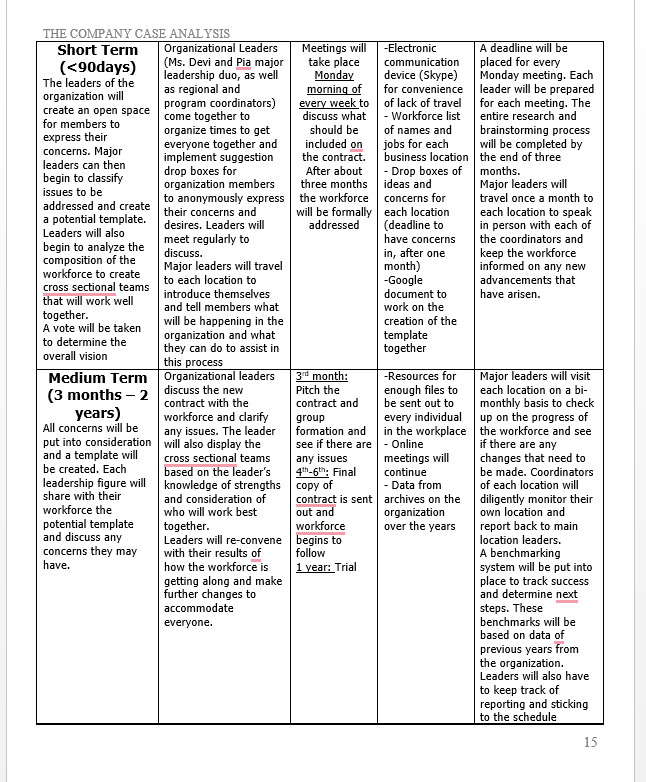
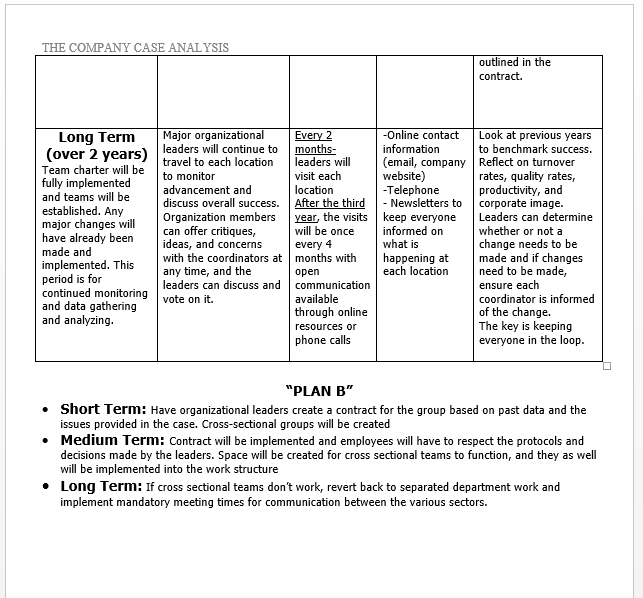
Mariam works for a large Brazilian bank. Mariam and fellow staff members are advised that because of changing economic conditions, and the need to ensure that the bank meets shareholder expectations, the bank will undertake organisational restructuring. Staff are advised that a number of branches will close and that job losses of about 6,500 will be covered by voluntary redundancy. Some staff react to the bank's announcement by going on sick leave. The change process particularly embitters Mariam's manager, who has worked for the bank for 27 years. Once an affable, likeable manager, he now shouts and swears at staff, lacks patience, is intolerant, abuses people, and becomes autocratic and terse in his managerial style. When speaking to some of his staff, particularly those who have chosen to accept the bank's voluntary redundancy package, he is sarcastic. He yells at them to complete set tasks, chastises them for minor errors, criticizes them in front of other staff members and customers, and generally "makes life difficult". Mariam considers that she has a strong work ethic, but finds it increasingly difficult to work with her manager. The manager's behaviour leaves Mariam suffering from a "combination of anxiety and depression" that eventually manifests in chest pains. Mariam says, "I thought I was having heart attacks every day and I had to actually go and get some medical help". Mariam admits that she paints herself as a victim, is bitter, anxious and depressed, and is at a loss to understand why. Complete the following from the IVEY Case Analysis TEMPLATE: PART 1 1. Background 2. Immediate Issues and Symptoms 3. Root Cause/Basic Underlying Issues PART 2 Complete the following from the Case Analysis Template: 4. Analysis of Case Data 5. Describe Alternative to Resolve Root Cause/basic Issues 6. Decision Criteria PART 3 Complete the following from the IVEY Case Template: 7. Alternative Assessment 8. Recommendations 9. Implementation Plan Background Information or synopsis (use point form) Select the most relevant facts from the case which have a direct bearing on the issue at hand: With recent changes in the organization, The Company is seeking assistance in improvement regarding the issues that have been prevalent. These issues can be divided into two categories: people issues and structural issues. These issues are summarized below. General Information - Founded in 1985 in Jharkhand India by Rajan Mashra who has recently withdrawn from day to day management - Organization consists of over 200 employees - Most coordinators had been with the organization since inception People Issues - New organizational manager (who is the daughter of Mishra) has had to prove herself in the organization - Employees want to change organizational purpose from "facilitating change through rightsbased mobilization" to "capacity building development of the tribal/regional unions and not just their formation" (Cummings \& Worley, 2015, pg. 258) - Old coordinators vs. new coordinators: little trust between the groups, new didn't feel welcomed by the seniors, seniors believed the new coordinators were over ambitious and got right into the field without first understanding the organization - Older employees choose to work their because of their dedication to the original cause, younger get paid more which is thought to be discriminatory - New entrants didn't go through socialization process, leaving them feeling unwelcomed Structural Issues - Structural concerns: structured along both geographic and program dimensions, confusion as a result of overlap in reporting relationships and responsibilities between programs and regions. - Different units seemed to be operating in silos with little coordination and a total absence of centralization at any level. - Lack of coordination, little sharing of information, coordinating mechanisms are absent - Concern of job security - Irregularity of reporting of coordinators - New leaders concerned about gender, however interviews showed they were open to having a woman leader Assumptions - The organization is flourishing financially - There are three geographic locations (3 coordinators) 2 THE COMPANY CASE ANAL YSIS THE COMPANY CASE ANALYSIS THE COMPANY CASE ANALYSIS THE COMPANY CASE ANAL YSIS THE COMPANY CASE ANAL YSIS Analysis of Case Data 7 THE COMPANY CASE ANAL YSIS - New women leaders felt they would not be welcomed and respected as leaders because of their gender, however most coordinators noted they would be open to having a woman leader. \begin{tabular}{|l|l|l} Course & - & Lewin's Change Model: two forces within the organization are either trying to \\ Concepts & maintain the status quo or pushing for change (Cummings \& Worley, 2015, \\ pg. 22) - this can be related to how the new members are pushing for change \\ Relevant to & while the old members are stuck in their ways and don't feel it is necessary to Case & change. \end{tabular} - Three interventions that need to take place in order to solve these issues: - Human Process Interventions. focusing on the processes involving people including: communication, problem solving, group decisionmaking, and leadership (Cummings \& Worley, 2015, pg. 157). - Through this intervention we can implement the change programs of process consultation and team building to both interpersonal relations and helping the organization to more effectively accomplish tasks (Cummings \& Worley, 2015, pg. 157). The use of intergroup relations and large group interventions will assist in the development of interactions between divisions of the workforce and clarify important group values and goals (Cummings \& Worley, 2015, pg. 158). - Human Resource Management Interventions. supporting individuals in organizations (Cummings \& Worley, 2015, pg. 160). - Change methods for assisting in organizational talent such as coaching and mentoring will help members become more comfortable with each other and assist each other in the daily activities of the organization. This facilitates greater success and confidence in the workplace. - Strategic Change Interventions. implemented to increase cohesion between the "business strategy, organizational design, and the larger environment" (Cummings \& Worley, 2015, pg. 161). - Transforming the organizational design including structure, policies, and management processes, as well as participate in a culture change to which new values, norms, and goals are created (Cummings \& Worley, 2015, pg. 161) - The theory of effective change management outlines the major activities that need to take place in order to implement change that will be successful (Cummings \& Worley, 2015, pg. 180). This includes: Motivating change, creating a vision, developing political support, managing the transition, and sustaining momentum (Cummings \& Worley, 2015, pg. 180). This relates to the case as it outlines the most effective ways to implement change that will last and be successful. Following these guidelines will assist this organization in moving forward in a proactive way, and promote success for the future. THE COMPANY CASE ANAL YSIS Describe alternatives to resolve root cause/basic issues. \begin{tabular}{|c|l|} \hline Issue & \multicolumn{1}{|c|}{ Considerations/Support } \\ \hline Organizational & Creating an organizational contract will solve the majority of the issues in the workforce. New leaders can earn credibility through gaining Conderstanding about the the workforce and expressing their knowledge about strategic workforce planning. There can be a reduction of confusion surrounding the structure of the workforce, as there will be proper protocols and enforced rules to ensure that everyone is meeting deadlines. The creation of a vision and goals are very important when creating a contract. This will take the input of each individual and ensure that each member is comfortable with the values of the organization. If everyone is on the same page with regards to the organization's purpose and values, they will be more likely to stay committed and perform to their greatest potential. This will increase the amount of communication and strengthen relationships. \\ \hline Increase communication and improve relationships between new and senior members of the workforce through placing individuals with similar roles and personalities in mentoring partnerships. New members will feel welcomed into the workforce and will feel more comfortable in a supporting atmosphere. This will reduce the tension between the two groups and facilitate a learning experience for all. The new members can learn the ins and the outs of the organization and the new members can share their newly developed skills. This will work for the betterment of each individual. The success of this relationship building exercise will create a better trust of the new leadership figures, reducing apprehension and prejudice. \\ \hline Pay & Training senior members on new skills and techniques specifically in unions,technology,andinterpe \end{tabular} 9 THE COMPANY CASE ANALYSIS to get back on track. There will be a high turnover rate as the workplace environment will be very stressful and spread out. Each member will focus on individual success rather than group success. Referring to the Open Systems model, we can see how important the social components of an organization are to generate positive outputs (Cummings \& Worley, 2015, pg. 93). If work relationships and internal environment are toxic then the outputs will in turn be toxic. 10 THE COMPANY CASE ANALYSIS The quality of external relationships reflects the organization's ability to understand their clients and their needs, which shows their credibility in their field. Lastly, the quality of internal relationships reflects how the culture of the organization is shared and how each member is able to encourage each other and be encouraged. This is important to the success of the workplace. Quality is also measured in quality of work life, concerning "work satisfaction, team cohesion, and organizational commitment" (Cummings \& Worley, 2015, pg. 108). THE COMPANY CASE ANAL YSIS Alternative Assessment 12 THE COMPANY CASE ANAL YSIS \begin{tabular}{|c|c|} \hline \multicolumn{2}{|c|}{ Recommendations } \\ \hline Recommendation & Justification for choosing this alternative \\ \hline Implement an Organizational Contract & Implementing an organizational contract will assist in both the structural and human process issues the organization is facing. Through the implementation of a group contract, the new leader of the organization will gain knowledge of the concerns, likes, dislikes, and goals of the workforce. This will increase the credibility of the leader, thus increasing the receptivity of the staff to their new overseer. In addition, the workforce can share their views of what they see to be a well functioning and comforting organization. Through this, the creation of new values, norms, and goals can be created to form a structure that is unique to the aspirations of the workforce. When the individuals \\ \hline \end{tabular} 13 THE COMPANY CASE ANALYSIS of a workforce are involved in the creation of values, goals, and norms they are more likely to adhere to the structure and have an overall better work life. This will also foster better relationships as each member of the facility feel they are moving towards a common goal. The creation of this ensures that both new and senior employees are knowledgeable in their objectives and it creates better communication and relationships between the members as they feel they are part of a collective team. The team contract will create norms with regards to reporting to reduce confusion and increase efficiency. Creating protocol will ensure that everyone is adhering to the same rules, and they are comfortable adhering to them. To reduce the unfairness of pay that was voiced by employees, leaders will establish standards within the contract that guide the way pay is distributed, and explain why certain individuals may be paid more than others. The contract will outline the certifications required to attain certain wages, and leaders can provide clarification of these standards upon request. A vote can be taken to determine the overall objective of the organization. This approach is superior in comparison to other alternatives as it touches on each of the issues faced in a way that will remain successful for a long duration of time. It will increase the quality of relationships in the organization through communication, increase the receptivity of new leadership figures, and determine the best culture and focus of the organization. The creation of cross-sectional teams within the organization will not only increase communication in the workplace, thus bettering relationships, but also increase the overall quality of results. The current trend of organizational silos hinders the talent that can be found in the organization. When tasks are approached in teams rather than in individual departments, tasks can be carried out in a more wellrounded and proficient manner. This approach is superior to the other alternatives as it involves creating better relationships within the teams and facilitating better future success. Using cross sectional teams will have an overall positive impact on corporate image and productivity. \begin{tabular}{|c|c|c|c|c|} \hline \multicolumn{5}{|c|}{ Implementation Plan } \\ \hline What? & Who? & When? & Resources & Monitor/Audit \\ \hline \end{tabular} THE COMPANY CASE ANAL YSIS "PLAN B" - Short Term: Have organizational leaders create a contract for the group based on past data and the issues provided in the case. Cross-sectional groups will be created - Medium Term: Contract will be implemented and employees will have to respect the protocols and decisions made by the leaders. Space will be created for cross sectional teams to function, and they as well will be implemented into the work structure - Long Term: If cross sectional teams don't work, revert back to separated department work and implement mandatory meeting times for communication between the various sectors. Cummings, T. G., \& Worley, C. G., (2015). Organization Development \& Change. USA, Stamford: Cengage Learning
Step by Step Solution
There are 3 Steps involved in it
1 Expert Approved Answer
Step: 1 Unlock

Question Has Been Solved by an Expert!
Get step-by-step solutions from verified subject matter experts
Step: 2 Unlock
Step: 3 Unlock