



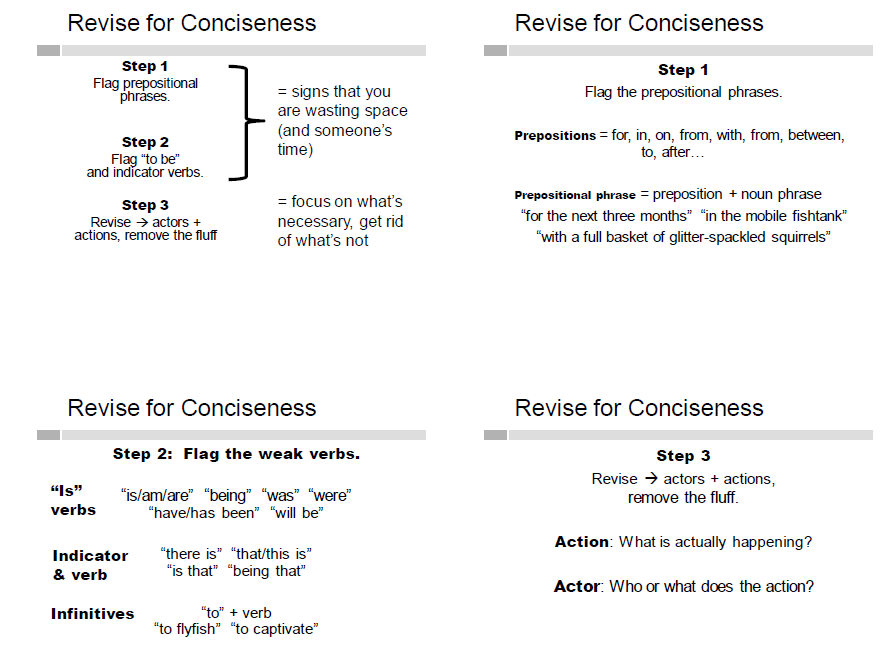
Question: Second: Edit the passage on the next page: Revise for conciseness: review the image Add organizing elements (such as informative headings and text highlights) Convert
Second: Edit the passage on the next page:
- Revise for conciseness: review the image
- Add organizing elements (such as informative headings and text highlights)
- Convert paragraphs into lists, tables, or other visual forms (where useful or appropriate)
- Revise for grammar and sense
Tetanus vaccine protects against tetanus (lockjaw), a disease caused by bacteria found in soil. Tetanus is characterized by muscle stiffness and spasm or locking of muscles of the jaw, neck, and limbs. It is a potentially fatal disease.
There are four forms of tetanus immunization. The DTaP vaccine is a 3-in-1 vaccine that protects against diphtheria, pertussis, and tetanus. It can be given to children less than 7 years old. It is injected, usually into the arm or the thigh. DTaP is a safer version of an older vaccine known as DTP, which is no longer used in the United States. The DT vaccine is a 2-in-1 vaccine that can be given to children less than 7 years old. It does not contain pertussis vaccine, but does contain vaccine that protects against diphtheria and tetanus. It is injected, usually into the arm or thigh. The Td vaccine is the adult vaccine. It is a 2-in-1 vaccine that protects against tetanus and diphtheria. It contains a slightly different dose of diphtheria vaccine than the DT vaccine. It can be given to anyone older than 7 years old. It is injected, usually into the arm. Tetanus vaccine (T vaccine) can be given as a single vaccine, but this is not generally available. It is also injected, usually into the arm.
Tetanus vaccination is one of the recommended childhood immunizations and should begin during infancy. Tetanus immunization is generally required before starting school. Five doses of vaccine are recommended. DTaP or DT immunization is usually a series of injections given to children at ages 2 months, 4 months, 6 months, and 15 to 18 months. A booster is given before starting school (age 4 to 6). DTaP is recommended, unless there is a reason that the child should not receive the pertussis vaccine (such as allergic reaction), in which case the DT should be given.
After the initial series of immunizations, a booster of Td vaccine should be given at age 11 to 12 and every 10 years thereafter. T vaccine or a Td booster may be given to an adult receiving care for a wound or injury that breaks the skin. Typically, a booster is given if the wound is dirty and the last Td booster was given more than 5 years prior to the injury. Nearly all people who receive a minimum of 3 injections of tetanus-containing vaccine will be protected against the disorder for at least 10 years. DTaP and DT vaccine can be safely given to infants.
It is much riskier to get tetanus than it is to get the vaccine. Mild reactions to DTaP are fairly common and include: slight fever (occurs in about 1 in 4 people), redness or swelling at the injection site (about 1 in 4), soreness or tenderness where the shot was given (about 1 in 4), fussiness (up to 1 in 3), tiredness or poor appetite (up to 1 in 10), swelling of the entire arm or leg where the shot was given for 1-7 days (about 1 in 30), vomiting (around 1 in 50). Moderate problems are uncommon and include: crying nonstop for 3 hours or more (1 in 1,000), seizures (1 in 14,000), high fever greater than 105 degrees F (1 in 16,000). Severe problems are very rare and include: serious allergic reaction (less than once per one million doses), long-term seizures, coma, lowered consciousness, permanent brain damage (extremely rare and not proven to have been caused by the vaccine). As with any medications or any vaccine, there is a chance of other serious complications, including death. This is rare after tetanus immunization. For almost all people, the benefits of vaccination far outweigh the risks.
Step by Step Solution
There are 3 Steps involved in it

Get step-by-step solutions from verified subject matter experts