







Question: skeleton code in python provided please follow thank you Model a circular board game consisting of numbered tiles. The numbers represent how many tiles you
 skeleton code in python provided please follow thank you
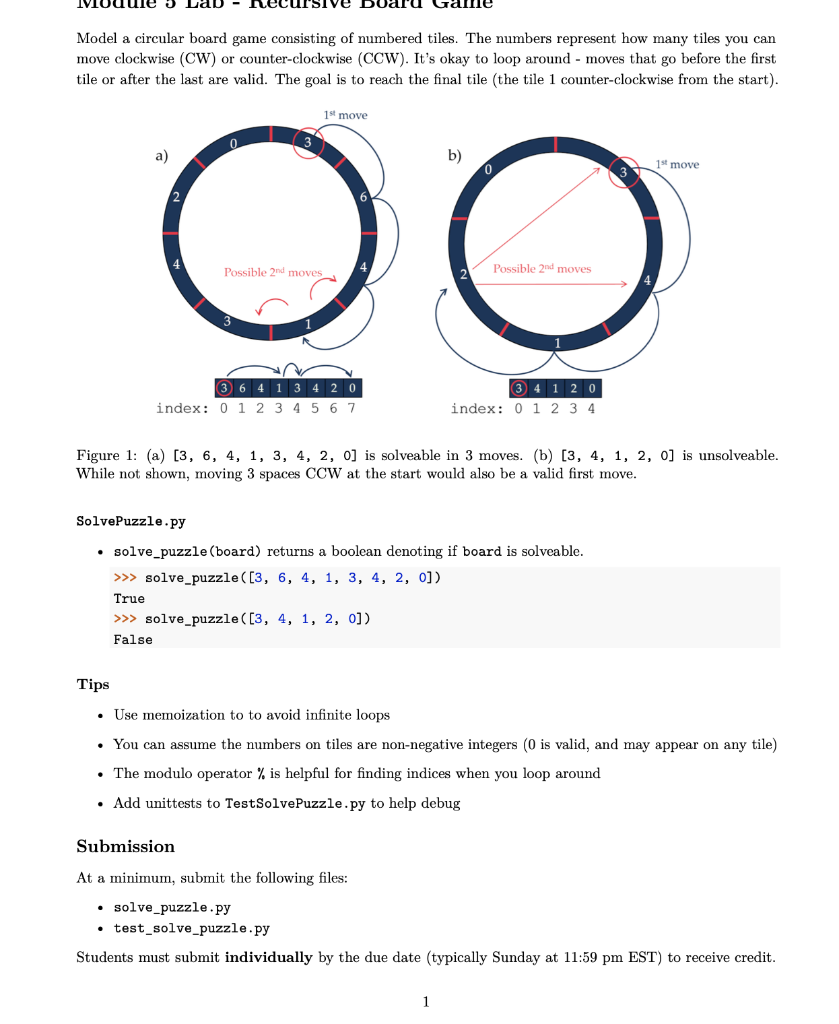
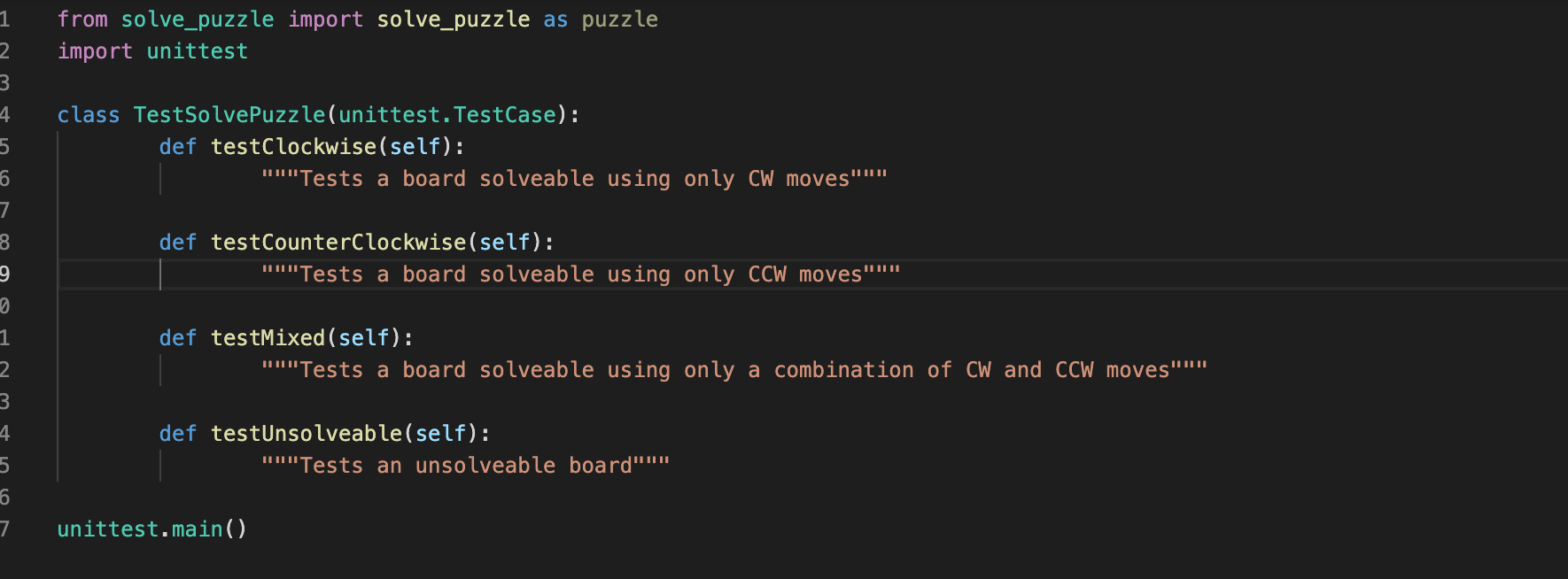
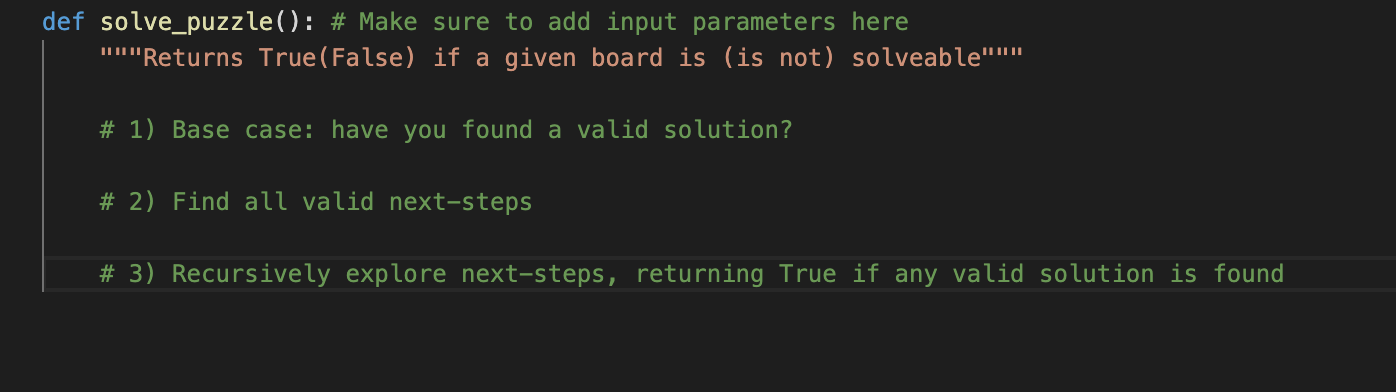
Model a circular board game consisting of numbered tiles. The numbers represent how many tiles you can move clockwise (CW) or counter-clockwise (CCW). It's okay to loop around - moves that go before the first tile or after the last are valid. The goal is to reach the final tile (the tile 1 counter-clockwise from the start). Figure 1: (a) [3,6,4,1,3,4,2,0] is solveable in 3 moves. (b) [3,4,1,2,0] is unsolveable. While not shown, moving 3 spaces CCW at the start would also be a valid first move. SolvePuzzle.py - solve_puzzle(board) returns a boolean denoting if board is solveable. solve_puzzle ([3,6,4,1,3,4,2,0]) True solve_puzzle ([3,4,1,2,0]) False Tips - Use memoization to to avoid infinite loops - You can assume the numbers on tiles are non-negative integers ( 0 is valid, and may appear on any tile) - The modulo operator % is helpful for finding indices when you loop around - Add unittests to TestSolvePuzzle.py to help debug Submission At a minimum, submit the following files: - solve_puzzle.py - test_solve_puzzle.py Students must submit individually by the due date (typically Sunday at 11:59 pm EST) to receive credit. def solve_puzzle(): \# Make sure to add input parameters here "ReturnsTrue(False)ifagivenboardis(isnot)solveable"#1)Basecase:haveyoufoundavalidsolution?#2)Findallvalidnext-steps#3)Recursivelyexplorenext-steps,returningTrueifanyvalidsolutionisfound
Step by Step Solution
There are 3 Steps involved in it

Get step-by-step solutions from verified subject matter experts
 Study Help