Question: So you want to be and Interpreter? An Introduction to Sign Language Interpreting. Class Participation/Canvas (Collaborative Discussions) What were the key points gleaned from the
So you want to be and Interpreter? An Introduction to Sign Language Interpreting. Class Participation/Canvas (Collaborative Discussions)
What were the key points gleaned from the reading?
Describe the new knowledge or insights you have gained from this chapter.
Complete the "Review" at the end of the chapter. Critically think when responding to theses review questions.
three to five questions regarding this chapter
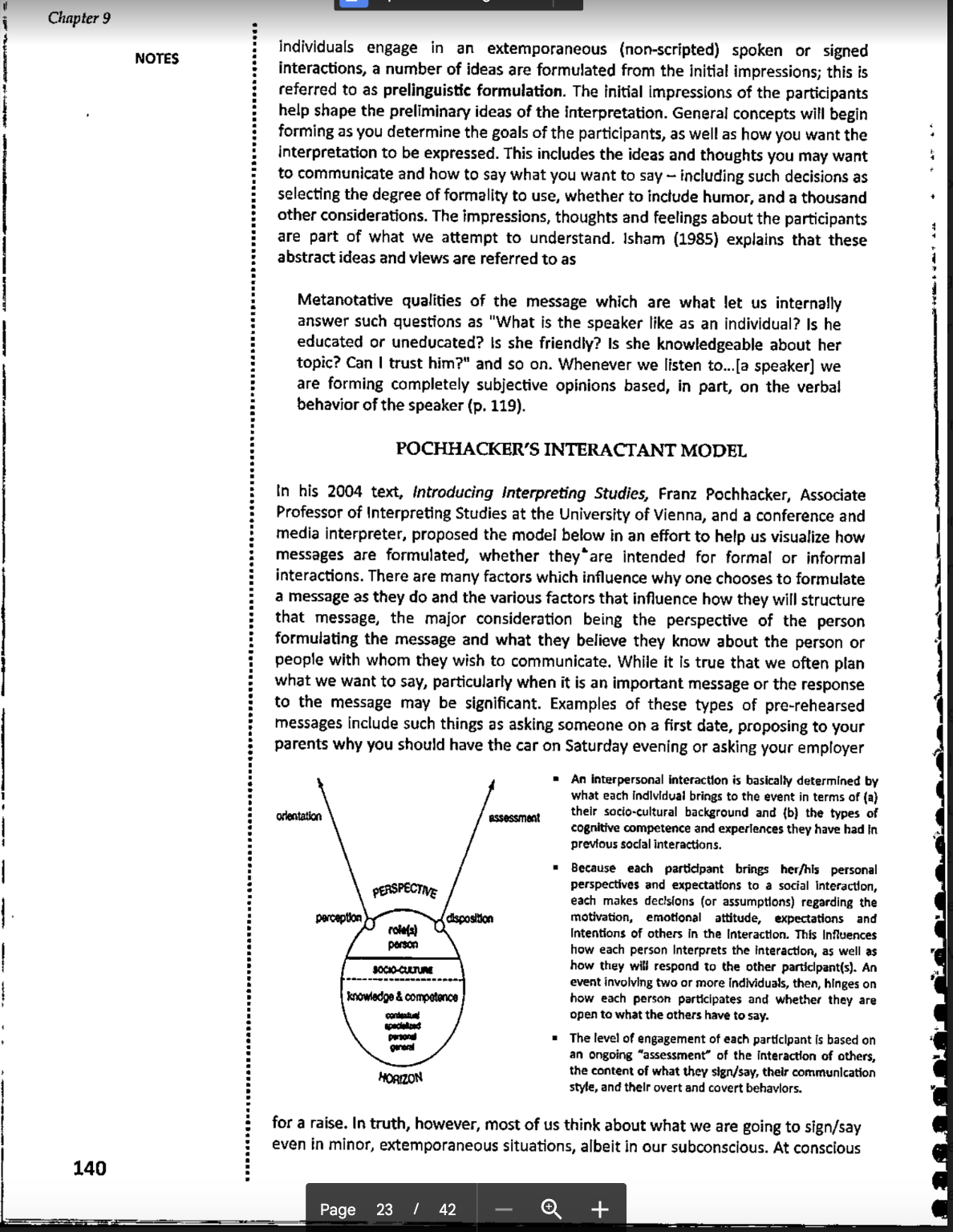
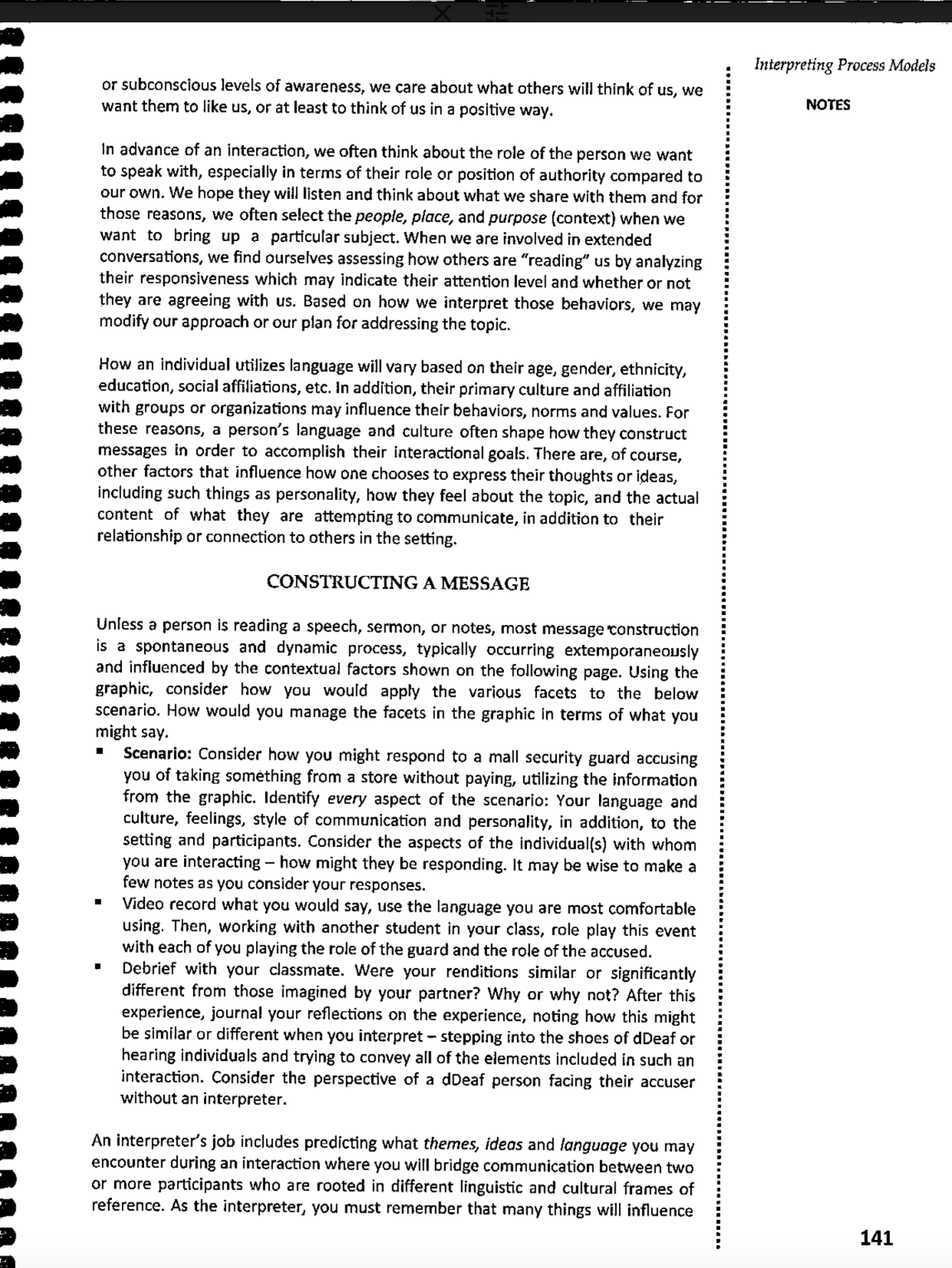
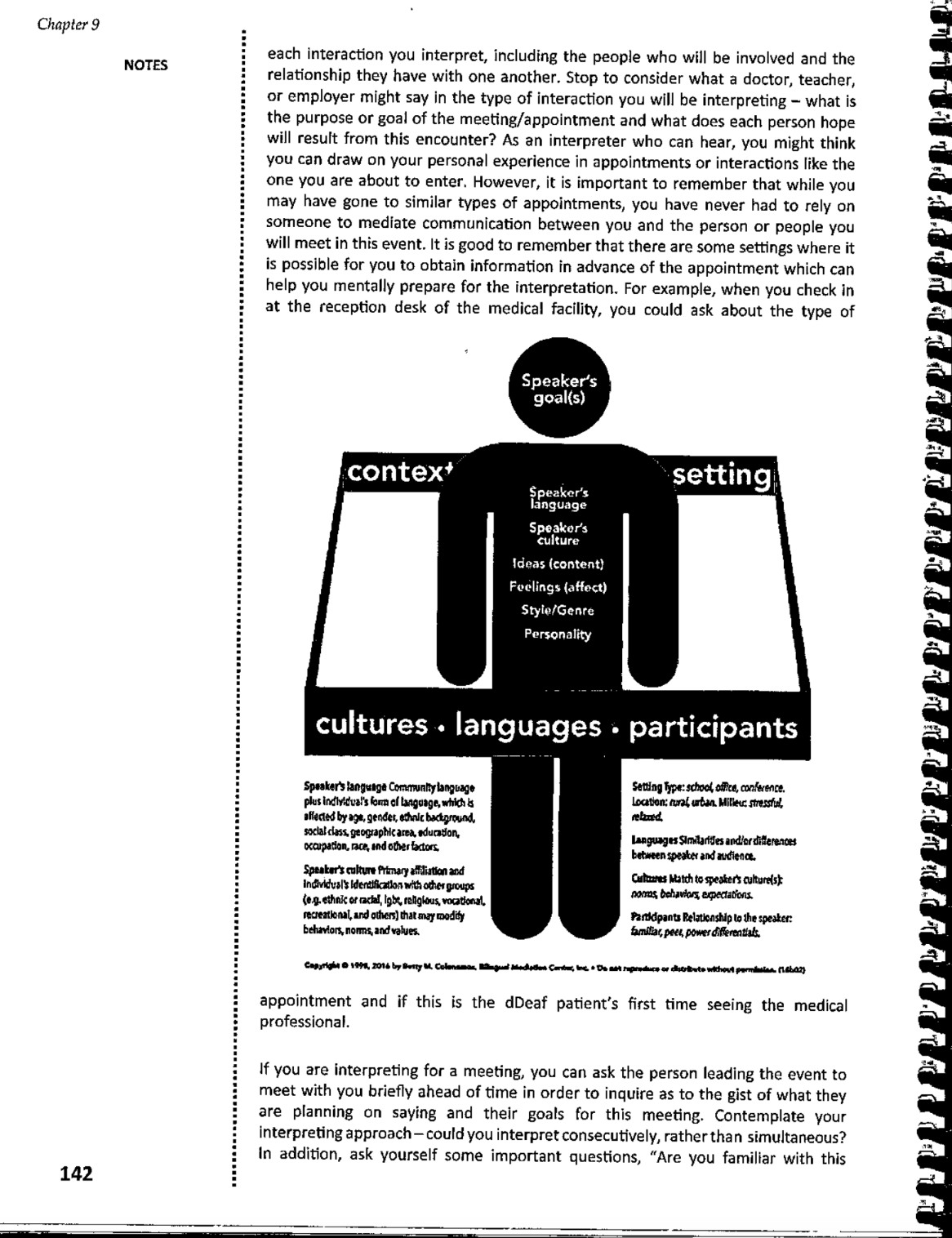
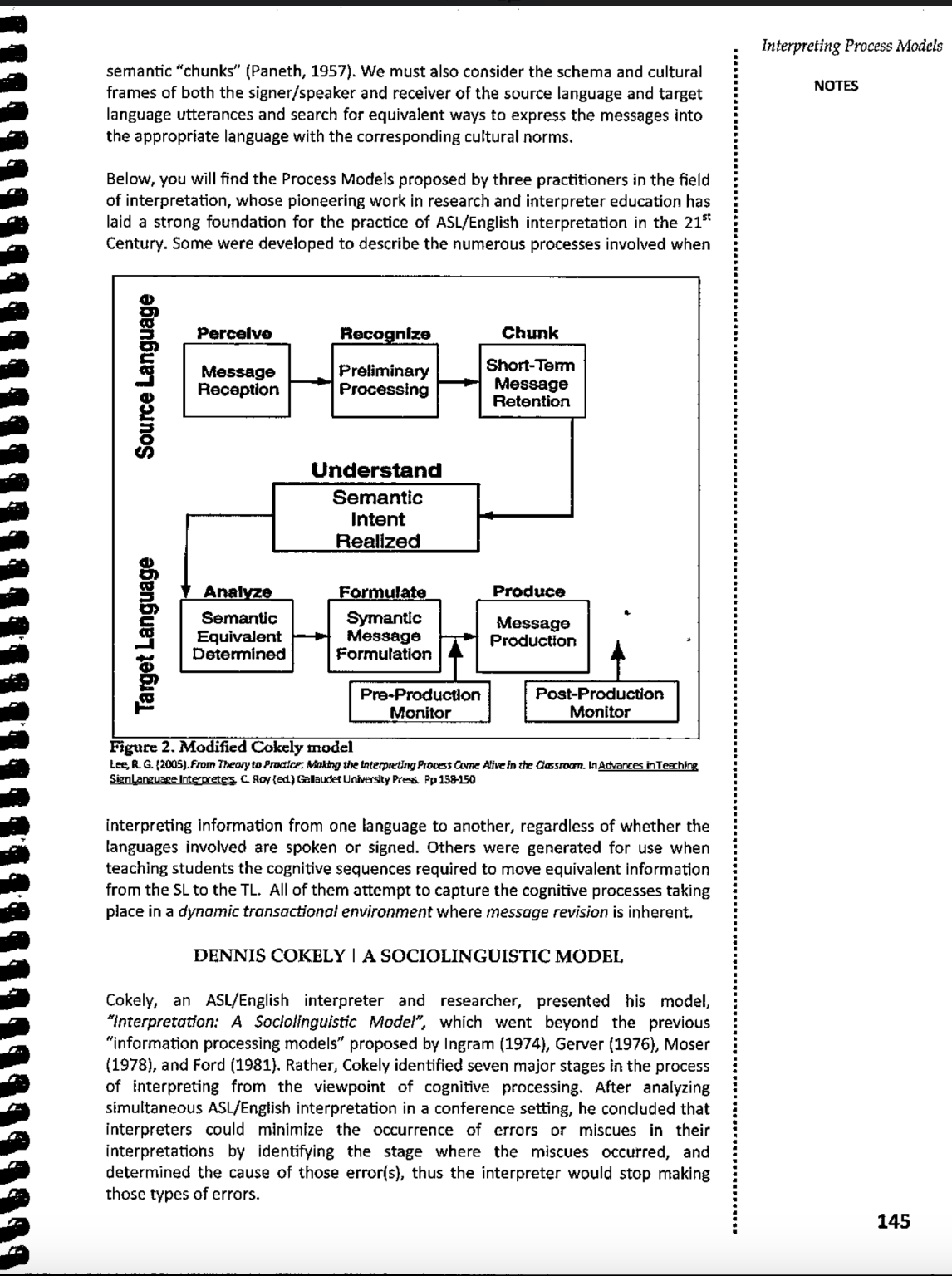
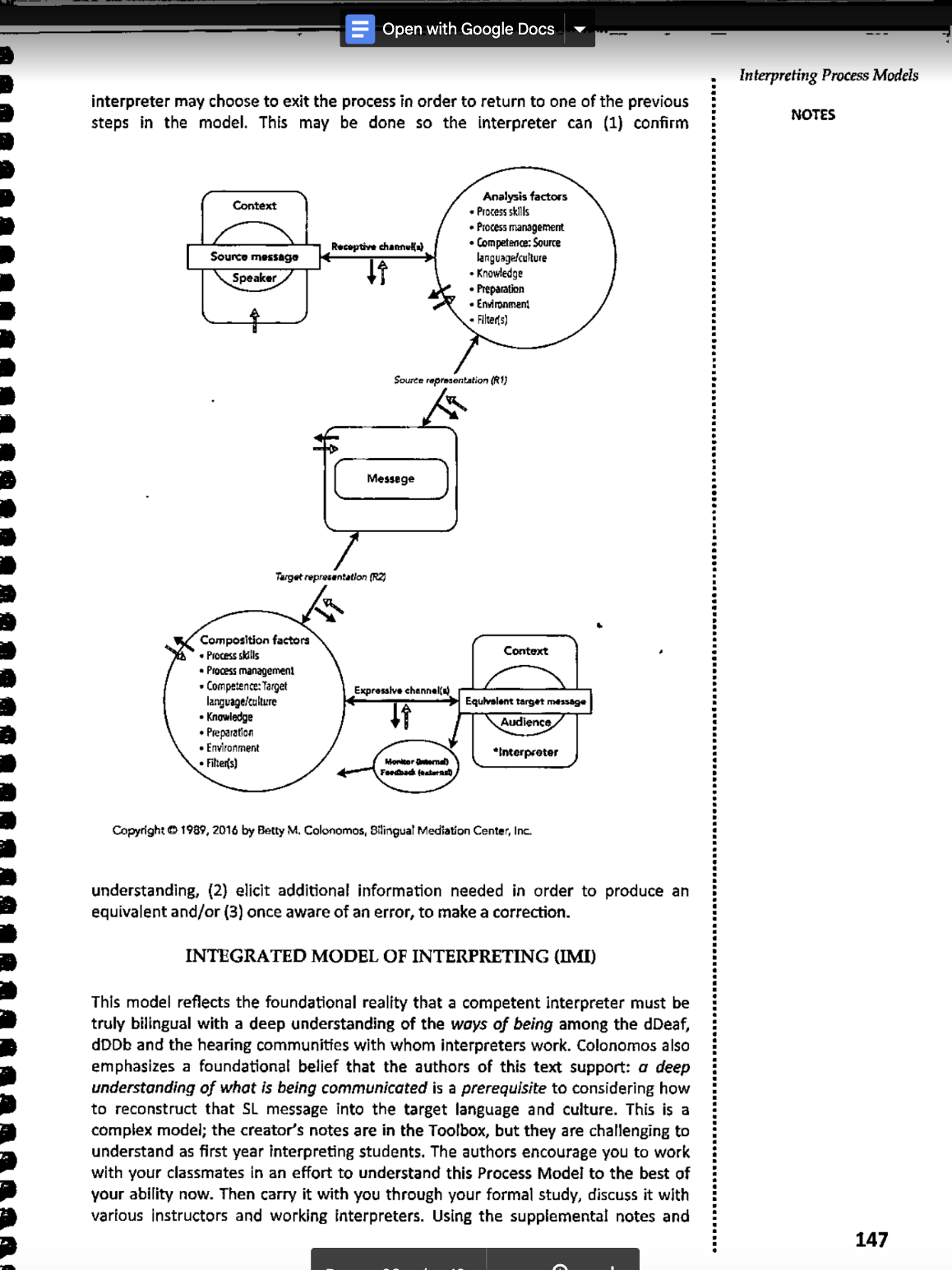
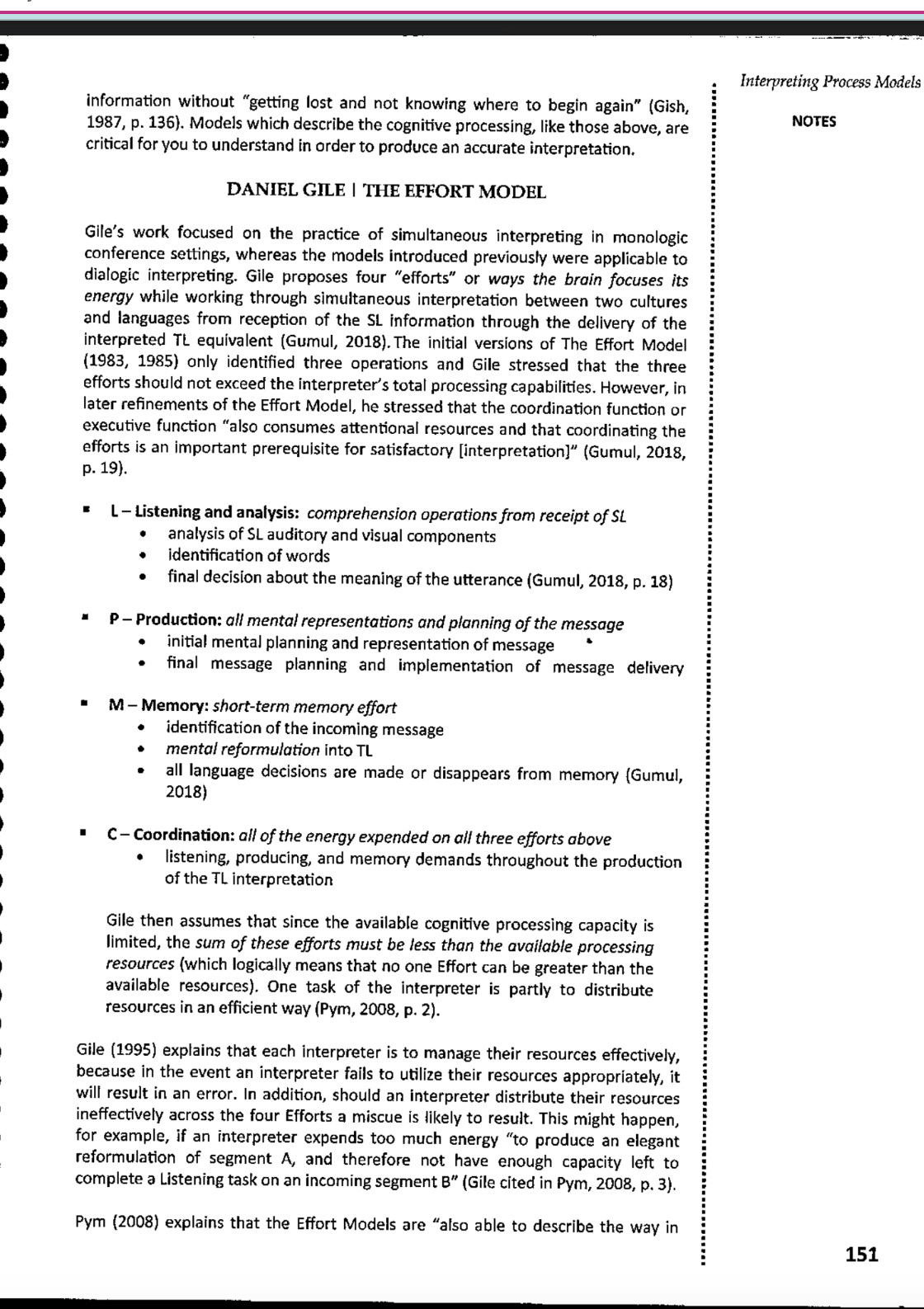
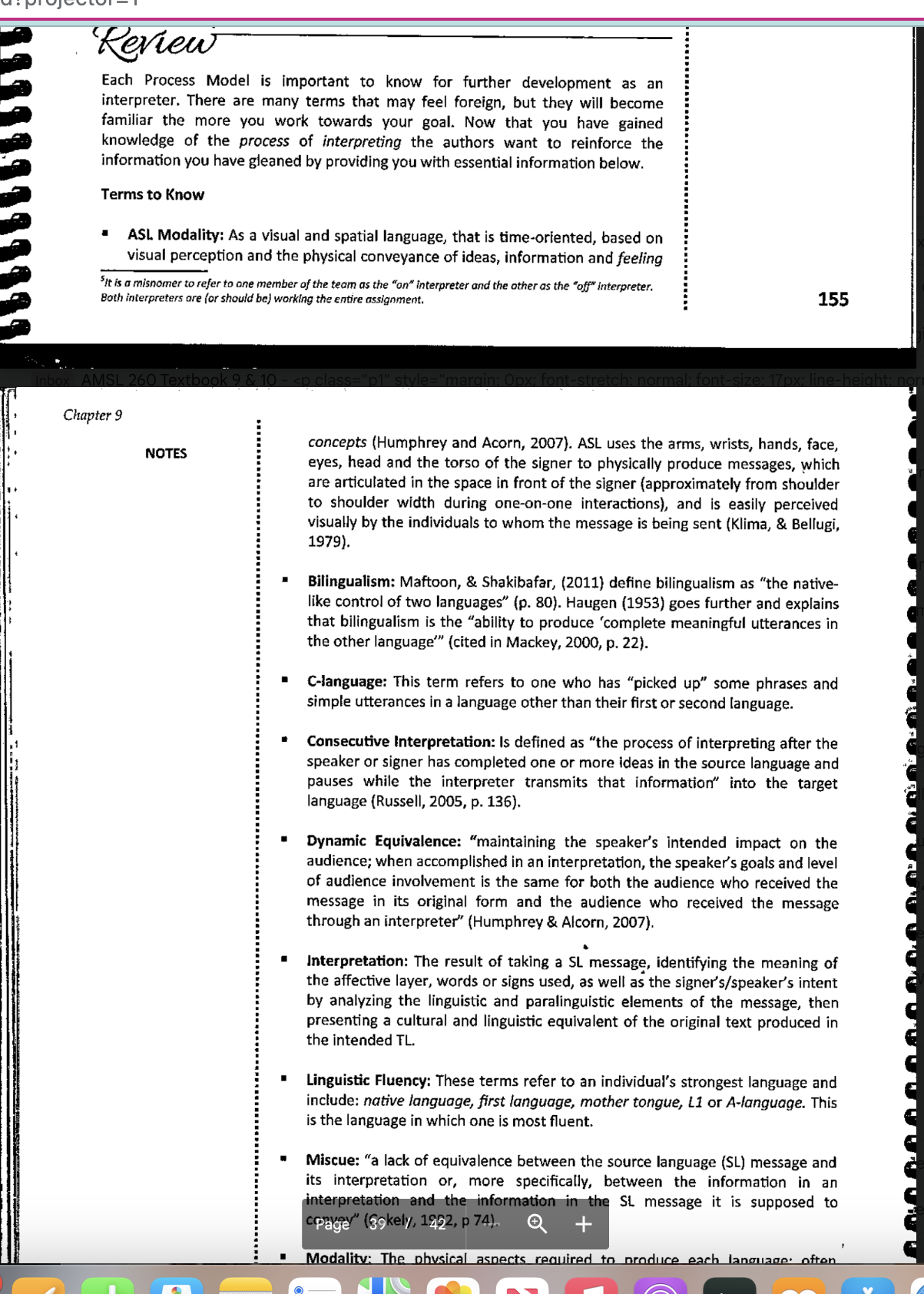
Open with Google Docs TERMS TO KNOW: Stakeholders Human Relations " Dynamic Equivalence " Linguistic Fluence " Second Language, L2, or B-language Bilingualism C-language Paralinguistics " Processing Time 91 Interpreting Process Models "Transliteration Interpreters are professional communicators, which means they must possess the ability to understand each person they work alongside and the subtle differences " Interpretation unique to their personal communication styles. There are additional elements under the umbrella term professional communicator, referring "to the various forms of - Translation speaking, listening, writing, and responding carried out both in and beyond the workplace, whether in person or electronically" (Nordquist, 2018, para. 1). It is Sight Translation evident that sign language interpreters need expertise in two or more languages, which also includes the multiple modes of language expression, (i.e., writing, Modality reading, signing and speaking). Simultaneous Interpretation The term professional, as applied to sign language interpreters, has been thoroughly examined and the following list will "delineate the major skills, fields of knowledge " Consecutive and attributes that underlie competent professional interpreting practice" (Johnson, Interpretation Witter-Merithew, & Taylor, 2004, p. 2). The process of identifying these requirements involved numerous stakeholders and the engagement of multiple - Sign-To-Voice perspectives in order to develop a reliable and inclusive description of a professional sign language interpreter. Stakeholders can include any "individual or group that has " Voice-To- an interest in any decision or activity of an organization" (ISO 26000 cited in American Society for Quality, 2020, para 1). Due to space, the major areas of " ASL Modality competence identified for interpreters are listed below (without subheadings) and the link to the complete document is cited in the chapter review. As professionals, Prosodic Features we expect standards to reflect an appropriate level of competency for those who want to enter the interpreting profession. "These competency-based standards are " Prelinguistic Formulation : driven by a vision of what is required for competent interpreting practice and grounded in the day-to-day experience of practitioners" (Johnson, et al., 2004, p. 2). . Miscue Though it does not have to be said, it shall be said to remove any doubt - the work of sign language interpreting is so much more than exchanging messages between people who are dDeaf and people who can hear. This is a complex linguistic and cultural approach to message comprehension and production which includes "a million little decisions," (B. Colonomos, personal communications, Fall 2014). The identified list of competencies below, if incorporated into the life of an individual, will provide a quality foundation for anyone who wants to become a sign Stakeholders in the sign language community would include anyone who has a vested interest in the topic, activity, or service of the profession; in this case, it would include students of Interpreting, interpreters, members of the 132 dDeaf, dDDb communities, those who employ interpreters, policy makers, organizational leaders, parents, Institutions that teach interpreter education, etc. Page 15 / 42 +re II I. 4-. (I 1.. language interpreter. it is essential to have a well rounded education, an understanding of the world, effective people skills, knowledge of the languages being used {ASL/English-Spanish, etc.), and possessing the skills to proficiently interpret in those languages. Johnson, et al., [2004] provides student interpreters with a quality resource which is focused on developing identied competency- based standards: " Domain 1: Theory and Knowledge Competencies: Identies competencies which embody the academic foundation and world knowledge essential to effective interpretation (p. 4}. " Domain 2: Human Relations Competencies: identifies competencies which foster effective communication and productive collaboration with colleagues, consumers, and employers (p. 5). I Domain 3: Language Skills Competencies: identies competencies that relate to the use ofAmerican Sign Language and English (p.61. I Domain 4: interpreting Skills Competencies: identifies competencies related to effective ASL-English interpretation in a range of subject matter in a variety of settings (p. 7]. ' Domain 5: Professionalism Competencies: identies competencies are related to required professional standards and practices (p. 8]. Historically, students, recent graduates (and some seasoned interpreters) have struggled with the above listed competencies. As practitioners we need to look at ourselves holistically; examining our beliefs about what it means to be a professional and the values associated with having that status. Simply put, to be a professional means that (1) you are worthy of the trust that participants give you, (2) you possess knowledge and skills worthy of hire, and {3) you are responsiblefor maintaining the standard of professional and moral behavior (Humphrey, 1999). Understanding your professional values will help guide you as you learn about the various approaches to the interpreting process, something we refer to as Process Models. in this chapter we will look at the nuts and bolts of communication that is mediated by an interpreter, because the people attempting to exchange ideas and information not only have different ways of communicating - but they also have different ways of being. Communication is not solely about the signs or words used to construct sentences, paragraphs or stories. Genuine communication requires understanding the spirit or intention behind each question or comment understanding the implications carried by the signs and words. Interpreting is about mediating communication between people using different ways of conveying respect, doubt, curiosity, excitement and hurt. An interpreter is a bridge between different individuals sharing ideas, feelings and information wrapped in their unique ways of being (Cokely, 2008). Effective interpreters are able to look beyond both the signs used, and words spoken, to convey the message, uncovering the intention being expressed, and then presenting the intended meaning to the doctor, teacher, or police officer, in such a way that conveys an equivalent message to the individual coming from a different language and culture. It is important to note that accuracy and equivalency are closely related but not synonymous. interpreters can render a message that is accurate but not equivalent. The idea of dynamic equivalence has been defined as, _____ z The authors of this text are designating a new convention, the capitoiizotion of \"Process Madeis\" to address them as an entity created by professionals {Coianamos, Cokeiy, etc) in the eidof interpreting. The use of 'Process Models\" informs the readers that the act of interpreting shauid be done in accordance with one afthe designated modeis. I I I I I I I l I I I I I I I I I I I I I I I I I I I I I I I I I I I I I I I I I I I I I I I I I I I I I I I I I I I I I I I I I I I I I I I I I I I I I I I I I I I I I I I I I I I I I I I I I I I I I I I I I I I I I I I I I I I I I I I I I I I I I I I I I I I I I I I I I I I I I I I I I I I I I I interpreting ProceSs Models NOTES 133 maintaining the speaker's intended interaction with an impact on the audience; when accomplished in an interpretation, the speaker's goals and level of audience involvement is the same for both the audience who received the message in its original form and the audience who received the message through an interpreter (Humphrey St Alcorn, 2007]. You may have noticed that some of these ideas and concepts have been introduced in previous chapters and will be used in this chapter. The authors assume there is no reason to repeat those terms here however there are additional terms directly related to the work of interpreting that will be addressed. TERMINOLOGY Linguistic Fluency: These terms refer to an individual's strongest language and includes, native language, rst language, mother tongue, L1 or A-language. This is almost always the language in which one is most uent, capable of discussing a variety of topics for numerous purposes and across various social interactions. It is usually the language used by one's parents, although this is not always the case. One's native language is usually the language they feel most comfortable playing with, bending the rules and in which they have little, if any, trouble deciphering subtle nuances and degrees of meaning. Of course, the way most individuals speak their Alanguage will be inuenced by a regional or geographic accent: a Tennessee twang, a New York accent, etc. For dDeaf individuals in the US, American Sign Language (ASL) is usually the language of preference but technically only those children born dDeaf into a family with dDeaf lineage whose home language is ASL can claim ASL as their native language. Children born deaf to families whose home language is a spoken language, like English, Chinese, Japanese or Spanish, are not typically exposed to naturally occurring visual language or to uent signed language users until they are 2 or 3 years old. The same is true of dDeaf children in Quebec where the native sign language is Langue de Signes Quebecoise, or {50, Like individuals who can hear who develop a regional accent, dDeaf children who grow up in the US will encounter regionally distinct signing patterns and signed vocabulary. Those who acquire ASL in one region can testify to the underlying similarity of signs and grammatical structure of ASL in those regions, yet specic terminology {signs} will vary. The authors encourage interpreting students to include entries in your student journals recording those variations as you come across them. Second language, L2 or B-language: These terms refer to acquisition of a second language, typically acquired by living in another country for several years or by having an immersive experience with a language other than your mother tongue. Second language users often have a noticeable accent when they use a second language (McDermid, 2014). On the other hand, if you have acquired a B-language by interacting frequently with a community of people using that language, you will most likely be able to carry on conversations in a variety of settings on various topics, although you will probably be challenged by subject-specic terminology, like auto mechanics, linguistics, or nursing, for example. Second language learners are usually a stranger to some of the subtleties and nuances of meaning in their second language, as well as some forms of humor particularly playing with the language (Bell, 2007}. Bilingual competency is a must for sign language interpreters and developing superior or near native skills in both of your working languages is essential. hh'ilhlblillilllI"IIIIUIIllillilllllililllI 5 Open with Google Docs v Bilingualism: Maftoon, & Shakibafar, (2011) dene bilingualism as \"the native-like control of two languages\" (p. 80). Haugen (1953) goes further and explains that bilingualism is the "ability to produce 'complete meaningful utterances in the other language\" {cited in Mackey, 2000, p. 22). The key word in the denition is meaningful is the utterance comprehensible and is it produced with native elements? However to make matters more confusing, \"dening exactly who is or is not bilingual is essentially elusive" [Baker cited in Maftoon, & Shakibafar, 2011, p. 79}. Dening bilingualism may be difcult and it may have more to do with determining the essential linguistic criteria of bilingualism which likely include uency, grammar and overall production. C-language: This term refers to one who has \"picked up\" some phrases and simple utterances in a language other than their first or second language. Often, one can comprehend some of what is being spoken or signed in their C-language, but they typically have great difculty making themselves understood in that third language. Attempts to communicate are often "heavily accented\" and the grammar rarely follows their third language. However, those who are truly multilingual demonstrate obvious competence in each of their languages. Paralinguistics: The auditory, visual or physical elements associated with signed or spoken messages, which convey additional information above and beyond the words spoken. in spoken languages, one might express affect or emotion by raising their voice and frowning to show anger or a soft and loving facial expression to show affection, In signed language, one might express those emotions by signing larger and with more force to show anger; they might produce the signs in a softer, more gentle manner with facial affect showing affection to accompany loving words. Other paralinguistic information could be used to communicate status, frustration, curiosity, or power, to name a few. Processing Time: The time used by an interpreter to complete an analysis of the source language (SL) utterance and to search for cultural and linguistic equivalents before producing a message in the target language (TL). Transliteration: The result of taking a 5L message, identifying the meaning, goal and intent of the speaker by analyzing the linguistic and paralinguistic elements of the message, and expressing that message in a different form or mode of the same language leg. PSE or Signed English to spoken English]. in essence the SL and TL are the same, but the mode of tra nsmission is different (this explanation refers to how the term is used in the eld of sign language interpretation). Interpretation: The result of taking a SI. message, identifying the meaning of the affective layer, words or signs used, as well as the signer's/speaker's intent by analyzing the linguistic and paralinguistic elements of the message, then presenting a cultural and linguistic equivalent of the original text produced in the intended TL. Quality interpreting is not possible if the interpreter does not possess bilingual competence in both of their working languages. Translation: This is generally done over time and typically with 2 or more persons involved in the development of a translation of a frozen text (written or video) into another language. This is currently an emerging field for dDeaf individuals {e.g. videotaped translations of textbooks, plays and poems) (Forestal & Cole, 2018}. Deaf Missions of Iowa, for example, has recently completed a 40-year project of the translation of the Bible into American Sign Language, referred to as the ASLV Interpreting Process Models NOTES 135 Chapter 9 NOTES (American Sign Language Version). Multiple translation teams were used over those years, always with a dDeaf individual with expertise in American Sign Language and Deaf culture working with experts in Hebrew, Greek and Aramaic languages. After each book was translated it was reviewed by a broad selection of dDeaf community members to confirm that the translation was clear, accurate, natural and acceptable. Sight Translation: Unlike genuine translation, sight translation happens in the moment. Sight translation usually renders a written document into signed language but at times, an interpreter might be asked to write in English a signed text. Sight translation is typically done "on the spot" with little-to-no advanced notice or preparation. This happens when a dDeaf individual asks an interpreter to "explain" a written text whether in English, Spanish or another language. It is not uncommon for an interpreter to be asked to do a sight translation of medical history forms at a doctors office, directions for taking medication, maybe even a personal letter. There may be times when a dDeaf individual may ask the interpreter to write their signed utterances in English to give to their boss or neighbor. The dDeaf person is asking for an "interpretation" of a printed document into the signed language they understand or a written version of something they need to communicate to a person who can hear. Modality: The physical aspects required to produce each language; often referred to as the method or channel through which a message is expressed, specifically English is auditory/oral while American Sign Language is visual/spatial. Simultaneous Interpretation: "Is defined as the process of interpreting into the target language at the same time as the source language is being delivered" (Russell, 2005, p. 136). Consecutive Interpretation: "Is defined as the process of interpreting after the speaker or signer has completed one or more ideas in the source language and pauses while the interpreter transmits that information into the target language" (Russell, 2005, p. 136). Sign-To-Voice: Interpreting signed messages from the source language into a spoken target language. Voice-To-Sign: Interpreting from a spoken source language into a signed target language. THE WORK OF INTERPRETERS The goal of an interpreter is to support communication between individuals who have different languages and come from different cultural backgrounds; oftentimes the person providing these services is referred to as an interpreter regardless of whether they are providing interpretation or transliteration services. One-on-One Interactions: This refers to a dDeaf individual meeting with a person who can hear. This designation identifies the number of people in the interaction, but it is a bit of a misnomer since these interactions often involve two-on-one and three-on-one situations. Examples include: an appointment with a real estate agent, a consultation with a doctor, dentist, potential employer, a minister - there is no end to the list. Typically, these encounters involve dialogue, back-and-forth 136h'i'bibii'iiiiililIUIEIIIIIIIEIEUEUEEBEE communication, often with one person having special knowledge or experience of some kind. The purpose of a one-on-one encounter can range from an attempt to comfort, confront, inquire, scold, or discipline, among unlimited other possibilities. Small Groups: This term also includes many types of interactions and may involve between three to twelve individuals. This could be a group counseling session, a staff meeting, a small training or seminar. Typically, there will be more hearing than Deaf clients in such a setting, although this is not always the case. The goals are quite varied, including informing, advising, teaching. explaining, and planning, among others. In a small group setting, the turn-taking is often more rapid than one -onone events, making interpretation more challenging. As in other settings, the Interpreter must deal with intake and analysis of the SL utterances and production of a linguistic and cultural equivalent into the target language. In addition, in small group settings the interpreter must indicate who is speaking, convey the emotional overlay of utterances, shift back and forth between sign-to-voice and voice-to-sign interpretation - and do all of this within the constraints of sometimes rapid-re turn-taking. This is probably one of the more difcult settings in which to interpret due to the rapid and overlapping turn-taking, thus more experienced interpreters, rather than beginning level interpreters, are encouraged to Work in this type of setting. For this reason, the use of a team of interpreters is more effective than a single interpreter. This allows interpreters to share the work, allowing overlapping comments to be interpreted unless the leader or moderator chooses to enforce a contributor be recognized before sharing their comment. Group Settings: Medium-to-Iarge groups can range from 20 to 50, or even more participants. In this setting, you will typically find one person leading the event, often standing in front of those attending. The type of language used and the role of the interpreter is different than in one~on-one or small group events. This could be an annual meeting for all employees at a large company or a large parent-teacher conference. Due to the size of the audience, the speaker typically stands on a platform or stage, makes use of a microphone, large screen video in order to be seen and/or heard. This type of interchange often follows the linguistic and turn- taking rules for consultative or formal interactions. Interaction between the Speaker and the audience is structured, following a typical question and answer format. If interaction is allowed, people are likely to raise their hand and wait until they are called on. The language used in this setting often has more complex syntactic structures and specic vocabulary. The purpose of these events ranges from educating, entertaining, informing, inspiring, and/or convincing. Preparation is critical at all times, but in this type of setting preparation can be more crucial because of the high probability of specialized terminology. Gathering the information may take time but needs to be a priority. For example, an interpreter is often able to get a program or agenda some time before the event is scheduled. However, getting the notes, PowerPoint or outline from the speaker should be done in advance of the event as it may be more difficult to get the speaker to share their notes. Such events typically have someone responsible for the program and they may have a summary of the presentation which they can share or they can reach out to the presenter on behalf of the interpreters. It is highly recommended that you conduct a search for the presenter online. This may provide you with an idea of the presenter's style, language and general demeanor you may also locate a previous presentation made by the same individual that may be on a similar topic. If you are fortunate, you may be able to secure a copy of the Speech, sermon, text or presentation prior to the event. Even if this advanced Interpreting Process Models NOTES 137 mw- - ...__.- ----.------u- 138 NOTES = Open Wit oogeDocs v preparation is not possible, the interpreter can sometimes meet with the presenter before the start of the presentation, during which time the speaker's goal can be identied, along with a verbal outline of the presentation to come. New interpreters should be cautious about accepting this type of job unless you are teamed with an experienced co-interpreter' This is the type of setting where hearing interpreters should be promoting the use of a dDeaf interpreter. MEDLATED LANGUAGE It is important to understand that each language and culture has specic ways to manage communication and to accomplish specic linguistic goals or tasks. For that reason, we will look at communication in action. ASL Modality: As a visual and spatial language, American Sign Language is time- oriented, based on visual perception and the physical conveyance of ideas. information and feeling concepts (Humphrey and Acorn, 2007]. ASL uses the arms, wrists, hands, face, eyes, head and the torso of the signer to physically produce messages, which are articulated in the space in front of the signer [approximately from shoulder to shoulder width during one-onone interactions}, and is easily perceived visually by the individuals to whom the message is being sent (Klima, & Bellugi, 1979). More specically, ASL uses movement as the medium of communication, producing a series of rule-based hand signals [signs], accompanied by prosodic features, such as rule-governed facial and physical markers (non- manual signals), with requisite eye contact and eye-indexing norms (Winston, 2000). ' Prosody is the combination of features in any lariguage that produces the rhythm, accent, and "feel" of the language. in ASL, prosody is a visual spatial image, created by several features. These features include head and body movements, eyebrow movement, mouth movement, speed of signing, sign formation, pacing. and pausing (Winston, 2000, p. 1). The linguistic rules of American Sign Language, and other signed languages, use visual-spatial elements to create messages expressed with a type of uency allowing ASL articulation to ow in a manner that maintains clarity, and fosters comprehension by those receiving signed messages while, allowing a timely delivery, thereby avoiding undue visual fatigue. Since the physical articulators of ASL are larger than those used for vocal articulation, the production of signs has longer production time in comparison to the time required for the utterance of English words [Wilben 2009), In spite of these differences, ASL transmits the same amount of information as English in the same length oftlme (lsenhath, 1990).This is particularly important when considering the signicance of receiving information visually, as opposed to auditorily. Unlike the ears, the eyes are operated by muscles that tire with extended use. This is signicant because eyes can perceive and process numerous linguistic elements which enables competent American Sign Language users to Identify and convey subtle, nuanced elements simultaneously. It is important to realize that every sentence is made of various elements, some are overt while others are far more subtle. The signs used in a sentence are more explicit while eye gaze or effect are often [though not always) more implicit. For example if an individual emphatically signs \"SATISFIED,\" while simultaneously shaking their head from side-to-side and rolling their eyes and concluding the sentence by exhaling loudly to indicate their complete dissatisfaction, this utterance 5 Open with Google Docs v Interpreting Process Models could be interpreted in several ways, including \"i am not satised in any way!\" NOTES In the above example, the dDeaf individual used an utterance composed of only one content element (SATISFIED) combined with prosodic elements - shaking his head from side-to-side, rolling their eyes and a loud exhalation. This message was conveyed in ways that took advantage of the multifaceted nature of American Sign Language lCoker, 1985). Some of the facets we see in typical signed communication are emphasized pauses, physical movement (stepping forward or backward), exaggerated eye movement, signs or facial expressions - all conveying information about how the signer felt about his experience which is conveyed through a single content element and prosodic features. By comparison, the spoken interpretation of that single-sign-sentence would require multiple words (seven in our example) to convey the same meaning. The robust nature of prosody allows people to communicate so much more than the words (functional elements), alone. Winston (2000} explains that there has been much research into the prosodic features in spoken language and that there are apparent distinctions made between words and sounds. Words and sounds are separated into three distinct categories: 1] linguistically relevant sounds (words, utterances, etc) and features that co- occur with the linguistic features...such as intonation, accent, rhythm, tempo, speed; 2] paralinguistic: [including]...sounds like sighs or whistles, that add meaning but are not linguistic. 3) Other features {anything non- H i D ' Q I I . ' . H n vocal) are labeled extralinguistic and are not studied as part of linguistics; I l I I n I H a D D I - I I D D I D D D 9 generally facial expression and body movement, as well as hand gestures have been excluded from spoken language linguistic study (Winston, 2000, p. 2). it is apparent that spoken English allows for latitude with how users can \"play\" with the language. However, English is still somewhat restricted by the fact that the mouth can only produce one comprehensible word at a time. As indicated in the example above, seven words were required (\"l am not satised in any wayl\") to convey one sign accompanied by a head shake, rolling eyes and an exasperated sigh. The spoken interpretation likely used prosody, including intonation, speed, rhythm, tone, affect and volume all provide emphasis to the words in an effort to deliver the same meaning and impact of that being conveyed in American Sign Language. It is important to note that in ASL such distinctions between grammar and prosody cannot be made because it \"is essential to consider any visual feature as a possible component of prosody" (Winston, 2000, p. 2). Yet the speed of production in each modality varies based on the content being communicated and the linguistic competence of the user. American Sign Language can convey a complex idea in seconds, depending on their Ia nguage choices. But the inverse can be true, it may take considerably more signs to convey a thought or idea that is easy to convey in a gure of speech in spoken English. MES SAGE FORMULATION Before we dive into a discussion of how an interpreter interprets information from one language and culture into another, it needs to be understood there are multiple factors that inuence how messages are formulated. When two or more 139 Pane 22 l 42 Chapter 9 NOTES individuals engage in an extemporaneous (non-scripted) spoken or signed interactions, a number of ideas are formulated from the initial impressions; this is referred to as prelinguistic formulation. The initial impressions of the participants help shape the preliminary ideas of the interpretation. General concepts will begin forming as you determine the goals of the participants, as well as how you want the interpretation to be expressed. This includes the ideas and thoughts you may want to communicate and how to say what you want to say - including such decisions as selecting the degree of formality to use, whether to include humor, and a thousand other considerations. The impressions, thoughts and feelings about the participants are part of what we attempt to understand. Isham (1985) explains that these abstract ideas and views are referred to as Metanotative qualities of the message which are what let us internally answer such questions as "What is the speaker like as an individual? Is he educated or uneducated? Is she friendly? Is she knowledgeable about her topic? Can I trust him?" and so on. Whenever we listen to..[a speaker] we are forming completely subjective opinions based, in part, on the verbal behavior of the speaker (p. 119). POCHHACKER'S INTERACTANT MODEL In his 2004 text, introducing Interpreting Studies, Franz Pochhacker, Associate Professor of Interpreting Studies at the University of Vienna, and a conference and media interpreter, proposed the model below in an effort to help us visualize how messages are formulated, whether they are intended for formal or informal interactions. There are many factors which influence why one chooses to formulate a message as they do and the various factors that influence how they will structure that message, the major consideration being the perspective of the person formulating the message and what they believe they know about the person or people with whom they wish to communicate. While it is true that we often plan what we want to say, particularly when it is an important message or the response to the message may be significant. Examples of these types of pre-rehearsed messages include such things as asking someone on a first date, proposing to your parents why you should have the car on Saturday evening or asking your employer An interpersonal interaction is basically determined by what each individual brings to the event in terms of (a) orientation assessment their socio-cultural background and (b) the types of cognitive competence and experiences they have had In previous social interactions. . Because each participant brings her/his personal PERSPECTIVE perspectives and expectations to a social interaction, each makes decisions (or assumptions) regarding the perception disposition motivation, emotional attitude, expectations and roids) Intentions of others in the Interaction. This Influences person how each person Interprets the interaction, as well as SOCIO-CULTURE how they will respond to the other participant(s). An event involving two or more individuals, then, hinges on knowledge & competence how each person participates and whether they are open to what the others have to say. The level of engagement of each participant is based on an ongoing "assessment" of the interaction of others, HORIZON the content of what they sign/say, their communication style, and their overt and covert behaviors. for a raise. In truth, however, most of us think about what we are going to sign/say even in minor, extemporaneous situations, albeit in our subconscious. At conscious 140 Page 23 / 42or subconscious levels of awareness, we care about what others will think of us, we want them to like us, or at least to think of us in a positive way. In advance of an interaction, we often think about the role of the person we want to speak with, especially in terms of their role or position of authority compared to our own. We hope they will listen and think about what we share with them and for those reasons, we often select the people, place, and purpose (context) when we want to bring up a particular subject. When we are involved in extended conversations, we nd ourselves assessing how others are "reading" us by analyzing their responsiveness which may indicate their attention level and whether or not they are agreeing with us. Based on how we interpret those behaviors, we may modify our approach or our plan for addressing the topic. How an individual utilizes language will vary based on their age, gender, ethnicity, education, social afliations, etc. in addition, their primary culture and afliation with groups or organizations may inuence their behaviors, norms and values. For these reasons, a person's language and culture often shape howthey construct messages in order to accomplish their interactional goals.There are, of course, other factors that inuence how one chooses to express their thoughts or ideas, including such things as personality, how they feel about the topic, and the actual content of what they are attempting to communicate, in addition to their relationship or connection to others in the setting. CONSTRUCTING A MESSAGE Unless a person is reading a speech, sermon, or notes, most message construction is a spontaneous and dynamic process, typically occurring extemporaneously and inuenced by the contextual factors shown on the following page. Using the graphic, consider how you would apply the various facets to the below scenario. How would you manage the facets in the graphic in terms of what you might say. I Scenario: Consider how you might respond to a mall security guard accusing you of taking something from a store without paying, utilizing the information from the graphic. Identify every aspect of the scenario: Your language and culture, feelings, style of communication and personality, in addition, to the setting and participants. Consider the aspects of the individualisi with whom you are interacting how might they be responding. it may be wise to make a few notes as you consider your responses. . Video record what you would say, use the language you are most comfortable using. Then, working with another student in your class, role play this event with each of you playing the role of the guard and the role of the accused. ' Debrief with your classmate. Were your renditions similar or signicantly different from those imagined by your partner? Why or why not? After this experience, journal your reections on the experience, noting how this might be similar or different when you interpret stepping into the shoes of dDeaf or hearing individuals and trying to convey all of the elements included in such an interaction. Consider the perspective of a dDeaf person facing their accuser without an interpreter. An interpreter's job includes predicting what themes, ideas and language you may encounter during an interaction where you will bridge communication between two or more participants who are rooted in different linguistic and cultural frames of reference. As the interpreter, you must remember that many things will inuence interpreting Process Models NOTES 141 Chapter 9 NOTES each interaction you interpret, including the people who will be involved and the relationship they have with one another. Stop to consider what a doctor, teacher, or employer might say in the type of interaction you will be interpreting - what is the purpose or goal of the meeting/appointment and what does each person hope will result from this encounter? As an interpreter who can hear, you might think you can draw on your personal experience in appointments or interactions like the one you are about to enter. However, it is important to remember that while you may have gone to similar types of appointments, you have never had to rely on someone to mediate communication between you and the person or people you will meet in this event. It is good to remember that there are some settings where it is possible for you to obtain information in advance of the appointment which can help you mentally prepare for the interpretation. For example, when you check in at the reception desk of the medical facility, you could ask about the type of Speaker's goal(s) context setting Speaker's language Speaker's culture Ideas (content) Feelings (affect) Style/Genre Personality cultures . languages . participants Speaker's language Community language Setting Type: school, office, conference. lus individual's form of language, which is Location: rural urban. Millers stressful. affected by age, gender, ethnic background, rebud social class, geographic area, education occupation, race, and other factors. Languages Similarfiles and/or differences between speaker and audience Speaker's culture Primary affiliation and Cutoures Match to speaker's culture(s) Individual's Identification with other groups e.g. ethnic or racial, Igbe, religious, vocational. norms behaviors, expectations recreational, and others) that may modify Partidpants Relationship to the speaker: behaviors, norms, and values. familar, peer, power differentials. Copyright 0 1894 2014 by Berry Mot Colon wine neban appointment and if this is the dDeaf patient's first time seeing the medical professional. If you are interpreting for a meeting, you can ask the person leading the event to meet with you briefly ahead of time in order to inquire as to the gist of what they are planning on saying and their goals for this meeting. Contemplate your interpreting approach - could you interpret consecutively, rather than simultaneous? In addition, ask yourself some important questions, "Are you familiar with this 142topic? Have you interpreted for the dDeaf person before?\" Once the appointment begins, you will make use of everything that you used to prepare as you listen attentively, identifying the intention and meaning of each "chunk\" of Information being shared. Then, as the speakers pause momentarily, you will begin the process of moving those messages into the target language and culture, communicating the articulated message in linguistically and culturally accessible ways, while conveying the underlying emotive envelope in which message is being communicated. The goal of all interpreters is to convey the meaning and intention of communications to and from each party during an interaction. Like other language interpreters, American Sign Language/English interpreters are required to ensure that communication exchanged by individuals who can hear and those who are dDeaf are understood by all parties. However, interpreters who can hear and who are interpreting with a person who is DeafBlind has additional responsibilities that is to convey any auditory information coming from a non-visual source, such as an announcement made through a speaker system or an auditory signal like the class bell at school. Information communicated through an auditory source is, unfortunately, only accessible to those who can hear. A sign language interpreter would be expected to convey that Information to the participantlsi, in addition to any spoken communication directed specically at these participants. When working with DeafBlind individuals, interpreters must also convey any visual information that is relevant to the interaction. If, for example the DeafBlind individual is meeting with the manager of the apartment where they live, the interpreter Would be expected to include in their interpretation the unspoken visual reaction made by the manager to what the dDDb individual has asked or said. These non-verbal responses carry the majority of the communication, but a questioning look on the manager's face, a smile, or the "0K" gesture on their hand if not interpreted fails to provide the DeafBlind individual access to all of the information. Just as each person has preferences regarding interpreted communication, dDDb individuals are no different. Some prefer additional information about their surroundings, the number of people, what they look like, where they are in the room and so on, while others prefer just enough information to make them comfortable. Comprehending a souroe language utterance and transmitting the communication into the target language requires the same mental tasks and processes no matter where the work takes place or what languages are being used. It is the same process whether one is interpreting between spoken languages or between signed languages and spoken languages. An interpreter is required to analyze linguistically complex source language utterances as quickly and efciently as possible (Patrie, 2000). One of the greatest challenges in the journey toward becoming an interpreter is discovering, understanding and applying the steps required to convey equivalent messages between two distinct, separate languages and cultures while maintaining dynamic equivalence PROCESS MODELS Several Process Models have been proposed in the fields of both spoken and sign language interpretation from as early as the 1950's. While each model is unique, they all attempt to portray the largely invisible cognitive processes required to take an utterance from the initial source language (5L) utterance to the conveya nee of an equivalent message expressed in the target language (TL). Attempting to describe the various steps or processes involved in movin a suken or si ed message Interpreting Process M NOTES 143 Chapter 9 144 NOTES all-league...-Inn-nanni--.....-n----u-u through a Process Model includes the auditory and visible conveyance of affective information from one language to the other, while maintaining the spirit and integrity of the messages being communicated. Being sensitive to the details, the minutiae of the language, includes the ability to understand the source language with all nuances and the ability to express yourself uently and clearly and with the appropriate cadence in the target language (Kelly, 1979). in fact, this is one of the greatest challenges in the journey toward becoming an Interpreter - discovering and understanding the steps required to convey equivalent messages between two distinct, separate languages and cultures. Some Process Models are substantiated by formal data collection and research; others are based on the application of emerging field research and each developer's experiences as an interpreter and interpreter educator. Humphrey and Alcorn (1995) summarize the common features of numerous interpreting models, including those we will introduce in this chapter. This summary applies to simultaneous and consecutive interpreting: A. The interpreter takes in the source utterance; B. Lexical and semantic units are strung together and held until the interpreter has sufcient units to determine the meaning of what is being said or signed; C. A string of lexical and semantic units (referred to as a chunk) is analyzed to identify the speaker's or signer's intent and communication goal(s], explicit and implicit ideas, and a multitude of sociolinguistic features that impact upon the meaning of the source utterance. This could include gender. power distance between the speakers, setting, and contextual factors such as the impact or significance of the message on the receiver; D. A search is made for cultural and linguistic equivalents as well as observing cultural norms and the cultural overlays of meaning; E. Then a search is made of the target language to identify the lexical and semantic units and communication behaviors that can be used to produce an utterance in the target language with an equivalent meaning; F. The interpretation is expressed in the target language; and G. The interpreter monitors internal and external feedback to check for errors or needed corrections (Russell, 2005. Pp. 135-137). It is Important that as interpreters are receiving the source message, they are attentive to environmental or paralinguistic factors. The simple phrase, "How are you?\" can have very different meanings depending on the environment or settlng. In a counselor's office it Is often the way for the counselor to get the patient to begin sharing their thoughts, whereas in a coffee sh0p between two friends it can be taken as a greeting. However, while drinking coffee if the question is asked again, with a pensive tone it is usually understood that this is the time to open up. The words alone do not convey the message, rather how those words are delivered typically give the words their meaning. The flexibility of language and language use must be realized before student interpreters begin the work of interpreting. interpreters should not begin their interpretations after the rst or second words have been uttered. it is necessary to possess enough of the source message to begin rendering an interpretation, which includes: analyzing the implied and inferred information so We can effectively unpack the intent or goal of the speaker, and in doing so we can accurately deliver a string of lexical and . Q, .2 .i - .2: ' \\ \"a - I;- s I :- li .' i -u E! minim mmnmnmm I} l d ii i. All-13m I 4 ME! Interpreting Process Models semantic "chunks" (Paneth, 1957). We must also consider the schema and cultural NOTES frames of both the signer/speaker and receiver of the source language and target language utterances and search for equivalent ways to express the messages into the appropriate language with the corresponding cultural norms. Below, you will find the Process Models proposed by three practitioners in the field of interpretation, whose pioneering work in research and interpreter education has laid a strong foundation for the practice of ASL/English interpretation in the 21*t Century. Some were developed to describe the numerous processes involved when Perceive Recognize Chunk Source Language Message Preliminary Short-Term Reception Processing Message Retention Understand Semantic Intent Realized Analyze Formulate Produce Semantic Symantic Message Target Language Equivalent Message Production Determined Formulation Pre-Production Post-Production Monitor Monitor Figure 2. Modified Cokely model Lee, R. G. (2005).From Theory to Prodice: Making the Interpreting Process Come Alive in the Classroom. In Advances in Teaching SignLanguage Interpreters C. Roy (ed) Gallaudet University Press. Pp 158-150 interpreting information from one language to another, regardless of whether the languages involved are spoken or signed. Others were generated for use when teaching students the cognitive sequences required to move equivalent information from the SL to the TL. All of them attempt to capture the cognitive processes taking place in a dynamic transactional environment where message revision is inherent. DENNIS COKELY | A SOCIOLINGUISTIC MODEL Cokely, an ASL/English interpreter and researcher, presented his model, "Interpretation: A Sociolinguistic Model", which went beyond the previous "information processing models" proposed by Ingram (1974), Gerver (1976), Moser (1978), and Ford (1981). Rather, Cokely identified seven major stages in the process of interpreting from the viewpoint of cognitive processing. After analyzing simultaneous ASL/English interpretation in a conference setting, he concluded that interpreters could minimize the occurrence of errors or miscues in their interpretations by identifying the stage where the miscues occurred, and determined the cause of those error(s), thus the interpreter would stop making those types of errors. 145Chapter 9 Cokely's research identied the following taxonomy of miscues: omissions, additions, substitutions, intrusions, and anomalies. He noted that an interpreter's processing time, which is inuenced by each lnterpreter's ability to retain the SL information received, often inuences the total number of anomaliesferrors that occurred in their interpretations. Specically, Cokely concluded that the shorter an interpreter's processing time: (1} the more the interpretation tended to follow the grammatical structure used to convey the SL, {2} the more frequently errors were made in the use of nonmanual signals (NMS), {3} the greater the number of SL intrusions with [4) an increase in the total number of anomalies. Cokely's model also provides a taxonomy of the errors typically made in interpretations and where those errors were most likely to occur. He denes a miscue as "a lack of equivalence between the source language [51.) message and its interpretation or, more specically, between the information in an interpretation and the information in the SL message it is supposed to convey" (Cokely, 1992, p. 74}. NOTES Cokely (1992) explains that interpreting is, "probably more accurately described as serialized parallel processes, because they are undoubtedly several processes functioning simultaneously in an ordered, dependent relationship to each other\" (Cokeiy cited in Witter-Merithew, 2002, p. 5}. Cokely's research noted that the more energy expended by an interpreter at the beginning of the interpreting process, the less energy will be available later in the ' process. Conversely, using less energy at the beginning of an interpretation leaves more energy for later stages of the process. Therefore, using energy wisely is one of the most important skills an interpreter can acquire. Cokely utilized the terms "resource allocation" and \"process management,\" which included such things as self-talk which can drain an interpreter's store of energy. Furthermore, Cokely taught that interpreters should not focus their energy on whether a choice was \"right or wrong\" rather they should develop skills in identifying: la) where errors Were made in the model, (b) which type of miscue was made, and [cl develop the ability of channeling energy to each stage of the process in order to reduce the number of miscues. BETTY M COLONOMOS i IMI MODEL The integrated Model of interpreting llMl} is rooted in the work of Danica Seleskovitch, who focused on the need for message equivalence in interpretations, because she believed that equivalence is the only way to ensure a correct and complete interpretation that focuses on nding the meaning beyond form {Seleskovitch, 1978). The pedagogy underlying this theory is found in Vygotsky's work which focuses on the teaming of a skill, rather being taught a skill. This is a critical point of view and one that students of ASL/English interpreting must understand. Specically, that you cannot master all of the knowledge and skill required to be an interpreter within a 2 year or 4 year academic program. Your academic education is a launching pad to a lifetime journey to build greater bilingual and bicuitural knowledge, as well as interpreting skills, in addition to building on the foundation of your formal education. The lMl is the only Process Model to date that represents the simultaner'ty of the interpreting process which is conveyed through the use of three graphic arrows incorporated at various stages in the interpreting process. Looking at the image on the next page you will see that Colonomos3 identifies multiple points at which an 3Tire authors or: unable to add explanatory comments to the work ofColonomos because ofirs proprietary nature. Pious: study the notes devei'oped by Colanomos regarding her model in the Toolbox. E Open with Google Docs Interpreting Process Models interpreter may choose to exit the process in order to return to one of the previous steps in the model. This may be done so the interpreter can (1) confirm NOTES Context Analysis factors . Process skills . Process management Receptive channels) Competence: Source Source message language/culture Speaker Knowledge . Preparation Environment Filter(s) Source representation (R1) Message Target representation (R2) Composition factors . Process skills Context Process management Competence: Target Expressive channel language/culture Equivalent target message . Knowledge Audience Preparation Environment *Interpreter Filter(s) Monkor Paternal sedback fasterart Copyright @ 1989, 2016 by Betty M. Colonomos, Bilingual Mediation Center, Inc. understanding, (2) elicit additional information needed in order to produce an equivalent and/or (3) once aware of an error, to make a correction. INTEGRATED MODEL OF INTERPRETING (IMI) This model reflects the foundational reality that a competent interpreter must be truly bilingual with a deep understanding of the ways of being among the dDeaf, dDDb and the hearing communities with whom interpreters work. Colonomos also emphasizes a foundational belief that the authors of this text support: a deep understanding of what is being communicated is a prerequisite to considering how to reconstruct that SL message into the target language and culture. This is a complex model; the creator's notes are in the Toolbox, but they are challenging to understand as first year interpreting students. The authors encourage you to work with your classmates in an effort to understand this Process Model to the best of your ability now. Then carry it with you through your formal study, discuss it with various instructors and working interpreters. Using the supplemental notes and 147..v_~wv'qv'-"'--'--'-'-' information without "getting lost and not knowing where to begin again" (Gish, 1987, p. 136). Models which describe the cognitive processing, like those above, are critical foryou to understand in order to produce an accurate interpretation. DANIEL GILE | THE EFFORT MODEL Gile's work focused on the practice of simultaneous interpreting in monologic conference settings, whereas the models introduced previously were applicable to dialogic interpreting. Gile proposes four \"efforts" or ways the brain focuses its energy while working through simultaneous interpretation between two cultures and languages from reception of the 5!. information through the delivery of the interpreted TL equivalent (Gumul, 2018i.The initial versions of The Effort Model (1983, 1985} only identied three operations and Gile stressed that the three efforts should not exceed the interpreter's total processing capabilities. However, in later renements of the Effort Model, he stressed that the coordination function or executive function "also consumes attentional resources and that coordinating the efforts is an important prerequisite for satisfactory [interpretation]\" (Gumul, 2018, p. 19). ' L Listening and analysis: comprehension operations from receipt of Si. 0 analysis of SL auditory and visual components . identication of words 0 nal decision about the meaning of the utterance lGumul, 2018, p. 18) I P Production: all mental representadons and planning of the message 0 initial mental planning and representation of message ' . nal message planning and implementation of message delivery I M - Memory: short-term memory e'art . identication of the incoming message 0 mental refonnulatfon into TL . all language decisions are made or disappears from memory (Gumul, 2018] I C Coordination: all of the energy expended on all three efforts above a listening, producing, and memory demands throughout the production of the TL interpretation Glle then assumes that since the available cognitive processing capacity is limited, the sum of these eorts must be less than the available processing resources (which logically means that no one Effort can be greater than the available resources). One task of the interpreter is partly to distribute resources in an efcient way (Pym, 2008, p. 2). Gile (1995) explains that each interpreter is to manage their resources effectively, because in the event an interpreter fails to utilize their resources appropriately, it will result in an error. In addition, should an interpreter distribute their resources ineffectively across the four Efforts a miscue is likely to result. This might happen, for example, if an interpreter expends too much energy "to produce an elegant reformulation of segment A, and therefore not: have enough capacity left to complete 3 Listening task on an incoming segment B\" (Gile cited in Pym, 2008, p. 3}. Pym (2008) explains that the Effort Models are \"also able to describe the way in Interpreting Process Models NOTES 151 u 3 PI UJUULUI I (generaE Each Process Model is important to know for further development as an interpreter. There are many terms that may feel foreign, but they will become familiar the more you work towards your goal. Now that you have gained knowledge of the process of interpreting the authors want to reinforce the information you have gleaned by providing you with essential information below. Terms to Know ' ASL Modality: As a visual and spatial language, that is time-oriented, based on visual perception and the physical conveyance of ideas, information and feeii'ng 'ir is o misnomer to rejer to one member of tire team as the "on' interpreter and the other as the 'o" interpreter. Both interpreters are {or shouid be) working the entire assignment. 155 \"\"\"\" hm concepts [Humphrey and Acorn, 2007}. ASL uses the arms. wrists, hands, face, eyes, head and the torso of the signer to physically produce messages, which are articulated in the space in front of the signer [approximately from shoulder to shoulder width during one-on-one interactions], and is easily perceived visually by the individuals to whom the message is being sent lKlima. 8t. Bellugi, 1975). Bilingualism: Maftoon, & Shakibafar, (2011} dene bilingualism as "the native- like control of two languages" (p. 80}. Haugen [1953) goes further and explains that bilingualism is the \"ability to produce 'complete meaningful utterances in the other language\" {cited in Mackey. 2000, p. 22}. c-language: This term refers to one who has \"picked up" some phrases and simple utterances in a language other than their rst or second language. Consecutive Interpretation: Is dened as "the process of interpreting after the speaker or signer has completed one or more ideas in the source language and pauses while the interpreter transmits that information" into the target language {RusselL 2005, p. 136). Dynamic Equivalence: "maintaining the speaker's intended impact on the audience; when accomplished in an interpretation, the speaker's goals and level of audience involvement is the same for both the audience who received the message in its original form and the audience who received the message through an interpreter\" (Humphrey 8t Alcorn, 2007). Interpretation: The result of taking a 5L message, identifying the meaning of the affective layer. words or signs used, as well as the signers/speaker's intent by analyzing the linguistic and paralingulstic elements of the message, then presenting a cultural and linguistic equivalent of the original text produced in the intended TL Linguistic Fluency: These terms refer to an individual's strongest language and include: native language, rst language, mother tongue, L1 or A-ionguage. This is the language in which one is most uent. Miscue: "a lack of equivalence between the source language (SL) message and its interpretation or, more specically. between the informatlon in an ' - - - ' ' ' Si. message it is supposed to Page 39 i 42
Step by Step Solution
There are 3 Steps involved in it
1 Expert Approved Answer
Step: 1 Unlock
Question Has Been Solved by an Expert!
Get step-by-step solutions from verified subject matter experts
Step: 2 Unlock
Step: 3 Unlock
Students Have Also Explored These Related Mathematics Questions!









 Study Help