







Question: Summary: Using the Analysis you completed in Group Assignment #1 and the Change Tool Kit as a minimum, develop a Change Implementation Plan that contains
Summary:
Using the Analysis you completed in Group Assignment #1 and the Change Tool Kit as a minimum, develop a Change Implementation Plan that contains AT LEAST the following parts. Note that these parts are the minimum expectation.
- Risk Assessment
- Change Implementation Plan
- Success Metrics
I have attached the group assignment #1 in pictures below and here is the link for change management tool kit: https://hr.berkeley.edu/sites/default/files/change_management_toolkit.pdf
please refer to both resources before creating the assignment. Thanks. I have already asked this question to someone else today and they just used an AI or chat-gpt, just to be clear i need manual answer with references. Each resource is given please consider this seriously. Thank you
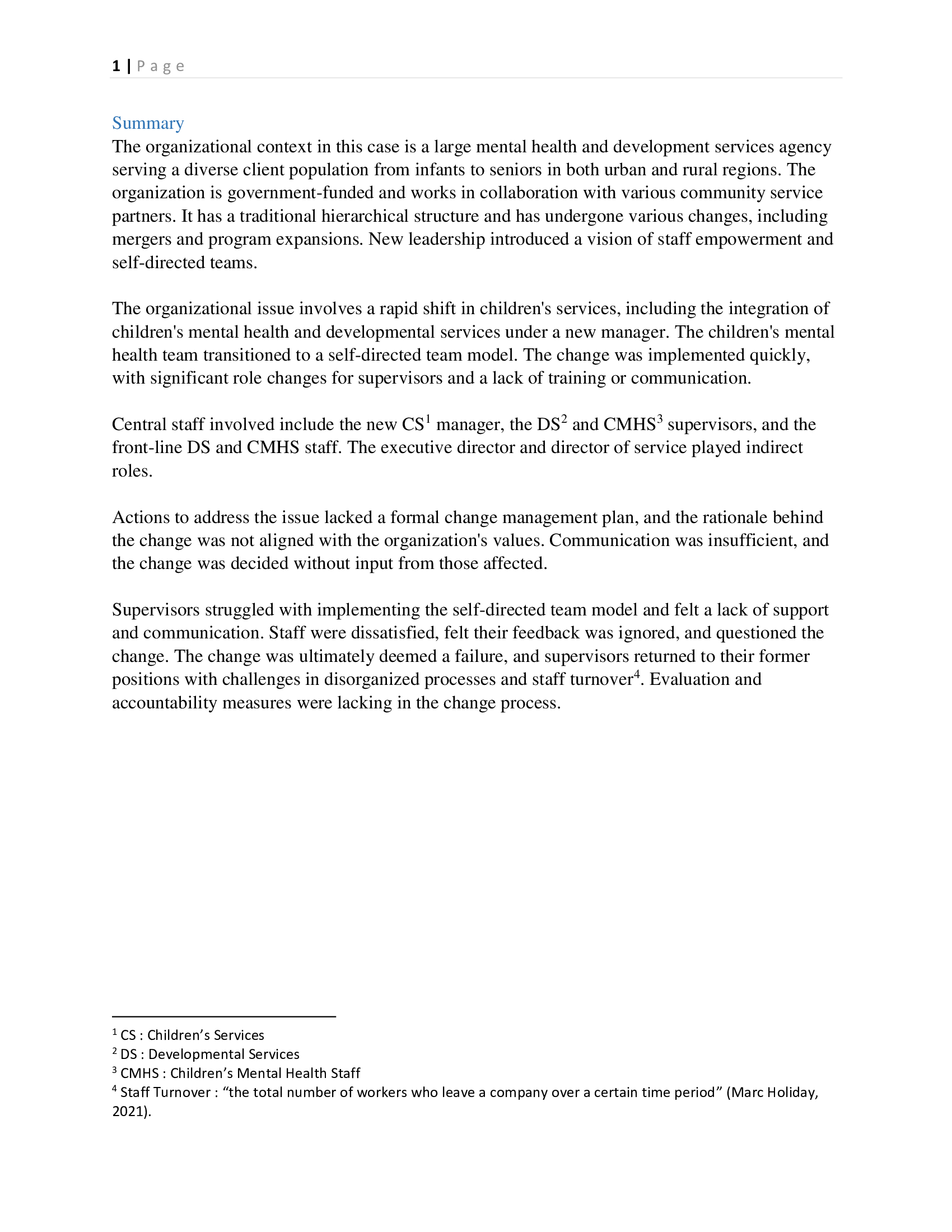
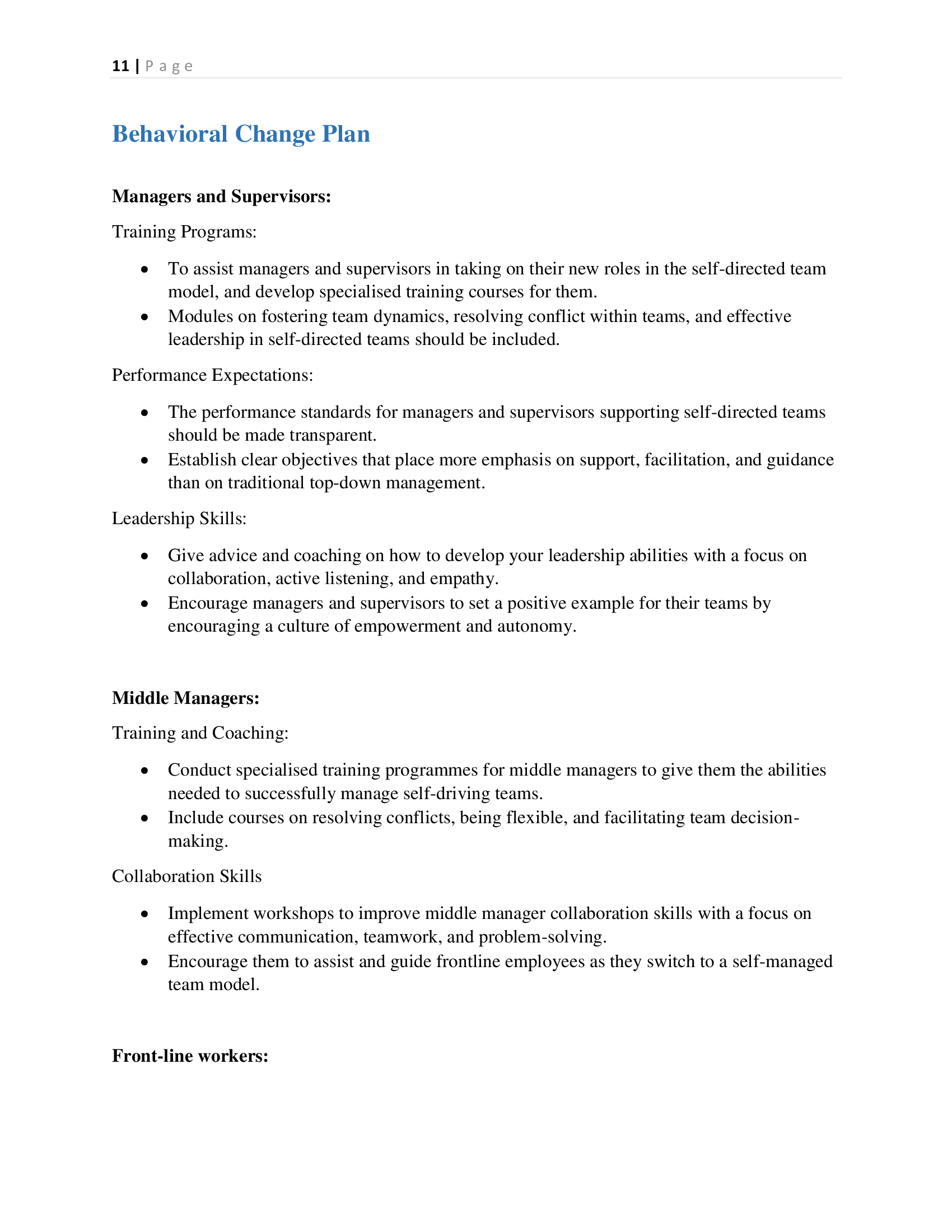
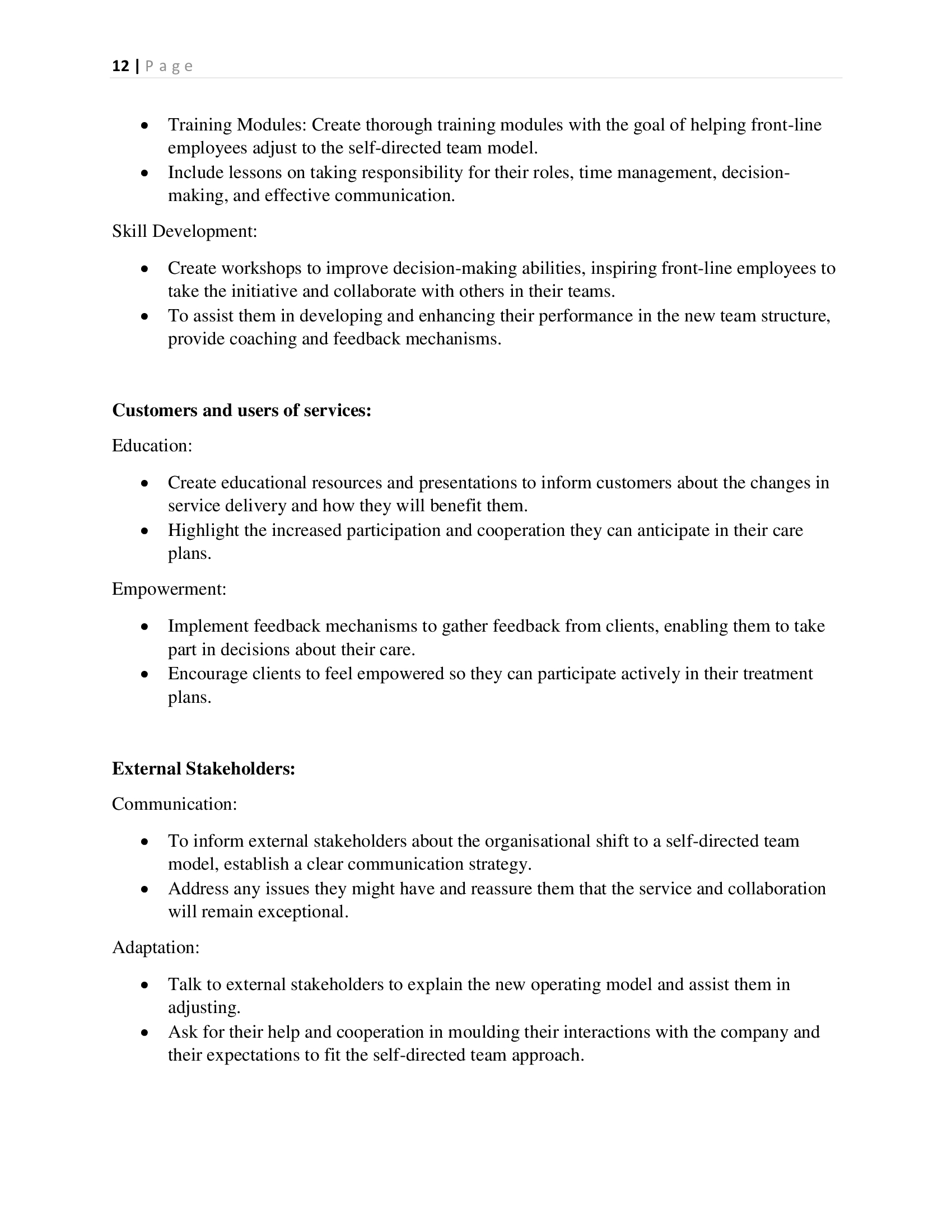
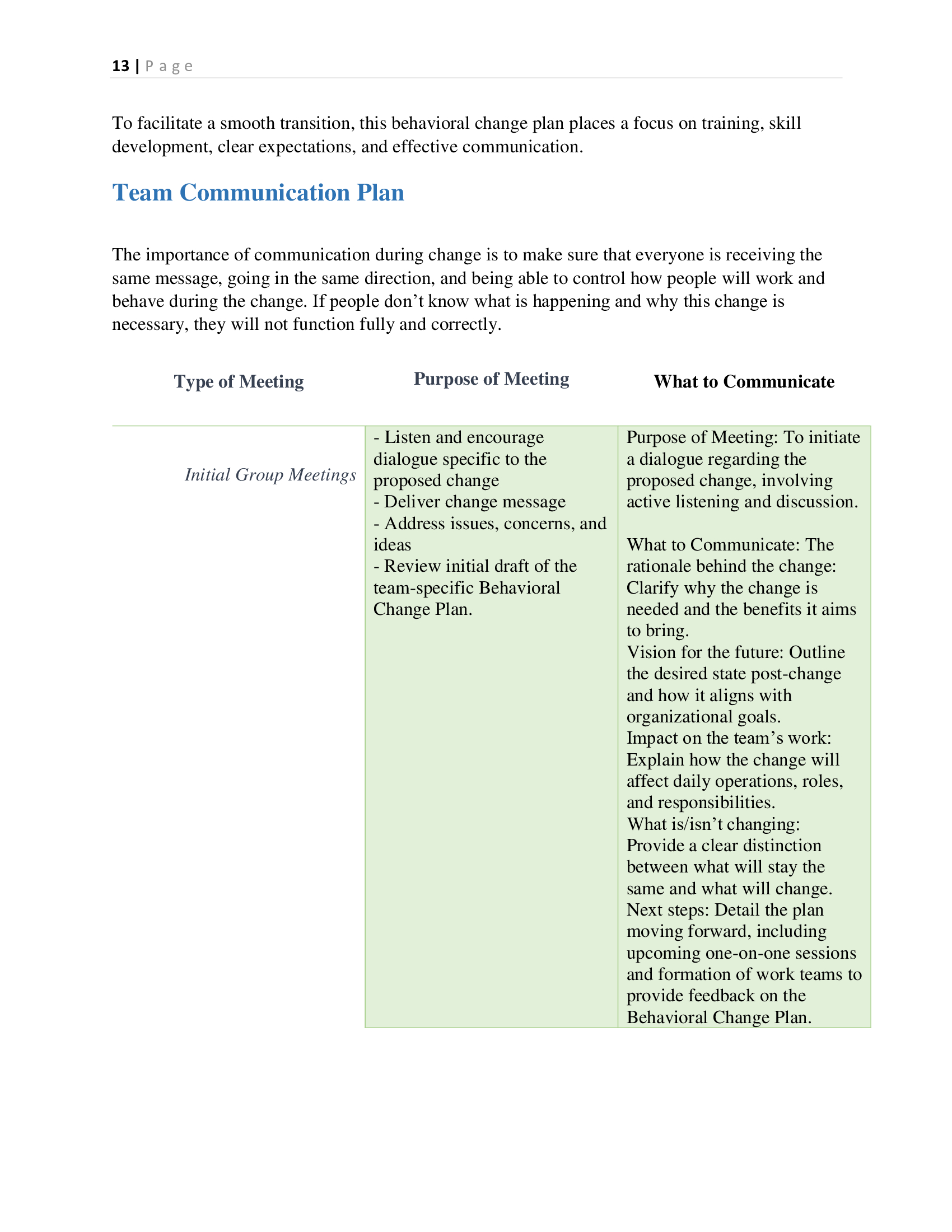
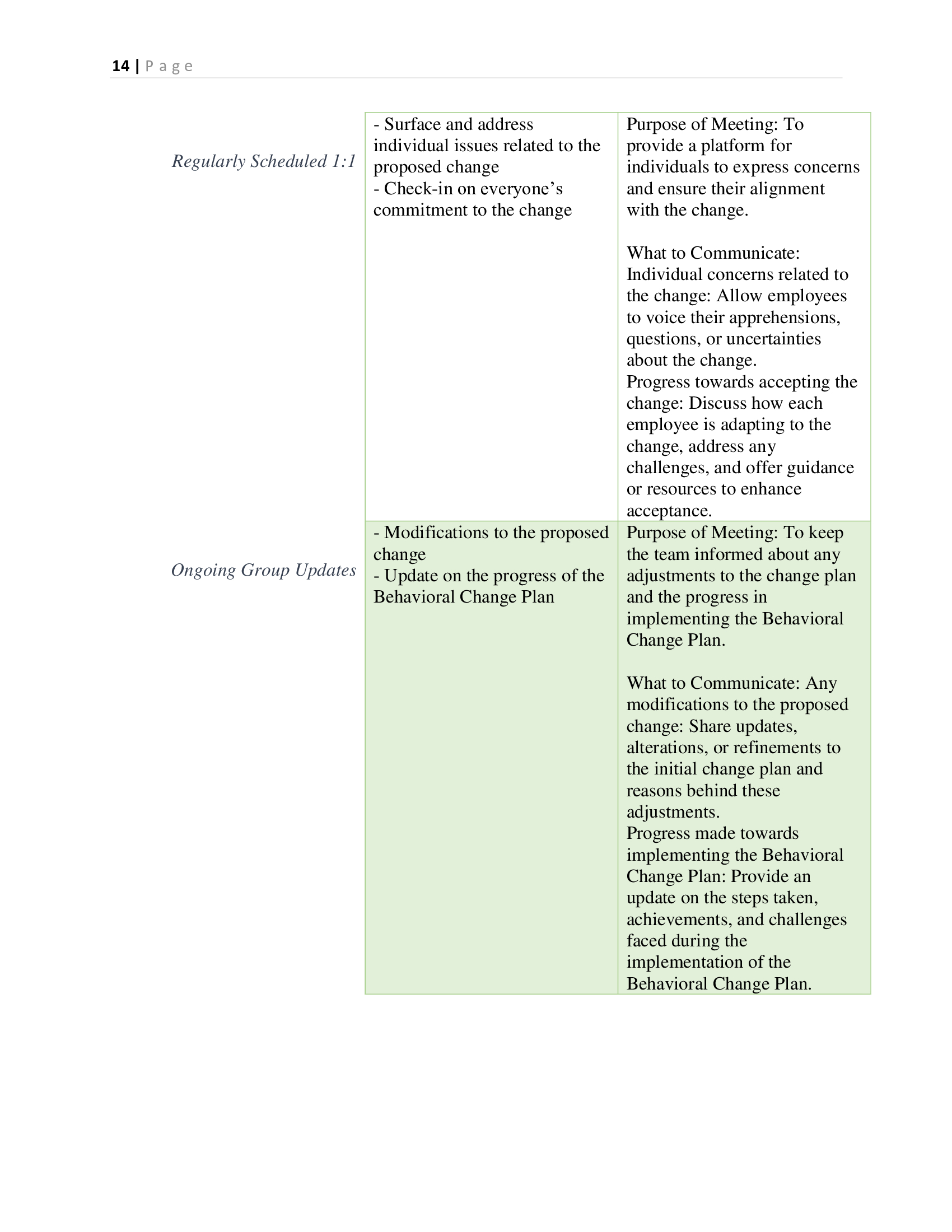
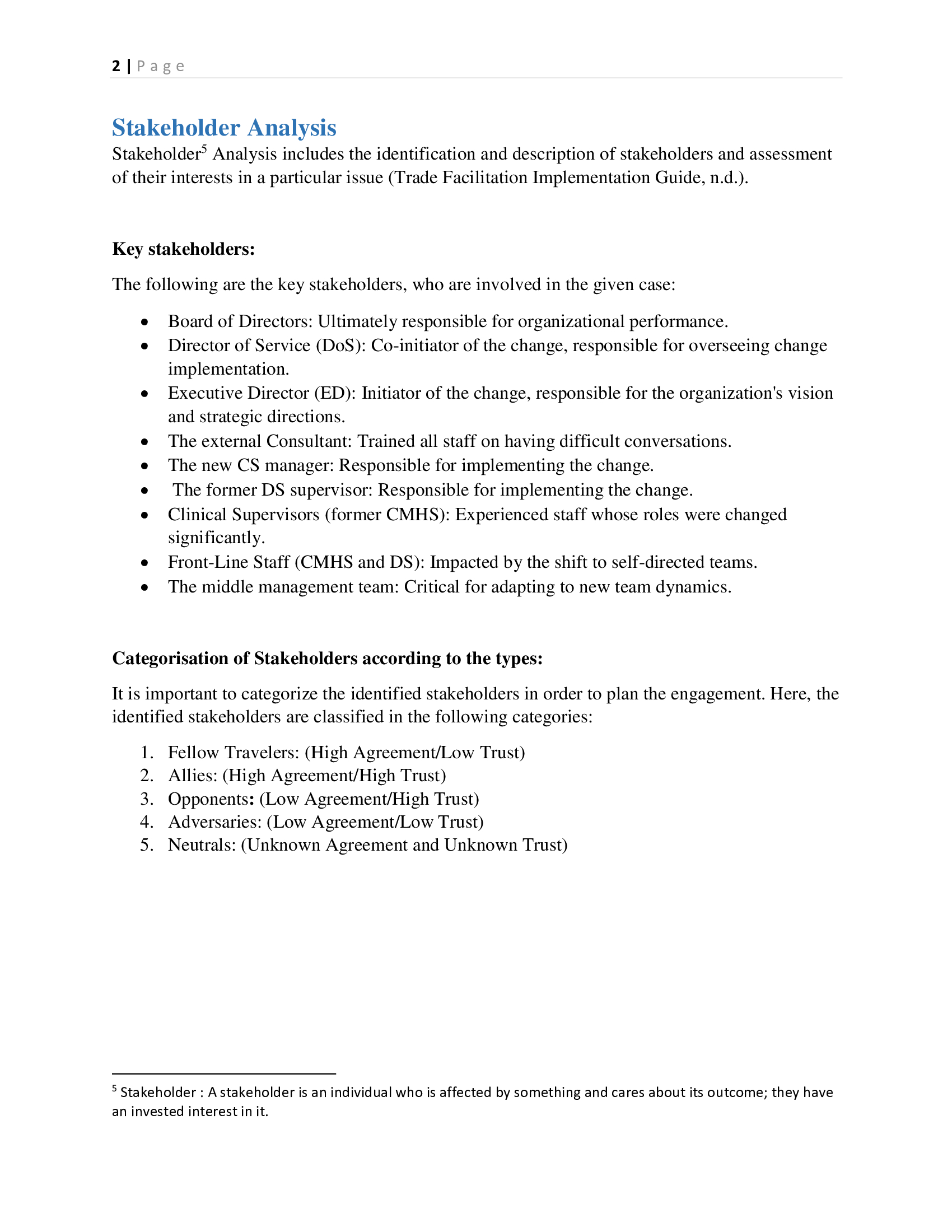
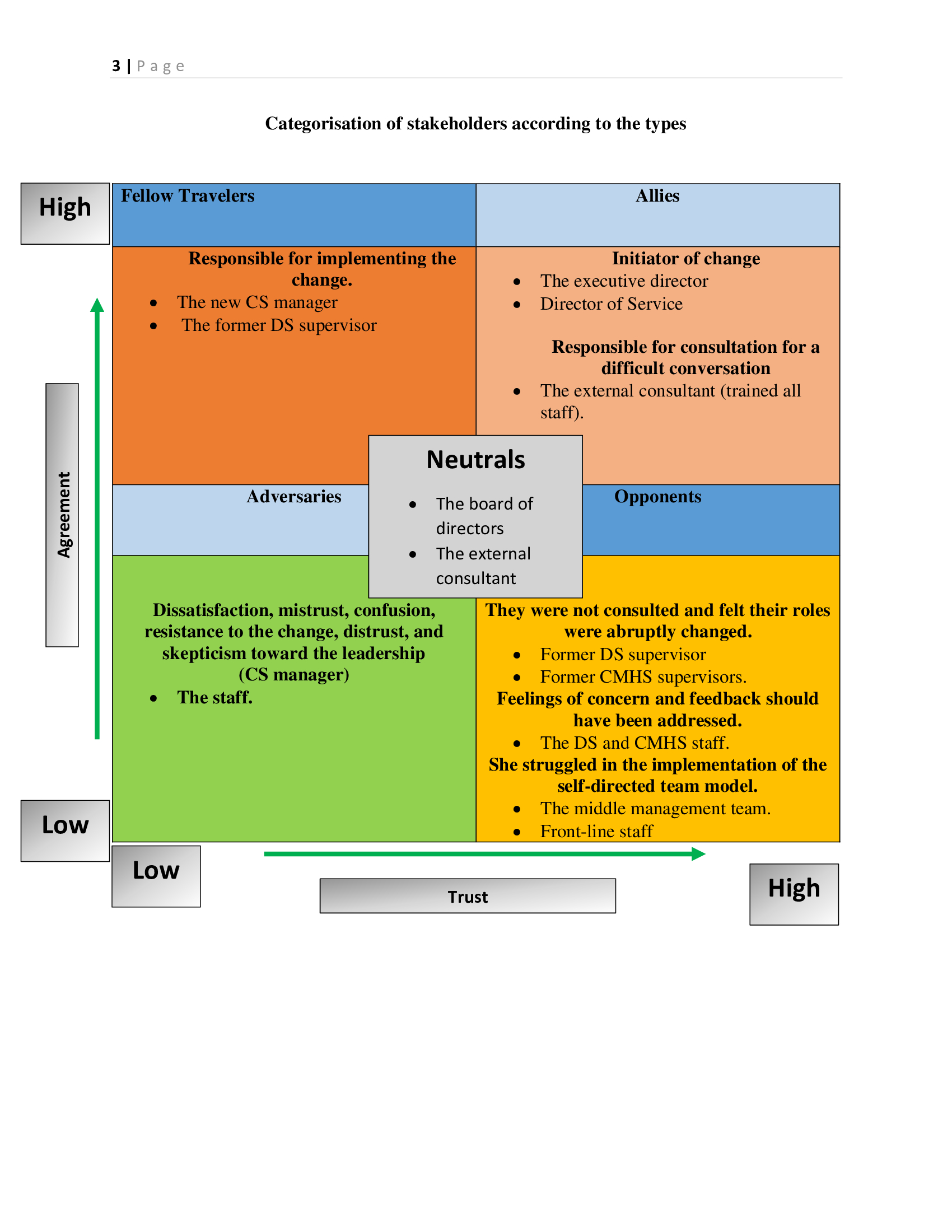
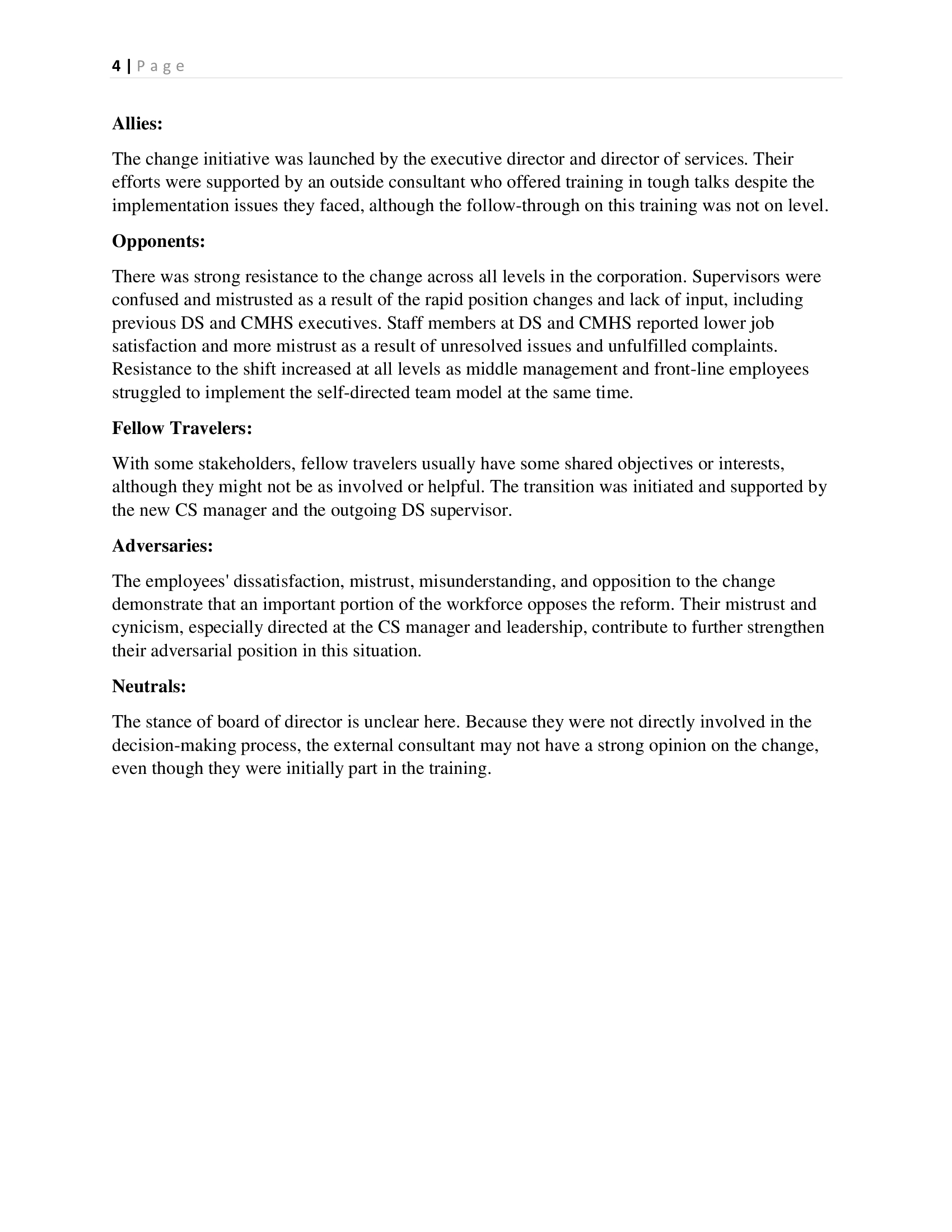
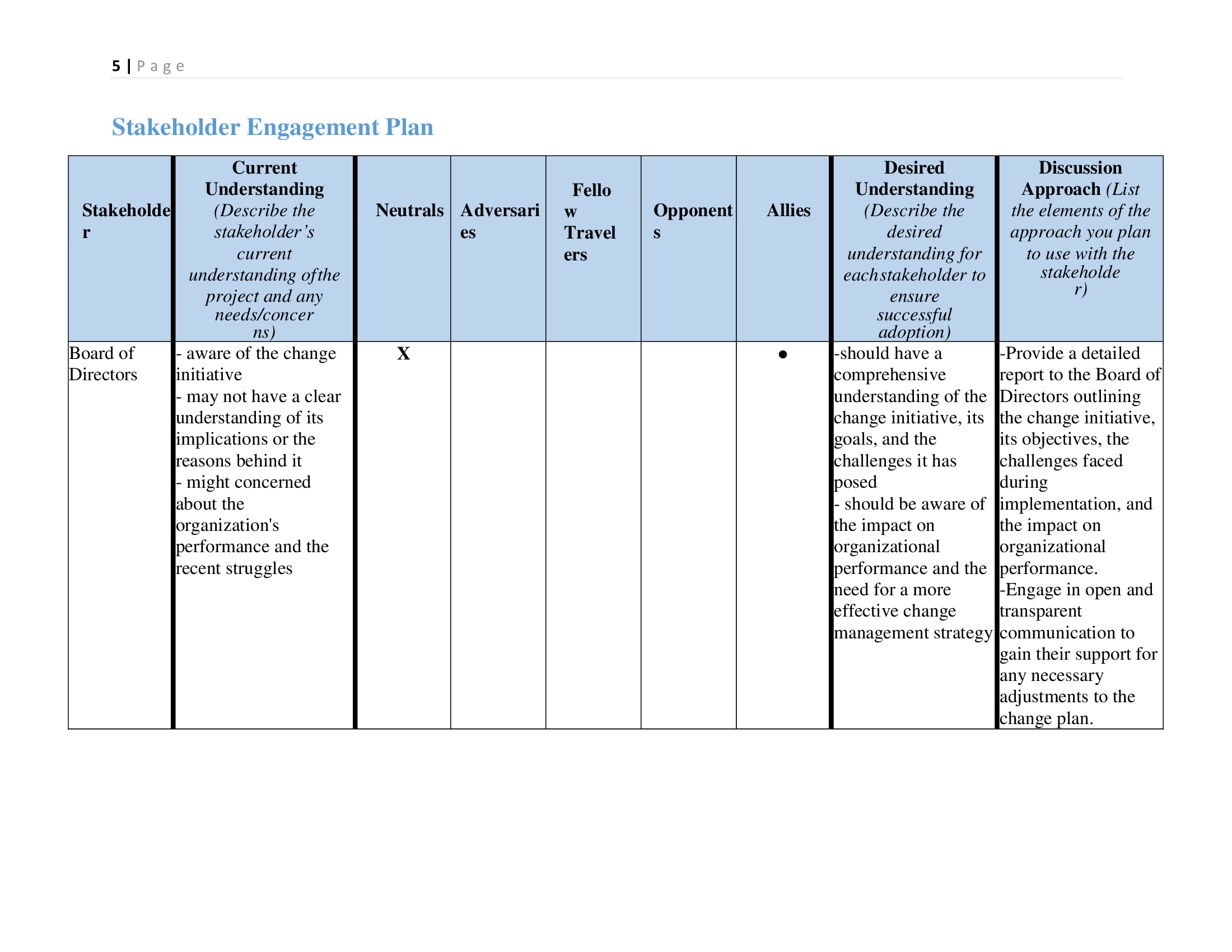
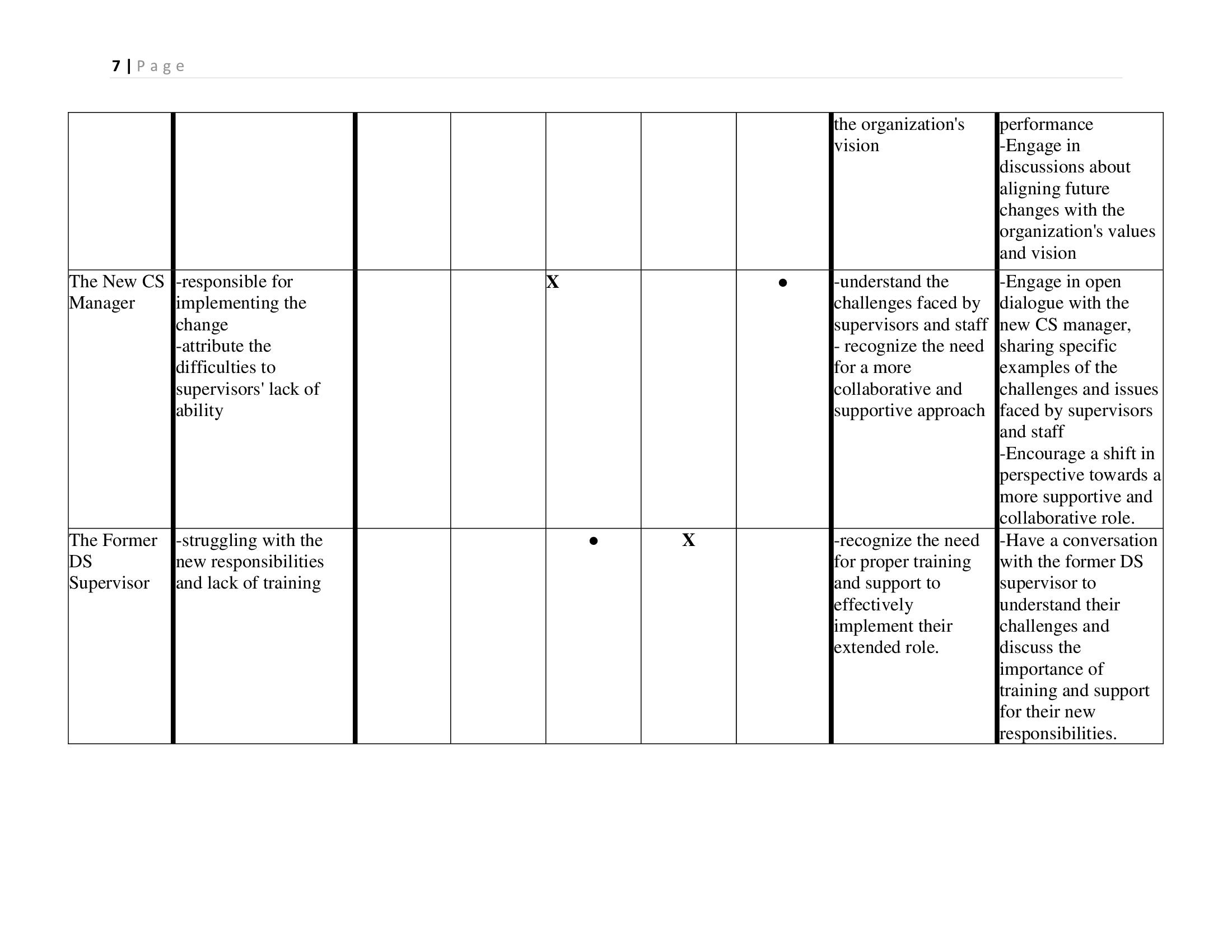
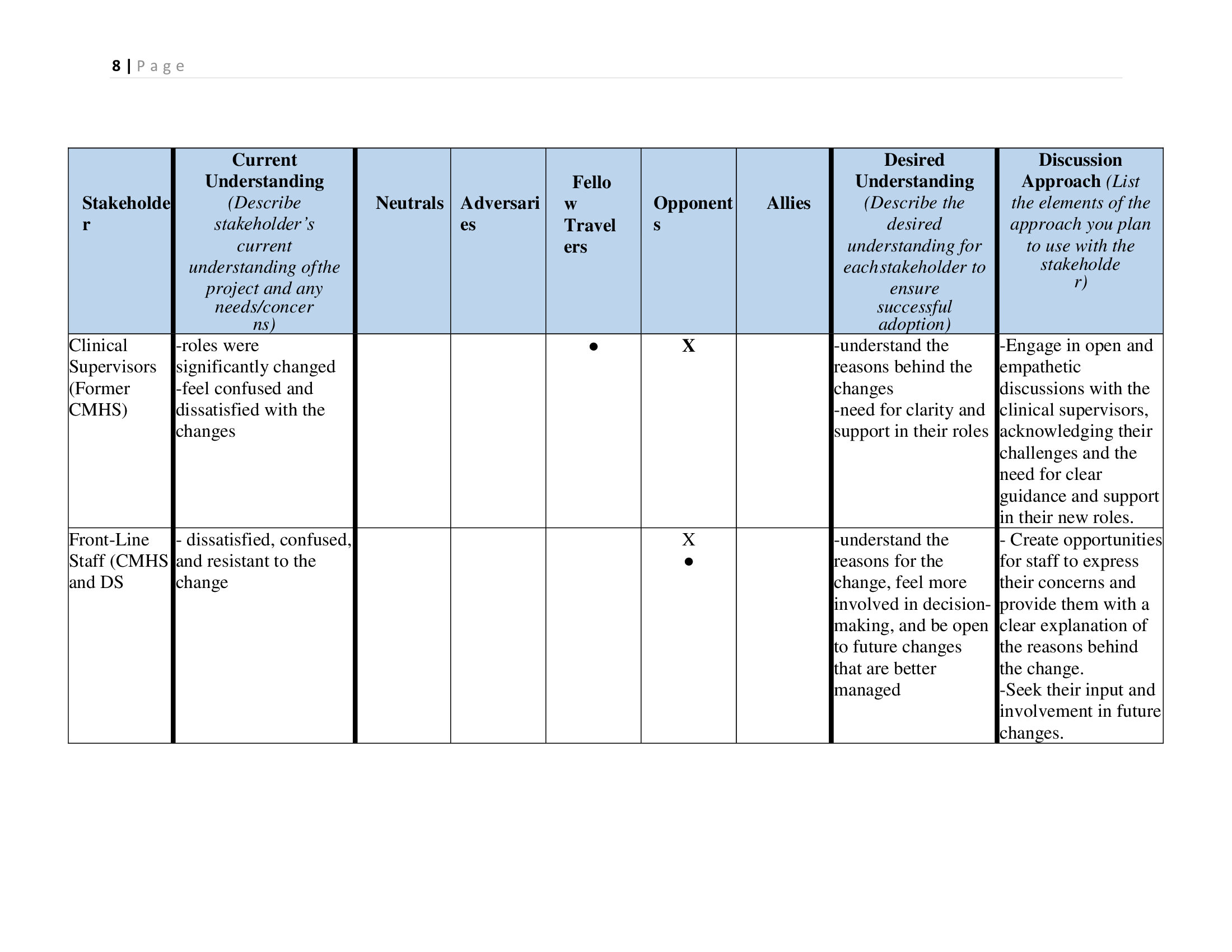
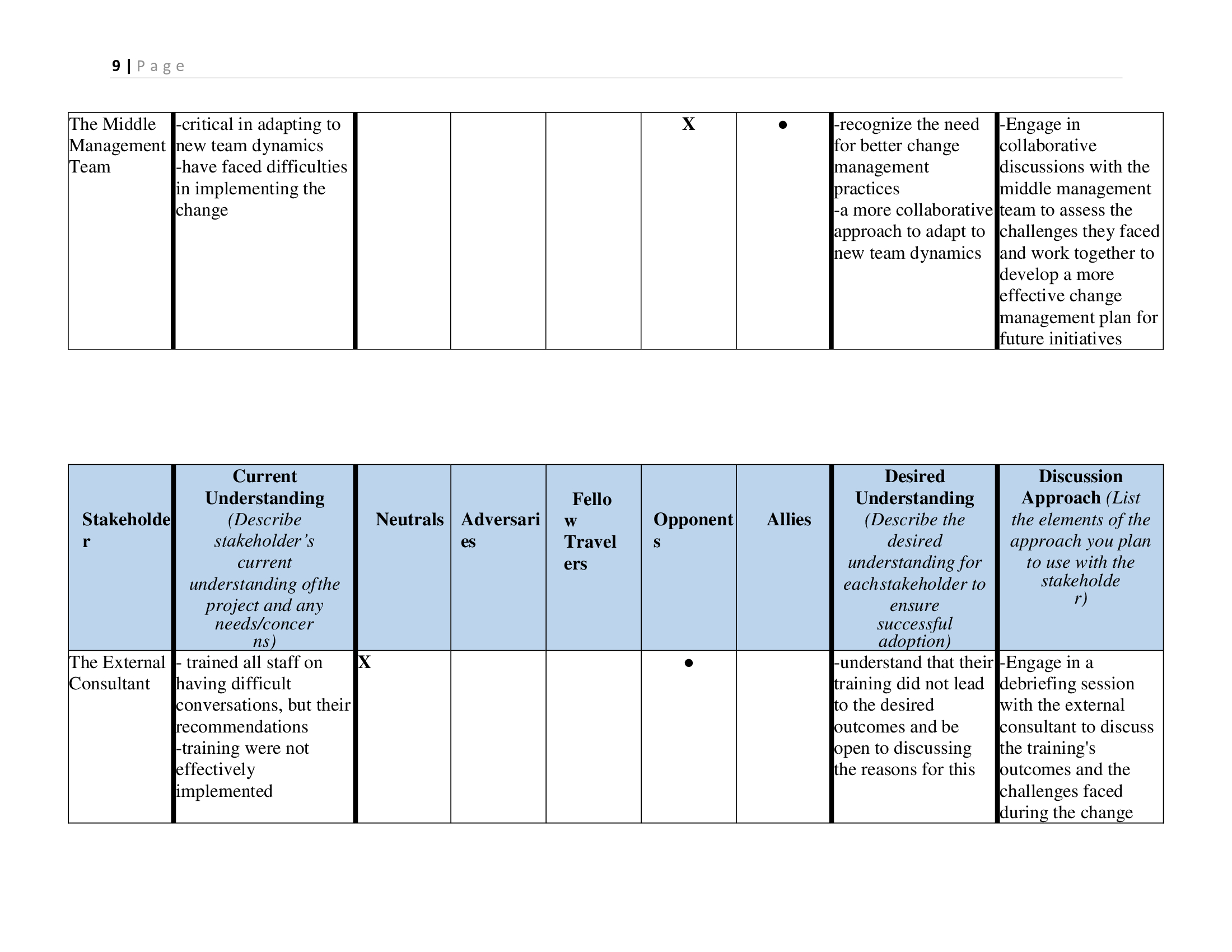
1|- Sum marv The organizational context in this case is a large mental health and development services agency serving a diverse client population from infants to seniors in both urban and rural regions. The organization is government-funded and works in collaboration with various community service partners. It has a traditional hierarchical structure and has undergone various changes, including mergers and program expansions. New leadership introduced a vision of staff empowerment and self-directed teams. The organizational issue involves a rapid shift in children's services, including the integration of children's mental health and developmental services under a new manager. The children's mental health team transitioned to a self-directed team model. The change was implemented quickly, with significant role changes for supervisors and a lack of training or communication. Central staff involved include the new CS1 manager, the DS2 and CMHS3 supervisors, and the front-line DS and CMHS staff. The executive director and director of service played indirect roles. Actions to address the issue lacked a formal change management plan, and the rationale behind the change was not aligned with the organization's values. Communication was insufficient, and the change was decided without input from those affected. Supervisors struggled with implementing the self-directed team model and felt a lack of support and communication. Staff were dissatisfied, felt their feedback was ignored, and questioned the change. The change was ultimately deemed a failure, and supervisors returned to their former positions with challenges in disorganized processes and staff turnover4. Evaluation and accountability measures were lacking in the change process. 1 CS : Children's Services 2 DS: Developmental Services 3 CMHS : Children's Mental Health Staff 4 Staff Turnover : "the total number of workers who leave a company over a certain time period\" (Marc Holiday, 2021i 10 | Page Seek their insights on potential improvements in the change management process (x: current Stakeholder Type, .: the desired Stakeholder Type)611|Page Behavioral Change Plan Managers and Supervisors: Training Programs: 0 To assist managers and supervisors in taking on their new roles in the self-directed team model, and develop specialised training courses for them. 0 Modules on fostering team dynamics, resolving conflict within teams, and effective leadership in self-directed teams should be included. Performance Expectations: 0 The performance standards for managers and supervisors supporting self-directed teams should be made transparent. 0 Establish clear objectives that place more emphasis on support, facilitation, and guidance than on traditional top-down management. Leadership Skills: 0 Give advice and coaching on how to develop your leadership abilities with a focus on collaboration, active listening, and empathy. 0 Encourage managers and supervisors to set a positive example for their teams by encouraging a culture of empowerment and autonomy. Middle Managers: Training and Coaching: 0 Conduct specialised training programmes for middle managers to give them the abilities needed to successfully manage self-driving teams. 0 Include courses on resolving conflicts, being exible, and facilitating team decision- making. Collaboration Skills 0 Implement workshops to improve middle manager collaboration skills with a focus on effective communication, teamwork, and problem-solving. 0 Encourage them to assist and guide frontline employees as they switch to a self-managed team model. Front-line workers: 12| Training Modules: Create thorough training modules with the goal of helping front-line employees adjust to the self-directed team model. Include lessons on taking responsibility for their roles, time management, decision- making, and effective communication. Skill Development: Create workshops to improve decision-making abilities, inspiring front-line employees to take the initiative and collaborate with others in their teams. To assist them in developing and enhancing their performance in the new team structure, provide coaching and feedback mechanisms. Customers and users of services: Education: Create educational resources and presentations to inform customers about the changes in service delivery and how they will benefit them. Highlight the increased participation and cooperation they can anticipate in their care plans. Empowerment: Implement feedback mechanisms to gather feedback from clients, enabling them to take part in decisions about their care. Encourage clients to feel empowered so they can participate actively in their treatment plans. External Stakeholders: Communication: To inform external stakeholders about the organisational shift to a self-directed team model, establish a clear communication strategy. Address any issues they might have and reassure them that the service and collaboration will remain exceptional. Adaptation: Talk to external stakeholders to explain the new operating model and assist them in adjusting. Ask for their help and cooperation in moulding their interactions with the company and their expectations to fit the self-directed team approach. 13|Page To facilitate a smooth transition, this behavioral change plan places a focus on training, skill development, clear expectations, and effective communication. Team Communication Plan The importance of communication during change is to make sure that everyone is receiving the same message, going in the same direction, and being able to control how people will work and behave during the change. If people don't know what is happening and why this change is necessary, they will not function fully and correctly. Type of Meeting Initial Group Meetings Purpose of Meeting - Listen and encourage dialogue specic to the proposed change - Deliver change message - Address issues, concerns, and ideas - Review initial draft of the team-specic Behavioral Change Plan. What to Communicate Purpose of Meeting: To initiate a dialogue regarding the proposed change, involving active listening and discussion. What to Communicate: The rationale behind the change: Clarify why the change is needed and the benefits it aims to bring. Vision for the future: Outline the desired state post-change and how it aligns with organizational goals. Impact on the team's work: Explain how the change will affect daily operations, roles, and responsibilities. What is/isn't changing: Provide a clear distinction between what will stay the same and what will change. Next steps: Detail the plan moving forward, including upcoming one-on-one sessions and formation of work teams to provide feedback on the Behavioral Change Plan. 14| Regularly Scheduled 1:1 Ongoing Group Updates - Surface and address individual issues related to the proposed change - Check-in on everyone's commitment to the change - Modications to the proposed change - Update on the progress of the Behavioral Change Plan Purpose of Meeting: To provide a platform for individuals to express concerns and ensure their alignment with the change. What to Communicate: Individual concerns related to the change: Allow employees to voice their apprehensions, questions, or uncertainties about the change. Progress towards accepting the change: Discuss how each employee is adapting to the change, address any challenges, and offer guidance or resources to enhance acceptance. Purpose of Meeting: To keep the team informed about any adjustments to the change plan and the progress in implementing the Behavioral Change Plan. What to Communicate: Any modications to the proposed change: Share updates, alterations, or renements to the initial change plan and reasons behind these adjustments. Progress made towards implementing the Behavioral Change Plan: Provide an update on the steps taken, achievements, and challenges faced during the implementation of the Behavioral Change Plan. 15 | Page References Marc., H. (2021, January 13). What Is Employee Turnover & Why It Matters for Your Business. Oracle / NetSuite. https://www.netsuite.com/portal/resource/articles/human- resources/employee-turnover.shtml Trade Facilitation Implementation Guide. (n.d.). Stakeholder analysis. TRADE FACILITATION IMPLEMENTATION GUIDE. https://tfig.unece.org/contents/stakeholder-analysis.htm2|Page Stakeholder Analysis Stakeholder5 Analysis includes the identification and description of stakeholders and assessment of their interests in a particular issue (Trade Facilitation Implementation Guide, n.d.). Key stakeholders: The following are the key stakeholders, who are involved in the given case: Board of Directors: Ultimately responsible for organizational performance. Director of Service (DOS): Co-initiator of the change, responsible for overseeing change implementation. Executive Director (ED): Initiator of the change, responsible for the organization's vision and strategic directions. The external Consultant: Trained all staff on having difficult conversations. The new CS manager: Responsible for implementing the change. The former DS supervisor: Responsible for implementing the change. Clinical Supervisors (former CMHS): Experienced staff whose roles were changed significantly. Front-Line Staff (CMHS and DS): Impacted by the shift to self-directed teams. The middle management team: Critical for adapting to new team dynamics. Categorisation of Stakeholders according to the types: It is important to categorize the identified stakeholders in order to plan the engagement. Here, the identified stakeholders are classified in the following categories: .U'P'PJN!' Fellow Travelers: (High Agreement/Low Trust) Allies: (High Agreement/High Trust) Opponents: (Low Agreement/High Trust) Adversaries: (Low Agreement/Low Trust) Neutrals: (Unknown Agreement and Unknown Trust) 5 Stakeholder : Astakeholder is an individual who is affected by something and cares about its outcome; they have an invested interest in it. 3 |Page Categorisation of stakeholders according to the types High Fellow Travelers Allies Responsible for implementing the Initiator of change change. The executive director The new CS manager Director of Service . The former DS supervisor Responsible for consultation for a difficult conversation The external consultant (trained all staff). Neutrals Adversaries The board of Opponents Agreement directors The external consultant Dissatisfaction, mistrust, confusion, They were not consulted and felt their roles resistance to the change, distrust, and were abruptly changed. skepticism toward the leadership Former DS supervisor (CS manager) . Former CMHS supervisors. The staff. Feelings of concern and feedback should have been addressed. The DS and CMHS staff. She struggled in the implementation of the self-directed team model. The middle management team. Low Front-line staff Low Trust High4| Allies: The change initiative was launched by the executive director and director of services. Their efforts were supported by an outside consultant who offered training in tough talks despite the implementation issues they faced, although the follow-through on this training was not on level. Opponents: There was strong resistance to the change across all levels in the corporation. Supervisors were confused and mistrusted as a result of the rapid position changes and lack of input, including previous DS and CMHS executives. Staff members at DS and CMHS reported lower job satisfaction and more mistrust as a result of unresolved issues and unfulfilled complaints. Resistance to the shift increased at all levels as middle management and front-line employees struggled to implement the self-directed team model at the same time. Fellow Travelers: With some stakeholders, fellow travelers usually have some shared objectives or interests, although they might not be as involved or helpful. The transition was initiated and supported by the new CS manager and the outgoing DS supervisor. Adversaries: The employees' dissatisfaction, mistrust, misunderstanding, and opposition to the change demonstrate that an important portion of the workforce opposes the reform. Their mistrust and cynicism, especially directed at the CS manager and leadership, contribute to further strengthen their adversarial position in this situation. Neutrals: The stance of board of director is unclear here. Because they were not directly involved in the decision-making process, the external consultant may not have a strong opinion on the change, even though they were initially part in the training. 5 |Page Stakeholder Engagement Plan Current Desired Discussion Understanding Fello Understanding Approach (List Stakeholde (Describe the Neutrals Adversari W Opponent Allies (Describe the the elements of the r stakeholder's es Travel S desired approach you plan current ers understanding for to use with the understanding ofthe each stakeholder to stakeholde project and any ensure r) needs/concer successful ns) adoption) Board of aware of the change X -should have a Provide a detailed Directors initiative comprehensive report to the Board of may not have a clear understanding of the Directors outlining understanding of its change initiative, its the change initiative, implications or the goals, and the ts objectives, the reasons behind it challenges it has challenges faced might concerned posed during about the - should be aware of implementation, and organization's the impact on the impact on performance and the organizational organizational recent struggles performance and the performance. need for a more Engage in open and effective change transparent management strategy communication to gain their support for any necessary adjustments to the change plan.7| Page the organization's performance vision -Engage in discussions about aligning future changes with the organization's values and vision The New CS -responsible for X -understand the Engage in open Manager implementing the challenges faced by dialogue with the change supervisors and staff new CS manager, -attribute the - recognize the need sharing specific difficulties to for a more examples of the supervisors' lack of collaborative and challenges and issues ability supportive approach faced by supervisors and staff Encourage a shift in perspective towards a more supportive and collaborative role. The Former struggling with the X -recognize the need Have a conversation DS new responsibilities for proper training with the former DS Supervisor and lack of training and support to supervisor to effectively understand their implement their challenges and extended role. discuss the importance of training and support for their new responsibilities.8 | Page Current Desired Discussion Understanding Fello Understanding Approach (List Stakeholder Describe Neutrals Adversari W Opponent Allies (Describe the the elements of the r stakeholder's es Travel S desired approach you plan current ers understanding for to use with the understanding ofthe each stakeholder to stakeholde project and any ensure r) needs/concer successful ns) adoption) Clinical roles were X -understand the Engage in open and Supervisors significantly changed reasons behind the empathetic Former feel confused and changes discussions with the CMHS) dissatisfied with the -need for clarity and clinical supervisors, changes support in their roles acknowledging their challenges and the need for clear guidance and support in their new roles. Front-Line - dissatisfied, confused, X -understand the Create opportunities Staff (CMHS and resistant to the reasons for the for staff to express and DS change change, feel more their concerns and involved in decision- provide them with a making, and be open clear explanation of to future changes the reasons behind that are better the change managed Seek their input and involvement in future changes9|Page The Middle -critical in adapting to X -recognize the need Engage in Management new team dynamics for better change collaborative Team have faced difficulties management discussions with the in implementing the practices middle management change a more collaborative team to assess the approach to adapt to challenges they faced new team dynamics and work together to develop a more effective change management plan for future initiatives Current Desired Discussion Understanding Fello Understanding Approach (List Stakeholde Describe Neutrals | Adversari W Opponent Allies (Describe the the elements of the r stakeholder's es Travel S desired approach you plan current ers understanding for to use with the understanding ofthe each stakeholder to stakeholde project and any ensure r) needs/concer successful ns) adoption The External - trained all staff on X -understand that their -Engage in a Consultant having difficult training did not lead debriefing session conversations, but their to the desired with the external recommendations outcomes and be consultant to discuss -training were not open to discussing the training's effectively the reasons for this outcomes and the implemented challenges faced during the change
Step by Step Solution
There are 3 Steps involved in it

Get step-by-step solutions from verified subject matter experts
 Study Help