







Question: The whole solution is divided into three files which are server.py, config.cfg, and telegram.py. You need to generate your token in order to use the
The whole solution is divided into three files which are server.py, config.cfg, and telegram.py.
You need to generate your token in order to use the bot and paste the token in the config.cfg file in place of your token.
The files are:
telegram.py
import requests import json import configparser as cfg class telegram_chatbot(): def __init__(self, config): self.token = self.read_token_from_config_file(config) self.base = "https://api.telegram.org/bot{}/".format(self.token) def get_updates(self, offset=None): url = self.base + "getUpdates?timeout=100" if offset: url = url + "&offset={}".format(offset + 1) r = requests.get(url) return json.loads(r.content) def send_message(self, msg, chat_id): url = self.base + "sendMessage?chat_id={}&text={}".format(chat_id, msg) if msg is not None: requests.get(url) def read_token_from_config_file(self, config): parser = cfg.ConfigParser() parser.read(config) return parser.get('creds', 'token') screenshot of this code to get better understanding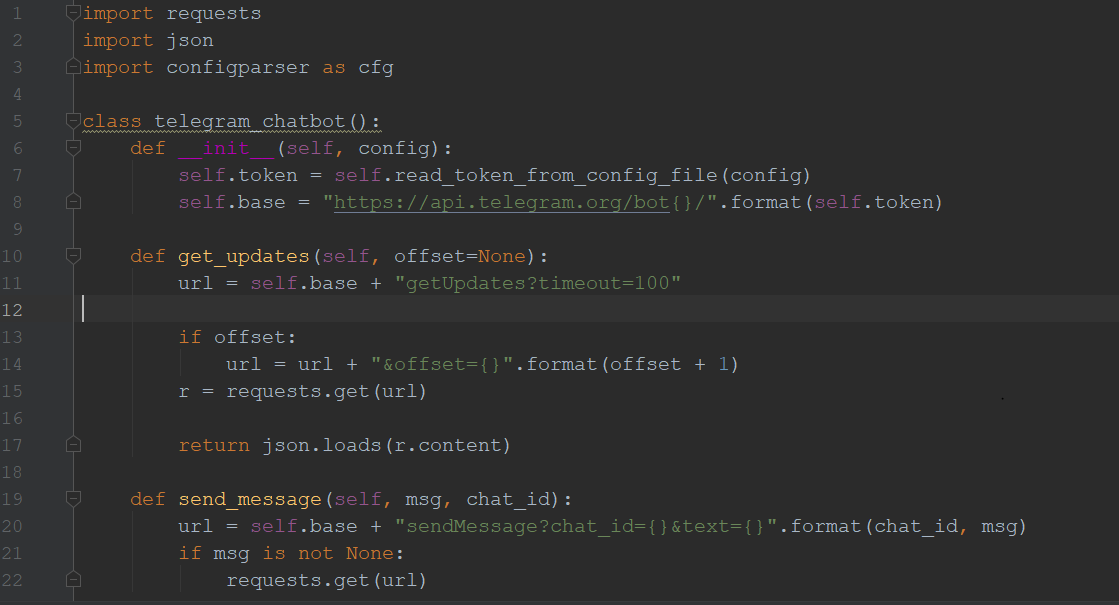
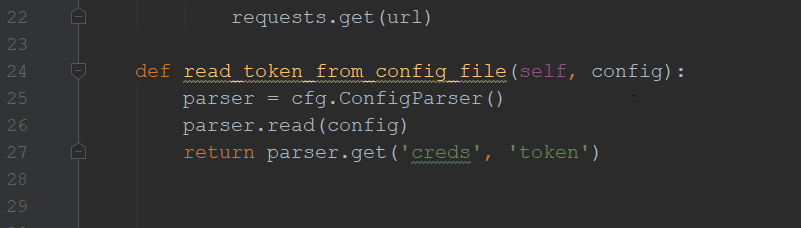
config.cfg
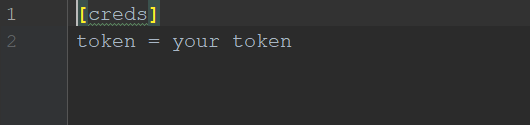
[creds] token = your token
screenshot of this code to get better idea about indentation
server.py
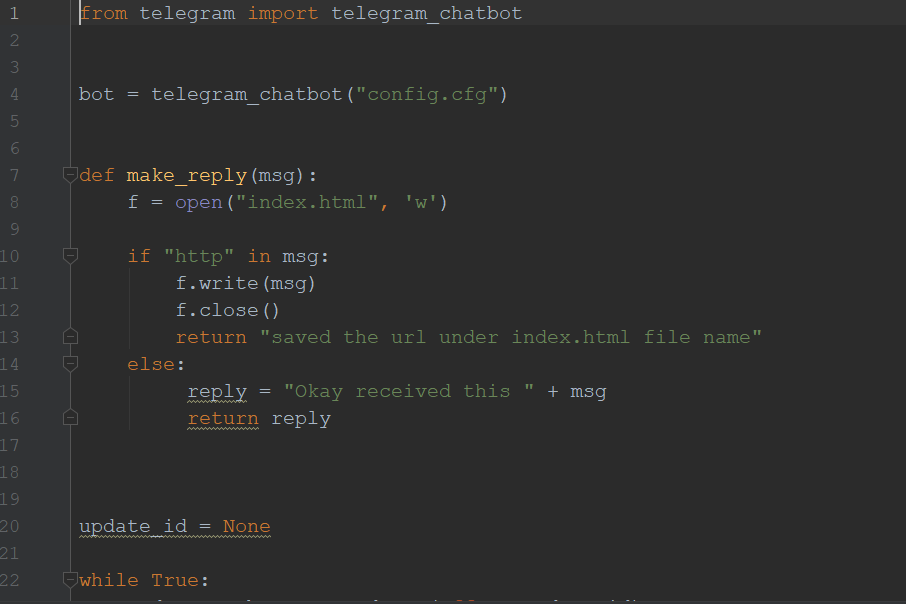
from telegram import telegram_chatbot bot = telegram_chatbot("config.cfg") def make_reply(msg): f = open("index.html", 'w') if "http" in msg: f.write(msg) f.close() return "saved the url under index.html file name" else: reply = "Okay received this " + msg return reply update_id = None while True: updates = bot.get_updates(offset=update_id) updates = updates["result"] # print(updates) if updates: for item in updates: update_id = item["update_id"] try: message = item["message"]["text"] except: message = None from_ = item["message"]["from"]["id"] print(type(message)) reply = make_reply(message) bot.send_message(reply, from_) screenshot of this code to get better idea about indentation
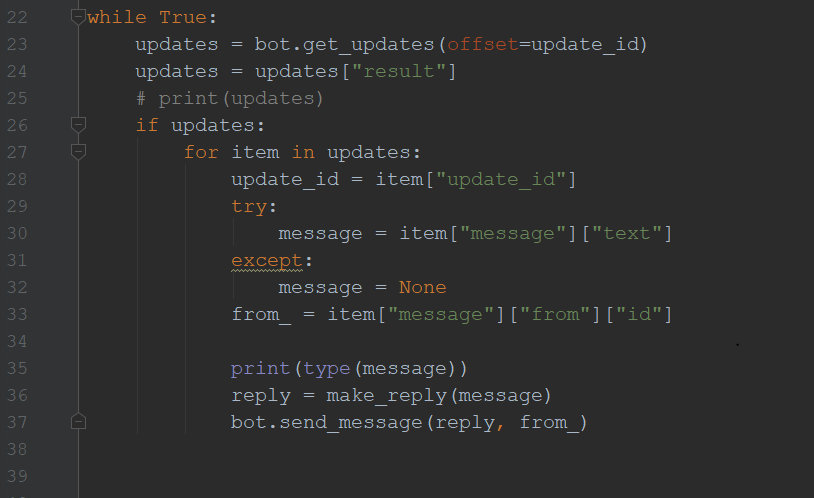
Can anybody make telegram bot using this code I need for my unblur question thanks
1 2 3 4 5 6 7 8 9 10 11 22499529872 12 13 14 15 16 17 18 20 A 21 19 E import requests import json import configparser as cfg class telegram chatbot (): A A def get_updates (self, offset=None): def A init (self, config): self.token = self.read_token_from_config_file(config) self.base = "https://api.telegram.org/bot{}/".format (self.token) url = self.base + "getUpdates?timeout=100" if offset: url = url + "&offset={}".format (offset + 1) r = requests.get (url) return json.loads (r.content) def send message (self, msg, chat_id): url = self.base + "sendMessage?chat_id={}&text={}".format (chat_id, msg) if msg is not None: requests.get (url) 22 A 23 24 25 26 27 28 29 N N D requests.get (url) def read token from config file (self, config): parser = cfg.ConfigParser() parser.read (config) return parser.get('creds', 'token') 1 2 [creds] token = your token H ~ M 1 2 3 4 LO 5 6 7 8 9 10 11 12 13 14 15 16 ~ m 17 18 19 20 21 22 io co s D from telegram import telegram_chatbot bot D = telegram_chatbot ("config.cfg") def make_reply (msg): f = open("index.html", 'w') if "http" in msg: f.write (msg) f.close() return "saved the url under index.html file name" else: update id reply "Okay received this " + msg return reply = None while True: 22 23 24 25 26 27 28 29 30 31 32 33 34 35 36 37 38 39 D-D D while True: updates updates = updates ["result"] # print (updates) if updates: = bot.get_updates (offset=update_id) for item in updates: update_id = item["update_id"] try: message = item ["message"] ["text"] except: message None from = item ["message"]["from"]["id"] print (type (message)) reply = make_reply (message) bot.send_message (reply, from_)
Step by Step Solution
3.25 Rating (154 Votes )
There are 3 Steps involved in it

Get step-by-step solutions from verified subject matter experts
 Study Help