







Question: This is a very difficult problem to ask help with, I want to model HIV/AIDS infection rates from its beginnings in 1981 to the present
- This is a very difficult problem to ask help with, I want to model HIV/AIDS infection rates from its beginnings in 1981 to the present day. The following images are a guide to what I'm asking help with.
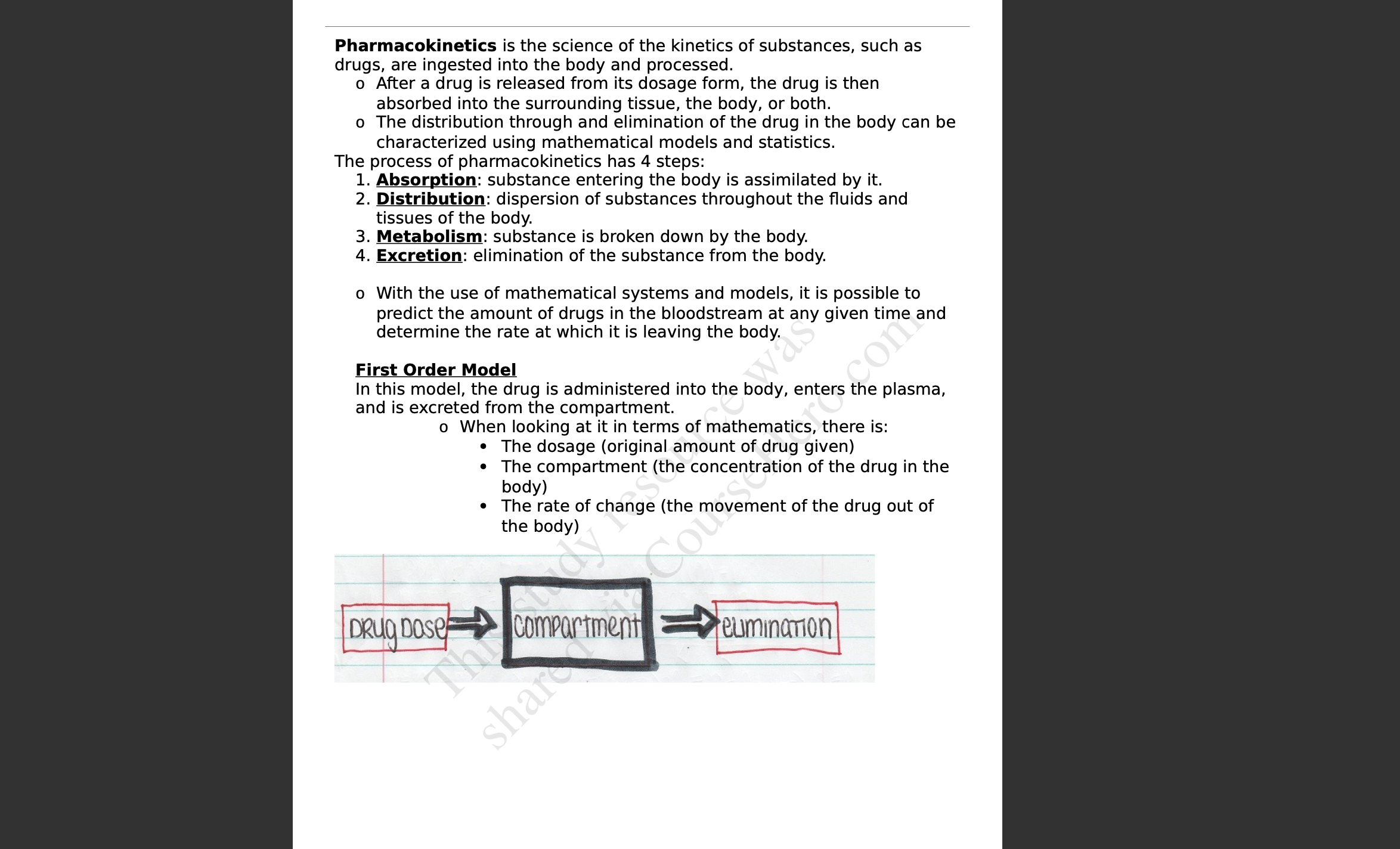
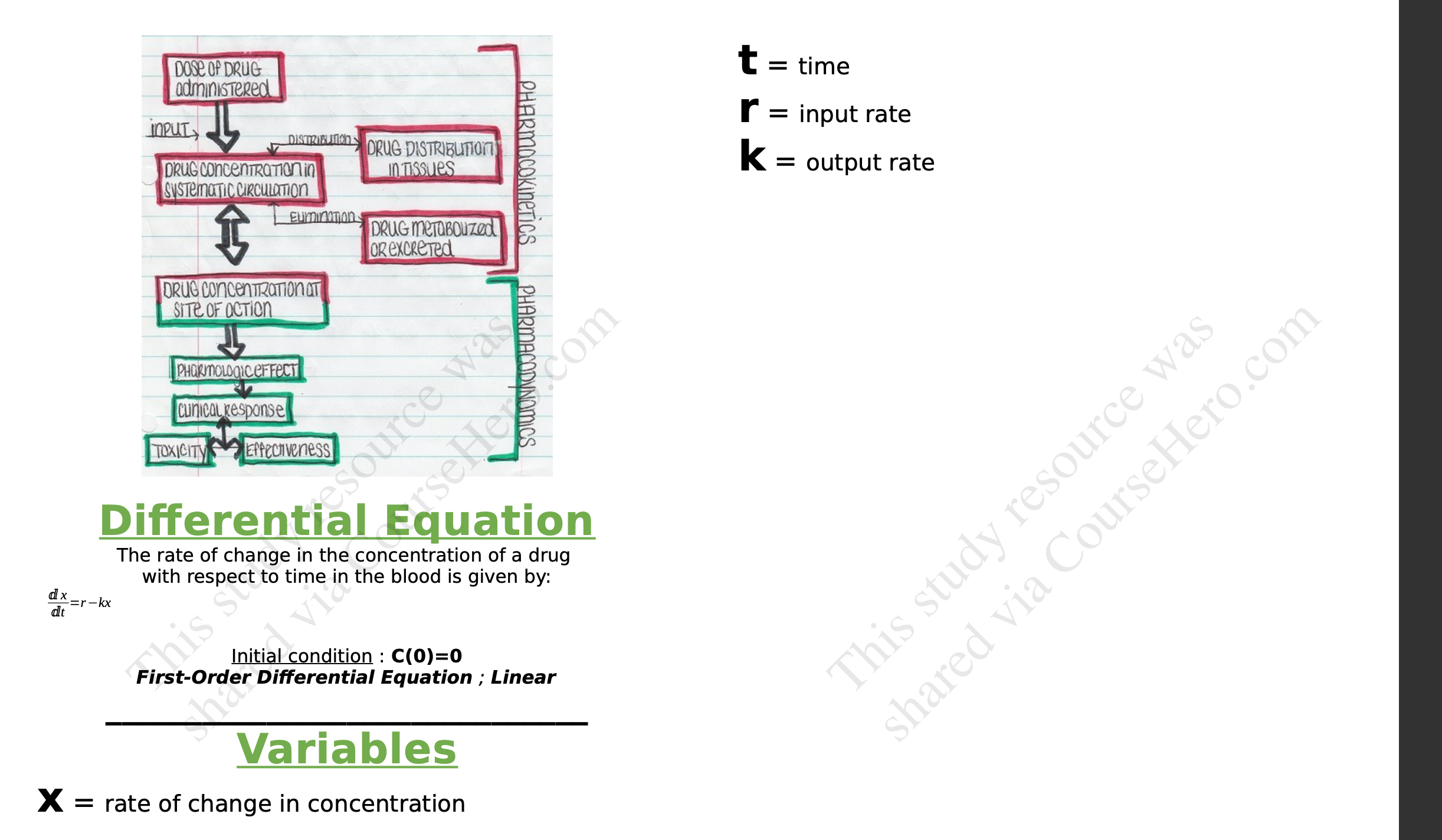
Pharmacokinetics is the science of the kinetics of substances, such as drugs, are ingested into the body and processed. 0 After a drug is released from its dosage form, the drug is then absorbed into the surrounding tissue, the body, or both. 0 The distribution through and elimination of the drug in the body can be characterized using mathematical models and statistics. The process of pharmacokinetics has 4 steps: . Absorption: substance entering the body is assimilated by it. . Distribution: dispersion of substances throughout the uids and tissues of the body. . Metabolism: substance is broken down by the body. . Excmtign: elimination of the substance from the body. hm NH 0 With the use of mathematical systems and models, it is possible to predict the amount of drugs in the bloodstream at any given time and determine the rate at which it is leaving the body. Fir t r r M I In this model, the drug is administered into the body, enters the plasma, and is excreted from the compartment. 0 When looking at it in terms of mathematics, there is: o The dosage (original amount of drug given) - The compartment (the concentration of the drug in the body) - The rate of change (the movement of the drug out of the body) t = time r = input rate k = output rate Differential Equation The rate of change in the concentration of a drug with respect to time in the blood is given by: d x=rIo( dt Initial condition : C(0)=0 First-Order Differential Equation ; Linear Variables X = rate of change in concentration
Step by Step Solution
There are 3 Steps involved in it

Get step-by-step solutions from verified subject matter experts
 Study Help