



Question: This is the Adjusted Trial Balance I did submit the request already. Total expenses Total liabilities Total liabilities and owner's equity Total property, plant, and


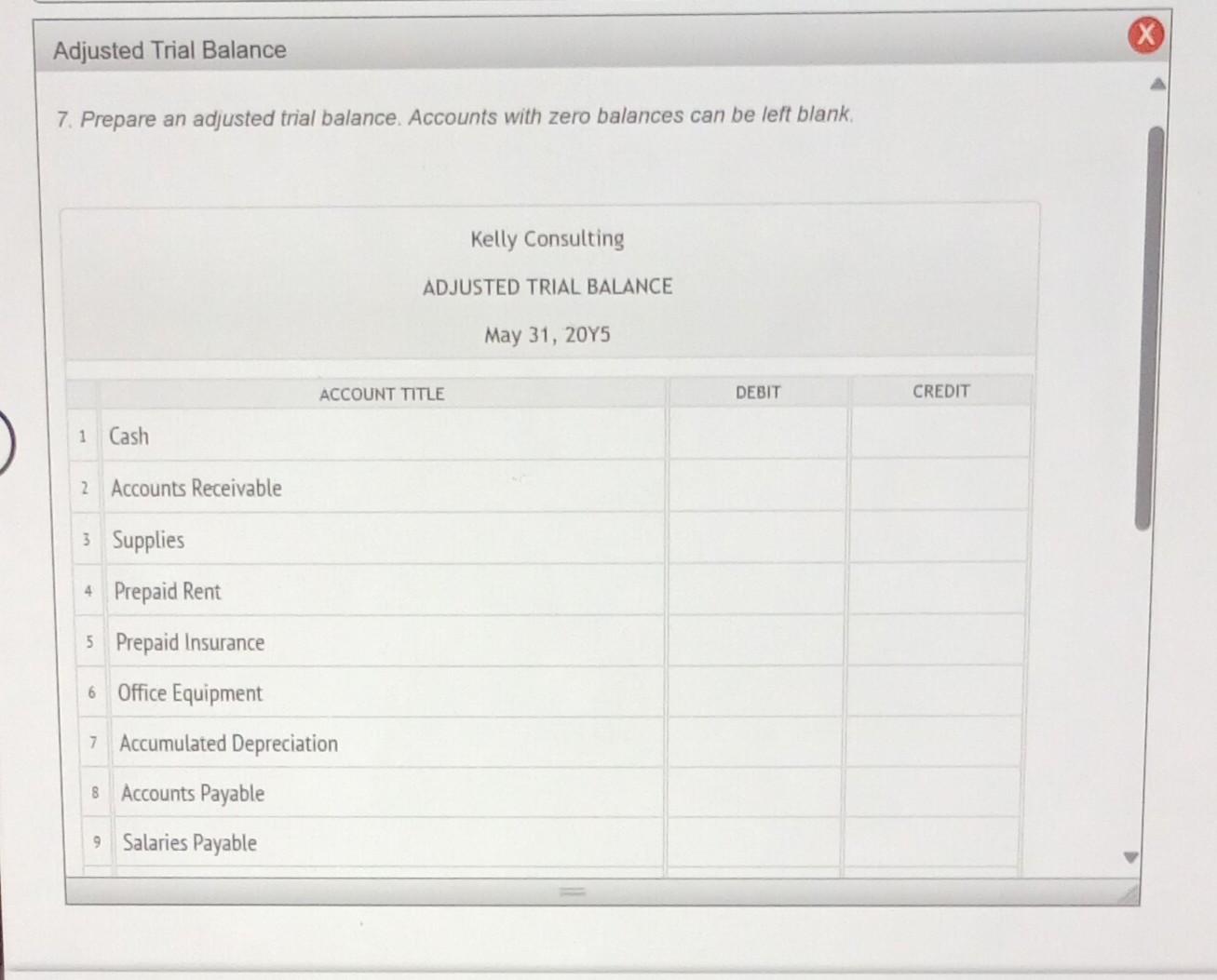
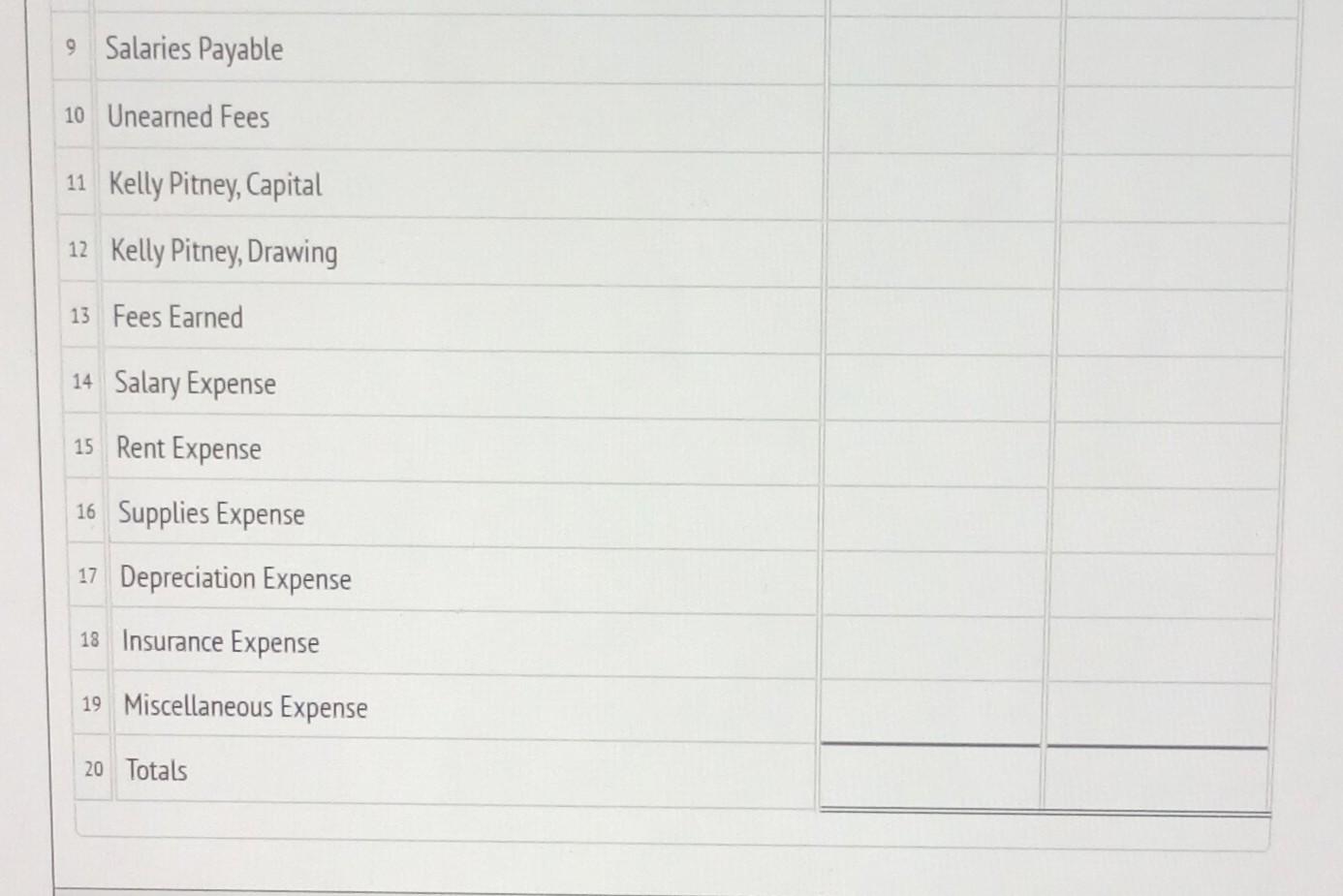
This is the Adjusted Trial Balance
I did submit the request already.
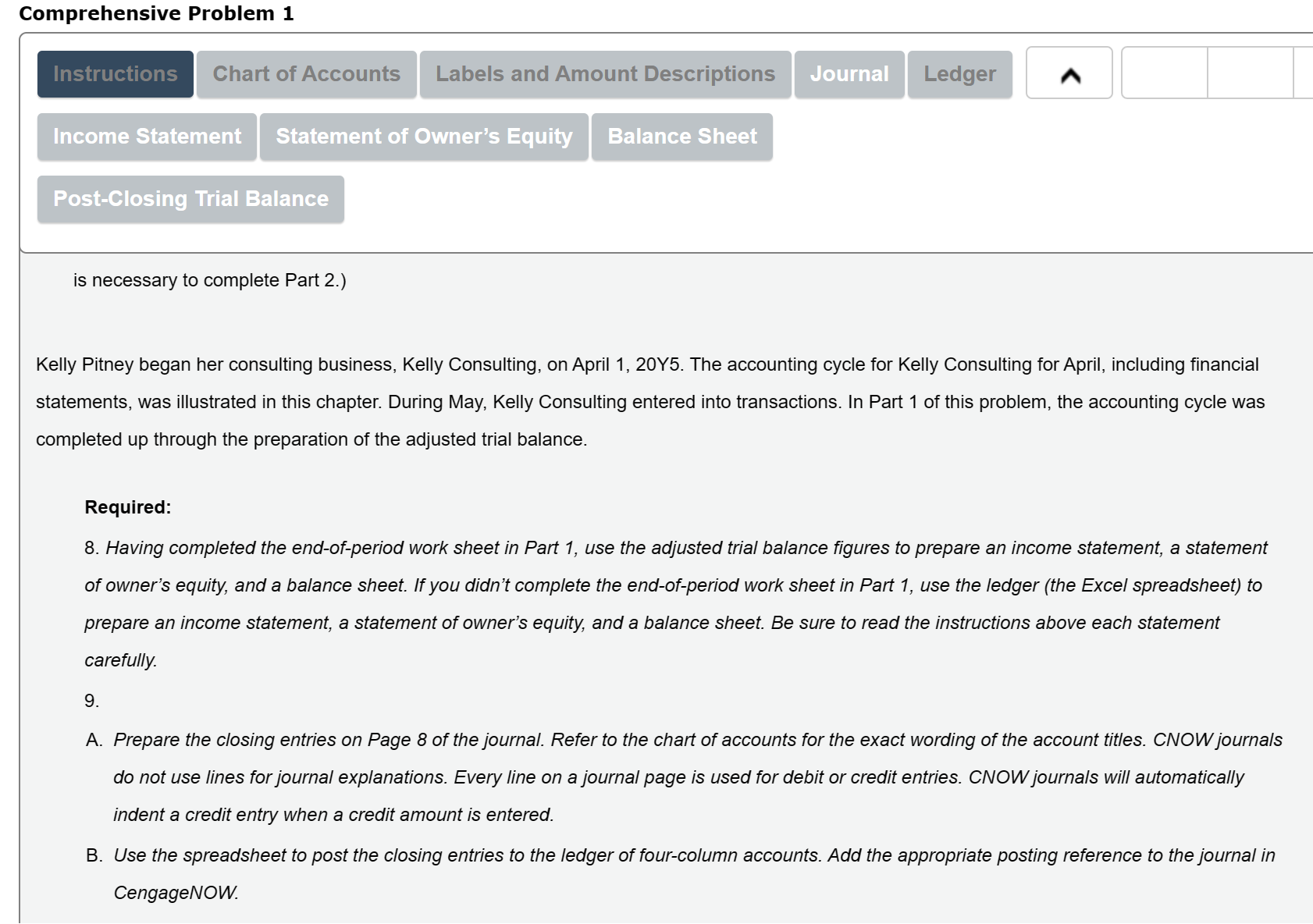
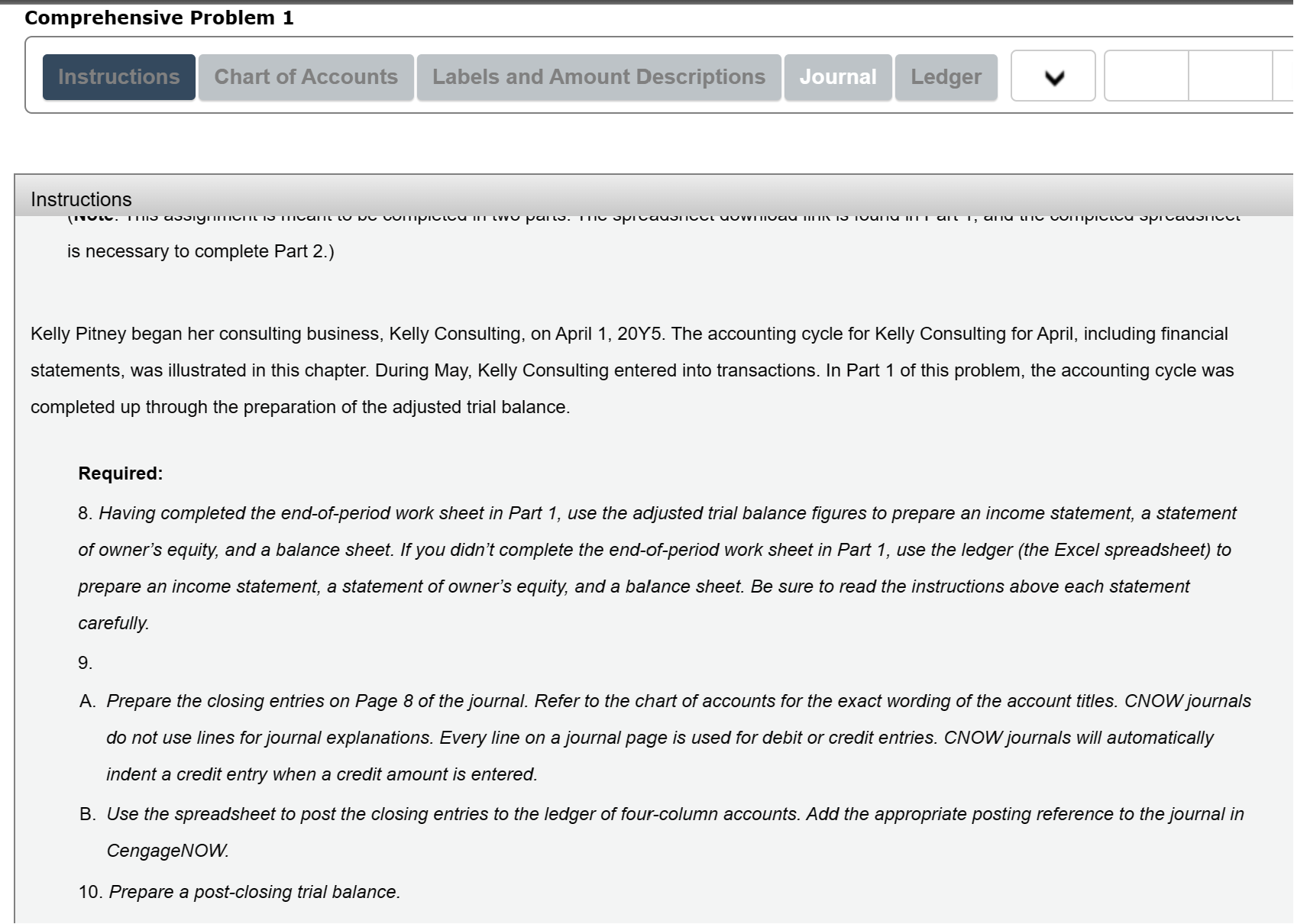
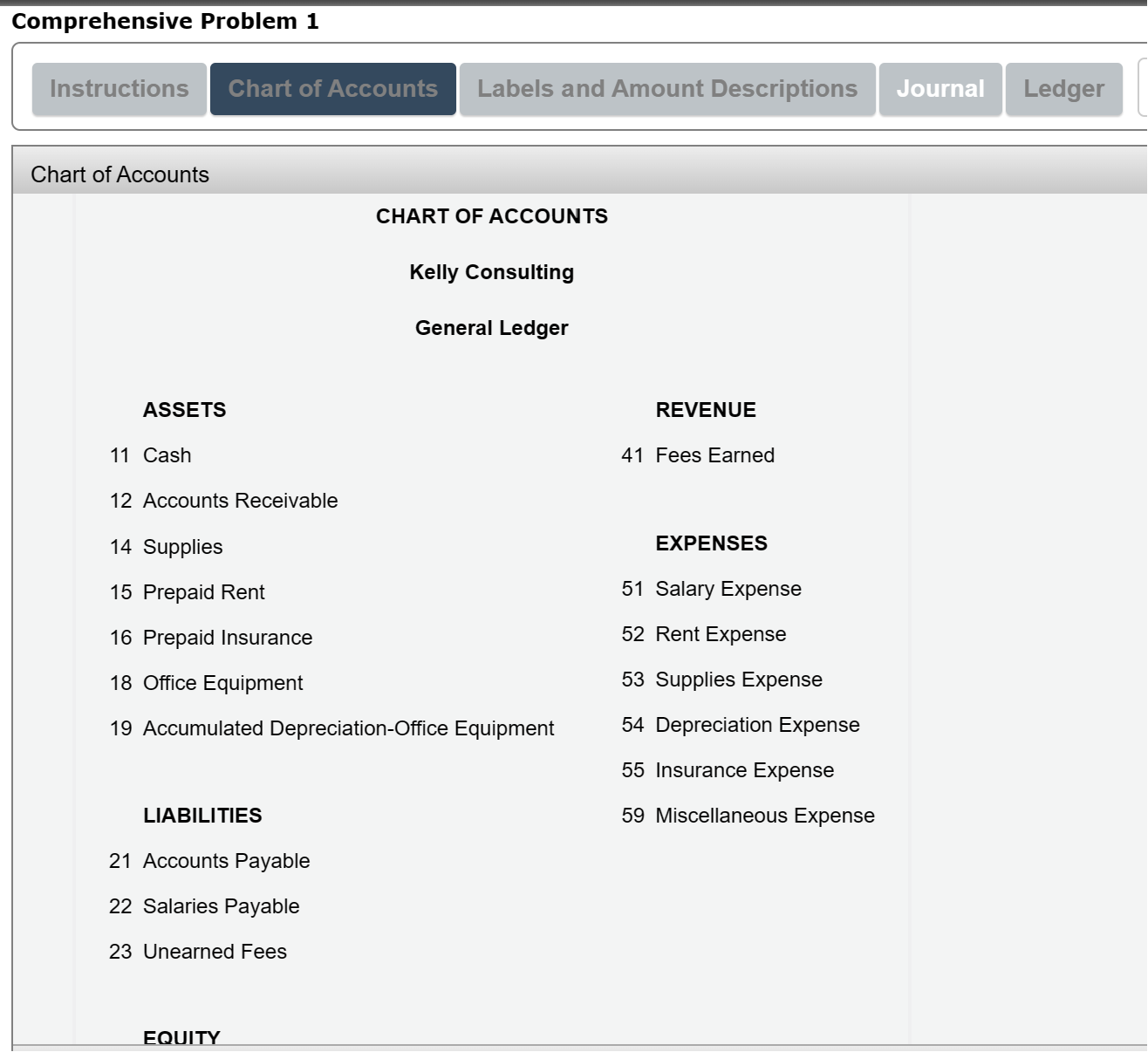
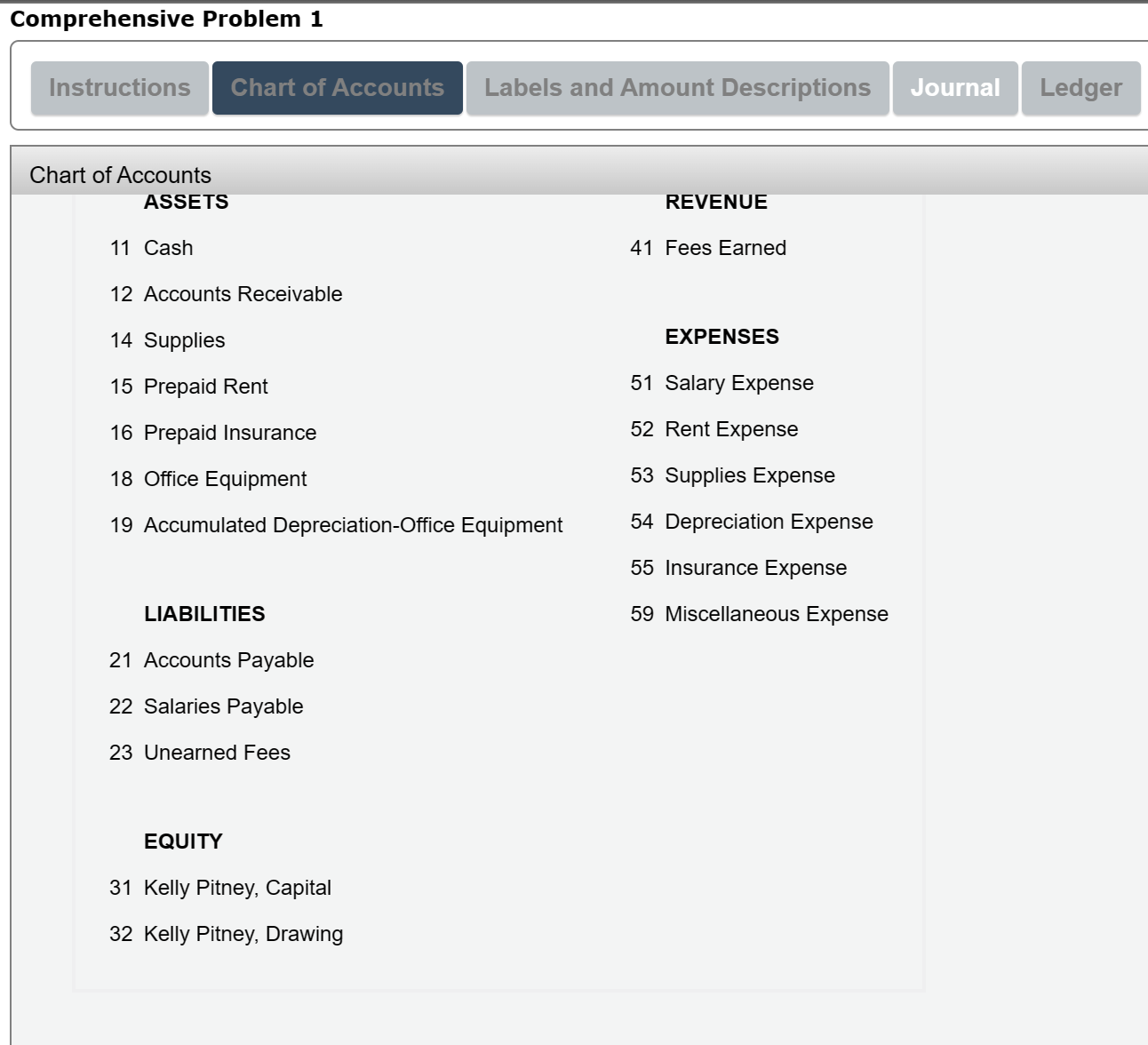
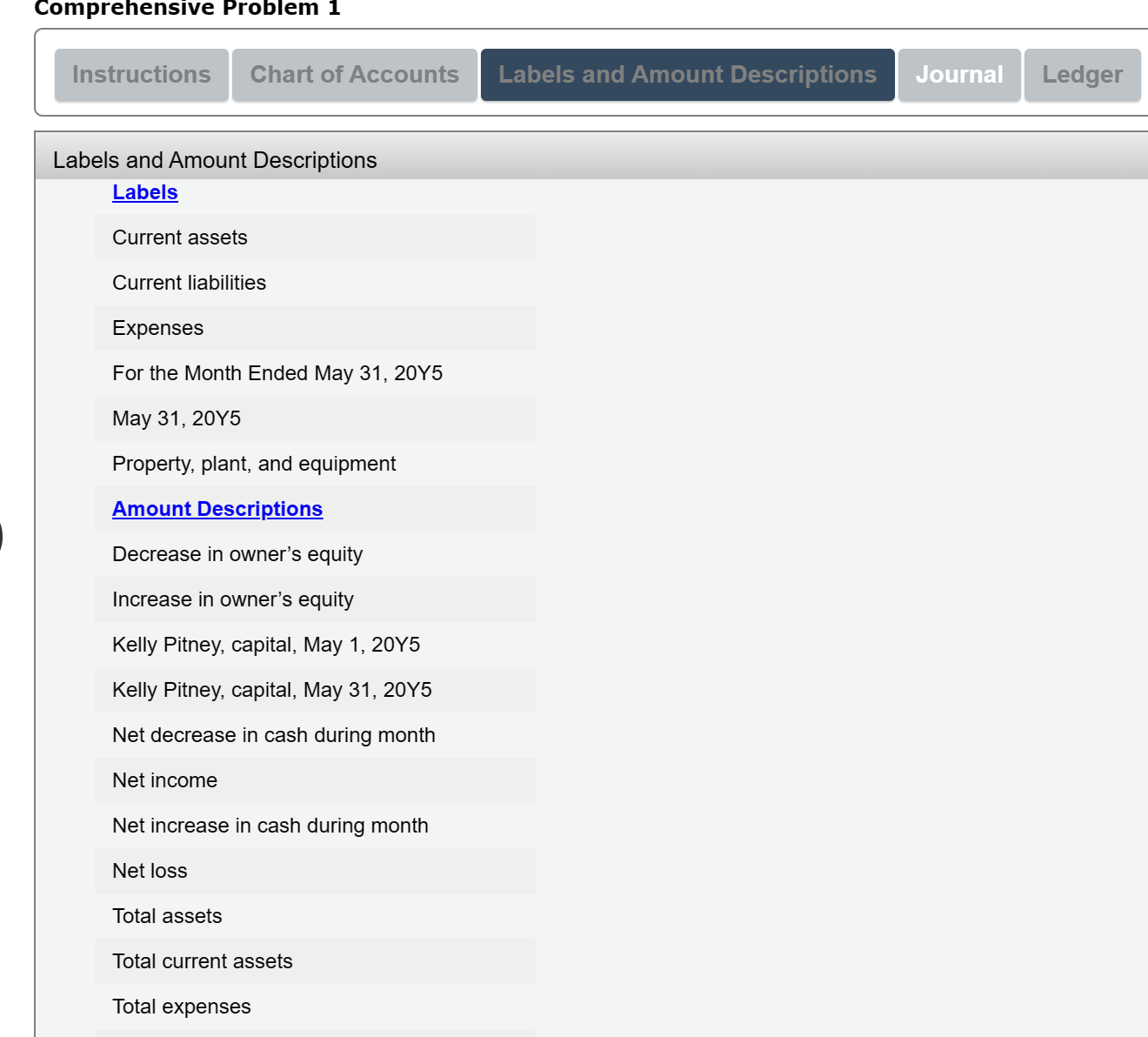
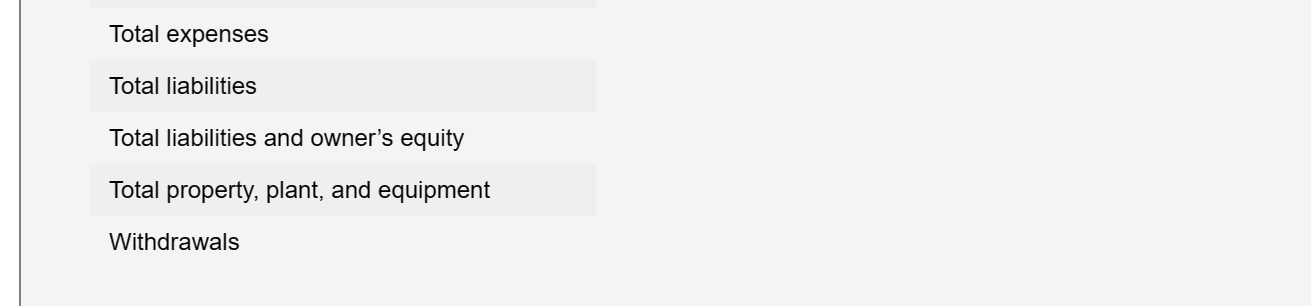
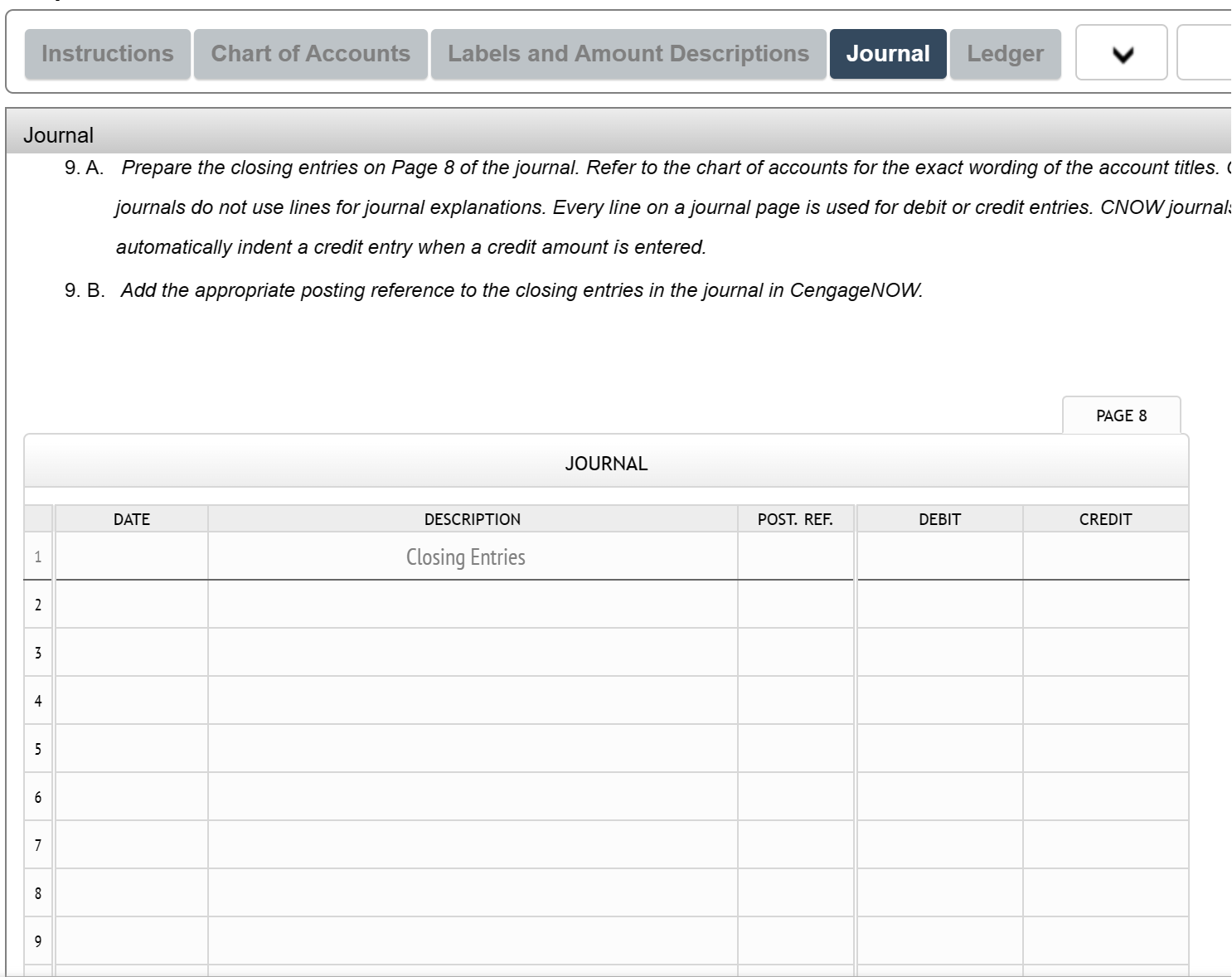
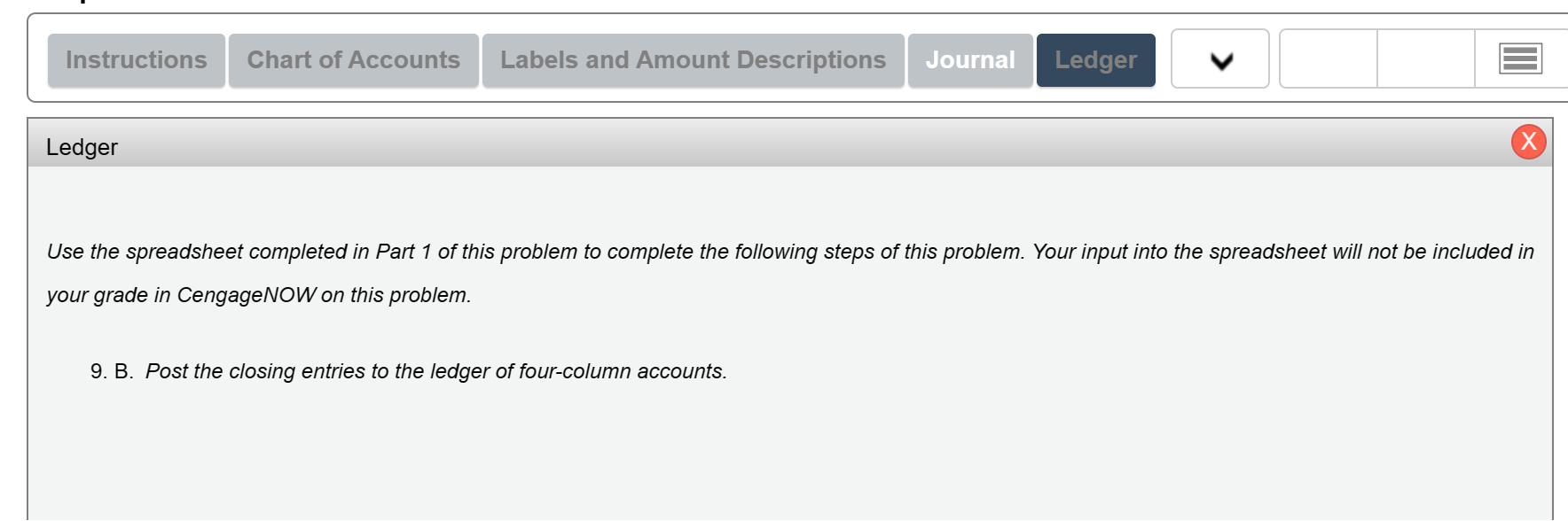
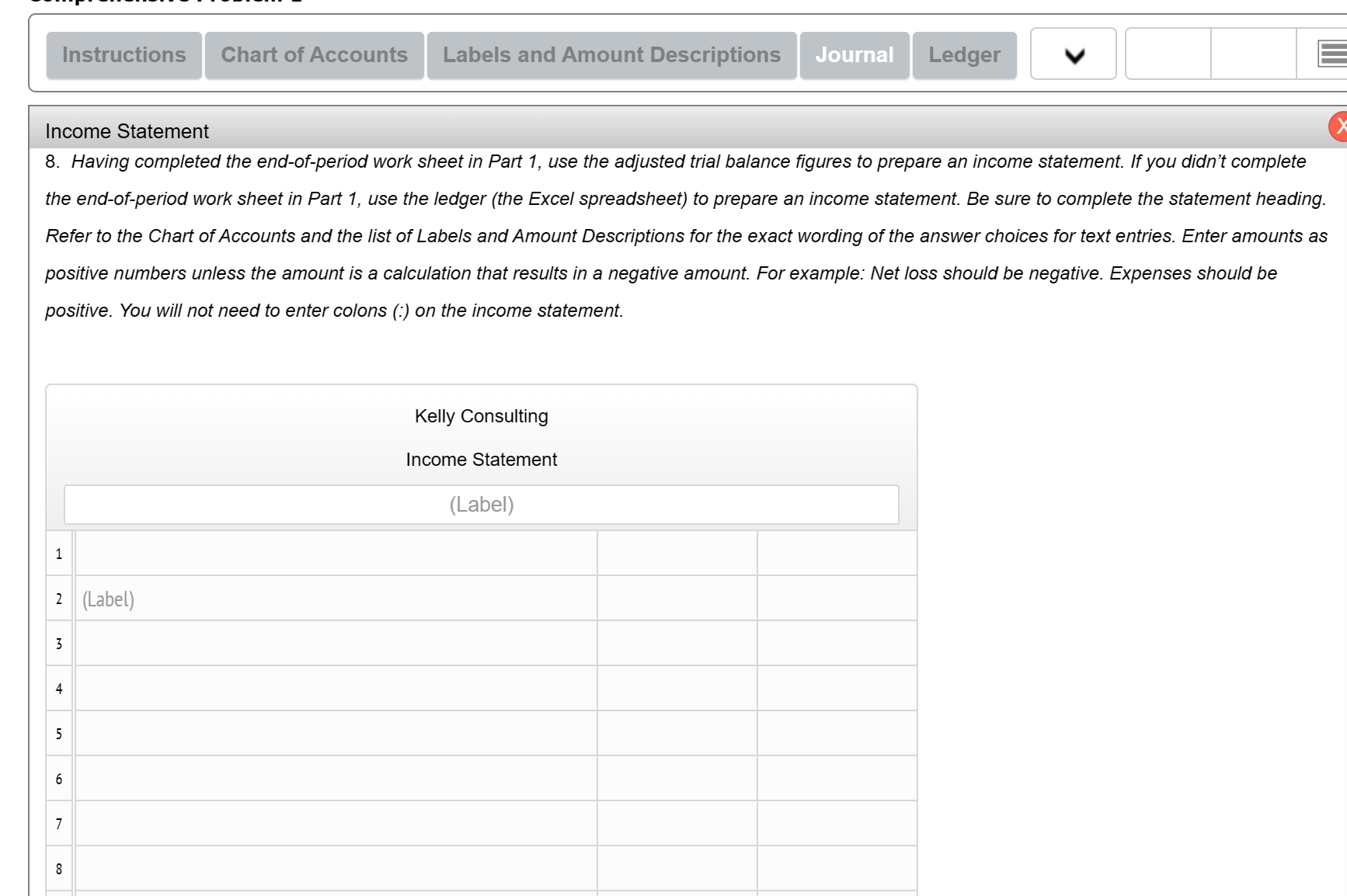
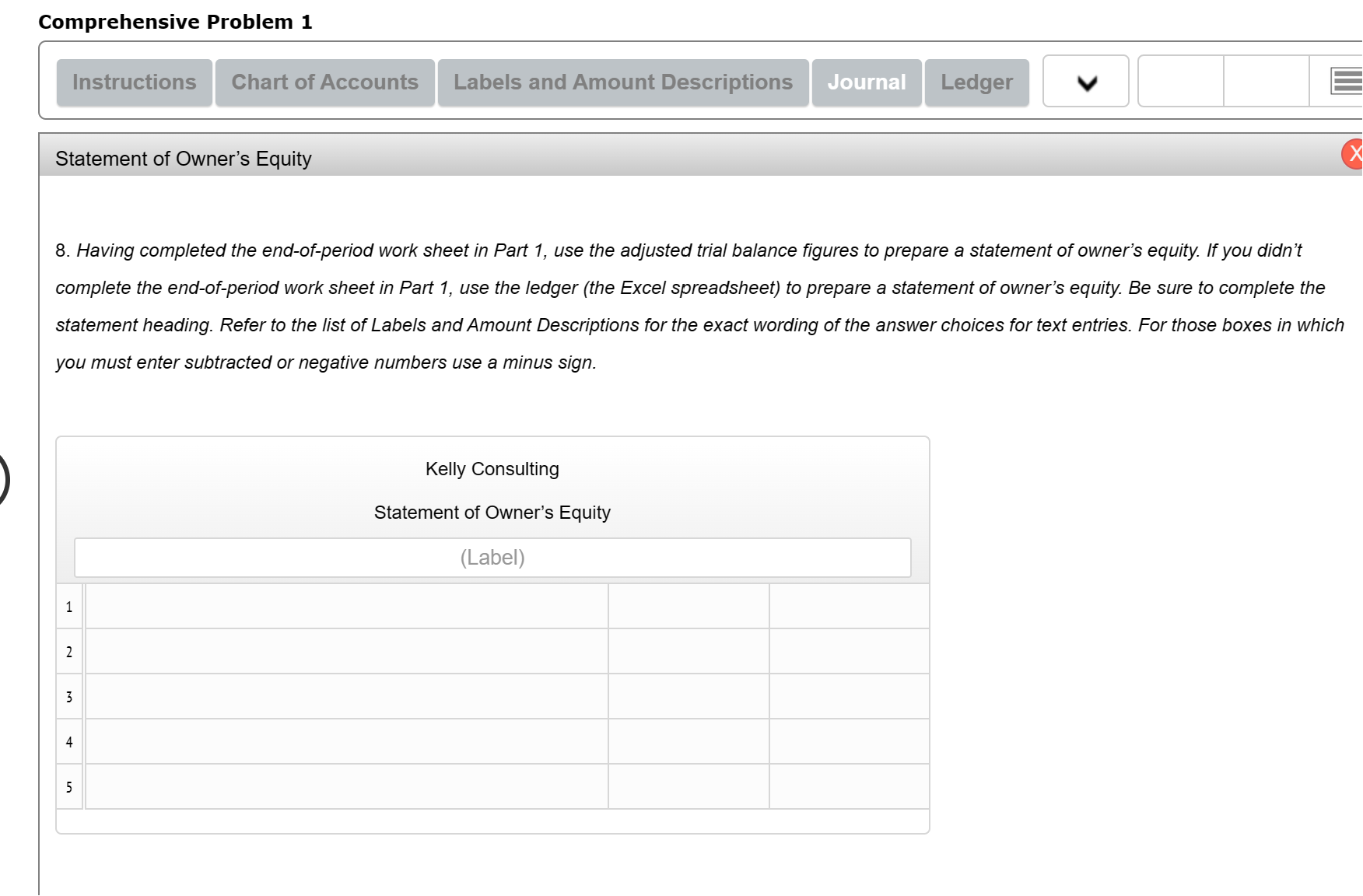
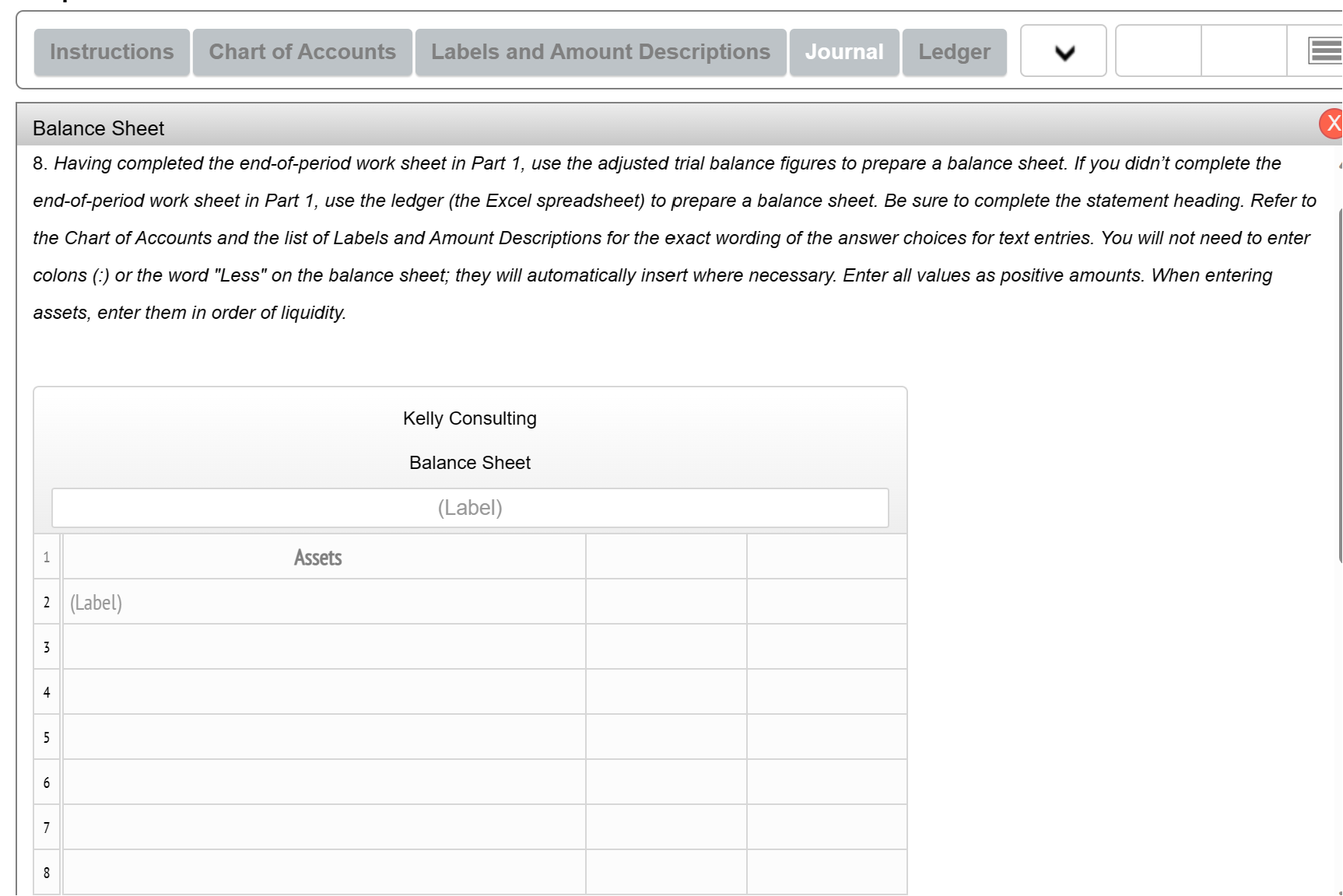
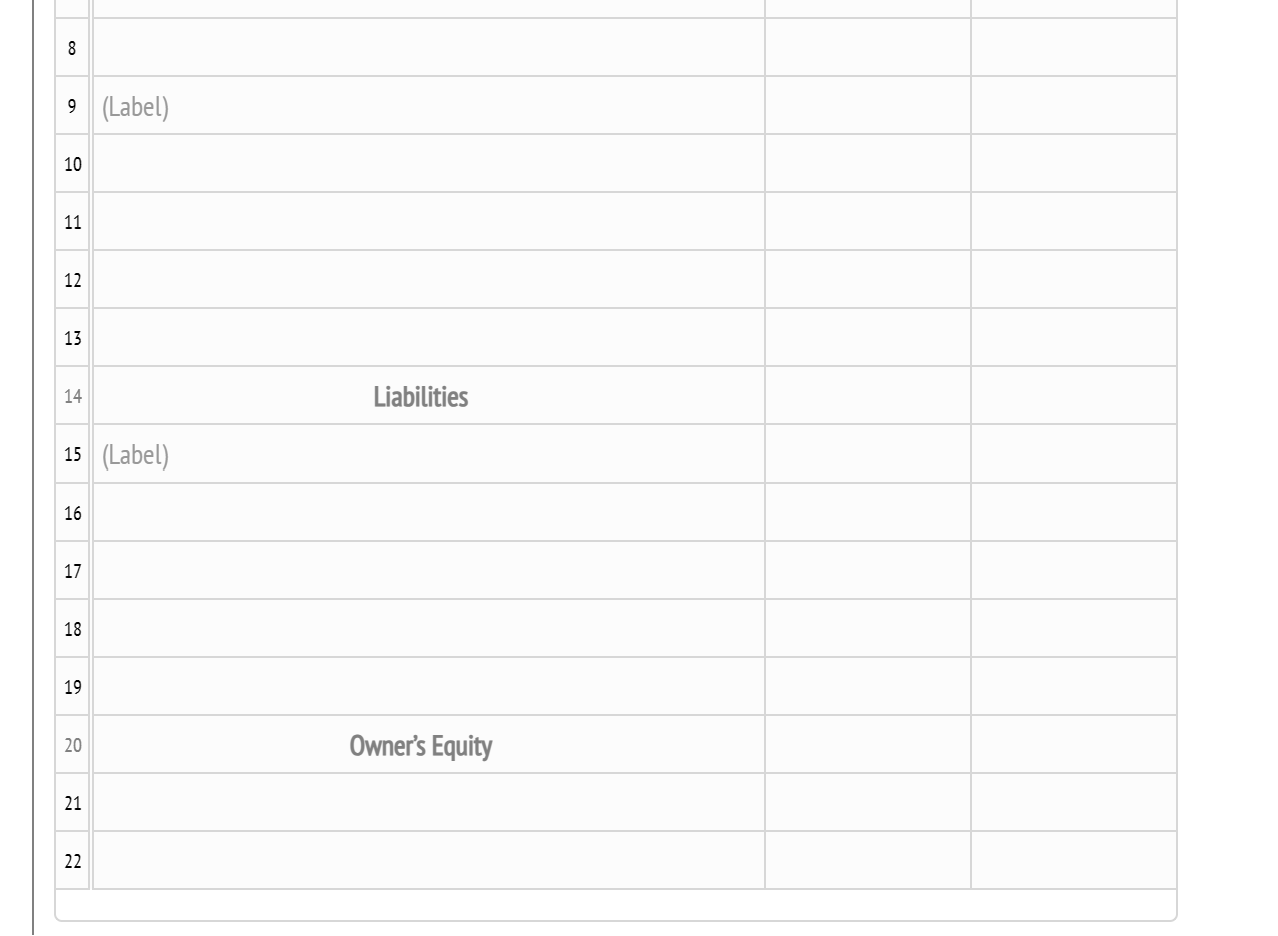
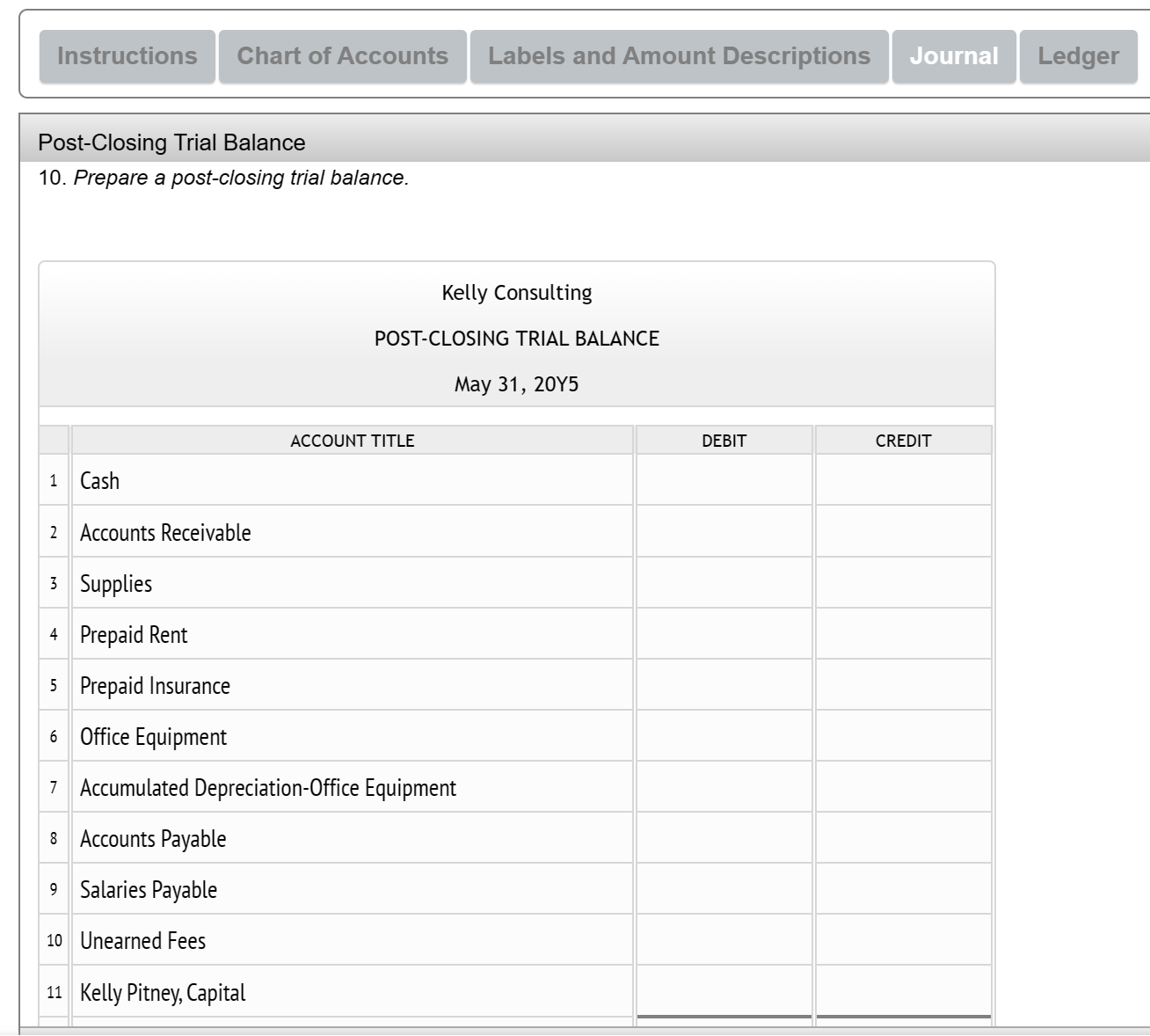
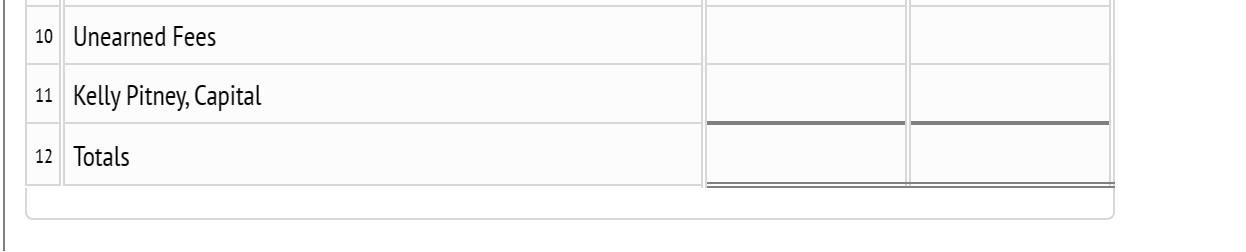
Total expenses Total liabilities Total liabilities and owner's equity Total property, plant, and equipment Withdrawals 10 Unearned Fees 11 Kelly Pitney, Capital 12 Totals 8. Having completed the end-of-period work sheet in Part 1, use the adjusted trial balance figures to prepare an income statement. If you didn't complete the end-of-period work sheet in Part 1, use the ledger (the Excel spreadsheet) to prepare an income statement. Be sure to complete the statement heading. Refer to the Chart of Accounts and the list of Labels and Amount Descriptions for the exact wording of the answer choices for text entries. Enter amounts as positive numbers unless the amount is a calculation that results in a negative amount. For example: Net loss should be negative. Expenses should be positive. You will not need to enter colons (:) on the income statement. 8. Having completed the end-of-period work sheet in Part 1, use the adjusted trial balance figures to prepare a balance sheet. If you didn't complete the end-of-period work sheet in Part 1, use the ledger (the Excel spreadsheet) to prepare a balance sheet. Be sure to complete the statement heading. Refer to the Chart of Accounts and the list of Labels and Amount Descriptions for the exact wording of the answer choices for text entries. You will not need to enter colons (:) or the word "Less" on the balance sheet; they will automatically insert where necessary. Enter all values as positive amounts. When entering assets, enter them in order of liquidity. Comprehensive Problem 1 Instructions Chart of Accounts Labels and Amount Descriptions Journal Ledger CHART OF ACCOUNTS Kelly Consulting General Ledger ASSETS 11 Cash 12 Accounts Receivable 14 Supplies 15 Prepaid Rent 16 Prepaid Insurance 18 Office Equipment 19 Accumulated Depreciation-Office Equipment LIABILITIES 21 Accounts Payable 22 Salaries Payable 23 Unearned Fees REVENUE 41 Fees Earned EXPENSES 51 Salary Expense 52 Rent Expense 53 Supplies Expense 54 Depreciation Expense 55 Insurance Expense 59 Miscellaneous Expense EQUITY Comprehensive Problem 1 Instructions is necessary to complete Part 2.) Kelly Pitney began her consulting business, Kelly Consulting, on April 1, 20Y5. The accounting cycle for Kelly Consulting for April, including financial statements, was illustrated in this chapter. During May, Kelly Consulting entered into transactions. In Part 1 of this problem, the accounting cycle was completed up through the preparation of the adjusted trial balance. Required: 8. Having completed the end-of-period work sheet in Part 1, use the adjusted trial balance figures to prepare an income statement, a statement of owner's equity, and a balance sheet. If you didn't complete the end-of-period work sheet in Part 1, use the ledger (the Excel spreadsheet) to prepare an income statement, a statement of owner's equity, and a balance sheet. Be sure to read the instructions above each statement carefully. 9. A. Prepare the closing entries on Page 8 of the journal. Refer to the chart of accounts for the exact wording of the account titles. CNOW journals do not use lines for journal explanations. Every line on a journal page is used for debit or credit entries. CNOW journals will automatically indent a credit entry when a credit amount is entered. B. Use the spreadsheet to post the closing entries to the ledger of four-column accounts. Add the appropriate posting reference to the journal in CengageNOW. 10. Prepare a post-closing trial balance. 8. Having completed the end-of-period work sheet in Part 1, use the adjusted trial balance figures to prepare a statement of owner's equity. If you didn't complete the end-of-period work sheet in Part 1, use the ledger (the Excel spreadsheet) to prepare a statement of owner's equity. Be sure to complete the statement heading. Refer to the list of Labels and Amount Descriptions for the exact wording of the answer choices for text entries. For those boxes in which you must enter subtracted or negative numbers use a minus sign. Comprehensive Problem 1 Instructions Chart of Accounts Labels and Amount Descriptions Journal Ledger Labels and Amount Descriptions Labels Current assets Current liabilities Expenses For the Month Ended May 31, 20 Y5 May 31, 20Y5 Property, plant, and equipment Amount Descriptions Decrease in owner's equity Increase in owner's equity Kelly Pitney, capital, May 1, 20 Y5 Kelly Pitney, capital, May 31, 20 Y5 Net decrease in cash during month Net income Net increase in cash during month Net loss Total assets Total current assets Total expenses Comprehensive Problem 1 Instructions Chart of Accounts Labels and Amount Descriptions Journal Ledger Chart of Accounts ASSETS REVENUE 11 Cash 12 Accounts Receivable 14 Supplies 15 Prepaid Rent 16 Prepaid Insurance 18 Office Equipment 19 Accumulated Depreciation-Office Equipment LIABILITIES 21 Accounts Payable 22 Salaries Payable 23 Unearned Fees EQUITY 31 Kelly Pitney, Capital 32 Kelly Pitney, Drawing 41 Fees Earned EXPENSES 51 Salary Expense 52 Rent Expense 53 Supplies Expense 54 Depreciation Expense 55 Insurance Expense 59 Miscellaneous Expense 7. Prepare an adjusted trial balance. Accounts with zero balances can be left blank. Use the spreadsheet completed in Part 1 of this problem to complete the following steps of this problem. Your input into the spreadsheet will not be included in your grade in CengageNOW on this problem. 9. B. Post the closing entries to the ledger of four-column accounts. 9 Salaries Payable 10 Unearned Fees 11 Kelly Pitney, Capital 12 Kelly Pitney, Drawing 13 Fees Earned 14 Salary Expense 15 Rent Expense 16 Supplies Expense 17 Depreciation Expense 18 Insurance Expense 19 Miscellaneous Expense 20 Totals 9. A. Prepare the closing entries on Page 8 of the journal. Refer to the chart of accounts for the exact wording of the account titles. journals do not use lines for journal explanations. Every line on a journal page is used for debit or credit entries. CNOW journa automatically indent a credit entry when a credit amount is entered. 9. B. Add the appropriate posting reference to the closing entries in the journal in CenqageNOW. Comprehensive Problem 1 is necessary to complete Part 2.) Kelly Pitney began her consulting business, Kelly Consulting, on April 1, 20Y5. The accounting cycle for Kelly Consulting for April, including financial statements, was illustrated in this chapter. During May, Kelly Consulting entered into transactions. In Part 1 of this problem, the accounting cycle was completed up through the preparation of the adjusted trial balance. Required: 8. Having completed the end-of-period work sheet in Part 1, use the adjusted trial balance figures to prepare an income statement, a statement of owner's equity, and a balance sheet. If you didn't complete the end-of-period work sheet in Part 1, use the ledger (the Excel spreadsheet) to prepare an income statement, a statement of owner's equity, and a balance sheet. Be sure to read the instructions above each statement carefully. 9. A. Prepare the closing entries on Page 8 of the journal. Refer to the chart of accounts for the exact wording of the account titles. CNOW journals do not use lines for journal explanations. Every line on a journal page is used for debit or credit entries. CNOW journals will automatically indent a credit entry when a credit amount is entered. B. Use the spreadsheet to post the closing entries to the ledger of four-column accounts. Add the appropriate posting reference to the journal in CengageNOW. Post-Closing Trial Balance 10. Prepare a post-closing trial balance. Total expenses Total liabilities Total liabilities and owner's equity Total property, plant, and equipment Withdrawals 10 Unearned Fees 11 Kelly Pitney, Capital 12 Totals 8. Having completed the end-of-period work sheet in Part 1, use the adjusted trial balance figures to prepare an income statement. If you didn't complete the end-of-period work sheet in Part 1, use the ledger (the Excel spreadsheet) to prepare an income statement. Be sure to complete the statement heading. Refer to the Chart of Accounts and the list of Labels and Amount Descriptions for the exact wording of the answer choices for text entries. Enter amounts as positive numbers unless the amount is a calculation that results in a negative amount. For example: Net loss should be negative. Expenses should be positive. You will not need to enter colons (:) on the income statement. 8. Having completed the end-of-period work sheet in Part 1, use the adjusted trial balance figures to prepare a balance sheet. If you didn't complete the end-of-period work sheet in Part 1, use the ledger (the Excel spreadsheet) to prepare a balance sheet. Be sure to complete the statement heading. Refer to the Chart of Accounts and the list of Labels and Amount Descriptions for the exact wording of the answer choices for text entries. You will not need to enter colons (:) or the word "Less" on the balance sheet; they will automatically insert where necessary. Enter all values as positive amounts. When entering assets, enter them in order of liquidity. Comprehensive Problem 1 Instructions Chart of Accounts Labels and Amount Descriptions Journal Ledger CHART OF ACCOUNTS Kelly Consulting General Ledger ASSETS 11 Cash 12 Accounts Receivable 14 Supplies 15 Prepaid Rent 16 Prepaid Insurance 18 Office Equipment 19 Accumulated Depreciation-Office Equipment LIABILITIES 21 Accounts Payable 22 Salaries Payable 23 Unearned Fees REVENUE 41 Fees Earned EXPENSES 51 Salary Expense 52 Rent Expense 53 Supplies Expense 54 Depreciation Expense 55 Insurance Expense 59 Miscellaneous Expense EQUITY Comprehensive Problem 1 Instructions is necessary to complete Part 2.) Kelly Pitney began her consulting business, Kelly Consulting, on April 1, 20Y5. The accounting cycle for Kelly Consulting for April, including financial statements, was illustrated in this chapter. During May, Kelly Consulting entered into transactions. In Part 1 of this problem, the accounting cycle was completed up through the preparation of the adjusted trial balance. Required: 8. Having completed the end-of-period work sheet in Part 1, use the adjusted trial balance figures to prepare an income statement, a statement of owner's equity, and a balance sheet. If you didn't complete the end-of-period work sheet in Part 1, use the ledger (the Excel spreadsheet) to prepare an income statement, a statement of owner's equity, and a balance sheet. Be sure to read the instructions above each statement carefully. 9. A. Prepare the closing entries on Page 8 of the journal. Refer to the chart of accounts for the exact wording of the account titles. CNOW journals do not use lines for journal explanations. Every line on a journal page is used for debit or credit entries. CNOW journals will automatically indent a credit entry when a credit amount is entered. B. Use the spreadsheet to post the closing entries to the ledger of four-column accounts. Add the appropriate posting reference to the journal in CengageNOW. 10. Prepare a post-closing trial balance. 8. Having completed the end-of-period work sheet in Part 1, use the adjusted trial balance figures to prepare a statement of owner's equity. If you didn't complete the end-of-period work sheet in Part 1, use the ledger (the Excel spreadsheet) to prepare a statement of owner's equity. Be sure to complete the statement heading. Refer to the list of Labels and Amount Descriptions for the exact wording of the answer choices for text entries. For those boxes in which you must enter subtracted or negative numbers use a minus sign. Comprehensive Problem 1 Instructions Chart of Accounts Labels and Amount Descriptions Journal Ledger Labels and Amount Descriptions Labels Current assets Current liabilities Expenses For the Month Ended May 31, 20 Y5 May 31, 20Y5 Property, plant, and equipment Amount Descriptions Decrease in owner's equity Increase in owner's equity Kelly Pitney, capital, May 1, 20 Y5 Kelly Pitney, capital, May 31, 20 Y5 Net decrease in cash during month Net income Net increase in cash during month Net loss Total assets Total current assets Total expenses Comprehensive Problem 1 Instructions Chart of Accounts Labels and Amount Descriptions Journal Ledger Chart of Accounts ASSETS REVENUE 11 Cash 12 Accounts Receivable 14 Supplies 15 Prepaid Rent 16 Prepaid Insurance 18 Office Equipment 19 Accumulated Depreciation-Office Equipment LIABILITIES 21 Accounts Payable 22 Salaries Payable 23 Unearned Fees EQUITY 31 Kelly Pitney, Capital 32 Kelly Pitney, Drawing 41 Fees Earned EXPENSES 51 Salary Expense 52 Rent Expense 53 Supplies Expense 54 Depreciation Expense 55 Insurance Expense 59 Miscellaneous Expense 7. Prepare an adjusted trial balance. Accounts with zero balances can be left blank. Use the spreadsheet completed in Part 1 of this problem to complete the following steps of this problem. Your input into the spreadsheet will not be included in your grade in CengageNOW on this problem. 9. B. Post the closing entries to the ledger of four-column accounts. 9 Salaries Payable 10 Unearned Fees 11 Kelly Pitney, Capital 12 Kelly Pitney, Drawing 13 Fees Earned 14 Salary Expense 15 Rent Expense 16 Supplies Expense 17 Depreciation Expense 18 Insurance Expense 19 Miscellaneous Expense 20 Totals 9. A. Prepare the closing entries on Page 8 of the journal. Refer to the chart of accounts for the exact wording of the account titles. journals do not use lines for journal explanations. Every line on a journal page is used for debit or credit entries. CNOW journa automatically indent a credit entry when a credit amount is entered. 9. B. Add the appropriate posting reference to the closing entries in the journal in CenqageNOW. Comprehensive Problem 1 is necessary to complete Part 2.) Kelly Pitney began her consulting business, Kelly Consulting, on April 1, 20Y5. The accounting cycle for Kelly Consulting for April, including financial statements, was illustrated in this chapter. During May, Kelly Consulting entered into transactions. In Part 1 of this problem, the accounting cycle was completed up through the preparation of the adjusted trial balance. Required: 8. Having completed the end-of-period work sheet in Part 1, use the adjusted trial balance figures to prepare an income statement, a statement of owner's equity, and a balance sheet. If you didn't complete the end-of-period work sheet in Part 1, use the ledger (the Excel spreadsheet) to prepare an income statement, a statement of owner's equity, and a balance sheet. Be sure to read the instructions above each statement carefully. 9. A. Prepare the closing entries on Page 8 of the journal. Refer to the chart of accounts for the exact wording of the account titles. CNOW journals do not use lines for journal explanations. Every line on a journal page is used for debit or credit entries. CNOW journals will automatically indent a credit entry when a credit amount is entered. B. Use the spreadsheet to post the closing entries to the ledger of four-column accounts. Add the appropriate posting reference to the journal in CengageNOW. Post-Closing Trial Balance 10. Prepare a post-closing trial balance
Step by Step Solution
There are 3 Steps involved in it

Get step-by-step solutions from verified subject matter experts