Question: Unit III Scholarly Activity Unit III Scholarly Activity Assignment Content Hazard Analysis Your boss has asked you to investigate these operations and tasks that he
Unit III Scholarly Activity Unit III Scholarly Activity
Assignment Content
Hazard Analysis
Your boss has asked you to investigate these operations and tasks that he feels have a significant potential for injury in the manufacturing plant:
Operating electric forklifts in narrow aisles.
Repairing the hydraulic system on the gas-powered forklift.
Operating the large sheet metal shear.
For each of the three tasks, do the following:
Identify a minimum of two (or three) hazards of the operation and the injuries that could result from exposure to them.
Determine the control measures that would eliminate the identified hazards or reduce the risk (severity and/or probability) of injury. Be sure to consider all levels in the hierarchy of controls.
Analyze the effectiveness of each control measure by assessing the risks before and after the control is implemented.
Provide your recommendations for which control measures should be implemented and why you chose them.
Discuss historical aspects of occupational safety and health (OSH) and relate them to this situation.
Minimum of Two Pages not including title and reference pages, and follow APA guidelines. All sources used, including the textbook, must be referenced; paraphrased and quoted material must have accompanying citations.
The citation guide is here:
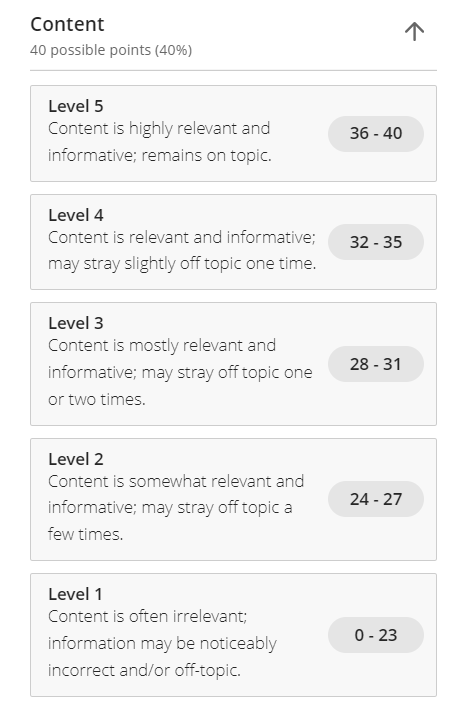
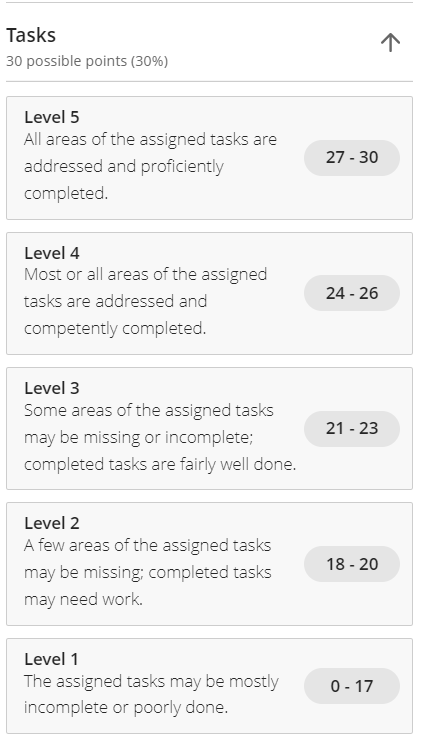
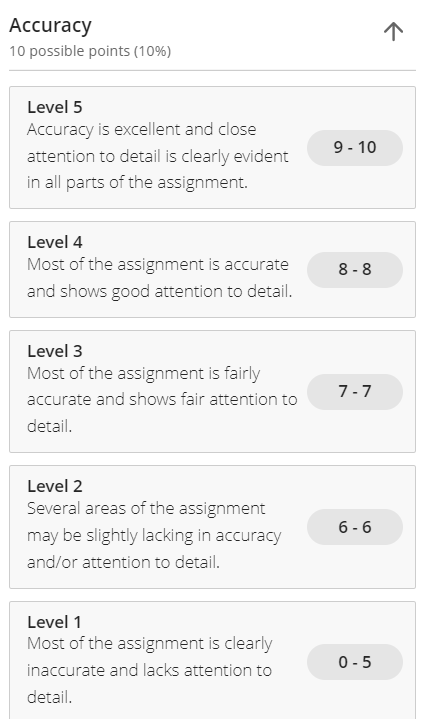
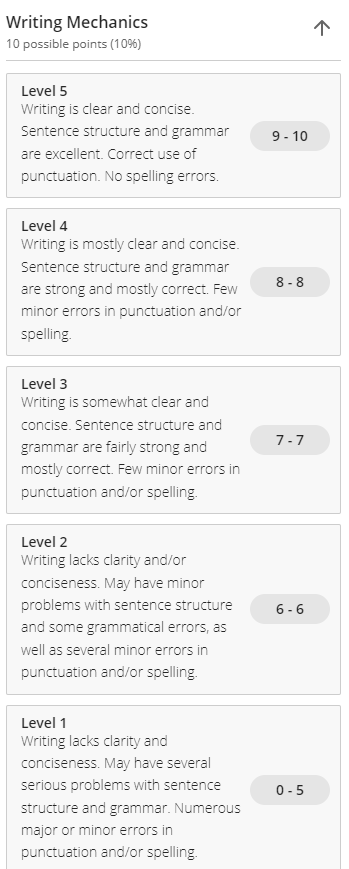
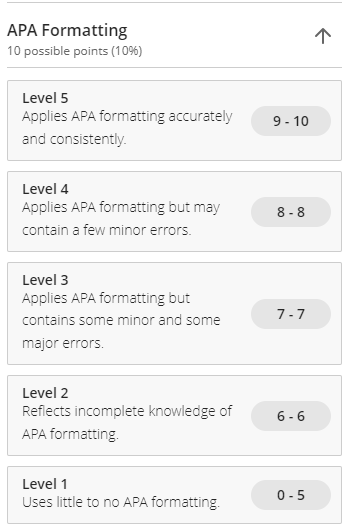
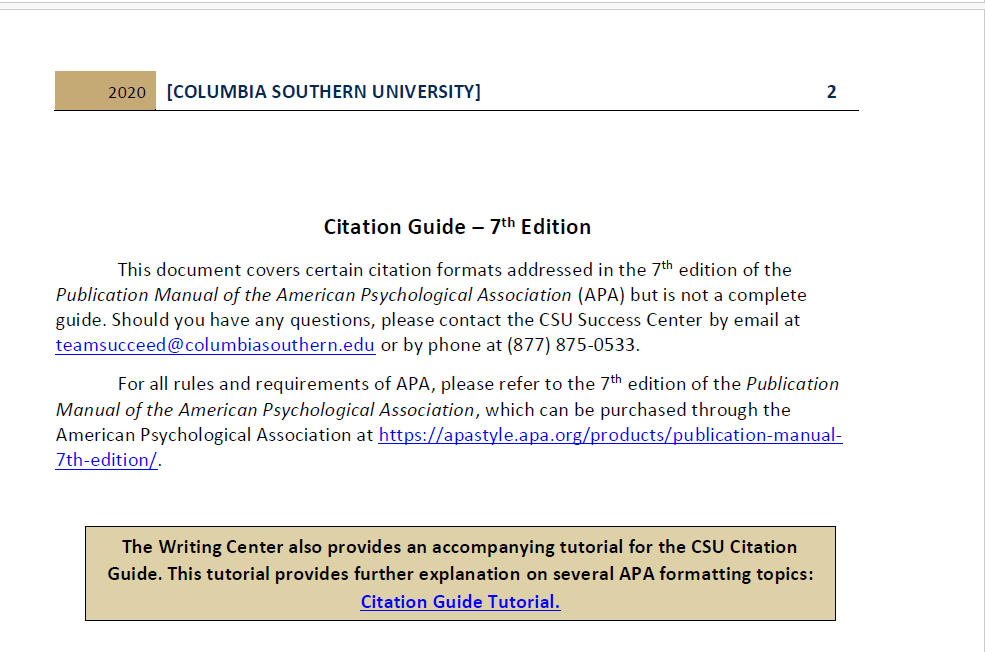
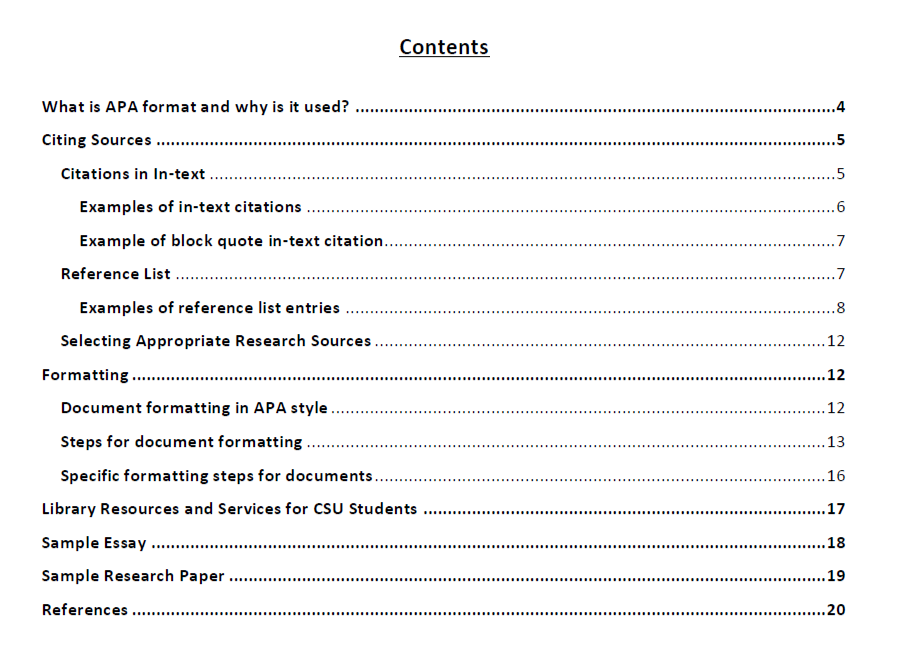
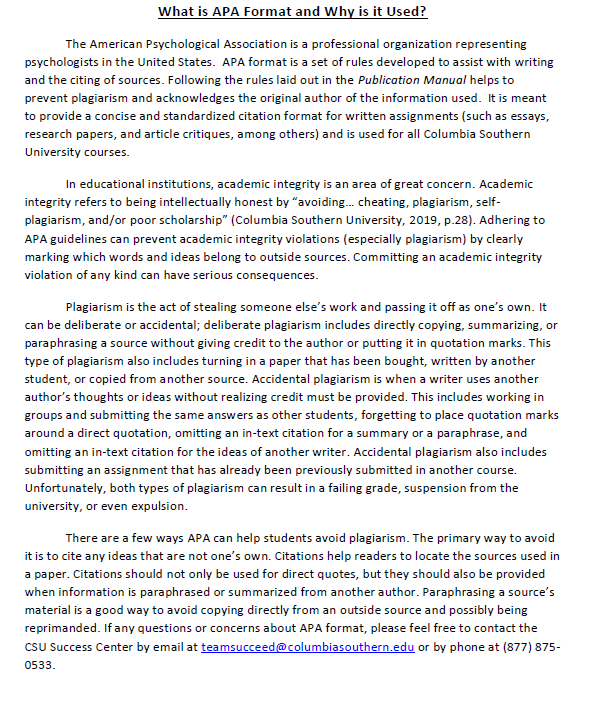
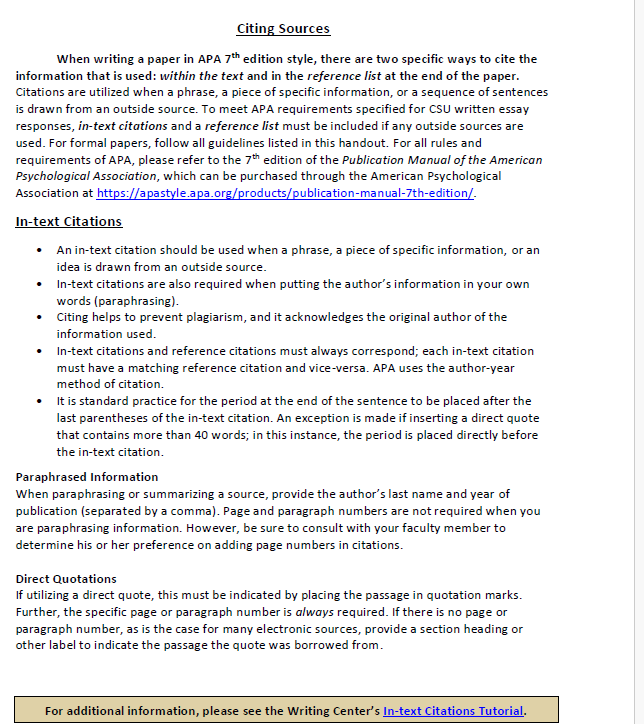
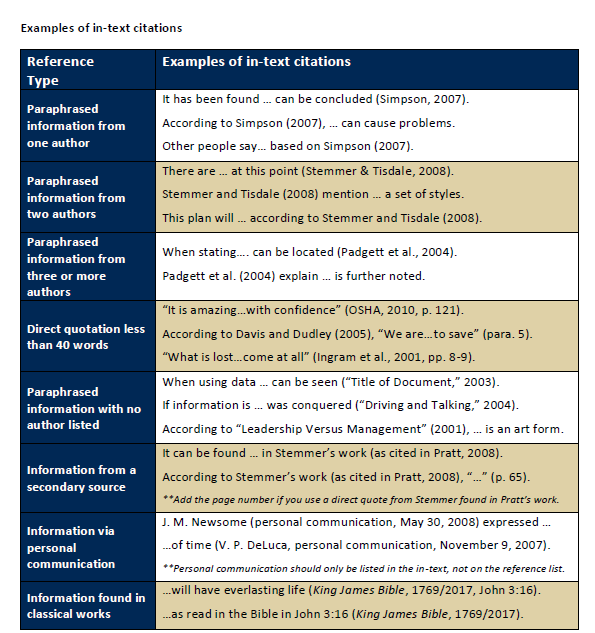
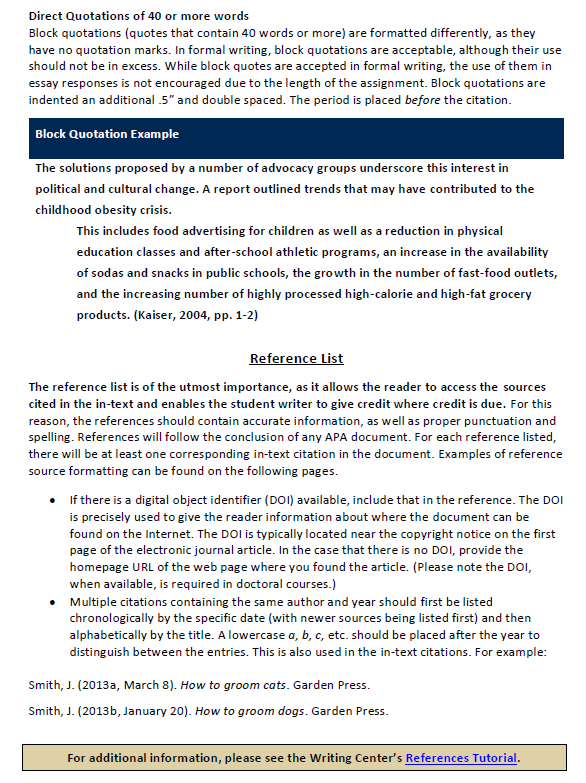
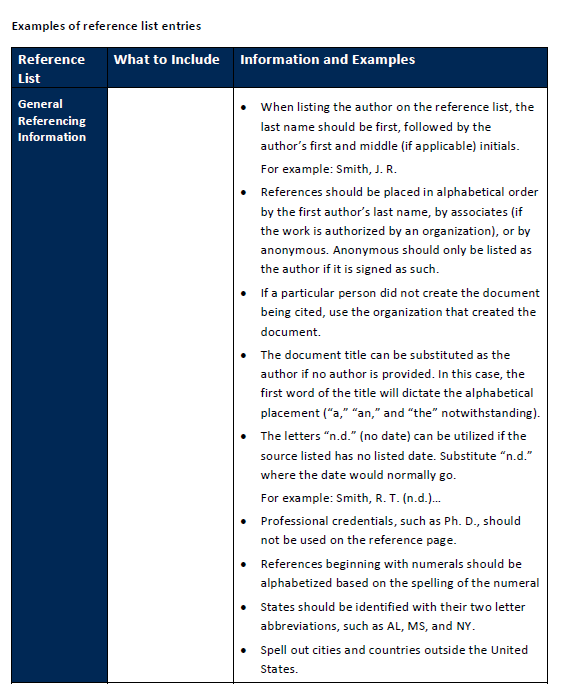
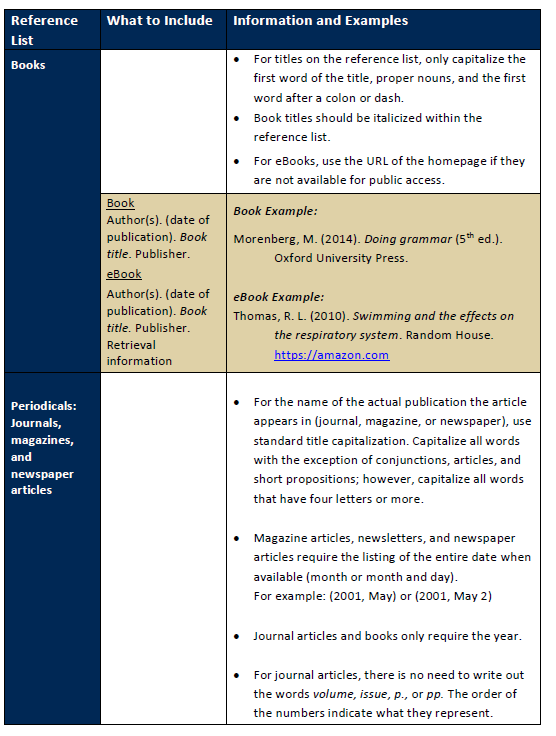
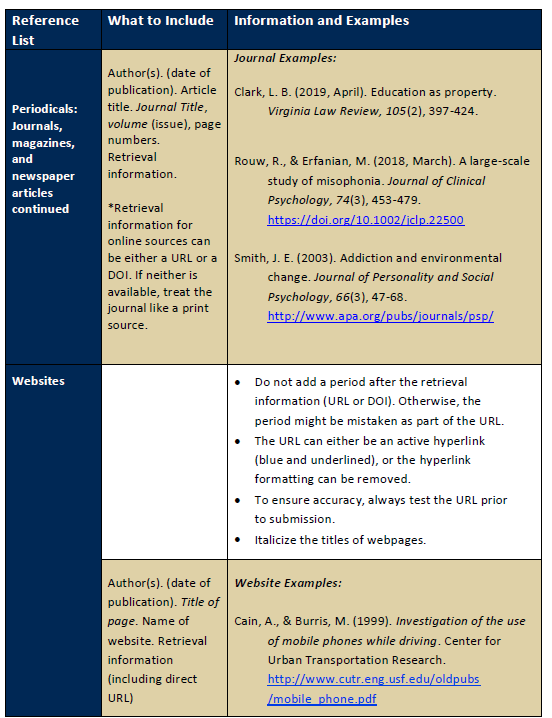
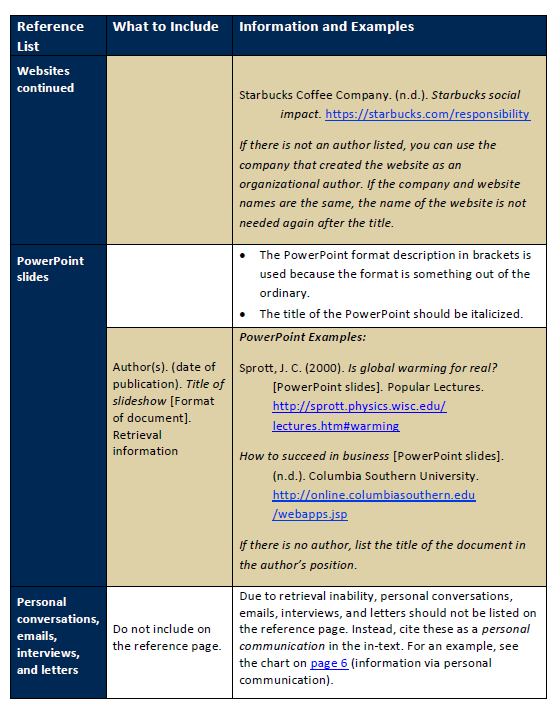
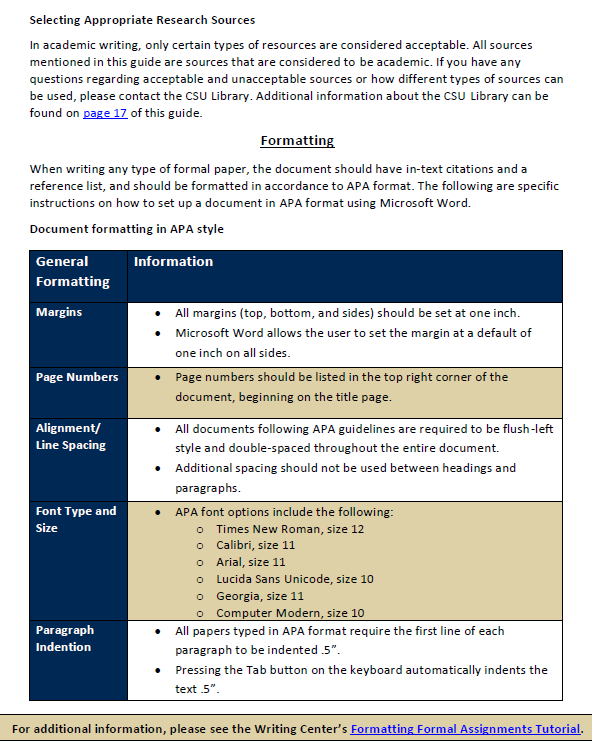
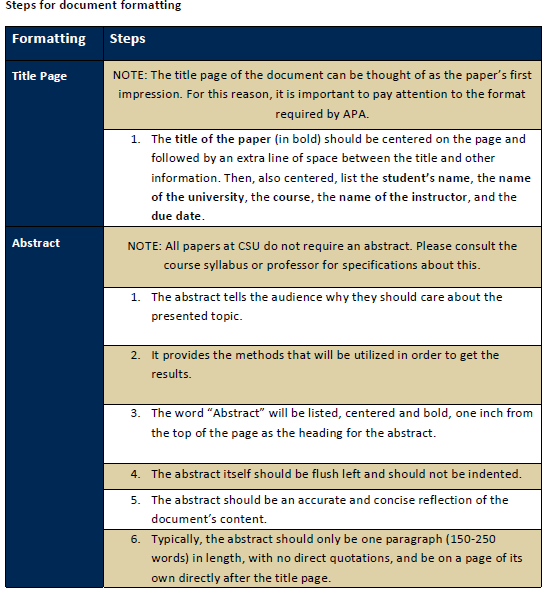
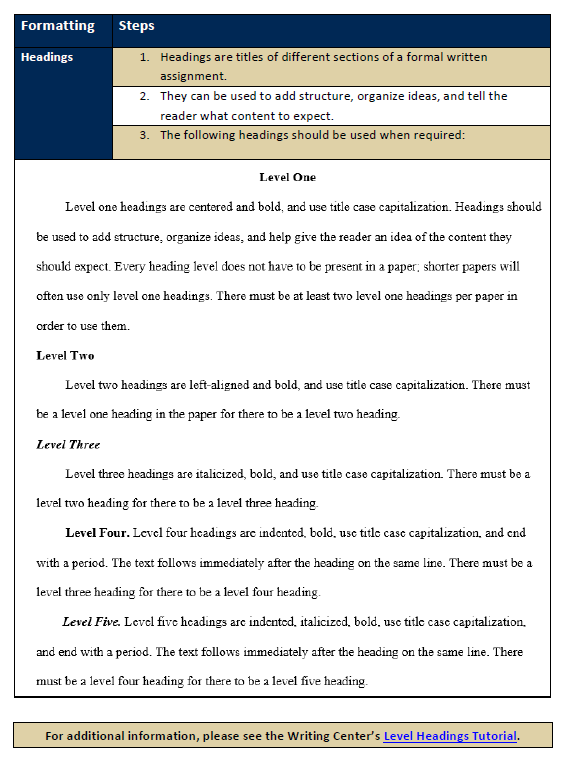
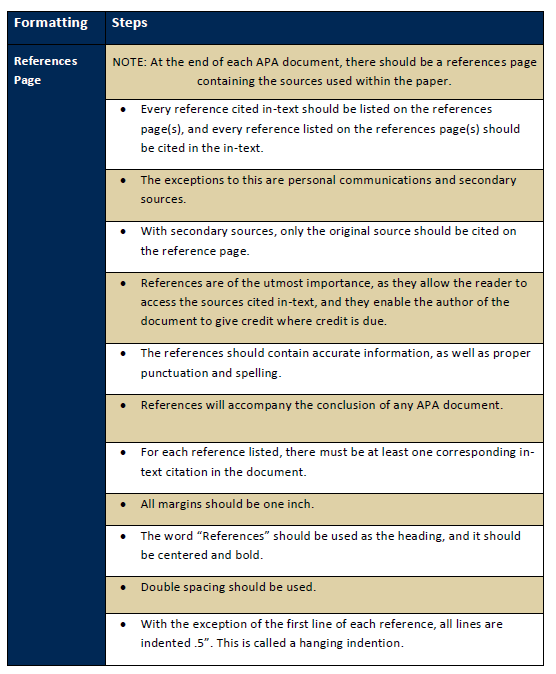
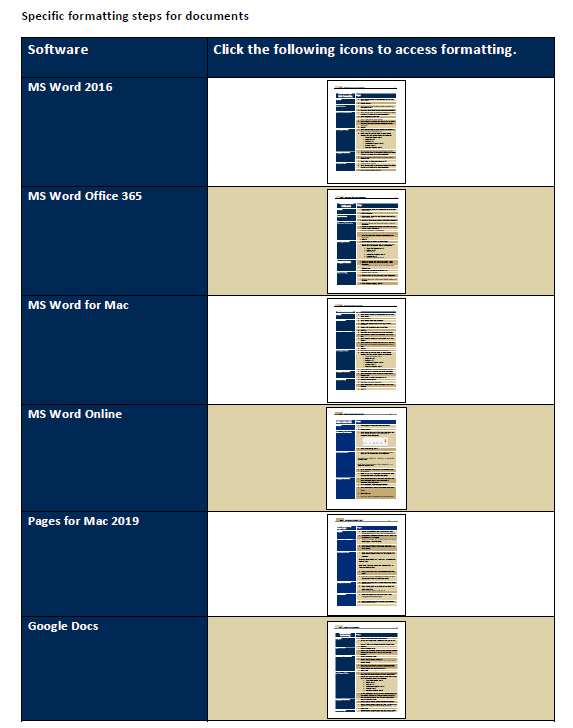
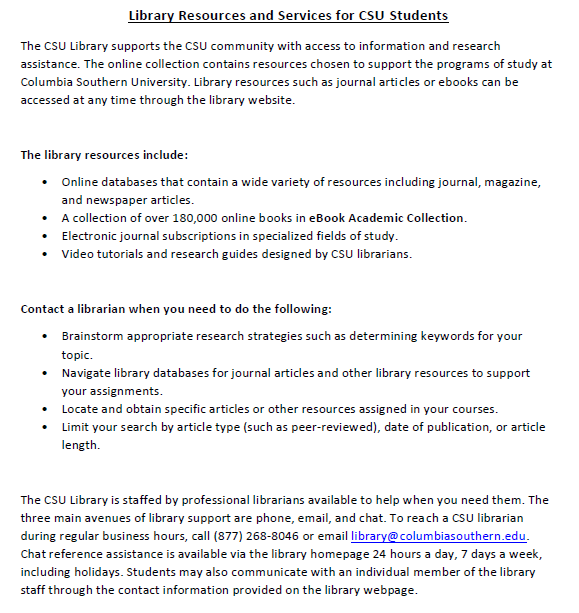
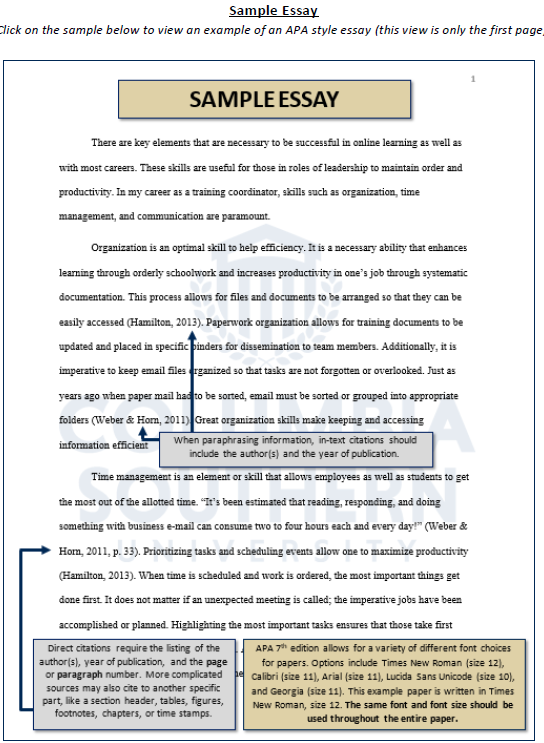
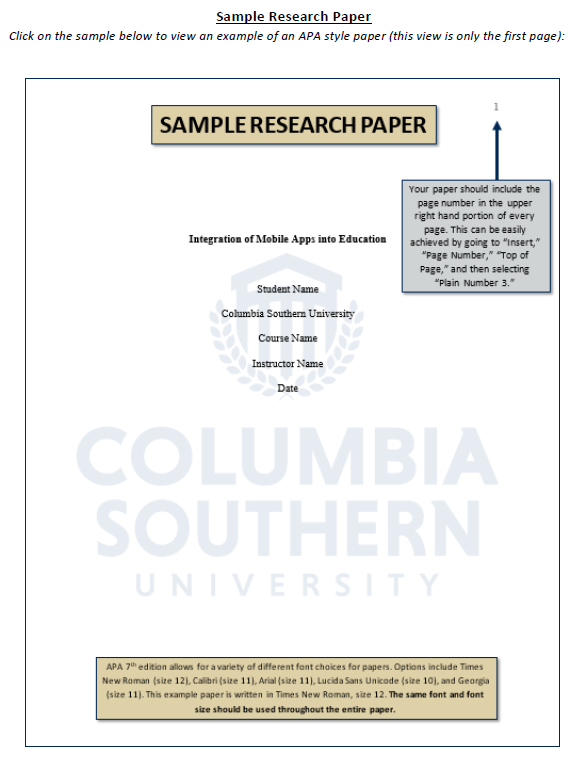
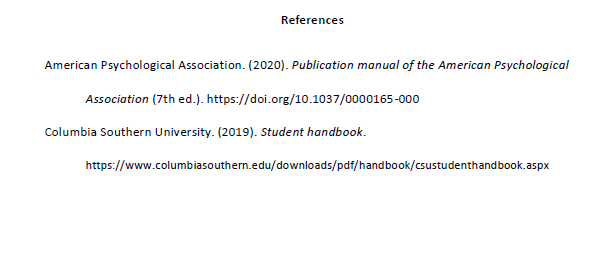
Content 40 possible points (40%) Level 5 Content is highly relevant and 36 - 40 informative; remains on topic. Level 4 Content is relevant and informative; 32.35 may stray slightly off topic one time. Level 3 Content is mostly relevant and informative; may stray off topic one ==l or two times. Level 2 Content is somewhat relevant and informative; may stray off topic a 24-27 few times. Level 1 Content is often irrelevant: information may be noticeably incorrect and/or off-topic. Tasks 30 possible points (30%) Level 5 All areas of the assigned tasks are addressed and proficiently completed. Level 4 Most or all areas of the assigned tasks are addressed and competently completed. Level 3 Some areas of the assigned tasks may be missing or incomplete; completed tasks are fairly well done, Level 2 A few areas of the assigned tasks may be missing; completed tasks may need work. Level 1 The assigned tasks may be mostly incomplete or poorly done. 27 -30 24 -26 21-23 18- 20 Accuracy 10 possible points (10%) Level 5 Accuracy is excellent and close attention to detail is clearly evident in all parts of the assignment. Level 4 Most of the assignment is accurate and shows good attention to detail. Level 3 Maost of the assignment is fairly accurate and shows fair attention to detail. Level 2 Several areas of the assignment may be slightly lacking in accuracy and/or attention to detail. Level 1 Most of the assignment is clearly inaccurate and lacks attention to detail. Writing Mechanics 10 possible points (10%) Level 5 Writing is clear and concise. Sentence structure and grammar are excellent. Correct use of punctuation. Mo spelling errors. Level 4 Writing is mastly clear and concise. Sentence structure and grammar are strong and maostly correct. Few minor errors in punctuation and/or spelling. Level 3 Writing is somewhat clear and concise. Sentence structure and grammar are fairly strong and mostly correct. Few minor errors in punciuation and/or spelling. Level 2 Writing lacks clarity and/or conciseness. May have minor problems with sentence structure and some grammatical errors, as well as several minor errors in punctuation and/or spelling. Level 1 Writing lacks clarity and conciseness. May have several serious problems with sentence structure and grammar. Numerous major or minor errors in punctuation and/or spelling. 8-8 7-7 APA Formatting 10 possible points (109%) Level 5 Applies APA formatting accurately 9 - 10 and consistently. Level 4 Applies APA formatting but may 8 - 8 contain a few minor errors. Level 3 Applies APA formatting but contains some minor and some 7-7 major errors. Level 2 Reflects incomplete knowledge of 6 - 6 APA formatting. Level 1 Uses little to no APA formatting. 0 - 52020 [COLUMBIA SOUTHERN UNIVERSITY] 2 Citation Guide - 7th Edition This document covers certain citation formats addressed in the 7th edition of the Publication Manual of the American Psychological Association (APA) but is not a complete guide. Should you have any questions, please contact the CSU Success Center by email at teamsucceed@columbiasouthern.edu or by phone at (877) 875-0533. For all rules and requirements of APA, please refer to the 7th edition of the Publication Manual of the American Psychological Association, which can be purchased through the American Psychological Association at https://apastyle.apa.org/products/publication-manual- 7th-edition/. The Writing Center also provides an accompanying tutorial for the CSU Citation Guide. This tutorial provides further explanation on several APA formatting topics: Citation Guide Tutorial.Contents What is APA format and why is it used? .mmmmmm .4 Citing Sources ... Citations in In-text 5 Examples of in-text citations Example of block quote in-text citation.. .7 Reference List .7 Examples of reference list entries ......................." Selecting Appropriate Research Sources ..............." .. 12 Formatting ... 12 Document formatting in APA style . 12 Steps for document formatting 13 Specific formatting steps for documents. . 16 Library Resources and Services for CSU Students . .. 17 Sample Essay ...... 18 Sample Research Paper ............ References ......What is APA Format and Why is it Used? The American Psychological Association is a professional organization representing psycheologists in the United States. APA format is a set of rules developed to assist with writing and the citing of sources. Following the rules laid out in the Publication Manual helps to prevent plagiarism and acknowledges the original author of the information used. Itis meant to provide a concise and standardized citation format for written assignments (such as essays, research papers, and article critiques, among others) and is used for all Columbia Southern University courses. In educational institutions, academic integrity is an area of great concern. Academic integrity refers to being intellectually honest by \"avoiding_.. cheating, plagiarism, self- plagiarism, andfor poor scholarship\" (Columbia Southern University, 2019, p.28). Adhering to APA guidelines can prevent academic integrity viclations (especially plagiarism) by clearly marking which words and ideas belong to outside sources. Committing an academic integrity violation of any kind can have serious consequences. Plagiarism is the act of stealing someone else's work and passing it off as one's own_ It can be deliberate or accidental; deliberate plagiarism includes directly copying, summarizing, or paraphrasing a source without giving credit to the author or putting it in quotation marks. This type of plagiarism also includes turning in a paper that has been bought, written by another student, or copied from another source. Accidental plagiarism is when a writer uses another author's thoughts or ideas without realizing credit must be provided. This includes working in groups and submitting the same answers as other students, forgetting to place quotation marks around a direct quotation, omitting an in-text citation for a summary or a paraphrase, and omitting an in-text citation for the ideas of another writer. Accidental plagiarism also includes submitting an assignment that has already been previously submitted in another course. Unfortunately, both types of plagiarism can resultin a failing grade, suspension from the university, or even expulsion. There are a few ways APA can help students avoid plagiarism. The primary way to avaoid itis to cite any ideas that are not one's own. Citations help readers to locate the sources used in a paper. Citations should not only be used for direct quotes, but they should also be provided when information is paraphrased or summarized from another author. Paraphrasing a source's material is a good way to avoid copying directly from an outside source and possibly being reprimanded. If any guestions or concerns about APA format, please feel free to contact the C5U Success Center by email at teamsucceedi@columbiasouthern.edu or by phone at (877) 875- 0533, Citing Sources When writing a paper in AP& 7 edition style, there are two specific ways to cite the information that is used: within the text and in the reference list at the end of the paper. Citations are utilized when a phrase, a piece of specific information, or a sequence of sentences is drawn from an outside source. To meet APA requirements specified for CSU written essay responses, in-text cftations and a reference list must be included if any outside sources are used. For formal papers, follow all guidelines listed in this handout. For all rules and requirements of APA, please refer to the 7% edition of the Publication Manual of the American Psychological Association, which can be purchased through the American Psychological Association at https://apastyle.apa.org/products/publication-manual-7th-edition/. In-text Citations * Anin-text citation should be used when a phrase, a piece of specific information, or an idea is drawn from an outside source. * In-text citations are also required when putting the author's information in your own words (paraphrasing). * Citing helps to prevent plagiarism, and it acknowledges the original author of the information used. * [n-text citations and reference citations must always correspond; each in-text citation must have a matching reference citation and vice-versa. APA uses the author-year method of citation. # [|tisstandard practice for the period at the end of the sentence to be placed after the last parentheses of the in-text citation. An exception is made if inserting a direct guote that contains more than 40 words; in this instance, the period is placed directly before the in-text citation. Paraphrased Information When paraphrasing or summarizing a source, provide the author's last name and year of publication (separated by a comma). Page and paragraph numbers are not required when you are paraphrasing information. However, be sure to consult with your faculty member to determine his ar her preference on adding page numbers in citations. Direct Quotations If utilizing a direct quote, this must be indicated by placing the passage in quotation marks. Further, the specific page or paragraph number is always required. If there is no page or paragraph number, as is the case for many electronic sources, provide a section heading or other label to indicate the passage the guote was borrowed from. For additional information, please see the Writing Center's In-text Citations Tutorial. Examples of in-text citations Reference Examples of in-text citations Type It has been found ... can be concluded (Simpson, 2007). Paraphrased information from According to Simpson (2007), ... can cause problems. one author Other people say... based on Simpson (2007). There are ... at this point (Stemmer & Tisdale, 2008). Paraphrased information from Stemmer and Tisdale (2008) mention ... a set of styles. two authors This plan will .. according to Stemmer and Tisdale (2008). Paraphrased information from When stating... can be located (Padgett et al., 2004). three or more Padgett et al. (2004) explain .. is further noted. authors "It is amazing..with confidence" (OSHA, 2010, p. 121). Direct quotation less According to Davis and Dudley (2005), "We are.. to save" (para. 5). than 40 words "What is lost..come at all" (Ingram et al., 2001, pp. 8-9). When using data ... can be seen ("Title of Document," 2003). Paraphrased information with no If information is ... was conquered ("Driving and Talking," 2004). author listed According to "Leadership Versus Management" (2001), ... is an art form. It can be found .. in Stemmer's work (as cited in Pratt, 2008). Information from a According to Stemmer's work (as cited in Pratt, 2008), "..." (p. 65). secondary source **Add the page number if you use a direct quote from Stemmer found in Pratt's work. Information via J. M. Newsome (personal communication, May 30, 2008) expressed ... personal ..of time (V. P. Deluca, personal communication, November 9, 2007). communication "*Personal communication should only be listed in the in-text, not on the reference list. Information found in ...Will have everlasting life (King James Bible, 1769/2017, John 3:16). classical works as read in the Bible in John 3:16 (King James Bible, 1769/2017).Direct Quotations of 40 or more words Block guotations (quotes that contain 40 words or more) are formatted differently, as they have no gquotation marks. In formal writing, block quotations are acceptable, although their use should not be in excess. While block quotes are accepted in formal writing, the use of them in 2553y responses is not encouraged due to the length of the assignment. Block quotations are indented an additional .5" and double spaced. The period is placed before the citation. Block Quotation Example The solutions proposed by a number of advocacy groups underscore this interest in political and cultural change. & report outlined trends that may have contributed to the childhood obesity crisis. This includes food advertising for children as well as a reduction in physical education classes and after-school athletic programs, an increase in the availability of sodas and snacks in public schools, the growth in the number of fast-food outlets, and the increasing number of highly processed high-calorie and high-fat grocery products. (Kaiser, 2004, pp. 1-2) Reference List The reference list is of the utmost importance, as it allows the reader to access the sources cited in the in-text and enables the student writer to give credit where credit is due. For this reason, the references should contain accurate information, as well as proper punctuation and spelling. References will follow the conclusion of any APA document. For each reference listed, there will be at least one corresponding in-text citation in the document. Examples of reference source formatting can be found on the following pages. + |fthereis a digital object identifier (DO1) available, include that in the reference. The DOI is precisely used to give the reader information about where the document can be found on the Internet. The DOl is typically located near the copyright notice on the first page of the electronic journal article. In the case that there is no DOI, provide the homepage URL of the web page where you found the article. (Please note the DO, when available, is required in doctoral courses.) Multiple citations containing the same author and yvear should first be listed chronologically by the specific date (with newer sources being listed first) and then alphabetically by the title. A lowercase a, b, , etc. should be placed after the year to distinguish between the entries. This is also used in the in-text citations. For example: Smith, J. {2013a, March 8). How to groom caots. Garden Press. Smith, 1. {2013b, January 20). How to groom dogs. Garden Press. For additional information, please see the Writing Center's References Tutorial. Examples of reference list entries Reference What to Include Information and Examples W23 e L When listing the author on the reference list, the Referencing last name should be first, followed by the Information author's first and middle (if applicable) initials. For example: Smith, J. R. References should be placed in alphabetical order by the first author's last name, by associates (if the work is authorized by an organization), or by anonymous. Anonymous should only be listed as the authar if it is signed as such. If a particular person did not create the document being cited, use the organization that created the document. The document title can be substituted as the author if no author is provided. In this case, the first word of the title will dictate the alphabetical placement (\"a,\" \"an,\" and \"the\" notwithstanding). The letters \"n.d.\" (no date) can be utilized if the source listed has no listed date. Substitute \"n.d.\" where the date would normally go. For example: Smith, R. T_ (n.d.)... Professional credentials, such as Ph. O, should not be used on the reference page. References beginning with numerals should be alphabetized based on the spelling of the numeral States should be identified with their two letter abbreviations, such as AL, MS, and NY. Spell out cities and countries outside the United States. Reference What to Include Information and Examples List Books For titles on the reference list, only capitalize the first word of the title, proper nouns, and the first word after a colon or dash. Book titles should be italicized within the reference list. For eBooks, use the URL of the homepage if they are not available for public access. Book Author(s). (date of publication). Book Morenberg, M. {2014). Doing grammar (5 ed ). title. Publisher. Oxford University Press. eBook Author(s). (date of eBook Example: publication). Book Thomas, R. L. (2010). Swimming and the effects on title. Publisher. Retrieval information Book Example: the respiratory system. Random House. https:/famazon.com Periodicals: For the name of the actual publication the article Journals, appears in (journal, magazine, or newspaper), use magazines, standard title capitalization. Capitalize all words and with the exception of conjunctions, articles, and NEWspaper short propositions; however, capitalize all words gl =14 that have four letters or more. Magazine articles, newsletters, and newspaper articles require the listing of the entire date when available (month or month and day). For example: (2001, May) or (2001, May 2) lournal articles and books only require the year. For journal articles, there is no need to write out the words volume, issue, p., or pp. The order of the numbers indicate what they represent. Reference What to Include Information and Examples List Journal Examples: Author(s). (date of publication). Article Clark, L. B. (2019, April). Education as property. Periodicals: title. Journal Title, Virginia Law Review, 105(2), 397-424. Journals, volume (issue), page magazines, numbers. and Retrieval Rouw, R., & Erfanian, M. (2018, March). A large-scale newspaper information. study of misophonia. Journal of Clinical articles continued *Retrieval Psychology, 74(3), 453-479. information for https://doi.org/10.1002/jclp.22500 online sources can be either a URL or a Smith, J. E. (2003). Addiction and environmental DOI. If neither is change. Journal of Personality and Social available, treat the Psychology, 66(3), 47-68. journal like a print http://www.apa.org/pubs/journals/psp/ source. Websites Do not add a period after the retrieval information (URL or DOI). Otherwise, the period might be mistaken as part of the URL. The URL can either be an active hyperlink (blue and underlined), or the hyperlink formatting can be removed. To ensure accuracy, always test the URL prior to submission. . Italicize the titles of webpages. Author(s). (date of Website Examples: publication). Title of page. Name of Cain, A., & Burris, M. (1999). Investigation of the use website. Retrieval of mobile phones while driving. Center for information Urban Transportation Research. (including direct http://www.cutr.eng.usf.edu/oldpubs URL) /mobile phone.pdfReference What to Include Information and Examples List Websites continued Starbucks Coffee Company. (n.d.). Starbucks social impact. https://starbucks.com/responsibility If there is not an author listed, you can use the company that created the website as an organizational author. If the company and website names are the same, the name of the website is not needed again after the title. PowerPoint . The PowerPoint format description in brackets is slides used because the format is something out of the ordinary. . The title of the PowerPoint should be italicized. PowerPoint Examples: Author(s). (date of Sprott, J. C. (2000). Is global warming for real? publication). Title of [PowerPoint slides]. Popular Lectures. slideshow [Format http://sprott.physics.wisc.edu/ of document]. Retrieval lectures.htm#warming information How to succeed in business [ Powerpoint slides]. (n.d.). Columbia Southern University. http://online.columbiasouthern.edu webapps.jsp If there is no author, list the title of the document in the author's position. Personal Due to retrieval inability, personal conversations, conversations, emails, interviews, and letters should not be listed on emails, Do not include on the reference page. Instead, cite these as a personal interviews, the reference page. communication in the in-text. For an example, see and letters the chart on page 6 (information via personal communication)-Selecting Appropriate Research Sources In academic writing, only certain types of resources are considered acceptable. All sources mentioned in this guide are sources that are considered to be academic. If you have any guestions regarding acceptable and unacceptable sources or how different types of sources can be used, please contact the C5U Library. Additional information about the C5U Library can be found on page 17 of this guide. Formatting When writing any type of formal paper, the document should have in-text citations and a reference list, and should be formatted in accordance to APA format. The following are specific instructions on how to set up a document in APA format using Microsoft Word. Document formatting in APA style General Information Formatting Margins All margins (top, bottom, and sides) should be set at one inch. Microsoft Word allows the user to set the margin at a default of oneinch on all sides. Page Numbers Page numbers should be listed in the top right corner of the document, beginning an the title page. AT =Tl All documents following APA guidelines are required to be flush-left Line Spacing style and double-spaced throughout the entire document. Additional spacing should not be used between headings and paragraphs. = L L APA font options include the following: b1k Times Mew Roman, size 12 Calibri, size 11 Arial, size 11 Lucida Sans Unicode, size 10 Georgia, size 11 Computer Modern, size 10 LT T i) All papers typed in APA format require the first line of each UL Lol paragraph to be indented 5. Pressing the Tab button on the keyboard automatically indents the text 57, For additional information, please see the Writing Center's Formatting Formal Assignments Tutorial. Steps for document formatting Formatting Steps Title Page MOTE: The title page of the document can be thought of as the paper's first impression. For this reason, it is important to pay attention to the format required by APA. The title of the paper (in bold) should be centered on the page and followed by an extra line of space between the title and other information. Then, also centered, list the student''s name, the name of the university, the course, the name of the instructor, and the due date. MOTE: All papers at C5U do not require an abstract. Please consult the course syllabus or professor for specifications about this. 1. The abstract tells the audience why they should care about the presented topic. 2. It provides the methods that will be utilized in order to get the results. 3. The word \"Abstract\" will be listed, centered and bold, one inch from the top of the page as the heading for the abstract. 4. The abstract itself should be flush left and should not be indented. 5. The abstract should be an accurate and concise reflection of the document's content. 6. Typically, the abstract should only be one paragraph (150-250 waords) in length, with no direct quotations, and be on a page of its own directly after the title page. Formatting Steps Headings 1. Headings are titles of different sections of a formal written assignment. 2. They can be used to add structure, organize ideas, and tell the reader what content to expect. 3. The following headings should be used when required: Level One Level one headings are centered and bold, and use title case capitalization. Headings should be used to add structure, organize ideas, and help give the reader an idea of the content they should expect. Every heading level does not have to be present in a paper: shorter papers will often use only level one headings. There must be at least two level one headings per paper in order to use them. Level Two Level two headings are left-aligned and bold, and use title case capitalization. There must be a level one heading in the paper for there to be a level two heading. Level Three Level three headings are italicized, bold, and use title case capitalization. There must be a level two heading for there to be a level three heading Level Four. Level four headings are indented. bold. use title case capitalization, and end with a period. The text follows immediately after the heading on the same line. There must be a level three heading for there to be a level four heading. Level Five. Level five headings are indented. italicized. bold. use title case capitalization. and end with a period. The text follows immediately after the heading on the same line. There must be a level four heading for there to be a level five heading For additional information, please see the Writing Center's Level Headings Tutorial.Formatting Steps References MNOTE: At the end of each APA document, there should be a references page Page containing the sources used within the paper. Every reference cited in-text should be listed on the references page(s), and every reference listed on the references page(s) should be cited in the in-text. The exceptions to this are personal communications and secondary SOUrces. With secondary sources, only the original source should be cited on the reference page. + References are of the utmost importance, as they allow the reader to access the sources cited in-text, and they enable the author of the document to give credit where credit is due. The references should contain accurate information, as well as proper punctuation and spelling. References will accompany the conclusion of any APA document. For each reference listed, there must be at least one corresponding in- text citation in the document. & All margins should be one inch. Theword \"References\" should be used as the heading, and it should be centered and bold. Double spacing should be used. & With the exception of the first line of each reference, all lines are indented .5". This is called a hanging indention. Specific formatting steps for documents Software Click the following icons to access formatting. MS Word 2016 MS Word Office 365 MS Word for Mac MS Word Online Pages for Mac 2019 Google DocsLibrary Resources and Services for C5U Students The C5U Library supports the C5U community with access to information and research assistance. The online collection contains resources chosen to support the programs of study at Columbia Southern University. Library resources such as journal articles or ebooks can be accessed at any time through the library website. The library resources include: + Online databases that contain a wide variety of resources including journal, magazine, and newspaper articles. + A collection of over 180,000 online books in eBook Academic Collection. + Electronic journal subscriptions in specialized fields of study. + Video tutorials and research guides designed by C5U librarians. Contact a librarian when you need to do the following: * Brainstorm appropriate research strategies such as determining keywords for your topic. + MNavigate library databases for journal articles and other library resources to support your assignments. * Locate and obtain specific articles or other resources assigned in your courses. + Limit your search by article type (such as peer-reviewed), date of publication, or article length. The C5U Library is staffed by professional librarians available to help when you need them. The three main avenues of library support are phone, email, and chat. To reach a C5U librarian during regular business hours, call (877) 268-8046 or email library @ columbiasouthern.edu. Chat reference assistance is available via the library homepage 24 hours a day, 7 days a week, including holidays. Students may also communicate with an individual member of the library staff through the contact information provided on the library webpage. Sample Essay Click on the sample below to view an example of an APA style essay (this view is only the first page SAMPLE ESSAY There are key elements that are necessary to be successful in online learning as well as with most careers. These skills are useful for those in roles of leadership to maintain order and productivity. In my career as a training coordinator, skills such as organization, time management, and communication are paramount. Organization is an optimal skill to help efficiency. It is a necessary ability that enhances learning through orderly schoolwork and increases productivity in one's job through systematic documentation. This process allows for files and documents to be arranged to that they can be easily accessed (Hamilton, 2013). Paperwork organization allows for training documents to be updated and placed in specific binders for dissemination to team members. Additionally, it is imperative to keep email files organized so that tasks are not forgotten or overlooked. Just as years ago when paper mail had to be sorted, email must be sorted or grouped into appropriate folders (Weber & Hom, 2011) Great organization skills make keeping and accessing information efficient When paraphrasing information, in-text citations should include the author(s) and the year of publication. Time management is an element or skill that allows employees as well as students to get the most out of the allotted time. "It's been estimated that reading, responding, and doing something with business e-mail can consume two to four hours each and every day!" (Weber & Horn, 2011, p. 33). Prioritizing tasks and scheduling events allow one to maximize productivity (Hamilton, 2013). When time is scheduled and work is ordered, the most important things get done first. It does not matter if an unexpected meeting is called; the imperative jobs have been accomplished or planned. Highlighting the most important tasks ensures that those take first Direct citations require the listing of the APA 7 edition allows for a variety of different font choices author(s), year of publication, and the page for papers. Options include Times New Roman (size 12], or paragraph number. More complicated Calibri (size 11), Arial (size 11), Lucida Sans Unicode (size 10), sources may also cite to another specific and Georgia (size 11). This example paper is written in Times part, like a section header, tables, figures, New Roman, size 12. The same font and font size should be footnotes, chapters, or time stamps. used throughout the entire paper.Sample Research Paper Click on the sample below to view an example of an APA style paper (this view is only the first page): SAMPLE RESEARCH PAPER Your paper should include the page number in the upper right hand portion of every page. This can be easily Integration of Mobile Apps into Education achieved by going to "Insert," "page Number," "Top of page," and then selecting "plain Number 3." Student Name Columbia Southern University Course Name Instructor Name Date COLUMBIA SOUTHERN UNIVERSITY APA 7 edition allows for a variety of different font choices for papers. Options include Times New Roman (size 121, Callbri (size 1 1], Arial (size 11), Lucida Sans Unicode (size 10), and Georgia (size 1 1). This example paper is written in Times New Roman, size 12. The same font and font size should be used throughout the entire paper.References American Psychological Association. (2020). Publication manual of the American Psychological Association (7th ed.). https://doi.org/10.1037/0000165-000 Columbia Southern University. (2019). Student handbook. https://www.columbiasouthern.edu/downloads/pdf/handbook/csustudenthandbook.aspx
Step by Step Solution
There are 3 Steps involved in it
1 Expert Approved Answer
Step: 1 Unlock
Question Has Been Solved by an Expert!
Get step-by-step solutions from verified subject matter experts
Step: 2 Unlock
Step: 3 Unlock
Students Have Also Explored These Related Business Writing Questions!









 Study Help