





Question: use the graphs below to answer question 1 6. a) Explain the role of demand, variable cost, and perceived benefits/value in pricing. Be sure to
use the graphs below to answer question 1 6. a)
use the graphs below to answer question 1 6. a)use the graphs below to answer question 1
use the graphs below to answer question 1 6. a)
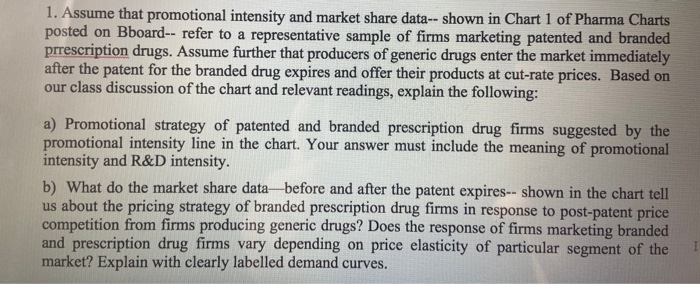
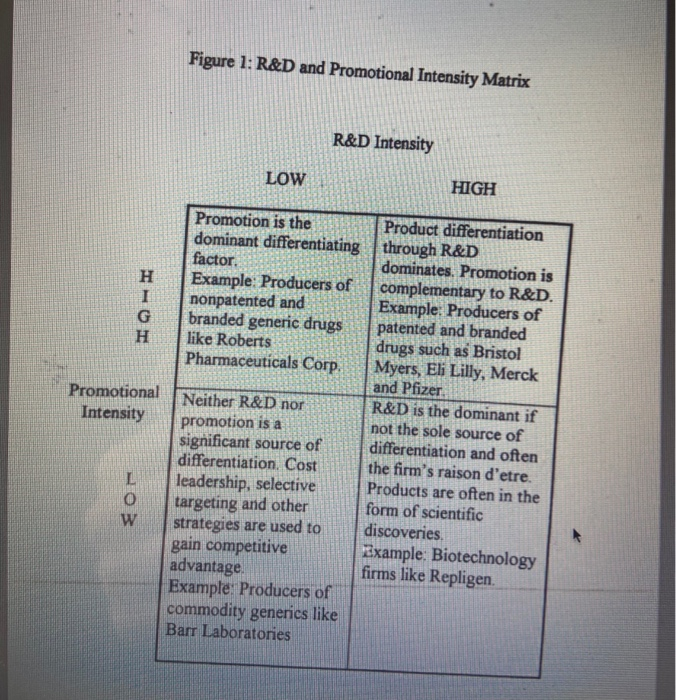
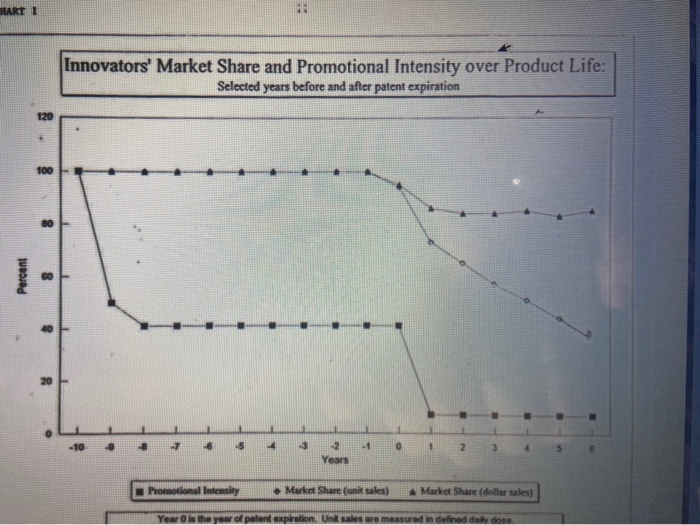
6. a) Explain the role of demand, variable cost, and perceived benefits/value in pricing. Be sure to define variable cost and value. How does price influence perception of quality? Provide an example. b) Define price elasticity of demand and explain with the aid of a clearly drawn demand curves-- what is meant by relatively elastic and relatively inelastic demand. Explain which one is a case for price cut and which one for a price increase, other things being equal. What factors cause demand for a product or service to be relatively elastic and relatively inelastic? 7. a) What are the elements of marketing communication mix? Explain with the aid of a figure, push vs. pull communication strategies. b) What are the conditions under which you would use each strategy? 8. a) What are the approaches for setting the communication mix budget and their pros and cons? b) Which one you would recommend as the best? And why? 1. Assume that promotional intensity and market share data-- shown in Chart 1 of Pharma Charts posted on Bboard-- refer to a representative sample of firms marketing patented and branded prrescription drugs. Assume further that producers of generic drugs enter the market immediately after the patent for the branded drug expires and offer their products at cut-rate prices. Based on our class discussion of the chart and relevant readings, explain the following: a) Promotional strategy of patented and branded prescription drug firms suggested by the promotional intensity line in the chart. Your answer must include the meaning of promotional intensity and R&D intensity. b) What do the market share data before and after the patent expires-- shown in the chart tell us about the pricing strategy of branded prescription drug firms in response to post-patent price competition from firms producing generic drugs? Does the response of firms marketing branded and prescription drug firms vary depending on price elasticity of particular segment of the market? Explain with clearly labelled demand curves. Figure 1: R&D and Promotional Intensity Matrix R&D Intensity LOW HIGH Promotion is the dominant differentiating factor Example: Producers of nonpatented and | branded generic drugs like Roberts Pharmaceuticals Corp. Promotional Neither R&D nor Intensity promotion is a significant source of differentiation. Cost leadership, selective targeting and other strategies are used to gain competitive advantage. Example: Producers of commodity generics like Barr Laboratories Product differentiation through R&D dominates. Promotion is complementary to R&D. Example: Producers of patented and branded drugs such as Bristol Myers, Eli Lilly, Merck and Pfizer R&D is the dominant if not the sole source of differentiation and often the firm's raison d'etre. Products are often in the form of scientific discoveries. Example: Biotechnology firms like Repligen HART 1 Innovators' Market Share and Promotional Intensity over Product Life: Selected years before and after patent expiration Percent Promotional Intensity Market Slure (unitsakes) A Market Share (dollar sales) Year is the year of patient exprition. Un sales are measured in

Step by Step Solution

There are 3 Steps involved in it

1 Expert Approved Answer
Step: 1 Unlock blur-text-image

Question Has Been Solved by an Expert!

Get step-by-step solutions from verified subject matter experts

Step: 2 Unlock
Step: 3 Unlock

Students Have Also Explored These Related General Management Questions!