







Question: You are preparing for a physics magic show to be presented to children. You decide to present a rotating water trick. You place a cup
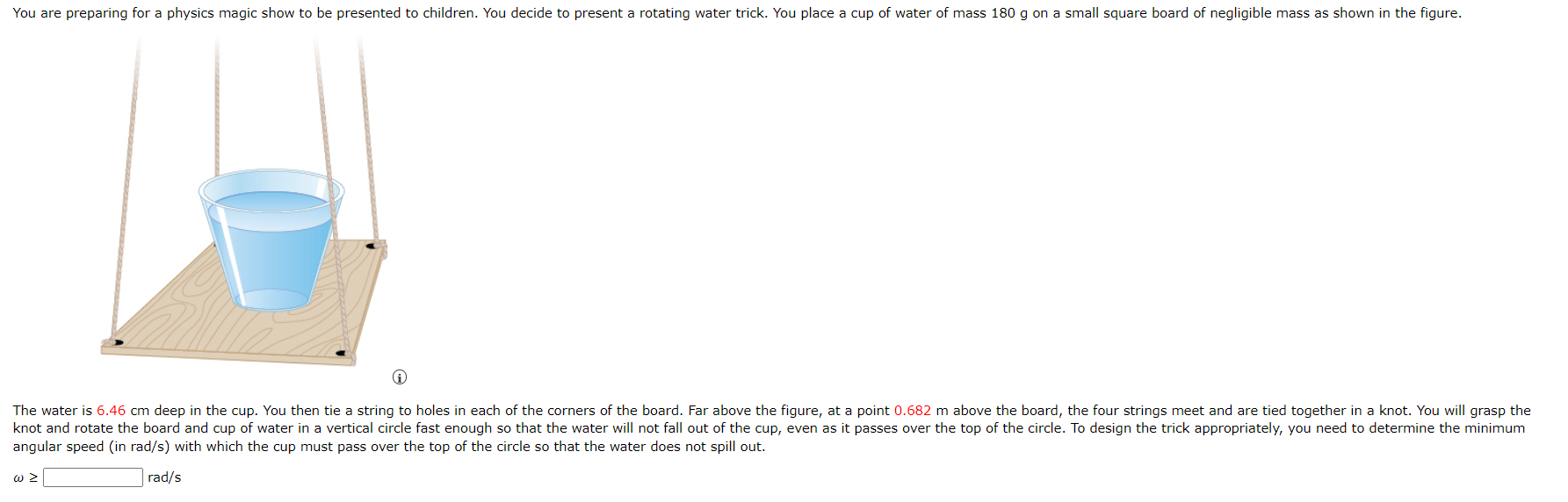

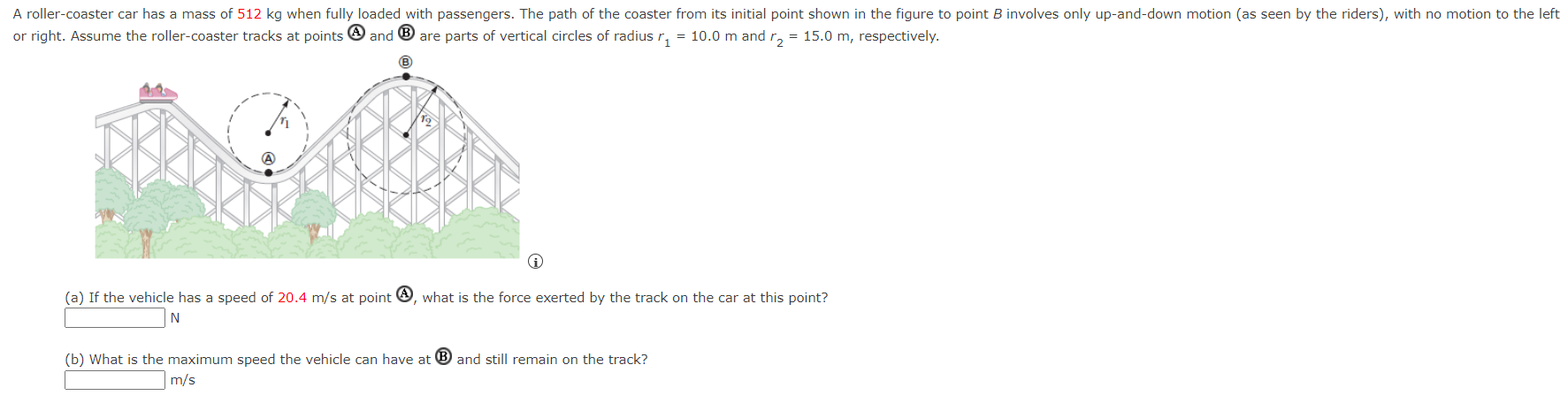

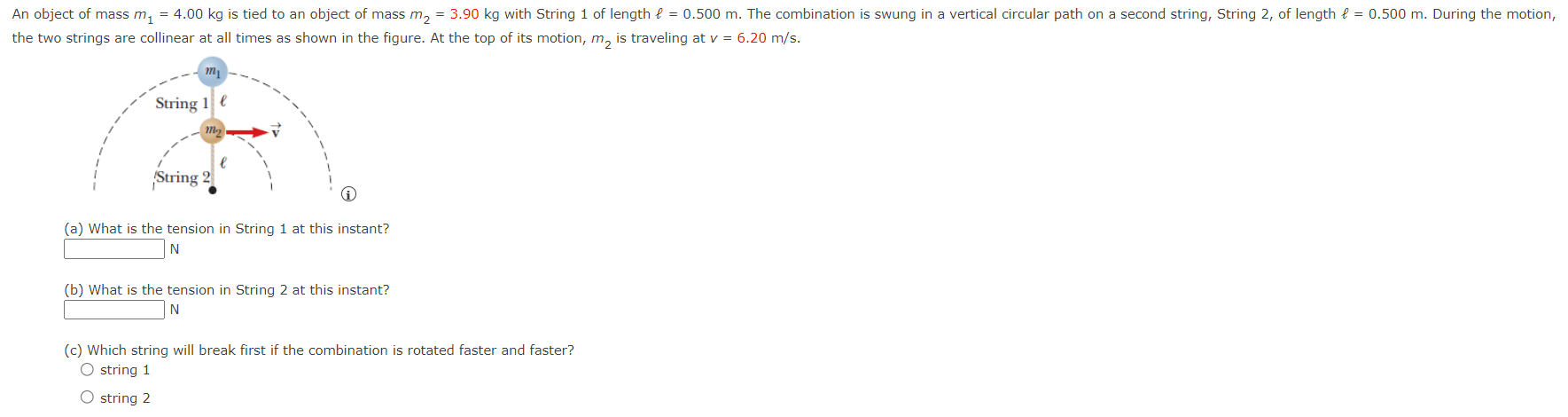
You are preparing for a physics magic show to be presented to children. You decide to present a rotating water trick. You place a cup of water of mass 180 g on a small square board of negligible mass as shown in the figure. The water is 6.46 cm deep in the cup. You then tie a string to holes in each of the corners of the board. Far above the figure, at a point 0.682 m above the board, the four strings meet and are tied together in a knot. You will grasp the knot and rotate the board and cup of water in a vertical circle fast enough so that the water will not fall out of the cup, even as it passes over the top of the circle. To design the trick appropriately, you need to determine the minimum angular speed (in rad/s) with which the cup must pass over the top of the circle so that the water does not spill out. rad/sA 43.0-kg child swings in a swing supported by two chains, each 3.10 m long. The tension in each chain at the lowest point is 356 N. (a) Find the child's speed at the lowest point. | m/s (b) Find the force exerted by the seat on the child at the lowest point. (Ignore the mass of the seat.) N (upward)A roller-coaster car has a mass of 512 kg when fully loaded with passengers. The path of the coaster from its initial point shown in the figure to point B involves only up-and-down motion (as seen by the riders), with no motion to the left or right. Assume the roller-coaster tracks at points @ and Bare parts of vertical circles of radius , = 10.0 m and 2 = 15.0 m, respectively. B (a) If the vehicle has a speed of 20.4 m/s at point @, what is the force exerted by the track on the car at this point? N (b) What is the maximum speed the vehicle can have at B and still remain on the track? m/sA person stands on a scale in an elevator. As the elevator starts, the scale has a constant reading of 592 N. As the elevator later stops, the scale reading is 386 N. Assume the magnitude of the acceleration is the same during starting and stopping. (a) Determine the weight of the person. :N (b) Determine the person's mass. E kg (1:) Determine the magnitude of acceleration of the elevator. E W An object of mass m, = 4.00 kg is tied to an object of mass my = 3.90 kg with String 1 of length & = 0.500 m. The combination is swung in a vertical circular path on a second string, String 2, of length & = 0.500 m. During the motion, the two strings are collinear at all times as shown in the figure. At the top of its motion, my is traveling at v = 6.20 m/s. String 1 e String 2 (a) What is the tension in String 1 at this instant? IN (b) What is the tension in String 2 at this instant? N (c) Which string will break first if the combination is rotated faster and faster? O string 1 O string 2
Step by Step Solution
There are 3 Steps involved in it

Get step-by-step solutions from verified subject matter experts
 Study Help