Question: You need to write a journal entry. The journal entry should be two -three typed pages (minimum five hundred words) Journal #1 ? Read chapter
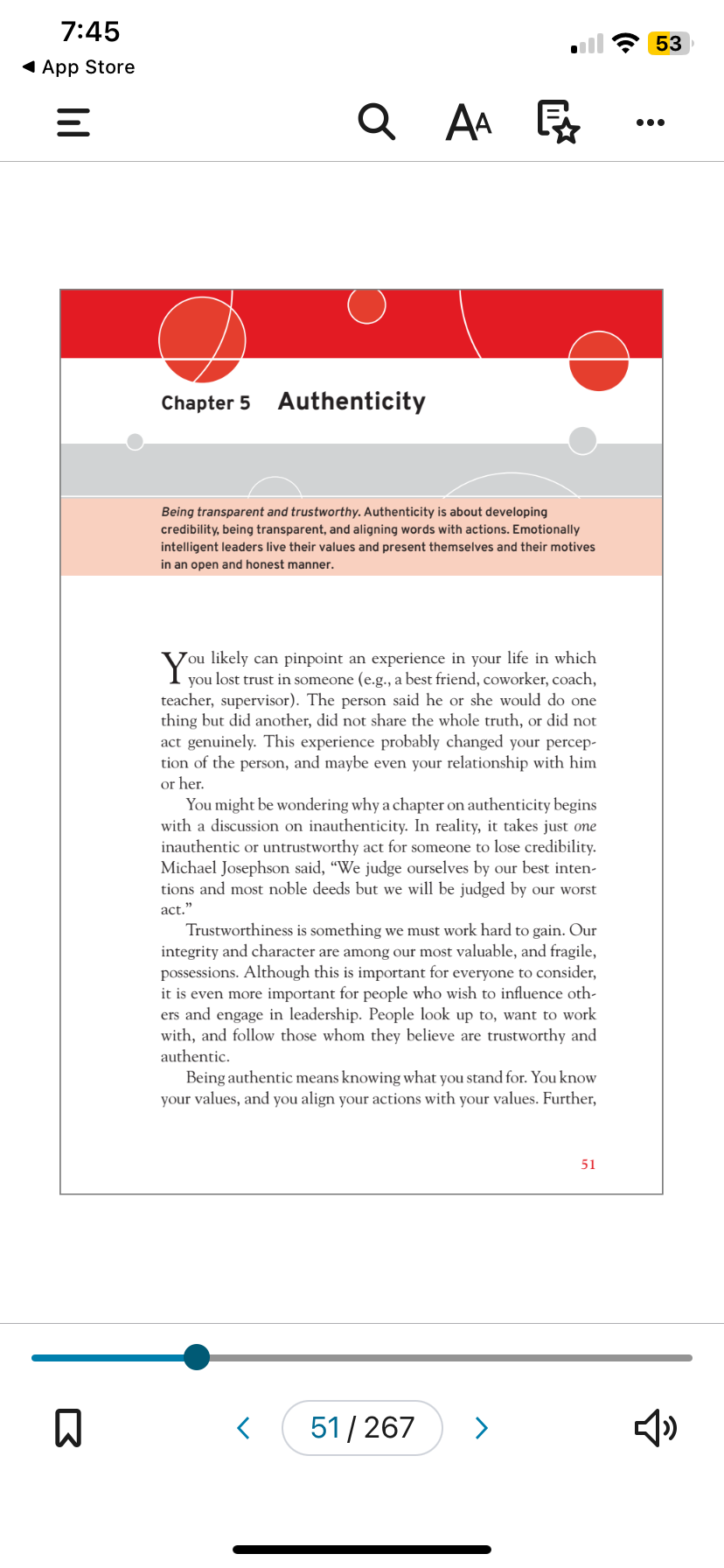
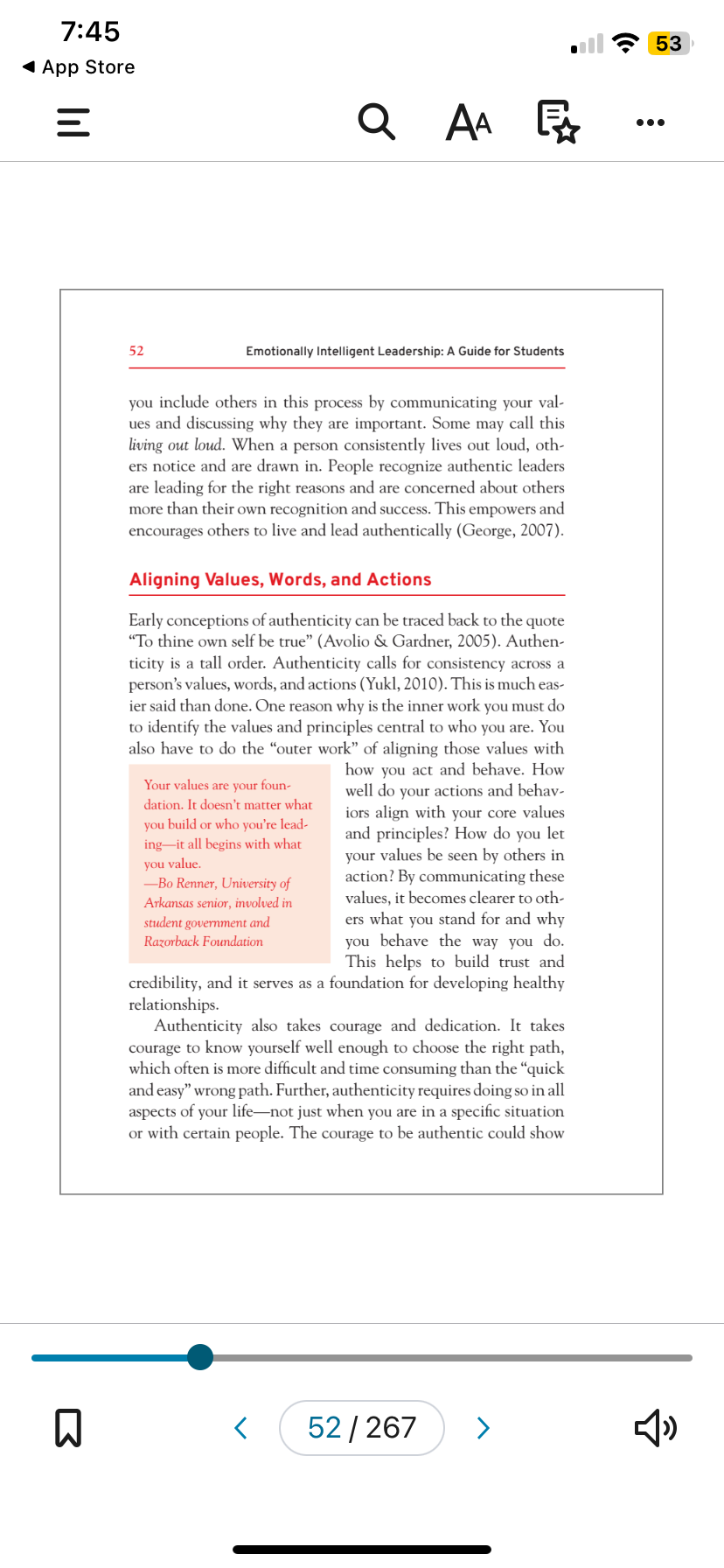
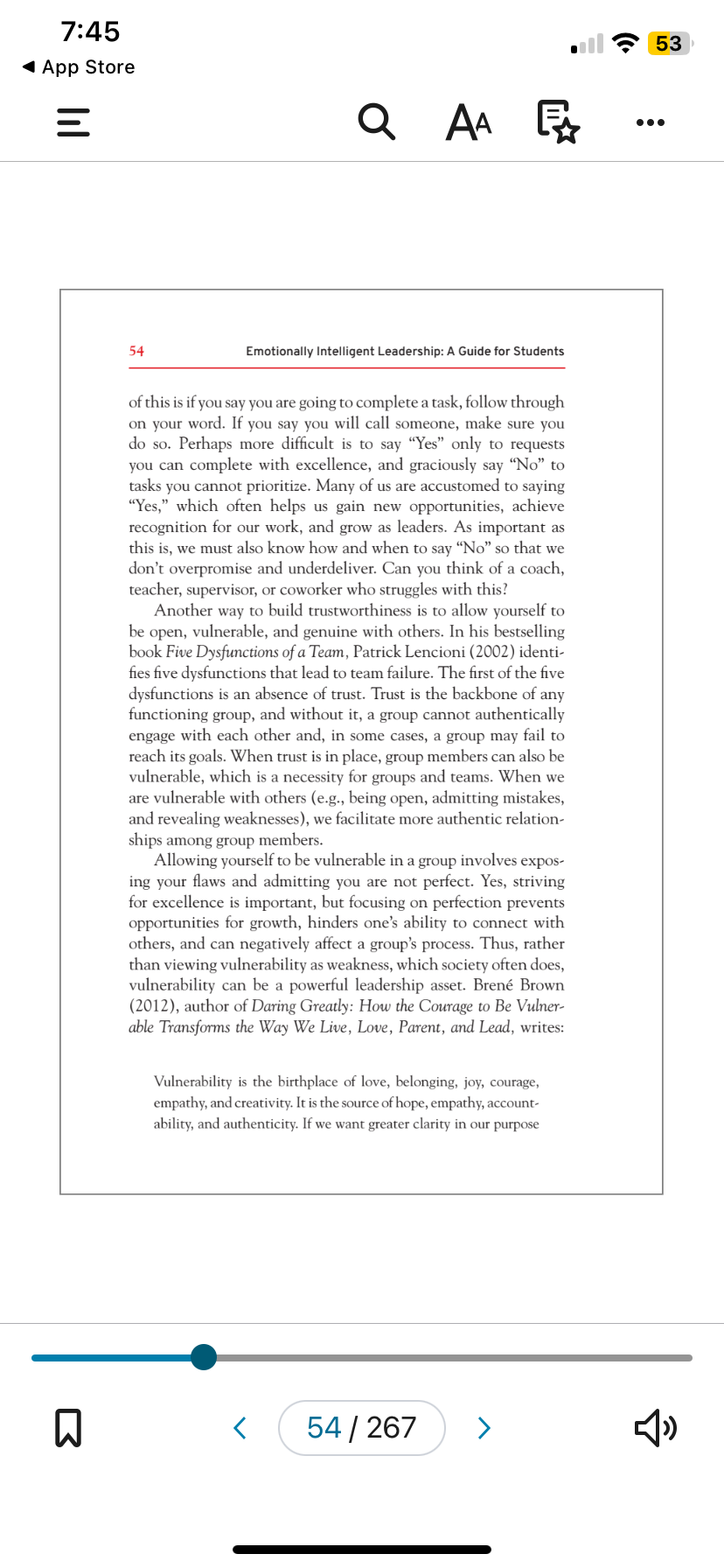
You need to write a journal entry. The journal entry should be two -three typed pages (minimum five hundred words) Journal #1 ? Read chapter 5 in Emotionally Intelligent Leadership
Shankman, M.L., Allen, S.J., & Haber-Curran, P. (2015). Emotionally intelligent leadership (2nd edition). San Francisco: Jossey-Bass. ISBN: 978-1-118-82178-7
? Read chapter 9 in Bad Leadership
Kellerman, B. (2004). Bad leadership. Boston: Harvard Business School Press. Address all three prompts; make sure to put headers in your journal labeling Prompt 1, Prompt 2, etc. with the associated text underneath. Each journal entry should address the following:
1. Prompt 1: Describe/summarize one key concept from each reading. What are each of the concepts?
2. Prompt 2: How are these concepts, that you described from each reading, related to each other? o For example, one concept from one reading that week might be on vision and its importance in leadership, whereas a concept from the other reading may be about selfishness. In connecting these two topics, you could discuss how being selfish might lead someone to engage in the visioning process alone, setting a vision that fits his or her own needs. This could lead to not having shared buy-in and a reluctance for others to work towards something they weren't part of creating.
3. Prompt 3: Describe a real-life example of at least one of the key concepts in the readings. This should be based on your personal experience. If you do not have a personal example, you may use a current event.
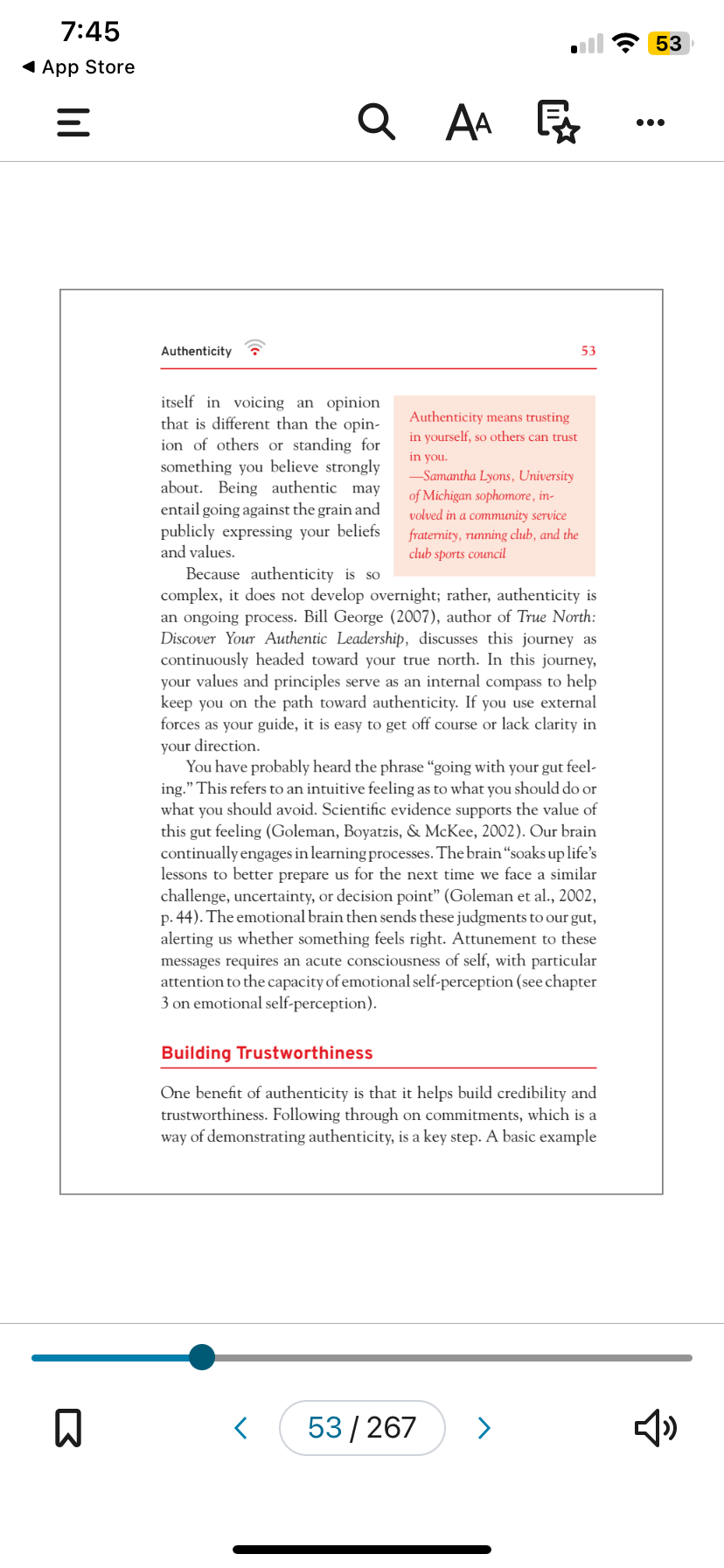
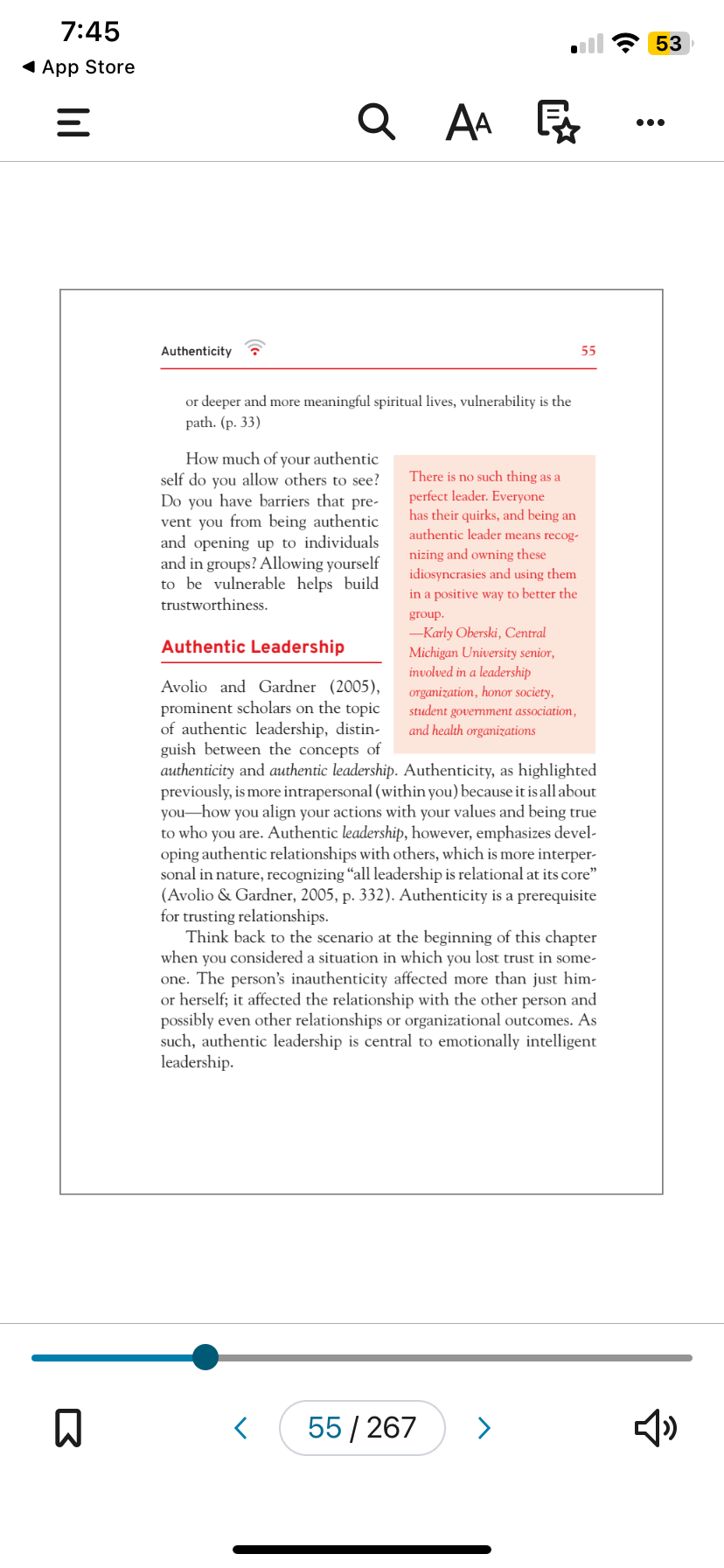
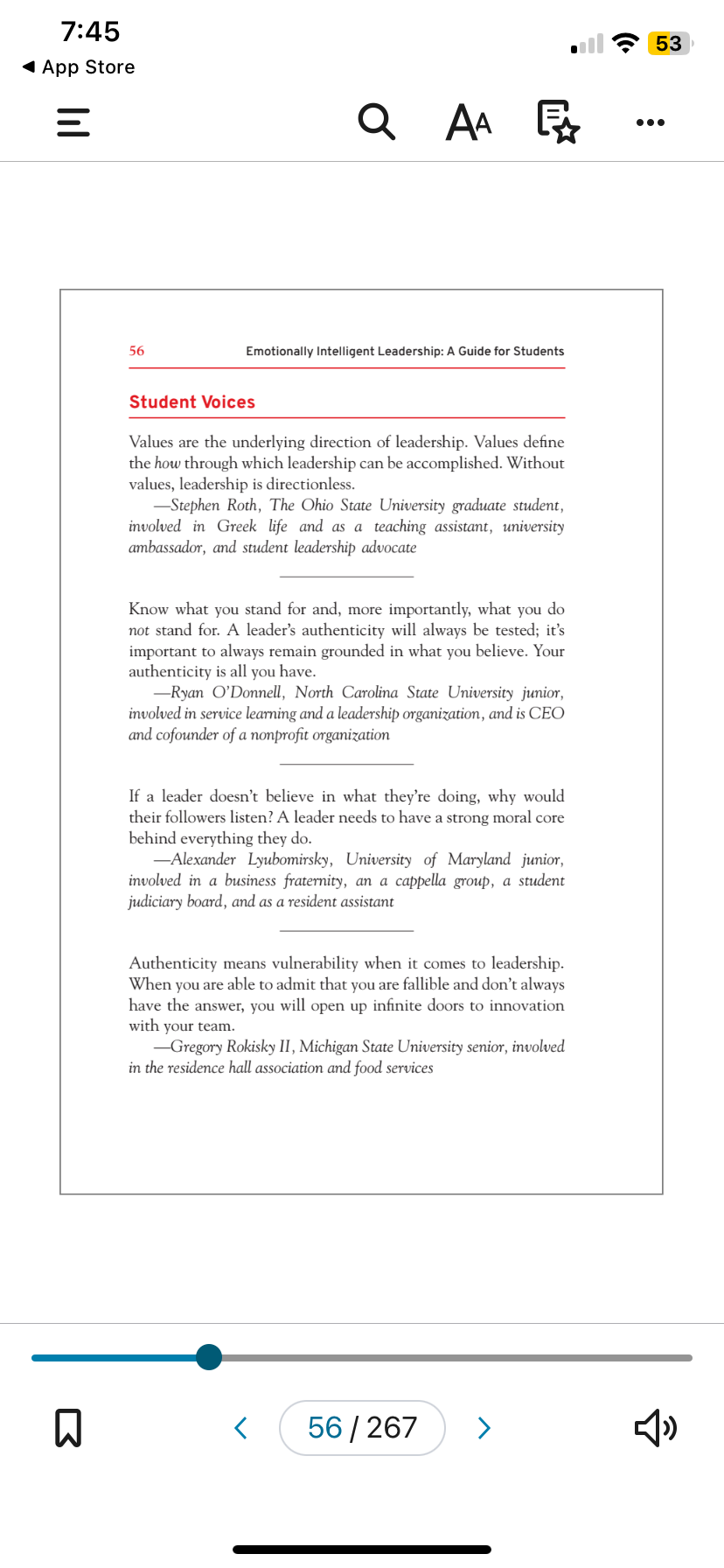
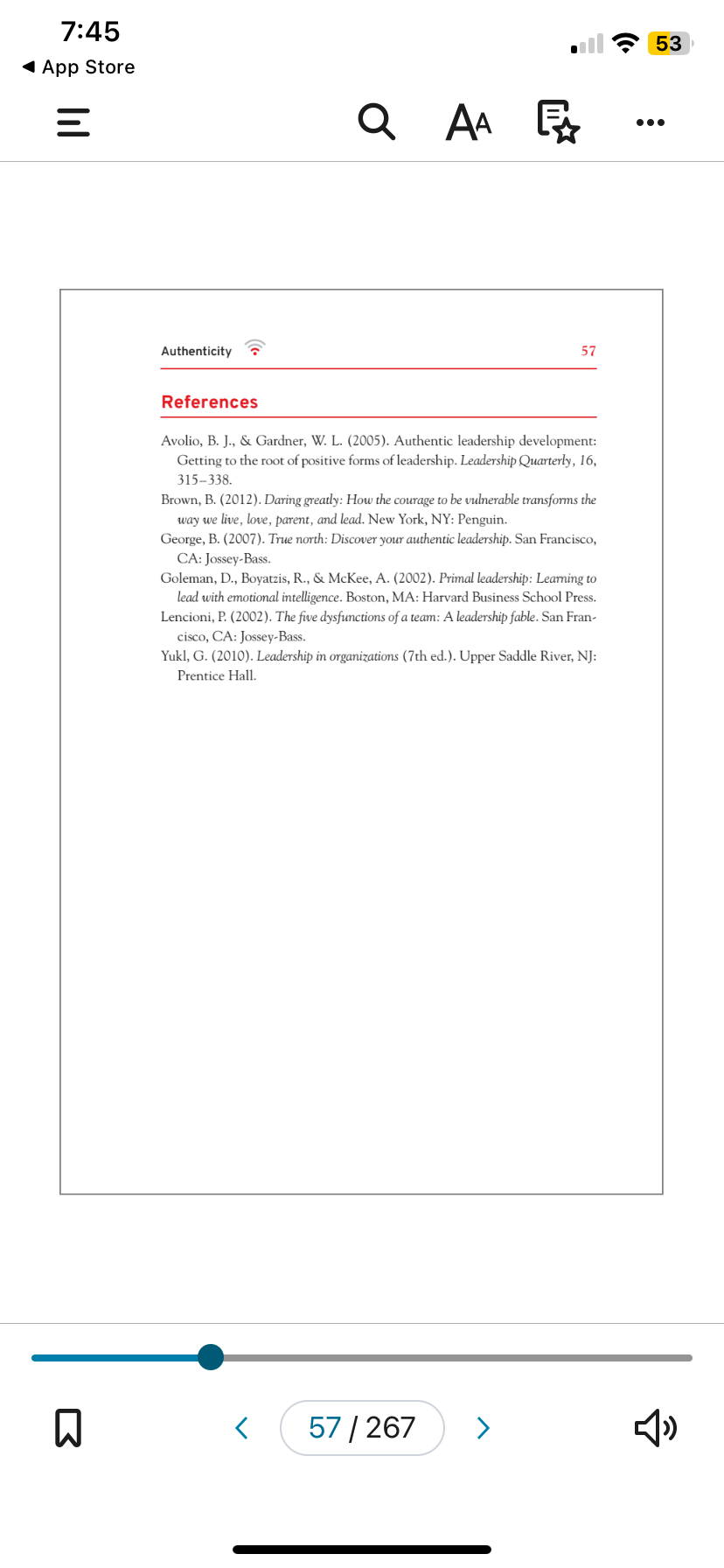
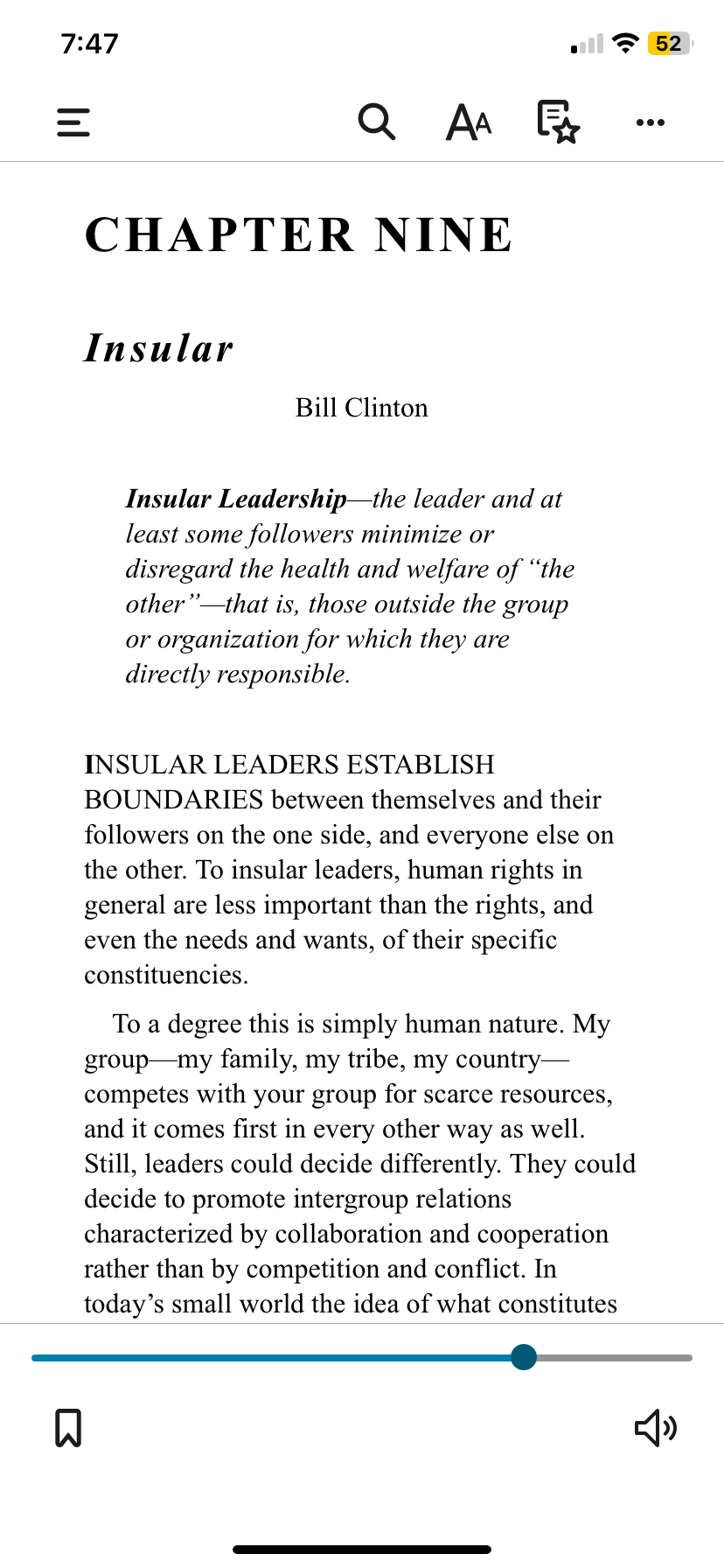
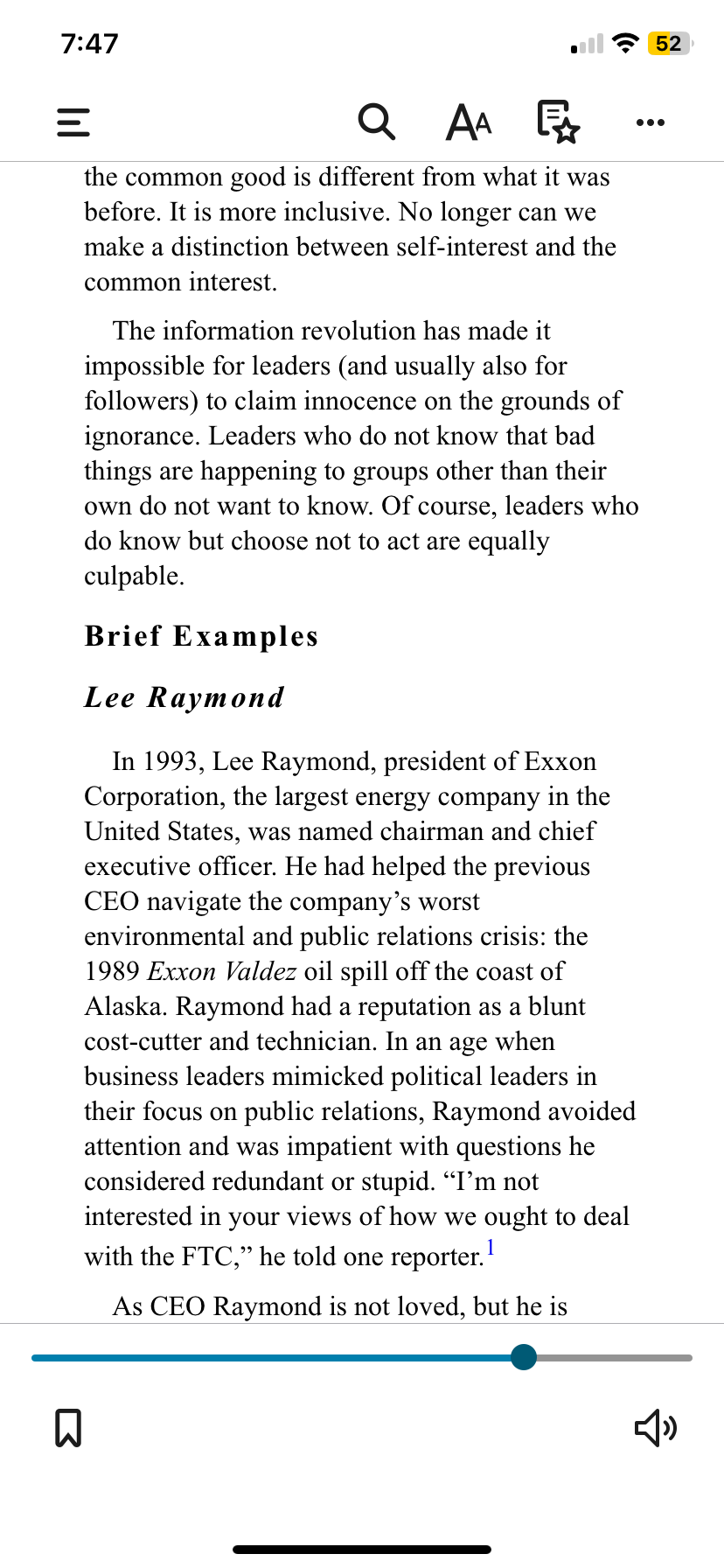
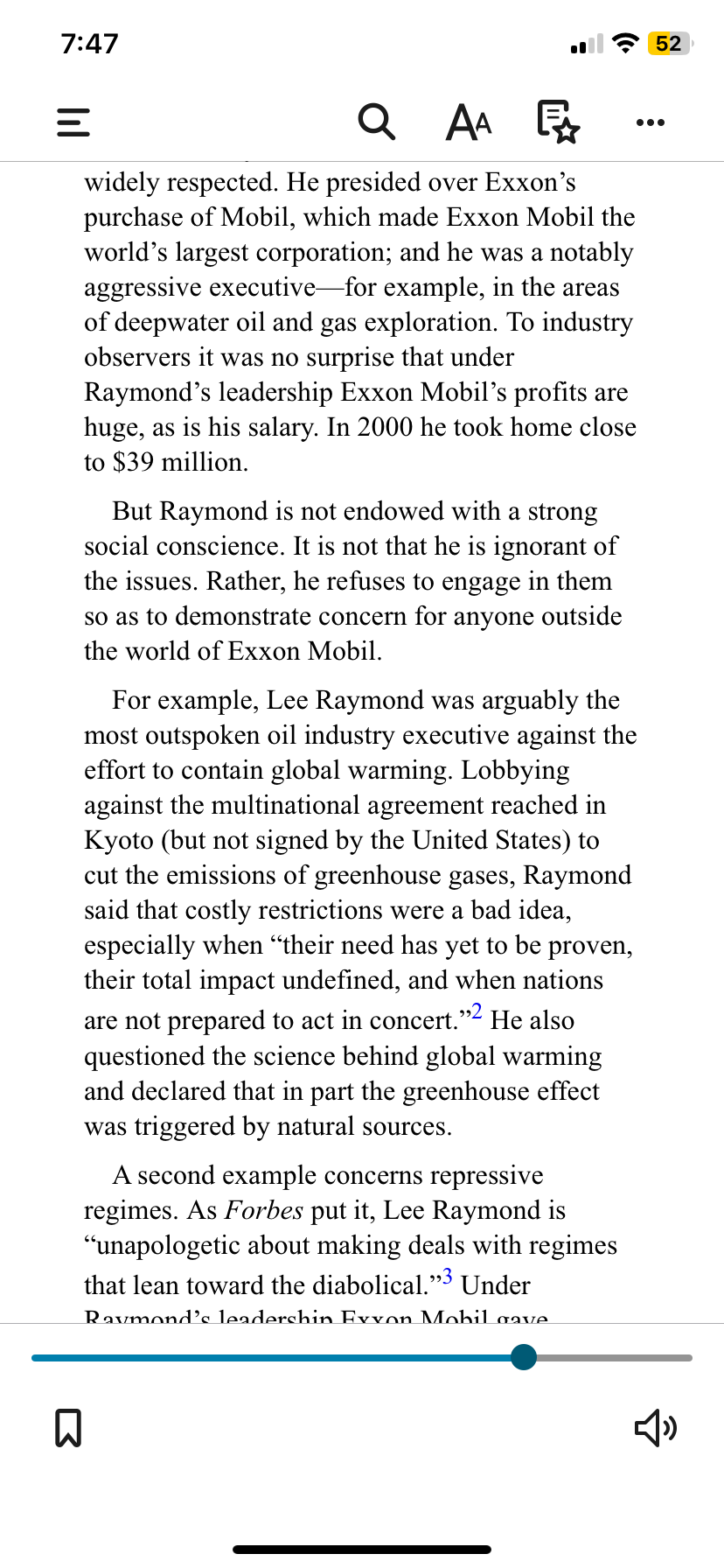
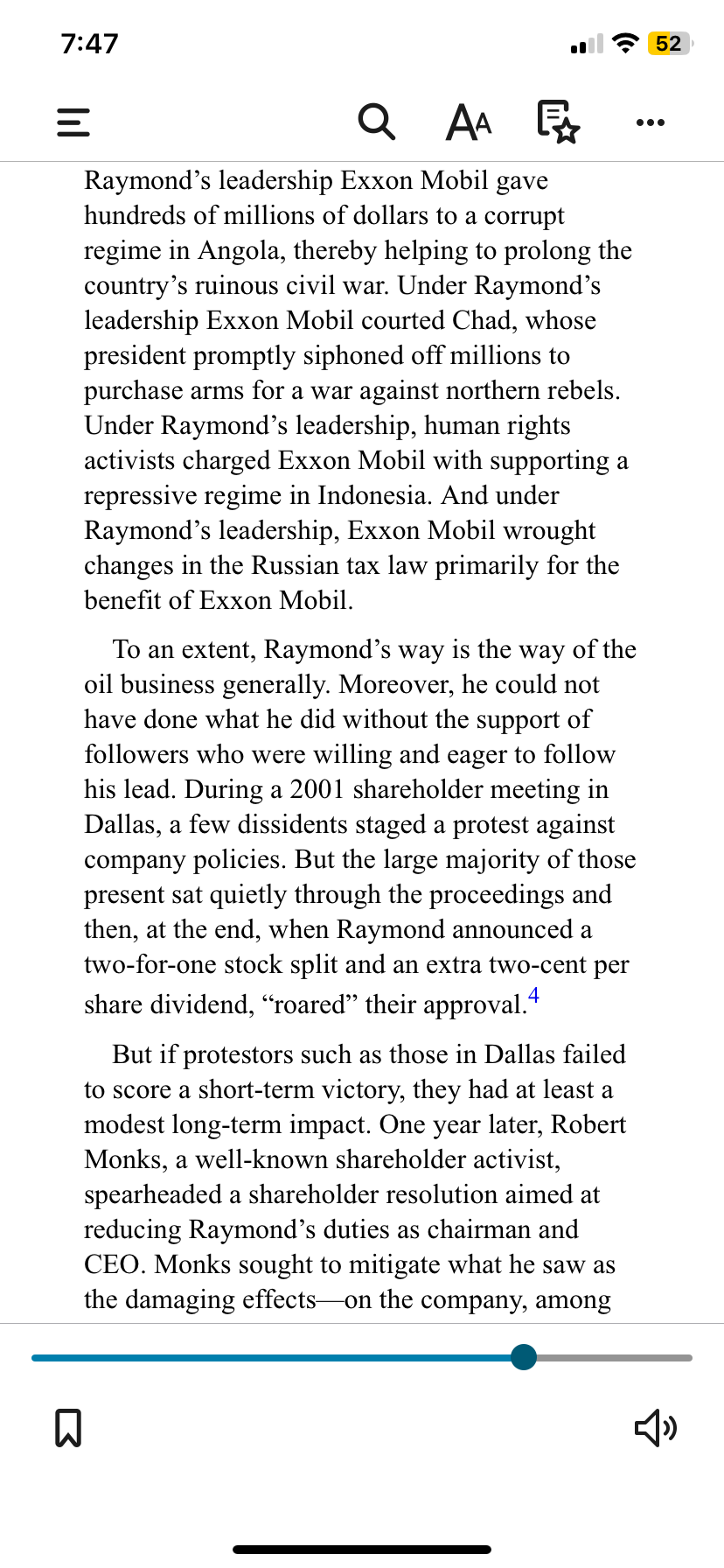
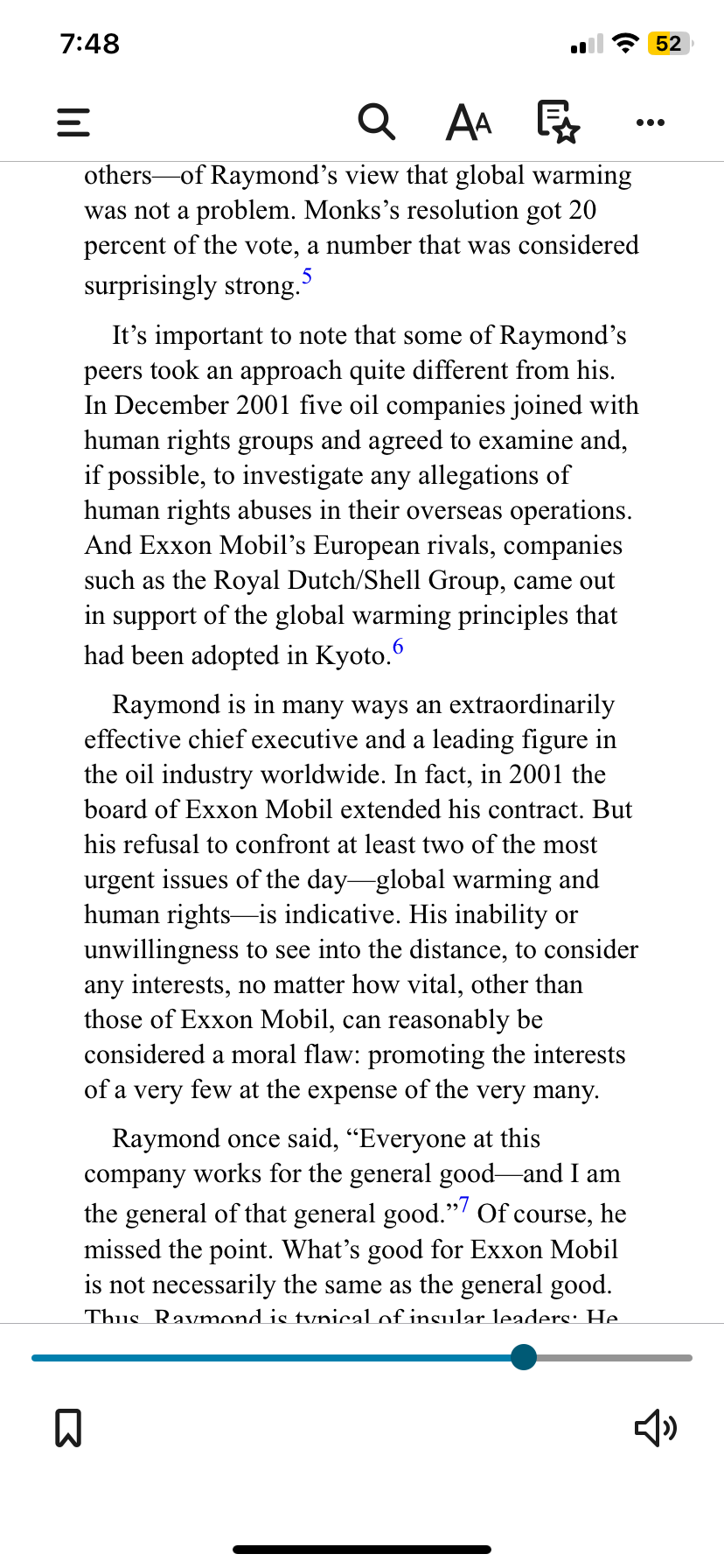
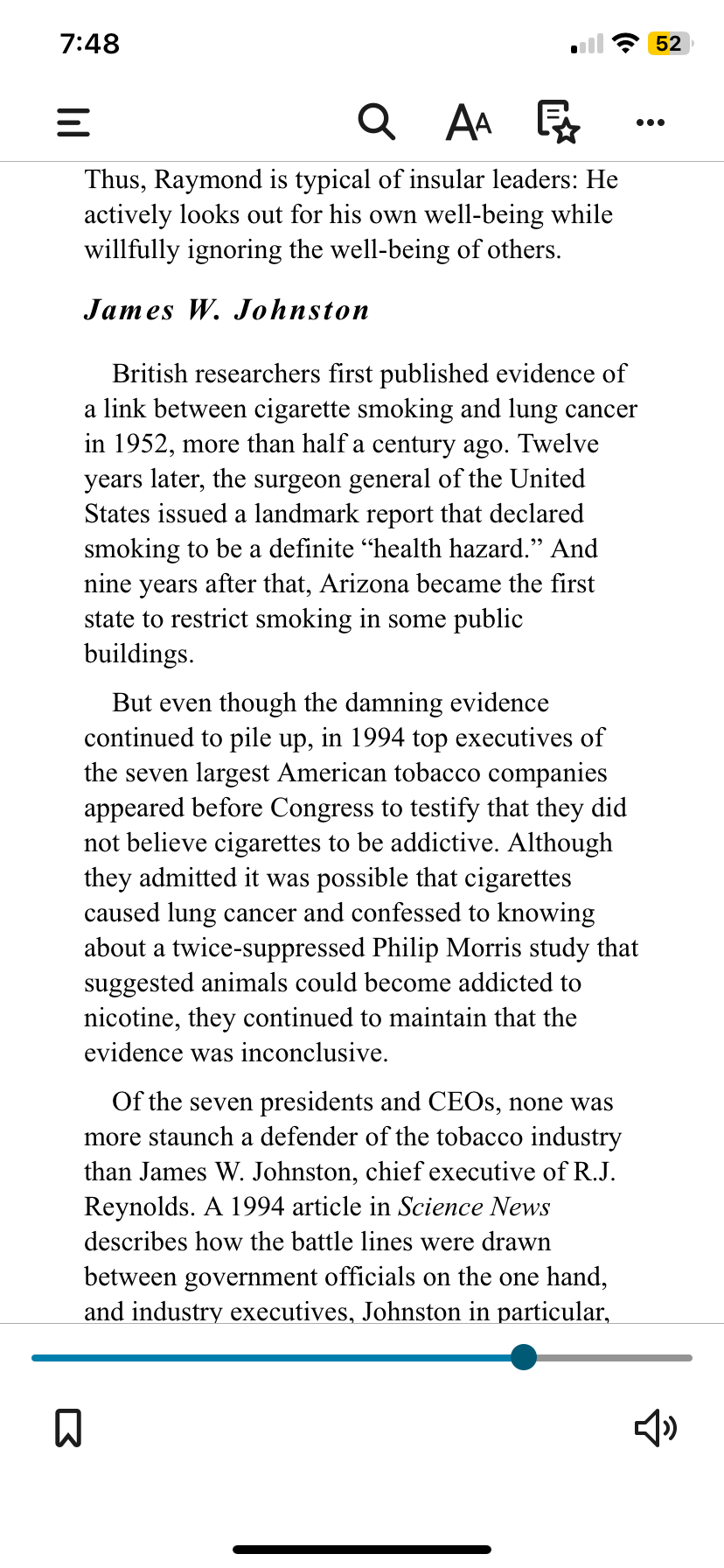
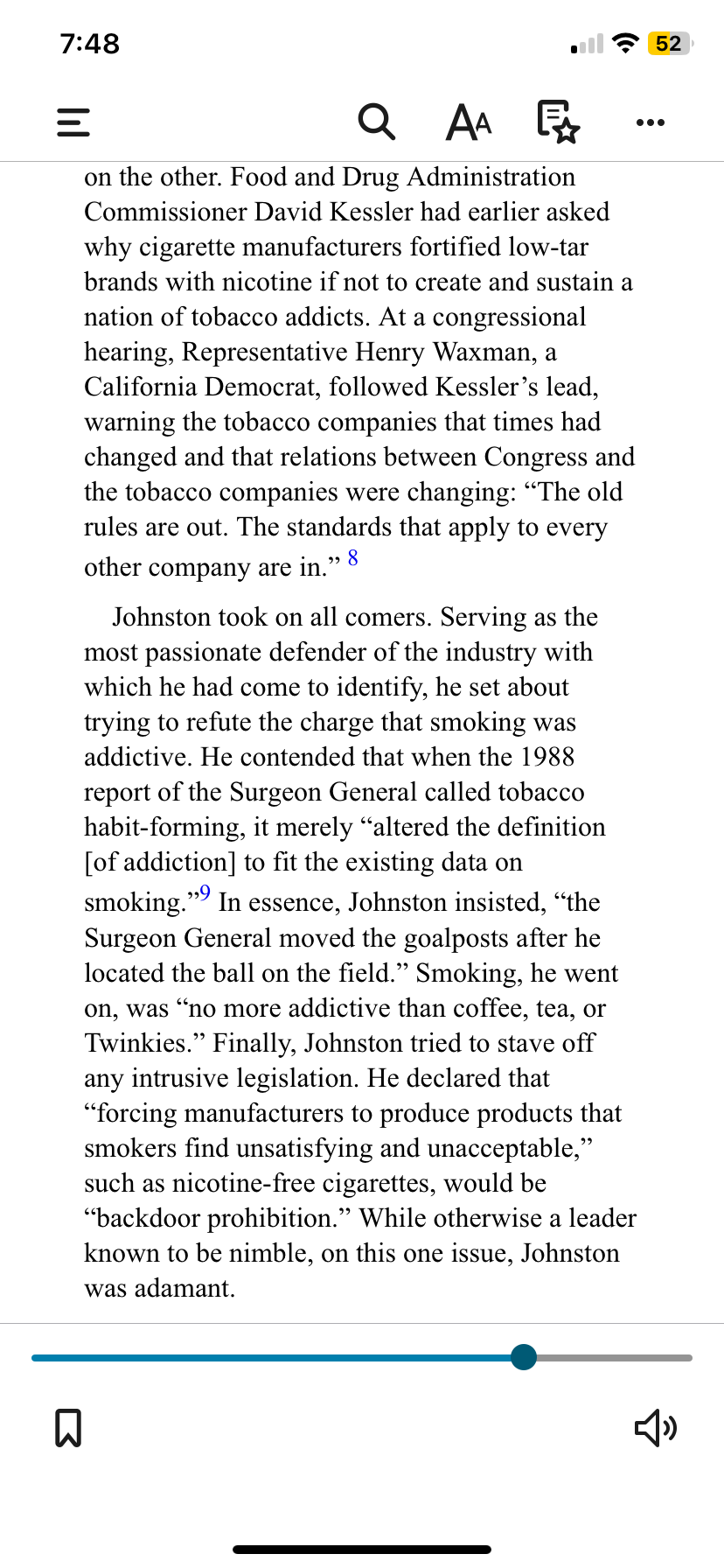
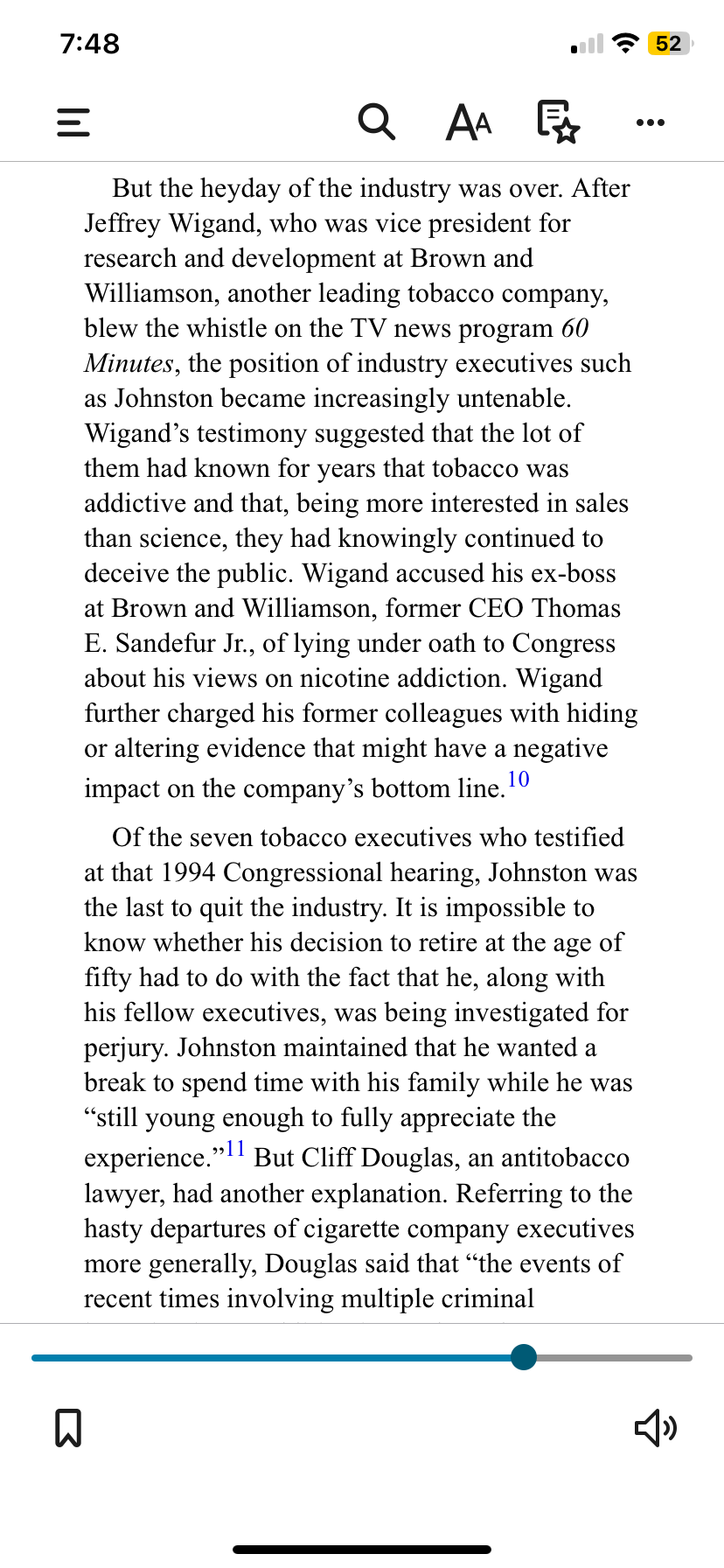
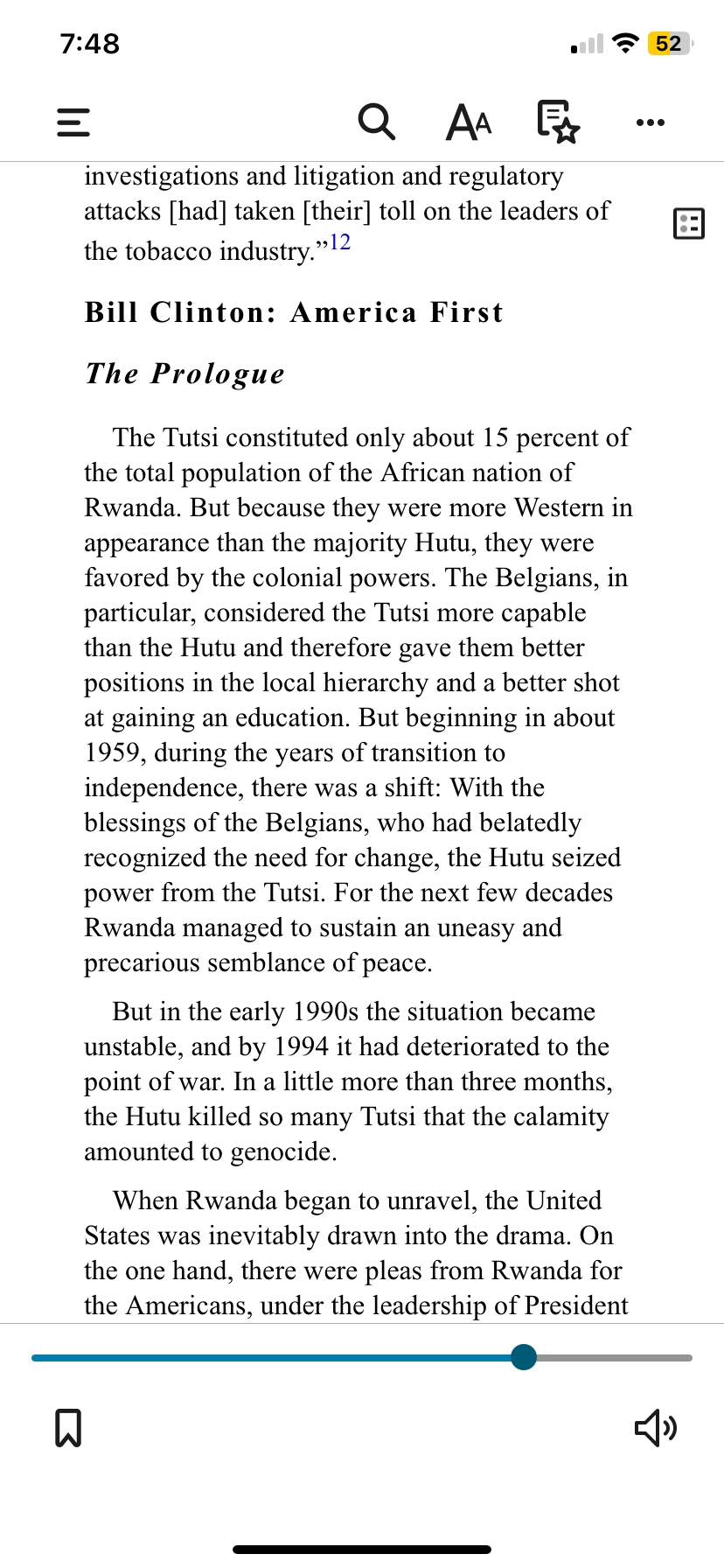
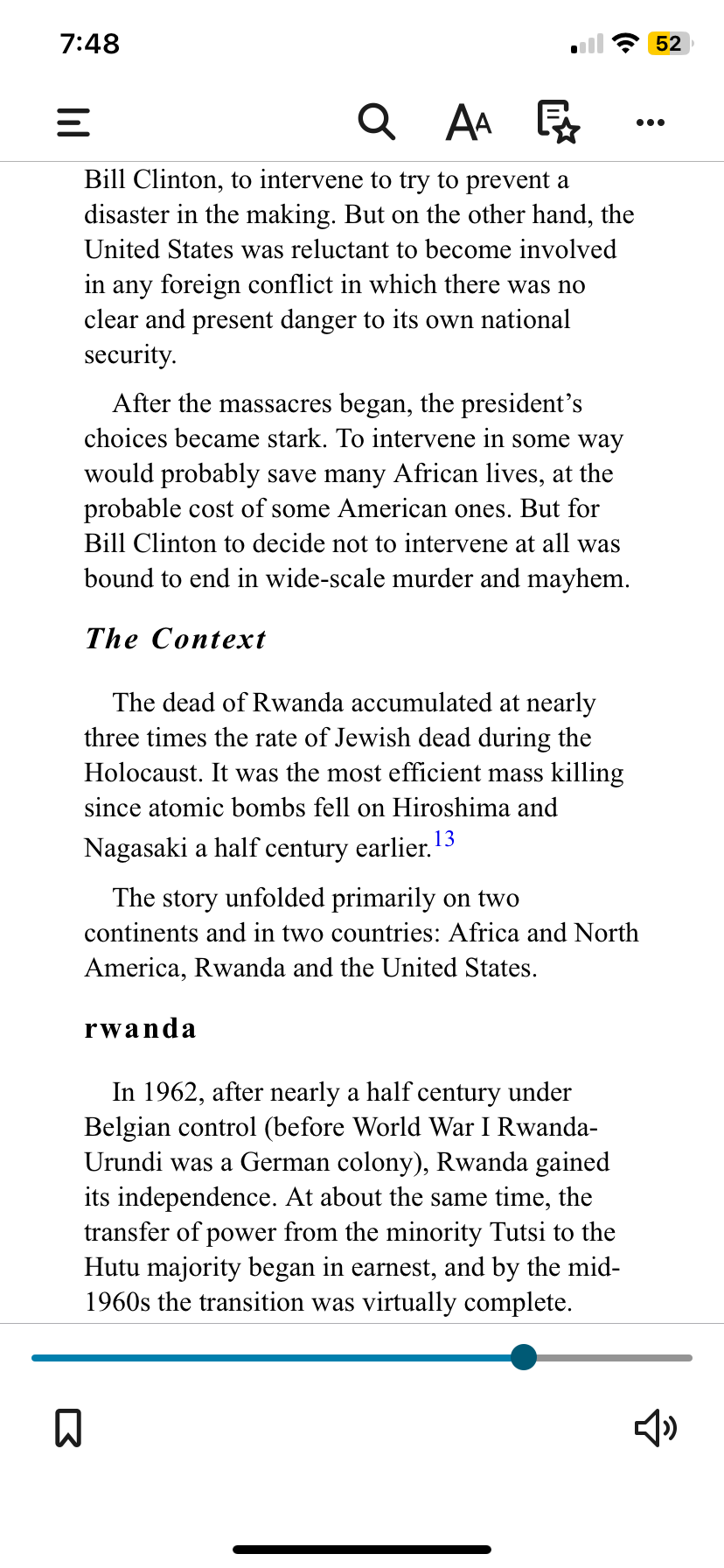
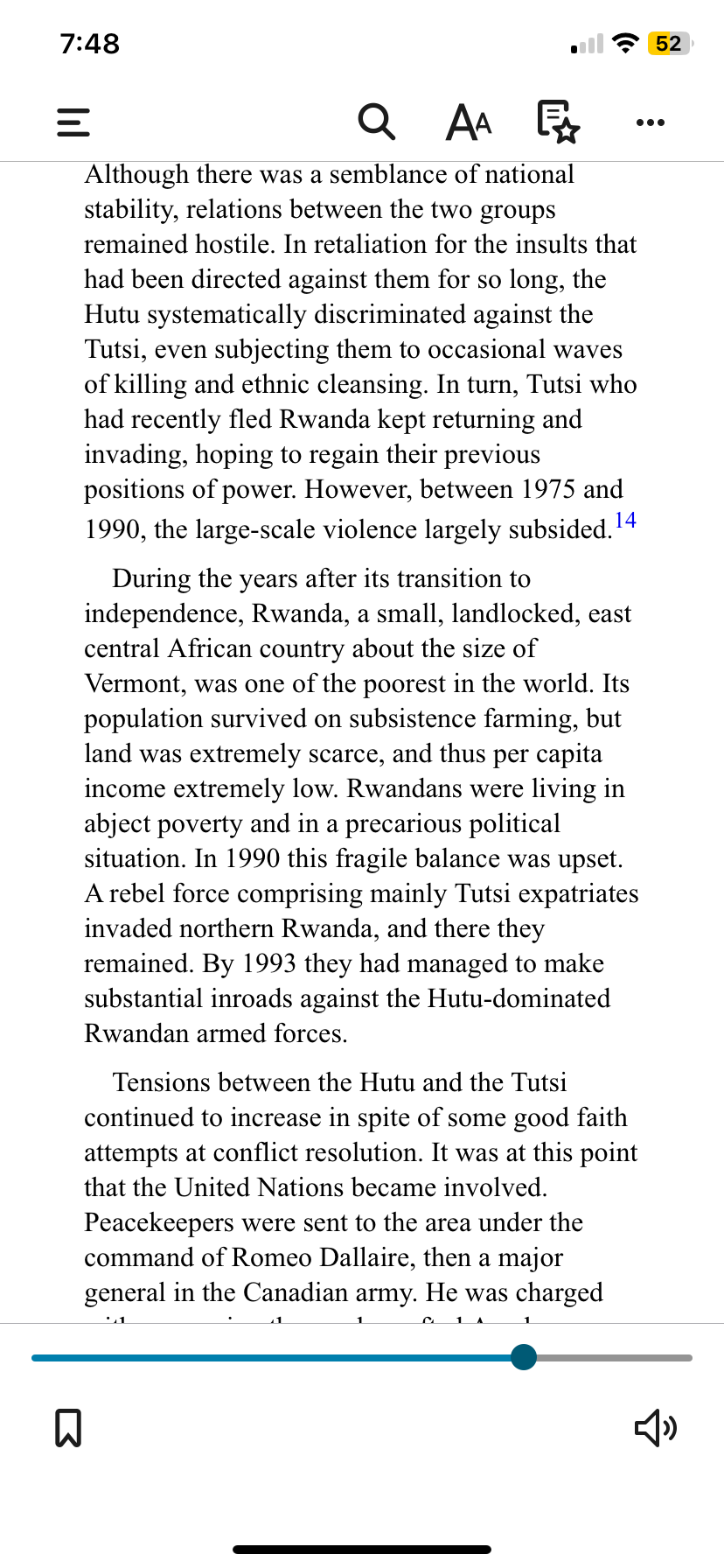
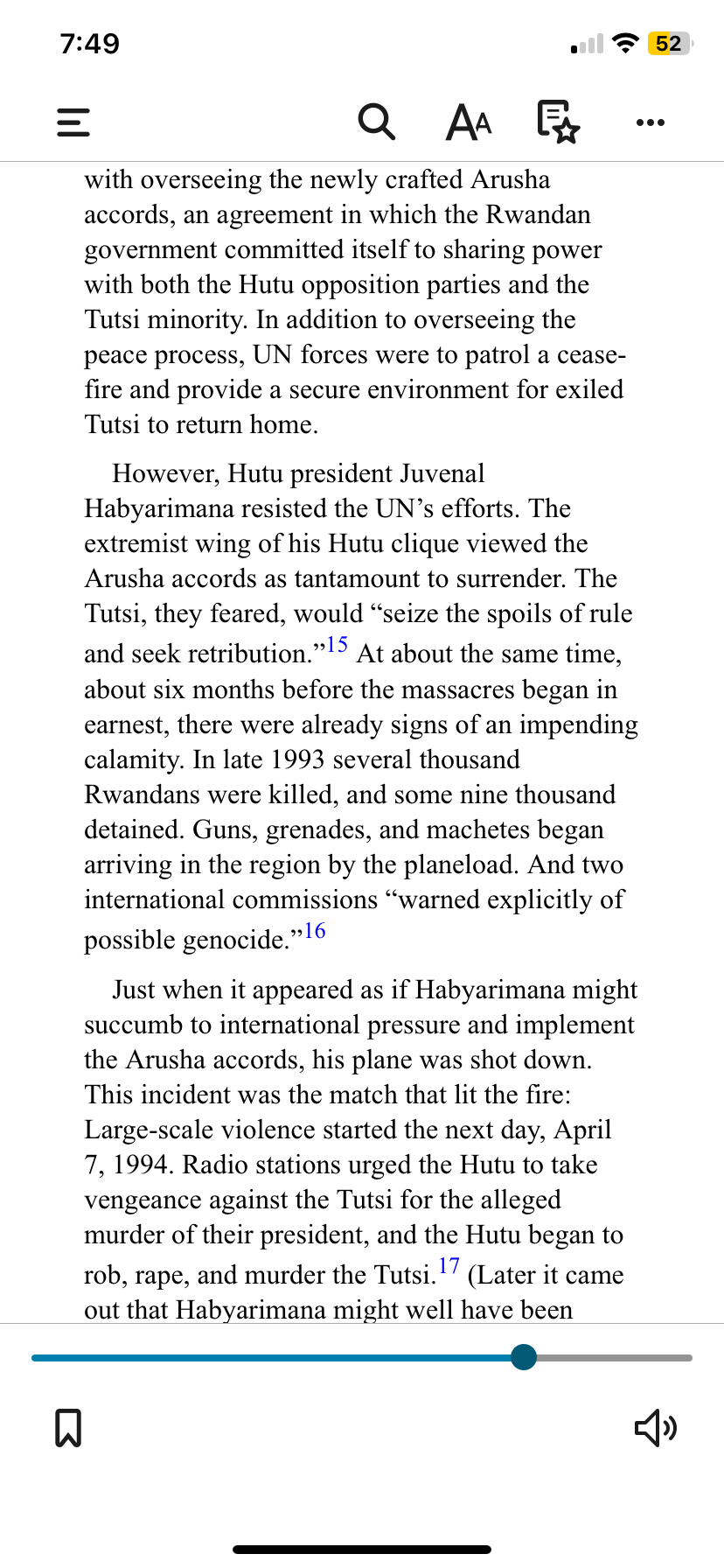
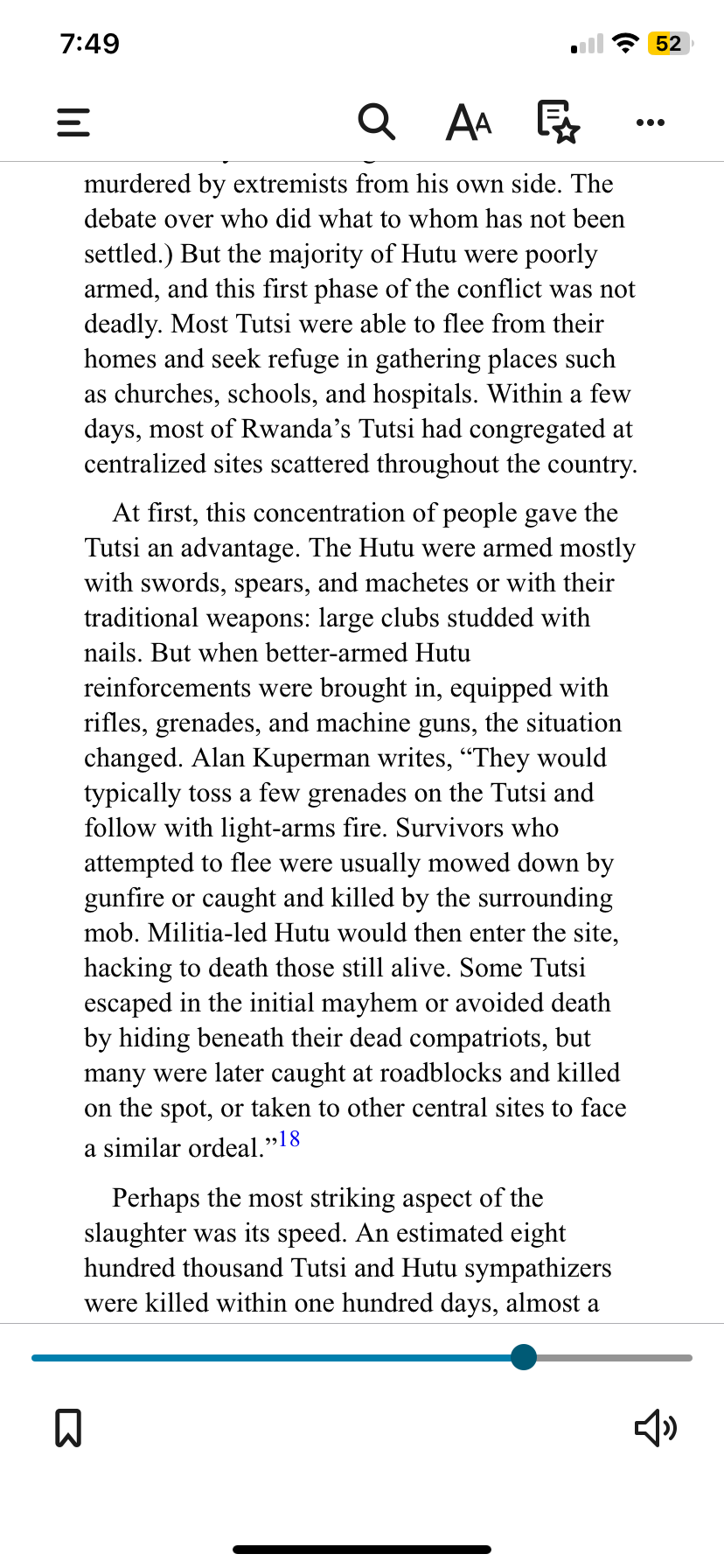
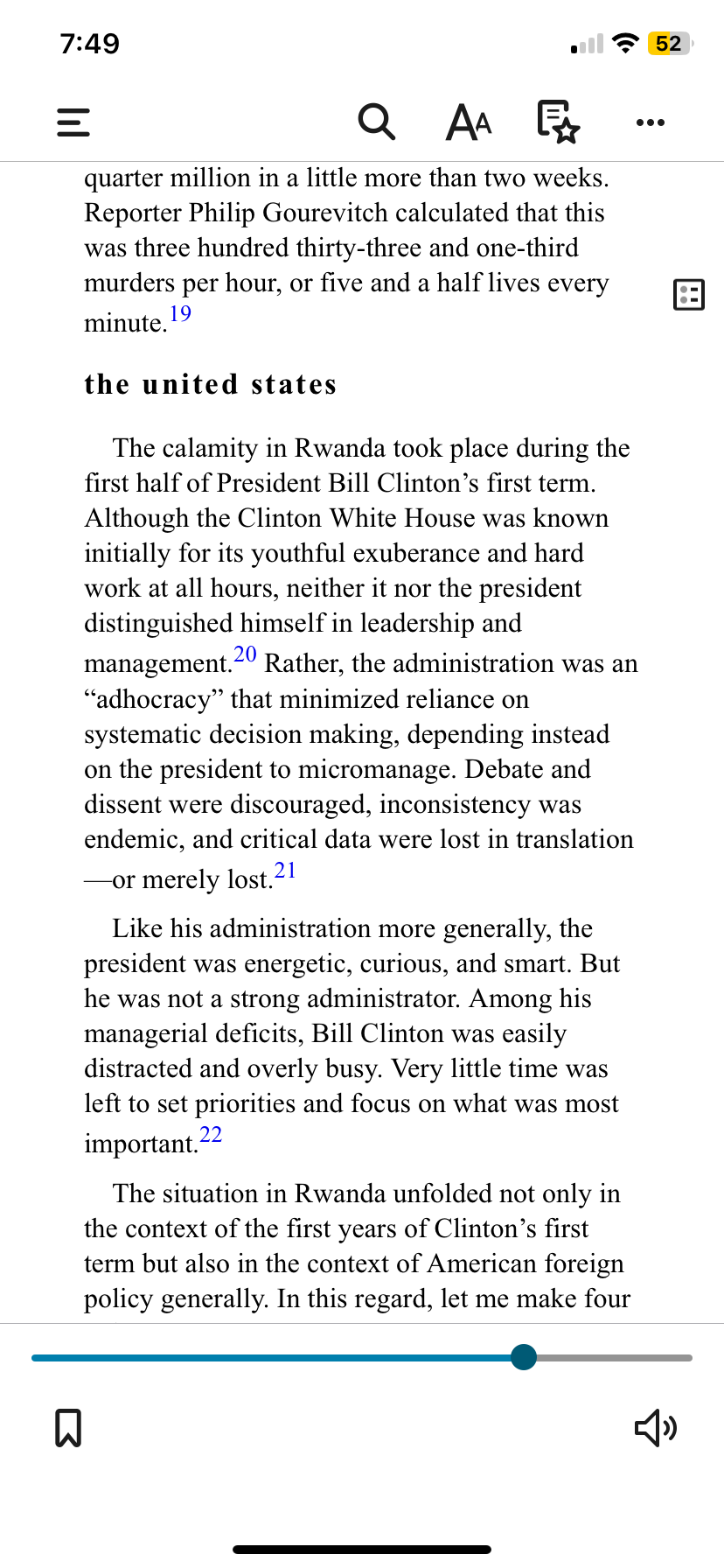
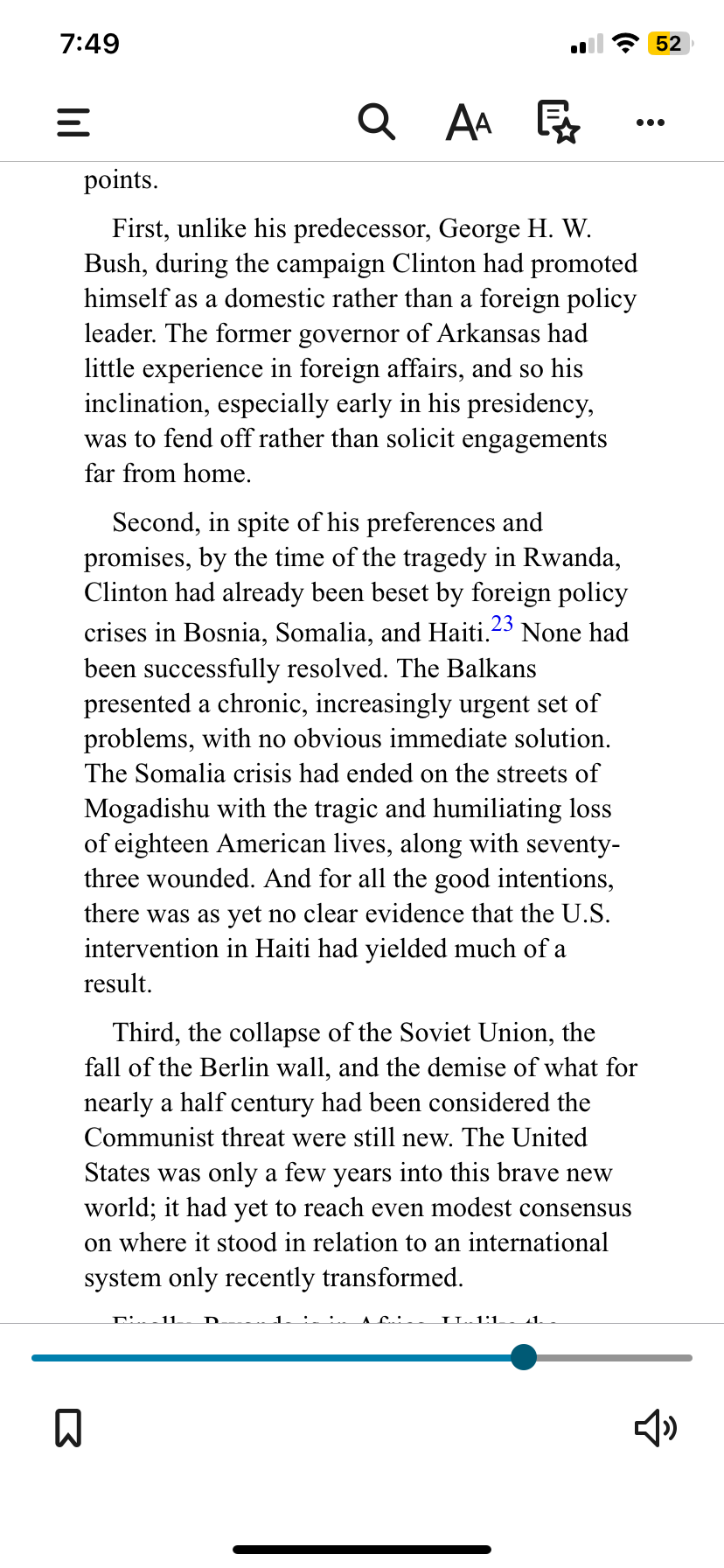
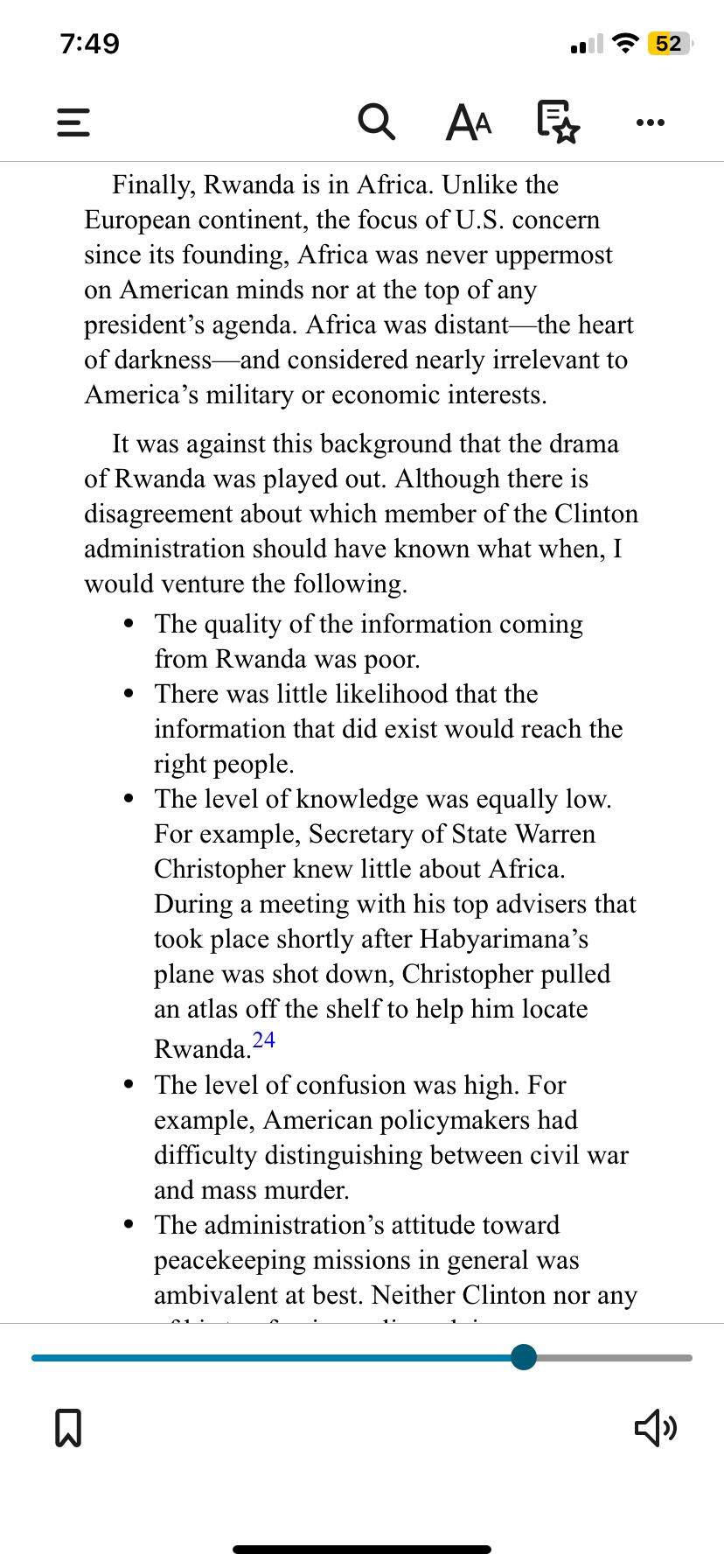
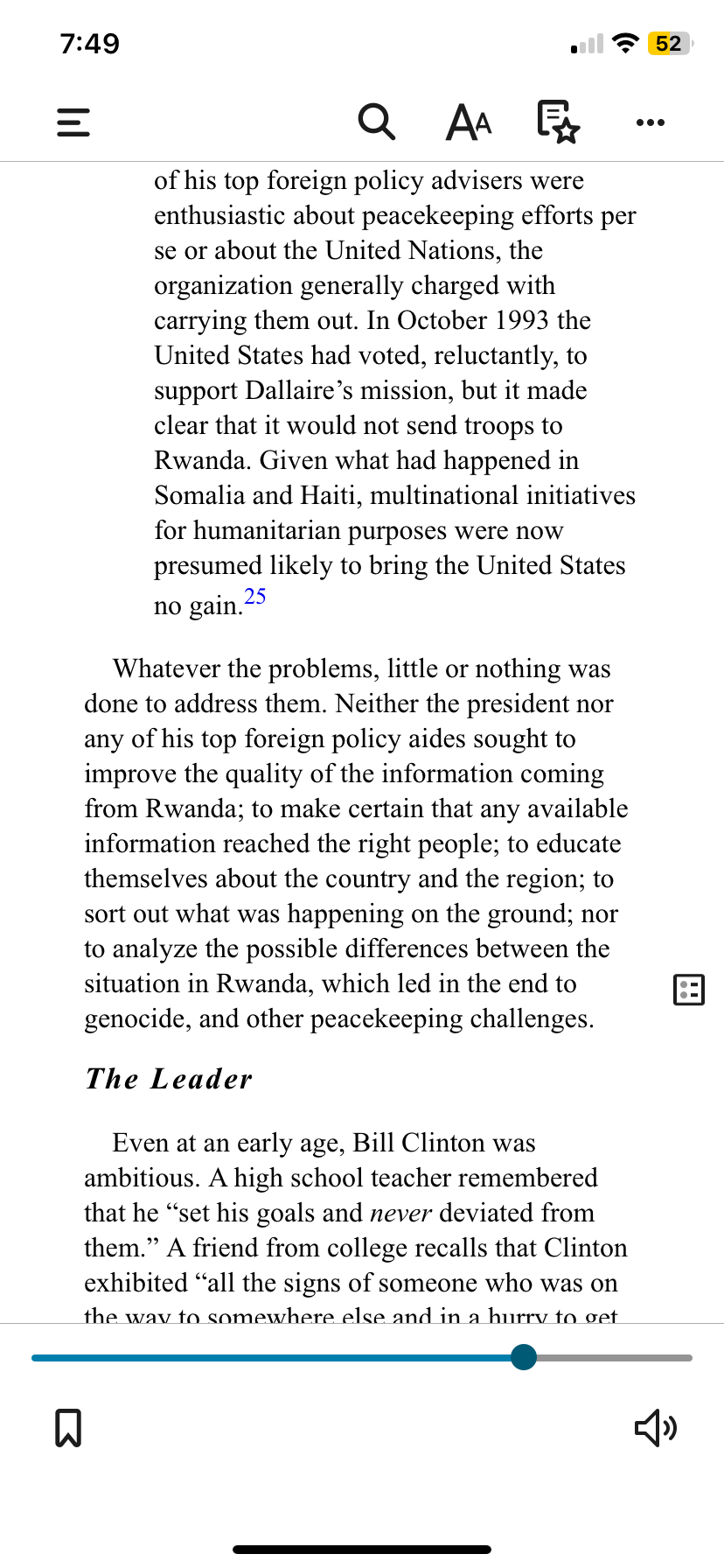
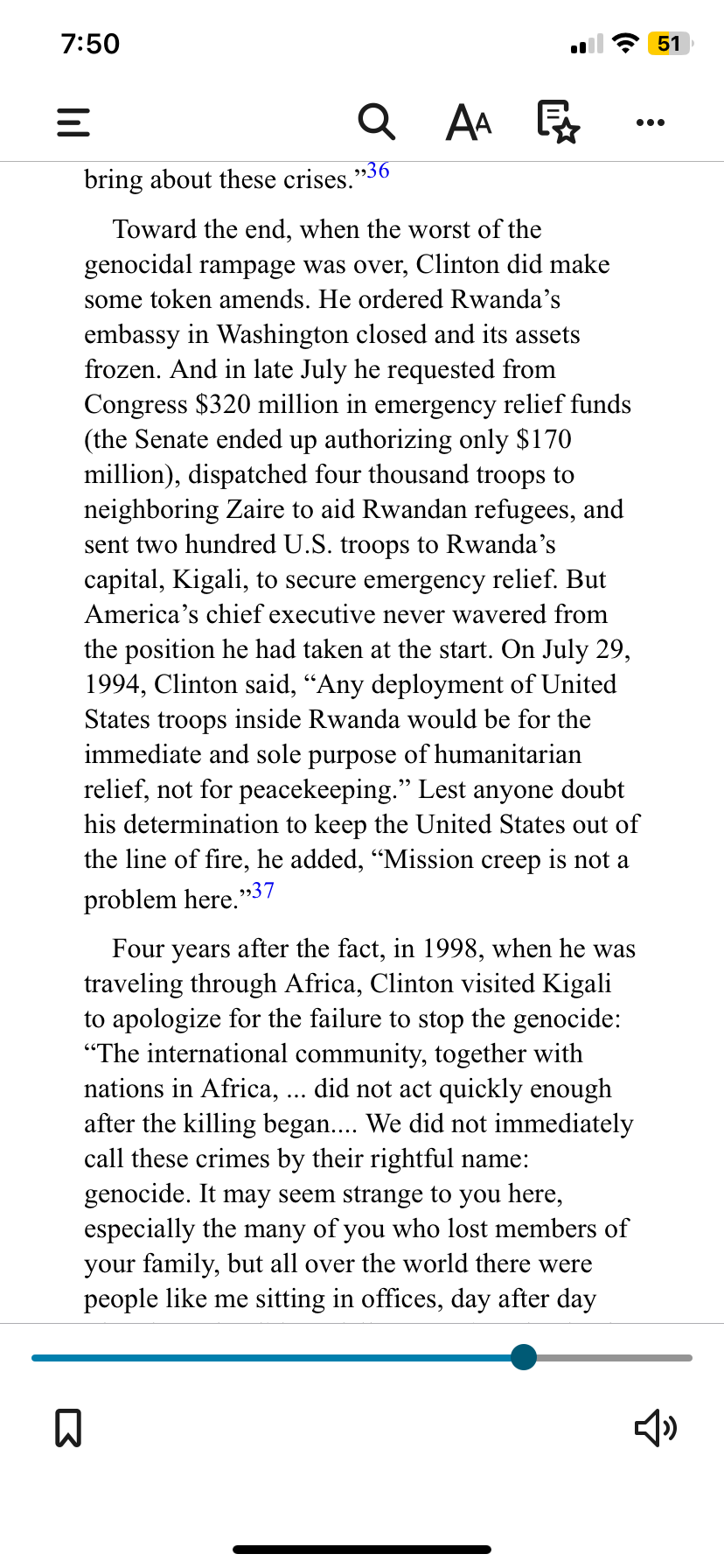
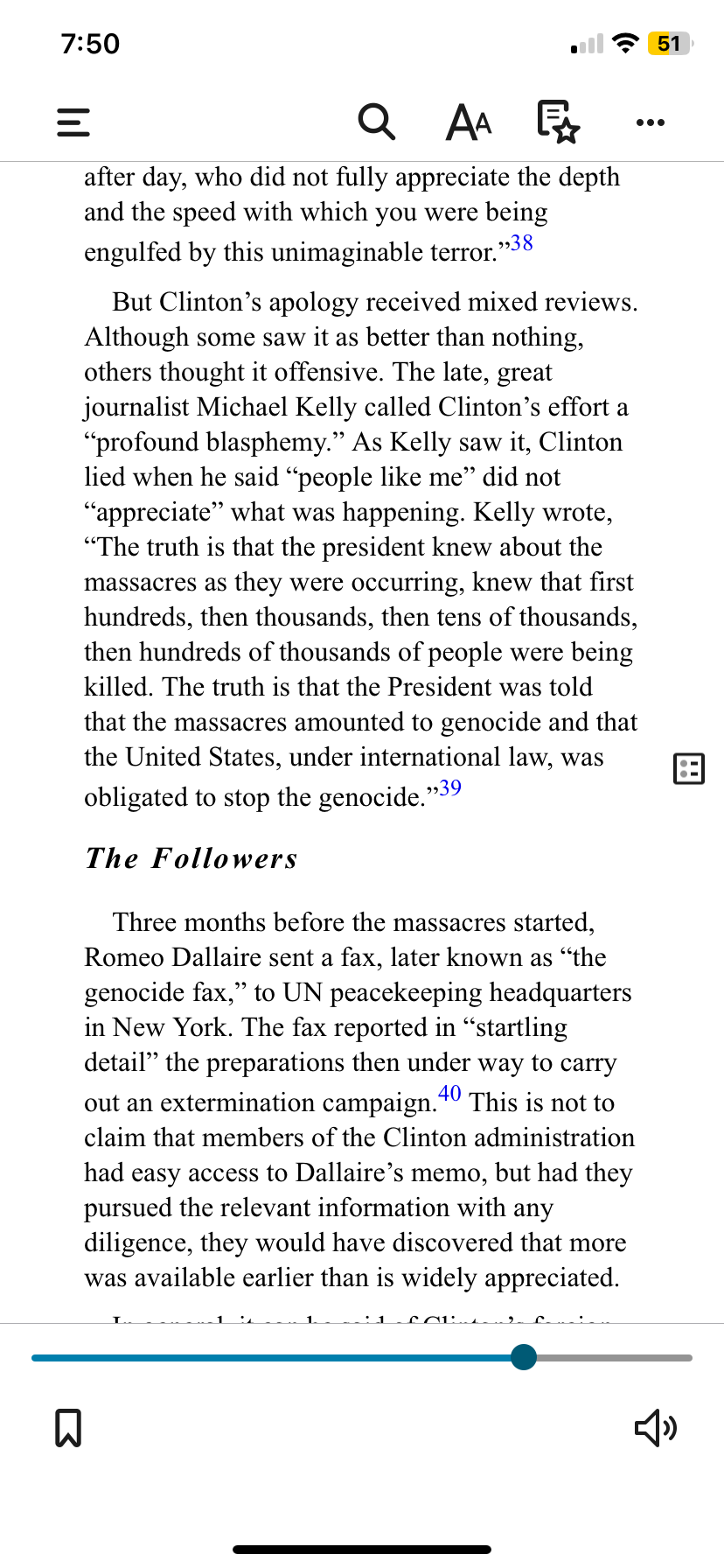
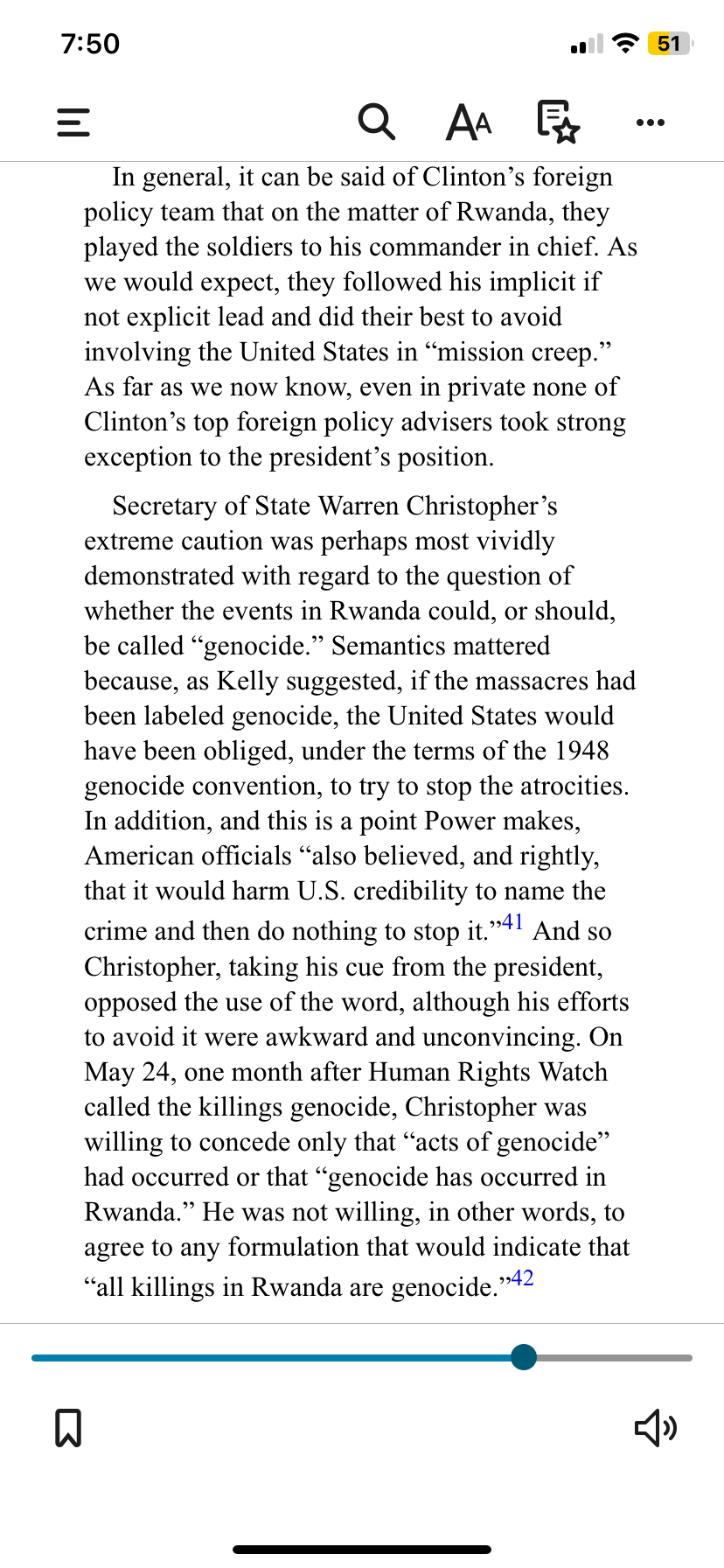
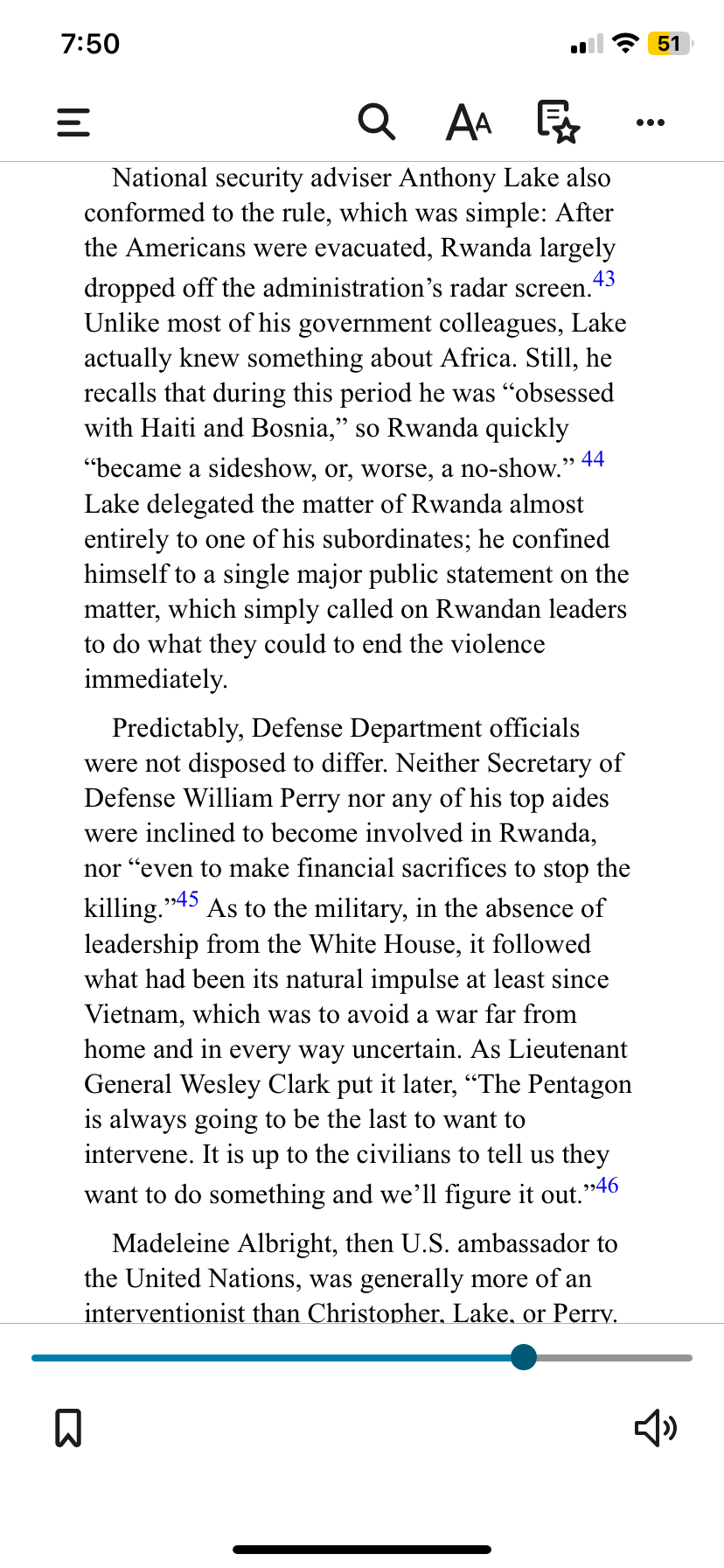
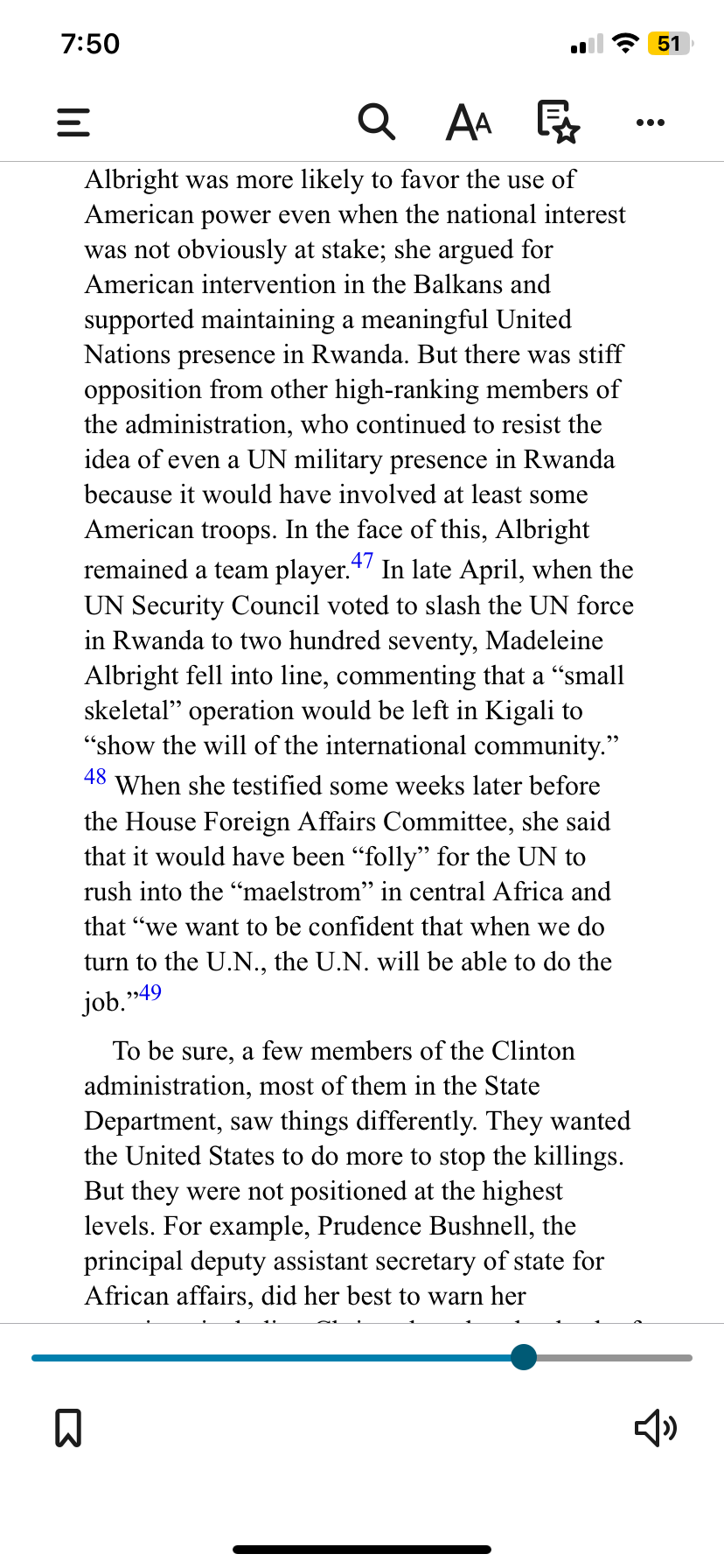
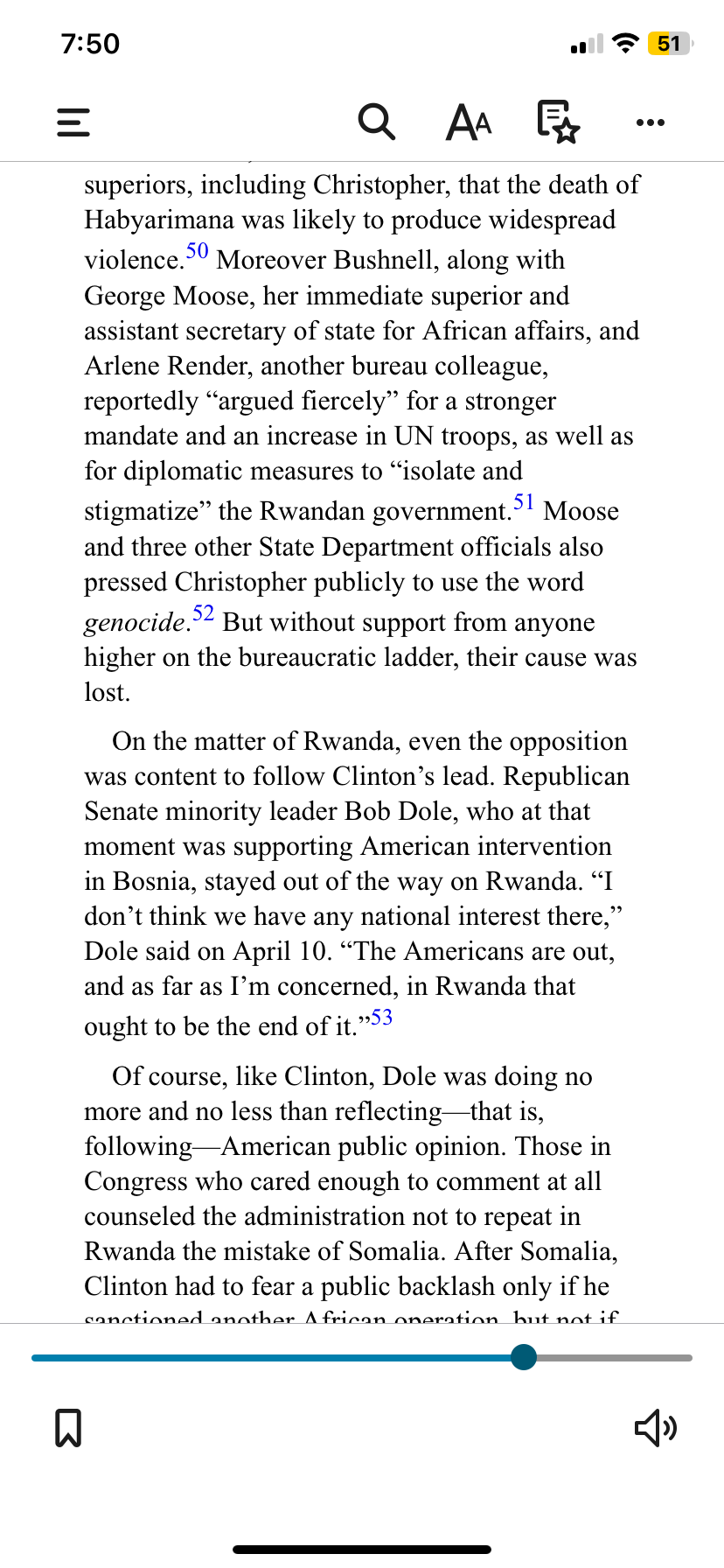
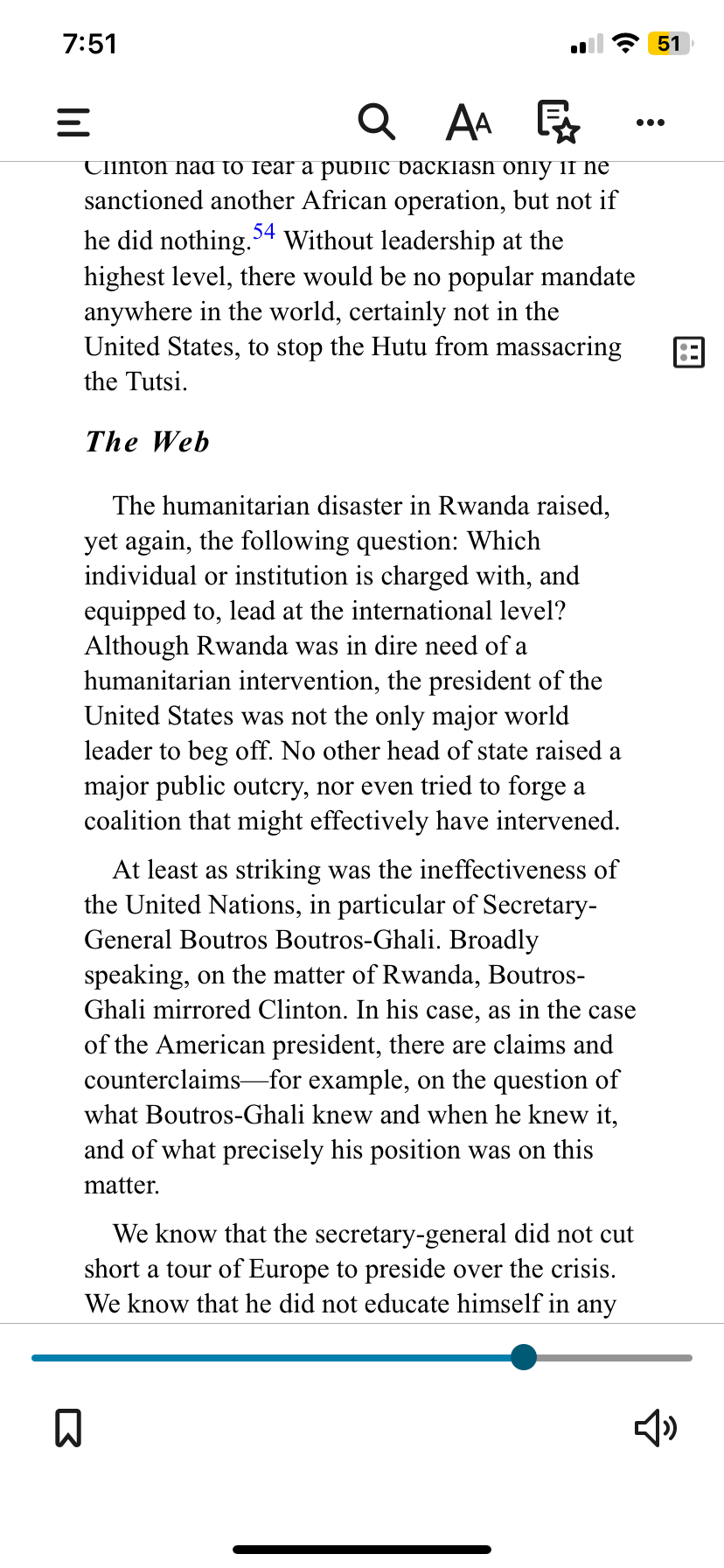
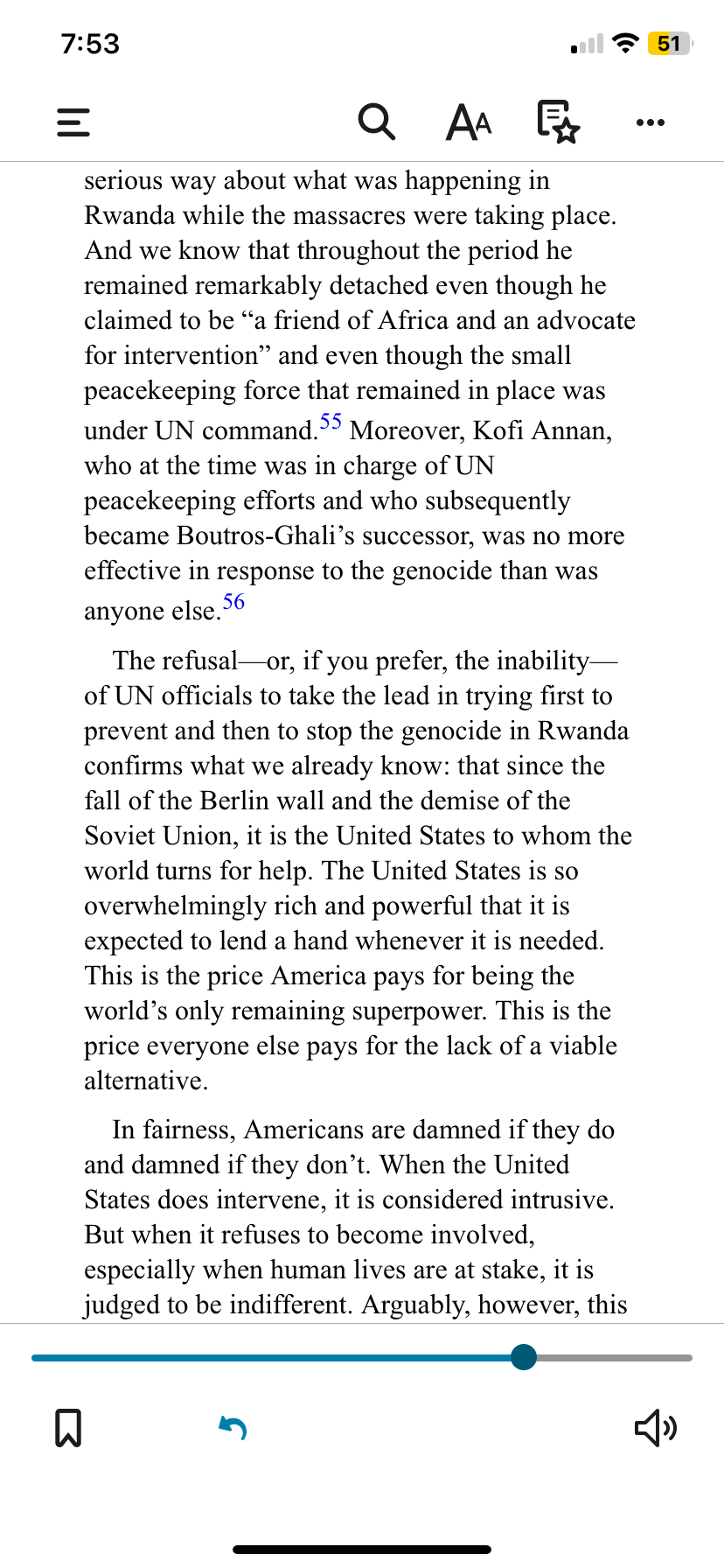
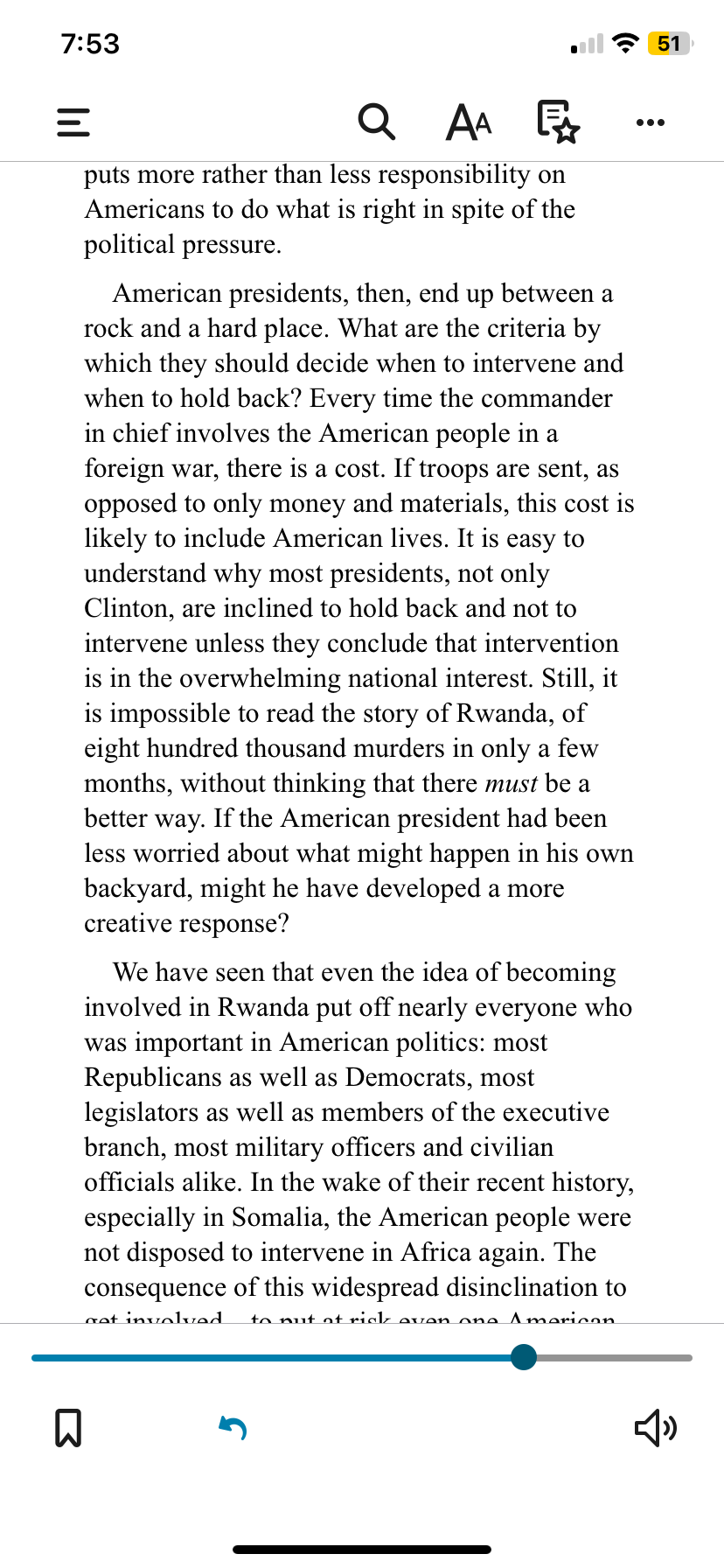
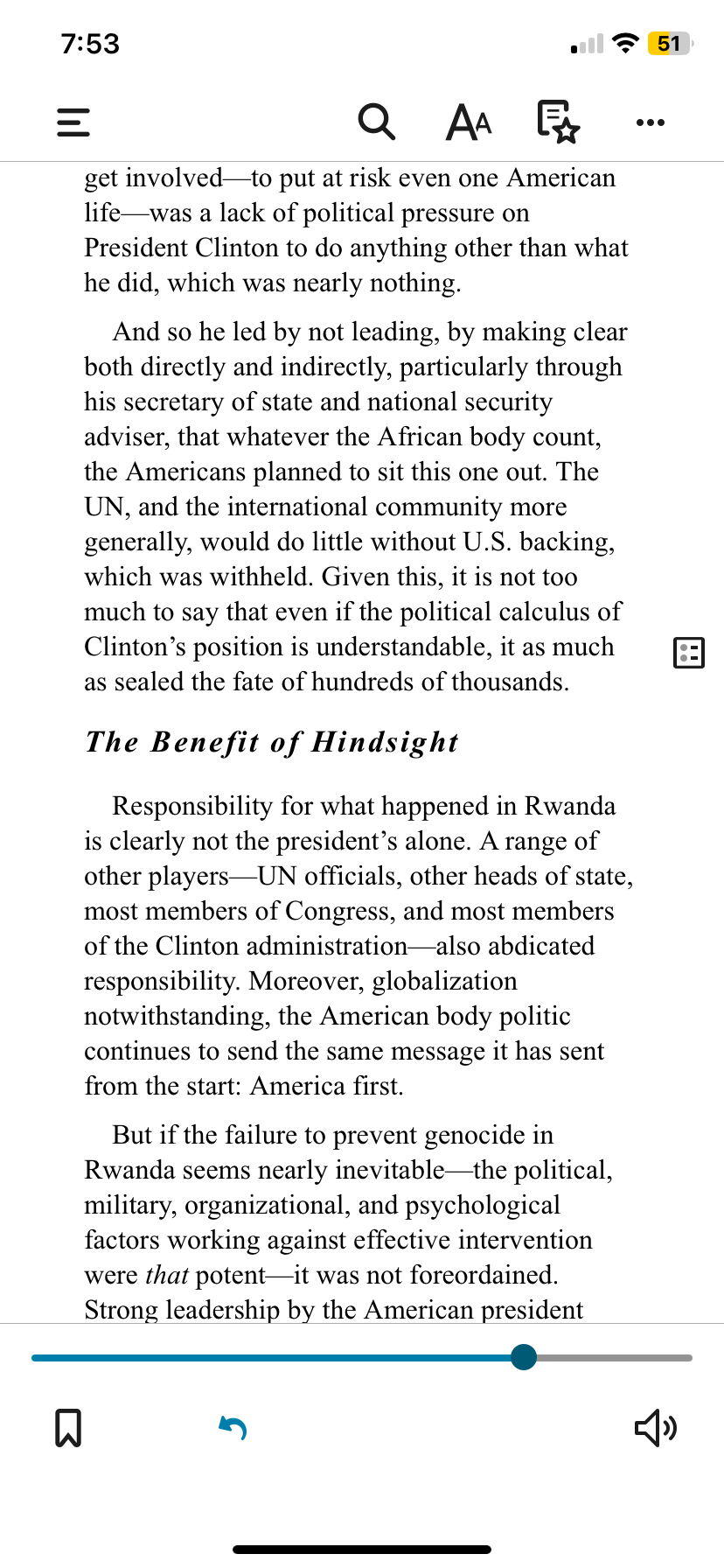
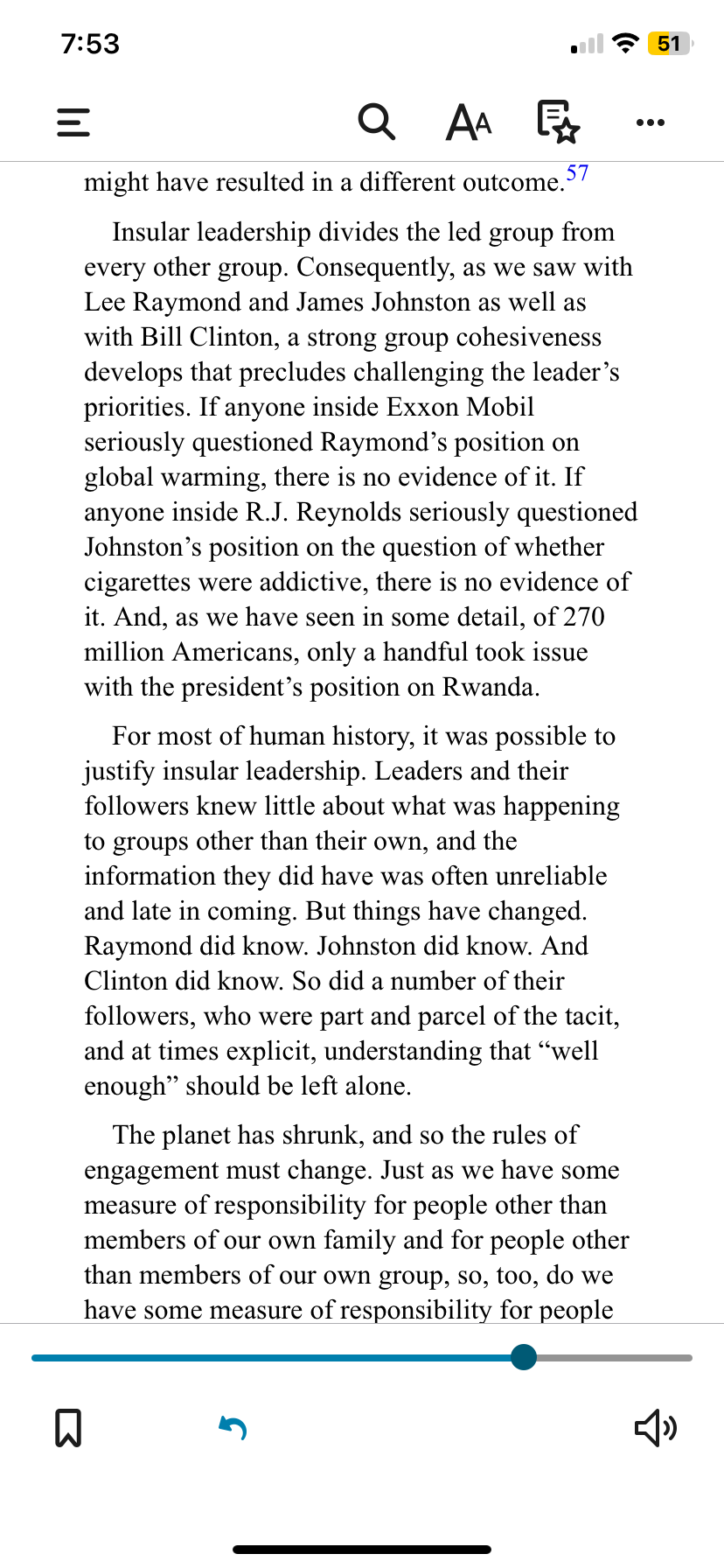
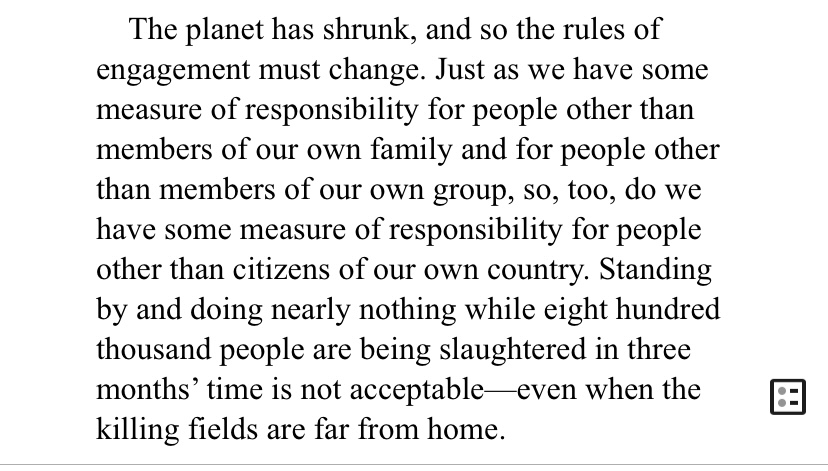
7:45 7:45 53 App Store Q AA R . .. Authenticity 53 itself in voicing an opinion that is different than the opin- Authenticity means trusting ion of others or standing for in yourself, so others can trust something you believe strongly in you. -Samantha Lyons, University about. Being authentic may of Michigan sophomore, in- entail going against the grain and volved in a community service publicly expressing your beliefs fraternity, running club, and the and values. club sports council Because authenticity is so complex, it does not develop overnight; rather, authenticity is an ongoing process. Bill George (2007), author of True North: Discover Your Authentic Leadership, discusses this journey as continuously headed toward your true north. In this journey, your values and principles serve as an internal compass to help keep you on the path toward authenticity. If you use external forces as your guide, it is easy to get off course or lack clarity in your direction. You have probably heard the phrase "going with your gut feel- ing." This refers to an intuitive feeling as to what you should do or what you should avoid. Scientific evidence supports the value of this gut feeling (Goleman, Boyatzis, & Mckee, 2002). Our brain continually engages in learning processes. The brain "soaks up life's lessons to better prepare us for the next time we face a similar challenge, uncertainty, or decision point" (Goleman et al., 2002, p. 44). The emotional brain then sends these judgments to our gut, alerting us whether something feels right. Attunement to these messages requires an acute consciousness of self, with particular attention to the capacity of emotional self-perception (see chapter 3 on emotional self-perception). Building Trustworthiness One benefit of authenticity is that it helps build credibility and trustworthiness. Following through on commitments, which is a way of demonstrating authenticity, is a key step. A basic example W 53 / 267 >7:45 7:45 7:45 7:45 53 App Store Q AA R . .. Authenticity 57 References Avolio, B. J., & Gardner, W. L. (2005). Authentic leadership development: Getting to the root of positive forms of leadership. Leadership Quarterly, 16, 315-338. Brown, B. (2012). Daring greatly: How the courage to be vulnerable transforms the way we live, love, parent, and lead. New York, NY: Penguin. George, B. (2007). True north: Discover your authentic leadership. San Francisco, CA: Jossey-Bass. Goleman, D., Boyatzis, R., & Mckee, A. (2002). Primal leadership: Learning to lead with emotional intelligence. Boston, MA: Harvard Business School Press. Lencioni, P. (2002). The five dysfunctions of a team: A leadership fable. San Fran- cisco, CA: Jossey-Bass. Yukl, G. (2010). Leadership in organizations (7th ed.). Upper Saddle River, NJ: Prentice Hall. W 57 / 2677:47 o T 52 = Q A B CHAPTER NINE Insular Bill Clinton Insular Leadershipthe leader and at least some followers minimize or disregard the health and welfare of \"the other'that is, those outside the group or organization for which they are directly responsible. INSULAR LEADERS ESTABLISH BOUNDARIES between themselves and their followers on the one side, and everyone else on the other. To insular leaders, human rights in general are less important than the rights, and even the needs and wants, of their specific constituencies. To a degree this is simply human nature. My groupmy family, my tribe, my country competes with your group for scarce resources, and it comes first in every other way as well. Still, leaders could decide differently. They could decide to promote intergroup relations characterized by collaboration and cooperation rather than by competition and conflict. In today's small world the idea of what constitutes ) W ? Moreover, Kofi Annan, who at the time was in charge of UN peacekeeping efforts and who subsequently became Boutros-Ghali's successor, was no more effective in response to the genocide than was anyone else.\" The refusalor, if you prefer, the inability of UN officials to take the lead in trying first to prevent and then to stop the genocide in Rwanda confirms what we already know: that since the fall of the Berlin wall and the demise of the Soviet Union, it is the United States to whom the world turns for help. The United States is so overwhelmingly rich and powerful that it is expected to lend a hand whenever it is needed. This is the price America pays for being the world's only remaining superpower. This is the price everyone else pays for the lack of a viable alternative. In fairness, Americans are damned if they do and damned if they don't. When the United States does intervene, it is considered intrusive. But when it refuses to become involved, especially when human lives are at stake, it is judged to be indifferent. Arguably, however, this e W e 7:53 T 5 = Q A& - puts more rather than less responsibility on Americans to do what is right in spite of the political pressure. American presidents, then, end up between a rock and a hard place. What are the criteria by which they should decide when to intervene and when to hold back? Every time the commander in chief involves the American people in a foreign war, there 1s a cost. If troops are sent, as opposed to only money and materials, this cost is likely to include American lives. It is easy to understand why most presidents, not only Clinton, are inclined to hold back and not to intervene unless they conclude that intervention is in the overwhelming national interest. Still, it 1s impossible to read the story of Rwanda, of eight hundred thousand murders in only a few months, without thinking that there must be a better way. If the American president had been less worried about what might happen in his own backyard, might he have developed a more creative response? We have seen that even the idea of becoming involved in Rwanda put off nearly everyone who was important in American politics: most Republicans as well as Democrats, most legislators as well as members of the executive branch, most military officers and civilian officials alike. In the wake of their recent history, especially in Somalia, the American people were not disposed to intervene in Africa again. The consequence of this widespread disinclination to rat antralirad tn mit nt riols avran Aana A naariann e W e ) 7:53 T 5 E Q AA @ sse get involvedto put at risk even one American lifewas a lack of political pressure on President Clinton to do anything other than what he did, which was nearly nothing. And so he led by not leading, by making clear both directly and indirectly, particularly through his secretary of state and national security adviser, that whatever the African body count, the Americans planned to sit this one out. The UN, and the international community more generally, would do little without U.S. backing, which was withheld. Given this, it is not too much to say that even if the political calculus of Clinton's position is understandable, it as much 3] as sealed the fate of hundreds of thousands. The Benefit of Hindsight Responsibility for what happened in Rwanda is clearly not the president's alone. A range of other playersUN officials, other heads of state, most members of Congress, and most members of the Clinton administrationalso abdicated responsibility. Moreover, globalization notwithstanding, the American body politic continues to send the same message it has sent from the start: America first. But if the failure to prevent genocide in Rwanda seems nearly inevitablethe political, military, organizational, and psychological factors working against effective intervention were that potentit was not foreordained. Strong leadership by the American president e W e ) 7:53 T 5 = Q A& - might have resulted in a different outcome.>' Insular leadership divides the led group from every other group. Consequently, as we saw with Lee Raymond and James Johnston as well as with Bill Clinton, a strong group cohesiveness develops that precludes challenging the leader's priorities. If anyone inside Exxon Mobil seriously questioned Raymond's position on global warming, there is no evidence of it. If anyone inside R.J. Reynolds seriously questioned Johnston's position on the question of whether cigarettes were addictive, there is no evidence of it. And, as we have seen in some detail, of 270 million Americans, only a handful took issue with the president's position on Rwanda. For most of human history, it was possible to justify insular leadership. Leaders and their followers knew little about what was happening to groups other than their own, and the information they did have was often unreliable and late in coming. But things have changed. Raymond did know. Johnston did know. And Clinton did know. So did a number of their followers, who were part and parcel of the tacit, and at times explicit, understanding that \"well enough\" should be left alone. The planet has shrunk, and so the rules of engagement must change. Just as we have some measure of responsibility for people other than members of our own family and for people other than members of our own group, so, too, do we have some measure of responsibility for people e W e The planet has shrunk, and so the rules of engagement must change. Just as we have some measure of responsibility for people other than members of our own family and for people other than members of our own group, so, too, do we have some measure of responsibility for people other than citizens of our own country. Standing by and doing nearly nothing while eight hundred thousand people are being slaughtered in three months' time 1s not acceptableeven when the killing fields are far from home
Step by Step Solution
There are 3 Steps involved in it
1 Expert Approved Answer
Step: 1 Unlock
Question Has Been Solved by an Expert!
Get step-by-step solutions from verified subject matter experts
Step: 2 Unlock
Step: 3 Unlock
Students Have Also Explored These Related Business Writing Questions!









 Study Help