







Question: You will write a program to read in a file and found out how many groupings (blobs) of characters there are in the file (in
You will write a program to read in a file and found out how many groupings (blobs) of characters there are in the file (in C++)
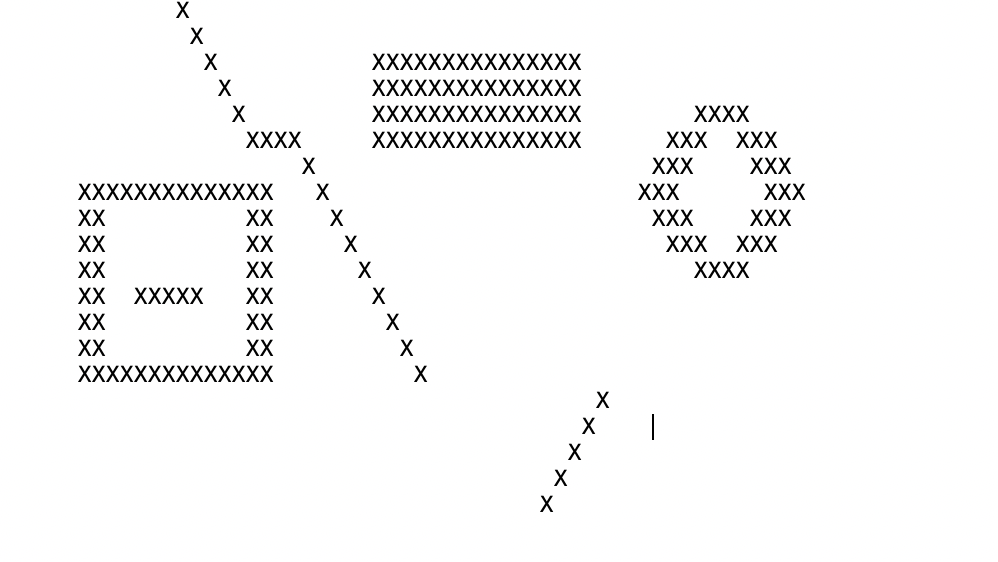
-
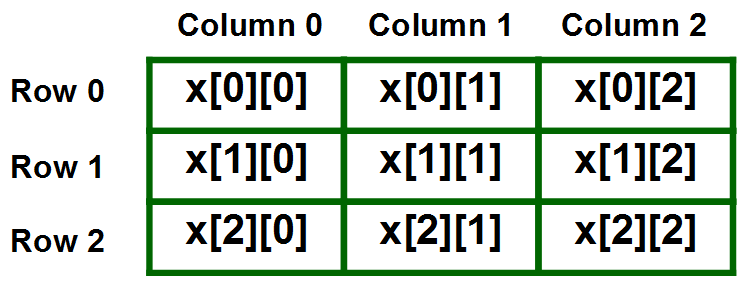
Read in a file into a 2-dimensional array of size 22 rows and 72 columns.
-
Leave the 1st column and last column blank. I.E. start populating data in Column 1.
-
Leave the 1st row and last row blank. I.E. start populating data in Row 1
-
You need only have one function in your program and that is the recursive function that
finds and clears out each grouping or blob.
-
Your only output is the correct number of blobs as show in the sample output.
The text file must be read into a 2-d array so that it can be searched. The first and last rows and columns of the 2-d array should be blank to avoid having to check boundaries of the array during processing. Once you find a character that is non-blank you should set it to a space so it is not detected again. If you choose to do the extra credit work, once you have printed out the text file or 2d array there is no reason to keep it whole.
You must hard code the file name to blob.txt.
-
No global variables, other than constants and type definitions!
-
Use the const qualifier on member functions wherever it is appropriate.
-
Your main routine should just mainly handle the calling of functions and basic program
structure.
-
You will need to use the library for output. You may use the library
for formatting your output if you wish.
-
When you write source code, it should be readable and well-documented.
-
You must have prototypes for all of your functions.
-
You may use any sorting technique you wish but the simplest (exchange or bubble sort) is all
that is required.
-
The size of the array must match exactly the number of records in the file. No more no less.
XXXXXXXXXXXXXXX XXXXXXXXXXXXXXX XXXXXXXXXXXXXXX XXXXXXXXXXXXXXX + ++ XXXX XXX XXX XXX XXX XXX XXX XXX XXX XXX XXX XXXX + + + XXXXXXXXXXXXXX XX XX XX XX XX XX XX XXXXX XX XX XX XXXXXXXXXXXXXX XX XX ++ + + +++++ Row 0 Column 0 x[0][0] x[1][0] x[2][0] Column 1 x[0][1] x[1][1] [2][1] Column 2 x[0][2] x[1][2] [2][2] Row 1 Row 2 XXXXXXXXXXXXXXX XXXXXXXXXXXXXXX XXXXXXXXXXXXXXX XXXXXXXXXXXXXXX + ++ XXXX XXX XXX XXX XXX XXX XXX XXX XXX XXX XXX XXXX + + + XXXXXXXXXXXXXX XX XX XX XX XX XX XX XXXXX XX XX XX XXXXXXXXXXXXXX XX XX ++ + + +++++ Row 0 Column 0 x[0][0] x[1][0] x[2][0] Column 1 x[0][1] x[1][1] [2][1] Column 2 x[0][2] x[1][2] [2][2] Row 1 Row 2
Step by Step Solution
There are 3 Steps involved in it

Get step-by-step solutions from verified subject matter experts
 Study Help