







Question: 1. 2. 3. please answer all the ielts questions 22 to 31 please as soon as possible Gene Therapy A revolutionary treatment Millions of dollars
1. 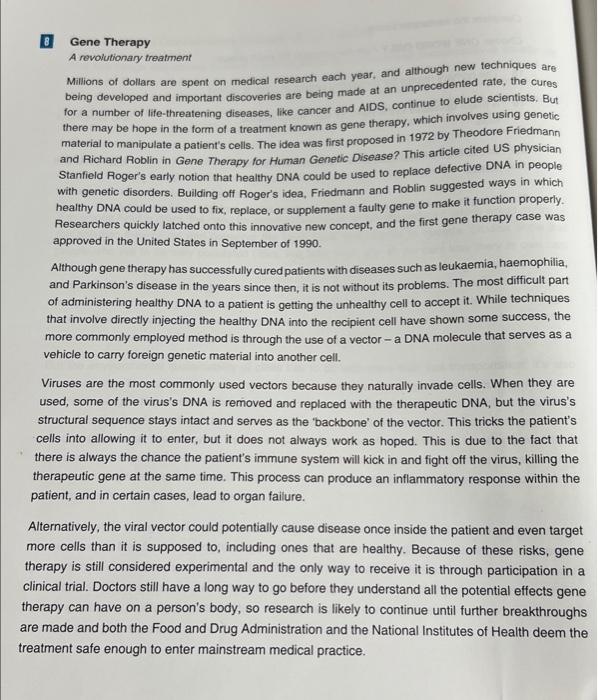
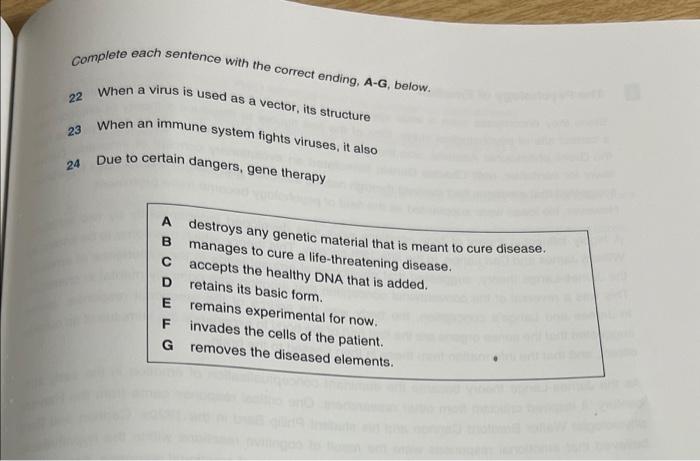
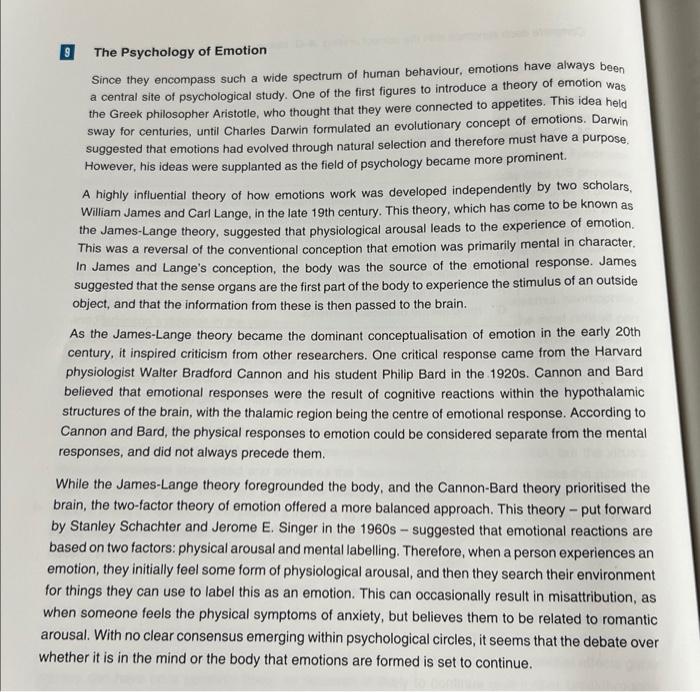
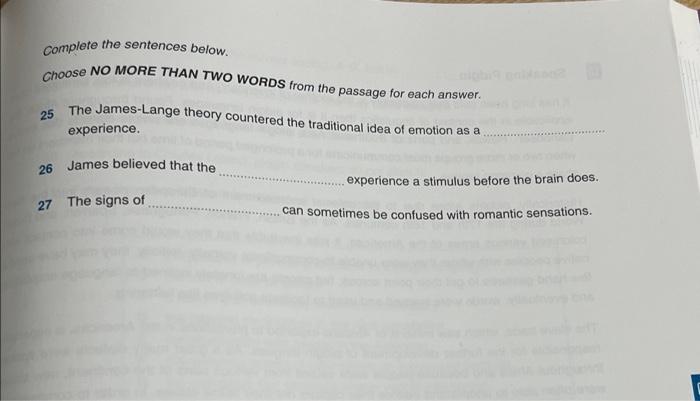
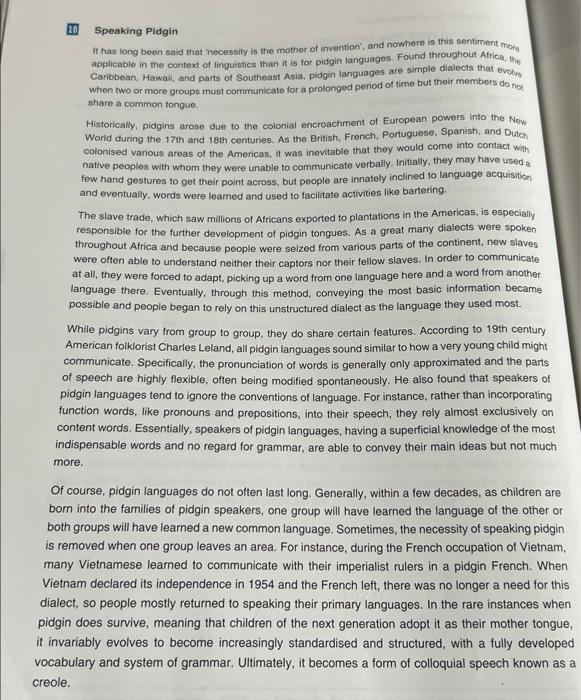
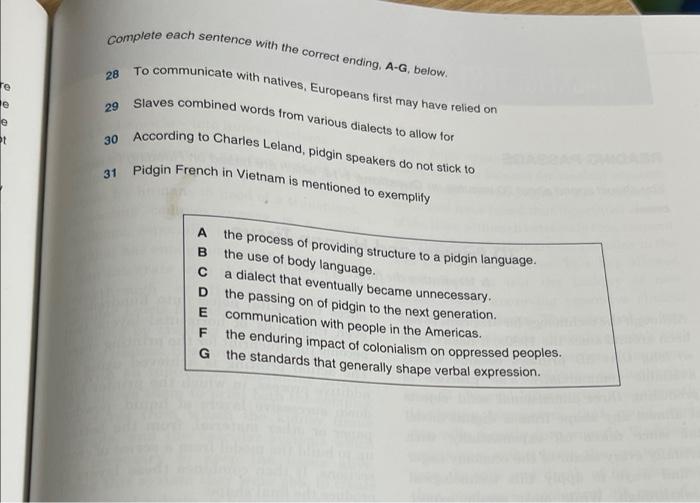
Gene Therapy A revolutionary treatment Millions of dollars are spent on medical research each year, and although new techniques are being developed and important discoveries are being made at an unprecedented rate, the cures for a number of life-threatening diseases, like cancer and AIDS, continue to elude scientists. But there may be hope in the form of a treatment known as gene therapy, which involves using genetic material to manipulate a patient's cells. The idea was first proposed in 1972 by Theodore Friedmann and Richard Roblin in Gene Therapy for Human Genetic Disease? This article cited US physician Stanfield Roger's early notion that healthy DNA could be used to replace defective DNA in people with genetic disorders. Building off Roger's idea, Friedmann and Roblin suggested ways in which healthy DNA could be used to fix, replace, or supplement a faulty gene to make it function properly. Researchers quickly latched onto this innovative new concept, and the first gene therapy case was approved in the United States in September of 1990. Although gene therapy has successfully cured patients with diseases such as leukaemia, haemophilia, and Parkinson's disease in the years since then, it is not without its problems. The most difficult part of administering healthy DNA to a patient is getting the unhealthy cell to accept it. While techniques that involve directly injecting the healthy DNA into the recipient cell have shown some success, the more commonly employed method is through the use of a vector-a DNA molecule that serves as a vehicle to carry foreign genetic material into another cell. Viruses are the most commonly used vectors because they naturally invade cells. When they are used, some of the virus's DNA is removed and replaced with the therapeutic DNA, but the virus's structural sequence stays intact and serves as the 'backbone of the vector. This tricks the patient's cells into allowing it to enter, but it does not always work as hoped. This is due to the fact that there is always the chance the patient's immune system will kick in and fight off the virus, killing the therapeutic gene at the same time. This process can produce an inflammatory response within the patient, and in certain cases, lead to organ failure. Alternatively, the viral vector could potentially cause disease once inside the patient and even target more cells than it is supposed to, including ones that are healthy. Because of these risks, gene therapy is still considered experimental and the only way to receive it is through participation in a clinical trial. Doctors still have a long way to go before they understand all the potential effects gene therapy can have on a person's body, so research is likely to continue until further breakthroughs are made and both the Food and Drug Administration and the National Institutes of Health deem the treatment safe enough to enter mainstream medical practice. Complete each sentence with the correct ending, A-G, below. 22 When a virus is used as a vector, its structure 23 When an immune system fights viruses, it also 24 Due to certain dangers, gene therapy A destroys any genetic material that is meant to cure disease. manages to cure a life-threatening disease. accepts the healthy DNA that is added. retains its basic form. remains experimental for now. invades the cells of the patient. G removes the diseased elements. ABCDEFG The Psychology of Emotion Since they encompass such a wide spectrum of human behaviour, emotions have always been a central site of psychological study. One of the first figures to introduce a theory of emotion was the Greek philosopher Aristotle, who thought that they were connected to appetites. This idea held sway for centuries, until Charles Darwin formulated an evolutionary concept of emotions. Darwin suggested that emotions had evolved through natural selection and therefore must have a purpose. However, his ideas were supplanted as the field of psychology became more prominent. A highly influential theory of how emotions work was developed independently by two scholars, William James and Carl Lange, in the late 19th century. This theory, which has come to be known as the James-Lange theory, suggested that physiological arousal leads to the experience of emotion. This was a reversal of the conventional conception that emotion was primarily mental in character. In James and Lange's conception, the body was the source of the emotional response. James suggested that the sense organs are the first part of the body to experience the stimulus of an outside object, and that the information from these is then passed to the brain. As the James-Lange theory became the dominant conceptualisation of emotion in the early 20th century, it inspired criticism from other researchers. One critical response came from the Harvard physiologist Walter Bradford Cannon and his student Philip Bard in the 1920s. Cannon and Bard believed that emotional responses were the result of cognitive reactions within the hypothalamic structures of the brain, with the thalamic region being the centre of emotional response. According to Cannon and Bard, the physical responses to emotion could be considered separate from the mental responses, and did not always precede them. While the James-Lange theory foregrounded the body, and the Cannon-Bard theory prioritised the brain, the two-factor theory of emotion offered a more balanced approach. This theory - put forward by Stanley Schachter and Jerome E. Singer in the 1960s - suggested that emotional reactions are based on two factors: physical arousal and mental labelling. Therefore, when a person experiences an emotion, they initially feel some form of physiological arousal, and then they search their environment for things they can use to label this as an emotion. This can occasionally result in misattribution, as when someone feels the physical symptoms of anxiety, but believes them to be related to romantic arousal. With no clear consensus emerging within psychological circles, it seems that the debate over whether it is in the mind or the body that emotions are formed is set to continue. Complete the sentences below. Choose NO MORE THAN TWO WORDS from the passage for each answer. 25 The James-Lange theory countered the traditional idea of emotion as a experience. 26 James believed that the 27 The signs of D experience a stimulus before the brain does. can sometimes be confused with romantic sensations. 10 Speaking Pidgin It has long been said that 'necessity is the mother of invention, and nowhere is this sentiment more applicable in the context of linguistics than it is for pidgin languages. Found throughout Africa, the Caribbean, Hawail, and parts of Southeast Asia, pidgin languages are simple dialects that evolve when two or more groups must communicate for a prolonged period of time but their members do not share a common tongue. Historically, pidgins arose due to the colonial encroachment of European powers into the New World during the 17th and 18th centuries. As the British, French, Portuguese, Spanish, and Dutch colonised various areas of the Americas, it was inevitable that they would come into contact with native peoples with whom they were unable to communicate verbally. Initially, they may have used a few hand gestures to get their point across, but people are innately inclined to language acquisition and eventually, words were learned and used to facilitate activities like bartering. The slave trade, which saw millions of Africans exported to plantations in the Americas, is especially responsible for the further development of pidgin tongues. As a great many dialects were spoken throughout Africa and because people were seized from various parts of the continent, new slaves. were often able to understand neither their captors nor their fellow slaves. In order to communicate. at all, they were forced to adapt, picking up a word from one language here and a word from another language there. Eventually, through this method, conveying the most basic information became possible and people began to rely on this unstructured dialect as the language they used most. While pidgins vary from group to group, they do share certain features. According to 19th century American folklorist Charles Leland, all pidgin languages sound similar to how a very young child might communicate. Specifically, the pronunciation of words is generally only approximated and the parts of speech are highly flexible, often being modified spontaneously. He also found that speakers of pidgin languages tend to ignore the conventions of language. For instance, rather than incorporating function words, like pronouns and prepositions, into their speech, they rely almost exclusively on content words. Essentially, speakers of pidgin languages, having a superficial knowledge of the most indispensable words and no regard for grammar, are able to convey their main ideas but not much more. Of course, pidgin languages do not often last long. Generally, within a few decades, as children are born into the families of pidgin speakers, one group will have learned the language of the other or both groups will have learned a new common language. Sometimes, the necessity of speaking pidgin is removed when one group leaves an area. For instance, during the French occupation of Vietnam, many Vietnamese learned to communicate with their imperialist rulers in a pidgin French. When Vietnam declared its independence in 1954 and the French left, there was no longer a need for this dialect, so people mostly returned to speaking their primary languages. In the rare instances when pidgin does survive, meaning that children of the next generation adopt as their mother tongue, it invariably evolves to become increasingly standardised and structured, with a fully developed vocabulary and system of grammar. Ultimately, it becomes a form of colloquial speech known as a creole. Complete each sentence with the correct ending, A-G, below. 28 To communicate with natives, Europeans first may have relied on Slaves combined words from various dialects to allow for 29 30 According to Charles Leland, pidgin speakers do not stick to 31 Pidgin French in Vietnam is mentioned to exemplify A the process of providing structure to a pidgin language. the use of body language. B a dialect that eventually became unnecessary. D the passing on of pidgin to the next generation. communication with people in the Americas. E F the enduring impact of colonialism on oppressed peoples. the standards that generally shape verbal expression. G
2.
3.
please answer all the ielts questions 22 to 31
please as soon as possible
Step by Step Solution
There are 3 Steps involved in it
1 Expert Approved Answer
Step: 1 Unlock

Question Has Been Solved by an Expert!
Get step-by-step solutions from verified subject matter experts
Step: 2 Unlock
Step: 3 Unlock
 Study Help