







Question: 1) Read the SLEEMAN's case study located here SLEEMAN's - Case Study. (Your Post should be 200 to 250 words in length) 2) Post your
1) Read the SLEEMAN's case study located here SLEEMAN's - Case Study. (Your Post should be 200 to 250 words in length)
2) Post your response to a & b below in DISCUSSION 4 to address:
a) Using concepts from CH 9-4 Branding, describe the SLEEMAN's brand strategy.
b) Based on the SLEEMAN's case study provided, in your opinion, has SLEEMAN's created an effective brand?
Concept from Ch9-4
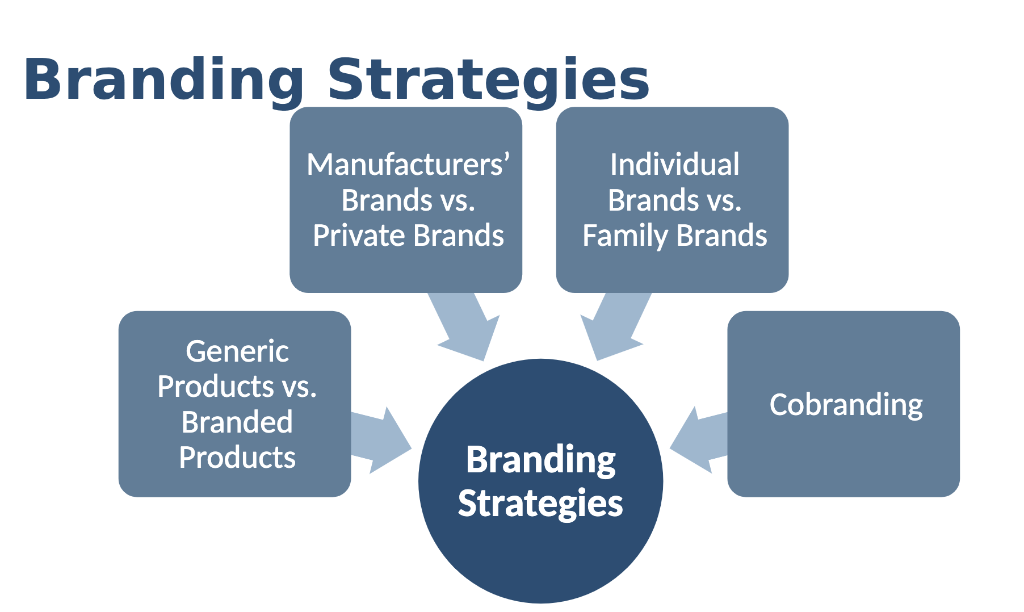
Case Study:
End-of-Chapter Case Sleemans Notorious Brand Positioning Brand managers strive to associate their brands with powerful emotions that bring the brand to life in the mind of the consumer and establish a clear and unique positioning. Thats particularly difficult to do for a product like beer, which, lets face it, is not highly differentiated. Coors associates its brand with the feeling of coldit wants to own that space in the beer consumers mind. Molson is all about hockey and rock music. Corona is the beer for relaxing and feeling as if youre on vacation. And Sleeman is, well, notorious. As a brand positioning strategy, hanging your image on a word such as notorious is risky. Notorious means widely and publicly known, usually for a particular trait, but it has connotations of being dangerous. Thats okay with John Sleeman, though, because hes an important part of the Sleeman brand storyand somewhat notorious himself. In the 1970s, he opened a pub in Oakville, Ontario, and started a company to import and distribute beers from abroad in Canada. In 1984, his aunt thought that, since John was in the beer business anyway, it was time he found out about his family heritage. There had been a family brewery, she told him, which had closed in 1933; she encouraged him to restart the business. They were told no one with the name Sleeman would get a liquor licence for 50 years, said Sleemans aunt. Now its 51. Here you go. Then she handed him an old bottle and a leather-bound book filled with his grandfathers beer recipes, and the rest is history. Sleeman traced the ownership of the dormant company to Nabisco, purchased the rights for just a few dollars, and opened the new brewery in Guelph, Ontario. Like any good notorious character, hes had his ups and downs. There are few things that motivate me as much as somebody telling me Im wrong or Im going to fail, he said. But fail he did. When the bank called in a loan a year after the brewery relaunched, John Sleeman lost his family home. He didnt stay down for long, though. He sought refinancing from a U.S. bank and rose from the ashes to build Canadas largest microbrewery and create a brand based on the familys history. His grandfathers brewery had been called The Sleeman Brewing and Malting Company, but it went out of business after suffering the consequences of selling contraband liquor to the United States during Prohibition. We havent hidden the fact that my grandfathers brothers got caught smuggling, says Sleeman, though he adds that the family is not particularly proud of it. Sleemans beer bottles are notorious, too. The first product developed by the newly reopened brewery was a cream ale, painstakingly recreated from his grandfathers recipe and bottled in a recreation of the original clear glass bottle, a move unique among beer brands in the 1980s. Unfortunately, that doubled packaging costs and increased quality control expenses, because clear bottles make the beer more susceptible to light. We felt we needed to stay as close to the original as possible, and went over budget to get everything right, says Sleeman. In the days before the company could afford to advertise, the bottles got the beer noticed. Consumers liked the bottles so much that they kept them instead of returning them to the beer store. There was even a time in the 1990s when the company put out a call to consumers to please return them, as they were running out. Beer sales in Canada have held steady for more than a decade, and many Canadian brands have made inroads into the much larger U.S. market. Its likely no surprise to any Canadian that we consume, by far, more beer than any other alcoholic beverage. According to Statistics Canada, the beer industry provides approximately 200 000 jobs and contributes $2 billion per year to the countrys economy. Despite this, however, a decade ago Sleeman began experiencing intense competition from premium imports and discount brews, and again found itself struggling financially. In 2006, Sapporo Breweries purchased Sleeman, a match that seems to be built in brand heaven. Sapporo is one of Japans oldest beers, dating back to 1876. It has a firmly established brand image and its own unique packaging in the form of an asymmetric, top-heavy silver can. Sapporo recognized the unique talent of John Sleeman, whod managed to build the countrys largest craft brewery in a market dominated by two very large players, and invited him to stay on and run the companys operations in Canada. Sleeman agreed. I explained to [Sapporo] that as consumers, Canadians are very proud of our beer and our heritage. . . . We still talk about the things that got us here: heritage, quality, caring about our customers, and putting money back into the community. With this new financial support, Sleeman hired advertising agency Dentsu Canada for a brand positioning project, and after two years of working on it, the Notorious strategy was born. The creative genius behind the campaign was Glen Hunt, who is notorious himself in advertising circles as the writer behind the famous Molson Canadian I Am Canadian commercial, featuring a plaid-shirted Joe proclaiming his pride in being Canadian. We went out and spoke to consumers who said, Where are you? [We] havent heard from you in a while and wed like to, said Hunt of Sleemans return to TV. About the new campaign, Hunt joked, Notoriously Good targets individuals 25 and older who are looking for a notoriously good evening. The campaign featured a 60-second spot that introduces viewers to a cast of real-life characters who inspired the brewerys beginnings, while the shorter ads focused on individual characters. Other marketing communications efforts included print ads, posters, and in-bar elements such as specially designed pint glasses, tap handles, and coasters with a character on one side and a little history of the individual on the other. The five TV commercials were all done in the style of a vaudeville-era theatre. The first ad begins with a red velvet curtain under the title Our History. The curtain opens to reveal a Sleeman beer case on the stage floor. The top opens, and the colourful, historical characters climb out: a pirate, a beer wench holding frosty mugs, dancing girls, a smuggler, and a philanderer. They gather on the stage in the manner of a cast assembling for their curtain call at the end of a play. Finally, a tuxedo-clad John Sleeman emerges from the box, holding the signature Sleeman clear bottle in one hand and the famous black leather book in the other, as the announcer proclaims, Five generations of infamous family brewing heritage. Sleeman: Notoriously good since 1834. Subsequent executions told stories about the brand: Some of John Sleemans early ancestors were pirates, philanderers, bootleggers, and smugglers, says one. Another shows a pirate climbing slyly out of the Sleeman beer case on the stage as the announcer tells us, Our ancestors were pirates. The name was Slyman. On land they opened taverns. The name became Sleeman. Born of pirates. Brewed in Guelph. In another, we learn, Prohibitionists wanted to run George Sleeman out of town. But George Sleeman ran for mayor, and ran them out of town. And finally, we are told of a particularly famous notorious character: Sleeman beer was enjoyed by Al Capone. A man who did what he did, and took what he wanted. The brand has always traded on its history. In 2005, the company announced the John Sleeman Presents series of beers, featuring an India Pale Ale designed to recapture a piece of history of the British Empire and described by John Sleeman as inspired by page 46 in my grandfathers recipe book. [It] has an abundance of hops, a distinctive flavour, and a fascinating history. And behind each beer theres a story: India Pale Ale was originally developed in the 1700s, when breweries would send ale from England to British troops and expatriates in India. Because the voyage took months, the brewers came up with the idea of improving the beers shelf life by adding extra hops, which acted as a natural preservative. More than a decade after the merger with Sapporo, the Sleeman brand name is still going strong. Says John Sleeman, I restarted a 100-and-something-year-old business thinking I was going to be this generations custodian, and that someone in my family might be interested in taking over when I ended up in my pine box. With nearly two centuries of notorious history behind it, there seems to be no end to the potential for telling stories about this brand, even long after its founder is no longer part of the story.
Branding StrategiesStep by Step Solution
There are 3 Steps involved in it

Get step-by-step solutions from verified subject matter experts
 Study Help