







Question: Designing an intelligent agent called the maze-problem-solver Consider a problem of designing an intelligent agent called the maze-problem-solver Given ANY maze configuration, the maze has
Designing an intelligent agent called the maze-problem-solver
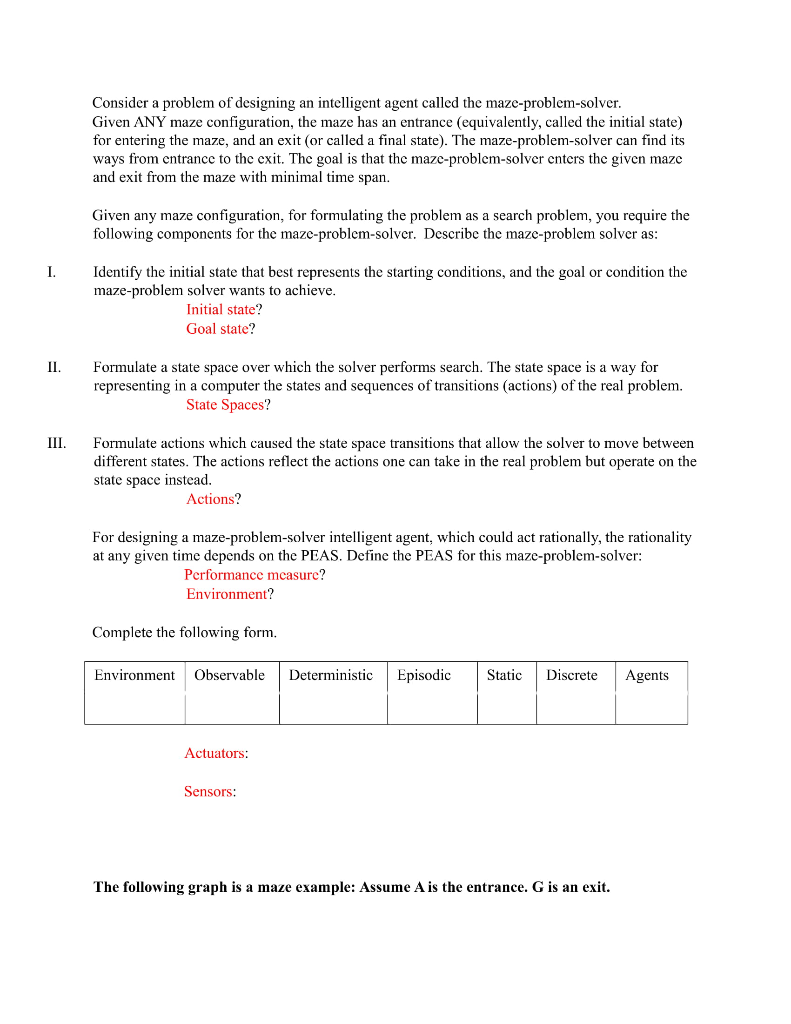
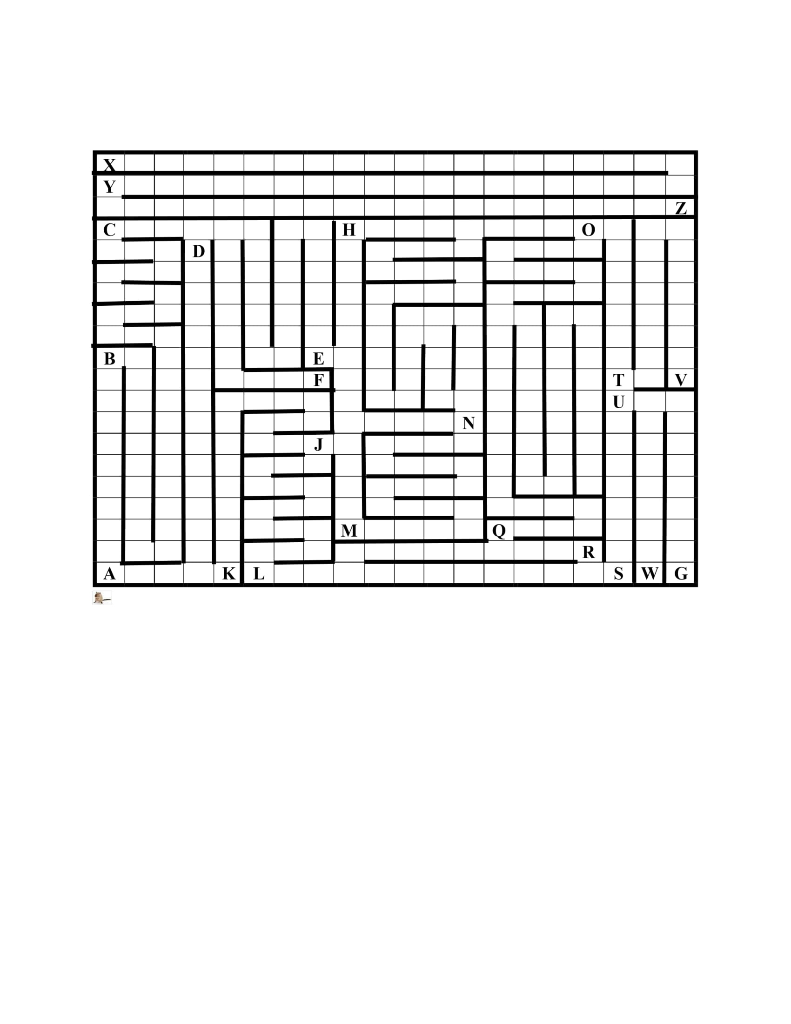
Consider a problem of designing an intelligent agent called the maze-problem-solver Given ANY maze configuration, the maze has an entrance (equivalently, called the initial state) for entering the maze, and an exit (or called a final state). The maze-problem-solver can find its ways from entrancc to the exit. The goal is that the maze-problem-solver enters the given mazc and exit from the maze with minimal time span. Given any maze configuration, for formulating the problem as a search problem, you require the following components for the mazc-problem-solvcr. Describe the maze-problem solver as: Identify the initial state that best represents the starting conditions, and the goal or condition the maze-problem solver wants to achieve Initial state? Goal state? I Formulate a state space over which the solver performs search. The state space is a way for representing in a computer the states and sequences of transitions (actions) of the real problem. State Spaces? III Formulate actions which caused the state space transitions that allow the solver to move between different states. The actions reflect the actions one can take in the real problem but operate on the state space instead. Actions? For designing a maze-problem-solver intelligent agent, which could act rationally, the rationality at any given time depends on the PEAS. Define the PEAS for this maze-problem-solver: Performance mcasurc? Environment? Complete the following form Environment ObservableDeterministic Episodic Static Discrete Agents Actuators Sensors: The following graph is a maze example: Assume A is the entrance. G is an exit Consider a problem of designing an intelligent agent called the maze-problem-solver Given ANY maze configuration, the maze has an entrance (equivalently, called the initial state) for entering the maze, and an exit (or called a final state). The maze-problem-solver can find its ways from entrancc to the exit. The goal is that the maze-problem-solver enters the given mazc and exit from the maze with minimal time span. Given any maze configuration, for formulating the problem as a search problem, you require the following components for the mazc-problem-solvcr. Describe the maze-problem solver as: Identify the initial state that best represents the starting conditions, and the goal or condition the maze-problem solver wants to achieve Initial state? Goal state? I Formulate a state space over which the solver performs search. The state space is a way for representing in a computer the states and sequences of transitions (actions) of the real problem. State Spaces? III Formulate actions which caused the state space transitions that allow the solver to move between different states. The actions reflect the actions one can take in the real problem but operate on the state space instead. Actions? For designing a maze-problem-solver intelligent agent, which could act rationally, the rationality at any given time depends on the PEAS. Define the PEAS for this maze-problem-solver: Performance mcasurc? Environment? Complete the following form Environment ObservableDeterministic Episodic Static Discrete Agents Actuators Sensors: The following graph is a maze example: Assume A is the entrance. G is an exit
Step by Step Solution
There are 3 Steps involved in it

Get step-by-step solutions from verified subject matter experts
 Study Help