Question: Each question has a different assigned mark for each correct answer. PLEASE HELP ME THANKS! Which of the following are benefits of separation of ownership

Each question has a different assigned mark for each correct answer. PLEASE HELP ME THANKS!
Each question has a different assigned mark forEach question has a different assigned mark forEach question has a different assigned mark for

Each question has a different assigned mark forEach question has a different assigned mark forEach question has a different assigned mark forEach question has a different assigned mark for

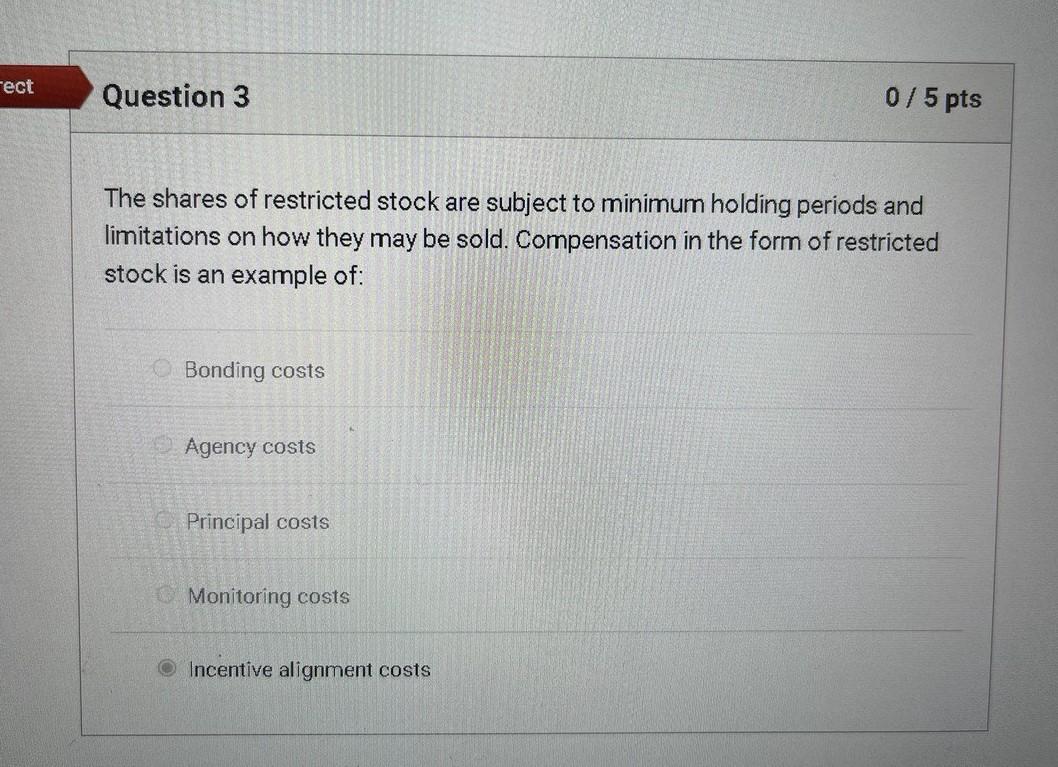
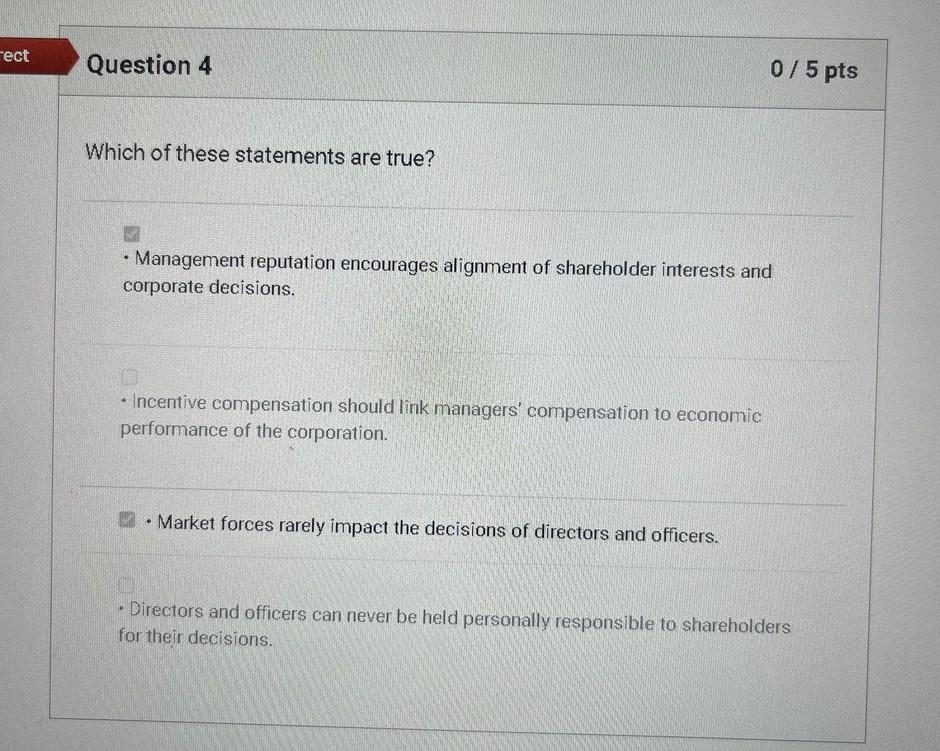
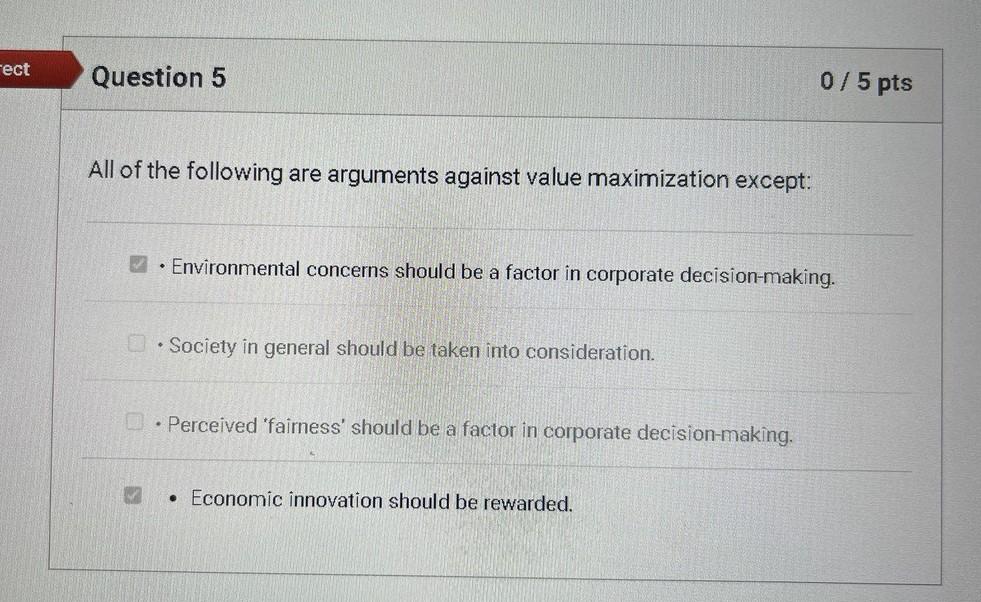
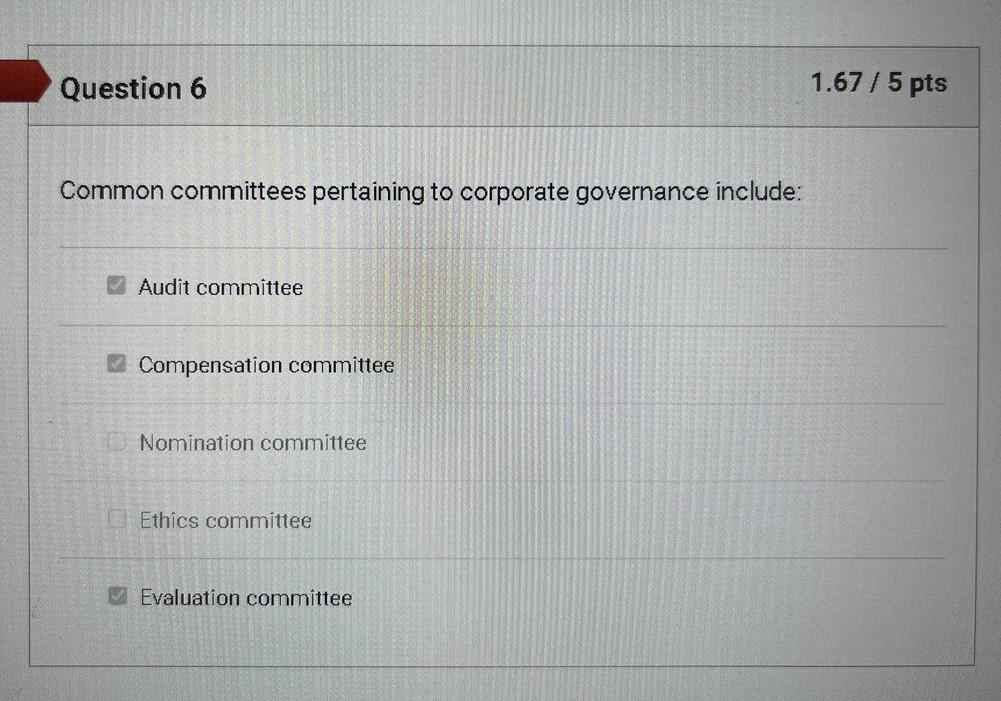
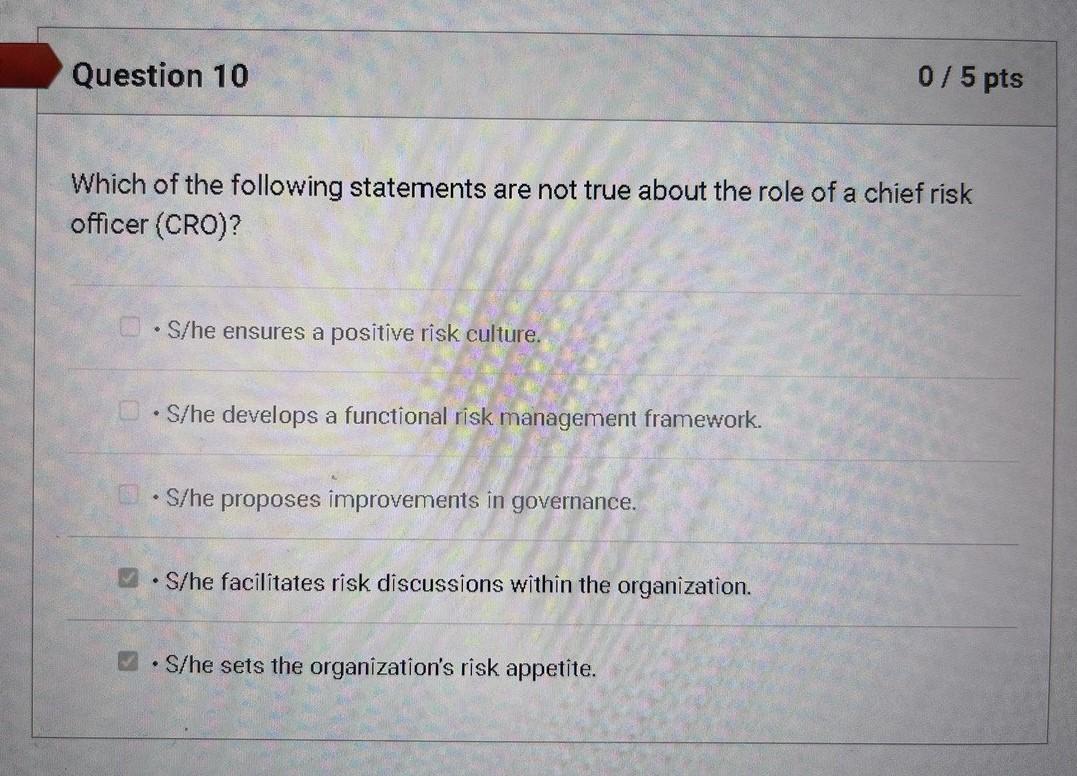
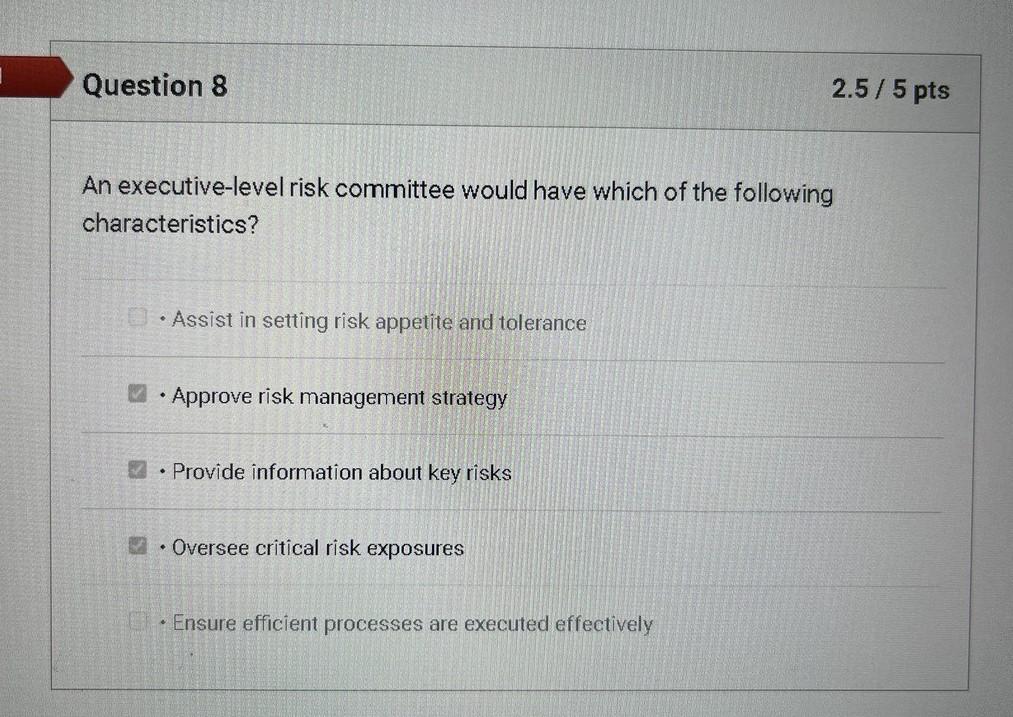
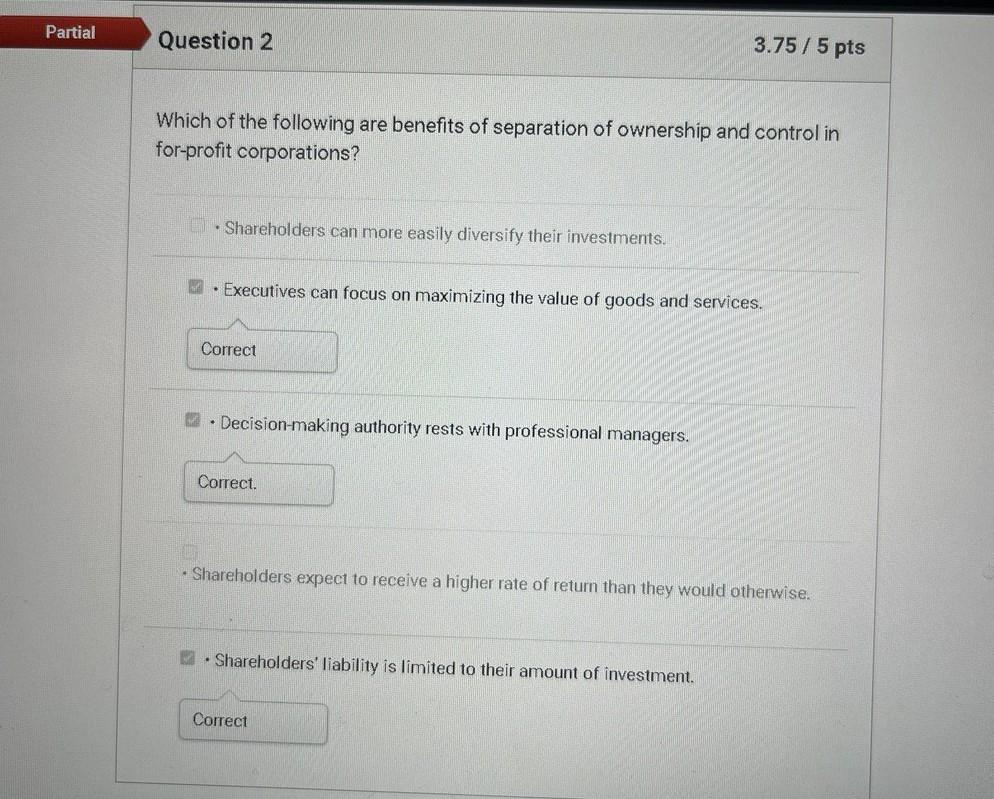
Which of the following are benefits of separation of ownership and control in for-profit corporations? - Shareholders can more easily diversify their investments. - Executives can focus on maximizing the value of goods and services. - Decision-making authority rests with professional managers. - Shareholders expect to receive a higher rate of return than they would otherwise. - Shareholders' liability is limited to their amount of investment. The shares of restricted stock are subject to minimum holding periods and limitations on how they may be sold. Compensation in the form of restricted stock is an example of: Bonding costs Agency costs Principal costs Monitoring costs Incentive alignment costs Which of these statements are true? - Management reputation encourages alignment of shareholder interests and corporate decisions. - Incentive compensation should link managers' compensation to economic performance of the corporation. - Market forces rarely impact the decisions of directors and officers. - Directors and officers can never be held personally responsible to shareholders for their decisions. All of the following are arguments against value maximization except: Environmental concerns should be a factor in corporate decision-making. - Society in general should be taken into consideration. - Perceived 'fairness' should be a factor in corporate decision-making. - Economic innovation should be rewarded. Common committees pertaining to corporate governance include: Audit committee Compensation committee Nomination committee Ethics committee Evaluation committee Which of the following statements are not true about the role of a chief risk officer (CRO)? - S/he ensures a positive risk culture. - S/he develops a functional risk management framework. - S/he proposes improvements in governance. - S/he facilitates risk discussions within the organization. - S/he sets the organization's risk appetite. An executive-level risk committee would have which of the following characteristics? - Assist in setting risk appetite and tolerance - Approve risk management strategy - Provide information about key risks - Oversee critical risk exposures - Ensure efficient processes are executed effectively

Step by Step Solution

There are 3 Steps involved in it

1 Expert Approved Answer
Step: 1 Unlock blur-text-image

Question Has Been Solved by an Expert!

Get step-by-step solutions from verified subject matter experts

Step: 2 Unlock
Step: 3 Unlock

Students Have Also Explored These Related General Management Questions!