







Question: FINANCE QUESTION 2: ALL THE ANSWERS SHOULD BE BASED ON ABOVE INFORMATION. I DONT WANT ANY COPY AND PASTE WORK. PLEASE HELP ME THANKS. QUESTIONS:
FINANCE QUESTION 2:
ALL THE ANSWERS SHOULD BE BASED ON ABOVE INFORMATION. I DONT WANT ANY COPY AND PASTE WORK. PLEASE HELP ME THANKS.
QUESTIONS:
1) BUDGET
2) Completed Presentation evaluation form
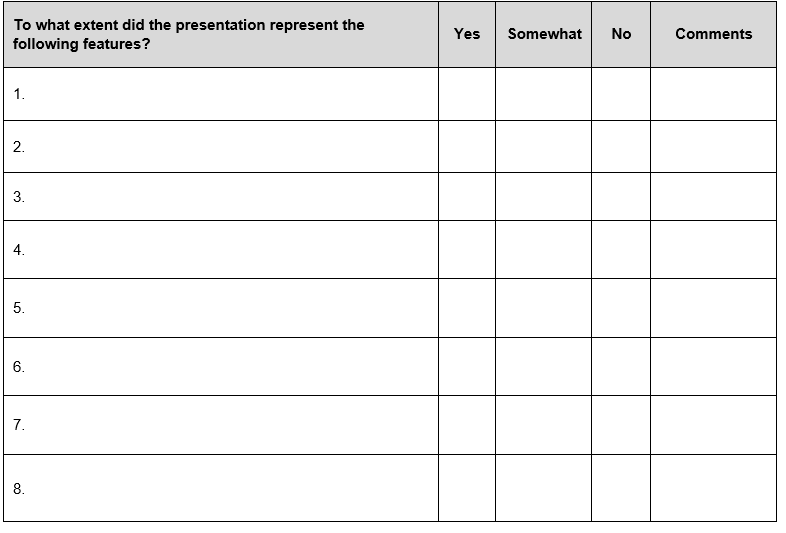
3) Budget statement
4) Financial ratio statement
5) Profit and loss report
6) Variance report
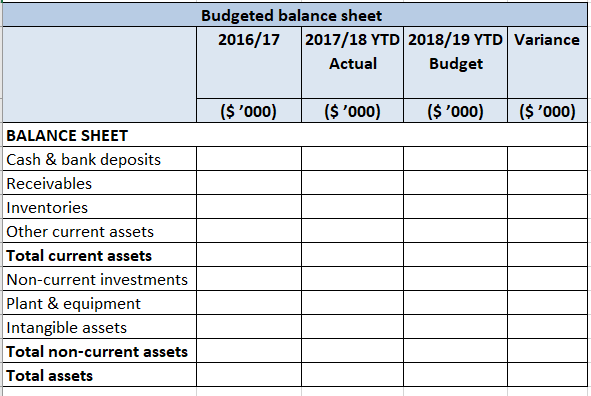
7) Balance sheet
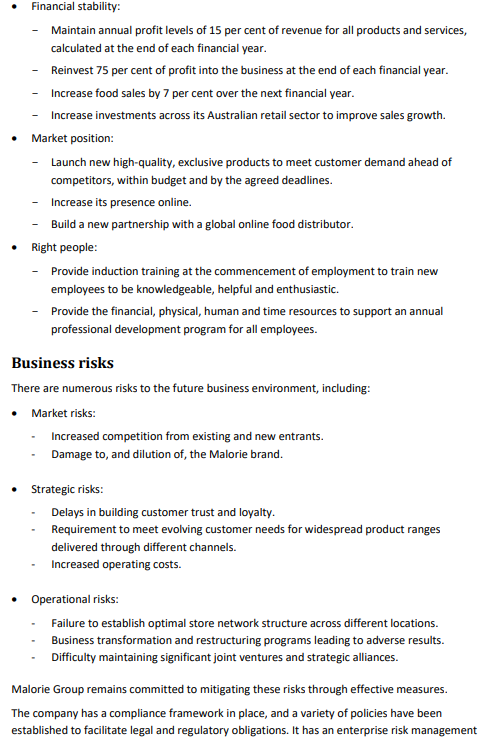
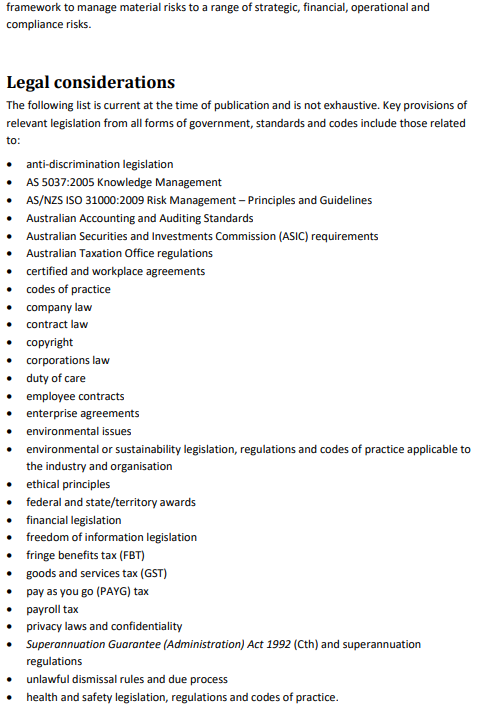
Malorie Group business plan overview Malorie Group operates in Australia and New Zealand. It generates sales across the following key segments: - Australian food and drinks - New Zealand food and drinks. Business goals Australian food sales maintained sustainable growth rates in 2017 and are expected to grow by 7 per cent over the next financial year. However, New Zealand food and drink sales have so far indicated lacklustre growth of just 2 per cent. Malorie Group intends to increase investments in Australia across its retail network to improve sales growth. It also intends to increase its presence online by building a new partnership with foodgroup.com, a global online food distributor that entered the Australian retail market two months ago. Malorie Group will focus on the following business goals: - Financial stability: - Maintain annual profit levels of 15 per cent of revenue for all products and services, calculated at the end of each financial year. - Reinvest 75 per cent of profit into the business at the end of each financial year. - Increase food sales by 7 per cent over the next financial year. - Increase investments across its Australian retail sector to improve sales growth. - Market position: - Launch new high-quality, exclusive products to meet customer demand ahead of competitors, within budget and by the agreed deadlines. - Increase its presence online. - Build a new partnership with a global online food distributor. - Right people: - Provide induction training at the commencement of employment to train new employees to be knowledgeable, helpful and enthusiastic. - Provide the financial, physical, human and time resources to support an annual professional development program for all employees. Business risks There are numerous risks to the future business environment, including: - Market risks: - Increased competition from existing and new entrants. - Damage to, and dilution of, the Malorie brand. - Strategic risks: - Delays in building customer trust and loyalty. - Requirement to meet evolving customer needs for widespread product ranges delivered through different channels. - Increased operating costs. - Operational risks: - Failure to establish optimal store network structure across different locations. - Business transformation and restructuring programs leading to adverse results. - Difficulty maintaining significant joint ventures and strategic alliances. framework to manage material risks to a range of strategic, financial, operational and compliance risks. Legal considerations The following list is current at the time of publication and is not exhaustive. Key provisions of relevant legislation from all forms of government, standards and codes include those related to: - anti-discrimination legislation - AS 5037:2005 Knowledge Management - AS/NZS ISO 31000:2009 Risk Management - Principles and Guidelines - Australian Accounting and Auditing Standards - Australian Securities and Investments Commission (ASIC) requirements - Australian Taxation Office regulations - certified and workplace agreements - codes of practice - company law - contract law - copyright - corporations law - duty of care - employee contracts - enterprise agreements - environmental issues - environmental or sustainability legislation, regulations and codes of practice applicable to the industry and organisation - ethical principles - federal and state/territory awards - financial legislation - freedom of information legislation - fringe benefits tax (FBT) - goods and services tax (GST) - pay as you go (PAYG) tax - payroll tax - privacy laws and confidentiality - Superannuation Guarantee (Administration) Act 1992 (Cth) and superannuation regulations - unlawful dismissal rules and due process - health and safety legislation, regulations and codes of practice. Malorie Group business plan overview Malorie Group operates in Australia and New Zealand. It generates sales across the following key segments: - Australian food and drinks - New Zealand food and drinks. Business goals Australian food sales maintained sustainable growth rates in 2017 and are expected to grow by 7 per cent over the next financial year. However, New Zealand food and drink sales have so far indicated lacklustre growth of just 2 per cent. Malorie Group intends to increase investments in Australia across its retail network to improve sales growth. It also intends to increase its presence online by building a new partnership with foodgroup.com, a global online food distributor that entered the Australian retail market two months ago. Malorie Group will focus on the following business goals: - Financial stability: - Maintain annual profit levels of 15 per cent of revenue for all products and services, calculated at the end of each financial year. - Reinvest 75 per cent of profit into the business at the end of each financial year. - Increase food sales by 7 per cent over the next financial year. - Increase investments across its Australian retail sector to improve sales growth. - Market position: - Launch new high-quality, exclusive products to meet customer demand ahead of competitors, within budget and by the agreed deadlines. - Increase its presence online. - Build a new partnership with a global online food distributor. - Right people: - Provide induction training at the commencement of employment to train new employees to be knowledgeable, helpful and enthusiastic. - Provide the financial, physical, human and time resources to support an annual professional development program for all employees. Business risks There are numerous risks to the future business environment, including: - Market risks: - Increased competition from existing and new entrants. - Damage to, and dilution of, the Malorie brand. - Strategic risks: - Delays in building customer trust and loyalty. - Requirement to meet evolving customer needs for widespread product ranges delivered through different channels. - Increased operating costs. - Operational risks: - Failure to establish optimal store network structure across different locations. - Business transformation and restructuring programs leading to adverse results. - Difficulty maintaining significant joint ventures and strategic alliances. framework to manage material risks to a range of strategic, financial, operational and compliance risks. Legal considerations The following list is current at the time of publication and is not exhaustive. Key provisions of relevant legislation from all forms of government, standards and codes include those related to: - anti-discrimination legislation - AS 5037:2005 Knowledge Management - AS/NZS ISO 31000:2009 Risk Management - Principles and Guidelines - Australian Accounting and Auditing Standards - Australian Securities and Investments Commission (ASIC) requirements - Australian Taxation Office regulations - certified and workplace agreements - codes of practice - company law - contract law - copyright - corporations law - duty of care - employee contracts - enterprise agreements - environmental issues - environmental or sustainability legislation, regulations and codes of practice applicable to the industry and organisation - ethical principles - federal and state/territory awards - financial legislation - freedom of information legislation - fringe benefits tax (FBT) - goods and services tax (GST) - pay as you go (PAYG) tax - payroll tax - privacy laws and confidentiality - Superannuation Guarantee (Administration) Act 1992 (Cth) and superannuation regulations - unlawful dismissal rules and due process - health and safety legislation, regulations and codes of practice
Step by Step Solution
There are 3 Steps involved in it

Get step-by-step solutions from verified subject matter experts
 Study Help