







Question: fOn a flat surface in Toledo. Ohio. a simple pendulum oi length [158 m and mass 0.34 kg is pulled back an angle oi 45
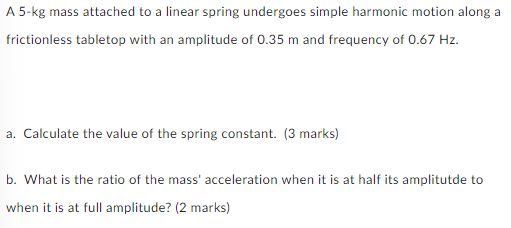
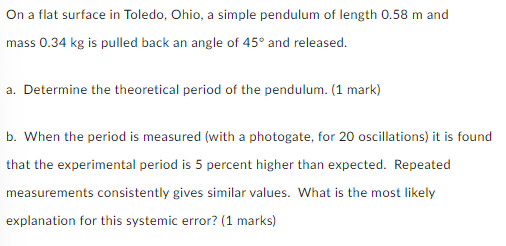
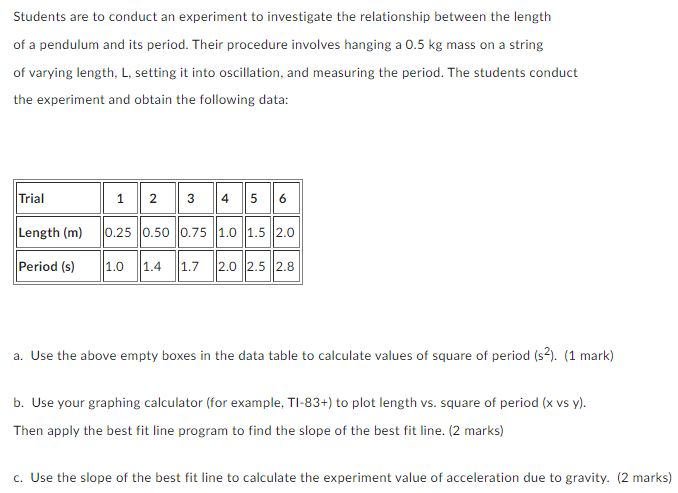
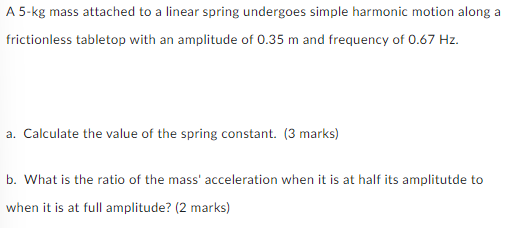
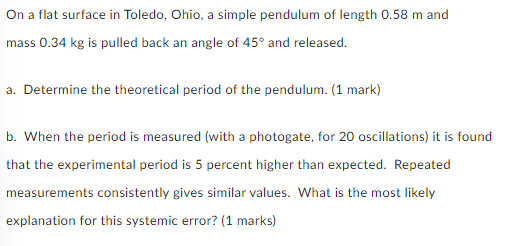
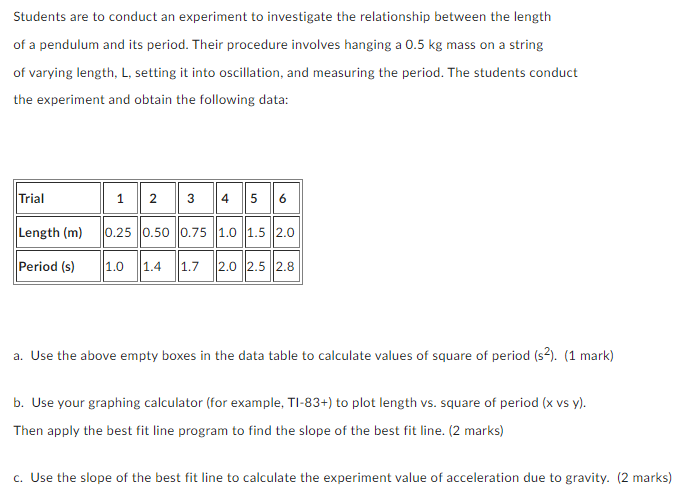
\fOn a flat surface in Toledo. Ohio. a simple pendulum oi length [158 m and mass 0.34 kg is pulled back an angle oi 45" and released. a. Determine the theoretical period of the pendulum. ll mark} is. When the period is measured [with a photogate. for 20 oscillations} it is iound that the experimental period is 5 percent higher than expected. Repeated measurements consistently.r gives similar values. 1it'iihat is the most liltelz.r explanation for this systemic error? [1 marks] Students are to conduct an experiment to investigate the relationship between the length of a pendulum and its period. Their procedure involves hanging a 0.5 kg mass on a string of varving length. L. setting it into oscillation. and measuring the period. The students conduct the experiment and obtain the iollovving data: \"EEEEE a. Use the above ernptv boxes in the data table to calculate values at square oi period [s2]. i1 markl b. Use vour graphing calculator ttor example. TI-83+] to plot length vs. square of period tx vs v]. Then applv the best [it line program to find the slope ot the best iit line. {2 marks} c. Use the slope oi the best fit line to calculate the experiment value ot acceleration due to gravity. [2 marks]
Step by Step Solution
There are 3 Steps involved in it

Get step-by-step solutions from verified subject matter experts
 Study Help