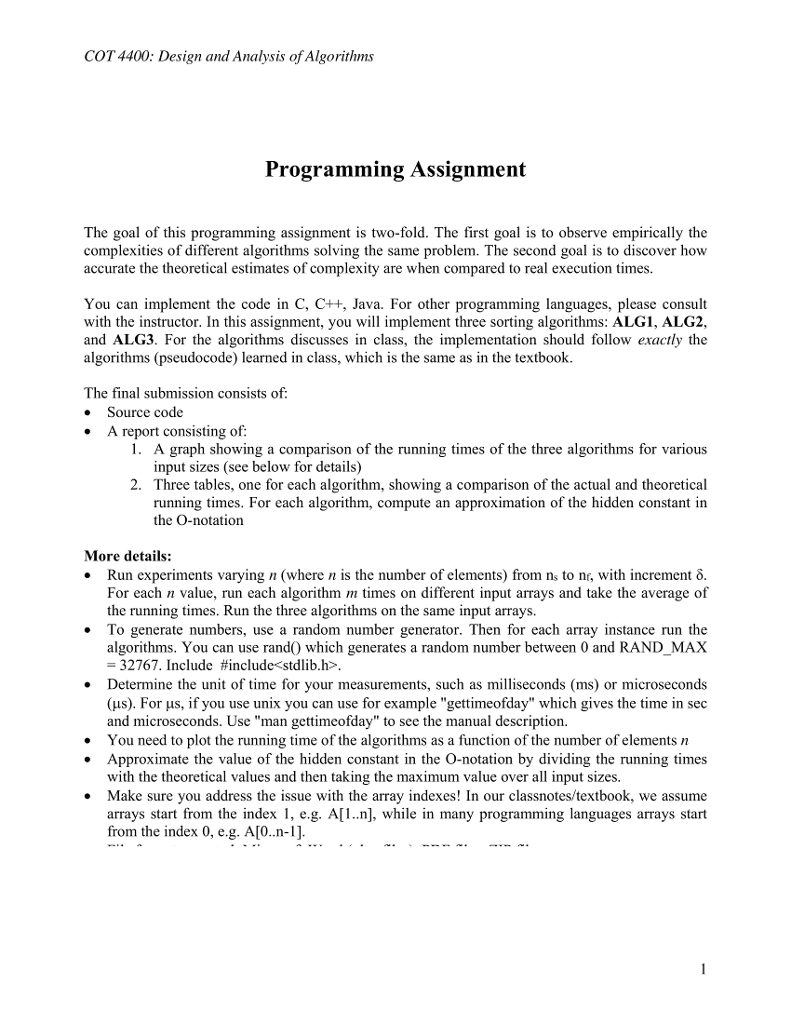
Question: Hello can anyone here implement what is asked in this assignment? The preferred language is C++ but please let me know which language you would
Hello can anyone here implement what is asked in this assignment? The preferred language is C++ but please let me know which language you would prefer to use. I am going to post photos of the assignement and the explanation of the style my professor would like it in. Also the pseudocode she refers to.
The final submission consists of: Source code A report consisting of: 1. A graph showing a comparison of the running times of the three algorithms for various input sizes (see below for details) 2. Three tables, one for each algorithm, showing a comparison of the actual and theoretical running times. For each algorithm, compute an approximation of the hidden constant in the O-notation
WHAT IS ASKED
_____________________________________
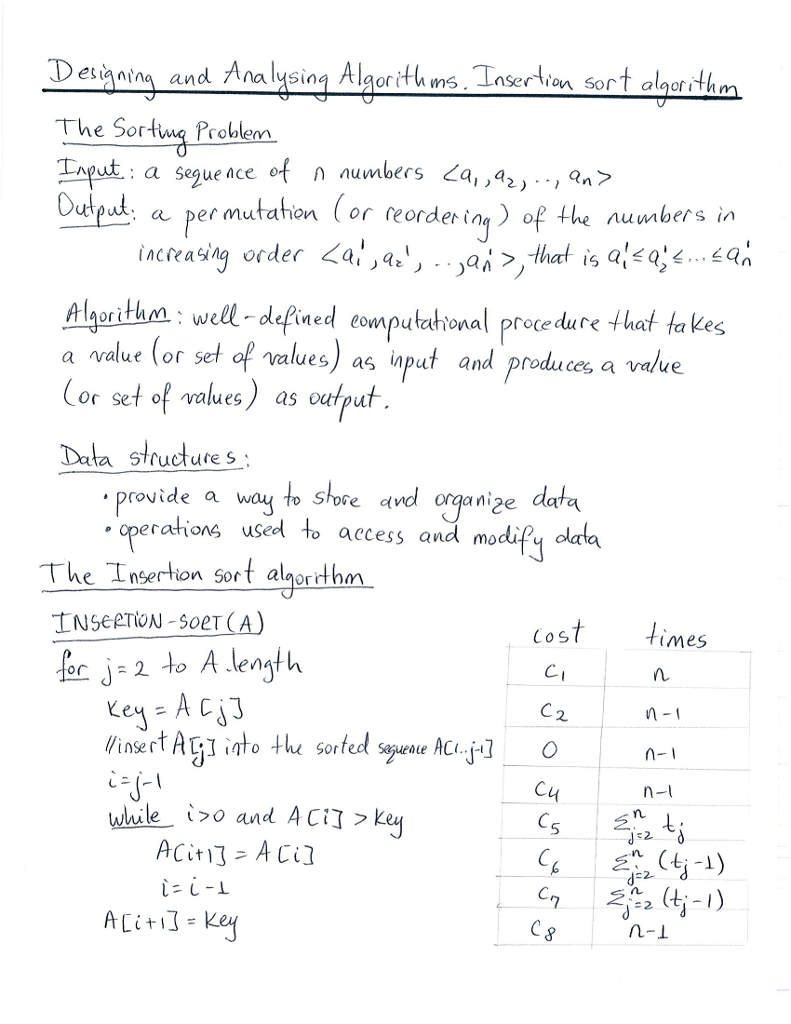
ALG 1 INSERTION-SORT PSEUDOCODE
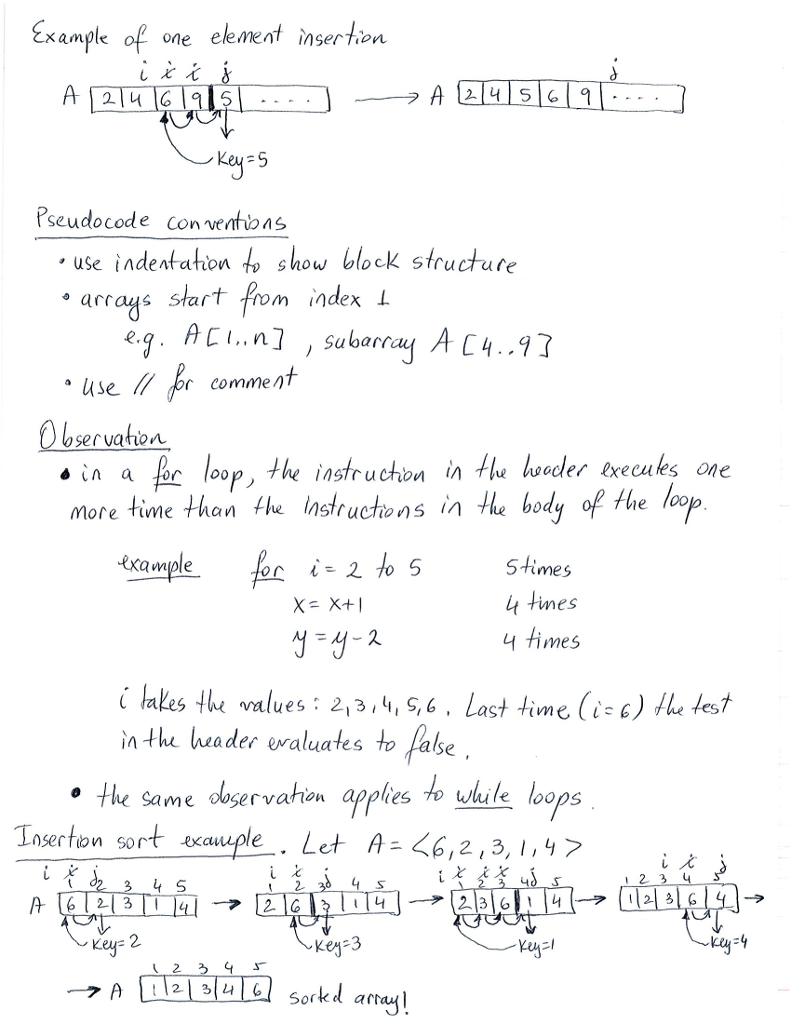
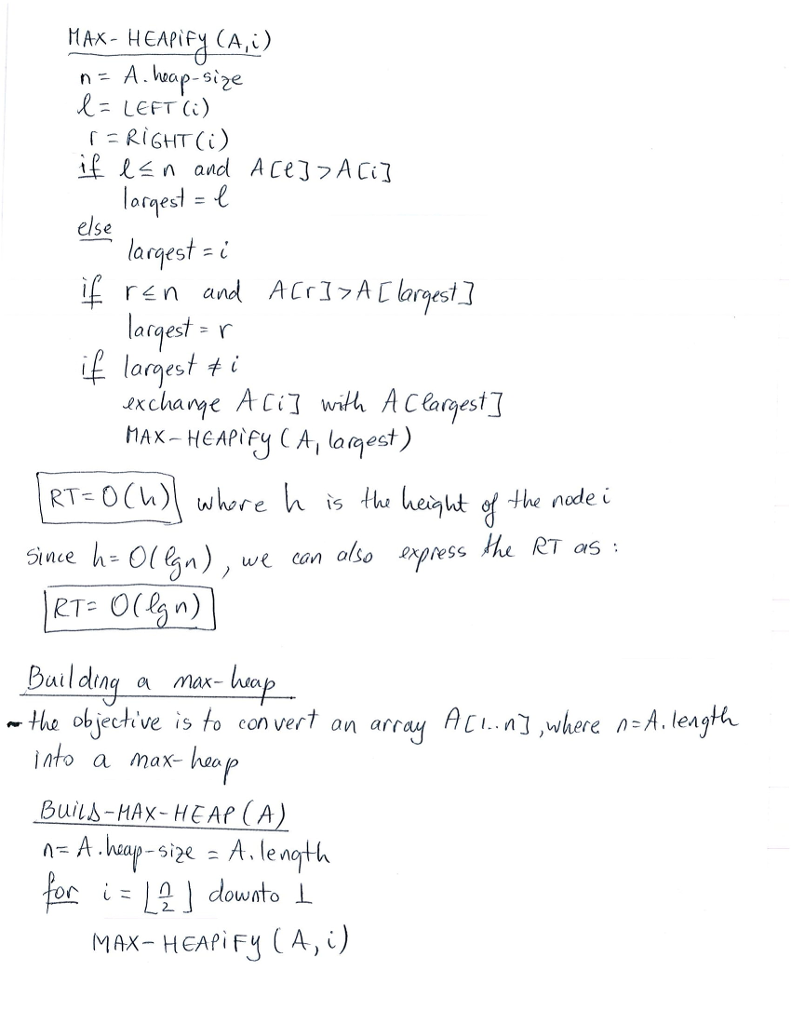
ALG2- HEAP SORT PSEUDO CODE
_______________________________
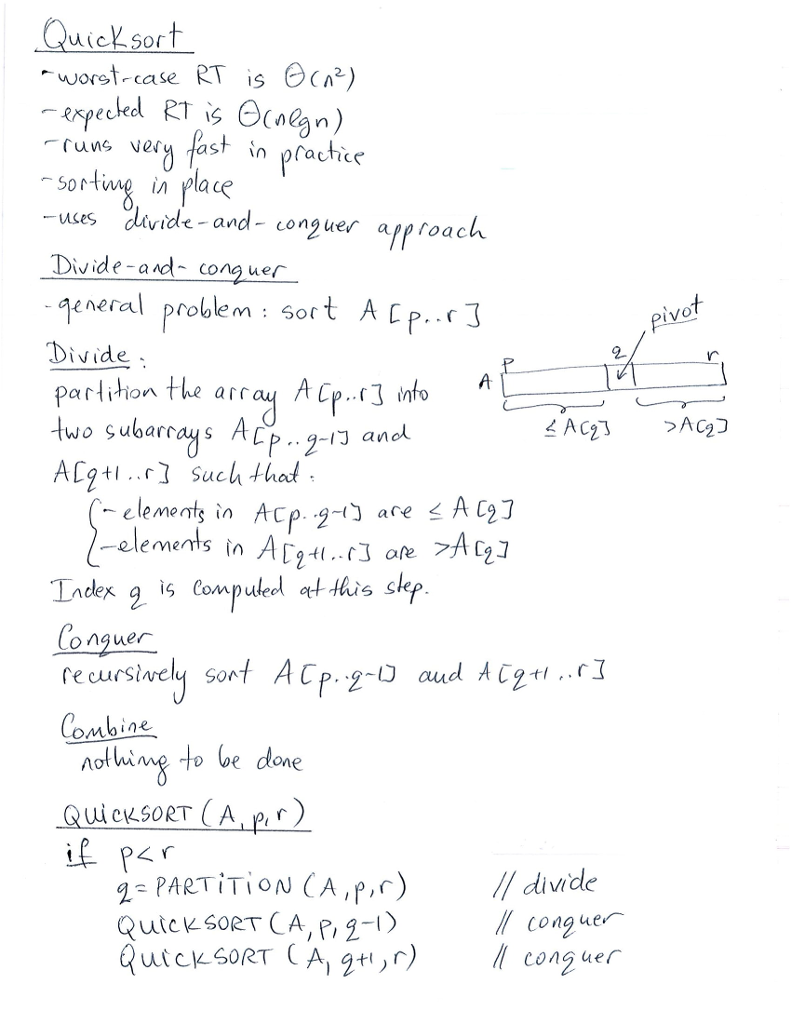
ALG3- QUICK SORT PSEDUOCODE
___________________________________
MORE EXPLANATION FOR THE ASSINGNMENT ITSELF
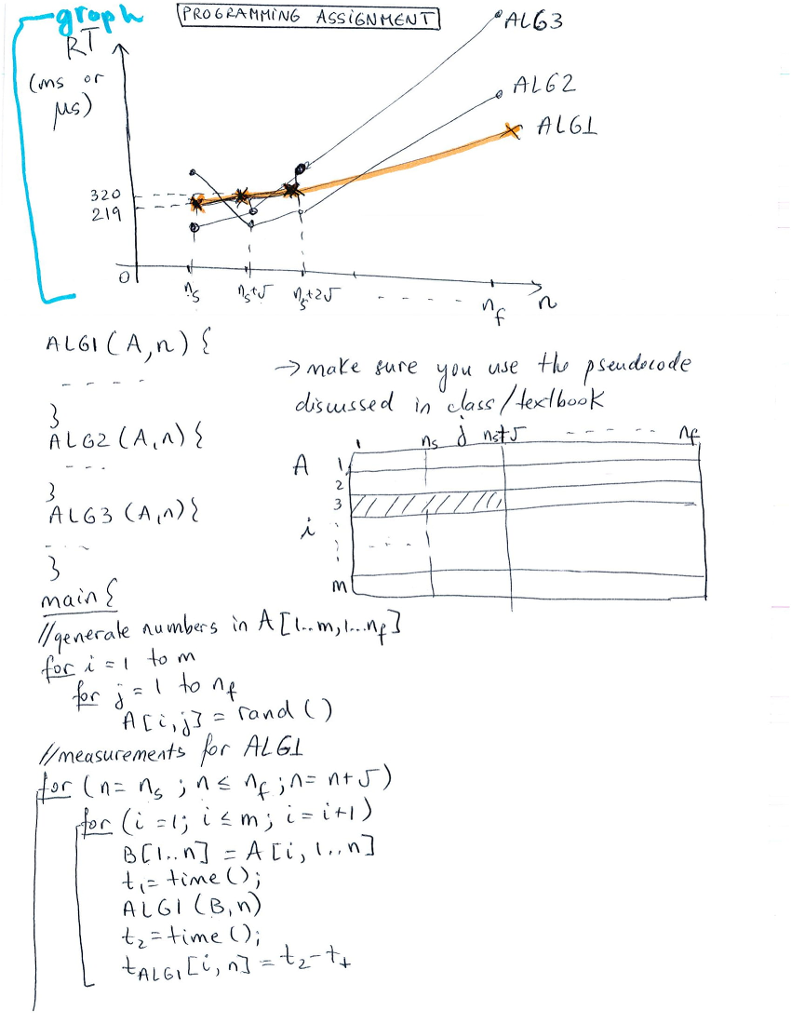
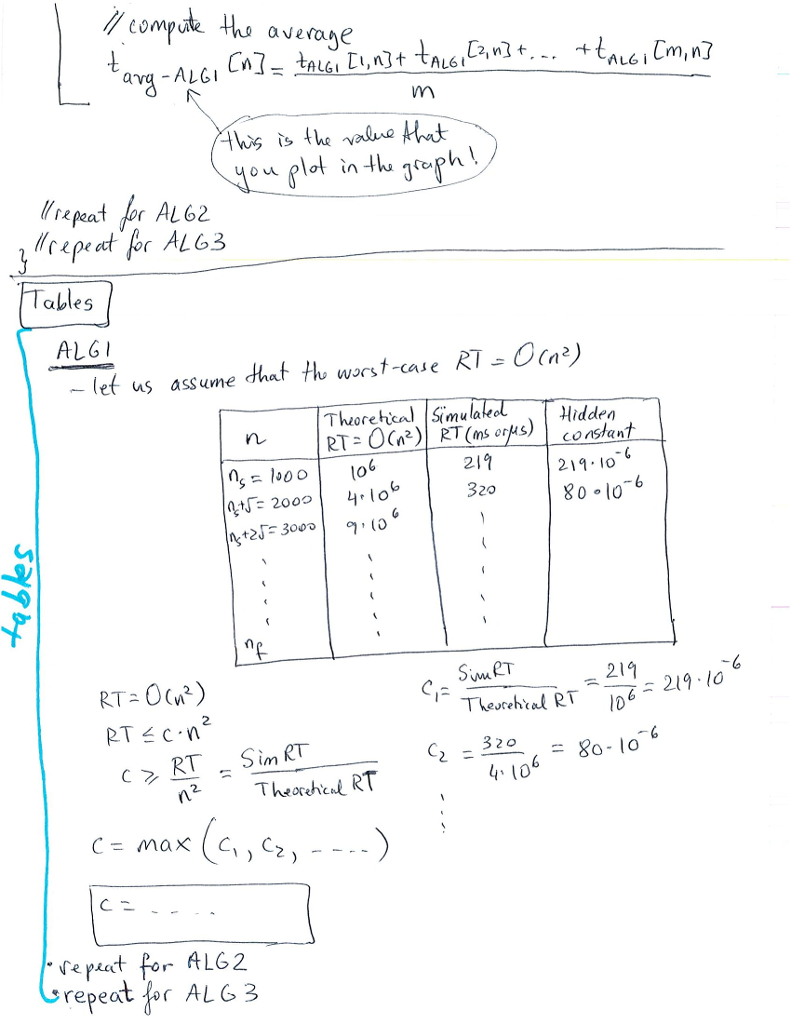
COT 4400: Design and Analysis of Algorithms Programming Assignment The goal of this programming assignment is two-fold. The first goal is to observe empirically the complexities of different algorithms solving the same problem. The second goal is to discover how accurate the theoretical estimates of complexity are when compared to real execution times. You can implement the code in C, C++, Java. For other programming languages, please consult with the instructor. In this assignment, you will implement three sorting algorithms: ALG1, ALG2, and ALG3. For the algorithms discusses in class, the implementation should follow exactly the algorithms (pseudocode) learned in class, which is the same as in the textbook The final submission consists of Source code A report consisting of 1. A graph showing a comparison of the running times of the three algorithms for various input sizes (see below for details) Three tables, one for each algorithm, showing a comparison of the actual and theoretical running times. For each algorithm, compute an approximation of the hidden constant in the O-notation 2. More details: Run experiments varying n (where n is the number of elements) from ns to n, with increment For each n value, run each algorithm m times on different input arrays and take the average of the running times. Run the three algorithms on the same input arrays. . To generate numbers, use a random number generator. Then for each array instance run the algorithms. You can use rand0 which generates a random number between 0 and RAND_MAX #include 32767, Include Determine the unit of time for your measurements, such as milliseconds (ms) or microseconds (us). For us, if you use unix you can use for example "gettimeofday" which gives the time in sec and microseconds. Use "man gettimeofday" to see the manual description. You need to plot the running time of the algorithms as a function of the number of elements n Approximate the value of the hidden constant in the O-notation by dividing the running times with the theoretical values and then taking the maximum value over all input sizes. Make sure you address the issue with the array indexes! In our classnotes/textbook, we assume arrays start from the index 1, e.g. A[1..n], while in many programming languages arrays start from the index 0, e.g. A[0.n-1]. . . . . COT 4400: Design and Analysis of Algorithms Programming Assignment The goal of this programming assignment is two-fold. The first goal is to observe empirically the complexities of different algorithms solving the same problem. The second goal is to discover how accurate the theoretical estimates of complexity are when compared to real execution times. You can implement the code in C, C++, Java. For other programming languages, please consult with the instructor. In this assignment, you will implement three sorting algorithms: ALG1, ALG2, and ALG3. For the algorithms discusses in class, the implementation should follow exactly the algorithms (pseudocode) learned in class, which is the same as in the textbook The final submission consists of Source code A report consisting of 1. A graph showing a comparison of the running times of the three algorithms for various input sizes (see below for details) Three tables, one for each algorithm, showing a comparison of the actual and theoretical running times. For each algorithm, compute an approximation of the hidden constant in the O-notation 2. More details: Run experiments varying n (where n is the number of elements) from ns to n, with increment For each n value, run each algorithm m times on different input arrays and take the average of the running times. Run the three algorithms on the same input arrays. . To generate numbers, use a random number generator. Then for each array instance run the algorithms. You can use rand0 which generates a random number between 0 and RAND_MAX #include 32767, Include Determine the unit of time for your measurements, such as milliseconds (ms) or microseconds (us). For us, if you use unix you can use for example "gettimeofday" which gives the time in sec and microseconds. Use "man gettimeofday" to see the manual description. You need to plot the running time of the algorithms as a function of the number of elements n Approximate the value of the hidden constant in the O-notation by dividing the running times with the theoretical values and then taking the maximum value over all input sizes. Make sure you address the issue with the array indexes! In our classnotes/textbook, we assume arrays start from the index 1, e.g. A[1..n], while in many programming languages arrays start from the index 0, e.g. A[0.n-1]









 Study Help