Question: Hello there, I am having trouble starting and ending this essay. it is an annotated bibliography and need a reference for this assignment to be
Hello there,
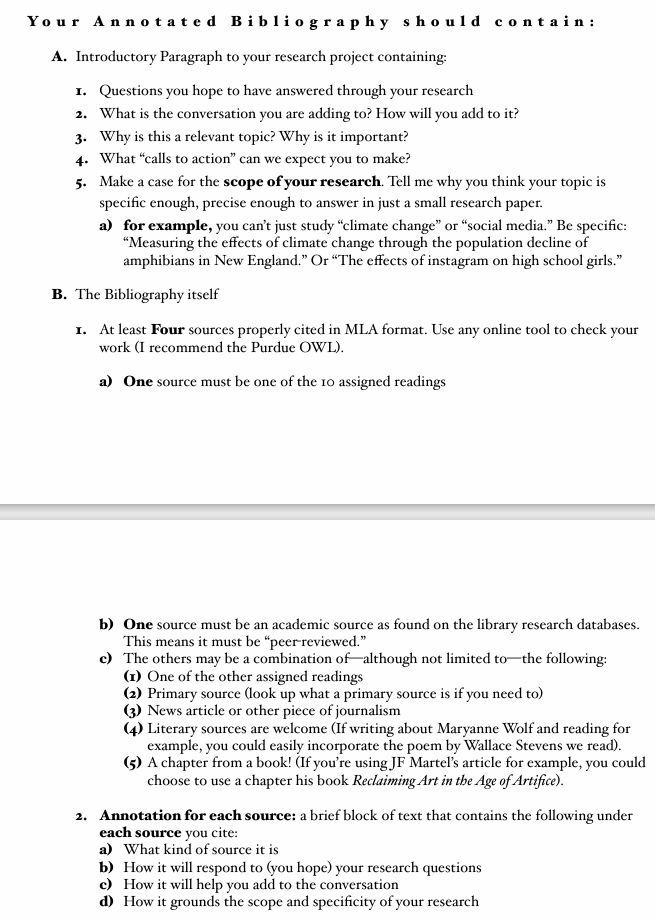
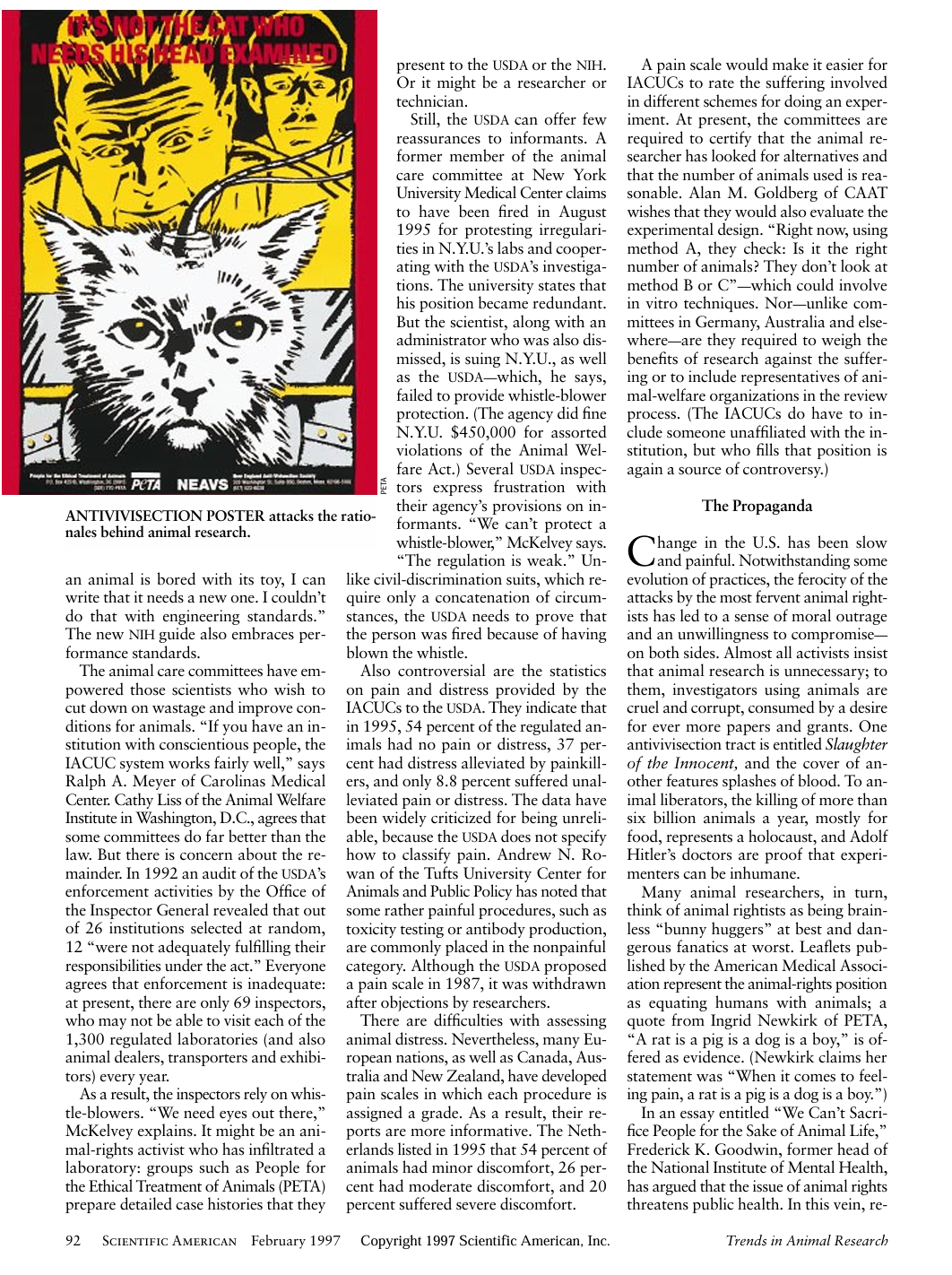
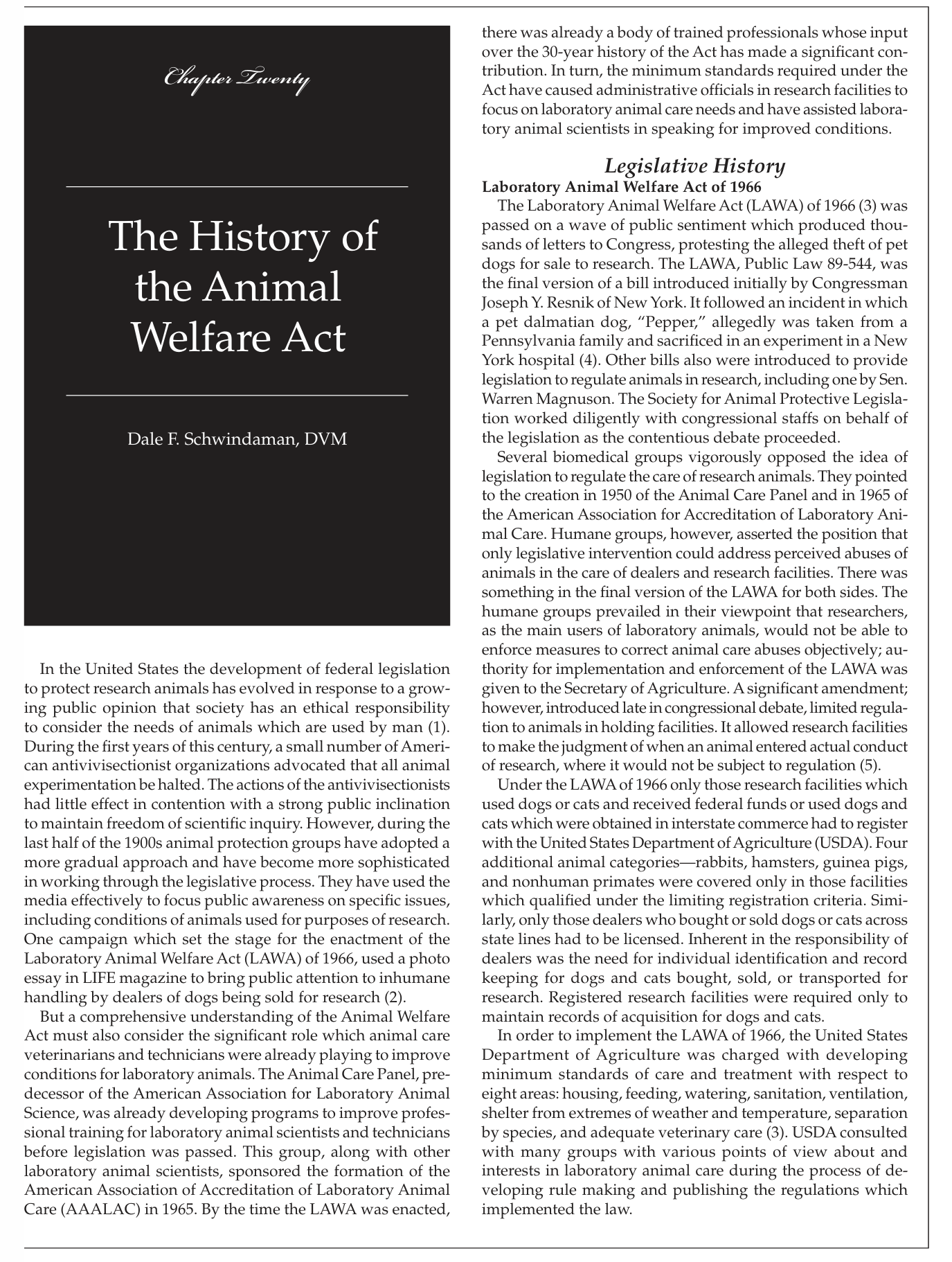
I am having trouble starting and ending this essay. it is an annotated bibliography and need a reference for this assignment to be able to do the next one correctly. We are to research a topic and further use the other resources by the article to write A call to action. My topic is Animal Welfare in Research, where I am taking about the use of (Propaganda), to enforce reality of what is happening in research.There are four sources that need to be used. I will give my article websites and the rubric as reference. (There is specific location that I am using within the article.) (The professor suggested to use the other cited people in the articles and any use their work (in a form of an article) to use as my other resources if it interesting and pertains to the topic.
(can copy and paste to find pdf, it will show as the first cite that is googled)
( I am using the part that is labeled Propaganda)
(I will share a photo of where I particularly looking at within the article and which article I am looking at)
Other article I am using for the essay:
(this pdf is for legal action that was in place to give safety to animals)
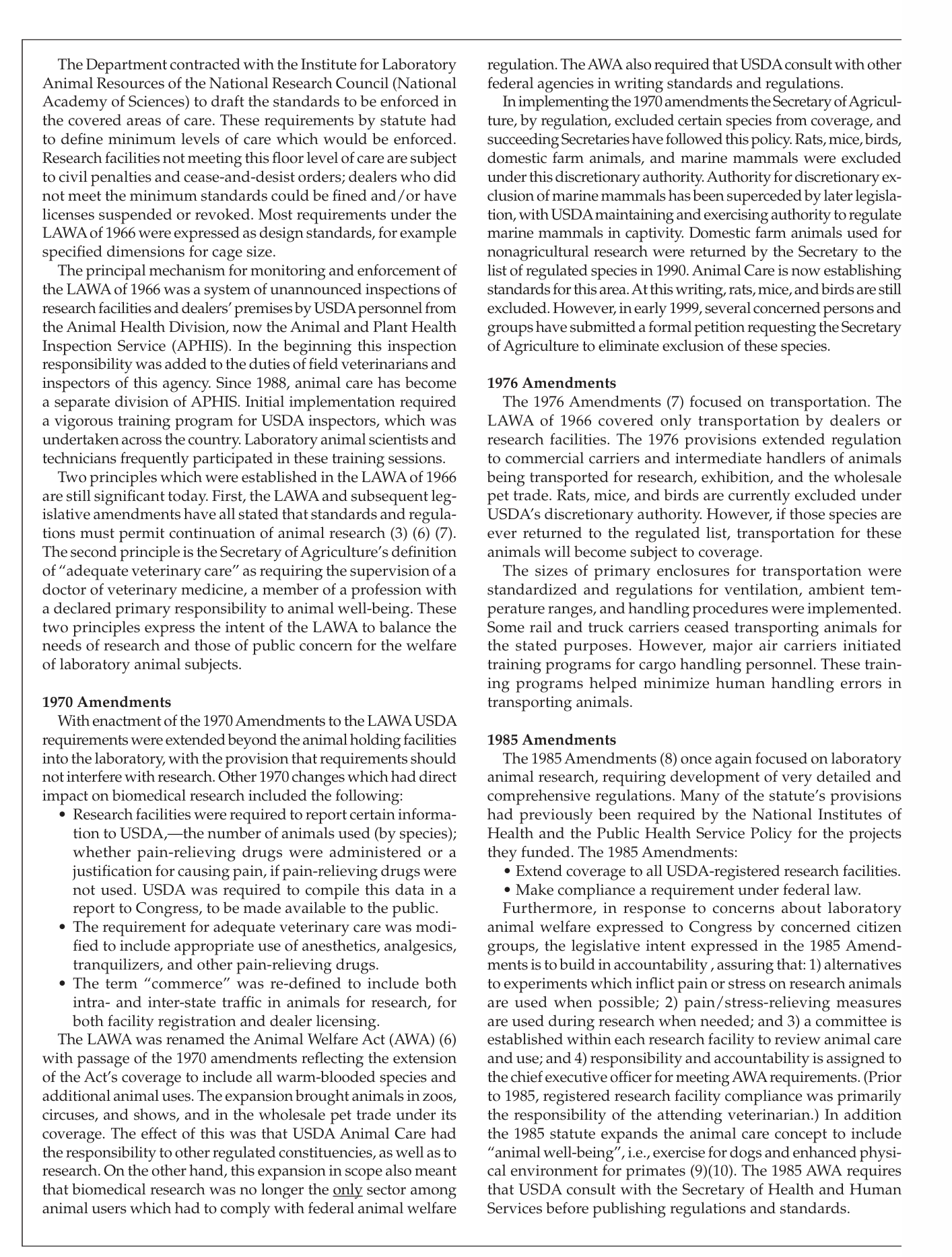
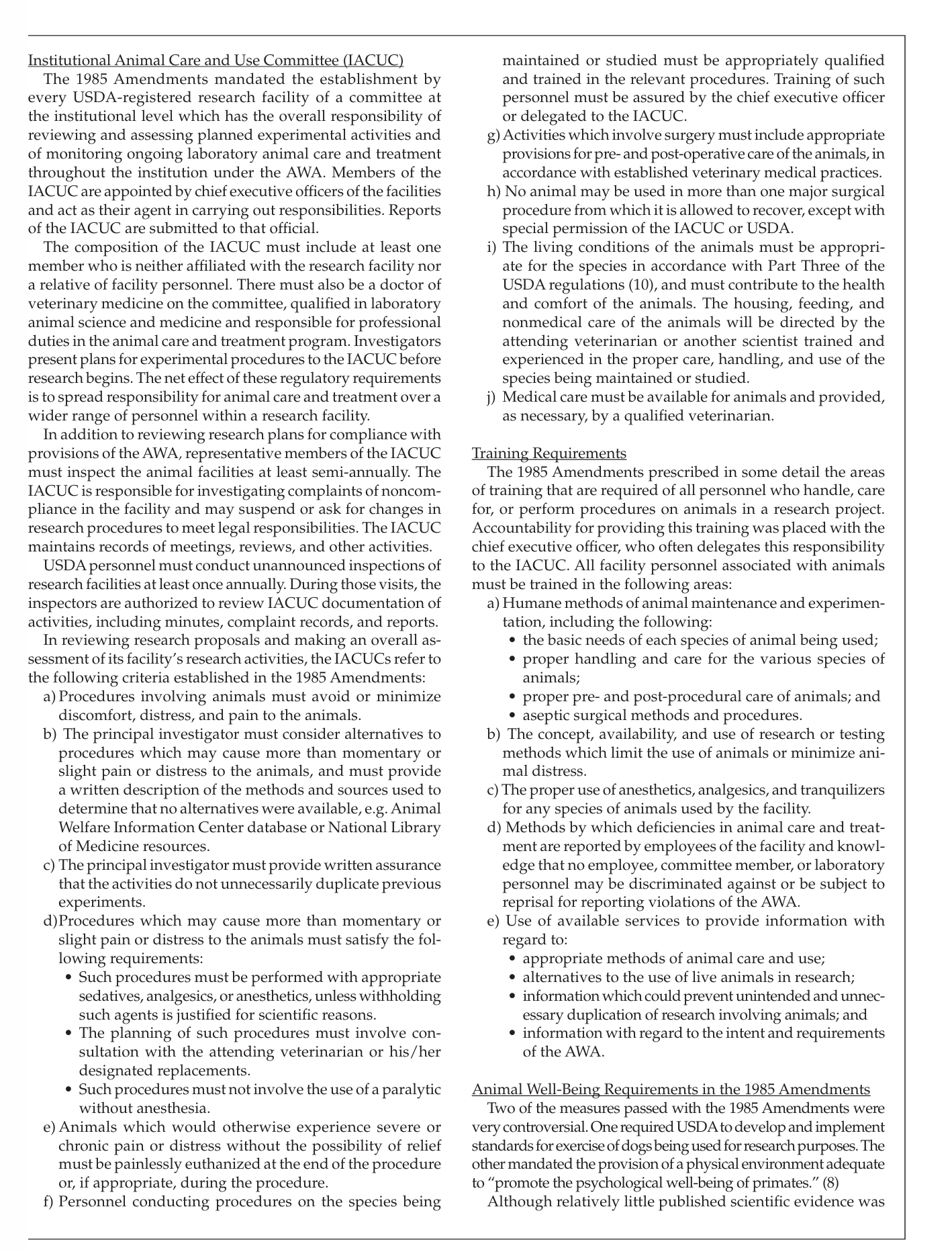
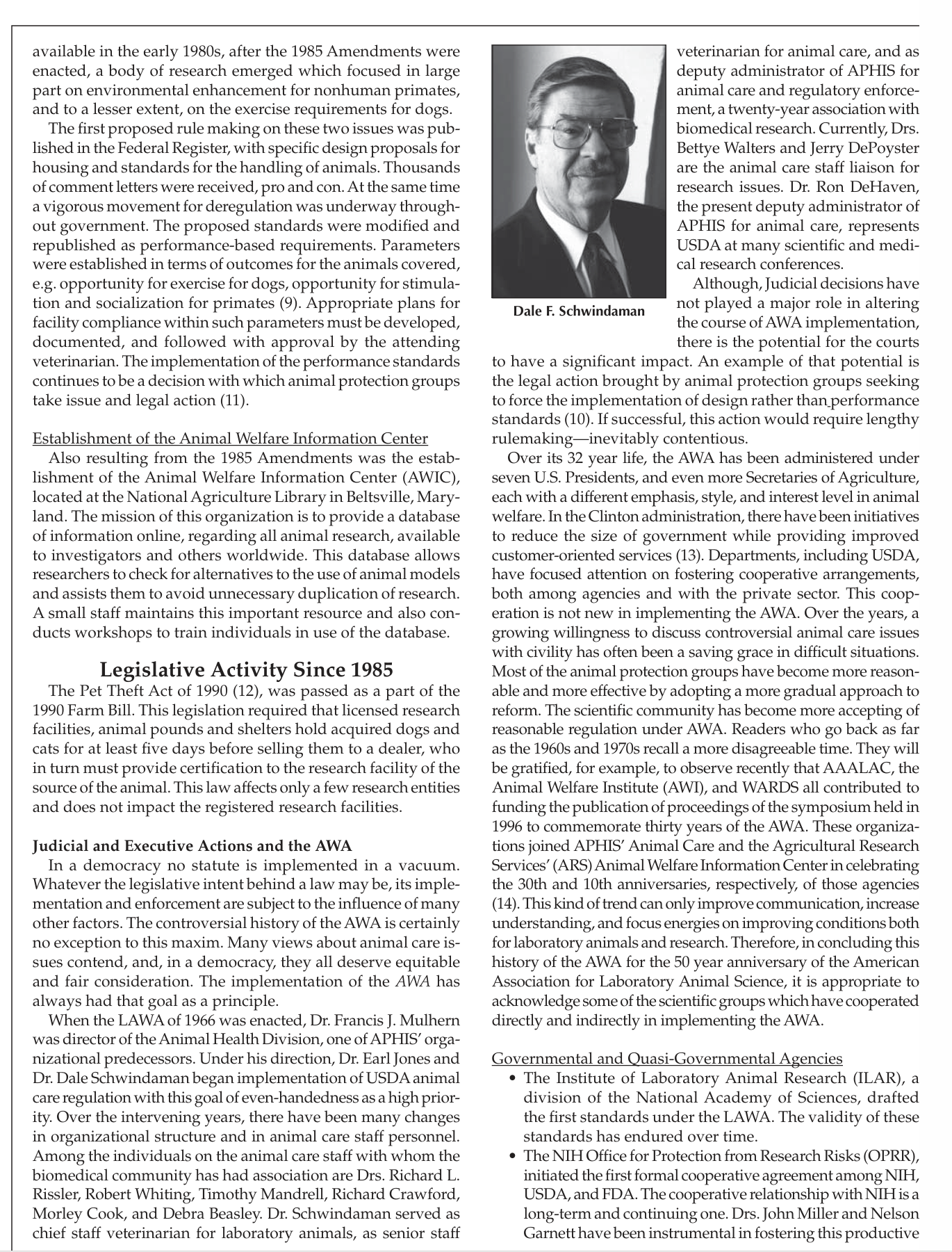
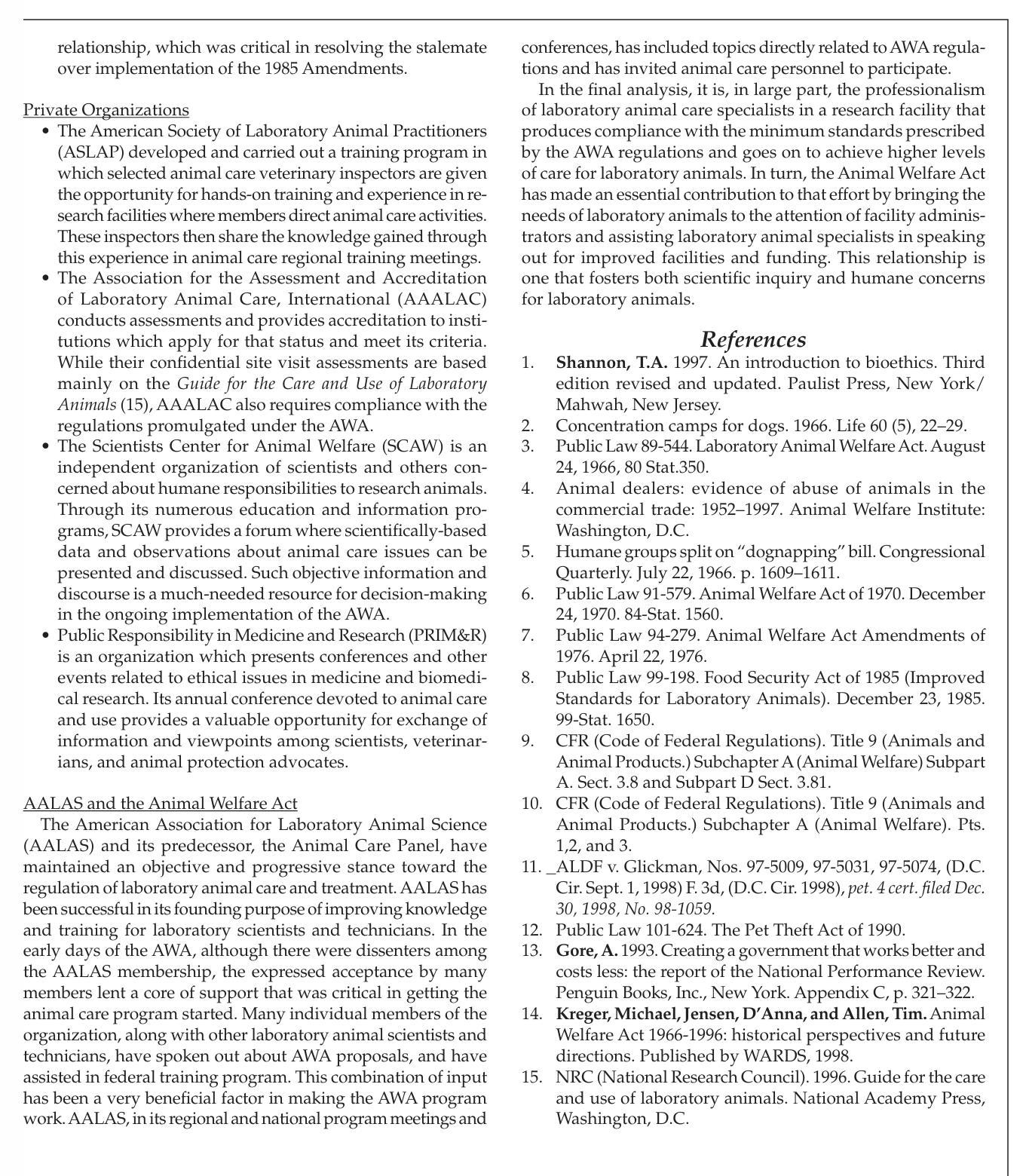
Your Annotated Bibliography should contain: A. Introductory Paragraph to your research project containing: I. oo s, Questions you hope to have answered through your research What is the conversation you are adding to? How will you add to it? Why is this a relevant topic? Why is it important? What \"calls to action\" can we expect you to make? Make a case for the scope of vour research. Tell me why you think your topic is specific enough, precise enough to answer in just a small research paper. a) for example, vou can't just study \"climate change\" or \"social media.\" Be specific: \"Measuring the effects of climate change through the population decline of amphibians in New England.\" Or \"The effects of instagram on high school girls.\" B. The Bibliography itself I. At least Four sources properly cited in MLA format. Use any online tool to check your work (I recommend the Purdue OWL). a) Omne source must be one of the 10 assigned readings b) One source must be an academic source as found on the library research databases. This means it must be \"peerreviewed.\" ) The others may be a combination ofalthough not limited tothe following: (1) One of the other assigned readings (2) Primary source (look up what a primary source is if you need to) (3) News article or other piece of journalism (4) Literary sources are welcome (If writing about Marvanne Wolf and reading for example, vou could easily incorporate the poem by Wallace Stevens we read). (5) A chapter from a book! (If you're using JF Martel's article for example, you could choose to use a chapter his book Reclaiming Art in the Age of Artifice). Annotation for each source: a brief block of text that contains the following under each source you cite: a) What kind of source it is b) How it will respond to (you hope) your research questions ) How it will help you add to the conversation d) How it grounds the scope and specificity of your research Description: Theannotated bibliography contains both information for finding your source (as does any works cited page) and a small block of text explaining why you have chosen to use it. List at least Four Sources you will be using for your research, at least one of those sources must be from a scholarly article you've found through the library research database. Trends in Animal Research Increased concern for animals, aimong scientists as well as the public, is changing the ways in which animals are used for research and safety testing by Madhusree Mukerjee, staff writer THE CAT WHO NEED AD EXAMINED present to the USDA or the NIH. A pain scale would make it easier for Or it might be a researcher or IACUCs to rate the suffering involved technician. in different schemes for doing an exper- Still, the USDA can offer few iment. At present, the committees are reassurances to informants. A required to certify that the animal re- former member of the animal searcher has looked for alternatives and care committee at New York that the number of animals used is rea- University Medical Center claims sonable. Alan M. Goldberg of CAAT to have been fired in August wishes that they would also evaluate the 1995 for protesting irregulari- experimental design. "Right now, using ties in N. Y.U.'s labs and cooper- method A, they check: Is it the right ating with the USDA's investiga- number of animals? They don't look at tions. The university states that method B or C"-which could involve his position became redundant. in vitro techniques. Nor-unlike com- But the scientist, along with an mittees in Germany, Australia and else- administrator who was also dis- where-are they required to weigh the missed, is suing N. Y.U., as well benefits of research against the suffer- as the USDA-which, he says, ing or to include representatives of ani- failed to provide whistle-blower mal-welfare organizations in the review protection. (The agency did fine process. (The IACUCs do have to in- N.Y.U. $450,000 for assorted clude someone unaffiliated with the in- violations of the Animal Wel- stitution, but who fills that position is fare Act.) Several USDA inspec- MAU PETA NEAVS again a source of controversy.) tors express frustration with ANTIVIVISECTION POSTER attacks the ratio- their agency's provisions on in- The Propaganda hales behind animal research. formants. "We can't protect a whistle-blower," Mckelvey says. Change in the U.S. has been slow 'The regulation is weak." Un- and painful. Notwithstanding some an animal is bored with its toy, I can like civil-discrimination suits, which re- evolution of practices, the ferocity of the write that it needs a new one. I couldn't quire only a concatenation of circum- attacks by the most fervent animal right- do that with engineering standards." stances, the USDA needs to prove that ists has led to a sense of moral outrage The new NIH guide also embraces per- the person was fired because of having and an unwillingness to compromise- formance standards. blown the whistle. on both sides. Almost all activists insist The animal care committees have em- Also controversial are the statistics that animal research is unnecessary; to powered those scientists who wish to on pain and distress provided by the them, investigators using animals are cut down on wastage and improve con- IACUCs to the USDA. They indicate that cruel and corrupt, consumed by a desire ditions for animals. "If you have an in- in 1995, 54 percent of the regulated an- for ever more papers and grants. One stitution with conscientious people, the imals had no pain or distress, 37 per- antivivisection tract is entitled Slaughter ACUC system works fairly well," says cent had distress alleviated by painkill- of the Innocent, and the cover of an- Ralph A. Meyer of Carolinas Medical ers, and only 8.8 percent suffered unal- other features splashes of blood. To an- Center. Cathy Liss of the Animal Welfare leviated pain or distress. The data have imal liberators, the killing of more than Institute in Washington, D.C., agrees that been widely criticized for being unreli- six billion animals a year, mostly for some committees do far better than the able, because the USDA does not specify food, represents a holocaust, and Adolf law. But there is concern about the re- how to classify pain. Andrew N. Ro- Hitler's doctors are proof that experi- mainder. In 1992 an audit of the USDA's wan of the Tufts University Center for menters can be inhumane. enforcement activities by the Office of Animals and Public Policy has noted that Many animal researchers, in turn, the Inspector General revealed that out some rather painful procedures, such as think of animal rightists as being brain- of 26 institutions selected at random, toxicity testing or antibody production, less "bunny huggers" at best and dan- 12 "were not adequately fulfilling their are commonly placed in the nonpainful gerous fanatics at worst. Leaflets pub- responsibilities under the act." Everyone category. Although the USDA proposed lished by the American Medical Associ- agrees that enforcement is inadequate: a pain scale in 1987, it was withdrawn ation represent the animal-rights position at present, there are only 69 inspectors, after objections by researchers. as equating humans with animals; a who may not be able to visit each of the There are difficulties with assessing quote from Ingrid Newkirk of PETA, 1,300 regulated laboratories (and also animal distress. Nevertheless, many Eu- "A rat is a pig is a dog is a boy," is of- animal dealers, transporters and exhibi- ropean nations, as well as Canada, Aus- fered as evidence. (Newkirk claims her tors) every year. tralia and New Zealand, have developed statement was "When it comes to feel- As a result, the inspectors rely on whis- pain scales in which each procedure is ing pain, a rat is a pig is a dog is a boy.") tle-blowers. "We need eyes out there," assigned a grade. As a result, their re- In an essay entitled "We Can't Sacri- Mckelvey explains. It might be an ani- ports are more informative. The Neth- fice People for the Sake of Animal Life," mal-rights activist who has infiltrated a erlands listed in 1995 that 54 percent of Frederick K. Goodwin, former head of laboratory: groups such as People for animals had minor discomfort, 26 per- the National Institute of Mental Health, the Ethical Treatment of Animals (PETA) cent had moderate discomfort, and 20 has argued that the issue of animal rights prepare detailed case histories that they percent suffered severe discomfort. threatens public health. In this vein, re- 92 SCIENTIFIC AMERICAN February 1997 Copyright 1997 Scientific American, Inc. Trends in Animal ResearchPy Zcni{/ The History of the Animal Welfare Act Dale F. Schwindaman, DVM In the United States the development of federal legislation to protect research animals has evolved in response to a grow- ing public opinion that society has an ethical responsibility to consider the needs of animals which are used by man (1). During the first years of this century, a small number of Ameri- can antivivisectionist organizations advocated that all animal experimentation be halted. The actions of the antivivisectionists had little effect in contention with a strong public inclination to maintain freedom of scientific inquiry. However, during the last half of the 1900s animal protection groups have adopted a more gradual approach and have become more sophisticated in working through the legislative process. They have used the media effectively to focus public awareness on specific issues, including conditions of animals used for purposes of research. One campaign which set the stage for the enactment of the Laboratory Animal Welfare Act (LAWA) of 1966, used a photo essay in LIFE magazine to bring public attention to inhumane handling by dealers of dogs being sold for research (2). But a comprehensive understanding of the Animal Welfare Act must also consider the significant role which animal care veterinarians and technicians were already playing to improve conditions for laboratory animals. The Animal Care Panel, pre- decessor of the American Association for Laboratory Animal Science, was already developing programs to improve profes- sional training for laboratory animal scientists and technicians before legislation was passed. This group, along with other laboratory animal scientists, sponsored the formation of the American Association of Accreditation of Laboratory Animal Care (AAALAC) in 1965. By the time the LAWA was enacted, there was already a body of trained professionals whose input over the 30-year history of the Act has made a significant con- tribution. In turn, the minimum standards required under the Acthave caused administrative officials in research facilities to focus on laboratory animal care needs and have assisted labora- tory animal scientists in speaking for improved conditions. Legislative History Laboratory Animal Welfare Act of 1966 The Laboratory Animal Welfare Act (LAWA) of 1966 (3) was passed on a wave of public sentiment which produced thou- sands of letters to Congress, protesting the alleged theft of pet dogs for sale to research. The LAWA, Public Law 89-544, was the final version of a bill introduced initially by Congressman JosephY. Resnik of New York. It followed an incident in which a pet dalmatian dog, \"Pepper,\" allegedly was taken from a Pennsylvania family and sacrificed in an experiment in a New York hospital (4). Other bills also were introduced to provide legislation to regulate animals in research, including one by Sen. Warren Magnuson. The Society for Animal Protective Legisla- tion worked diligently with congressional staffs on behalf of the legislation as the contentious debate proceeded. Several biomedical groups vigorously opposed the idea of legislation to regulate the care of research animals. They pointed to the creation in 1950 of the Animal Care Panel and in 1965 of the American Association for Accreditation of Laboratory Ani- mal Care. Humane groups, however, asserted the position that only legislative intervention could address perceived abuses of animals in the care of dealers and research facilities. There was something in the final version of the LAWA for both sides. The humane groups prevailed in their viewpoint that researchers, as the main users of laboratory animals, would not be able to enforce measures to correct animal care abuses objectively; au- thority for implementation and enforcement of the LAWA was given to the Secretary of Agriculture. A significant amendment; however, introduced late in congressional debate, limited regula- tion to animals in holding facilities. It allowed research facilities to make the judgment of when an animal entered actual conduct of research, where it would not be subject to regulation (5). Under the LAWA of 1966 only those research facilities which used dogs or cats and received federal funds or used dogs and cats which were obtained in interstate commerce had to register with the United States Department of Agriculture (USDA). Four additional animal categoriesrabbits, hamsters, guinea pigs, and nonhuman primates were covered only in those facilities which qualified under the limiting registration criteria. Simi- larly, only those dealers who bought or sold dogs or cats across state lines had to be licensed. Inherent in the responsibility of dealers was the need for individual identification and record keeping for dogs and cats bought, sold, or transported for research. Registered research facilities were required only to maintain records of acquisition for dogs and cats. In order to implement the LAWA of 1966, the United States Department of Agriculture was charged with developing minimum standards of care and treatment with respect to eight areas: housing, feeding, watering, sanitation, ventilation, shelter from extremes of weather and temperature, separation by species, and adequate veterinary care (3). USDA consulted with many groups with various points of view about and interests in laboratory animal care during the process of de- veloping rule making and publishing the regulations which implemented the law. The Department contracted with the Institute for Laboratory Animal Resources of the National Research Council (National Academy of Sciences) to draft the standards to be enforced in the covered areas of care. These requirements by statute had to define minimum levels of care which would be enforced. Research facilities not meeting this floor level of care are subject to civil penalties and cease-and-desist orders; dealers who did not meet the minimum standards could be fined and/or have licenses suspended or revoked. Most requirements under the LAWA of 1966 were expressed as design standards, for example specified dimensions for cage size. The principal mechanism for monitoring and enforcement of the LAWA of 1966 was a system of unannounced inspections of research facilities and dealers\" premises by USDA personnel from the Animal Health Division, now the Animal and Plant Health Inspection Service (APHIS). In the beginning this inspection responsibility was added to the duties of field veterinarians and inspectors of this agency. Since 1988, animal care has become a separate division of APHIS. Initial implementation required a vigorous training program for USDA inspectors, which was undertaken across the country. Laboratory animal scientists and technicians frequently participated in these training sessions. Two principles which were established in the LAWA of 1966 are still significant today. First, the LAWA and subsequent leg- islative amendments have all stated that standards and regula- tions must permit continuation of animal research (3) (6) (7). The second principle is the Secretary of Agriculture's definition of \"adequate veterinary care\" as requiring the supervision of a doctor of veterinary medicine, a member of a profession with a declared primary responsibility to animal well-being. These two principles express the intent of the LAWA to balance the needs of research and those of public concern for the welfare of laboratory animal subjects. 1970 Amendments With enactment of the 1970 Amendments to the LAWA USDA requirements were extended beyond the animal holding facilities into the laboratory, with the provision that requirements should notinterfere with research. Other 1970 changes which had direct impact on biomedical research included the following;: e Research facilities were required to report certain informa- tion to USDA,the number of animals used (by species); whether pain-relieving drugs were administered or a justification for causing pain, if pain-relieving drugs were not used. USDA was required to compile this data in a report to Congress, to be made available to the public. The requirement for adequate veterinary care was modi- fied to include appropriate use of anesthetics, analgesics, tranquilizers, and other pain-relieving drugs. The term \"commerce\" was re-defined to include both intra- and inter-state traffic in animals for research, for both facility registration and dealer licensing,. The LAWA was renamed the Animal Welfare Act (AWA) (6) with passage of the 1970 amendments reflecting the extension of the Act's coverage to include all warm-blooded species and additional animal uses. The expansion brought animals in zoos, circuses, and shows, and in the wholesale pet trade under its coverage. The effect of this was that USDA Animal Care had the responsibility to other regulated constituencies, as well as to research. On the other hand, this expansion in scope also meant that biomedical research was no longer the only sector among animal users which had to comply with federal animal welfare regulation. The AWA also required that USDA consult with other federal agencies in writing standards and regulations. Inimplementing the 1970 amendments the Secretary of Agricul- ture, by regulation, excluded certain species from coverage, and succeeding Secretaries have followed this policy. Rats, mice, birds, domestic farm animals, and marine mammals were excluded under this discretionary authority. Authority for discretionary ex- clusion of marine mammals has been superceded by later legisla- tion, with USDA maintaining and exercising authority to regulate marine mammals in captivity. Domestic farm animals used for nonagricultural research were returned by the Secretary to the list of regulated species in 1990. Animal Care is now establishing standards for this area. At this writing, rats, mice, and birds are still excluded. However, in early 1999, several concerned persons and groups have submitted a formal petition requesting the Secretary of Agriculture to eliminate exclusion of these species. 1976 Amendments The 1976 Amendments (7) focused on transportation. The LAWA of 1966 covered only transportation by dealers or research facilities. The 1976 provisions extended regulation to commercial carriers and intermediate handlers of animals being transported for research, exhibition, and the wholesale pet trade. Rats, mice, and birds are currently excluded under USDA's discretionary authority. However, if those species are ever returned to the regulated list, transportation for these animals will become subject to coverage. The sizes of primary enclosures for transportation were standardized and regulations for ventilation, ambient tem- perature ranges, and handling procedures were implemented. Some rail and truck carriers ceased transporting animals for the stated purposes. However, major air carriers initiated training programs for cargo handling personnel. These train- ing programs helped minimize human handling errors in transporting animals. 1985 Amendments The 1985 Amendments (8) once again focused on laboratory animal research, requiring development of very detailed and comprehensive regulations. Many of the statute's provisions had previously been required by the National Institutes of Health and the Public Health Service Policy for the projects they funded. The 1985 Amendments: * Extend coverage to all USDA-registered research facilities. Make compliance a requirement under federal law. Furthermore, in response to concerns about laboratory animal welfare expressed to Congress by concerned citizen groups, the legislative intent expressed in the 1985 Amend- ments is to build in accountability , assuring that: 1) alternatives to experiments which inflict pain or stress on research animals are used when possible; 2) pain/stress-relieving measures are used during research when needed; and 3) a committee is established within each research facility to review animal care and use; and 4) responsibility and accountability is assigned to the chief executive officer for meeting AWA requirements. (Prior to 1985, registered research facility compliance was primarily the responsibility of the attending veterinarian.) In addition the 1985 statute expands the animal care concept to include \"animal well-being\Institutional Animal Care and Use Committee (IACUC) The 1985 Amendments mandated the establishment by every USDA-registered research facility of a committee at the institutional level which has the overall responsibility of reviewing and assessing planned experimental activities and of monitoring ongoing laboratory animal care and treatment throughout the institution under the AWA. Members of the IACUC are appointed by chief executive officers of the facilities and act as their agent in carrying out responsibilities. Reports of the TACUC are submitted to that official. The composition of the IACUC must include at least one member who is neither affiliated with the research facility nor a relative of facility personnel. There must also be a doctor of veterinary medicine on the committee, qualified in laboratory animal science and medicine and responsible for professional duties in the animal care and treatment program. Investigators present plans for experimental procedures to the IACUC before research begins. The net effect of these regulatory requirements is to spread responsibility for animal care and treatment over a wider range of personnel within a research facility. In addition to reviewing research plans for compliance with provisions of the AWA, representative members of the IACUC must inspect the animal facilities at least semi-annually. The TACUC is responsible for investigating complaints of noncom- pliance in the facility and may suspend or ask for changes in research procedures to meet legal responsibilities. The IACUC maintains records of meetings, reviews, and other activities. USDA personnel must conduct unannounced inspections of research facilities at least once annually. During those visits, the inspectors are authorized to review IACUC documentation of activities, including minutes, complaint records, and reports. In reviewing research proposals and making an overall as- sessment of its facility's research activities, the IACUCs refer to the following criteria established in the 1985 Amendments: a) Procedures involving animals must avoid or minimize discomfort, distress, and pain to the animals. b) The principal investigator must consider alternatives to procedures which may cause more than momentary or slight pain or distress to the animals, and must provide a written description of the methods and sources used to determine that no alternatives were available, e.g. Animal Welfare Information Center database or National Library of Medicine resources. ) The principal investigator must provide written assurance that the activities do not unnecessarily duplicate previous experiments. d)Procedures which may cause more than momentary or slight pain or distress to the animals must satisfy the fol- lowing requirements: Such procedures must be performed with appropriate sedatives, analgesics, or anesthetics, unless withholding such agents is justified for scientific reasons. * The planning of such procedures must involve con- sultation with the attending veterinarian or his/her designated replacements. * Such procedures must not involve the use of a paralytic without anesthesia. e) Animals which would otherwise experience severe or chronic pain or distress without the possibility of relief must be painlessly euthanized at the end of the procedure or, if appropriate, during the procedure. f) Personnel conducting procedures on the species being maintained or studied must be appropriately qualified and trained in the relevant procedures. Training of such personnel must be assured by the chief executive officer or delegated to the IACUC. g) Activities which involve surgery must include appropriate provisions for pre- and post-operative care of the animals, in accordance with established veterinary medical practices. h) No animal may be used in more than one major surgical procedure from which itis allowed to recover, except with special permission of the TACUC or USDA. i) The living conditions of the animals must be appropri- ate for the species in accordance with Part Three of the USDA regulations (10), and must contribute to the health and comfort of the animals. The housing, feeding, and nonmedical care of the animals will be directed by the attending veterinarian or another scientist trained and experienced in the proper care, handling, and use of the species being maintained or studied. j) Medical care must be available for animals and provided, as necessary, by a qualified veterinarian. Training Requirements The 1985 Amendments prescribed in some detail the areas of training that are required of all personnel who handle, care for, or perform procedures on animals in a research project. Accountability for providing this training was placed with the chief executive officer, who often delegates this responsibility to the TACUC. All facility personnel associated with animals must be trained in the following areas: a) Humane methods of animal maintenance and experimen- tation, including the following: the basic needs of each species of animal being used; e proper handling and care for the various species of animals; proper pre- and post-procedural care of animals; and e aseptic surgical methods and procedures. b) The concept, availability, and use of research or testing methods which limit the use of animals or minimize ani- mal distress. ) The proper use of anesthetics, analgesics, and tranquilizers for any species of animals used by the facility. d) Methods by which deficiencies in animal care and treat- ment are reported by employees of the facility and knowl- edge that no employee, committee member, or laboratory personnel may be discriminated against or be subject to reprisal for reporting violations of the AWA. e) Use of available services to provide information with regard to: appropriate methods of animal care and use; alternatives to the use of live animals in research; information which could prevent unintended and unnec- essary duplication of research involving animals; and information with regard to the intent and requirements of the AWA. Animal Well-Being Requirements in the 1985 Amendments Two of the measures passed with the 1985 Amendments were very controversial. One required USDA to develop and implement standards for exercise of dogs being used for research purposes. The other mandated the provision of a physical environment adequate to \"promote the psychological well-being of primates.\" (8) Although relatively little published scientific evidence was available in the early 1980s, after the 1985 Amendments were enacted, a body of research emerged which focused in large part on environmental enhancement for nonhuman primates, and to a lesser extent, on the exercise requirements for dogs. The first proposed rule making on these two issues was pub- lished in the Federal Regjister, with specific design proposals for housing and standards for the handling of animals. Thousands of comment letters were received, pro and con. At the same time a vigorous movement for deregulation was underway through- out government. The proposed standards were modified and republished as performance-based requirements. Parameters were established in terms of outcomes for the animals covered, e.g. opportunity for exercise for dogs, opportunity for stimula- tion and socialization for primates (9). Appropriate plans for facility compliance within such parameters must be developed, documented, and followed with approval by the attending veterinarian. The implementation of the performance standards continues to be a decision with which animal protection groups take issue and legal action (11). Establishment of the Animal Welfare Information Center Also resulting from the 1985 Amendments was the estab- lishment of the Animal Welfare Information Center (AWIC), located at the National Agriculture Library in Beltsville, Mary- land. The mission of this organization is to provide a database of information online, regarding all animal research, available to investigators and others worldwide. This database allows researchers to check for alternatives to the use of animal models and assists them to avoid unnecessary duplication of research. A small staff maintains this important resource and also con- ducts workshops to train individuals in use of the database. Legislative Activity Since 1985 The Pet Theft Act of 1990 (12), was passed as a part of the 1990 Farm Bill. This legislation required that licensed research facilities, animal pounds and shelters hold acquired dogs and cats for at least five days before selling them to a dealer, who in turn must provide certification to the research facility of the source of the animal. This law affects only a few research entities and does not impact the registered research facilities. Judicial and Executive Actions and the AWA In a democracy no statute is implemented in a vacuum. Whatever the legislative intent behind a law may be, its imple- mentation and enforcement are subject to the influence of many other factors. The controversial history of the AWA is certainly no exception to this maxim. Many views about animal care is- sues contend, and, in a democracy, they all deserve equitable and fair consideration. The implementation of the AWA has always had that goal as a principle. When the LAWA of 1966 was enacted, Dr. Francis |. Mulhern was director of the Animal Health Division, one of APHIS' orga- nizational predecessors. Under his direction, Dr. Earl Jones and Dr. Dale Schwindaman began implementation of USDA animal care regulation with this goal of even-handedness as a high prior- ity. Over the intervening years, there have been many changes in organizational structure and in animal care staff personnel. Among the individuals on the animal care staff with whom the biomedical community has had association are Drs. Richard L. Rissler, Robert Whiting, Timothy Mandrell, Richard Crawford, Morley Cook, and Debra Beasley. Dr. Schwindaman served as chief staff veterinarian for laboratory animals, as senior staff veterinarian for animal care, and as deputy administrator of APHIS for animal care and regulatory enforce- ment, a twenty-year association with biomedical research. Currently, Drs. Bettye Walters and Jerry DePoyster are the animal care staft liaison for research issues. Dr. Ron DeHaven, the present deputy administrator of APHIS for animal care, represents USDA at many scientific and medi- cal research conferences. Although, Judicial decisions have not played a major role in altering the course of AWA implementation, there is the potential for the courts to have a significant impact. An example of that potential is the legal action brought by animal protection groups seeking to force the implementation of design rather than performance standards (10). If successful, this action would require lengthy rulemakinginevitably contentious. Over its 32 year life, the AWA has been administered under seven U.S. Presidents, and even more Secretaries of Agriculture, each with a different emphasis, style, and interest level in animal welfare. In the Clinton administration, there have been initiatives to reduce the size of government while providing improved customer-oriented services (13). Departments, including USDA, have focused attention on fostering cooperative arrangements, both among agencies and with the private sector. This coop- eration is not new in implementing the AWA. Over the years, a growing willingness to discuss controversial animal care issues with civility has often been a saving grace in difficult situations. Most of the animal protection groups have become more reason- able and more effective by adopting a more gradual approach to reform. The scientific community has become more accepting of reasonable regulation under AWA. Readers who go back as far as the 1960s and 1970s recall a more disagreeable time. They will be gratified, for example, to observe recently that AAALAC, the Animal Welfare Institute (AWT), and WARDS all contributed to funding the publication of proceedings of the symposium held in 1996 to commemorate thirty years of the AWA. These organiza- tions joined APHIS" Animal Care and the Agricultural Research Services' (ARS) Animal Welfare Information Center in celebrating the 30th and 10th anniversaries, respectively, of those agencies (14). This kind of trend can only improve communication, increase understanding, and focus energies on improving conditions both for laboratory animals and research. Therefore, in concluding this history of the AWA for the 50 year anniversary of the American Association for Laboratory Animal Science, it is appropriate to acknowledge some of the scientific groups which have cooperated directly and indirectly in implementing the AWA. Dale F. Schwindaman Governmental and Quasi-Governmental Agencies The Institute of Laboratory Animal Research (ILAR), a division of the National Academy of Sciences, drafted the first standards under the LAWA. The validity of these standards has endured over time. The NIH Office for Protection from Research Risks (OPRR), initiated the first formal cooperative agreement among NIH, USDA, and FDA. The cooperative relationship with NIH is a long-term and continuing one. Drs. John Miller and Nelson Garnett have been instrumental in fostering this productive relationship, which was critical in resolving the stalemate over implementation of the 1985 Amendments. Private Organizations The American Society of Laboratory Animal Practitioners (ASLAP) developed and carried out a training program in which selected animal care veterinary inspectors are given the opportunity for hands-on training and experience in re- search facilities where members direct animal care activities. These inspectors then share the knowledge gained through this experience in animal care regional training meetings. The Association for the Assessment and Accreditation of Laboratory Animal Care, International (AAALAC) conducts assessments and provides accreditation to insti- tutions which apply for that status and meet its criteria. While their confidential site visit assessments are based mainly on the Guide for the Care and Use of Laboratory Animals (15), AAALAC also requires compliance with the regulations promulgated under the AWA. The Scientists Center for Animal Welfare (SCAW) is an independent organization of scientists and others con- cerned about humane responsibilities to research animals. Through its numerous education and information pro- grams, SCAW provides a forum where scientifically-based data and observations about animal care issues can be presented and discussed. Such objective information and discourse is a much-needed resource for decision-making in the ongoing implementation of the AWA. Public Responsibility in Medicine and Research (PRIM&R) is an organization which presents conferences and other events related to ethical issues in medicine and biomedi- cal research. Its annual conference devoted to animal care and use provides a valuable opportunity for exchange of information and viewpoints among scientists, veterinar- ians, and animal protection advocates. AALAS and the Animal Welfare Act The American Association for Laboratory Animal Science (AALAS) and its predecessor, the Animal Care Panel, have maintained an objective and progressive stance toward the regulation of laboratory animal care and treatment. AALAS has been successful in its founding purpose of improving knowledge and training for laboratory scientists and technicians. In the early days of the AWA, although there were dissenters among the AALAS membership, the expressed acceptance by many members lent a core of support that was critical in getting the animal care program started. Many individual members of the organization, along with other laboratory animal scientists and technicians, have spoken out about AWA proposals, and have assisted in federal training program. This combination of input has been a very beneficial factor in making the AWA program work. AALAS, inits regional and national program meetings and conferences, has included topics directly related to AWA regula- tions and has invited animal care personnel to participate. In the final analysis, it is, in large part, the professionalism of laboratory animal care specialists in a research facility that produces compliance with the minimum standards prescribed by the AWA regulations and goes on to achieve higher levels of care for laboratory animals. In turn, the Animal Welfare Act has made an essential contribution to that effort by bringing the needs of laboratory animals to the attention of facility adminis- trators and assisting laboratory animal specialists in speaking out for improved facilities and funding. This relationship is one that fosters both scientific inquiry and humane concerns for laboratory animals. References 1. Shannon, T.A. 1997. An introduction to bioethics. Third edition revised and updated. Paulist Press, New York/ Mahwah, New Jersey. Concentration camps for dogs. 1966. Life 60 (5), 22-29. Public Law 89-544. Laboratory Animal Welfare Act. August 24, 1966, 80 Stat.350. 4. Animal dealers: evidence of abuse of animals in the commercial trade: 1952-1997. Animal Welfare Institute: Washington, D.C. 5. Humane groups split on \"dognapping\" bill. Congressional Quarterly. July 22, 1966. p. 1609-1611. 6. Public Law 91-579. Animal Welfare Act of 1970. December 24,1970. 84-Stat. 1560. 7. Public Law 94-279. Animal Welfare Act Amendments of 1976. April 22, 1976. 8. Public Law 99-198. Food Security Act of 1985 (Improved Standards for Laboratory Animals). December 23, 1985. 99-Stat. 1650. 9. CFR (Code of Federal Regulations). Title 9 (Animals and Animal Products.) Subchapter A (Animal Welfare) Subpart A. Sect. 3.8 and Subpart D Sect. 3.81. 10. CFR (Code of Federal Regulations). Title 9 (Animals and Animal Products.) Subchapter A (Animal Welfare). Pts. 1,2, and 3. 11. _ALDF v. Glickman, Nos. 97-5009, 97-5031, 97-5074, (D.C. Cir. Sept. 1, 1998) E. 3d, (D.C. Cir. 1998), pet. 4 cert. filed Dec. 30, 1998, No. 98-1059. 12. Public Law 101-624. The Pet Theft Act of 1990. 13. Gore, A.1993. Creating a government that works better and costs less: the report of the National Performance Review. Penguin Books, Inc., New York. Appendix C, p. 321-322. 14. Kreger, Michael, Jensen, D'Anna, and Allen, Tim. Animal Welfare Act 1966-1996: historical perspectives and future directions. Published by WARDS, 1998. 15. NRC (National Research Council). 1996. Guide for the care and use of laboratory animals. National Academy Press, Washington, D.C. W 2
Step by Step Solution
There are 3 Steps involved in it
1 Expert Approved Answer
Step: 1 Unlock
Question Has Been Solved by an Expert!
Get step-by-step solutions from verified subject matter experts
Step: 2 Unlock
Step: 3 Unlock
Students Have Also Explored These Related Business Writing Questions!










 Study Help