







Question: i added a clearer one 1/3 Before doing a wilaminate by a large rational o rector de to restrenar marketing on in your hortum, ask
i added a clearer one
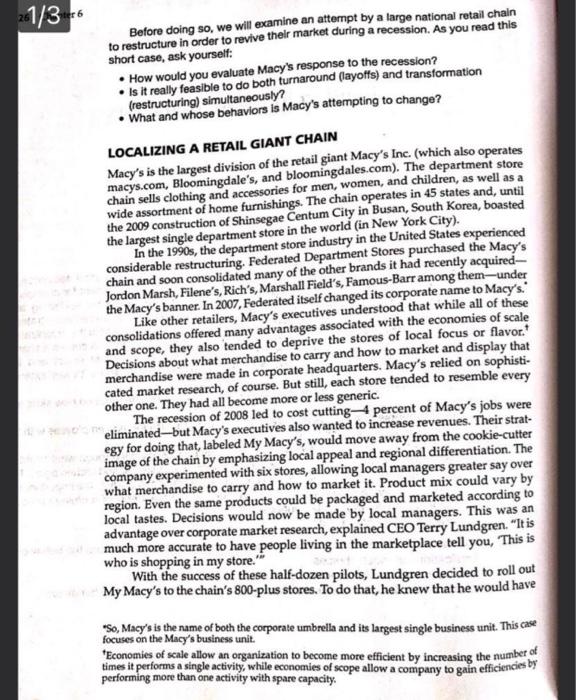
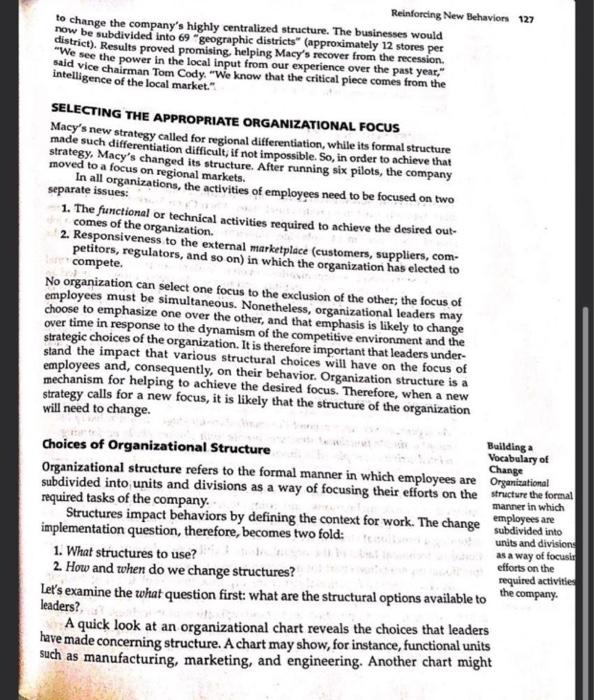
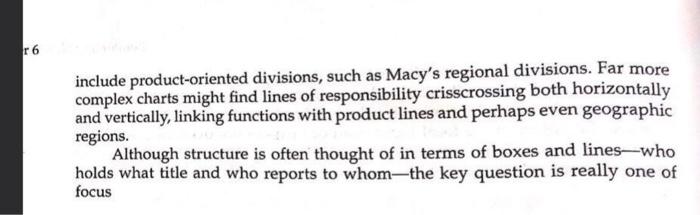
1/3 Before doing a wilaminate by a large rational o rector de to restrenar marketing on in your hortum, ask yourse + How would you evlet Mary's come to the necesito realyble to do sounourd day and transformation War and for bereito Macultamoting to change? LOCALIZING A RETAIL GIANT CHAIN Macy's as the largest division of the wall gant My Inc (which operates mag.com, Bloomingdale's, and Bloomingdales.com. The departments wide rent a home furnishings The chain operate in states and South Korea, bowed the largest single department store in hundry in the United States gesend In the 1970, the department Stores parade Macy's chain and concordan Jordion Man Department am cerpadlo her and scope, they also tended to deprive the stores of local focus or fave? the 2009 contruction of Shigok City considerable Mary the Macy's consolidation offered many Decision about what merchandise ocurry and and how to market and display that merchandise were made in corporate headquarter Macy's relied onceph cated market and coune But still each stretended to resembley The recessioned 2008 led to cost cutting-percent of Maybe eliminated but Mary's executives also wanted to increase revenu There egy for doing move away from the cookie of the chain by utbed and regional de The allowing local managers greater ay whal merchandise to make it. Product is could vary by region. Even the same products could be packaged and marketed ceding to local tastes. Decision would now be made by local managers. This was advantage over prate market research, explained CBO Terry Lundgren much more accurate to have people living in the marketplace ed you. This who is shopping in my store With the success of these hall dom pilots, Lundgren decided to My Macy's to the chain's 800-plusses. To do that he knew that he would have ge So, aye rame of both the corpo na isang single bac lerne este de mers to be see eiciet byged ne it parleme while contin lope allowed in to change the company's highly and the Rendered wing Mary the Erme SELECTING THE APPROPRIATE ORGANIZATIONAL FOCUS Mayweather weg. Mary's changed a strachur. Athering comeny obowe med to focus on 1. The colored to the 1. Response to the woman.. puters and with the organised te compete Noorganisation can be seen the one to emphasise te the cut and emphasisely dange alege choices of the organisation enthalten und ployees and comment on the behavior. Organic mechanism for helping to achieve the dead for them when egy calls for a new focus. It is bely that the two of the will need to change Choices of Organizational Structure Organizational structure refers to the formal me in which abdivided into units and divisions as a way of focusing the one quired tasks of the company Structures impact behavioes by defining the contest for work. The change plementation question, therefore, becomes twofold. 1. What structures to use? 2. How and lendo we change structures? Let's camine the what question first what are the structural options available to laders! A quick look at an organisational chart reveals the choices that leaders luve made conceming structure. Achat may show, for instance, functional nach as manufacturing, marketing, and engineering. Another chart might include product-celented division, such as Macy's regional divisions. Farmer complex charts might find lines of responsibility crisscrossing both horizontally and vertically linking functions with product lines and perhaps even geographic Although structure is often thought of in terms of boxes and lines who holds what title and who reports to whom-the key question is really one of focus 21/36 Before doing so, we will examine an attempt by a large national retail chain to restructure in order to revive their market during a recession. As you read this short case, ask yourself: How would you evaluate Macy's response to the recession? Is it really feasible to do both turnaround (ayoffs) and transformation What and whose behaviors is Macy's attempting to change? LOCALIZING A RETAIL GIANT CHAIN Macy's is the largest division of the retail giant Macy's Inc. (which also operates macys.com, Bloomingdale's, and bloomingdales.com). The department store chain sells clothing and accessories for men, women, and children, as well as a wide assortment of home furnishings. The chain operates in 45 states and, until the 2009 construction of Shinsegae Centum City in Busan, South Korea, boasted the largest single department store in the world (in New York City). In the 1990s, the department store industry in the United States experienced considerable restructuring. Federated Department Stores purchased the Macy's chain and soon consolidated many of the other brands it had recently acquired Jordon Marsh, Filene's, Rich's, Marshall Field's, Famous-Barr among them-under the Macy's banner. In 2007, Federated itself changed its corporate name to Macy's. Like other retailers, Macy's executives understood that while all of these consolidations offered many advantages associated with the economies of scale and scope, they also tended to deprive the stores of local focus or flavor. Decisions about what merchandise to carry and how to market and display that merchandise were made in corporate headquarters. Macy's relied on sophisti- cated market research, of course. But still, each store tended to resemble every other one. They had all become more or less generic. The recession of 2008 led to cost cutting-4 percent of Macy's jobs were eliminated-but Macy's executives also wanted to increase revenues. Their strat- egy for doing that, labeled My Macy's, would move away from the cookie-cutter image of the chain by emphasizing local appeal and regional differentiation. The company experimented with six stores, allowing local managers greater say over what merchandise to carry and how to market it. Product mix could vary by region. Even the same products could be packaged and marketed according to local tastes. Decisions would now be made by local managers. This was an advantage over corporate market research, explained CEO Terry Lundgren. "It is much more accurate to have people living in the marketplace tell you. This is who is shopping in my store." With the success of these half-dozen pilots, Lundgren decided to roll out My Macy's to the chain's 800-plus stores. To do that, he knew that he would have "So, Macy's is the name of both the corporate umbrella and its largest single business unit. This case focuses on the Macy's business unit. *Economies of scale allow an organization to become more efficient by increasing the number of times it performs a single activity, while economies of scope allow a company to gain efficiencies by performing more than one activity with spare capacity Reinforcing New Behavions 127 to change the company's highly centralized structure. The businesses would district). Results proved promising, helping Macy's recover from the recession, "We see the power in the local input from our experience over the past year," said vice chairman Tom Cody, "We know that the critical piece comes from the intelligence of the local market." SELECTING THE APPROPRIATE ORGANIZATIONAL FOCUS Macy's new strategy called for regional differentiation, while its formal structure made such differentiation difficult, if not impossible. So, in order to achieve that strategy. Macy's changed its structure. After running six pilots, the company In all organizations, the activities of employees need to be focused on two separate issues: 1. The functional or technical activities required to achieve the desired out- 2. Responsiveness to the external marketplace (customers, suppliers, com- petitors, regulators, and so on) in which the organization has elected to compete. No organization can select one focus to the exclusion of the other, the focus of employees must be simultaneous. Nonetheless, organizational leaders may choose to emphasize one over the other, and that emphasis is likely to change over time in response to the dynamism of the competitive environment and the strategic choices of the organization. It is therefore important that leaders under- stand the impact that various structural choices will have on the focus of employees and, consequently, on their behavior. Organization structure is a mechanism for helping to achieve the desired focus. Therefore, when a new strategy calls for a new focus, it is likely that the structure of the organization will need to change. Building a Choices of Organizational Structure Vocabulary of Change Organizational structure refers to the formal manner in which employees are Organizational subdivided into units and divisions as a way of focusing their efforts on the structure the formal required tasks of the company. Structures impact behaviors by defining the context for work. The change employees are implementation question, therefore, becomes two fold: units and divisions as a way of focusir 1. What structures to use? efforts on the 2. How and when do we change structures? required activities Let's examine the what question first: what are the structural options available to the company. leaders? A quick look at an organizational chart reveals the choices that leaders have made concerning structure. A chart may show, for instance, functional units such as manufacturing, marketing, and engineering. Another chart might manner in which r6 include product-oriented divisions, such as Macy's regional divisions. Far more complex charts might find lines of responsibility crisscrossing both horizontally and vertically, linking functions with product lines and perhaps even geographic regions. Although structure is often thought of in terms of boxes and lineswho holds what title and who reports to whomthe key question is really one of focus 1/3 Before doing a wilaminate by a large rational o rector de to restrenar marketing on in your hortum, ask yourse + How would you evlet Mary's come to the necesito realyble to do sounourd day and transformation War and for bereito Macultamoting to change? LOCALIZING A RETAIL GIANT CHAIN Macy's as the largest division of the wall gant My Inc (which operates mag.com, Bloomingdale's, and Bloomingdales.com. The departments wide rent a home furnishings The chain operate in states and South Korea, bowed the largest single department store in hundry in the United States gesend In the 1970, the department Stores parade Macy's chain and concordan Jordion Man Department am cerpadlo her and scope, they also tended to deprive the stores of local focus or fave? the 2009 contruction of Shigok City considerable Mary the Macy's consolidation offered many Decision about what merchandise ocurry and and how to market and display that merchandise were made in corporate headquarter Macy's relied onceph cated market and coune But still each stretended to resembley The recessioned 2008 led to cost cutting-percent of Maybe eliminated but Mary's executives also wanted to increase revenu There egy for doing move away from the cookie of the chain by utbed and regional de The allowing local managers greater ay whal merchandise to make it. Product is could vary by region. Even the same products could be packaged and marketed ceding to local tastes. Decision would now be made by local managers. This was advantage over prate market research, explained CBO Terry Lundgren much more accurate to have people living in the marketplace ed you. This who is shopping in my store With the success of these hall dom pilots, Lundgren decided to My Macy's to the chain's 800-plusses. To do that he knew that he would have ge So, aye rame of both the corpo na isang single bac lerne este de mers to be see eiciet byged ne it parleme while contin lope allowed in to change the company's highly and the Rendered wing Mary the Erme SELECTING THE APPROPRIATE ORGANIZATIONAL FOCUS Mayweather weg. Mary's changed a strachur. Athering comeny obowe med to focus on 1. The colored to the 1. Response to the woman.. puters and with the organised te compete Noorganisation can be seen the one to emphasise te the cut and emphasisely dange alege choices of the organisation enthalten und ployees and comment on the behavior. Organic mechanism for helping to achieve the dead for them when egy calls for a new focus. It is bely that the two of the will need to change Choices of Organizational Structure Organizational structure refers to the formal me in which abdivided into units and divisions as a way of focusing the one quired tasks of the company Structures impact behavioes by defining the contest for work. The change plementation question, therefore, becomes twofold. 1. What structures to use? 2. How and lendo we change structures? Let's camine the what question first what are the structural options available to laders! A quick look at an organisational chart reveals the choices that leaders luve made conceming structure. Achat may show, for instance, functional nach as manufacturing, marketing, and engineering. Another chart might include product-celented division, such as Macy's regional divisions. Farmer complex charts might find lines of responsibility crisscrossing both horizontally and vertically linking functions with product lines and perhaps even geographic Although structure is often thought of in terms of boxes and lines who holds what title and who reports to whom-the key question is really one of focus 21/36 Before doing so, we will examine an attempt by a large national retail chain to restructure in order to revive their market during a recession. As you read this short case, ask yourself: How would you evaluate Macy's response to the recession? Is it really feasible to do both turnaround (ayoffs) and transformation What and whose behaviors is Macy's attempting to change? LOCALIZING A RETAIL GIANT CHAIN Macy's is the largest division of the retail giant Macy's Inc. (which also operates macys.com, Bloomingdale's, and bloomingdales.com). The department store chain sells clothing and accessories for men, women, and children, as well as a wide assortment of home furnishings. The chain operates in 45 states and, until the 2009 construction of Shinsegae Centum City in Busan, South Korea, boasted the largest single department store in the world (in New York City). In the 1990s, the department store industry in the United States experienced considerable restructuring. Federated Department Stores purchased the Macy's chain and soon consolidated many of the other brands it had recently acquired Jordon Marsh, Filene's, Rich's, Marshall Field's, Famous-Barr among them-under the Macy's banner. In 2007, Federated itself changed its corporate name to Macy's. Like other retailers, Macy's executives understood that while all of these consolidations offered many advantages associated with the economies of scale and scope, they also tended to deprive the stores of local focus or flavor. Decisions about what merchandise to carry and how to market and display that merchandise were made in corporate headquarters. Macy's relied on sophisti- cated market research, of course. But still, each store tended to resemble every other one. They had all become more or less generic. The recession of 2008 led to cost cutting-4 percent of Macy's jobs were eliminated-but Macy's executives also wanted to increase revenues. Their strat- egy for doing that, labeled My Macy's, would move away from the cookie-cutter image of the chain by emphasizing local appeal and regional differentiation. The company experimented with six stores, allowing local managers greater say over what merchandise to carry and how to market it. Product mix could vary by region. Even the same products could be packaged and marketed according to local tastes. Decisions would now be made by local managers. This was an advantage over corporate market research, explained CEO Terry Lundgren. "It is much more accurate to have people living in the marketplace tell you. This is who is shopping in my store." With the success of these half-dozen pilots, Lundgren decided to roll out My Macy's to the chain's 800-plus stores. To do that, he knew that he would have "So, Macy's is the name of both the corporate umbrella and its largest single business unit. This case focuses on the Macy's business unit. *Economies of scale allow an organization to become more efficient by increasing the number of times it performs a single activity, while economies of scope allow a company to gain efficiencies by performing more than one activity with spare capacity Reinforcing New Behavions 127 to change the company's highly centralized structure. The businesses would district). Results proved promising, helping Macy's recover from the recession, "We see the power in the local input from our experience over the past year," said vice chairman Tom Cody, "We know that the critical piece comes from the intelligence of the local market." SELECTING THE APPROPRIATE ORGANIZATIONAL FOCUS Macy's new strategy called for regional differentiation, while its formal structure made such differentiation difficult, if not impossible. So, in order to achieve that strategy. Macy's changed its structure. After running six pilots, the company In all organizations, the activities of employees need to be focused on two separate issues: 1. The functional or technical activities required to achieve the desired out- 2. Responsiveness to the external marketplace (customers, suppliers, com- petitors, regulators, and so on) in which the organization has elected to compete. No organization can select one focus to the exclusion of the other, the focus of employees must be simultaneous. Nonetheless, organizational leaders may choose to emphasize one over the other, and that emphasis is likely to change over time in response to the dynamism of the competitive environment and the strategic choices of the organization. It is therefore important that leaders under- stand the impact that various structural choices will have on the focus of employees and, consequently, on their behavior. Organization structure is a mechanism for helping to achieve the desired focus. Therefore, when a new strategy calls for a new focus, it is likely that the structure of the organization will need to change. Building a Choices of Organizational Structure Vocabulary of Change Organizational structure refers to the formal manner in which employees are Organizational subdivided into units and divisions as a way of focusing their efforts on the structure the formal required tasks of the company. Structures impact behaviors by defining the context for work. The change employees are implementation question, therefore, becomes two fold: units and divisions as a way of focusir 1. What structures to use? efforts on the 2. How and when do we change structures? required activities Let's examine the what question first: what are the structural options available to the company. leaders? A quick look at an organizational chart reveals the choices that leaders have made concerning structure. A chart may show, for instance, functional units such as manufacturing, marketing, and engineering. Another chart might manner in which r6 include product-oriented divisions, such as Macy's regional divisions. Far more complex charts might find lines of responsibility crisscrossing both horizontally and vertically, linking functions with product lines and perhaps even geographic regions. Although structure is often thought of in terms of boxes and lineswho holds what title and who reports to whomthe key question is really one of focus
Step by Step Solution
There are 3 Steps involved in it
1 Expert Approved Answer
Step: 1 Unlock

Question Has Been Solved by an Expert!
Get step-by-step solutions from verified subject matter experts
Step: 2 Unlock
Step: 3 Unlock
 Study Help