



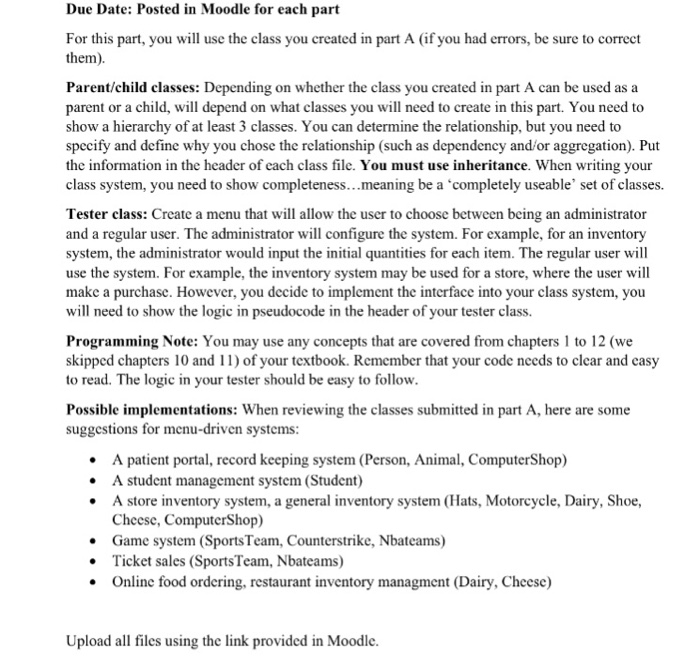
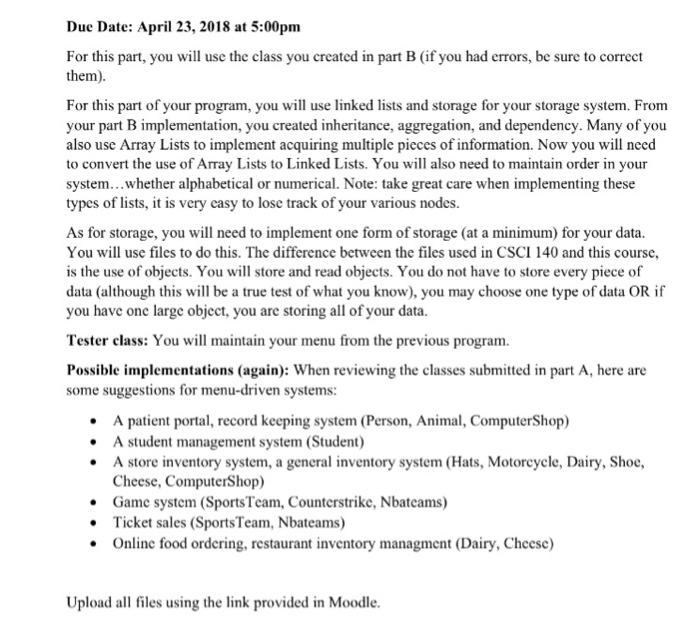
Question: I Am In Algorthmic Design And I Need Help Completing Part B And C Of This Program I Finished Part A Which Is The First
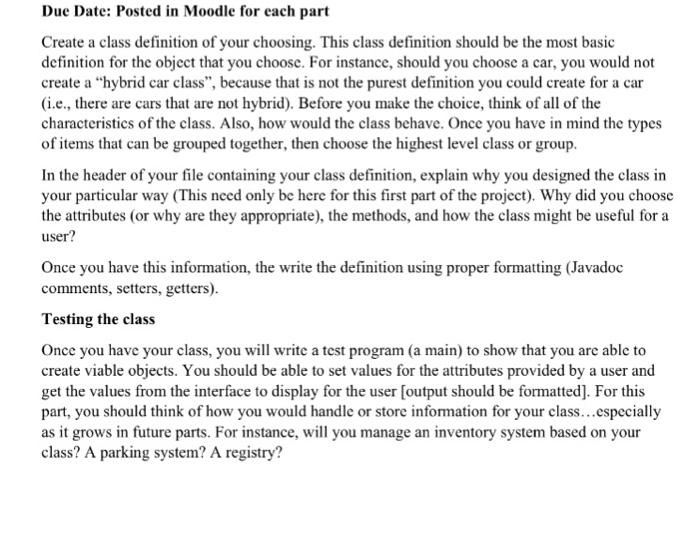
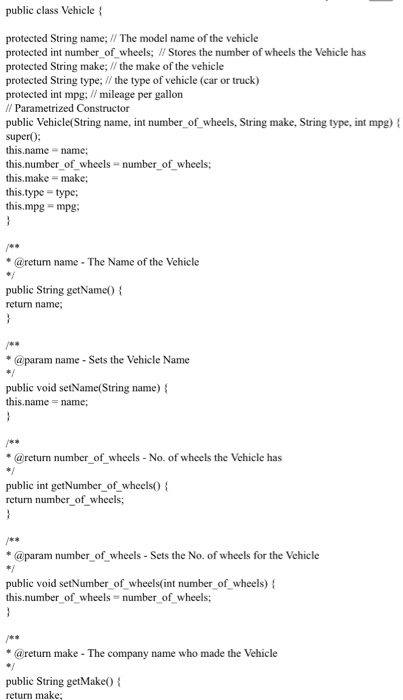
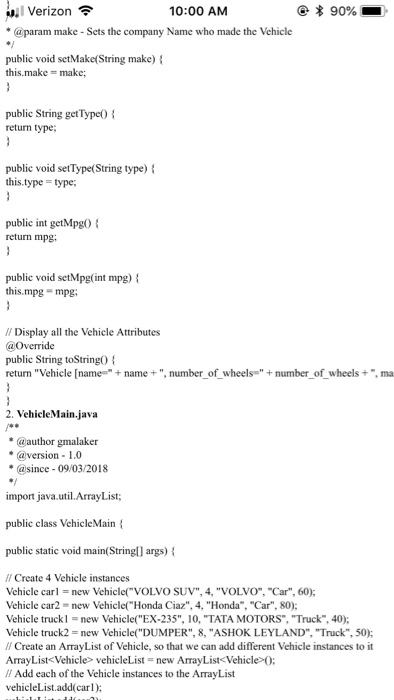
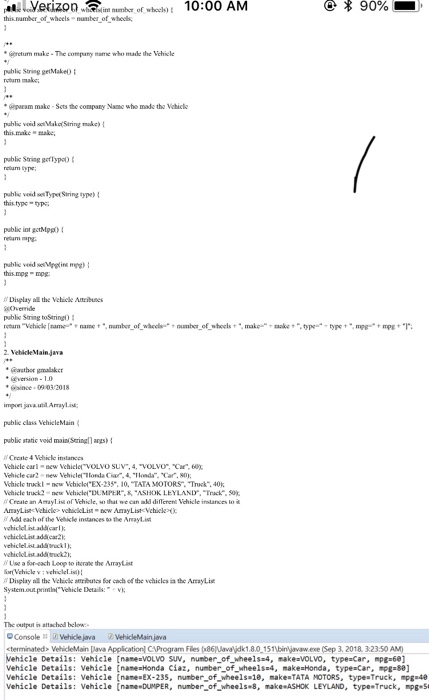
Due Date: Posted in Moodle for each part Create a class definition of your choosing. This class definition should be the most basic definition for the object that you choosc. For instance, should you choose a car, you would not create a "hybrid car class", because that is not the purest definition you could create for a car (i.e., there are cars that are not hybrid). Before you make the choice, think of all of the characteristics of the class. Also, how would the class behave. Once you have in mind the types of items that can be grouped together, then choose the highest level class or group In the header of your file containing your class definition, explain why you designed the class in your particular way (This need only be here for this first part of the project). Why did you choose the attributes (or why are they appropriate), the methods, and how the class might be useful for a user? Once you have this information, the write the definition using proper formatting (Javadoc comments, setters, getters) Testing the class Once you have your class, you will write a test program (a main) to show that you are able to create viable objects. You should be able to set values for the attributes provided by a user and get the values from the interface to display for the user [output should be formatted]. For this part, you should think of how you would handle or store information for your class..especially as it grows in future parts. For instance, will you manage an inventory system based on your class? A parking system? A registry? Due Date: Posted in Moodle for each part Create a class definition of your choosing. This class definition should be the most basic definition for the object that you choosc. For instance, should you choose a car, you would not create a "hybrid car class", because that is not the purest definition you could create for a car (i.e., there are cars that are not hybrid). Before you make the choice, think of all of the characteristics of the class. Also, how would the class behave. Once you have in mind the types of items that can be grouped together, then choose the highest level class or group In the header of your file containing your class definition, explain why you designed the class in your particular way (This need only be here for this first part of the project). Why did you choose the attributes (or why are they appropriate), the methods, and how the class might be useful for a user? Once you have this information, the write the definition using proper formatting (Javadoc comments, setters, getters) Testing the class Once you have your class, you will write a test program (a main) to show that you are able to create viable objects. You should be able to set values for the attributes provided by a user and get the values from the interface to display for the user [output should be formatted]. For this part, you should think of how you would handle or store information for your class..especially as it grows in future parts. For instance, will you manage an inventory system based on your class? A parking system? A registry
Step by Step Solution
There are 3 Steps involved in it

Get step-by-step solutions from verified subject matter experts