







Question: I need help with question 3 on this case study. I am having a hard time figuring out how to make the excel sheets. Can


I need help with question 3 on this case study. I am having a hard time figuring out how to make the excel sheets. Can you please make spreadsheets and show the formulas in regards to these strategies.
Level Level with overtime Chase Second shift
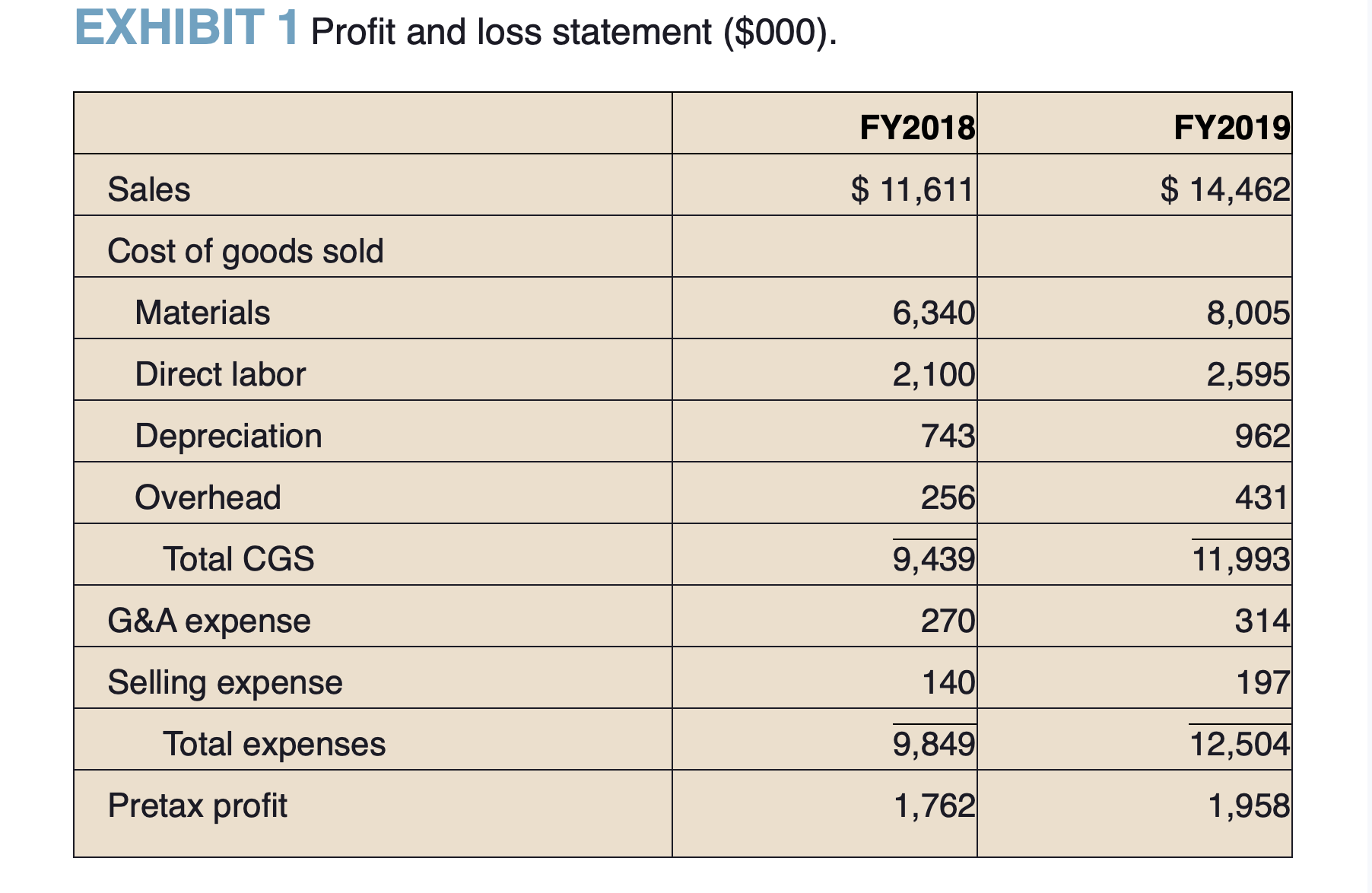
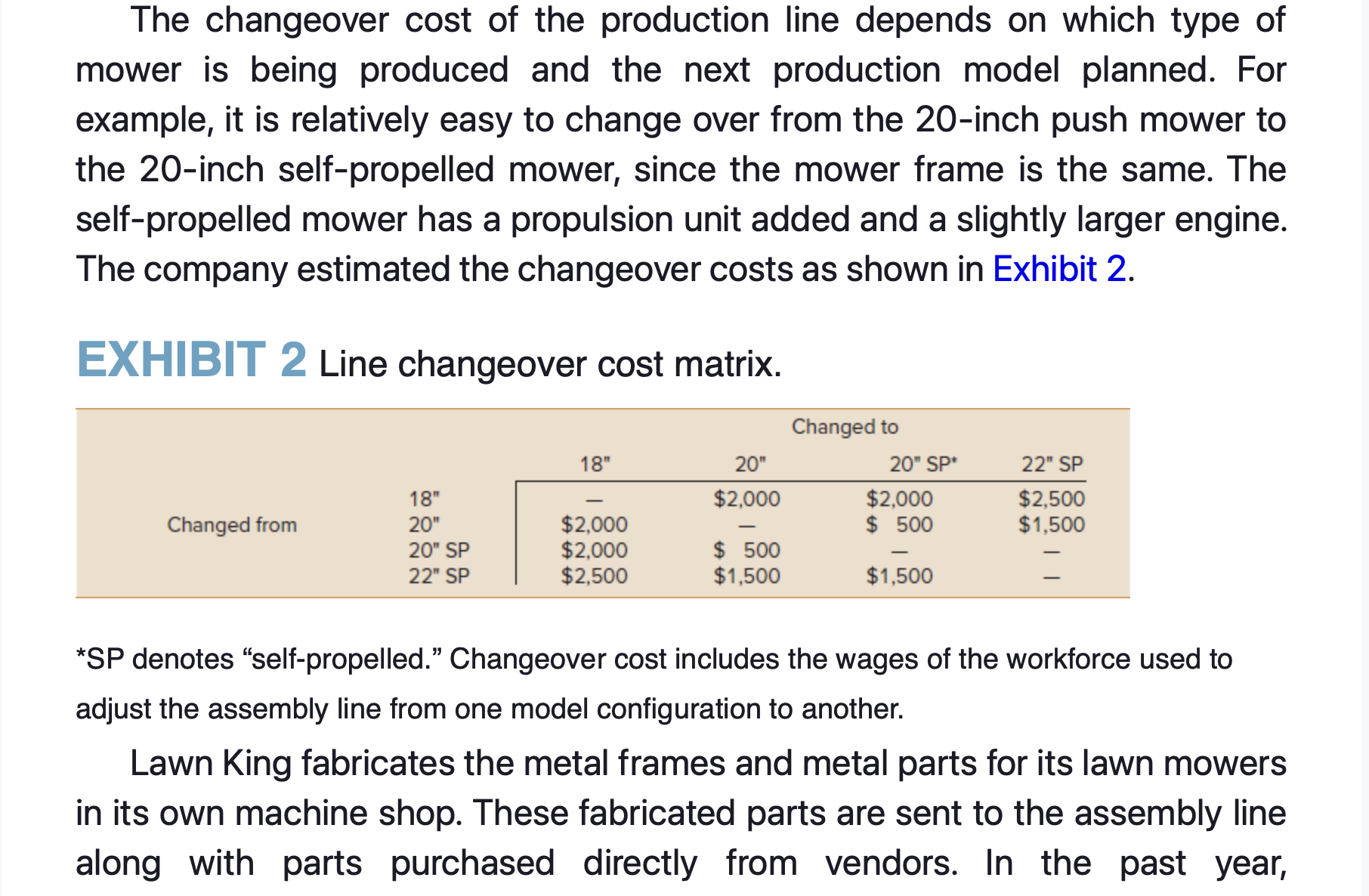
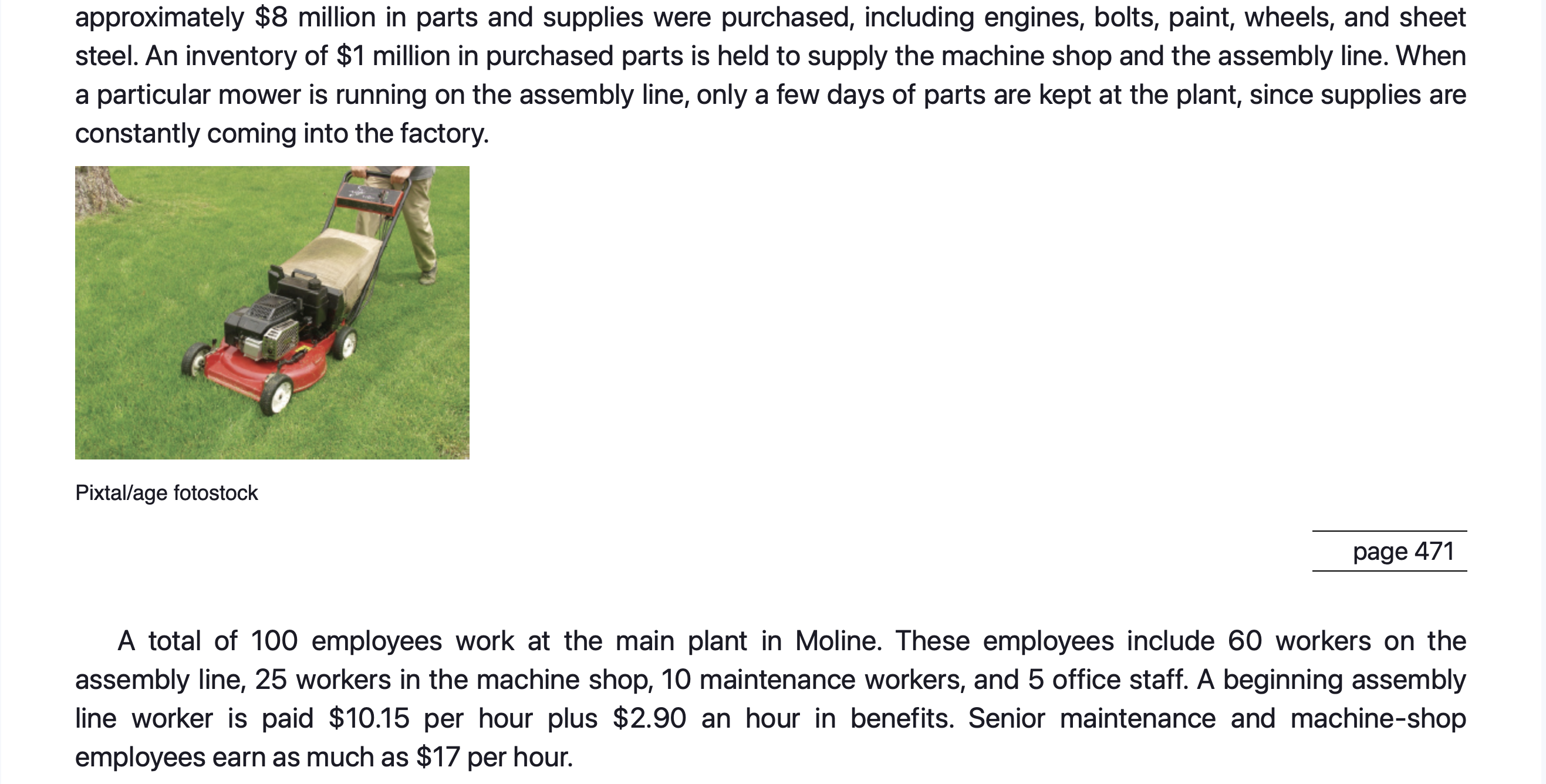
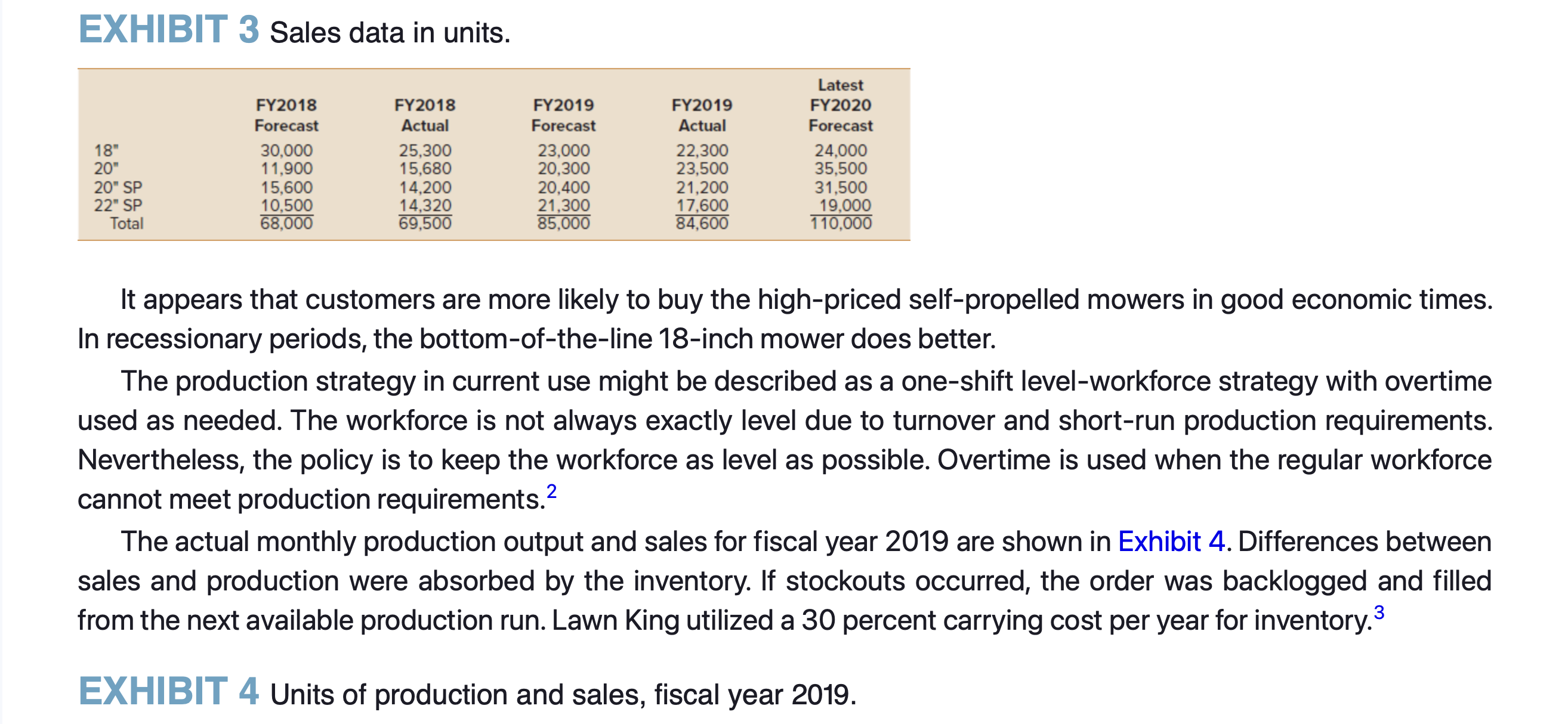
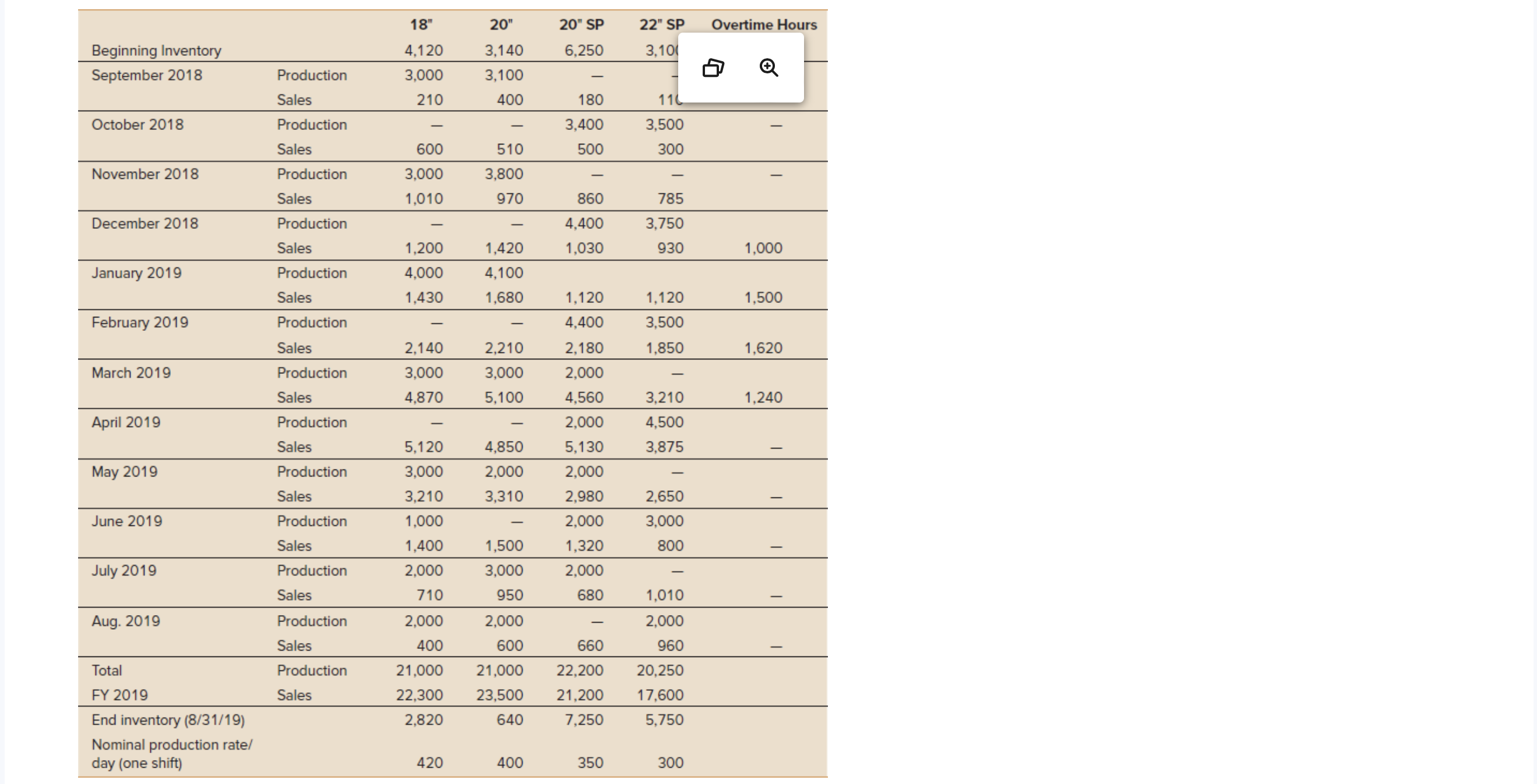
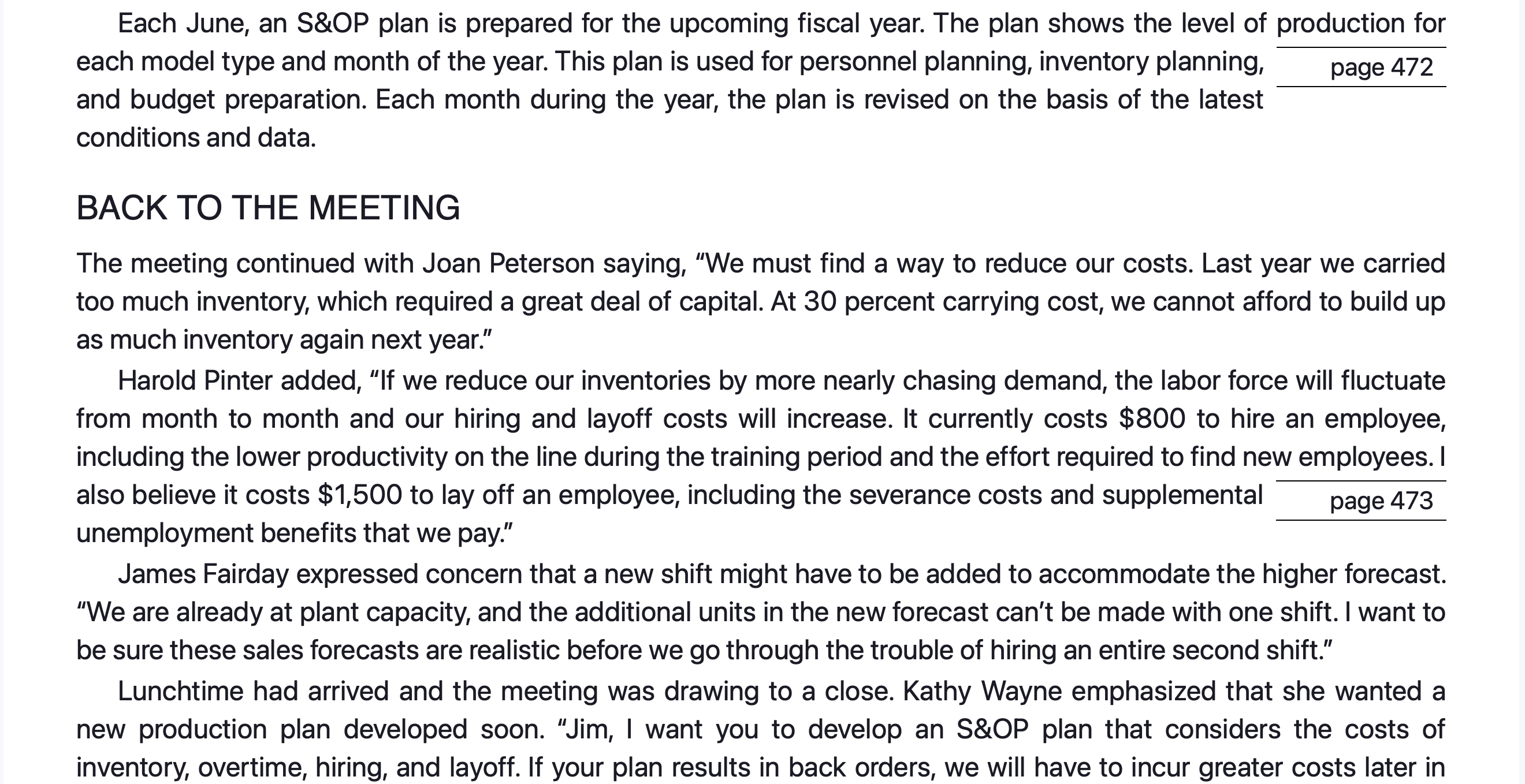
John Conner, marketing manager for Lawn King, looked over the beautiful countryside as he drove to the corporate headquarters in Moline, Illinois. John had asked his boss, Kathy Wayne, the general manager of Lawn King, to call a meeting in order to review the latest forecast figures for fiscal year 2020.1 When he arrived at the plant, the meeting was ready to begin. Others in attendance at the meeting were James Fairday, plant manager; Joan Peterson, controller; and Harold Pinter, personnel officer. John started the meeting by reviewing the latest situation: "I've just returned from our annual sales meeting, and I think we lost more sales last year than we thought, due to back-order conditions at the factory. We have also reviewed the forecast for next year and feel that sales will be 110,000 units in fiscal year 2020. The marketing department feels this forecast is realistic and could be exceeded if all goes well." At this point, James Fairday interrupted by saying, "John, you've got to be kidding. Just three months ago we all sat in this same room and you predicted sales of 98,000 units for fiscal 2020 . Now you've raised the forecast by 12 percent. How can we do a reasonable job of production planning when we have a moving target to shoot at?" Kathy interjected, "Jim, I appreciate your concern, but we have to be responsive to changing market conditions. Here we are in September and we still haven't got a firm plan for fiscal 2020, which has just started. I want to use the new forecast and develop a Sales and Operations Plan (S\&OP) for next year as soon as possible." John added, "We've been talking to our best customers, and they're complaining about back orders during the peak selling season. A few have threatened to drop our product line if they don't get better service next year. We have to produce not only enough product but also the right models to service the customer." MANUFACTURING PROCESS Lawn King is a small-sized producer of lawn mower equipment. Last year, sales were $14.5 million and pretax profits were $2 million, as shown in Exhibit 1. The company makes four lines of lawn mowers: an 18-inch push mower, a 20inch push mower, a 20-inch self-propelled mower, and a 22-inch deluxe self-propelled mower. All these mowers are made on the same assembly line. During the year, the line is changed over from one mower to the next to meet the actual and projected demand. EXHIBIT 1 Profit and loss statement (\$000). The changeover cost of the production line depends on which type of mower is being produced and the next production model planned. For example, it is relatively easy to change over from the 20 -inch push mower to the 20-inch self-propelled mower, since the mower frame is the same. The self-propelled mower has a propulsion unit added and a slightly larger engine. The company estimated the changeover costs as shown in Exhibit 2. EXHIBIT 2 Line changeover cost matrix. *SP denotes "self-propelled." Changeover cost includes the wages of the workforce used to adjust the assembly line from one model configuration to another. Lawn King fabricates the metal frames and metal parts for its lawn mowers in its own machine shop. These fabricated parts are sent to the assembly line along with parts purchased directly from vendors. In the past year, approximately $8 million in parts and supplies were purchased, including engines, bolts, paint, wheels, and sheet steel. An inventory of $1 million in purchased parts is held to supply the machine shop and the assembly line. When a particular mower is running on the assembly line, only a few days of parts are kept at the plant, since supplies are constantly coming into the factory. Pixtal/age fotostock page 471 A total of 100 employees work at the main plant in Moline. These employees include 60 workers on the assembly line, 25 workers in the machine shop, 10 maintenance workers, and 5 office staff. A beginning assembly line worker is paid $10.15 per hour plus $2.90 an hour in benefits. Senior maintenance and machine-shop employees earn as much as $17 per hour. It generally takes about two weeks for a new employee to reach full productivity on the assembly line. After three months, an employee can request rotation to other jobs on the line if job variety is desired. At least some of the workers find the work quite repetitive and boring. The plant is unionized, but relations between the union and the company have always been good. Nevertheless, employee turnover has been high. In the past year, approximately 50 percent of the employees left the company, representing a total training cost of $42,000 for the year. There is also considerable absenteeism, especially on Mondays and Fridays, causing production disruptions. To handle this situation, six "fillers" are kept on the workforce to fill in for people who are absent on a given day. These fillers also help train the new employees when they are not needed for direct production work. PRODUCTION PLANNING The actual sales and forecasts are shown in Exhibit 3. Not only are the sales highly seasonal, but total sales are dependent on the weather. If the weather is good in early spring, customers will be more inclined to buy a new mower. A good grass-growing season also encourages sales during the summer. EXHIBIT 3 Sales data in units. It appears that customers are more likely to buy the high-priced self-propelled mowers in good economic times. In recessionary periods, the bottom-of-the-line 18-inch mower does better. The production strategy in current use might be described as a one-shift level-workforce strategy with overtime used as needed. The workforce is not always exactly level due to turnover and short-run production requirements. Nevertheless, the policy is to keep the workforce as level as possible. Overtime is used when the regular workforce cannot meet production requirements. 2 The actual monthly production output and sales for fiscal year 2019 are shown in Exhibit 4. Differences between sales and production were absorbed by the inventory. If stockouts occurred, the order was backlogged and filled from the next available production run. Lawn King utilized a 30 percent carrying cost per year for inventory. 3 EXHIBIT 4 Units of production and sales, fiscal year 2019. Each June, an S\&OP plan is prepared for the upcoming fiscal year. The plan shows the level of production for each model type and month of the year. This plan is used for personnel planning, inventory planning, page 472 and budget preparation. Each month during the year, the plan is revised on the basis of the latest conditions and data. BACK TO THE MEETING The meeting continued with Joan Peterson saying, "We must find a way to reduce our costs. Last year we carried too much inventory, which required a great deal of capital. At 30 percent carrying cost, we cannot afford to build up as much inventory again next year." Harold Pinter added, "If we reduce our inventories by more nearly chasing demand, the labor force will fluctuate from month to month and our hiring and layoff costs will increase. It currently costs $800 to hire an employee, including the lower productivity on the line during the training period and the effort required to find new employees. I also believe it costs $1,500 to lay off an employee, including the severance costs and supplemental unemployment benefits that we pay." James Fairday expressed concern that a new shift might have to be added to accommodate the higher forecast. "We are already at plant capacity, and the additional units in the new forecast can't be made with one shift. I want to be sure these sales forecasts are realistic before we go through the trouble of hiring an entire second shift." Lunchtime had arrived and the meeting was drawing to a close. Kathy Wayne emphasized that she wanted a new production plan developed soon. "Jim, I want you to develop an S\&OP plan that considers the costs of the year to meet demand. I will not allow the same stockout situation that we experienced last year." The meeting adjourned for lunch. Discussion Questions 3. Develop an S\&OP plan by month for fiscal year 2020 . Consider the use of several different production strategies. Which strategy do you recommend? Use Excel to save time in making these plans
Step by Step Solution
There are 3 Steps involved in it

Get step-by-step solutions from verified subject matter experts
 Study Help