







Question: I need to use the engineering process step analysis to solve this. I will share the steps that have to be followed from my book.
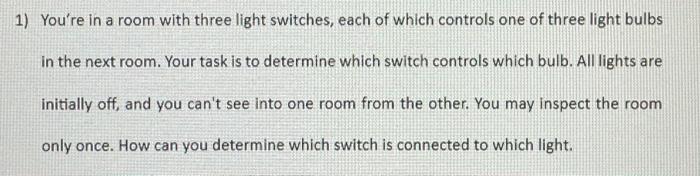
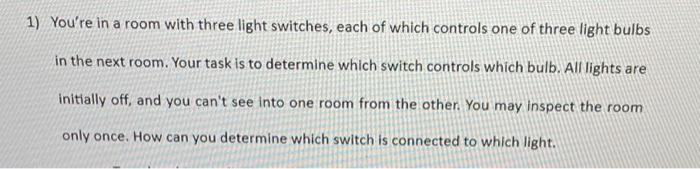
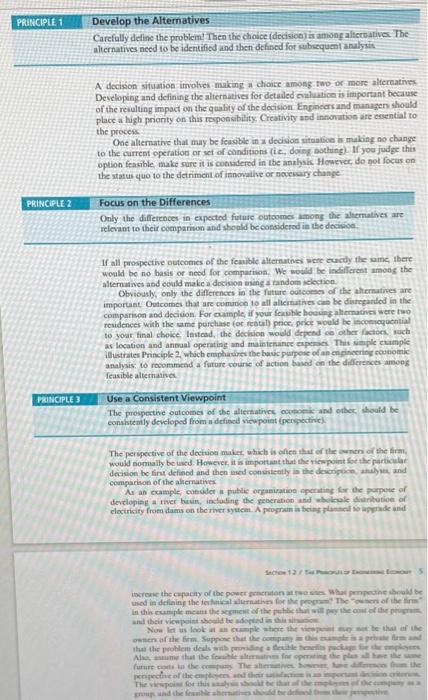
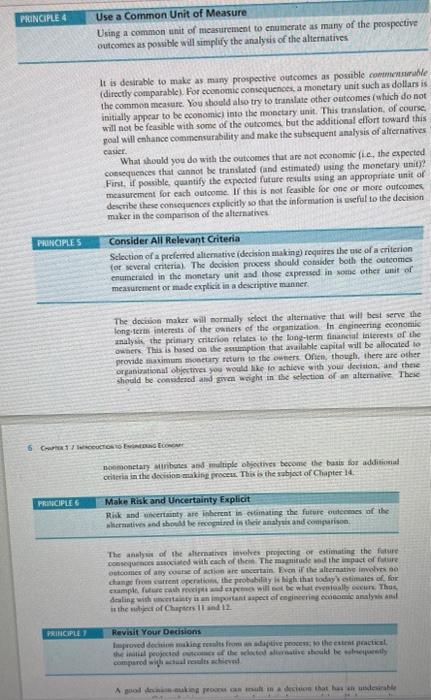
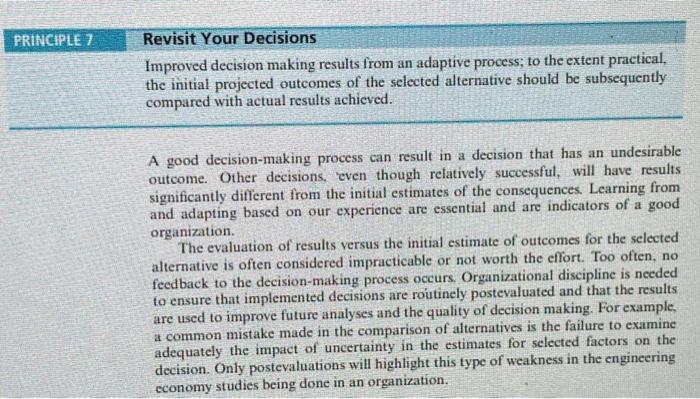
It is desirable to make as mary propective outcomes as possibie combmenairable (ditectly comparable). For coonomic conicquences, a monetary unit such as dollars is the common meatute. You stoveld also try to tranalate other outcomes (which do not initially appear to be cconomic) into the monctary unit. This translation, of course, will not be feasible with some of the outcomes but the additional effort torsard this goal will enhance commensurability and make the subsequent analysis of alfernatives casier. What thould you do with the outcomes that are not oconomic (i.c., the expected consequences that cananot be tranklued (and estimated) uaing the monetary unit)? Finst. if possible, quantify the expected future revalts ming an appropiate unit of measurement for each outcome. If this is not feasible for one or more outcomes. describe these connequences explicitly so that the information is uxefial to the decision maker is the comparison of the alternatives The dociabon maker will normally seloct the alternative that will bet serve the lons:terts interests of the owners of the orpanization. In eapioecrine econontic analysk the primary criterion relate to the boag-ierm tinaincial iaterests of the provade maximum mosetary return to the owere. Ofien, though, there are other should be considesod and gwen woght in Be selection of an alternative. These ctileria in the Uscision araking procers. This bs the subjost of Chapter 14 The anblowe of ite slicrastives isvolves projosting of estimating the fature obtcomes of ang course of nction are incertain. Bvon if the alternative imolven bo it the thliged of Chuphers 11 and 12 1) You're in a room with three light switches, each of which controls one of three light bulbs in the next room. Your task is to determine which switch controls which bulb. All lights are initially off, and you can't see into one room from the other. You may inspect the room only once. How can you determine which switch is connected to which light. A decision situation imolves making a choice among two of more alferratives Developing and defining the alternatives for detaled ceahuatice is important because of the revulting impact on the quabiy of the decision. Enginecrs and managen should the process Oae aliernative that may be feasible in a decision situalice a making no change to the current operation or set of conditions (ic., doing boching). If you judge this option feasible, make sure it is considerod in tbe annlyak. However, do pot focas on the status quo to the detriment of innovative or noceroury change If all provective outcomes of the feaible alternatives wete cuicdy the sume, there would be no basis of nesd for comparikon. We would be indifferent amoag the alternatives and could make a docision esing a random icloction. Obviously, only the differences in the furture ouleoenes of the alternatives are important Outcomes that are commoce 10 all alierhutives cas be diverganted in the comparinon and decition. For coumple, if your fowible houling alternativen were two residenees with the ame purchase (or irstal) price, price would te iscoenequential to yoar final choice lastead, the dechion would depend oe other facton. wuch as lecation and anesal operating and maisicnance eapenses. Tis sianple example analysis, to rocommend a future courne of action basod on the differences among feasible alternatives The peripective of the docivioe maker, which is efles ither ef the ewnen of the Afran, would somilly be used. However, it is important that the riespoint for the particular ecmparison of the aliematives As an ccample, consider a public orgasiration operaties for be parpove of 1) You're in a room with three light switches, each of which controls one of three light bulbs in the next room. Your task is to determine which switch controls which bulb. All lights are initially off, and you can't see into one room from the other. You may inspect the room only once. How can you determine which switch is connected to which light. Revisit Your Decisions Improved decision making results from an adaptive process; to the extent practical, the initial projected outcomes of the selected alternative should be subsequently compared with actual results achieved. A good decision-making process can result in a decision that has an undesirable outcome. Other decisions, even though relatively successful, will have results significantly different from the initial estimates of the consequences. Learning from and adapting based on our experience are essential and are indicators of a good organization. The evaluation of results versus the initial estimate of outcomes for the selected alternative is often considered impracticable or not worth the effort. Too often, no feedback to the decision-making process occurs. Organizational discipline is needed to ensure that implemented decisions are routinely postevaluated and that the results are used to improve future analyses and the quality of decision making. For example, a common mistake made in the comparison of alternatives is the failure to examine adequately the impact of uncertainty in the estimates for selected factors on the decision. Only postevaluations will highlight this type of weakness in the engineering economy studies being done in an organization
Step by Step Solution
There are 3 Steps involved in it

Get step-by-step solutions from verified subject matter experts
 Study Help