







Question: In my Assignment , I will develop a plan for a 30-second TV advertisement aimed at selling the client's product for Mondo. - Central route
In my Assignment , I will develop a plan for a 30-second TV advertisement aimed at selling the client's product for Mondo.
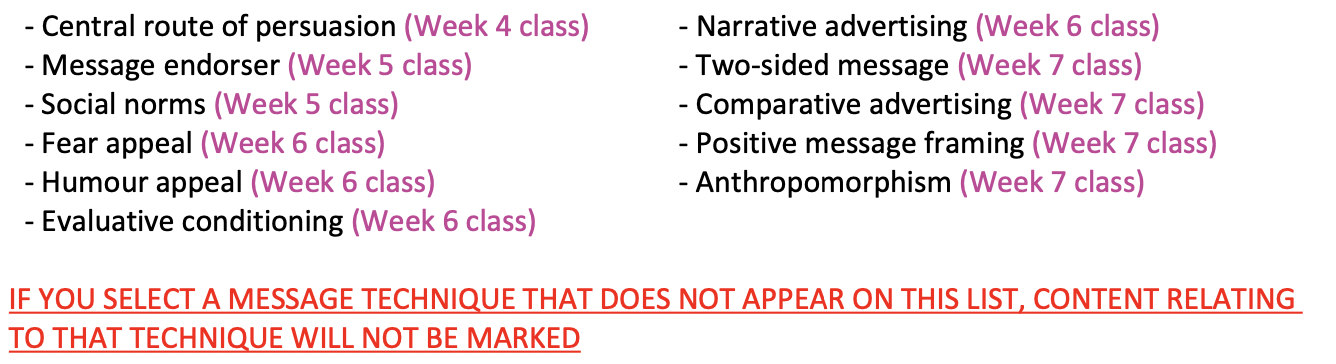
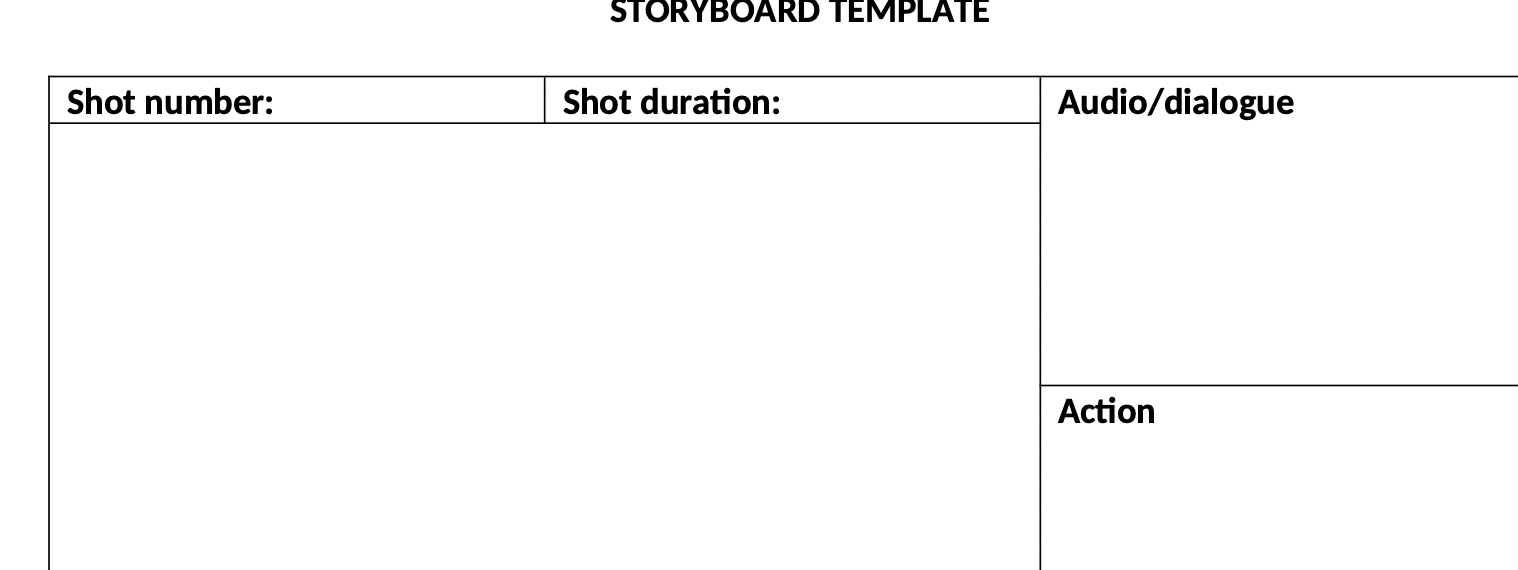
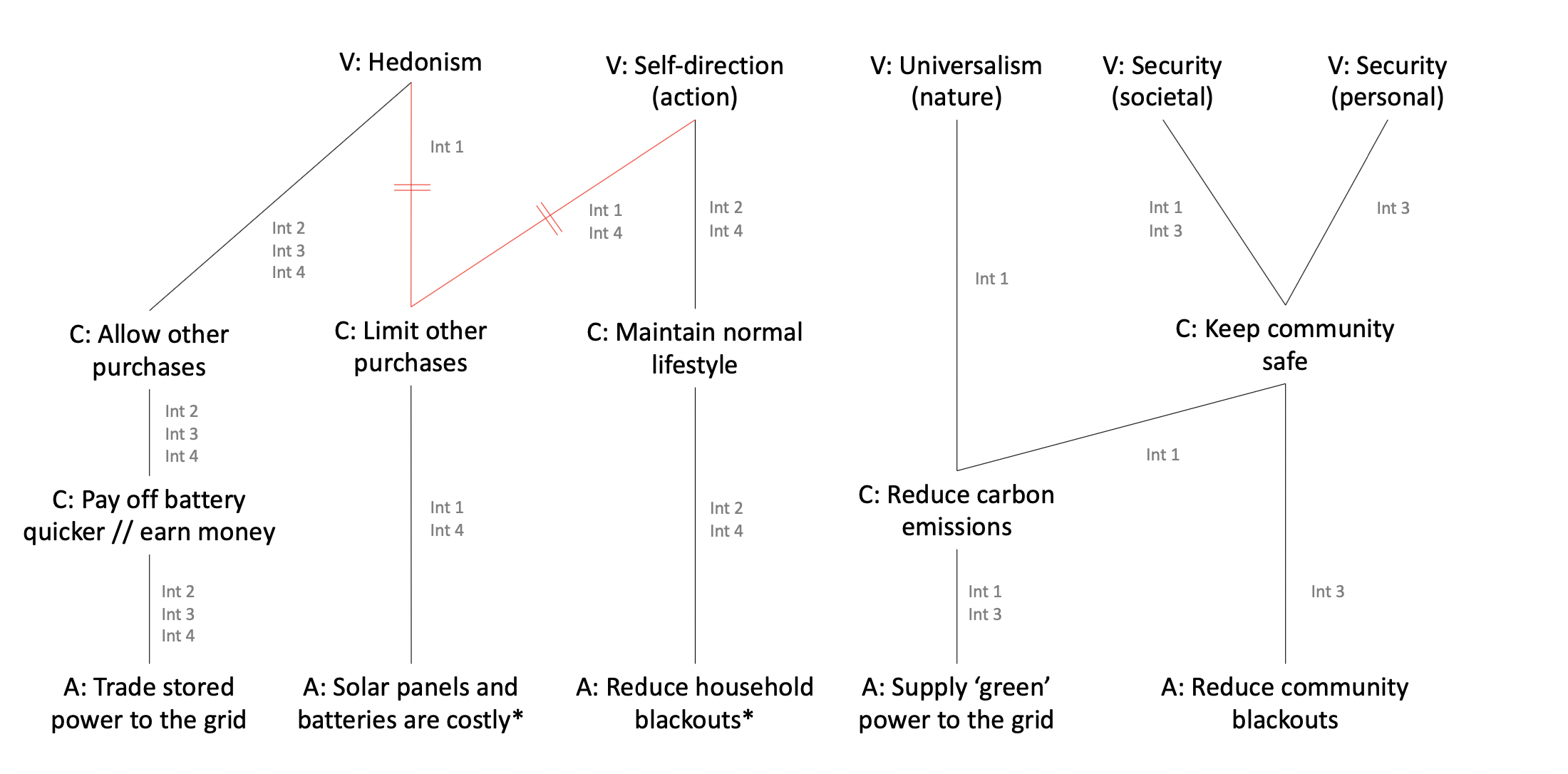
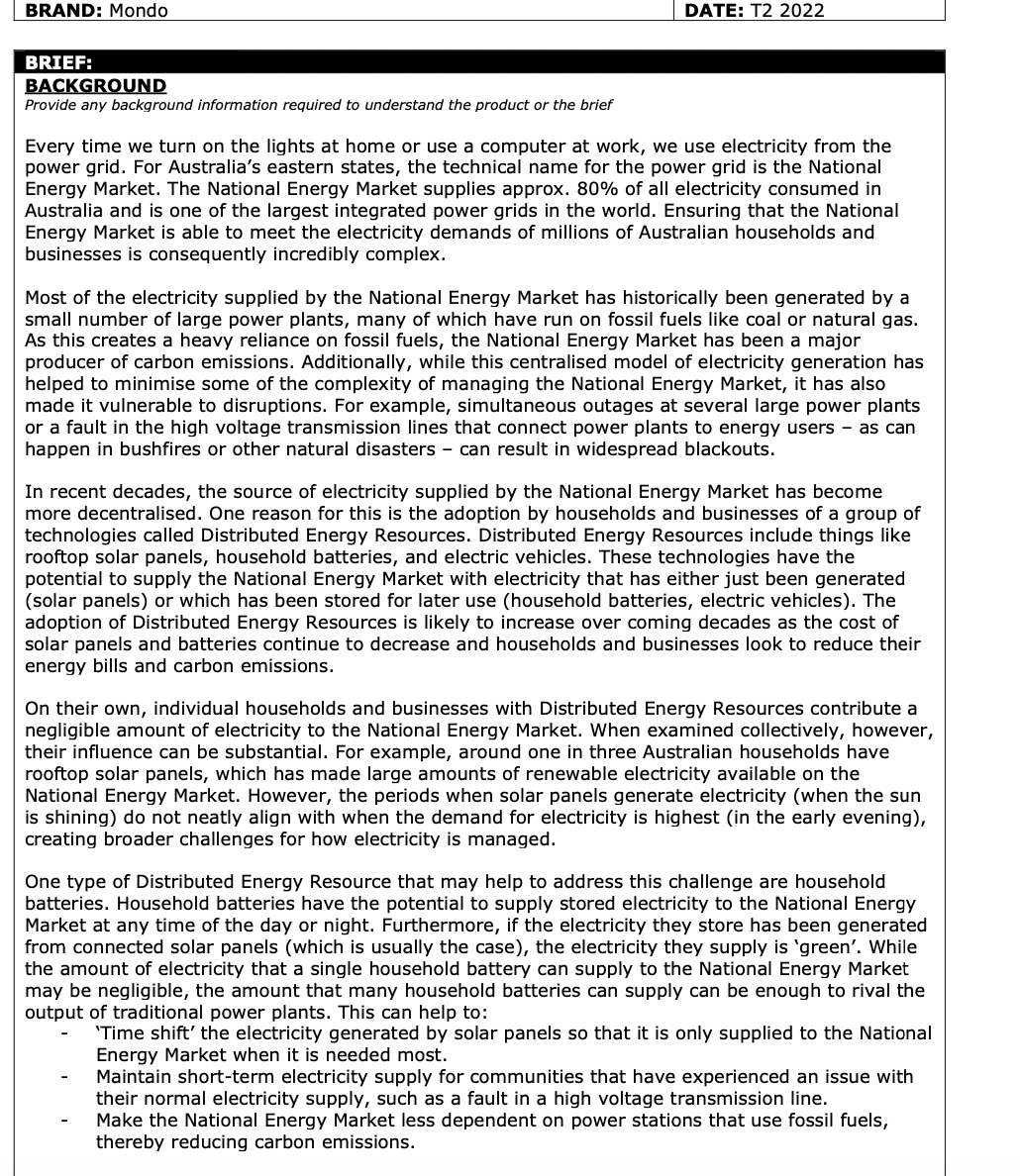
- Central route of persuasion (Week 4 class) - Narrative advertising (Week 6 class) - Message endorser (Week 5 class) - Two-sided message (Week 7 class) - Social norms (Week 5 class) - Comparative advertising (Week 7 class) - Fear appeal (Week 6 class) - Positive message framing (Week 7 class) - Humour appeal (Week 6 class) - Anthropomorphism (Week 7 class) - Evaluative conditioning (Week 6 class) IF YOU SELECT A MESSAGE TECHNI UE THAT DOES NOT APPEAR ON THIS LIST CONTENT RELATING TO THAT TECHNIQUE WILL NOT BE MARKED \fV: Hedonism V: Self-direction V: Universalism V: Security V: Security (action) (nature) (societal) (personal) Int 1 Int 1 Int 2 Int 1 Int 3 Int 2 Int 4 Int 4 Int 3 Int 3 Int 4 Int 1 C: Allow other C: Limit other C: Maintain normal C: Keep community purchases purchases lifestyle safe Int 2 Int 3 Int 4 Int 1 C: Pay off battery Int 1 Int 2 C: Reduce carbon quicker // earn money Int 4 Int 4 emissions Int 2 Int 1 Int 3 Int 3 Int 3 Int 4 A: Trade stored A: Solar panels and A: Reduce household A: Supply 'green' A: Reduce community power to the grid batteries are costly* blackouts* power to the grid blackouts| BRAND: Mondo | DATE: T2 2022 momma Provide any background information required to understand the product or the brief Every time we turn on the lights at home or use a computer at work, we use electricity from the power grid. For Australia's eastern states, the technical name for the power grid is the National Energy Market. The National Energy Market supplies appr0x. 80% of all electricity consumed in Australia and is one of the largest integrated power grids in the world. Ensuring that the National Energy Market is able to meet the electricity demands of millions of Australian households and businesses is consequently incredibly complex. M05t of the electricity supplied by the National Energy Market has historically been generated by a small number of large power plants, many of which have run on fossil fuels like coal or natural gas. As this creates a heavy reliance on fOssil fuels, the National Energy Market has been a major producer of carbon emissions. Additionally, while this centralised model of electricity generation has helped to minimise some of the complexity of managing the National Energy Market, it has also made it vulnerable to disruptions. For example, simultaneous outages at several large power plants or a fault in the high voltage transmission lines that connect power plants to energy users - as can happen in bushfires or other natural disasters can result in widespread blackouts. In recent decades, the scurce of electricity supplied by the National Energy Market has become more decentralised. One reason for this is the adoption by households and businesses of a group of technologies called Distributed Energy Resources. Distributed Energy Resources include things like rooop solar panels, household batteries, and electric vehicles. These technologies have the potential to supply the National Energy Market with electricity that has either just been generated (solar panels) or which has been stored for later use (household batteries, electric vehicles). The adeption of Distributed Energy Rescurces is likely to increase Over coming decades as the cost of solar panels and batteries continue to decrease and households and businesses look to reduce their energy bills and carbon emissions. On their own, individual households and businesses with Distributed Energy Resources contribute a negligible am0unt of electricity to the National Energy Market. When examined collectively, however, their inuence can be substantial. For example, around one in three Australian households have rooftop solar panels, which has made large amounts of renewable electricity available on the National Energy Market. However, the periods when solar panels generate electricity (when the sun is shining) do not neatly align with when the demand for electricity is highest (in the early evening), creating broader challenges for how electricity is managed. One type of Distributed Energy Rescurce that may help to address this challenge are household batteries. H0usehold batteries have the potential to supply stored electricity to the National Energy Market at any time of the day or night. Furthermore, if the electricity they store has been generated fr0m connected solar panels (which is usually the case), the electricity they supply is 'green'. While the amount of electricity that a single household battery can supply to the National Energy Market may be negligible, the amount that many household batteries can supply can be enough to rival the output of traditional power plants. This can help to: - 'Time shift' the electricity generated by solar panels so that it is only supplied to the National Energy Market when it is needed most. - Maintain short-term electricity supply for communities that have experienced an issue with their normal electricity supply, such as a fault in a high voltage transmission line. - Make the National Energy Market less dependent on power stations that use fossil fuels, thereby reducing carbon emissions
Step by Step Solution
There are 3 Steps involved in it

Get step-by-step solutions from verified subject matter experts
 Study Help